2016 GMC Sierra 2500HD Wheel Interchange And Fitment
Use this page to compare wheel and tire dimensions for a 2016 GMC Sierra 2500HD. The listed specifications are the known OEM fitment data provided for this page. Equipment can vary by trim, package, market, or replacement wheel, so confirm the vehicle-specific information before purchasing.
Known OEM Fitment For 2016 GMC Sierra 2500HD
| Specification |
Known value |
| Bolt pattern |
8x180 |
| Center bore |
124.1 mm |
| Thread size |
M14 x 1.5 |
| Rim diameter |
20 inches |
| Rim width |
8.5 inches |
| Wheel offset |
ET40, or 40 mm |
| Backspacing |
5.82 inches |
| Tire size data |
275/55R20 |
| Tire section width |
275 mm |
| Tire aspect ratio |
55% |
| Tire rim diameter |
20 inches |
These values describe the supplied reference fitment, not a guarantee that every 2016 GMC Sierra 2500HD trim uses the same wheel or tire configuration. Confirm the original equipment size on the driver's door placard, in the owner's manual, on the existing wheel, or through a GMC dealer using the vehicle identification number.
The 8x180 bolt pattern identifies eight studs on a 180 mm pitch circle. The center bore must also be compatible with the vehicle hub. A wheel with the correct bolt pattern can still be unsuitable if its center bore, load rating, offset, brake clearance, or mounting hardware is incorrect.
How To Use The Wheel Interchange Calculator
Start by selecting the donor vehicle in the “Wheels from” field and select the 2016 GMC Sierra 2500HD in the “Installed on” field. The calculator compares the donor wheel and tire information with the target vehicle information.
- Review bolt pattern, center bore, wheel width, wheel diameter, offset, backspacing, and tire dimensions.
- Use the “Custom wheel size” controls to enter a wheel diameter, width, and offset when the desired wheel is not tied to a listed donor vehicle.
- Use the “Custom tire size” controls to enter tire section width and aspect ratio.
- Watch the comparison for changes in wheel position, clearance, and overall tire diameter.
- When you change rim diameter, the calculator updates the tire diameter comparison. Check that the tire size entered is intended for that rim diameter.
A calculator is a screening tool, not a substitute for a physical clearance check. It cannot confirm every brake-caliper shape, suspension condition, tire brand variation, fender clearance issue, or wheel load rating. Treat any result as a starting point for verification.
Fitment Checklist Before You Buy
- Confirm the vehicle's exact year, trim, drivetrain, and factory wheel package.
- Match the 8x180 bolt pattern and verify that the wheel is designed for the vehicle's stud and lug-nut arrangement.
- Confirm the 124.1 mm hub requirement and determine whether the wheel is hub-centric or requires an appropriate, correctly sized solution.
- Check that the wheel is rated for the vehicle's axle loads. Do not rely only on appearance or bolt pattern.
- Compare wheel width and offset with the calculator, then inspect inner suspension, steering, brake, and outer fender clearance.
- Confirm that the tire's load index and speed rating meet or exceed the vehicle and tire placard requirements.
- Verify the tire is approved for the selected rim width and that its actual dimensions may vary by manufacturer.
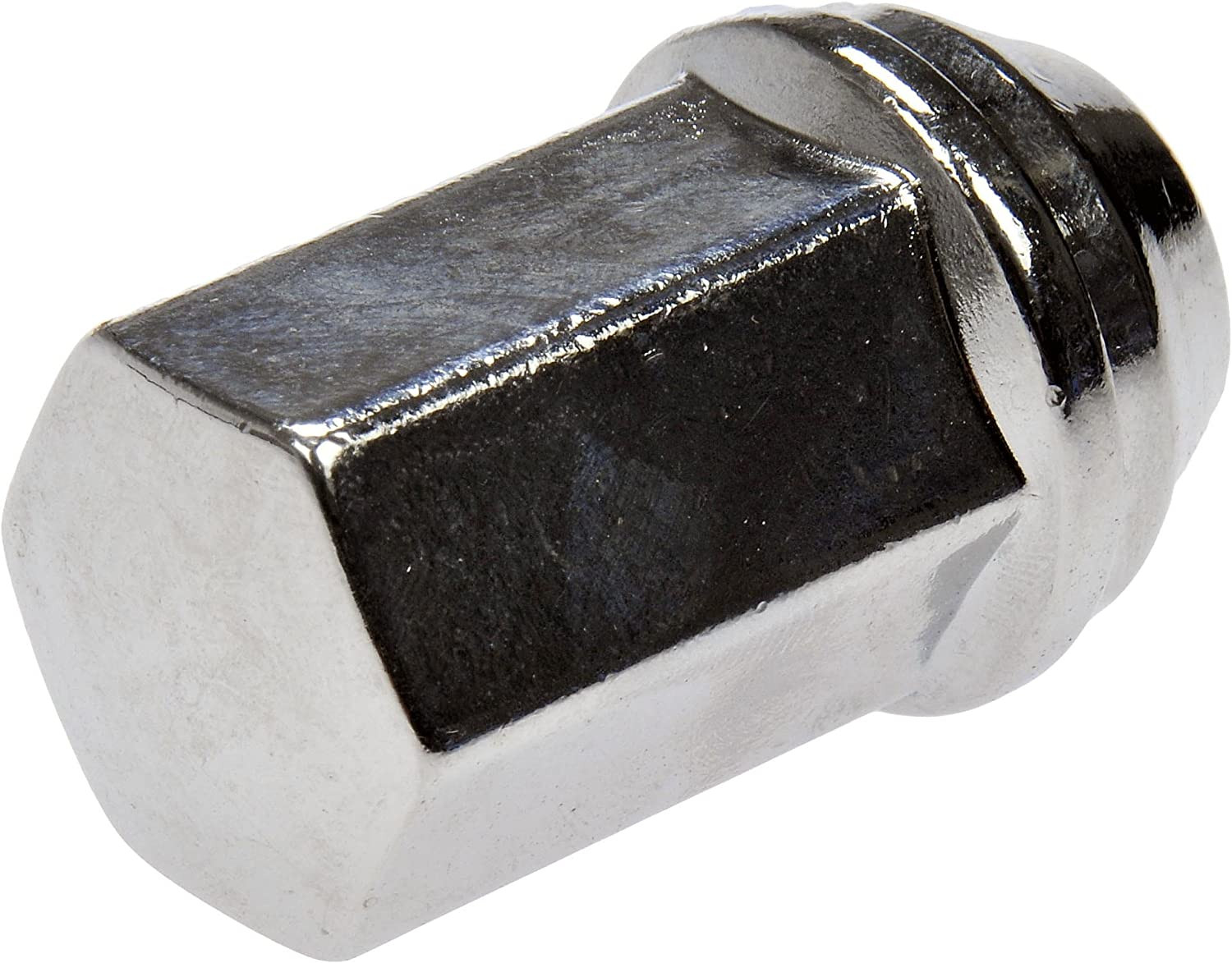
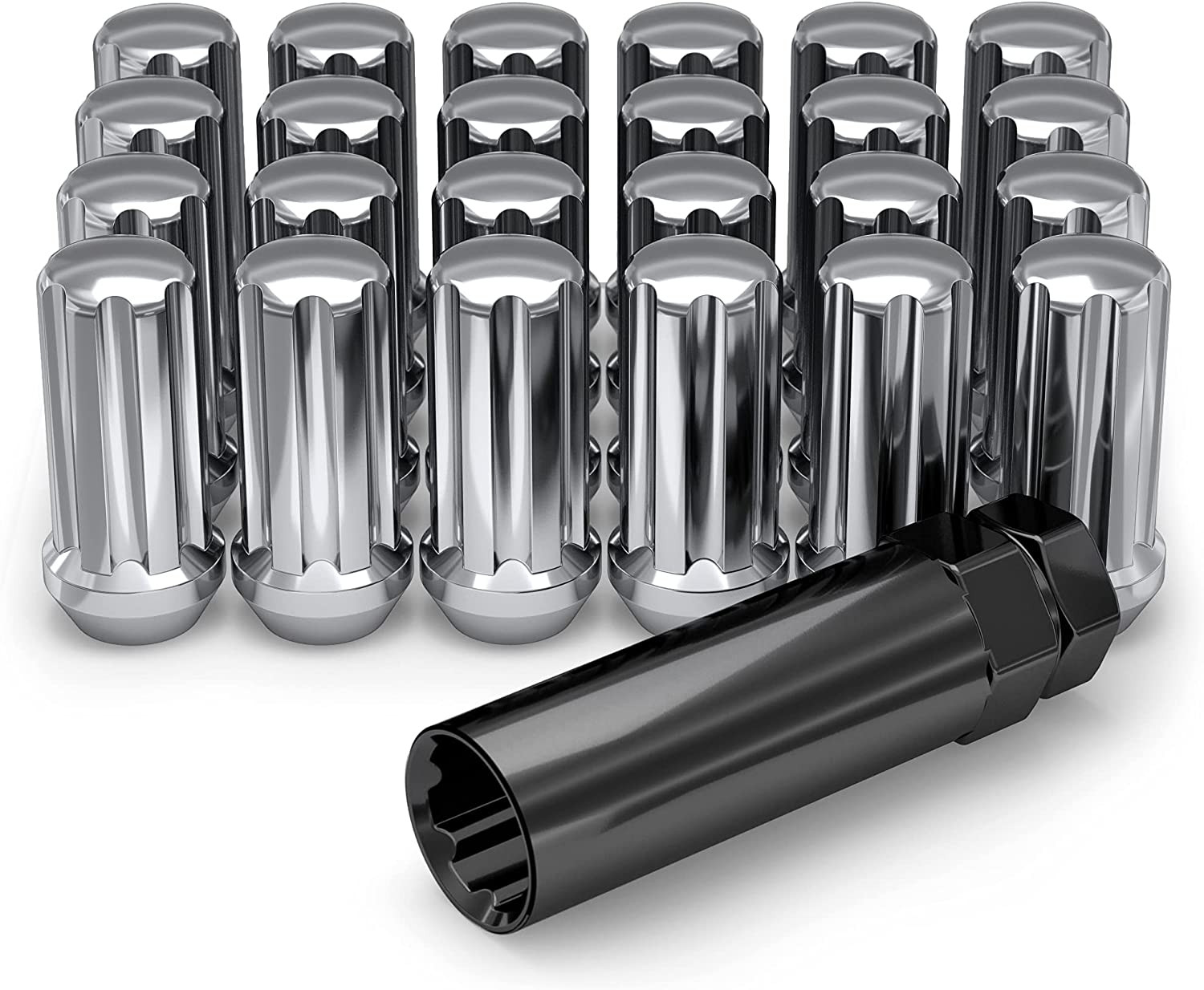
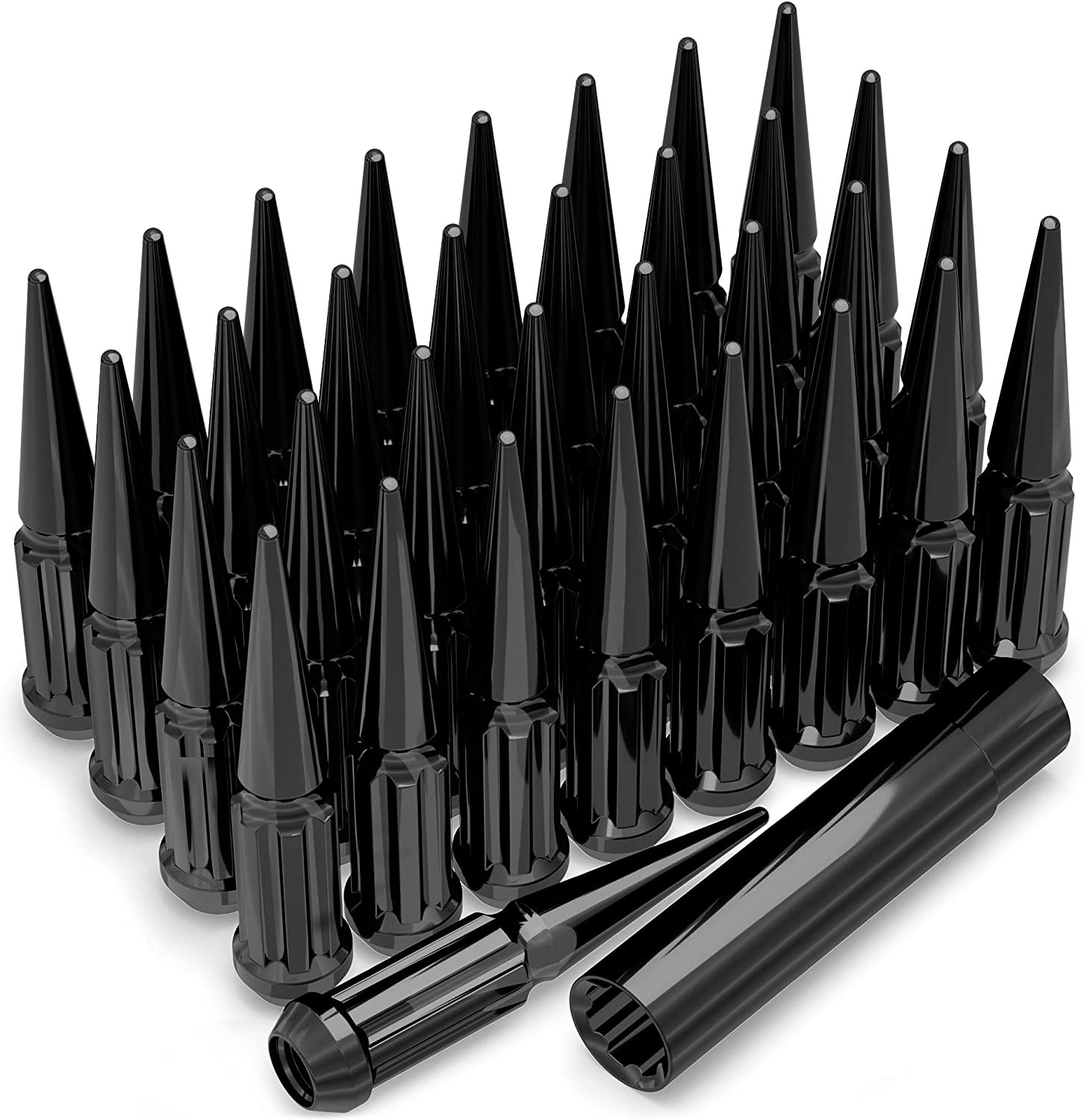
- Check that the replacement wheel accepts the correct M14 x 1.5 mounting hardware and has suitable lug-seat geometry.
- Inspect used wheels for cracks, bends, weld repairs, corrosion around the bead seat, and damaged mounting surfaces.
- After installation, confirm that the tire does not contact the suspension or body at full steering lock and through the available suspension travel.
Plus Sizing And Common Upgrades
Plus sizing changes wheel diameter while selecting a tire with a different sidewall height to control the change in overall tire diameter. No single upgrade size can be confirmed from the supplied data alone. Use the calculator's custom wheel and tire fields to compare a proposed combination against the known 275/55R20 reference.
When comparing a larger or smaller wheel, evaluate more than diameter. Wheel width and offset affect inner and outer clearance, while tire section width affects the sidewall position and possible rubbing. A lower-profile tire may also provide less impact protection and a firmer ride.
For a heavy-duty pickup, load capacity is especially important. Confirm the wheel load rating, tire load index, inflation requirements, and any axle or towing requirements using the vehicle placard, owner's manual, tire manufacturer data, and wheel manufacturer documentation. Do not select an upgrade solely because it matches the bolt pattern.
Installation Tips
- Install wheels only on clean, flat hub and wheel mounting surfaces. Remove loose rust and debris without damaging the hub or wheel.
- Use only compatible lug nuts with the correct thread, seat type, and engagement for the wheel.
- Start every lug nut by hand to avoid cross-threading.
- Snug the lug nuts in a crisscross pattern, lower the vehicle as appropriate, and torque them to the vehicle or wheel manufacturer's specified value.
- Do not guess the torque specification. Confirm it in the owner's manual, service information, or wheel manufacturer's instructions.
- Check tire pressure against the vehicle placard unless a qualified tire professional or manufacturer instruction specifies otherwise.
- Rotate the steering from lock to lock while stationary and inspect for contact. Then perform a careful low-speed test.
- Recheck lug-nut torque after the initial driving period specified by the vehicle or wheel manufacturer.
- Recheck tire pressure and inspect for rubbing after driving. Stop using the vehicle if a tire contacts a suspension or body component.
Tools And Helpful Supplies
Basic wheel work requires safe lifting equipment, wheel chocks, the correct socket, and a calibrated torque wrench. A tread-depth gauge and accurate tire-pressure gauge are useful for evaluating used tires and confirming the installation.
Use jack stands or a vehicle lift rated for the truck. Never work under a vehicle supported only by a jack. Verify the correct lifting points in the owner's manual or service information.
FAQs
What is the bolt pattern for the 2016 GMC Sierra 2500HD?
The known bolt pattern for the reference fitment is 8x180. Confirm the vehicle and wheel details before ordering because bolt pattern alone does not establish complete compatibility.
What is the center bore?
The known center bore is 124.1 mm. The wheel's center bore must properly clear and locate on the vehicle hub, or use only a properly specified solution approved for the application.
What wheel size is listed for this vehicle?
The supplied reference fitment lists a 20 x 8.5 inch wheel with ET40 offset and 5.82 inch backspacing. Trim and package differences should be checked through the door placard, owner's manual, existing wheel markings, or a GMC dealer.
What tire size is listed?
The supplied reference tire data is 275/55R20, meaning a 275 mm section width, 55 percent aspect ratio, and 20 inch rim diameter. Actual tire dimensions can vary by manufacturer.
Can I use wheels from another vehicle?
Possibly, but the donor wheel must be compared for bolt pattern, center bore, wheel diameter, width, offset, backspacing, load rating, brake clearance, and lug-seat compatibility. Use the wheel interchange calculator for the initial comparison and verify the final dimensions with the wheel manufacturer.
Does a matching 8x180 bolt pattern guarantee fitment?
No. A matching bolt pattern does not confirm center bore, brake clearance, offset, load capacity, tire clearance, or correct lug hardware. All of these items must be checked before installation.
How do I compare a custom wheel or tire size?
Enter the proposed dimensions in the calculator's “Custom wheel size” and “Custom tire size” fields. Compare the result with the known 20 x 8.5 inch ET40 and 275/55R20 reference, then perform a physical clearance and load-rating check.
What thread size is listed for the wheel hardware?
The supplied thread size is M14 x 1.5. The lug-nut seat type and required engagement must also match the replacement wheel, so verify both before installation.