2013 GMC Sierra 2500HD Wheel Interchange
Known OEM Fitment For 2013 GMC Sierra 2500HD
The following specifications are the known OEM fitment data provided for the 2013 GMC Sierra 2500HD. Equipment can vary by trim, package, wheel design, and market, so confirm the original wheel information using the vehicle owner's manual, the wheel markings, a GMC dealer, or an OEM parts source before purchasing.
| Specification |
Known value |
| Bolt pattern |
8x180 |
| Center bore |
124.1 mm |
| Thread size |
M14 x 1.5 |
| Rim diameter |
20 inches |
| Rim width |
9.0 inches |
| Wheel offset |
ET35, or 35 mm |
| Backspacing |
5.88 inches |
| Known tire size |
275/55R20 |
| Tire section width |
275 mm |
| Tire aspect ratio |
55 percent |
| Tire rim diameter |
20 inches |
Wheel interchange requires more than matching the bolt pattern. The wheel must also clear the brake assembly, fit the hub correctly, provide suitable load capacity, and maintain safe tire clearance. A wheel with the correct 8x180 pattern is not automatically compatible.
How To Use The Wheel Interchange Calculator
Use the calculator to compare wheels from a donor vehicle with wheels installed on your 2013 GMC Sierra 2500HD. Enter the donor wheel diameter, width, and offset, then compare those values with the known Sierra 2500HD data above.
- Start with the donor vehicle and enter its wheel diameter, width, and offset from reliable vehicle or wheel documentation.
- Enter the installed wheel information for your Sierra 2500HD, or use the provided known values as a reference.
- Check the difference in wheel position, inner clearance, outer protrusion, and overall tire diameter when those results are available.
- Use the custom wheel size fields to test a different rim diameter, width, or offset.
- Use the custom tire size fields to compare section width and aspect ratio.
- When rim diameter changes, review the updated tire diameter comparison. A different tire diameter can affect speedometer accuracy, vehicle clearance, handling, and electronic systems.
The calculator is a comparison aid, not a substitute for a physical test fit or professional confirmation. It cannot verify brake clearance, wheel load rating, tire load index, suspension travel, or body interference in every configuration.
Fitment Checklist Before You Buy
Confirm each item before ordering wheels or tires for the truck:
- Verify the vehicle's exact trim, axle configuration, brake package, and original wheel specifications.
- Confirm the 8x180 bolt pattern and M14 x 1.5 fastener requirement.
- Check that the wheel center bore is compatible with the 124.1 mm hub. A smaller bore will not fit over the hub. Hub-centric rings may be relevant only when the wheel bore is larger and the specific wheel manufacturer approves their use.
- Confirm wheel diameter, width, and offset. The known reference is 20x9.0 with ET35 and 5.88-inch backspacing, but the applicable OEM specification can vary.
- Check the wheel's load rating against the truck's axle loads and the wheel manufacturer's requirements.
- Verify the tire's load index and speed rating. Never select a tire based on size alone.
- Inspect inner clearance at the brake caliper, steering components, suspension, and frame.
- Inspect outer clearance at the fender, liner, and mud flap through the full steering range and suspension travel.
- Confirm that the selected tire diameter does not create unacceptable speedometer, gearing, or clearance changes.
- Check local regulations and any manufacturer restrictions before changing wheel or tire dimensions.
Plus Sizing And Common Upgrades
Plus sizing generally means installing a larger wheel diameter with a lower-profile tire while keeping the overall tire diameter reasonably close to the original reference. For this vehicle, the known reference tire is 275/55R20, but no additional compatible tire or wheel sizes are confirmed by the supplied data.
Use the calculator's custom wheel and tire fields to compare potential changes rather than assuming that a popular truck size will fit. A wider wheel or lower offset can move the tire outward, while a narrower wheel or higher offset can reduce outside clearance and increase inside clearance. Both changes can affect brake, suspension, and body clearance.
Any replacement wheel should be rated for the truck's operating loads. Tire load index, wheel load rating, overall diameter, and clearance must be evaluated together. If the calculator shows a close clearance result, have a qualified tire or wheel technician verify the application before purchase.
Installation Tips
Use the wheel and tire manufacturer's installation instructions, along with GMC service information, for the final procedure and torque specification. Do not assume that a generic torque value is correct for this truck or for every aftermarket wheel.
- Inspect the hub, wheel mounting face, studs, lug nuts, and wheel holes for damage, corrosion, or contamination.
- Clean mating surfaces before installation. Do not place grease, paint, or anti-seize between the wheel and hub unless specifically directed by the manufacturer.
- Install the wheel evenly and hand-start every fastener to prevent cross-threading.
- Tighten fasteners in a star or crisscross sequence, then torque them with a calibrated torque wrench to the applicable OEM or wheel-maker specification.
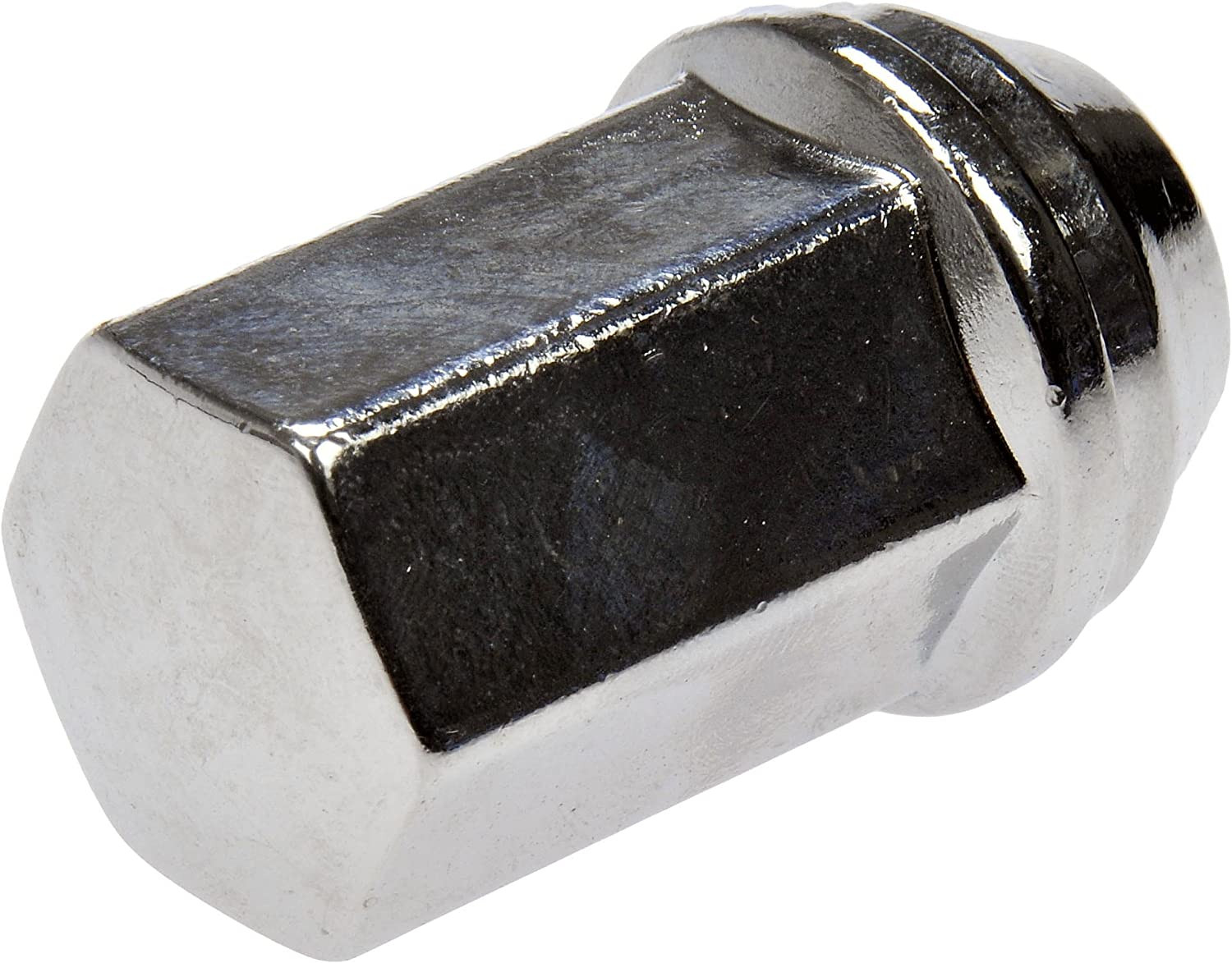
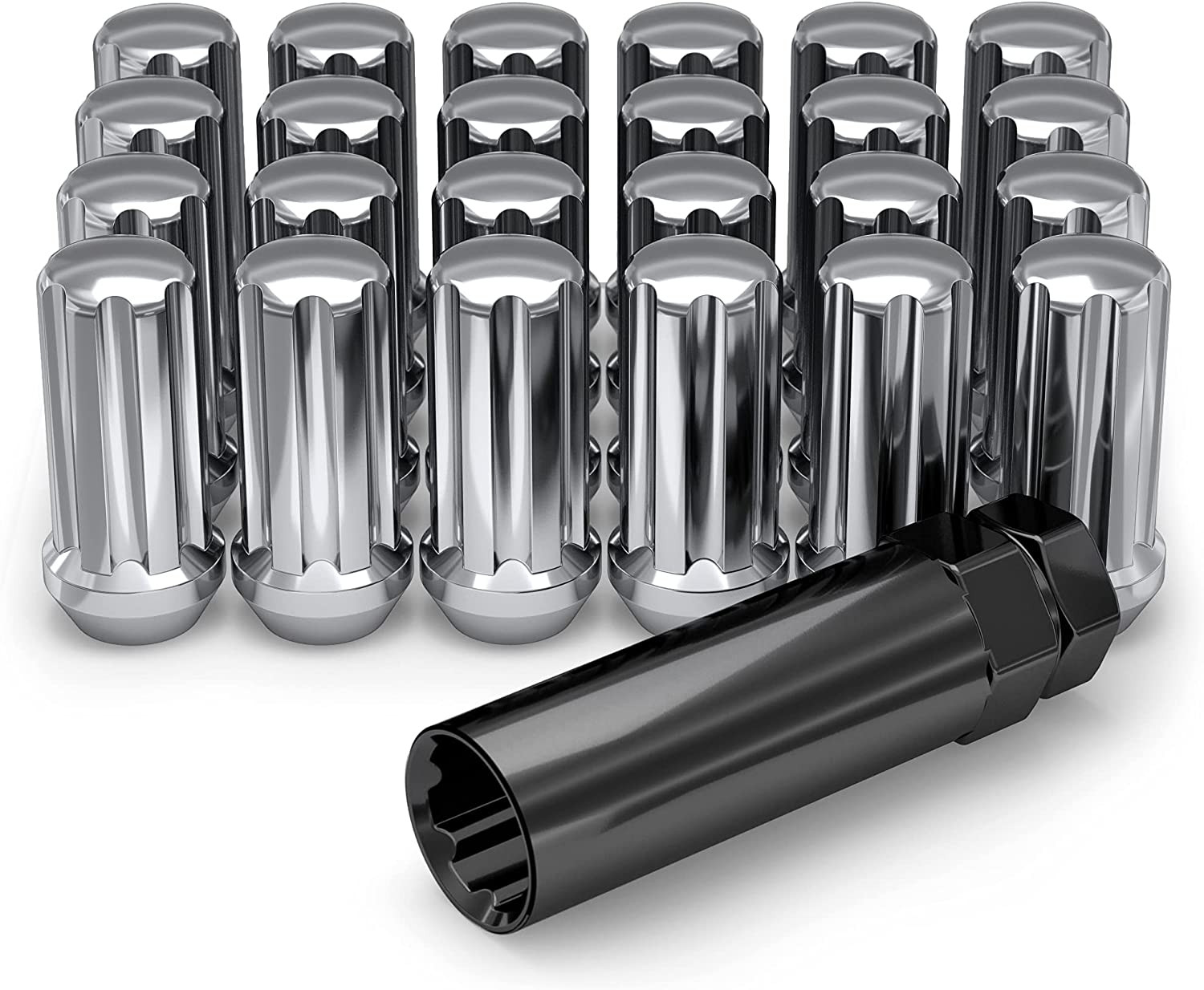
- Make sure the lug nut seat matches the wheel seat. Cone-seat and ball-seat hardware are not interchangeable.
- After installation, rotate the wheel by hand and check for contact. Turn the steering from lock to lock when appropriate, keeping clear of moving parts.
- Recheck fastener torque after the break-in distance specified by the wheel manufacturer and whenever required by the service instructions.
- Check tire pressure using the vehicle's door-jamb label or owner's manual, adjusted for the selected tire and load requirements.
Tools And Helpful Supplies
Basic installation and verification equipment can help identify problems before driving. Select tools that are suitable for heavy-duty truck wheels and follow their instructions.
- Calibrated torque wrench rated for the required fastener torque
- Accurate tire pressure gauge
- Floor jack and jack stands with sufficient capacity for the truck
- Wheel chocks and safety glasses
- Socket set with the correct lug nut size
- Wire brush or approved hub-cleaning tool for removing corrosion from mating surfaces
- Tread depth gauge and tire inspection light
For suitable options, you can compare heavy-duty automotive torque wrenches and automotive tire pressure gauges. Product fit, torque range, and calibration status should be checked before purchase.
FAQs
What is the bolt pattern for a 2013 GMC Sierra 2500HD?
The known bolt pattern is 8x180. Verify the vehicle and wheel documentation before ordering because bolt pattern alone does not establish complete fitment.
What is the center bore?
The known center bore is 124.1 mm. The replacement wheel's bore must fit over the truck's hub. A smaller bore will not install, while a larger bore may require an appropriate hub-centric solution approved for the wheel.
What wheel size is listed as the OEM reference?
The supplied reference is a 20-inch diameter wheel measuring 9.0 inches wide, with ET35 offset and 5.88-inch backspacing. Confirm whether these specifications apply to the exact trim and factory package.
What tire size is listed for this vehicle?
The supplied tire reference is 275/55R20, consisting of a 275 mm section width, 55 percent aspect ratio, and 20-inch rim diameter. Tire load requirements and actual trim fitment must still be confirmed.
Can any 8x180 wheel fit this truck?
No. The wheel must also have suitable center-bore compatibility, offset, width, brake clearance, load rating, and fastener-seat design. Use the calculator for dimensional comparison and confirm the final application with the wheel manufacturer or an experienced technician.
Can I install a different wheel diameter?
A different diameter may be possible, but the supplied information does not confirm any additional compatible sizes. Enter the custom wheel and tire dimensions in the calculator and review the updated tire diameter, clearance, load, and speedometer effects before buying.
What thread size is used?
The known thread size is M14 x 1.5. The lug nut seat and hardware must also match the wheel, so do not rely on thread size alone when selecting replacement lug nuts.
Where can I confirm the final fitment?
Check the vehicle door-jamb label, owner's manual, wheel stampings, GMC service information, and the wheel and tire manufacturer's application guide. A tire shop or qualified technician can also perform a physical clearance and load-rating review.