- Bolt pattern8x180 · Same recorded PCD
- Center bore124.1 mm · same recorded hub figure
- Wheel geometryNot fully recorded
Wheel width/offset data is incomplete.
Recorded OEM specifications for the 2022 GMC Sierra 2500HD, donor years with overlapping ranges, and a calculator to compare a selected wheel. Range overlap is not a guaranteed fit.
Baseline mounting dimensions used for interchange decisions.
Thread-only product links are shopping examples, not verified fits. Seat style is not confirmed here. As an Amazon Associate we earn from qualifying purchases.
These are vehicle-year records whose recorded OEM ranges overlap this 2022 GMC Sierra 2500HD. Overlap is not a guarantee that a specific wheel will install. Selected-wheel comparison is in the calculator below.
Evaluated 12 donor years. Listed 12 eligible overlaps (not all evaluated years are compatible). Showing all listed.
Years grouped because recorded compatibility evidence is equivalent. Each year keeps its own page.
Wheel width/offset data is incomplete.
Lug thread is not fully recorded for this comparison. Hardware must match the 2022 GMC Sierra 2500HD studs and the selected wheel’s seat. Unknown hardware is not a match.
Bolt pattern data is incomplete for a full interchange decision.
Only years with evidence-based interchange relationships are listed. Adjacent years are not assumed compatible.
Compare a donor vehicle or custom wheel against this 2022 GMC Sierra 2500HD. Use Compare in calculator on a donor row above to fill the donor side of this same calculator.
Compare wheel compatibility between two vehicles
2022 GMC Sierra 2500HD





Example products matched to recorded thread, hub, or spacer dimensions. They are not verified fits. Confirm seat style, thickness, and clearance before ordering.
M14 x 1.5
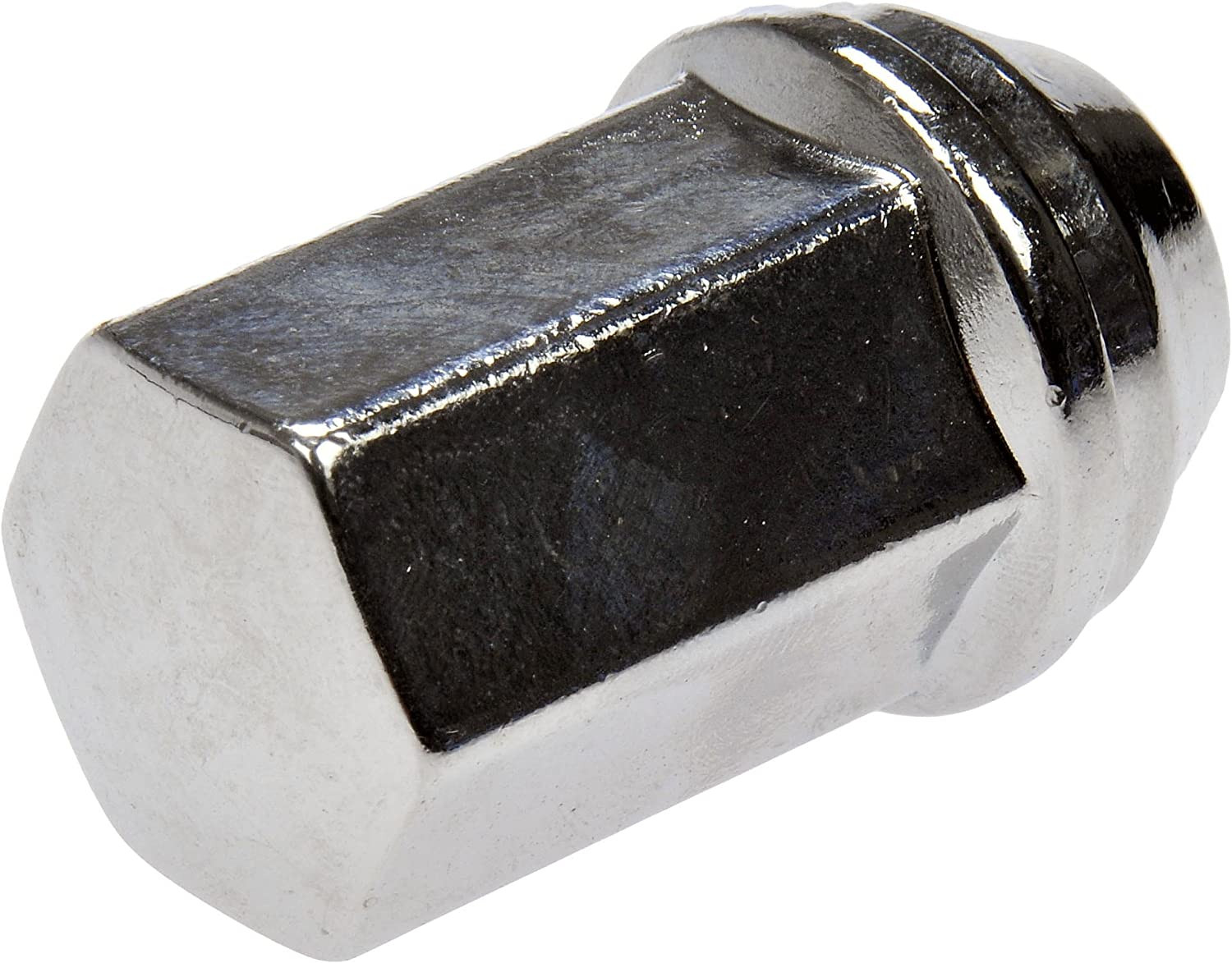
M14 x 1.5 · Thread match only; seat style is not verified
View on Amazon →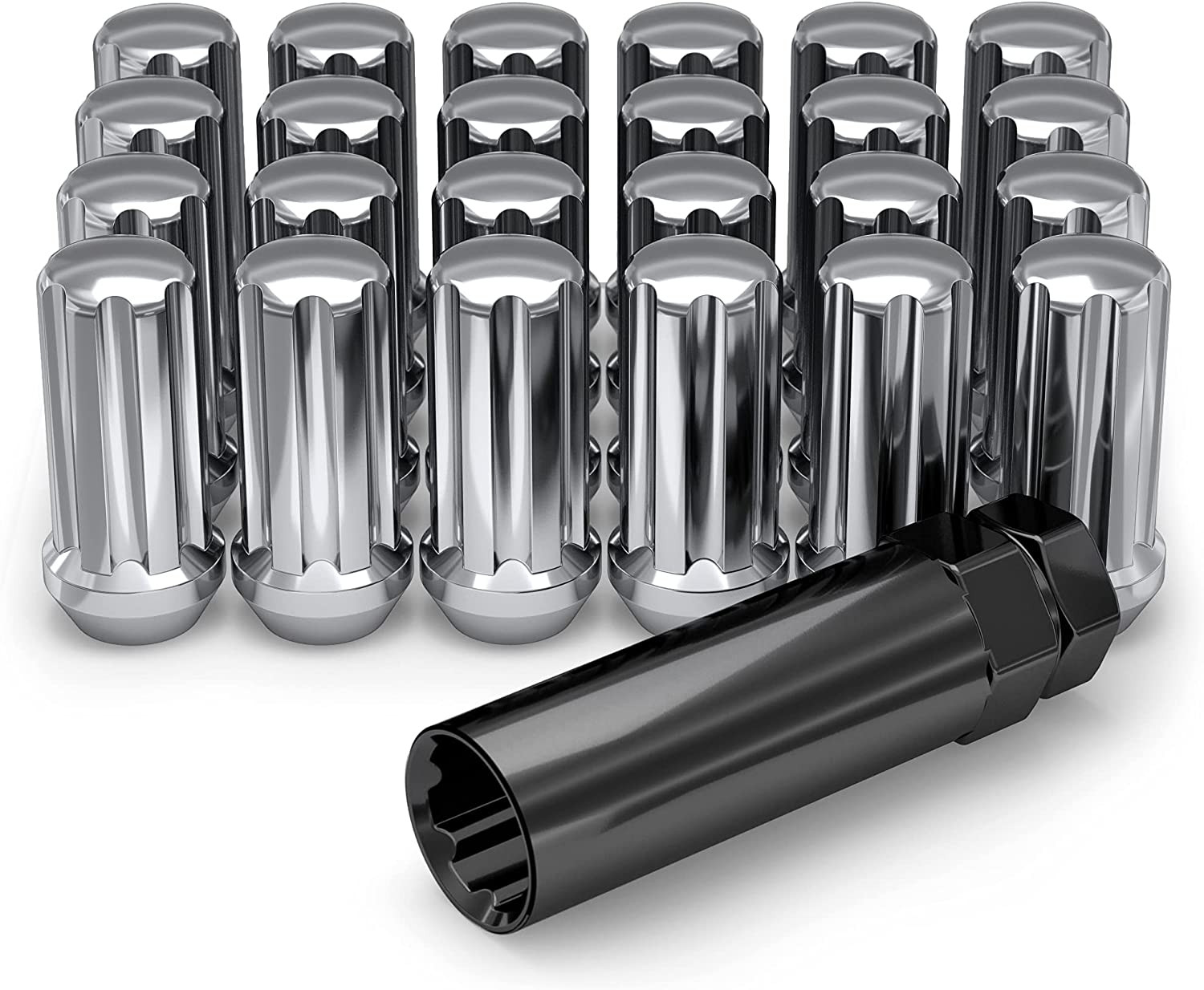
M14 x 1.5 · Thread match only; seat style is not verified
View on Amazon →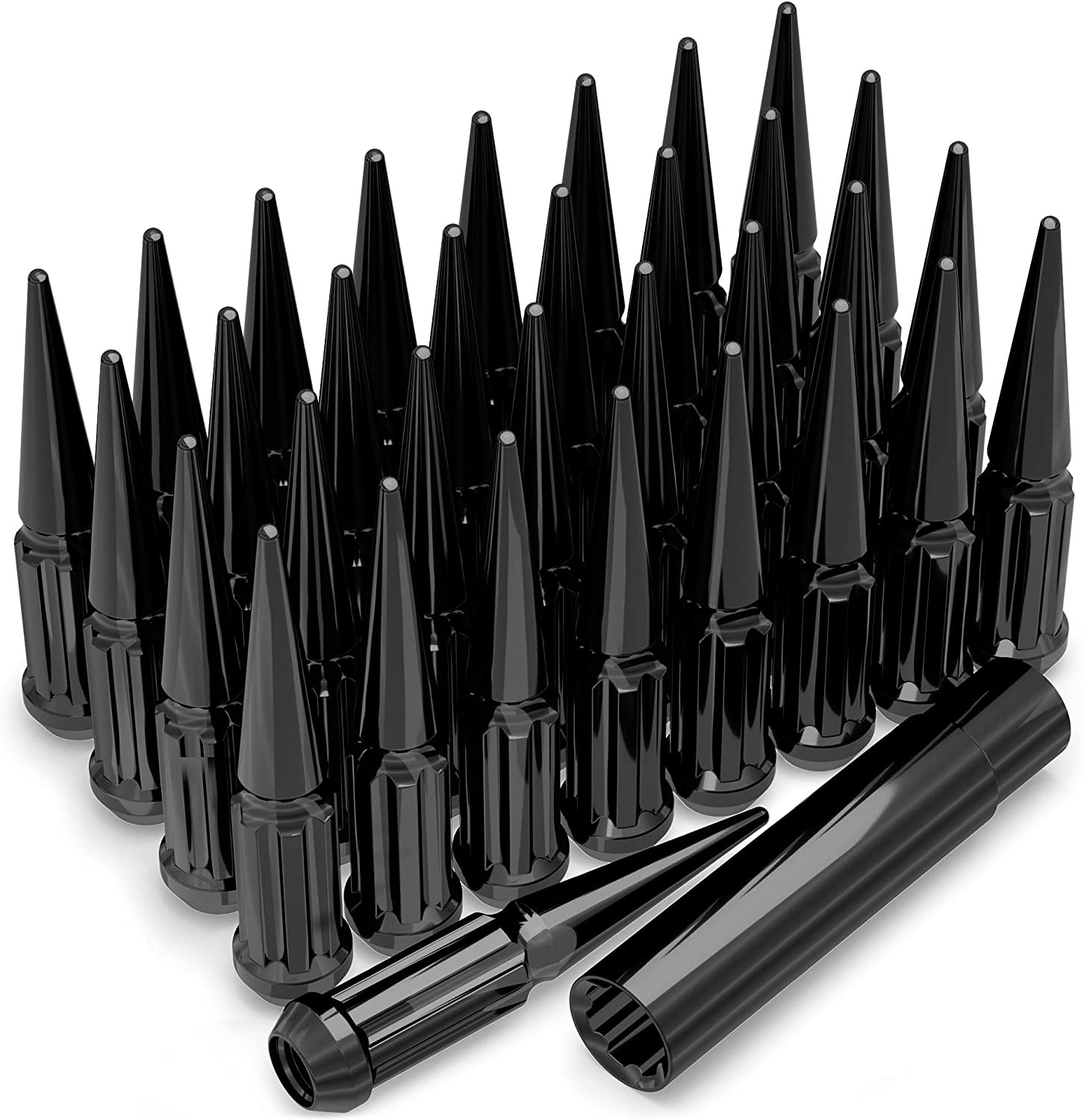
M14 x 1.5 · Thread match only; seat style is not verified
View on Amazon →As an Amazon Associate we earn from qualifying purchases. Product availability and pricing may change.
Use this page to compare wheel and tire dimensions for a 2022 GMC Sierra 2500HD. The confirmed specifications below are limited to the supplied OEM fitment data. Rim diameter, rim width, offset, backspacing, and tire sizing can vary by configuration, trim, package, or original equipment wheel, so verify those measurements before buying.
| Specification | Known value | Fitment note |
|---|---|---|
| Bolt pattern | 8x180 | Eight studs on a 180 mm pitch circle diameter. |
| Center bore | 124.1 mm | Compare the wheel's center bore with the vehicle hub and follow the wheel manufacturer's guidance. |
| Thread size | M14 x 1.5 | Confirm lug nut seat type and application before reusing or purchasing lug nuts. |
| Rim diameter | Unknown | May vary by configuration or wheel package. Confirm from the vehicle and OEM records. |
| Rim width | Unknown | Confirm the original wheel marking or the applicable OEM specification. |
| Wheel offset | Unknown | Do not assume an offset from another Sierra or another trim. |
| Backspacing | Unknown | Measure or calculate only after the wheel width and offset are confirmed. |
| Tire section width | Unknown | Check the tire sidewall, door-jamb placard, owner's manual, or OEM parts information. |
| Tire aspect ratio | Unknown | Do not infer the aspect ratio from wheel diameter alone. |
| Tire rim diameter | Unknown | Confirm the complete tire size before replacing or changing wheels. |
Wheel fitment is not determined by bolt pattern alone. The wheel must also clear the brake components, provide suitable load capacity, match the hub interface, and maintain safe tire and suspension clearance. Use the vehicle certification label, owner's manual, wheel markings, or a GMC dealer or parts source to confirm missing OEM values.
Start by selecting the donor vehicle under “Wheels from” and the 2022 GMC Sierra 2500HD under “Installed on.” Review the comparison for bolt pattern, center bore, thread information, wheel dimensions, and tire dimensions where data is available.
When testing an aftermarket setup, use “Custom wheel size” to enter rim diameter, rim width, and offset. Use “Custom tire size” to enter tire section width and aspect ratio. Enter verified measurements rather than estimates. If a value is unknown, confirm it from the wheel stamp, tire sidewall, door-jamb label, owner's manual, or OEM parts documentation before relying on the comparison.
Changing the custom rim diameter updates the tire diameter in the comparison. Review the resulting tire diameter, sidewall change, wheel position, and clearance implications. The calculator is a comparison tool, not a substitute for checking brake clearance, load ratings, tire approval, or physical fitment on the truck.
Confirm every item below for the exact truck, wheel, and tire combination:
For a used wheel, inspect the mounting face, stud holes, bead seats, inner barrel, and rim edges for cracks, bends, repairs, or corrosion. Do not install a damaged wheel.
Plus sizing generally means installing a larger rim diameter with a lower-profile tire while attempting to keep the overall tire diameter near the original specification. Because the OEM rim and tire dimensions for this page are not provided, a specific plus-size recommendation cannot be confirmed here.
Use the calculator to compare a verified original setup with a proposed custom setup. Check section width, sidewall height, overall diameter, wheel offset, and backspacing together. A wider tire or different offset can move the tire closer to suspension parts or the fender, while a taller tire can affect body, chassis, and steering clearance.
For a heavy-duty pickup, do not trade away tire load range, wheel load capacity, braking clearance, or sidewall protection solely for appearance. Confirm any changes with the tire and wheel manufacturers and inspect clearance at full steering lock, full suspension compression, and normal loaded conditions.
Before installation, clean the hub and wheel mounting surfaces. The surfaces should be flat and free of rust scale, paint buildup, dirt, and debris. Check that the wheel seats fully against the hub and that no component contacts the wheel or tire.
Install only the correct lug nuts for the wheel's seat design. Hand-start every lug nut to reduce the risk of cross-threading. Tighten in a star or crisscross sequence, then torque the lug nuts to the vehicle manufacturer's specified value using a calibrated torque wrench. The required torque value is not provided here, so obtain it from the owner's manual, service information, or a GMC dealer.
After driving a short distance, recheck lug nut torque according to the wheel manufacturer's instructions and inspect for looseness, rubbing, vibration, or air loss. Stop driving if the wheel contacts another component or the vehicle develops a severe vibration.
Useful supplies include a calibrated torque wrench, correctly sized socket, breaker bar, wire brush or approved hub-cleaning tool, tire pressure gauge, and a tread-depth gauge. A torque wrench can help apply the manufacturer's specified wheel-lug torque consistently: shop automotive torque wrenches on Amazon.
Use a jack and jack stands rated for the vehicle, or a professional lift. Follow the truck's jacking points and never rely on a jack alone while working underneath or beside a raised vehicle. Avoid applying lubricant to wheel studs or lug nut seats unless the vehicle or component manufacturer specifically requires it.
The known bolt pattern is 8x180. This means eight wheel studs arranged on a 180 mm pitch circle diameter.
The supplied center bore specification is 124.1 mm. The wheel's hub opening and any hub interface components must be checked for the exact wheel application.
The supplied thread size is M14 x 1.5. Thread size alone does not identify the correct lug nut, so also verify the lug nut seat, dimensions, and wheel manufacturer requirements.
Those values are unknown in the supplied data and may vary by trim, configuration, or wheel package. Check the markings on the original wheel and the tire and certification labels, then confirm the result with the owner's manual, OEM parts information, or a GMC dealer.
No. A matching bolt pattern is only one requirement. The wheel must also have suitable center-bore dimensions, offset, backspacing, load capacity, lug hardware compatibility, brake clearance, and tire clearance.
Yes, the calculator supports custom rim diameter, width, and offset, along with custom tire section width and aspect ratio. Use verified measurements and treat the result as a comparison. Physical brake, suspension, fender, and load-rating checks are still required.
The calculator updates tire diameter when rim diameter changes so the wheel and tire combination can be compared as a complete assembly. Confirm the final tire size against the tire manufacturer's approved rim-width range and the vehicle's clearance and load requirements.
Check the driver's door-jamb certification label, the tire sidewalls, the original wheel markings, the owner's manual, official GMC service information, or a GMC dealer. Confirm the exact trim and equipment before ordering replacement parts.
Wheel interchange depends on more than bolt pattern. Where data is available, this site compares recorded OEM values:
A normal wheel spacer does not change bolt pattern. Hub rings cannot enlarge a wheel bore that is smaller than the hub. Brake clearance and tire package fitment still require vehicle-specific checks when not confirmed in the dataset.
