1999 GMC Yukon Wheel Fitment Guide
Known OEM Fitment For 1999 GMC Yukon
The following specifications are the known OEM fitment data provided for the 1999 GMC Yukon. Verify your specific vehicle and trim before ordering wheels, tires, lug nuts, or related parts.
| Specification |
Known value |
| Bolt pattern |
6x139.7 |
| Center bore |
78.3 mm |
| Thread size |
M14 x 1.5 |
| Rim diameter |
15 inches |
| Rim width |
7.0 inches |
| Wheel offset |
ET31, or 31 mm |
| Backspacing |
4.72 inches |
| Known tire size |
235/75R15 |
| Tire section width |
235 mm |
| Tire aspect ratio |
75 |
| Tire rim diameter |
15 inches |
These values describe the supplied reference configuration. Equipment can vary by trim, drivetrain, suspension, brake package, replacement parts, and previous modifications. Confirm the original specifications with the vehicle owner’s manual, the vehicle information label, a GMC service source, or the markings on the wheels currently installed.
How To Use The Wheel Interchange Calculator
Use the wheel interchange calculator on this page to compare a donor vehicle’s wheels with the 1999 GMC Yukon. Enter the donor vehicle under Wheels from and set the Yukon as the vehicle under Installed on.
- Compare the donor wheel’s bolt pattern, center bore, diameter, width, and offset with the known Yukon values above.
- Use the calculator’s Custom wheel size controls when the donor wheel is not listed or when you are evaluating an aftermarket wheel.
- Enter the custom rim diameter, rim width, and offset. Do not assume that a matching bolt pattern alone proves compatibility.
- Use Custom tire size to compare section width and aspect ratio with the 235/75R15 reference tire.
- When you change rim diameter, review the updated tire diameter shown in the comparison. A larger wheel normally requires a lower-profile tire to maintain a similar overall diameter, but the calculator result must still be checked against the vehicle.
- Treat the calculator as a screening tool. It cannot confirm brake clearance, hub engagement, suspension clearance, fender clearance, load rating, or the condition of a used wheel.
Fitment Checklist Before You Buy
- Confirm the wheel has a 6x139.7 bolt pattern.
- Confirm the wheel’s center bore is compatible with the Yukon’s 78.3 mm hub. A smaller bore will not fit over the hub. A larger bore may require correctly sized hub-centric rings where appropriate.
- Check that the wheel offset and width provide adequate clearance to the brake components, suspension, steering parts, and inner wheel well.
- Compare the proposed wheel with the supplied 15x7.0, ET31 reference configuration rather than checking only diameter.
- Verify the wheel’s load rating is suitable for the vehicle. The required rating is not provided here, so confirm it through the vehicle documentation and the wheel manufacturer.
- Confirm the tire size, load index, speed rating, and inflation requirements using the vehicle’s tire information label and tire manufacturer data.
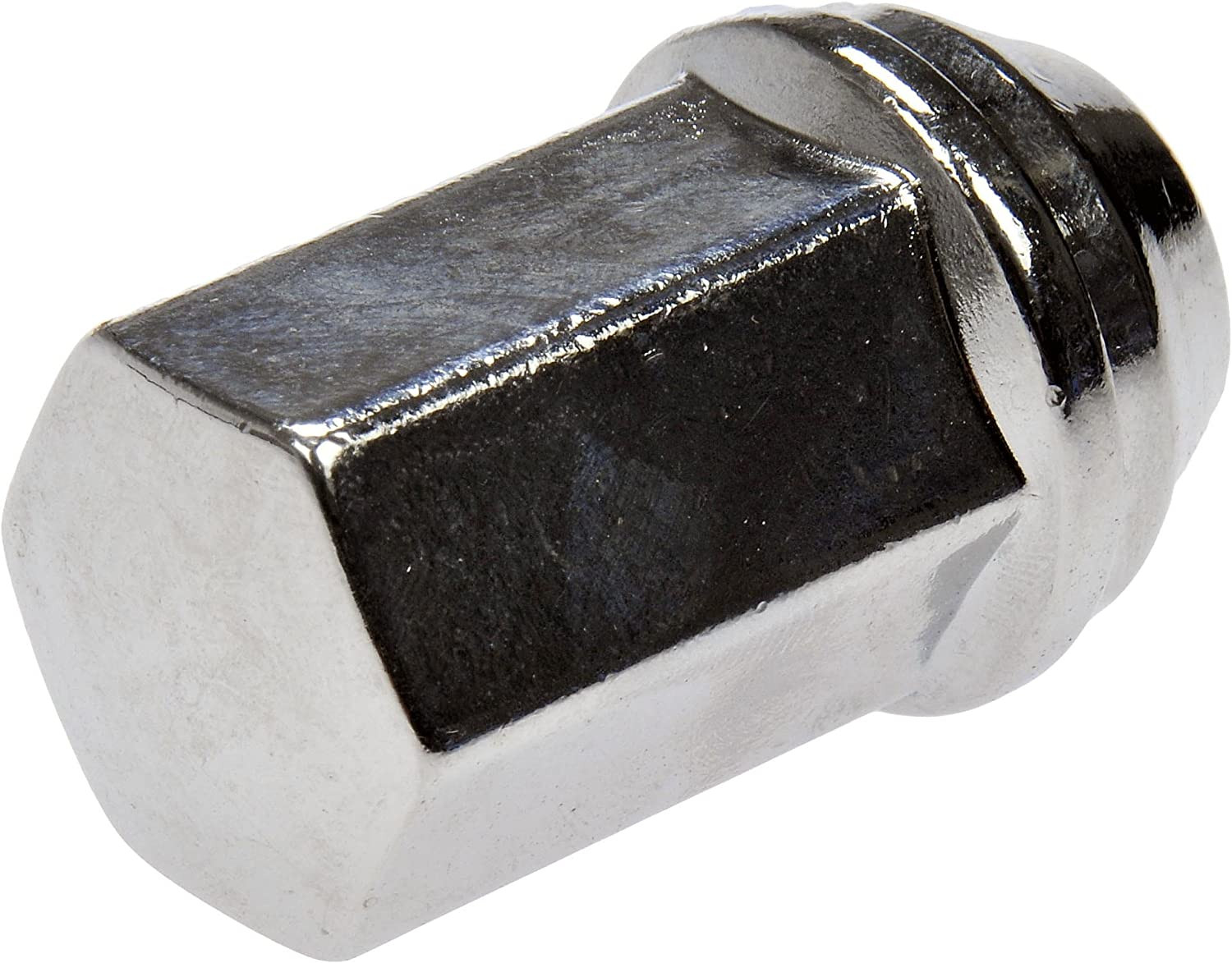
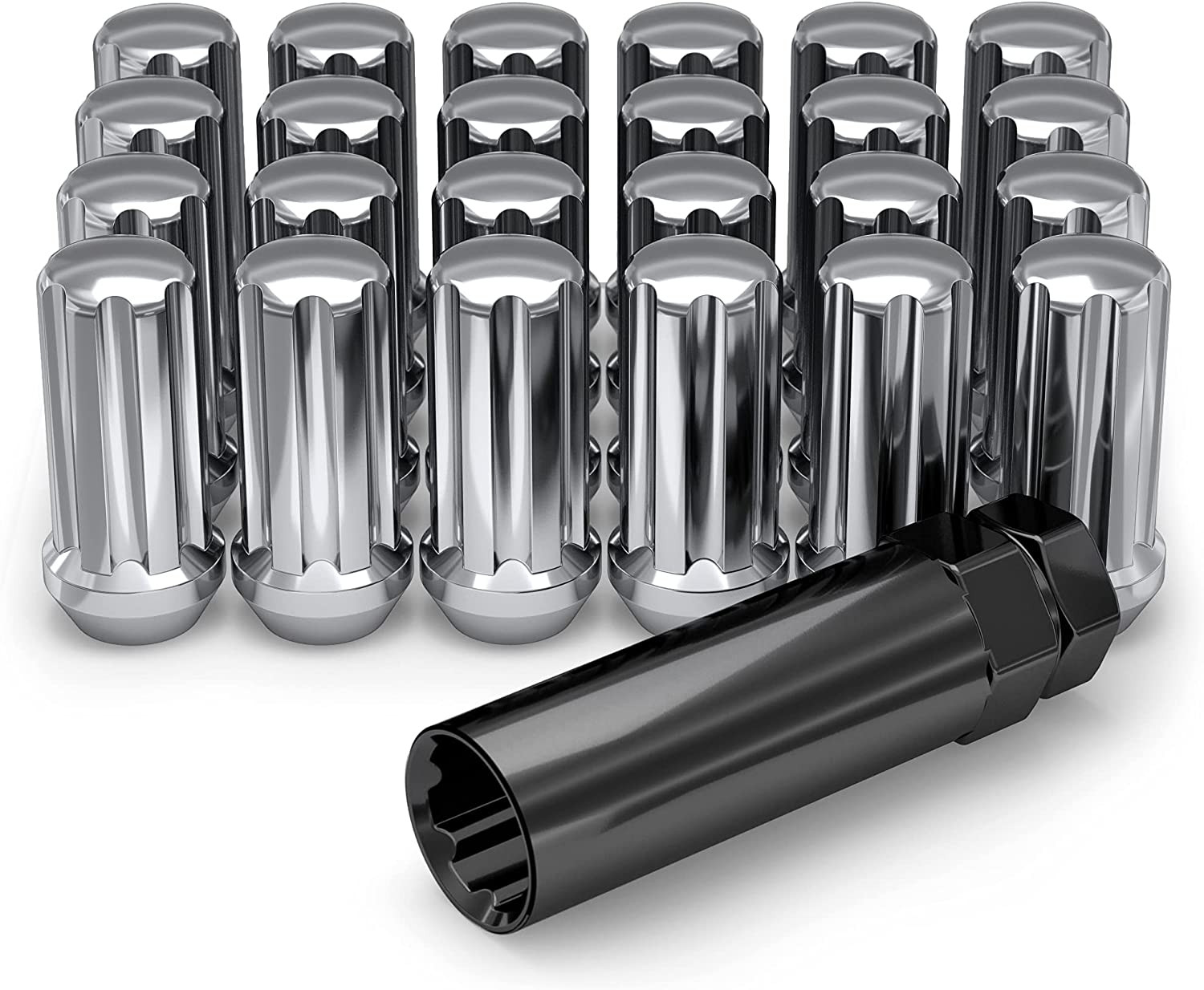
- Check that the lug nuts match the wheel’s seat type and the vehicle’s M14 x 1.5 thread specification. Do not use lug nuts based only on thread size.
- Inspect used wheels for cracks, bends, corrosion around the bead seat, damaged lug holes, and previous repairs.
- After installation, check clearance at full steering lock and through available suspension travel before normal driving.
Plus Sizing And Common Upgrades
Plus sizing generally means fitting a larger-diameter wheel with a lower-aspect-ratio tire. The calculator can help compare custom rim diameter, rim width, offset, section width, and aspect ratio, but it does not make an unverified combination safe or approved.
Keep the replacement tire’s overall diameter reasonably close to the reference 235/75R15 size unless a qualified technician confirms the effects of a larger difference. Diameter changes can affect speedometer readings, ground clearance, gearing, braking behavior, steering feel, and electronic systems where equipped.
Wider wheels and tires may improve handling or appearance, but they can also increase the risk of rubbing and may require different offset, tire clearance, or fender inspection. The correct alternative sizes, trim-specific limits, and approved load ratings are not provided here. Confirm them with GMC documentation, the tire manufacturer, and the wheel manufacturer.
Installation Tips
- Inspect the hub face and wheel mounting surface. Remove rust, dirt, and debris without damaging the mating surfaces.
- Install wheels with the correct lug nuts for the wheel seat and M14 x 1.5 vehicle threads.
- Start every lug nut by hand to avoid cross-threading.
- Lower the vehicle enough to prevent the wheel from turning, then tighten the lug nuts in a star or crisscross pattern.
- Use the vehicle manufacturer’s specified lug-nut torque. The correct torque value is not provided here, so check the owner’s manual or an OEM service source rather than guessing.
- Do not lubricate wheel studs or lug-nut seats unless the vehicle or fastener manufacturer specifically requires it.
- Check that the wheel is fully seated against the hub or hub-centric ring before final tightening.
- Recheck lug-nut torque after the first short drive and again according to the wheel or vehicle manufacturer’s instructions.
- Monitor for vibration, pulling, rubbing, air loss, or unusual noise. Stop driving and inspect the installation if any problem appears.
Tools And Helpful Supplies
A torque wrench is important for tightening wheel fasteners to the correct specification. You can view suitable options on Amazon.
A wheel fitment inspection may also require a reliable tire pressure gauge, a jack and properly rated jack stands, and a socket that matches the selected lug nuts. Never work beneath a vehicle supported only by a jack. See automotive jack stands and wheel chocks for examples, and follow the equipment manufacturer’s safety instructions.
FAQs
What is the bolt pattern for a 1999 GMC Yukon?
The known bolt pattern for this page is 6x139.7. Confirm the pattern on the wheel or through an OEM source before purchase, especially if the vehicle has modified hubs or replacement axles.
What is the center bore for the 1999 GMC Yukon?
The supplied center bore specification is 78.3 mm. A replacement wheel with a smaller center bore will not fit over the hub. A larger bore may need properly sized hub-centric rings, depending on the wheel and installation requirements.
What is the known stock wheel and tire size?
The supplied reference configuration is a 15x7.0 wheel with ET31 offset and a 235/75R15 tire. This is known reference data, not a guarantee that every trim or modified vehicle uses the same equipment.
What lug thread size does this Yukon use?
The supplied thread specification is M14 x 1.5. The lug-nut seat style and required torque are separate specifications and must be confirmed before installation.
Can I install wheels with the same 6x139.7 bolt pattern?
Not necessarily. The center bore, offset, width, brake clearance, load rating, lug-nut seat, and tire size must also be compatible. Use the calculator to compare the complete wheel dimensions, then perform a physical clearance inspection.
Can I use a larger wheel diameter?
A larger diameter may be possible with a suitable tire, but the correct size is not provided here. Use the custom wheel and tire controls to evaluate the change, then confirm overall diameter, load rating, brake clearance, steering clearance, and fender clearance with qualified sources.
How do I confirm whether a donor wheel will fit?
Enter the donor vehicle under Wheels from and the 1999 GMC Yukon under Installed on. Compare all available dimensions, including bolt pattern, center bore, width, diameter, and offset. Confirm the result against OEM or wheel-manufacturer information and inspect the actual wheel on the vehicle before final use.
Why does changing rim diameter change the calculator’s tire diameter?
The calculator updates the comparison because tire section width, aspect ratio, and rim diameter combine to determine overall tire diameter. Review the updated value whenever you change the rim diameter, and verify that the finished tire remains suitable for the vehicle.