1990 Honda Accord Wheel Fitment Guide
Use this guide and the on-page wheel interchange calculator to compare wheel and tire dimensions for a 1990 Honda Accord. Some original-equipment specifications were not provided, may vary by trim or market, or require confirmation from the wheel markings and Honda service information. Do not assume that a wheel fits based only on diameter or appearance.
Known OEM Fitment For 1990 Honda Accord
The following information is available for this vehicle page:
| Specification |
Known information |
Fitment note |
| Center bore |
64.1 mm |
The wheel's center bore should be compatible with the vehicle hub. Hub-centric rings may be relevant for some larger-bore aftermarket wheels, but they do not correct an incorrect bolt pattern. |
| Original tire section width |
185 mm |
Confirm the complete tire size on the vehicle sidewall and door-jamb label. |
| Original tire aspect ratio |
70% |
This is the middle number in the provided tire size. |
| Original tire rim diameter |
14 inches |
The provided tire dimensions indicate 185/70R14. Verify the wheel diameter independently before ordering wheels. |
| Bolt pattern |
Unknown |
Confirm the stud count and pitch from a reliable vehicle-specific source or by measuring correctly. |
| Thread size |
Unknown |
Confirm the thread diameter and pitch before replacing lug nuts or wheel studs. |
| Rim width |
Unknown |
Check the wheel stamp, service documentation, or a qualified tire professional. |
| Wheel offset, ET |
Unknown |
Offset affects inner clearance, outer position, steering behavior, and fender clearance. |
| Backspacing |
Unknown |
Backspacing depends on wheel width and offset. Measure or verify both rather than guessing. |
Because the bolt pattern, thread size, width, offset, and backspacing are not confirmed here, verify those specifications before purchasing wheels. Use the vehicle's original wheel markings, the owner's or repair manual, an authorized Honda source, or a reputable fitment professional.
How To Use The Wheel Interchange Calculator
The calculator lets you compare wheels from a donor vehicle with the wheels installed on your 1990 Honda Accord. Begin by entering or selecting the donor vehicle and reviewing its wheel diameter, width, offset, bolt pattern, and center bore when available.
- Set the donor vehicle in the “Wheels from” field.
- Set the 1990 Honda Accord in the “Installed on” field.
- Compare the donor wheel diameter, width, offset, center bore, and bolt pattern with the confirmed vehicle requirements.
- Use “Custom wheel size” to enter a specific aftermarket wheel diameter, width, and offset.
- Use “Custom tire size” to compare section width and aspect ratio.
- When you change rim diameter, review the updated tire diameter comparison. A change in wheel diameter normally requires a corresponding tire-size change.
- Treat the calculator as a screening tool, not a substitute for a physical test fit or professional verification.
A calculator result cannot confirm brake-caliper clearance, suspension clearance, hub engagement, lug-seat compatibility, fender clearance, or the load rating of a wheel and tire. Confirm those items before driving.
Fitment Checklist Before You Buy
- Confirm the exact bolt pattern, including the number of studs and pitch.
- Confirm the wheel center bore. A smaller wheel bore will not fit over a larger hub.
- Confirm wheel diameter, rim width, and offset from the wheel markings or manufacturer documentation.
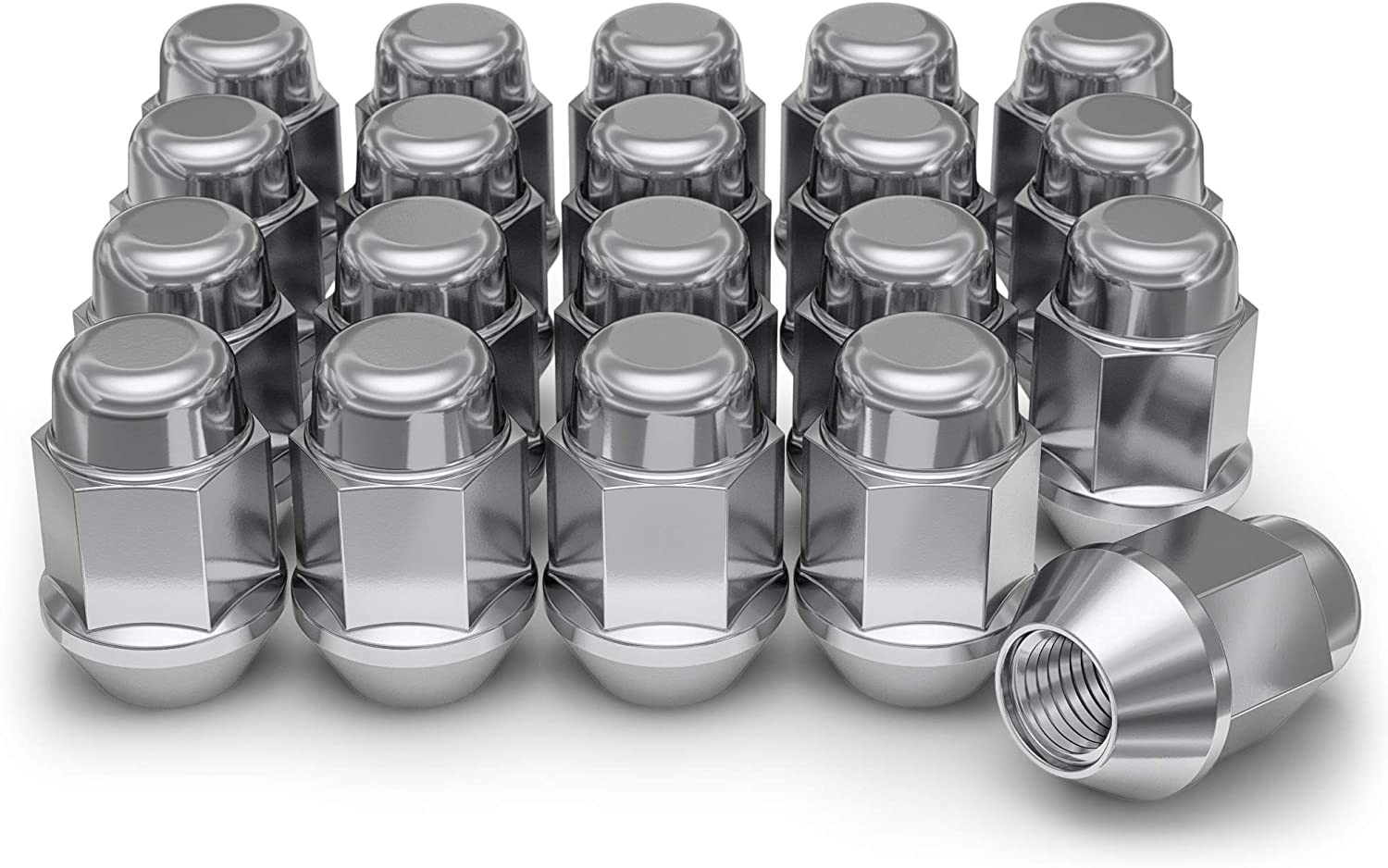
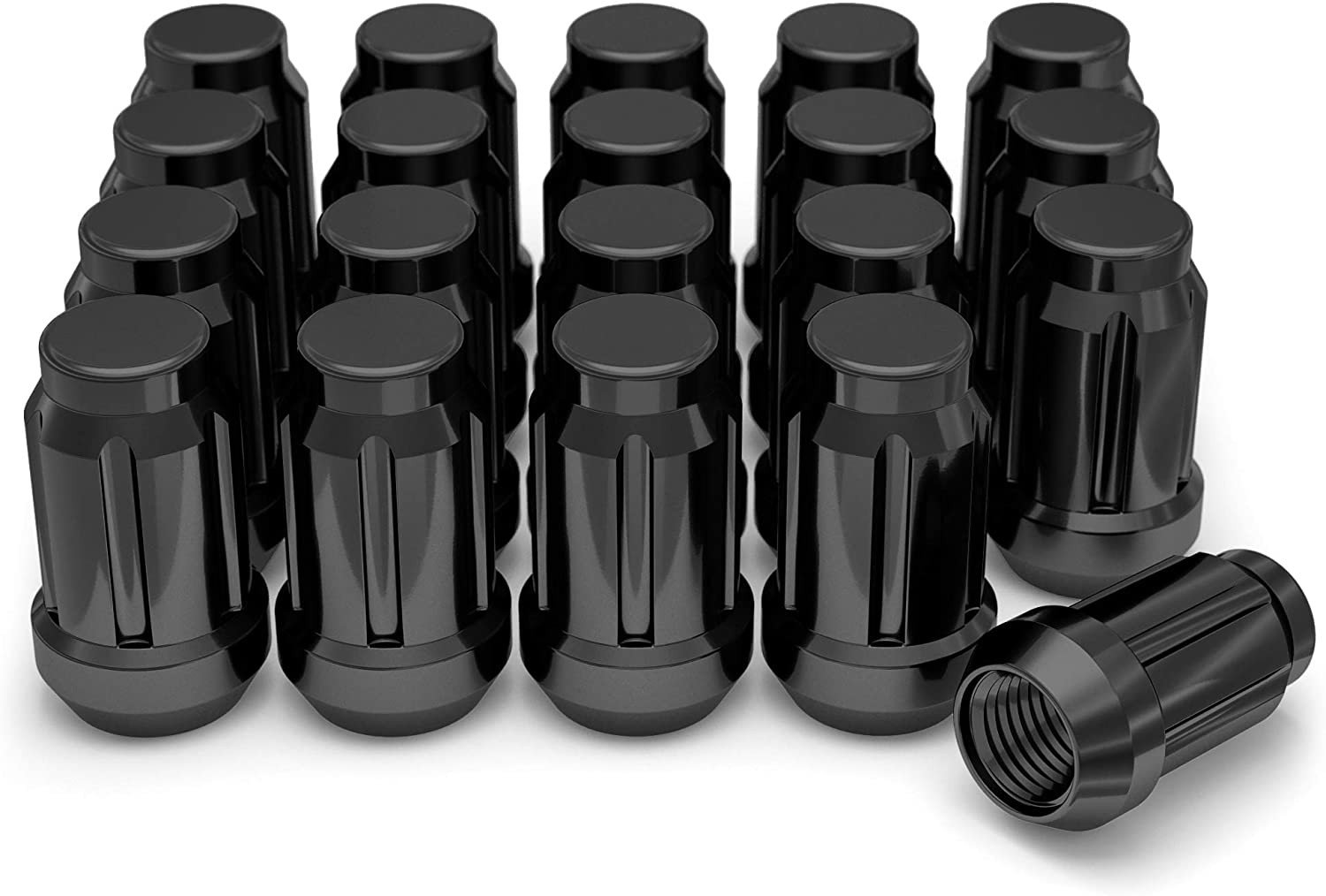
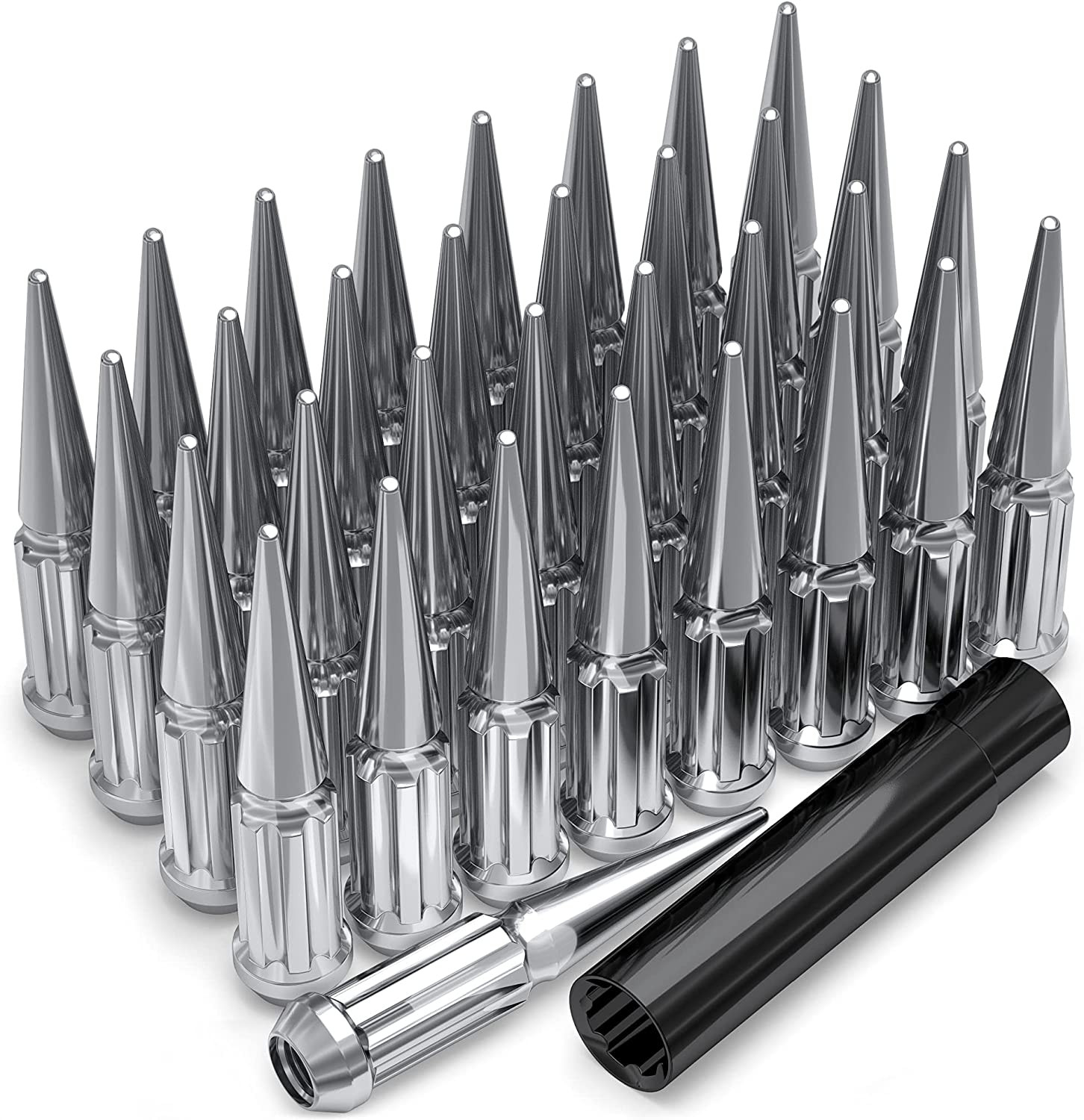
- Check whether the wheel uses conical, ball, or another lug-nut seat. The seat must match the wheel.
- Confirm the correct thread size and pitch before buying lug nuts or replacement studs.
- Compare the tire's load index and speed rating with the vehicle requirements and the tire manufacturer's guidance.
- Check inner clearance to the strut, spring, control arms, brake components, and steering parts.
- Check outer clearance to the fender lip and wheel-well liners through the full steering and suspension range.
- Verify that the tire diameter does not create unacceptable speedometer, gearing, or ground-clearance changes.
- Inspect used wheels for cracks, bends, corrosion around the bead seat, damaged lug holes, and repaired areas.
Plus Sizing And Common Upgrades
Plus sizing generally means using a larger wheel diameter with a lower-profile tire while attempting to keep the overall tire diameter near the original size. The goal is to preserve acceptable speedometer behavior and clearance, but the result depends on the selected wheel width, offset, tire dimensions, suspension condition, and vehicle trim.
The provided tire information is 185/70R14. The calculator can help compare a proposed tire and wheel combination with that reference. It does not establish that a particular larger wheel or tire is approved for this Honda Accord. Confirm the proposed tire's rim-width range, load rating, clearance, and inflation requirements using the tire manufacturer and vehicle documentation.
A wider tire can improve dry-road contact in some conditions, but it may increase the risk of rubbing and can change steering effort, road noise, ride quality, and wet-weather behavior. Avoid selecting a wheel solely because it has the same diameter or appears to share a similar bolt pattern.
Installation Tips
- Clean the hub face and wheel mounting surface before installation. Remove rust and debris without removing essential material from the hub.
- Test-fit one front and one rear wheel before mounting all four, if practical. Check the inner and outer clearances with the steering turned through its range.
- Use only lug nuts or bolts with the correct thread and seat type. Do not use washers to compensate for an incorrect seat.
- Install fasteners by hand first to avoid cross-threading.
- Tighten in a star or crisscross sequence using the vehicle or wheel manufacturer's specified torque. The correct torque value is not provided here, so confirm it from an OEM service source or the wheel manufacturer.
- Do not use impact tools for final torque unless the tool and procedure are specifically approved for that purpose.
- After installation, check tire pressure, verify that no warning lights or unusual noises are present, and recheck fastener torque after the initial driving period specified by the wheel manufacturer.
- Stop driving if you notice rubbing, vibration, steering pull, loose fasteners, or a sudden change in handling.
Tools And Helpful Supplies
Useful equipment includes a properly sized lug wrench, a calibrated torque wrench, a jack and jack stands rated for the vehicle, wheel chocks, a tire-pressure gauge, and a tread-depth gauge. Use jack stands on a solid, level surface and follow the vehicle's lifting-point instructions.
Before using any tool or lifting equipment, read its instructions and confirm its capacity. Never work beneath a vehicle supported only by a jack.
FAQs
What is the bolt pattern for the 1990 Honda Accord?
The bolt pattern is not confirmed in the supplied information. Verify it using an OEM source, the original wheel documentation, or accurate measurement before ordering replacement wheels.
What is the center bore of the 1990 Honda Accord?
The known center bore is 64.1 mm. A replacement wheel must have a compatible center bore. A larger-bore wheel may require an appropriately sized hub-centric ring, but a ring cannot make an incorrect bolt pattern safe.
What tire size is listed for this page?
The provided tire dimensions are 185/70R14, meaning a 185 mm section width, a 70 percent aspect ratio, and a 14-inch rim diameter. Confirm the size on the vehicle before replacing tires because specifications can vary by trim, market, or prior modifications.
Can I install wheels from another vehicle?
Only after confirming every critical dimension. Compare bolt pattern, center bore, wheel width, offset, backspacing, lug-seat type, thread compatibility, brake clearance, suspension clearance, fender clearance, and wheel load rating. Use the calculator for an initial comparison, then verify the physical fit.
Does a larger wheel diameter automatically fit?
No. Larger diameter does not confirm brake, suspension, hub, or fender clearance. A larger wheel also requires a compatible tire and may alter ride quality, handling, ground clearance, and speedometer behavior.
Do I need new lug nuts when changing wheels?
Possibly. The replacement wheel may use a different lug-seat design or require a different fastener style. The thread size is unknown for this page, so confirm both thread specifications and seat type before installation.
How can I confirm the missing wheel specifications?
Check the markings cast or stamped on the back of the original wheel, consult a Honda service manual or authorized Honda source, and ask a qualified wheel and tire professional to verify the measurements. Enter confirmed dimensions into the calculator rather than relying on an unverified online list.