1996 Honda Accord Wheel Interchange and Fitment Guide
Known OEM Fitment For 1996 Honda Accord
The following specifications are the known or supplied fitment values for the 1996 Honda Accord. Some specifications are unknown or may vary by trim, market, wheel package, or replacement configuration. Confirm the vehicle-specific information with the door-jamb tire label, owner's manual, Honda service information, or the existing wheel before purchasing.
| Specification |
Known value |
Fitment note |
| Bolt pattern |
Unknown |
Confirm the number of studs and PCD before ordering wheels. |
| Center bore |
64.1 mm |
The wheel center hole must be compatible with the vehicle hub. Hub-centric rings may be needed for a larger wheel bore, if otherwise appropriate. |
| Thread size |
Unknown |
Confirm the correct lug nut thread, seat type, and stud or lug-nut requirements from an OEM source or a qualified technician. |
| Rim diameter |
15 inches |
Listed supplied wheel specification. |
| Rim width |
5.5 inches |
Listed supplied wheel specification. |
| Wheel offset |
ET50 |
Listed supplied offset. Verify clearance at the strut, brake components, and fender. |
| Backspacing |
4.72 inches |
Listed supplied backspacing. Backspacing and offset should be checked together because tire and suspension clearance depend on both. |
| Tire section width |
185 mm |
Listed supplied tire dimension. |
| Tire aspect ratio |
70 percent |
Listed supplied tire dimension. |
| Tire rim diameter |
R14 |
This conflicts with the supplied 15-inch rim diameter. Verify whether these values describe different wheel and tire packages before using them as a matched specification. |
A tire marked 185/70R14 is designed for a 14-inch wheel, not a 15-inch wheel. Do not mount a 14-inch tire on a 15-inch rim. Use the calculator and the vehicle's tire label to confirm the complete wheel and tire combination.
How To Use The Wheel Interchange Calculator
Use the calculator to compare wheels from a donor vehicle with wheels installed on your 1996 Honda Accord. Enter the donor vehicle and review its wheel diameter, width, offset, bolt pattern, center bore, and tire dimensions when available.
- Set the comparison to “Wheels from” for the donor vehicle and “Installed on” for the 1996 Honda Accord.
- Compare the donor wheel's bolt pattern, center bore, width, diameter, and offset. A similar appearance does not make a wheel safe or compatible.
- Use “Custom wheel size” to enter a specific rim diameter, rim width, and offset when the donor wheel is not in the database.
- Use “Custom tire size” to enter section width and aspect ratio. Make sure the tire's rim diameter matches the wheel diameter.
- Review the calculated changes in tire diameter, sidewall height, wheel position, and estimated clearance.
- When changing rim diameter, recheck the calculated tire diameter. A larger rim may require a lower-profile tire to maintain a similar overall diameter.
The calculator is a comparison and planning tool, not a substitute for a physical test fit or an OEM verification. It cannot confirm brake clearance, suspension condition, fender damage, lug-seat compatibility, or whether a tire is approved for a particular wheel width.
Fitment Checklist Before You Buy
- Confirm the exact bolt pattern, including stud count and PCD. The bolt pattern for this vehicle is not provided here, so do not guess it.
- Confirm the wheel center bore. The supplied value is 64.1 mm. A smaller wheel bore will not fit over the hub, while a larger bore may require correctly sized hub-centric rings.
- Verify wheel offset and backspacing. Excessive inward movement can cause strut or brake interference, while excessive outward movement can cause fender or suspension contact.
- Check the wheel's load rating and confirm that it meets or exceeds the vehicle manufacturer's requirements.
- Confirm the wheel diameter and tire rim diameter match. The supplied 15-inch rim value and R14 tire value should not be treated as one assembled package without verification.
- Check tire load index, speed rating, age, condition, and approved rim-width range.
- Inspect used wheels for cracks, bends, weld repairs, corrosion around the bead seat, and damaged lug holes.
- Verify the lug nut thread size and seat type. The thread size is unknown in the supplied data.
- Check clearance with the steering fully left and right, and with the suspension compressed. Inspect the inner sidewall, strut, brake caliper, tie-rod area, and fender lip.
- After installation, confirm that the tire does not rub during normal driving and that no warning or handling problems appear.
Plus Sizing And Common Upgrades
Plus sizing generally uses a larger wheel diameter with a shorter tire sidewall while attempting to keep the overall tire diameter close to the original. The goal is to reduce speedometer change and preserve reasonable suspension and fender clearance, but the correct size depends on the verified original package and the specific trim.
Because the supplied data includes both a 15-inch rim value and a 14-inch tire rim value, first establish which package is actually installed or approved for this Accord. Enter the verified wheel diameter, width, and offset in the calculator, then compare candidate tire sizes by overall diameter, section width, load index, and approved wheel width.
A wider tire can improve dry-road grip but may increase steering effort, road noise, hydroplaning risk, or rubbing. A shorter sidewall can make impacts harsher and may expose the wheel to pothole damage. Do not choose a tire solely because its calculated diameter is similar.
Installation Tips
- Park on a level surface, engage the parking brake, and support the vehicle with properly rated jack stands. Never work under a vehicle supported only by a jack.
- Clean the hub face and wheel mounting surface. Rust or debris can prevent the wheel from seating flat and can cause loosening.
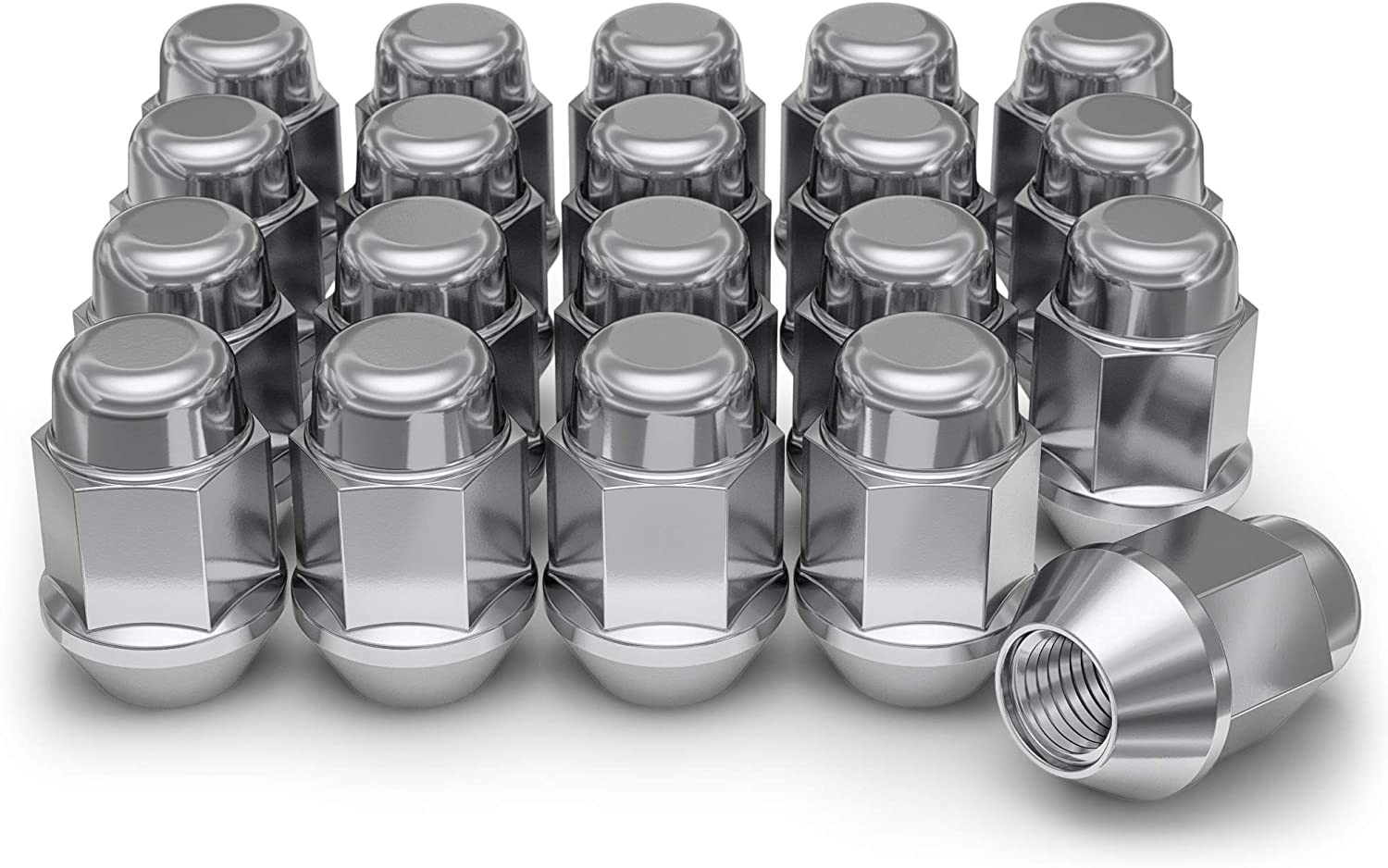
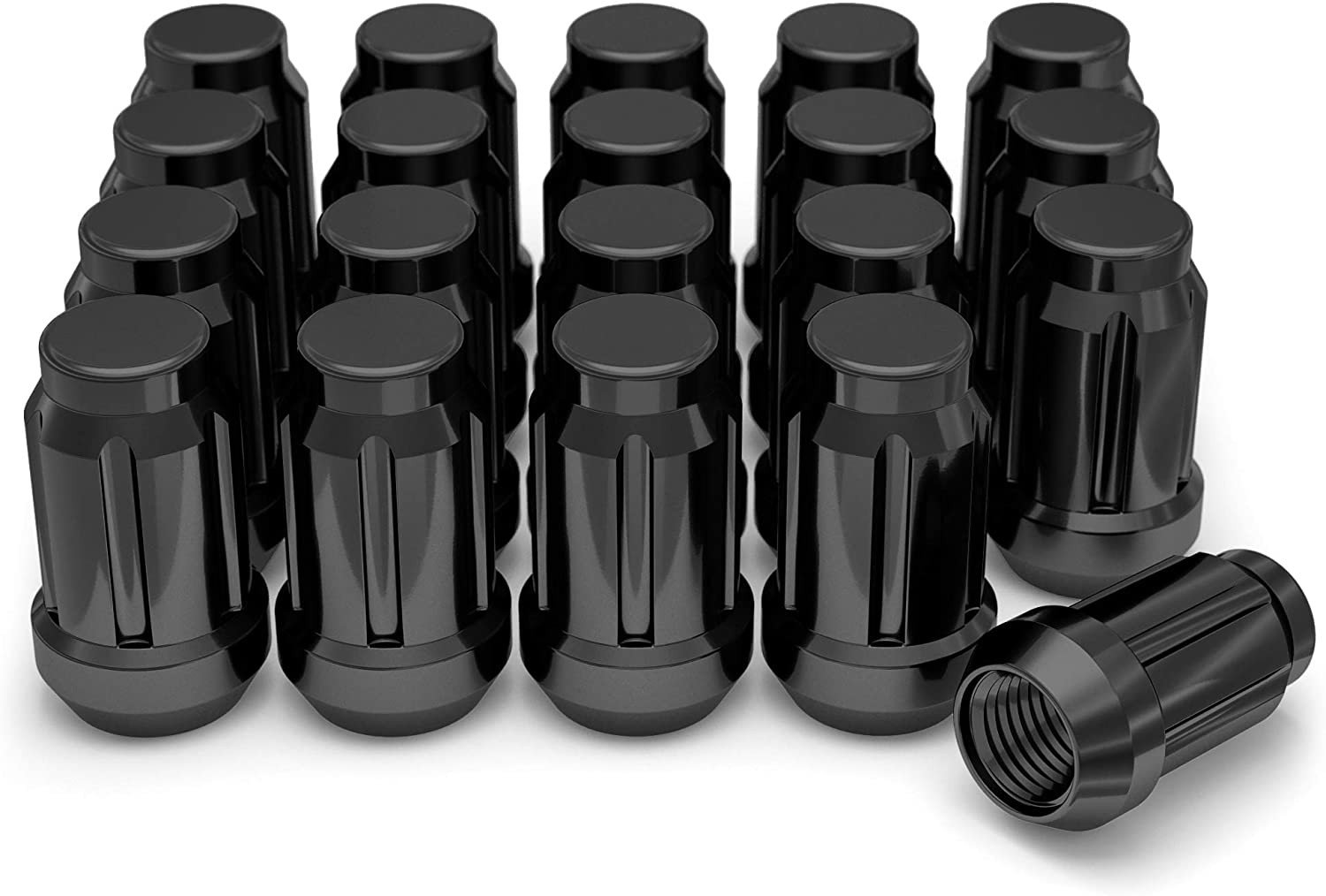
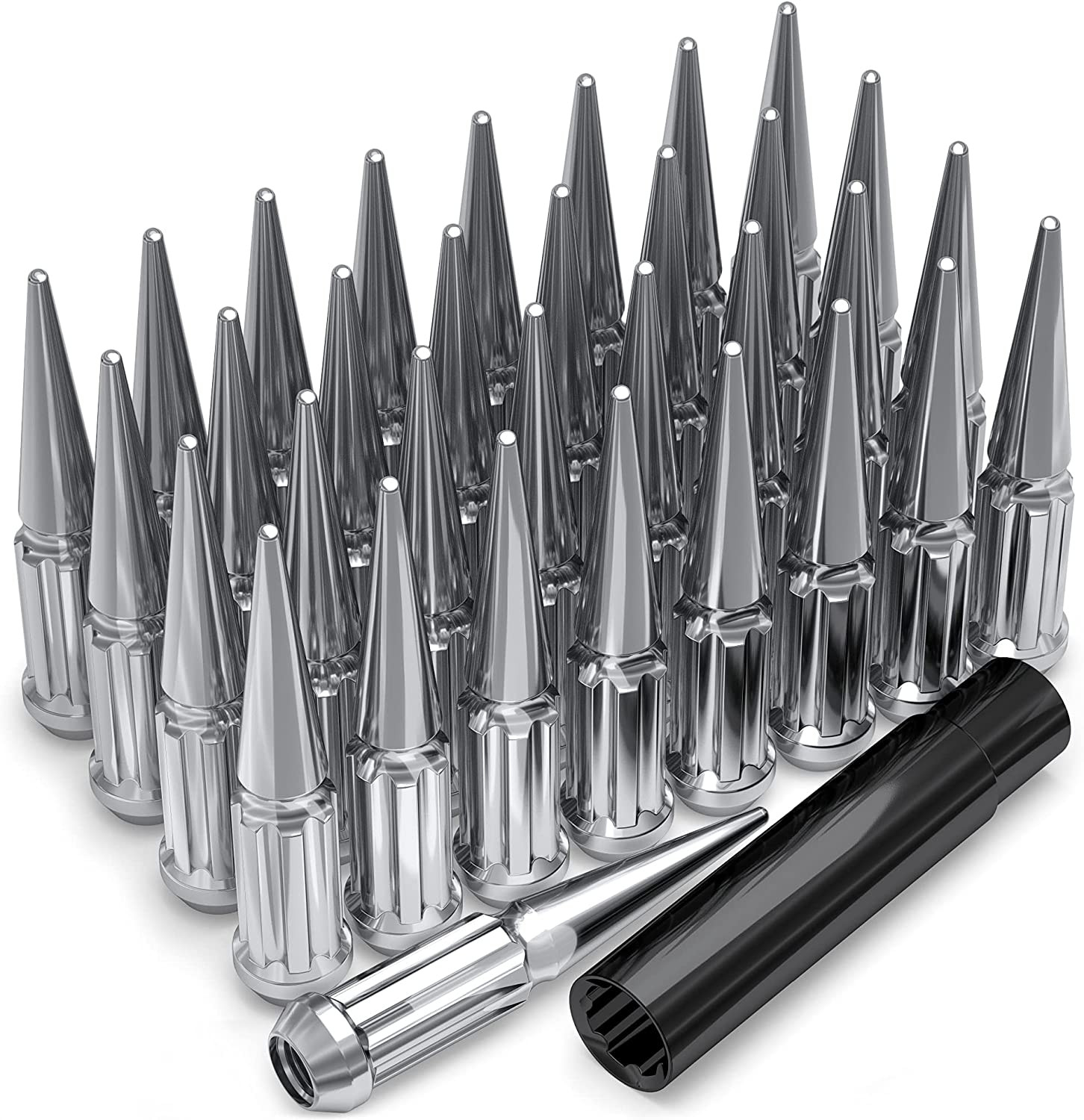
- Install only lug nuts with the correct thread and seat type for the wheel. Do not assume the original lug nuts fit an aftermarket or donor wheel.
- Hand-start every lug nut to prevent cross-threading.
- Tighten the lug nuts in a star or crisscross pattern, then torque them to the vehicle or wheel manufacturer's specification using a calibrated torque wrench.
- Do not lubricate lug threads or seats unless the applicable manufacturer specifically calls for it.
- Check tire pressure against the vehicle label, not the maximum pressure molded into the tire sidewall.
- After a short drive, recheck for rubbing, vibration, and abnormal noises. Recheck lug torque according to the wheel manufacturer's instructions.
Tools And Helpful Supplies
Useful supplies may include a properly rated floor jack, jack stands, a torque wrench, a socket set, a tire-pressure gauge, a tread-depth gauge, and a straightedge or measuring tool for checking wheel dimensions. A tire shop can verify tire mounting, balancing, bead seating, and clearance when the required equipment is not available.
Use OEM service information or a reputable fitment catalog to confirm the unknown bolt pattern and thread size. Do not rely on an online listing that omits the wheel's bolt pattern, center bore, offset, load rating, or lug-seat design.
FAQs
What is the bolt pattern for the 1996 Honda Accord?
The bolt pattern is not provided in the available fitment data. Confirm the stud count and PCD using Honda service information, the vehicle documentation, or a direct measurement performed by a qualified professional. Do not guess based on another Honda model or year.
What is the center bore of the 1996 Honda Accord?
The supplied center bore is 64.1 mm. Confirm the measurement against the hub and the wheel specification before ordering. A wheel with a smaller center bore cannot fit over a larger hub.
Can I use a 185/70R14 tire on a 15-inch wheel?
No. The R14 designation means the tire requires a 14-inch rim. It cannot be safely mounted on a 15-inch rim. The supplied 15-inch rim and R14 tire values appear inconsistent, so verify the actual wheel and tire package before purchase.
What wheel offset is listed for this Accord?
The supplied wheel offset is ET50, with a supplied backspacing of 4.72 inches. Treat these as reference values and verify the correct specification for the exact trim and wheel package. Final clearance must also be checked on the vehicle.
Is a larger center bore acceptable?
A larger wheel center bore may be usable when the bolt pattern, offset, load rating, brake clearance, and other requirements are correct, but the wheel should be properly centered. Correctly sized hub-centric rings may help center a wheel with a larger bore. A smaller center bore will not clear the hub.
Can the calculator confirm that a donor wheel will fit?
The calculator can compare dimensions and show changes in wheel position and tire diameter. It cannot guarantee brake clearance, lug-seat compatibility, hub fit, structural condition, or the absence of rubbing. Confirm unknown specifications and perform a careful physical inspection or test fit.
What should I verify when buying used wheels?
Verify the bolt pattern, center bore, diameter, width, offset, load rating, lug-seat type, and condition. Inspect for cracks, bends, repairs, corrosion, and damaged lug holes. Have the wheel professionally checked if its history or condition is uncertain.