1995 Honda Accord Wheel Interchange and Fitment Guide
Use this guide and the on-page wheel interchange calculator to compare wheel and tire dimensions for a 1995 Honda Accord. The available OEM data is partial, so confirm every critical specification with the vehicle owner's manual, the door-jamb tire label, the existing wheel, or a Honda parts source before purchasing.
Known OEM Fitment For 1995 Honda Accord
The following values are the specifications currently available for this page. They should not be treated as a complete vehicle fitment record.
| Specification |
Available value |
Important note |
| Bolt pattern |
Unknown |
Confirm the number of studs and the PCD before buying any wheel. |
| Center bore |
64.1 mm |
A wheel with a larger center bore may require correctly sized hub-centric rings. Never force a smaller bore over the hub. |
| Thread size |
Unknown |
Confirm the thread diameter, pitch, seat type, and nut compatibility from an OEM or qualified parts source. |
| Rim diameter |
15 in |
Confirm the intended wheel diameter for the specific trim and suspension configuration. |
| Rim width |
5.5 in |
Verify the wheel's approved tire-width range before mounting a tire. |
| Wheel offset |
ET50 |
Offset changes inner clearance, outer position, steering feel, and suspension load. |
| Backspacing |
4.72 in |
Use this as a comparison measurement, and confirm how the measurement was taken. |
| Tire section width |
185 mm |
Section width varies slightly by tire manufacturer and approved rim width. |
| Tire aspect ratio |
70% |
Aspect ratio must be evaluated together with tire width and wheel diameter. |
| Tire rim diameter |
14 in |
This conflicts with the listed 15-inch rim diameter. Confirm the correct wheel and tire package before ordering. |
The listed 185/70R14 tire size corresponds to a 14-inch wheel, while the available rim specification lists 15 inches. This may reflect different configurations or incomplete data. Do not assume that a 14-inch tire fits a 15-inch wheel. The tire's rim diameter must exactly match the wheel diameter.
How To Use The Wheel Interchange Calculator
Start by selecting the vehicle or wheel you want to compare in the “Wheels from (donor vehicle)” fields. Then select the 1995 Honda Accord in the “Installed on (your vehicle)” fields. Review the displayed differences in wheel diameter, width, offset, backspacing, tire dimensions, and overall diameter.
When a donor vehicle is not listed or its specifications are uncertain, use the custom wheel size fields. Enter the wheel diameter, wheel width, and offset from the wheel marking or manufacturer specification. Use the custom tire size fields to enter section width and aspect ratio. The calculator updates tire diameter when rim diameter changes, so check the resulting overall diameter rather than comparing wheel diameter alone.
Because the Accord's bolt pattern and thread size are unknown in the available data, calculator results cannot replace a physical bolt-pattern check and confirmation of the correct lug hardware. A wheel that appears close in diameter or offset may still be unsafe or impossible to install.
Fitment Checklist Before You Buy
Confirm the actual bolt pattern, center bore, wheel diameter, width, offset, and lug-seat requirements for your specific Accord. Use the VIN, owner's manual, door label, existing wheel markings, and a Honda dealer or reputable wheel manufacturer as supporting sources.
Compare the replacement wheel's center bore with the vehicle hub. The bore must clear the hub, and any hub-centric ring must be the correct inner and outer diameter. Confirm that the wheel's load rating is suitable for the vehicle and that the tire is approved for the selected rim width.
Check clearance at the brake caliper, strut, spring, steering components, fender, and inner wheel well. Test-fit one wheel on the front and rear axle, if appropriate, before mounting all tires. Turn the steering from lock to lock and check clearance with the suspension loaded. Do not rely only on offset or backspacing calculations.
Inspect used wheels for bends, cracks, corrosion around the bead seat, damaged lug holes, and previous repairs. Confirm that the tire's speed rating, load index, age, and condition are appropriate. Replace damaged tires and have installation and balancing performed by a qualified technician.
Plus Sizing And Common Upgrades
Plus sizing generally means fitting a larger-diameter wheel with a lower-profile tire while maintaining a similar overall tire diameter. The goal is to preserve speedometer behavior and avoid major changes to gearing, but the result must be calculated for the exact tire size.
No specific upgrade size is confirmed by the data provided for this 1995 Honda Accord. Use the calculator to compare custom sizes and review overall diameter, section width, offset, and backspacing. A wider or lower-offset wheel can reduce inner clearance and increase fender interference. A taller tire can rub and alter speedometer readings, while a smaller overall diameter can reduce ground clearance.
Changing wheel diameter does not automatically make a tire compatible. The tire must be designed for that rim diameter, have an appropriate load index and speed rating, and remain within the wheel manufacturer's approved width range. After any change, verify steering clearance, suspension clearance, fender clearance, and the ability to use the correct lug hardware.
Installation Tips
Clean the hub face and wheel mounting surface before installation. Remove rust, paint buildup, and debris that could prevent the wheel from seating flat. Never use spacers, adapters, or hub rings as a substitute for confirming the correct bolt pattern and hub dimensions.
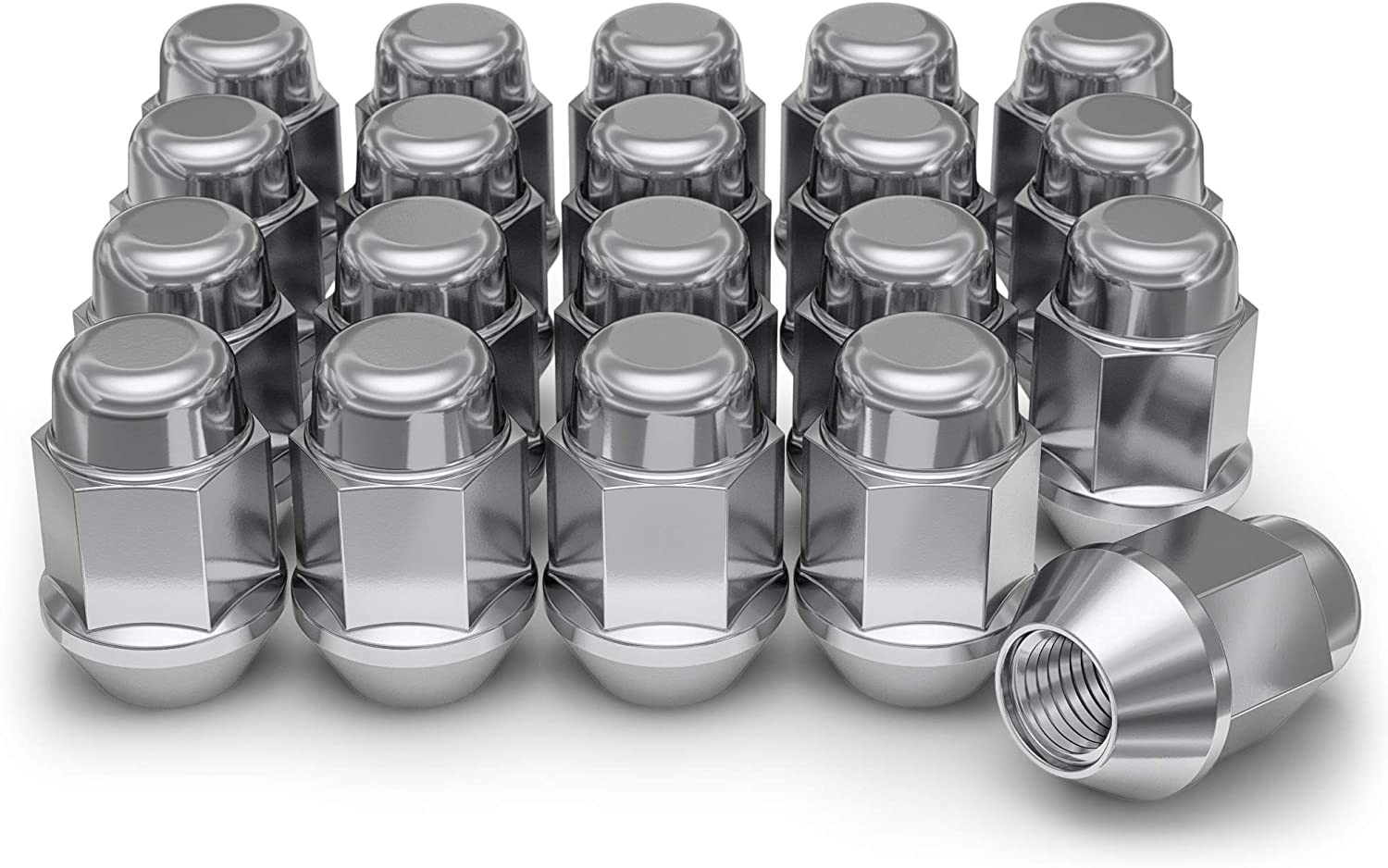
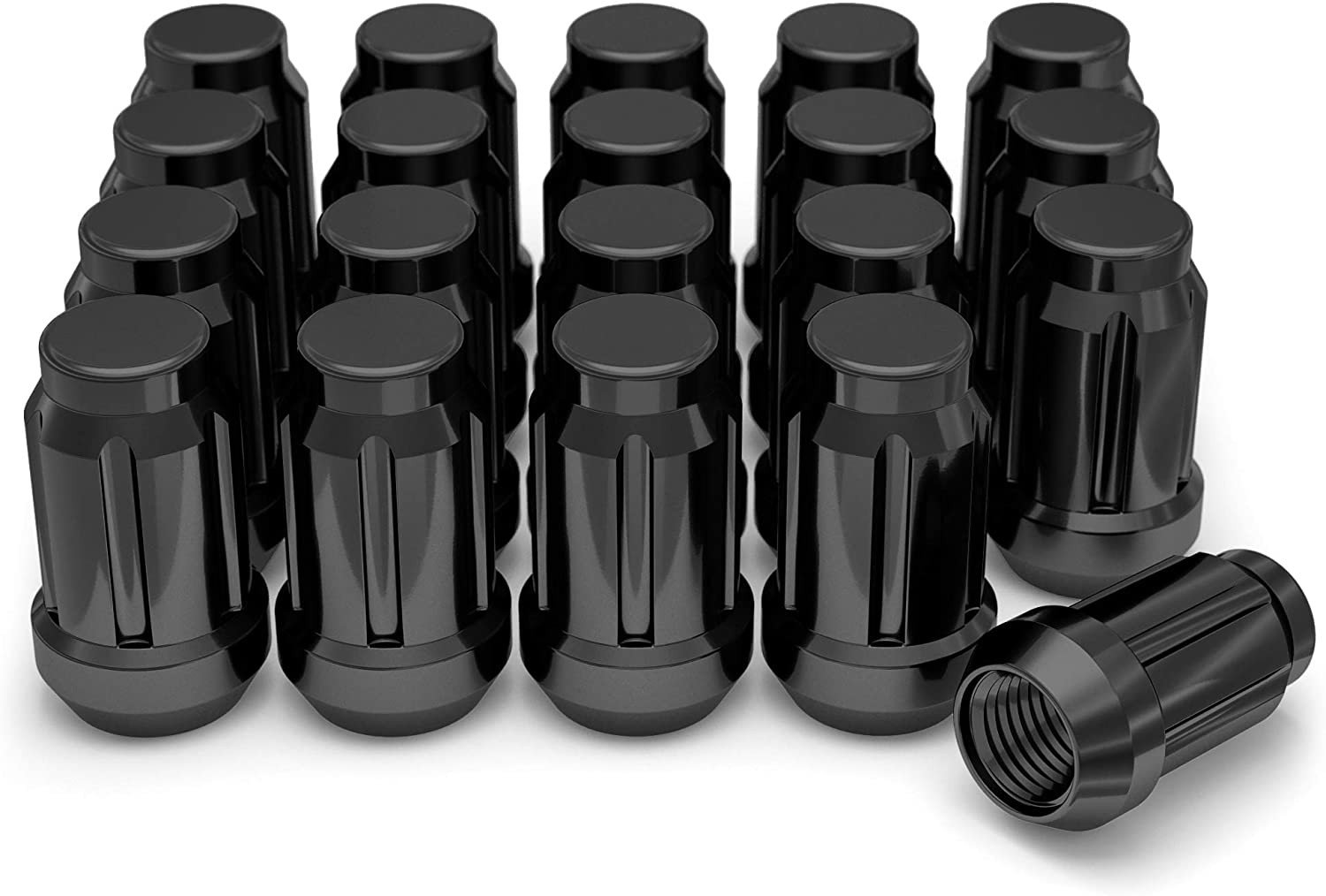
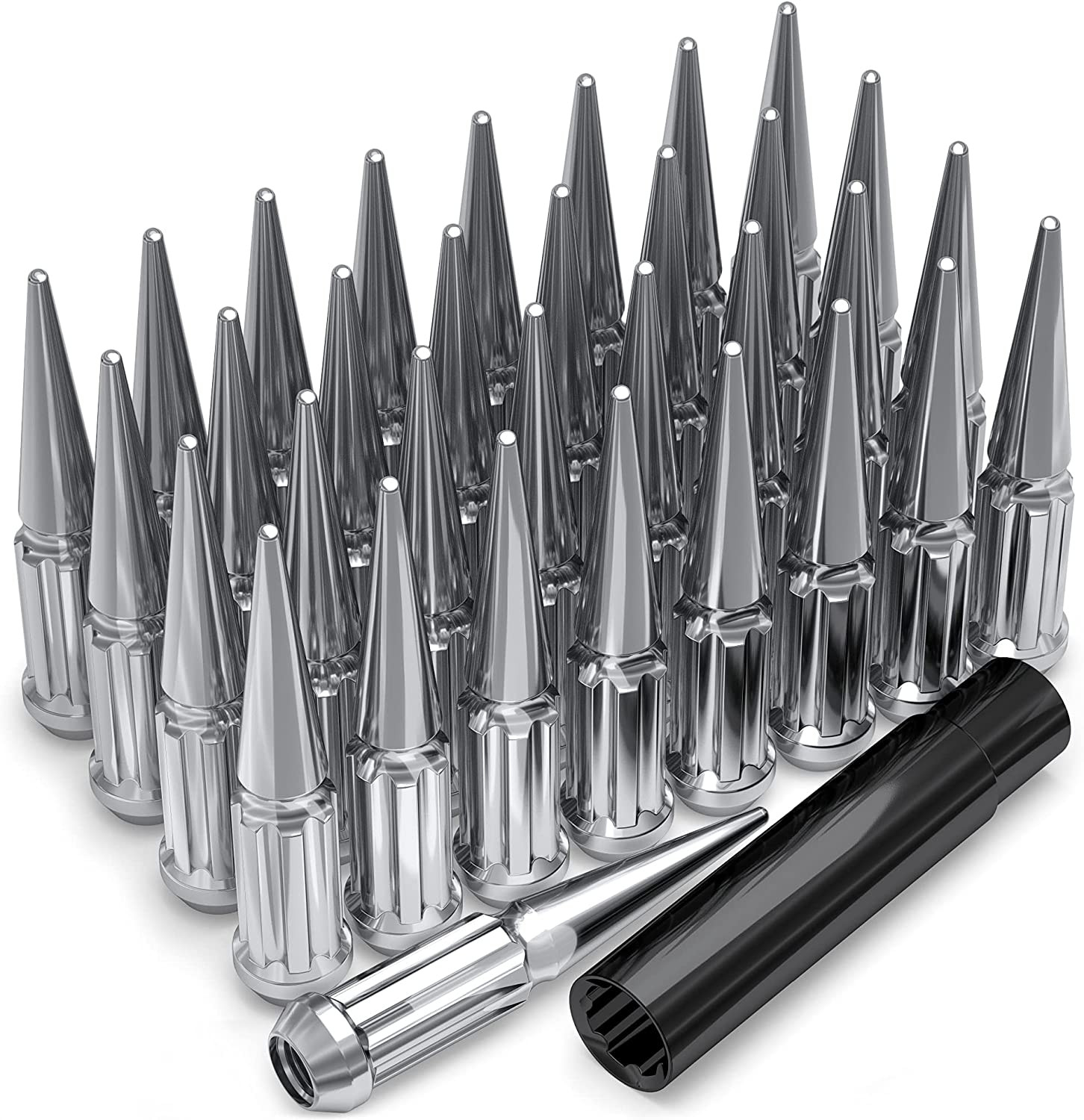
Install lug nuts by hand first to prevent cross-threading. Use only hardware with the correct thread specification and lug-seat shape. Tighten in a star or crisscross pattern, then torque the lugs to the vehicle or wheel manufacturer's specification using a calibrated torque wrench.
After installation, check tire pressure, confirm that no warning lights or handling problems appear, and recheck lug torque after the initial driving period recommended by the wheel manufacturer or installer. Stop driving if you notice vibration, rubbing, looseness, air loss, or steering changes.
Tools And Helpful Supplies
A torque wrench, properly sized socket, jack, jack stands, wheel chocks, tire-pressure gauge, and a bolt-pattern or wheel measurement tool can help with a careful inspection. Use jack stands on a solid, level surface and never work under a vehicle supported only by a jack.
Helpful supplies may include a hub-cleaning brush, brake cleaner, anti-seize used only where permitted by the manufacturer, and correctly sized hub-centric rings when required. Shop for a automotive torque wrench or a wheel bolt pattern measuring tool, but verify the tool's specifications and use instructions before relying on its measurements.
FAQs
What is the bolt pattern for a 1995 Honda Accord?
The bolt pattern is not provided in the available fitment data. Confirm the stud count and PCD using the existing wheel, a precise measuring tool, the owner's manual, or a Honda parts source. Do not guess based on model year alone.
What is the center bore listed for this Accord?
The available center-bore value is 64.1 mm. Confirm the vehicle hub measurement and the replacement wheel bore before ordering. A larger wheel bore may require correctly sized hub-centric rings, while a smaller bore will not fit over the hub.
Can I use the listed 185/70R14 tire on a 15-inch wheel?
No. A tire marked R14 is designed for a 14-inch rim and cannot be mounted on a 15-inch rim. The available data lists both a 15-inch rim and a 14-inch tire rim diameter, so the correct package must be confirmed before purchase.
Is ET50 the correct offset for every 1995 Honda Accord?
ET50 is the available offset value, but trim-level or configuration differences may exist. Confirm the original wheel specification and check physical clearance. Offset alone does not prove that a wheel will clear the brakes or suspension.
Why does the calculator change tire diameter when I change rim diameter?
Wheel diameter and tire sidewall height work together to determine total tire diameter. When you select a different rim diameter, the calculator updates the comparison so you can evaluate whether the proposed tire has a similar overall diameter. Always verify the exact tire size separately.
Can I install wheels with a different center bore?
A larger center bore can sometimes be matched with correctly sized hub-centric rings. A smaller center bore generally cannot fit over the vehicle hub. Rings do not correct an incorrect bolt pattern, offset, wheel load rating, or lug-seat design.
Is the listed 4.72-inch backspacing interchangeable with ET50?
Backspacing and offset are related measurements, but they also depend on the actual wheel width and measurement method. Use both values for comparison only, and verify the wheel's stamped specifications and physical clearances before installation.
What should I do if the calculator shows a compatible-looking result?
Use the result as a starting point, not as a safety certification. Confirm the bolt pattern, center bore, thread and lug-seat requirements, load rating, tire fitment, and clearance with OEM documentation or a qualified wheel and tire professional before buying or driving.