1991 Honda Accord Wheel Interchange
Use this page to compare wheel and tire dimensions for a 1991 Honda Accord. The supplied data is partial, so confirm every unknown specification against the vehicle, the wheel, and Honda or other OEM service information before ordering parts. Wheel fitment depends on more than tire size. Bolt pattern, center bore, thread size, wheel width, offset, brake clearance, and load capacity must all be compatible.
Known OEM Fitment For 1991 Honda Accord
The following values are available for this vehicle record. They may not apply to every trim, market, suspension setup, or replacement wheel.
| Specification |
Known value |
What to confirm |
| Center bore |
64.1 mm |
Verify the wheel's center bore and whether a properly sized hub-centric ring is required. |
| Reference tire section width |
185 mm |
Confirm the approved tire size for the specific trim and wheel. |
| Reference tire aspect ratio |
70% |
Confirm the complete tire designation on the vehicle placard or in the owner's documentation. |
| Reference tire rim diameter |
14 inches |
Confirm that the selected wheel clears the brakes and matches the required tire size. |
| Bolt pattern |
Unknown |
Measure or confirm the studs and pitch from an OEM source or a trusted fitment reference. |
| Thread size |
Unknown |
Confirm the correct lug nut thread and seat style before installation. |
| Rim diameter |
Unknown |
Check the original wheel marking and vehicle documentation. |
| Rim width |
Unknown |
Read the wheel stamp or confirm the approved range for the tire. |
| Wheel offset, ET |
Unknown |
Read the wheel marking or obtain the specification from the wheel manufacturer. |
| Backspacing |
Unknown |
Measure the wheel if necessary. Backspacing and offset are related but are not interchangeable measurements. |
Do not use the 64.1 mm center bore or the 185/70R14 reference tire data as a substitute for the unknown bolt pattern, offset, thread size, or wheel dimensions. If any required value cannot be confirmed, do not rely on a visual match alone.
How To Use The Wheel Interchange Calculator
Start by selecting the donor vehicle under “Wheels from” and the 1991 Honda Accord under “Installed on.” Compare the donor wheel's diameter, width, offset, bolt pattern, center bore, and hardware requirements with the information available for the Accord.
Use “Custom wheel size” when you know the proposed wheel dimensions. Enter the rim diameter, rim width, and offset exactly as specified by the wheel manufacturer. Use “Custom tire size” to enter the tire section width and aspect ratio. The calculator can show how the proposed dimensions compare, but it cannot replace a physical brake, suspension, and body clearance check.
When you change rim diameter, the calculator updates the tire diameter comparison. Check the resulting overall diameter, sidewall height, and estimated speedometer effect. A mathematically similar diameter does not guarantee adequate load capacity, brake clearance, steering clearance, or legal compliance.
Because the supplied OEM values are incomplete, treat the calculator result as a screening tool. Confirm the missing specifications with the vehicle identification information, the owner’s manual, service documentation, the existing wheel markings, and the wheel manufacturer’s fitment data.
Fitment Checklist Before You Buy
Confirm the vehicle-specific bolt pattern before purchasing wheels. A wheel that appears to fit the studs can still be unsafe if the pitch, center bore, lug seat, or thread specification is wrong.
Check the wheel diameter and width against the tire manufacturer’s approved rim-width range. Verify offset and backspacing to prevent contact with the strut, brake components, steering parts, fender, or inner bodywork. Inspect clearance with the steering turned fully left and right and with the suspension loaded where appropriate.
Confirm that the center bore is compatible. A larger wheel bore may require correctly sized hub-centric rings, while a smaller bore generally will not fit over the vehicle hub. Never force a wheel onto the hub.
Verify wheel load rating, tire load index, speed rating, valve stem compatibility, and tire pressure requirements. Do not assume that a donor vehicle's wheels or tires have adequate ratings for the Accord.
Ask the seller for exact wheel markings, including diameter, width, offset, part number, bolt pattern, center bore, and load rating. Stock photographs or a generic vehicle listing are not sufficient evidence of fitment.
Plus Sizing And Common Upgrades
Plus sizing means using a larger wheel diameter with a lower-profile tire while attempting to maintain a similar overall tire diameter. The supplied reference tire is 185/70R14, but no approved upgrade sizes are provided here. Do not treat a calculated substitute as an OEM-approved size.
A larger wheel and lower-profile tire can change ride comfort, impact protection, steering feel, wheel weight, and the risk of rim damage. A wider tire can also increase the chance of rubbing and may require a different wheel width or offset. Confirm the tire maker's rim-width range and the wheel maker's clearance information before ordering.
Compare overall diameter and circumference with the calculator, then verify the result against the vehicle's speedometer behavior and local requirements. The final tire must also have suitable load and speed ratings and adequate clearance at full steering lock and suspension travel.
Installation Tips
Clean the hub mounting face and the wheel mating surface before installation. Remove rust, paint buildup, and debris without damaging the hub. Make sure the wheel sits flat against the hub.
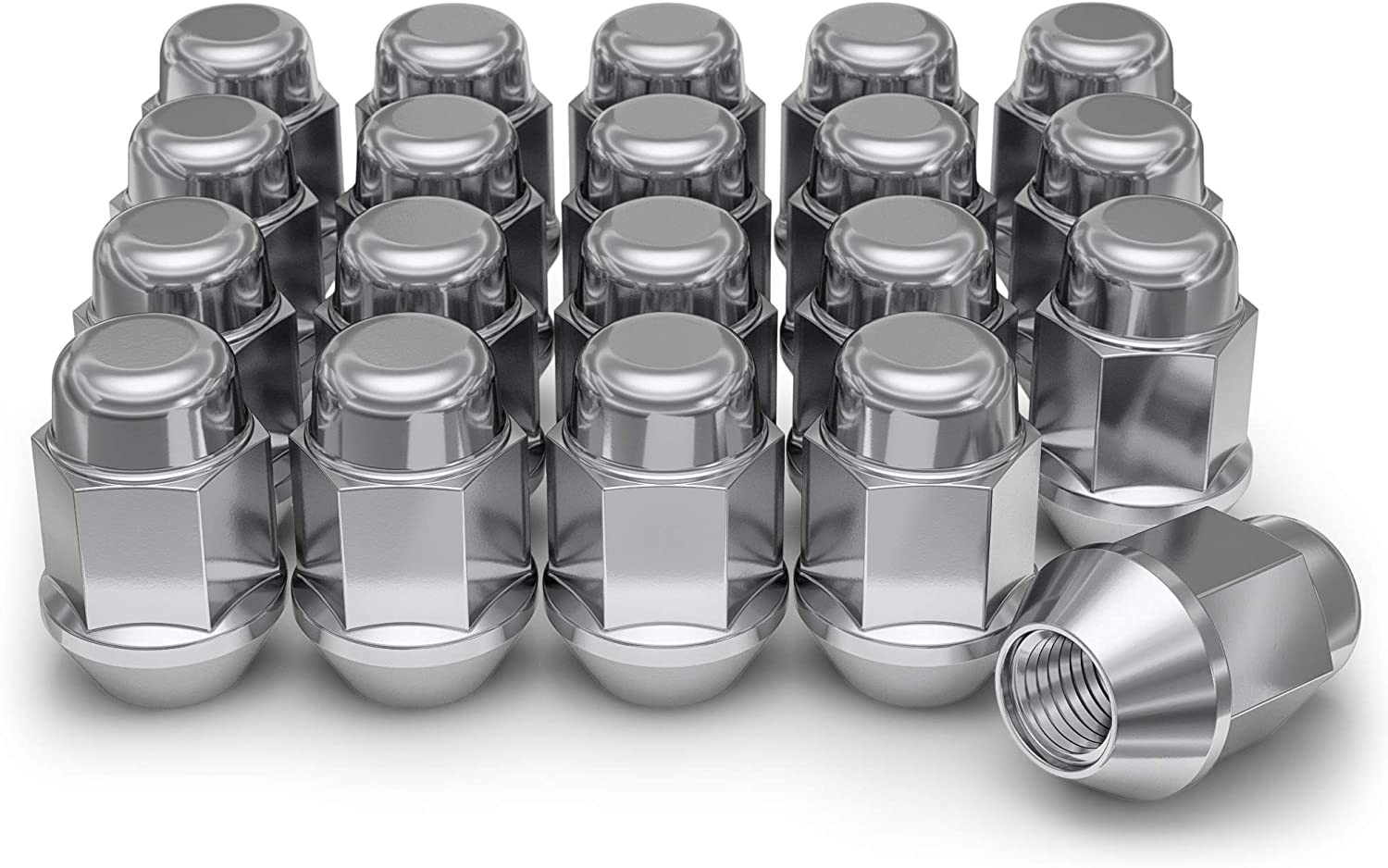
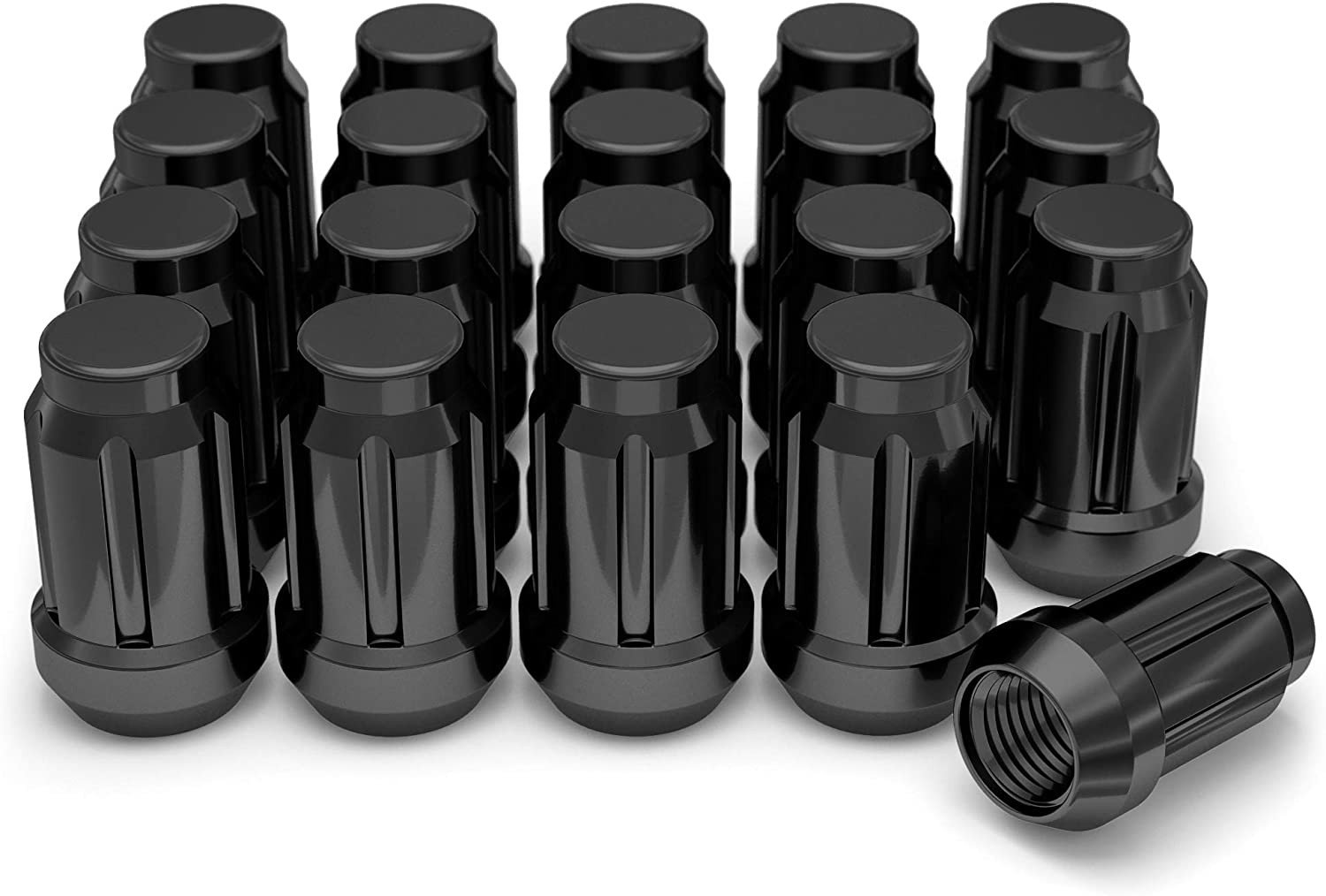
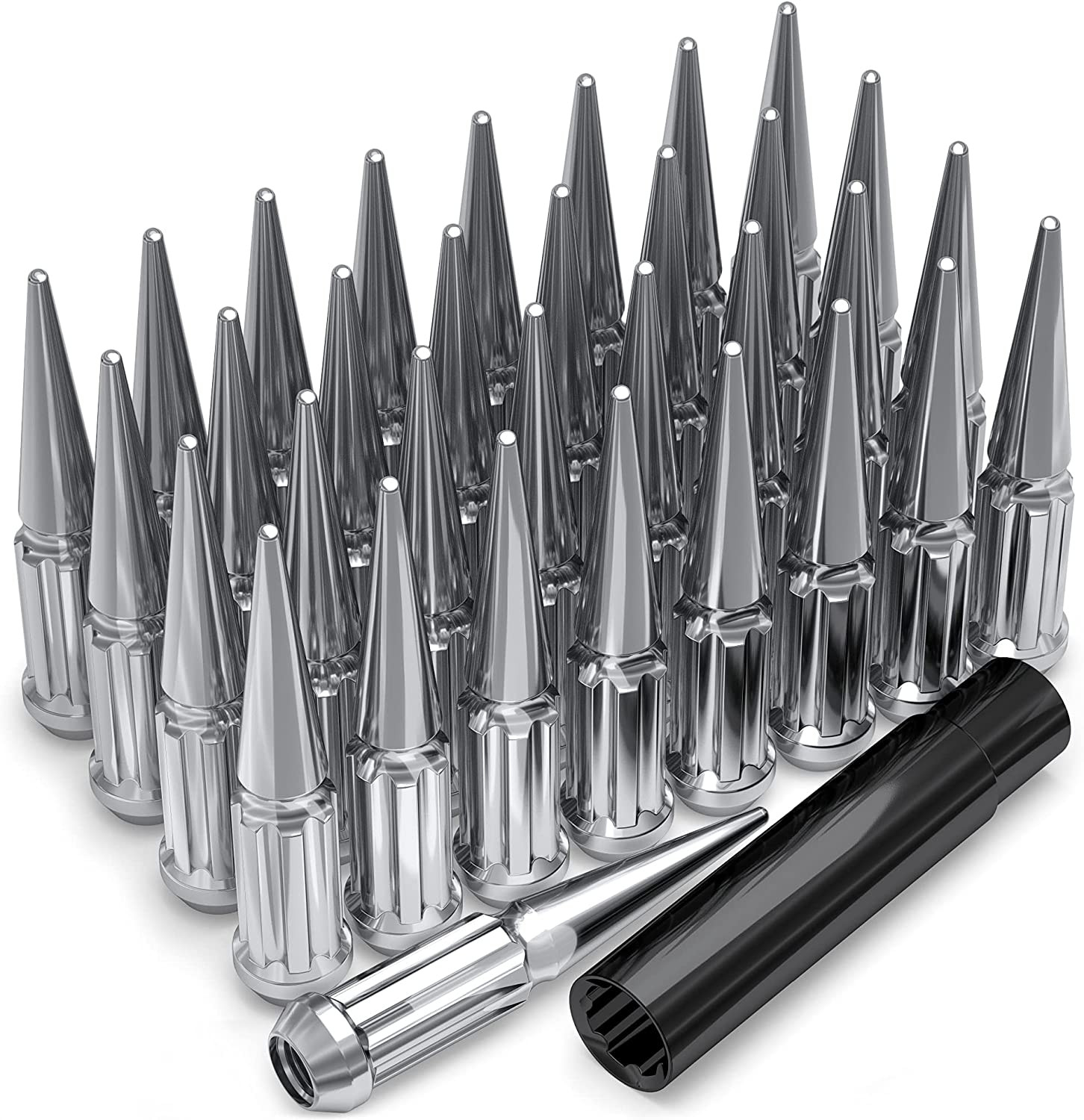
Use only lug nuts with the correct thread and seat style for the wheel. The required thread size is unknown for this vehicle record, so confirm it before installation. Do not substitute a different lug nut style because it appears to engage the studs.
Install the lugs by hand first to avoid cross-threading. Tighten them in a star or crisscross sequence, then use the vehicle manufacturer's specified torque. Recheck torque after the initial drive interval specified by the wheel or vehicle manufacturer.
After installation, check for contact by slowly turning the steering from lock to lock and inspecting the inner sidewall, strut, control arms, brake components, and fender areas. Test drive at low speed in a safe location and stop immediately if you hear rubbing, vibration, or other abnormal behavior.
Set tire pressure using the vehicle placard or the tire manufacturer's guidance, not the maximum pressure molded into the tire sidewall. Recheck pressure and lug torque regularly.
Tools And Helpful Supplies
Useful items include a reliable torque wrench, socket set, tire pressure gauge, tread-depth gauge, wire brush or suitable hub-cleaning tool, wheel chocks, and a properly rated jack with jack stands. A tape measure or wheel backspacing tool can help document an existing wheel, but measurements should be checked against manufacturer data.
For a suitable torque wrench search, see automotive torque wrenches on Amazon. For pressure checks, see digital tire pressure gauges on Amazon. Product compatibility, accuracy, and ratings should be reviewed before purchase.
FAQs
What is the bolt pattern for a 1991 Honda Accord?
The bolt pattern is not provided in this vehicle record. Confirm it from Honda documentation, the original wheel markings, a reputable fitment database, or by having a qualified technician measure it. Do not guess based on another Honda model or year.
What is the center bore?
The supplied center bore is 64.1 mm. Confirm that the replacement wheel has a compatible center bore. If the wheel bore is larger, a correctly sized hub-centric ring may be needed. A wheel bore smaller than the hub generally will not fit.
Does every 1991 Honda Accord use 185/70R14 tires?
The supplied reference tire data is 185/70R14, but trim, market, equipment, and replacement history can affect the correct specification. Confirm the complete tire size and pressure on the vehicle placard, in the owner’s manual, or through Honda service information.
Can I install wheels from another vehicle?
Only after confirming the complete fitment. The donor wheel must match the Accord's bolt pattern and hardware requirements and provide acceptable center bore, diameter, width, offset, load rating, brake clearance, and body clearance. Use the calculator for comparison, then verify the result with OEM and wheel manufacturer information.
What offset should I use?
The correct offset is unknown in this record. Read the offset marking on the original wheel or obtain the specification from an OEM or wheel manufacturer source. An incorrect offset can cause rubbing, altered steering behavior, bearing loads, or insufficient suspension and brake clearance.
Can I use a wheel with a different center bore?
A larger wheel center bore may be usable with properly sized hub-centric rings when all other dimensions are compatible. A smaller bore may prevent installation. Rings do not correct a wrong bolt pattern, offset, wheel width, load rating, or brake clearance.
Will changing wheel diameter change the tire size?
Yes. A different rim diameter requires a tire with a matching rim diameter. The calculator updates tire diameter comparisons when rim diameter changes, but the final tire must still meet the manufacturer's approved rim-width range, load and speed ratings, clearance requirements, and applicable regulations.
What should I do if the calculator shows a match?
Treat the result as an initial comparison, not an installation approval. Confirm unknown OEM specifications, inspect the actual wheel markings, verify lug hardware, check brake and suspension clearance, and have a qualified technician inspect the installation if any measurement is uncertain.