1988 Honda Civic Wheel Fitment Guide
Known OEM Fitment For 1988 Honda Civic
The following specifications are the known reference values for the 1988 Honda Civic data available on this page. Fitment can vary by body style, trim, market, and replacement-wheel application, so confirm the exact vehicle and wheel requirements before ordering.
| Specification |
Known value |
Buying and verification notes |
| Bolt pattern |
Unknown |
Do not guess. Confirm the studs and pitch circle diameter from an OEM source, service information, or a reliable measurement before buying wheels. |
| Center bore |
56.1 mm |
A wheel with a larger center bore may require correctly sized hub-centric rings. A smaller center bore will not fit over the hub. |
| Thread size |
Unknown |
Confirm the correct lug nut thread and seat type for the vehicle and wheel. Do not assume the thread size from another Honda model. |
| Rim diameter |
13 inches |
Listed reference diameter. Confirm brake clearance and the approved size for your specific trim before changing diameter. |
| Rim width |
5.0 inches |
Listed reference width. Check the wheel manufacturer's approved tire-width range. |
| Wheel offset |
ET45 |
Offset affects inner clearance, outer poke, steering feel, and bearing loads. Compare the replacement wheel with the original specification. |
| Backspacing |
4.27 inches |
Use backspacing together with wheel width and offset when checking suspension and brake clearance. |
| Reference tire size |
165/70R13 |
Section width is 165 mm, aspect ratio is 70 percent, and rim diameter is 13 inches. Confirm the placard and owner's manual before fitting tires. |
Because the bolt pattern and thread size are not provided, this page does not identify a guaranteed compatible donor-vehicle list. Confirm those values using the vehicle's owner documentation, factory service information, the wheel or hub markings, and a qualified tire or wheel professional.
How To Use The Wheel Interchange Calculator
Use the calculator to compare a donor vehicle's wheel and tire dimensions with the dimensions installed on your 1988 Honda Civic. Start with the closest known donor or replacement wheel, then enter the installed vehicle values carefully.
- Enter the donor wheel diameter, width, and offset in the “Wheels from” section.
- Enter the Civic's current or confirmed wheel diameter, width, and offset in the “Installed on” section.
- Enter tire section width and aspect ratio for both setups. The calculator compares the resulting tire diameter and related dimensional changes.
- Use “Custom wheel size” to test a replacement diameter, width, or offset instead of relying on an unverified vehicle listing.
- Use “Custom tire size” to evaluate a different section width or aspect ratio while checking that the tire is approved for the selected rim width.
- When you change rim diameter, review the updated tire diameter. A larger wheel normally requires a lower-profile tire to keep overall diameter near the original, but the calculator is not a substitute for clearance and load-rating checks.
The calculator shows dimensional comparisons. It does not verify the unknown bolt pattern, thread size, wheel load rating, brake clearance, fender clearance, or tire approval. Confirm those items independently before purchase.
Fitment Checklist Before You Buy
- Confirm the exact Civic body style, trim, market, and brake configuration.
- Verify the bolt pattern, including the number of studs and pitch circle diameter. This value is unknown in the supplied data and must not be guessed.
- Verify the wheel's center bore. The known reference is 56.1 mm. A smaller bore will not clear the hub, while a larger bore needs suitable centering support when required by the wheel design.
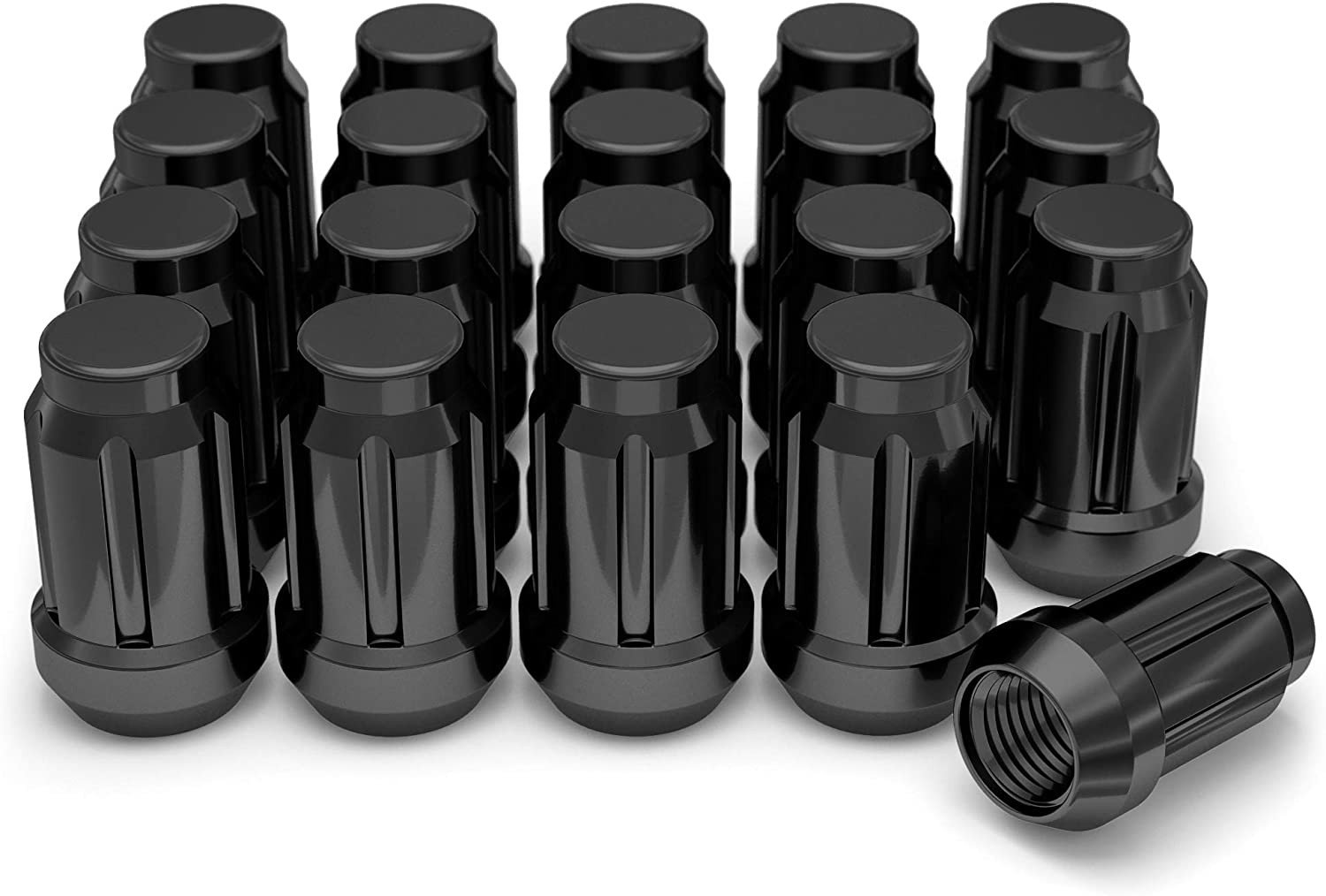
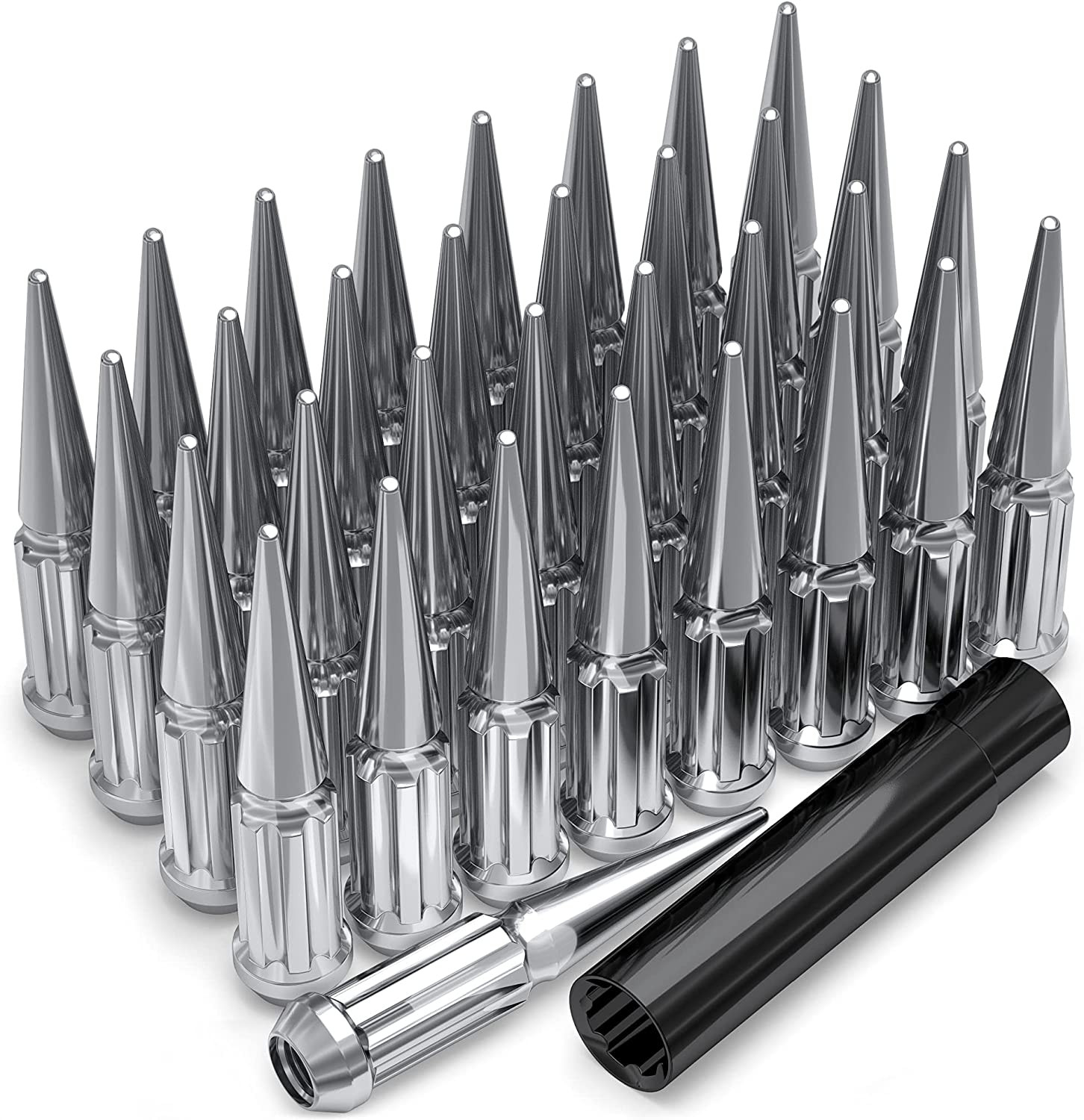
- Confirm lug nut thread size and seat type. The thread size is unknown here, and conical, ball-seat, and flat-seat hardware are not interchangeable.
- Compare wheel diameter, width, offset, and backspacing with the known reference values of 13 inches, 5.0 inches, ET45, and 4.27 inches.
- Check the wheel manufacturer's load rating and ensure it meets or exceeds the vehicle requirement.
- Check brake caliper, strut, tie-rod, and suspension clearance with the wheel mounted, not only by comparing advertised dimensions.
- Check tire load index, speed rating, approved rim-width range, overall diameter, and vehicle placard recommendations.
- Inspect for fender, liner, and suspension interference through the full steering range and suspension travel.
- Confirm that the replacement wheel accepts the correct valve stem, tire pressure monitoring hardware if equipped, and lug hardware.
Plus Sizing And Common Upgrades
Plus sizing means increasing wheel diameter while reducing tire sidewall height to keep the overall tire diameter reasonably close to the original. It can change appearance and steering response, but it may also reduce ride comfort, increase impact risk, and reduce the available clearance to brakes and suspension parts.
The known reference tire is 165/70R13. Before considering a larger wheel, use the custom wheel and tire fields in the calculator to compare overall diameter and dimensional changes. Do not select a replacement tire solely because its diameter appears similar. The tire must also be approved for the wheel width, carry the required load, and fit without rubbing.
Changing offset or width can move the inner sidewall closer to the strut or move the outer sidewall toward the fender. Avoid using spacers or adapters unless they are properly engineered, hub-compatible, legal for the application, and installed according to the manufacturer's instructions. Spacer use can introduce additional fitment and fastener risks.
Installation Tips
- Inspect each wheel for cracks, bends, corrosion, damaged threads, and an incorrect center bore before mounting a tire.
- Clean the hub face and wheel mounting surface. Remove rust and debris without removing material that affects seating.
- Use only lug nuts with the correct thread, seat shape, diameter, and engagement for the selected wheel.
- Start every lug nut by hand to prevent cross-threading. Tighten in a star or crisscross pattern.
- Use the vehicle manufacturer's specified torque procedure and a calibrated torque wrench. The correct torque value is not provided here, so obtain it from the owner's manual or factory service information.
- Never lubricate lug threads or seats unless the vehicle or wheel manufacturer specifically calls for it, because lubrication can alter clamping force.
- After installation, rotate each wheel by hand and check for contact. Lower the vehicle and check clearance at both steering extremes.
- Recheck lug torque after the first short drive and again according to the wheel manufacturer's instructions. Stop immediately if vibration, rubbing, looseness, or unusual noise occurs.
Tools And Helpful Supplies
Basic wheel work requires safe lifting equipment and the correct measuring and fastening tools. A calibrated automotive torque wrench helps apply the specified lug torque. A wheel offset and backspacing measuring tool can help compare an unmarked wheel, but measurements should still be checked against the wheel manufacturer's specifications.
- Vehicle-specific jack and properly rated jack stands
- Wheel chocks and a lug wrench or socket set
- Calibrated torque wrench
- Tape measure, straightedge, and wheel-width measuring tools
- Wire brush and suitable hub-cleaning supplies
- Valve-core and tire-pressure tools, if servicing tires
- Hub-centric rings only when correctly sized and approved for the wheel and hub combination
Never work under a vehicle supported only by a jack. If a wheel requires unusual adapters, spacers, replacement studs, or uncertain lug hardware, have the installation inspected by a qualified technician.
FAQs
What is the known center bore for the 1988 Honda Civic?
The supplied reference value is 56.1 mm. Confirm the hub measurement and the replacement wheel's center bore before ordering. A smaller wheel bore will not fit, and a larger bore may need correctly sized hub-centric rings.
What is the bolt pattern for the 1988 Honda Civic?
The bolt pattern is unknown in the provided data. Do not infer it from the model year or from another Honda. Verify the number of studs and pitch circle diameter using OEM documentation or a reliable measurement before buying wheels.
What tire size is listed for this Civic?
The supplied reference tire size is 165/70R13. It represents a 165 mm section width, a 70 percent aspect ratio, and a 13-inch rim diameter. Confirm the tire placard and owner's manual for the exact vehicle.
Can I install a wheel with a different offset?
A different offset may fit, but it changes inner and outer clearance, steering geometry, and wheel bearing loading. Compare the change in the calculator, then physically verify brake, suspension, fender, and tire clearance. The wheel must also have the correct bolt pattern and load rating.
Can I use a wheel with a larger center bore?
A larger center bore can sometimes be used when the wheel is correctly secured by the fasteners and the application allows it, but a suitable hub-centric ring may be needed to center the wheel and reduce the risk of vibration. The ring must match the 56.1 mm hub reference and the wheel bore exactly.
Does the calculator confirm that a donor wheel will fit?
No. The calculator compares wheel and tire dimensions, including custom diameter, width, offset, section width, aspect ratio, and resulting tire diameter. It does not establish the unknown bolt pattern or thread size and cannot replace physical clearance checks, load-rating verification, or OEM confirmation.
What should I do if the correct lug nut thread size is unknown?
Do not install the wheel until the thread size and seat type are confirmed. Obtain the specification from Honda service information or measure the vehicle's existing fastener correctly. Use lug nuts matched to both the vehicle studs and the replacement wheel seats.
Is a 13-inch replacement wheel automatically compatible?
No. Matching the 13-inch diameter alone is not enough. The wheel must also match the verified bolt pattern, center-bore requirements, width, offset, brake clearance, load rating, lug hardware, and tire requirements for the specific Civic.