1994 Honda Civic Wheel Interchange And Fitment
Use this page to compare wheel and tire dimensions for a 1994 Honda Civic. Some original-equipment values are unavailable or may vary by trim, body style, market, or wheel package. Do not treat an aftermarket wheel as compatible until the bolt pattern, center bore, offset, brake clearance, tire size, and load requirements have been confirmed.
Known OEM Fitment For 1994 Honda Civic
The following specifications are the values currently available for this vehicle record. Unknown values should be confirmed through the vehicle identification number, the original wheel markings, the tire information label, a Honda service source, or a qualified wheel and tire professional.
| Specification |
Known value |
Fitment note |
| Bolt pattern |
Unknown |
Confirm the number of studs and pitch circle diameter before purchasing wheels. |
| Center bore |
56.1 mm |
A larger aftermarket center bore may require a correctly sized hub-centric ring. A smaller bore will not install over the hub. |
| Lug thread size |
Unknown |
Confirm thread diameter, pitch, seat type, and required torque from an OEM or professional source. |
| Rim diameter |
14 inches |
Verify against the wheel stamp and the tire sidewall. |
| Rim width |
5.5 inches |
Wheel width affects tire compatibility, inner clearance, and outer poke. |
| Wheel offset |
ET45 |
Offset changes the wheel's position relative to the suspension and fender. |
| Backspacing |
4.52 inches |
Use this value only after confirming the wheel width and offset measurements. |
| Tire section width |
165 mm |
This is the nominal tire width, not the actual measured tread width. |
| Tire aspect ratio |
70% |
The aspect ratio describes sidewall height as a percentage of section width. |
| Tire rim diameter |
13 inches |
This conflicts with the listed 14-inch rim diameter. Verify the complete tire marking and wheel size before using either value for replacement parts. |
The listed 165/70R13 tire designation uses a 13-inch rim, while the listed wheel diameter is 14 inches. These entries may represent different configurations or an incomplete record. Do not combine them as one confirmed factory wheel and tire package without checking the vehicle label, original wheel, and tire sidewall.
How To Use The Wheel Interchange Calculator
Use the calculator to compare a donor vehicle's wheel and tire dimensions with the dimensions you plan to install on your 1994 Honda Civic. It is a dimensional comparison tool, not a substitute for confirming the bolt pattern, load rating, brake clearance, lug hardware, or vehicle-specific approval.
- Select the donor vehicle in the “Wheels from” section.
- Select 1994 Honda Civic in the “Installed on” section.
- Review the displayed wheel diameter, width, offset, tire dimensions, and calculated clearance information.
- Use “Custom wheel size” when you already know the proposed rim diameter, width, and offset.
- Use “Custom tire size” to enter the proposed tire section width and aspect ratio.
- When the rim diameter changes, review the updated tire diameter comparison. A different tire diameter can affect speedometer accuracy, gearing, ground clearance, and electronic systems.
Because the bolt pattern and lug thread size are unknown in the supplied data, a close dimensional result does not confirm that a donor wheel can be bolted on. Confirm those items separately before ordering.
Fitment Checklist Before You Buy
First confirm the exact vehicle configuration and inspect the original wheel. Look for size and offset markings cast or stamped on the inner wheel surface. Check the tire sidewall for the complete size, including the rim diameter, load index, and speed rating.
- Verify the bolt pattern using an OEM source or a professional measurement. Do not assume that a wheel from another Honda or another model will use the same pattern.
- Confirm the 56.1 mm center bore and determine whether a replacement wheel needs hub-centric rings.
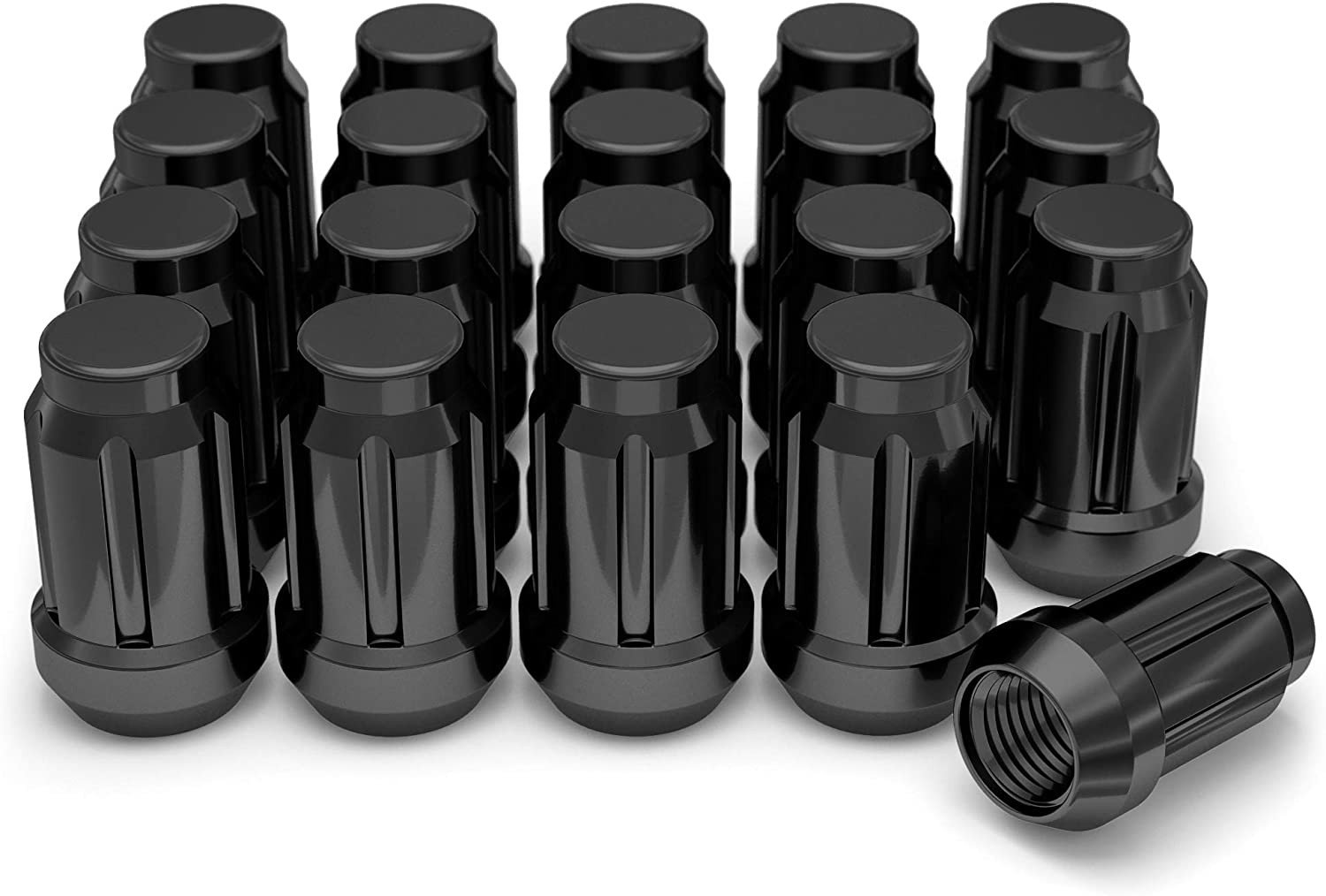
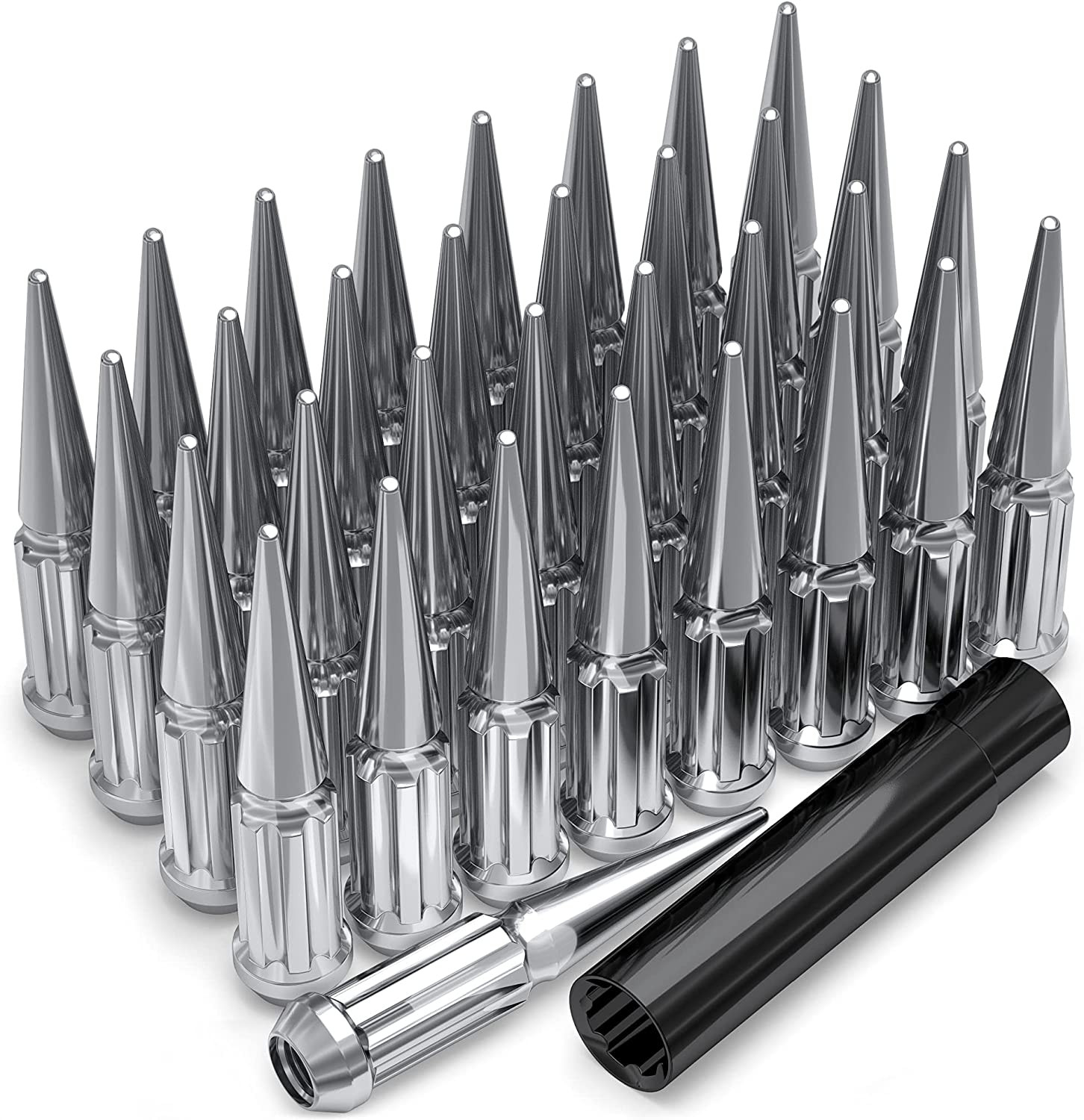
- Confirm lug nut thread size and seat type. Conical, ball, and flat seats are not interchangeable.
- Compare wheel width and offset with the original setup and inspect inner suspension, strut, brake, and outer fender clearance.
- Check that the tire's approved rim-width range matches the proposed wheel width.
- Confirm tire load index, speed rating, overall diameter, and clearance at full steering lock and full suspension compression.
- Inspect used wheels for cracks, bends, corrosion around the bead seat, damaged threads, and previous repairs.
- After installation, verify that the wheel seats fully against the hub and that no hardware bottoms out before clamping the wheel.
Plus Sizing And Common Upgrades
Plus sizing means using a larger wheel diameter with a lower-profile tire while attempting to maintain a similar overall tire diameter. This can sharpen steering response and change appearance, but it may also reduce sidewall cushioning, increase impact risk, and alter ride comfort.
Do not choose a plus-size tire from width and diameter alone. The replacement tire must fit the wheel's approved width range, clear the suspension and body, carry the vehicle's required load, and remain compatible with the vehicle's speedometer and safety systems. The calculator can compare diameter and width changes, but it cannot verify every physical clearance or hardware requirement.
The provided data contains a 14-inch wheel entry and a 13-inch tire-rim entry. Resolve that discrepancy before considering an upgrade. Use the tire information label, the owner documentation, the original wheel marking, and a reputable tire application source to establish the starting configuration.
Installation Tips
Install wheels on a clean, undamaged hub face. Remove rust and debris without removing excess hub material. Test-fit one wheel on the front and rear axle before mounting all four, checking caliper, strut, tie-rod, inner barrel, and fender clearance.
Use only lug nuts with the correct thread, seat, and shank dimensions for the wheel. Tighten in a star pattern with a calibrated torque wrench to the vehicle or wheel manufacturer's specified torque. The correct torque value is not provided here, so obtain it from an OEM service source or the wheel manufacturer. Recheck torque after the initial driving period specified by the manufacturer.
Set tire pressure from the vehicle's tire information label rather than the maximum pressure molded into the tire. After installation, check for vibration, rubbing, steering pull, and loss of pressure. Stop driving and inspect the vehicle if a wheel contacts any suspension or body component.
Tools And Helpful Supplies
A calibrated torque wrench, suitable socket, jack and approved jack stands, wheel chocks, a tire pressure gauge, and a tread-depth gauge are useful for a safe inspection and installation. A digital caliper can help compare hub and bore dimensions, but bolt pattern and lug hardware should still be confirmed with reliable vehicle or wheel documentation.
FAQs
Can I use any wheel with a 56.1 mm center bore?
No. The center bore is only one fitment measurement. The wheel must also have the correct bolt pattern, suitable offset and width, adequate brake clearance, appropriate lug seat, and sufficient load capacity.
What is the bolt pattern for this 1994 Honda Civic?
The bolt pattern is unknown in the supplied vehicle data. Confirm it from an OEM source, the original wheel markings, or a qualified wheel professional. Do not infer it from the model year alone.
Why does the page show both a 14-inch rim and a 13-inch tire rim diameter?
Those entries are inconsistent because a tire marked with an R13 designation is intended for a 13-inch rim. They may refer to separate configurations or a data issue. Check the complete tire sidewall marking and the wheel diameter stamp before buying replacements.
Can the calculator confirm that a donor wheel will fit?
The calculator can compare wheel and tire dimensions and show how custom diameter, width, offset, and tire measurements differ. It cannot independently confirm bolt pattern, lug thread, brake clearance, load rating, or every suspension and fender clearance.
What lug nuts should I buy?
The correct lug nuts depend on the unknown thread size and the wheel's seat design. Confirm the thread diameter, pitch, seat shape, and required torque from the vehicle and wheel manufacturers. Never select lug nuts based only on appearance.
Are hub-centric rings always required?
No. A wheel with the correct 56.1 mm center bore may not need a ring. A wheel with a larger bore may use a properly sized hub-centric ring if the wheel manufacturer permits it. A smaller-bore wheel cannot be installed over the hub without an approved engineering solution, and machining should be handled by a qualified specialist.
Will a wider tire improve handling?
Not automatically. A wider tire can change steering feel and grip, but it can also increase rubbing risk, road noise, weight, and aquaplaning behavior. Confirm the wheel width range, tire load and speed ratings, and all clearances before making a change.