2000 Honda Civic Wheel Fitment Guide
Known OEM Fitment For 2000 Honda Civic
The following specifications are the known fitment data supplied for the 2000 Honda Civic. Confirm the exact wheel and tire specification for your trim, package, and current vehicle before ordering.
| Specification |
Known value |
| Bolt pattern |
4x100, meaning 4 studs on a 100 mm pitch circle diameter |
| Center bore |
56.1 mm |
| Thread size |
M12 x 1.5 |
| Rim diameter |
16 inches |
| Rim width |
6.5 inches |
| Wheel offset |
ET45, or 45 mm |
| Backspacing |
5.02 inches |
| Tire section width |
175 mm |
| Tire aspect ratio |
70 percent |
| Tire rim diameter |
13 inches |
Important: the supplied data contains both a 16-inch wheel specification and a 13-inch tire rim diameter. These may describe different configurations, or one value may not apply to every trim. Do not assume that a 175/70R13 tire belongs on a 16-inch wheel. Check the tire sidewall, the vehicle certification label, the owner's manual, and Honda or wheel manufacturer documentation before purchase.
How To Use The Wheel Interchange Calculator
Use the on-page calculator to compare a donor vehicle's wheels with the wheels installed on your 2000 Honda Civic. Enter the donor vehicle in the “Wheels from” fields and the Civic in the “Installed on” fields, then review the differences in bolt pattern, center bore, wheel width, diameter, offset, and tire dimensions.
- Start with the known Civic values above, but verify any value that varies by trim or wheel package.
- Use the custom wheel size fields to test a wheel's rim diameter, width, and offset.
- Use the custom tire size fields to test section width and aspect ratio.
- When you change rim diameter, review the updated tire diameter in the comparison. A wheel change normally requires a tire size that maintains suitable overall diameter and load capacity.
- Treat a calculator result as a screening tool, not a guarantee of physical clearance or legal suitability.
A matching 4x100 bolt pattern alone does not prove that a wheel fits. Center bore, offset, brake clearance, wheel width, tire clearance, fastener seat, and load rating must also be checked.
Fitment Checklist Before You Buy
- Confirm the vehicle's exact trim, body style, brake package, and current tire size from OEM documentation and the vehicle itself.
- Confirm the wheel has a 4x100 bolt pattern and a center bore compatible with the Civic's 56.1 mm hub.
- Check whether the wheel is hub-centric, and use correctly sized hub rings only when appropriate for the wheel and application.
- Compare wheel diameter, width, offset, and backspacing with the calculator and the wheel manufacturer's fitment data.
- Verify inner clearance to the brake caliper, strut, suspension components, and steering components.
- Verify outer clearance to the fender, liner, and body through the full steering and suspension travel.
- Confirm the tire's load index, speed rating, section width, aspect ratio, and approved rim-width range.
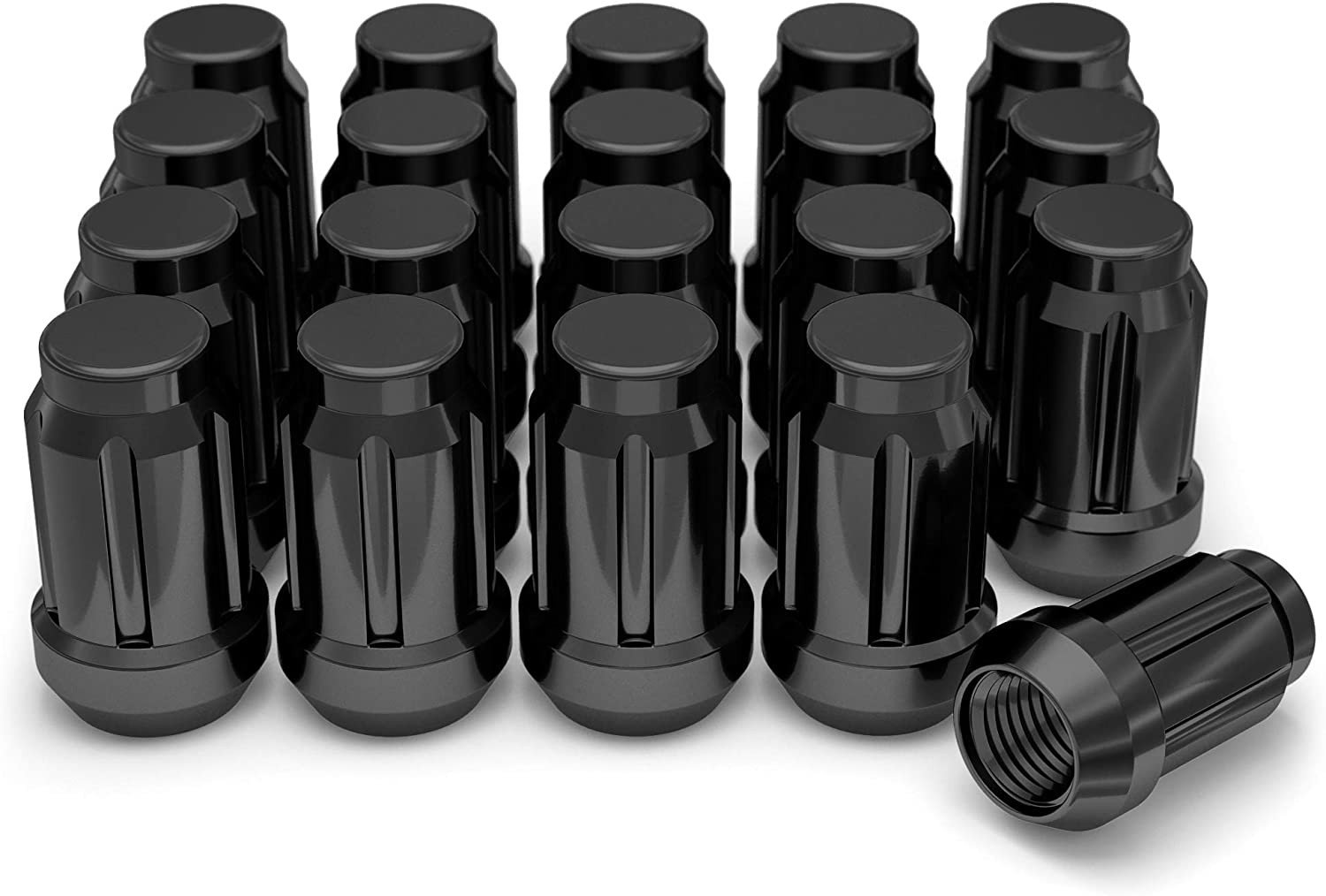
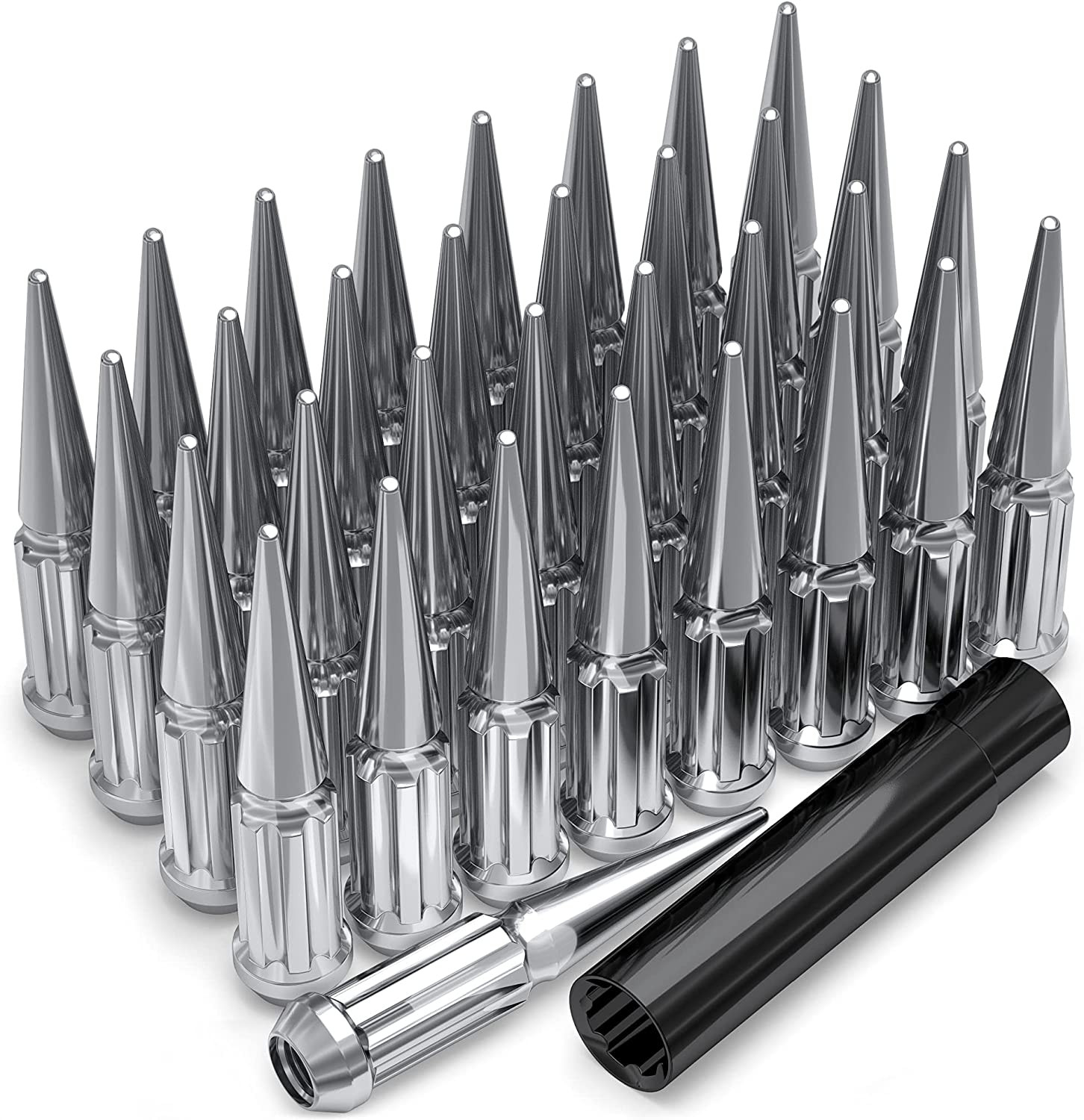
- Confirm the wheel's load rating and the correct lug nut seat type. Do not assume the original lug nuts fit an aftermarket wheel.
- Check that the tire does not contact the vehicle during steering lock, compression, or rebound.
- Have a tire professional inspect used wheels for bends, cracks, corrosion, and damaged mounting surfaces.
Plus Sizing And Common Upgrades
Plus sizing means using a larger wheel diameter with a lower-profile tire to keep the overall tire diameter reasonably close to the original. The supplied data does not identify a single approved plus-size combination for every 2000 Honda Civic trim, so a specific upgrade should not be treated as universal.
When testing a custom combination, compare overall tire diameter, section width, rim-width compatibility, load rating, speed rating, and available clearance. A larger or wider tire can change steering effort, road noise, ride comfort, wet-weather behavior, and the chance of contact with the suspension or fender.
After changing wheel or tire dimensions, confirm that the tire pressure monitoring and speedometer requirements applicable to the vehicle are addressed. Have the tire shop verify balance, bead seating, and clearance before normal driving.
Installation Tips
- Clean the hub face and wheel mounting surface before installation. Remove rust, dirt, and loose paint without reducing the mating surface.
- Install wheels only with fasteners that match the wheel's seat type, thread size, and required engagement.
- Start every lug nut by hand to avoid cross-threading.
- Lower the vehicle enough to prevent the wheel from rotating, then torque the fasteners to the vehicle or wheel manufacturer's specified value. The correct torque value is not provided here and must be confirmed from OEM or wheel documentation.
- Do not use impact-gun tightening as the final torque procedure.
- Check for clearance by turning the steering from lock to lock and inspecting the suspension and fender areas.
- After a short drive, recheck lug nut torque according to the wheel manufacturer's instructions.
- Stop driving if you notice vibration, rubbing, steering pull, loose fasteners, or unusual noise.
Tools And Helpful Supplies
Useful equipment includes a calibrated torque wrench, appropriate socket, jack and jack stands or an approved vehicle lift, a tire pressure gauge, and a tread-depth gauge. Use equipment rated for the vehicle and follow safe lifting points from the owner's manual.
Wheel spacers, adapter plates, and non-standard fasteners require particular caution. They alter wheel geometry and may reduce thread engagement or clearance. Use them only when specifically approved by the manufacturer and verified by a qualified technician.
FAQs
What is the bolt pattern for the 2000 Honda Civic?
The supplied bolt pattern is 4x100. Confirm the vehicle and wheel measurements before ordering because a matching pattern does not confirm complete fitment.
What is the center bore?
The known center bore is 56.1 mm. A wheel with a larger bore may require correctly sized hub rings, while a wheel with a smaller bore will not fit over the hub without proper machining by a qualified specialist.
What wheel offset is listed?
The supplied wheel offset is ET45, or 45 mm. Offset changes the wheel's position relative to the strut, suspension, and fender, so compare it with wheel width and backspacing rather than evaluating it alone.
Why do the supplied specifications show both 16 inches and 13 inches?
The known data lists a 16-inch rim diameter but also lists a 13-inch tire rim diameter. Those values cannot describe one mounted tire and wheel combination. They may represent different configurations or a partial data set. Confirm the applicable size using the tire sidewall, vehicle label, owner's manual, and OEM sources.
Can any 4x100 wheel fit this Civic?
No. The wheel must also have a compatible center bore, offset, width, brake clearance, load rating, fastener seat, and suitable tire clearance. Use the calculator for comparison, then confirm the result with the wheel manufacturer.
What lug nuts are required?
The supplied thread size is M12 x 1.5, but the correct lug nut also depends on the wheel's seat design and required thread engagement. Confirm the fastener specification with Honda or the wheel manufacturer before installation.
Does changing rim diameter change tire diameter?
In the calculator, changing rim diameter updates the tire diameter in the comparison. Select a tire size that is approved for the wheel width and maintains appropriate load capacity and vehicle clearance.
Is the calculator a final fitment approval?
No. It compares entered dimensions and helps identify differences. It cannot replace physical clearance checks, OEM documentation, wheel load-rating information, tire manufacturer data, or inspection by a qualified tire and wheel professional.