2000 Honda S2000 Wheel Fitment Guide
Known OEM Fitment For 2000 Honda S2000
The following specifications are the known reference values for the 2000 Honda S2000. Fitment can vary by wheel design, trim, brake package, suspension modifications, and tire choice, so confirm measurements before purchasing.
| Specification |
Known value |
| Bolt pattern |
5x114.3, meaning 5 studs on a 114.3 mm pitch circle diameter |
| Center bore |
70.1 mm |
| Thread size |
M12 x 1.5 |
| Rim diameter |
16 inches |
| Rim width |
6.5 inches |
| Wheel offset |
ET55 |
| Backspacing |
5.42 inches |
| Tire section width |
205 mm |
| Tire aspect ratio |
55 percent |
| Tire rim diameter |
R16 |
These values identify the supplied OEM reference setup, but they do not guarantee that every aftermarket wheel with the same bolt pattern will fit. The center bore, offset, spoke clearance, brake clearance, wheel width, and tire clearance must also be checked.
How To Use The Wheel Interchange Calculator
Use the calculator to compare a donor vehicle's wheel and tire measurements with the 2000 Honda S2000 reference setup. Select or enter the donor vehicle under “Wheels from” and the Honda S2000 under “Installed on.”
- Review the donor wheel diameter, width, offset, bolt pattern, and center bore against the known Honda measurements.
- Use “Custom wheel size” when the wheel you are considering is not represented by a listed donor vehicle. Enter its actual rim diameter, width, and offset.
- Use “Custom tire size” to compare tire section width and aspect ratio.
- When you change rim diameter, review the updated tire diameter in the comparison. A different wheel diameter normally requires a different tire size to maintain a suitable overall diameter.
- Treat the calculator as a measurement and comparison aid. It cannot verify brake-caliper clearance, spoke shape, suspension interference, fender clearance, load rating, or the condition of a used wheel.
Confirm final specifications using the wheel manufacturer's fitment data and Honda service or parts information. If a value is not shown for a particular trim or wheel, do not assume it is identical.
Fitment Checklist Before You Buy
- Confirm the wheel has the 5x114.3 bolt pattern.
- Confirm the wheel's center bore is at least 70.1 mm. A larger bore may require properly sized hub-centric rings. A smaller bore will not fit over the hub without approved machining.
- Compare the wheel offset with the ET55 reference. A different offset changes the wheel's position relative to the suspension and fender.
- Check wheel width, backspacing, and spoke design, not only diameter and bolt pattern.
- Verify brake-caliper and inner-barrel clearance with a physical test fit when possible.
- Confirm that the selected tire is approved for the wheel width and has an adequate load and speed rating.
- Check inner sidewall, strut, control-arm, and steering clearance at full lock and through suspension travel.
- Check outer sidewall and fender clearance with the vehicle loaded as intended.
- Inspect used wheels for cracks, bends, corrosion, damaged bead seats, and damaged lug-seat surfaces.
- Confirm the wheel's lug-seat type. Do not use lug nuts that do not match the wheel manufacturer’s seat design.
Plus Sizing And Common Upgrades
Plus sizing generally means increasing rim diameter while reducing tire sidewall height so the overall tire diameter stays reasonably close to the reference size. The calculator can show how a custom rim and tire combination changes relative to the known 16-inch reference.
No specific upgraded wheel or tire sizes are provided here, so a compatible upgrade list should not be assumed. Before choosing a larger or wider setup, verify tire diameter, wheel width range, offset, brake clearance, steering clearance, fender clearance, and load rating. A larger wheel can add weight and reduce sidewall protection, while a wider tire can increase rubbing risk or change steering feel.
Use the tire manufacturer's approved rim-width range and confirm that the final tire diameter does not create unacceptable speedometer, gearing, or electronic-system effects. Professional inspection is recommended for aggressive offsets, substantially wider wheels, or modified suspension.
Installation Tips
- Clean the hub face and wheel mounting surface before installation. Remove rust, dirt, and loose paint without removing necessary material.
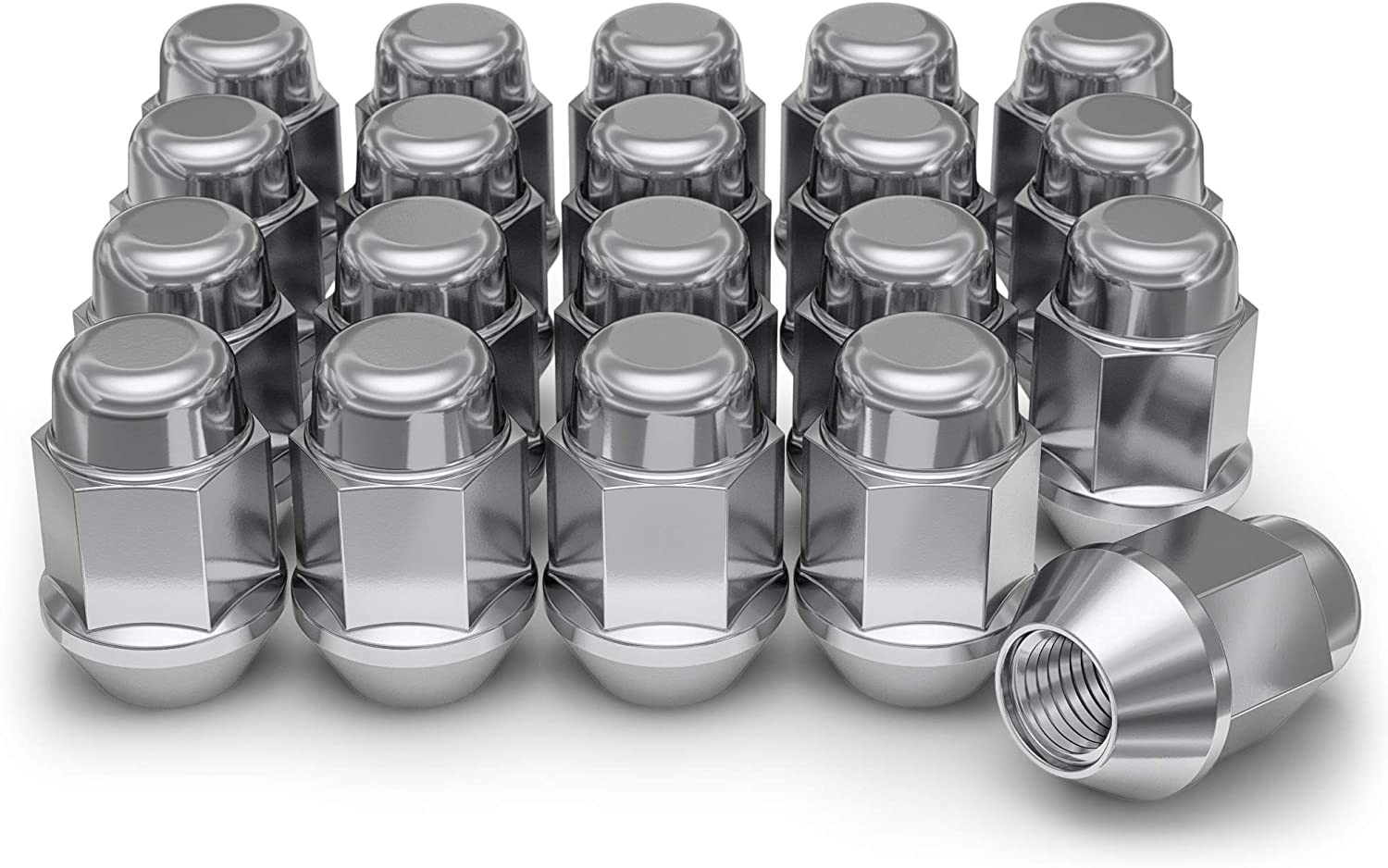
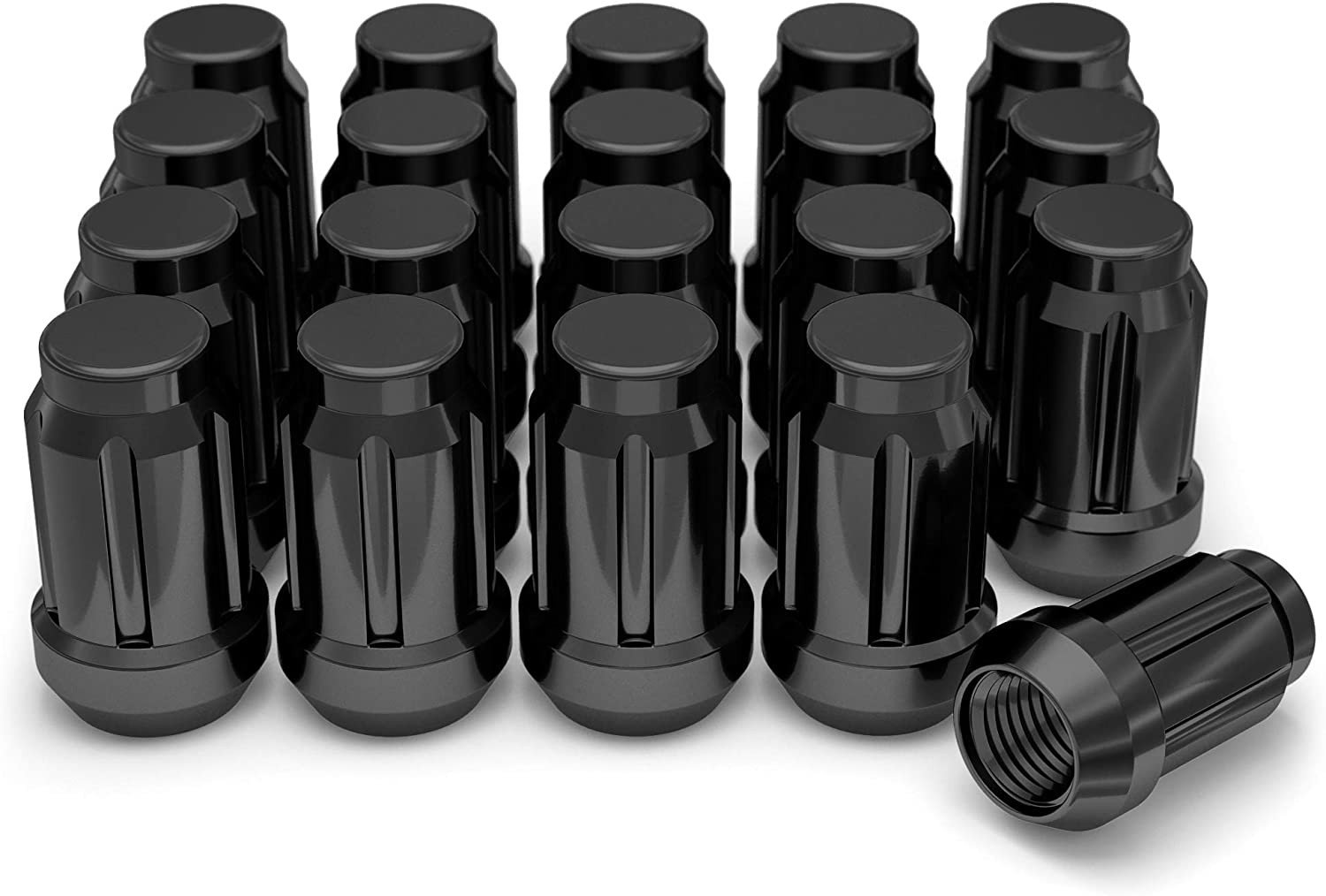
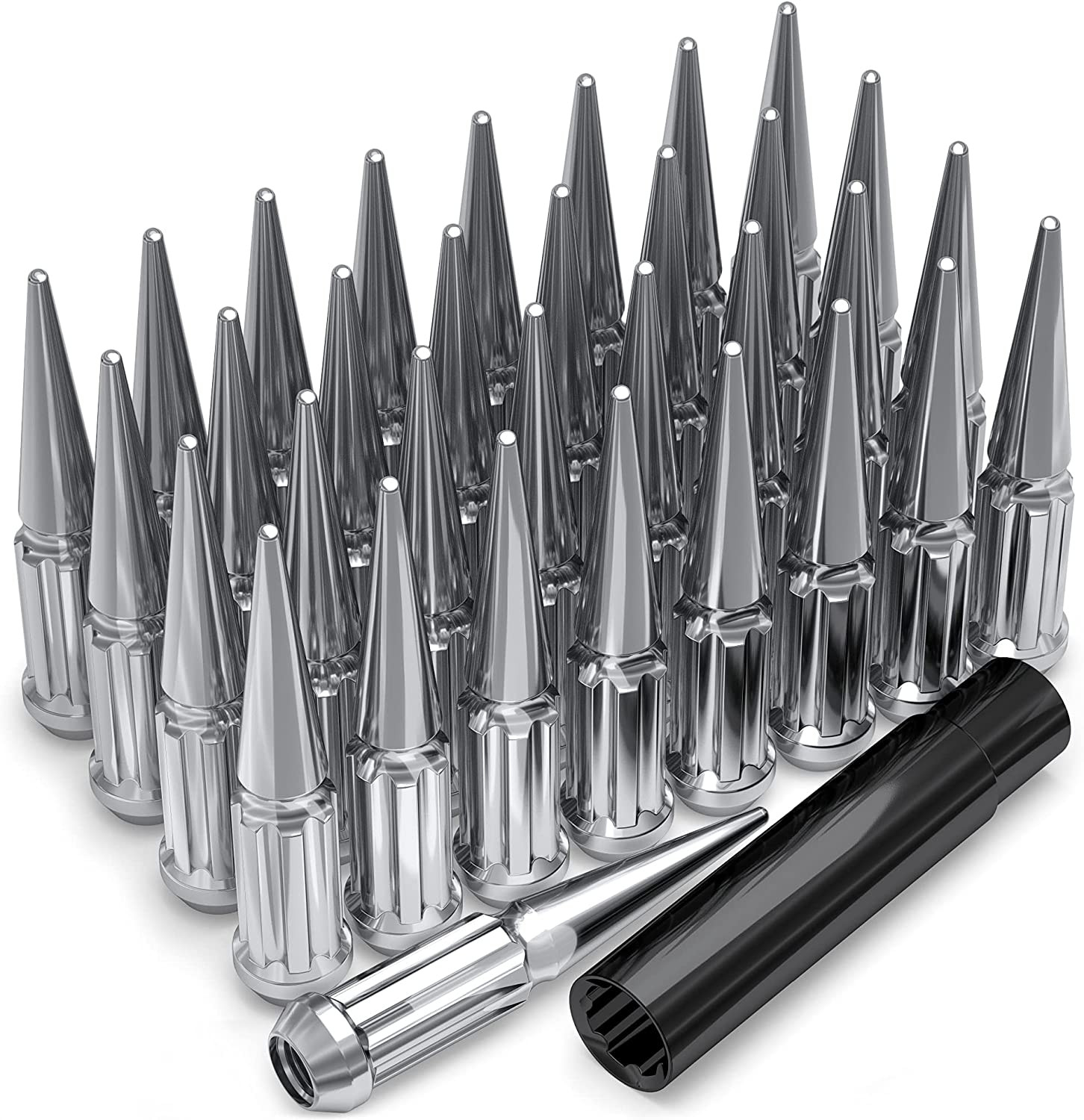
- Install wheels with the correct lug nuts and lug-seat design. The supplied thread reference is M12 x 1.5, but thread size alone does not identify the correct lug nut seat.
- Start every lug nut by hand to avoid cross-threading.
- Snug the lug nuts in a star or crisscross pattern, then torque them to the vehicle or wheel manufacturer's specified value using a calibrated torque wrench.
- Do not lubricate wheel studs or lug seats unless the applicable manufacturer specifically requires it, because lubrication can alter clamping force.
- After installation, rotate each wheel by hand and check for contact. Lower the vehicle and recheck clearance at steering lock in both directions.
- Recheck lug torque after the first short drive and again according to the wheel manufacturer's instructions.
- Check tire pressure with the tires cold and follow the vehicle or tire manufacturer's recommendation.
Tools And Helpful Supplies
Useful items for a careful wheel-fitment check include a calibrated torque wrench, a socket that matches the lug nuts, a tread-depth gauge, a tire-pressure gauge, a straightedge or clearance gauge, and a hub or center-bore measuring tool.
For cleaning and installation, consider a non-metallic cleaning brush, wheel-safe cleaner, a wire brush suitable for hub surfaces, and approved hub-centric rings when the wheel manufacturer specifies them.
Shop automotive torque wrenches on Amazon
Shop wheel fitment measuring tools on Amazon
FAQs
What is the bolt pattern for the 2000 Honda S2000?
The known bolt pattern is 5x114.3. The wheel must have five mounting holes arranged on a 114.3 mm pitch circle diameter.
What center bore is listed for the 2000 Honda S2000?
The known center bore is 70.1 mm. A wheel with a larger bore may need correctly sized hub-centric rings, while a smaller bore will not fit over the hub unless it is professionally and appropriately machined.
What wheel offset and size are listed as the OEM reference?
The supplied reference is a 16 x 6.5-inch wheel with ET55 offset and 5.42-inch backspacing. Confirm the actual wheel marking and manufacturer data before using these values for an aftermarket purchase.
Can any 5x114.3 wheel fit this Honda S2000?
No. Bolt pattern is only one part of fitment. Center bore, offset, width, backspacing, spoke and brake clearance, lug-seat design, and tire clearance must also be verified.
Can I use a different wheel diameter?
A different diameter may be possible, but the tire must be selected for the new rim and checked for overall diameter, clearance, load rating, and speed rating. Enter the custom rim diameter in the calculator and review the resulting tire-diameter comparison.
Does a wider tire automatically improve handling?
No. Handling also depends on tire compound, construction, pressures, alignment, wheel width, suspension condition, road surface, and clearance. A wider tire can introduce rubbing or steering changes if the wheel and tire package is not properly matched.
What thread size is provided for the wheel fasteners?
The known thread reference is M12 x 1.5. The correct lug nut must also match the wheel's seat type and the manufacturer's required engagement and tightening procedure.
Where should I confirm fitment if a specification is missing?
Check the wheel manufacturer's technical data, the tire manufacturer's approved rim-width range, and Honda OEM service or parts information. If the value varies by trim, wheel, or brake configuration, measure the vehicle and perform a careful test fit rather than relying on an assumption.