2007 Honda S2000 Wheel Fitment Guide
Known OEM Fitment For 2007 Honda S2000
The following specifications are the known OEM fitment data available for the 2007 Honda S2000. Equipment can vary by trim, market, wheel design, or prior modifications, so confirm the measurements against the vehicle, owner’s manual, door-jamb label, and Honda parts information before ordering.
| Specification |
Known value |
| Bolt pattern |
5x114.3 |
| Center bore |
70.1 mm |
| Thread size |
M12 x 1.5 |
| Rim diameter |
17 inches |
| Rim width |
7.0 inches |
| Wheel offset |
ET55 |
| Backspacing |
5.67 inches |
| Tire size data |
215 section width, 45 aspect ratio, 17-inch rim diameter |
These values describe the listed reference fitment only. A wheel with the correct bolt pattern may still fail to clear the brake caliper, suspension, fender, or hub. Wheel width, offset, spoke shape, tire construction, and vehicle ride height all affect final clearance.
How To Use The Wheel Interchange Calculator
Use the calculator to compare “Wheels from” a donor vehicle with wheels “Installed on” your 2007 Honda S2000. Enter the donor wheel information and compare its bolt pattern, center bore, diameter, width, and offset with the known Honda specifications above.
You can also select a custom wheel size and adjust rim diameter, rim width, and offset. Use the custom tire fields to change section width and aspect ratio. When you change rim diameter, the calculator updates the tire diameter in the comparison, helping you review overall sizing changes before purchasing.
The calculator is a screening tool, not a substitute for a physical test fit. Confirm brake clearance, hub fit, fender clearance, suspension clearance, and tire load and speed ratings with the wheel and tire manufacturer. If a specification is missing or differs by trim, verify it through OEM documentation and measure the vehicle directly.
Fitment Checklist Before You Buy
Start with the 5x114.3 bolt pattern and M12 x 1.5 thread size. The wheel must also have a suitable center bore for the 70.1 mm hub. A larger wheel center bore may require correctly sized hub-centric rings, while a smaller bore will not fit over the hub. Do not use rings to correct an incompatible bolt pattern or an unsafe wheel design.
Compare the proposed wheel’s width and ET offset with the listed 7.0-inch, ET55 reference. A change in either measurement can move the inner wheel edge closer to the suspension or move the outer edge closer to the fender. Check the spoke profile and barrel, because nominal diameter and offset alone do not prove brake clearance.
Confirm that the tire is approved for the wheel width and that its load index and speed rating meet or exceed the vehicle requirements. Check for contact through the full steering range and suspension travel. Inspect the inside of the wheel and tire for clearance before driving normally.
Plus Sizing And Common Upgrades
Plus sizing changes the wheel diameter while attempting to maintain a similar overall tire diameter. It is not automatically compatible with every 2007 Honda S2000. Use the calculator to compare custom rim diameter, width, offset, section width, and aspect ratio, then confirm the result against manufacturer tire fitment data.
A wider wheel or tire can improve available contact area, but it can also increase the risk of fender, liner, suspension, and steering clearance problems. Lower-profile tires generally provide less sidewall protection from potholes and curb impacts. They may also make wheel damage more likely if inflation pressure or road conditions are unsuitable.
Do not assume that a donor wheel is safe because it fits the studs. Verify wheel load capacity, brake clearance, center bore, lug-seat type, and the correct lug hardware. Any change that affects track width, steering geometry, or tire diameter should be reviewed carefully and tested at low speed before regular use.
Installation Tips
Clean the hub mounting face and the wheel’s mating surface before installation. Rust, paint buildup, or debris can prevent the wheel from seating flat and may cause loosening or vibration. Never stack spacers, use mismatched lug nuts, or force a wheel onto a smaller center bore.
Use the lug hardware specified for the wheel’s seat design and the vehicle or wheel manufacturer’s torque procedure. Tighten the lugs in a crisscross pattern with the vehicle safely supported, then recheck torque after the first drive and again according to the wheel manufacturer’s instructions.
After installation, rotate the steering from lock to lock and inspect for contact. Check clearance around the strut, control arms, brake components, fender edges, and inner liners. Test at low speed in a safe area, and stop immediately if you feel rubbing, vibration, pulling, or unusual steering behavior.
Tools And Helpful Supplies
A calibrated torque wrench, suitable socket, jack stands, a reliable floor jack, and a tire-pressure gauge are useful for a safe wheel installation. A tread-depth gauge and a hub or wheel measuring tool can also help verify condition and dimensions before purchase.
Use jack stands on a solid, level surface and follow the vehicle’s lifting points. Never work under a vehicle supported only by a jack.
FAQs
What is the bolt pattern for the 2007 Honda S2000?
The known bolt pattern is 5x114.3. Confirm the wheel listing uses the same pattern and that its lug-seat design is compatible with the intended hardware.
What is the center bore?
The known center bore is 70.1 mm. A smaller wheel bore will not fit over the hub. A larger bore may require properly sized hub-centric rings, but rings do not correct other fitment problems.
What wheel size is listed for this 2007 Honda S2000 fitment?
The known reference wheel is 17 inches in diameter, 7.0 inches wide, with an ET55 offset and 5.67-inch backspacing. Verify the exact trim and market specification before ordering.
What tire size information is known?
The supplied reference data lists a 215 mm section width, 45 percent aspect ratio, and a 17-inch tire rim diameter. The complete tire designation and approved alternatives are not provided here, so confirm them using the vehicle label, owner’s manual, and tire manufacturer data.
Can I use wheels from another vehicle?
Possibly, but the donor wheel must be checked for bolt pattern, center bore, diameter, width, offset, wheel load capacity, lug hardware, and brake clearance. Use the wheel interchange calculator for an initial comparison, then verify the physical fit.
Does a larger wheel automatically fit?
No. Increasing diameter can reduce tire sidewall and may create brake, suspension, fender, or tire-clearance issues. Enter the custom wheel and tire dimensions in the calculator and confirm the result with the wheel and tire manufacturers.
Do I need hub-centric rings?
Only if the selected wheel has a larger center bore and the wheel manufacturer specifies a correctly sized ring. A wheel with a center bore smaller than 70.1 mm will not fit, and rings cannot make an incorrect bolt pattern safe.
How can I confirm the correct lug nuts?
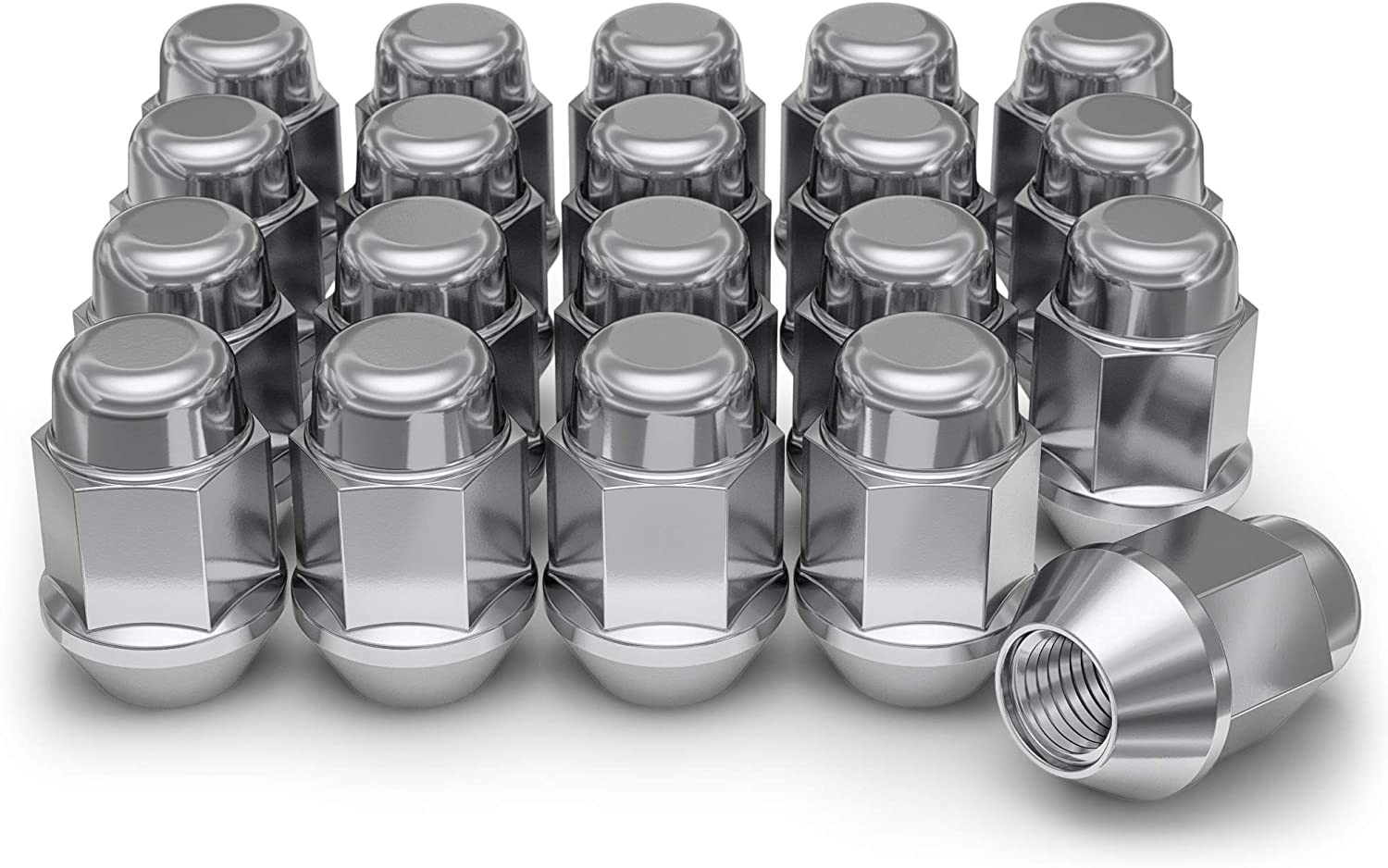
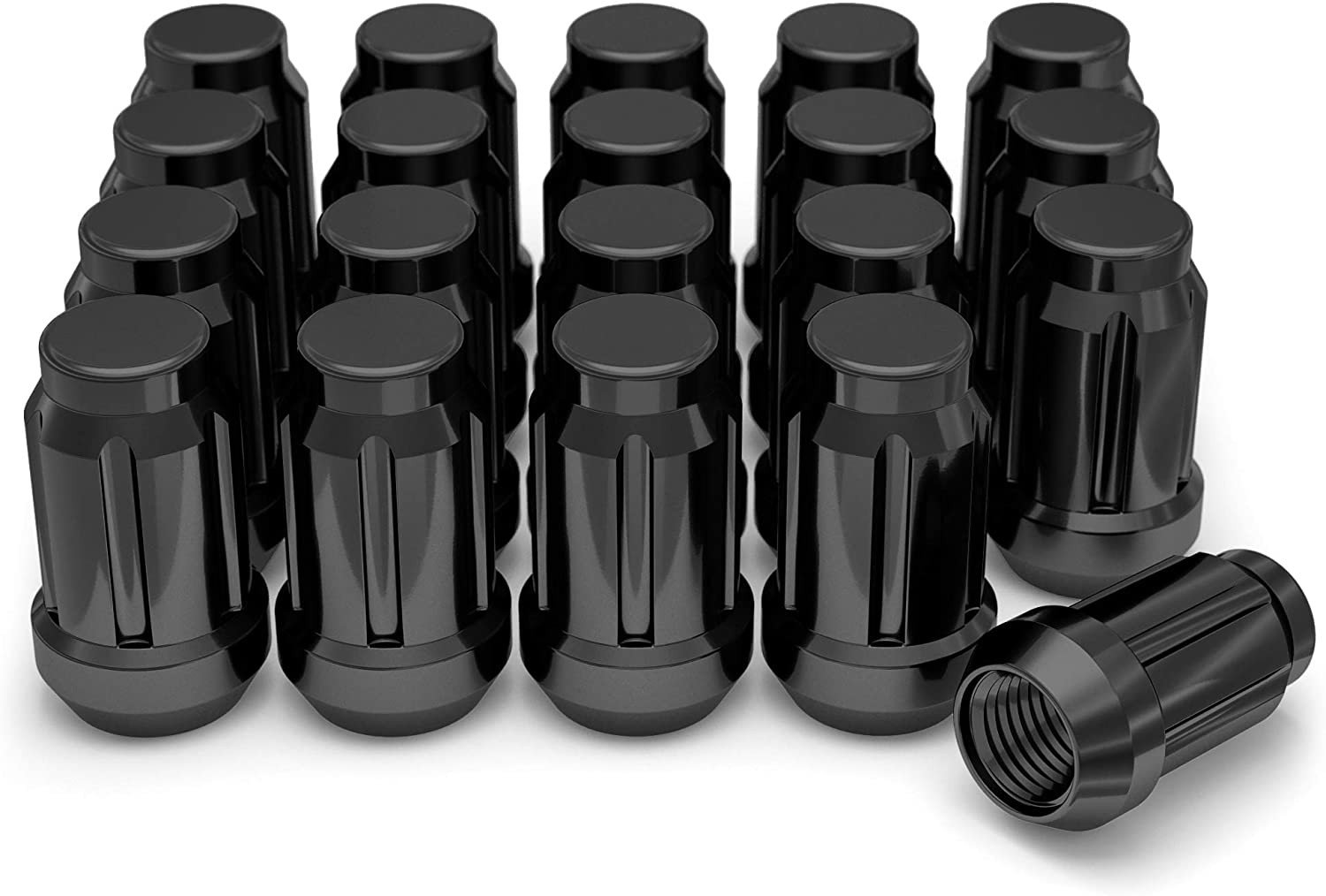
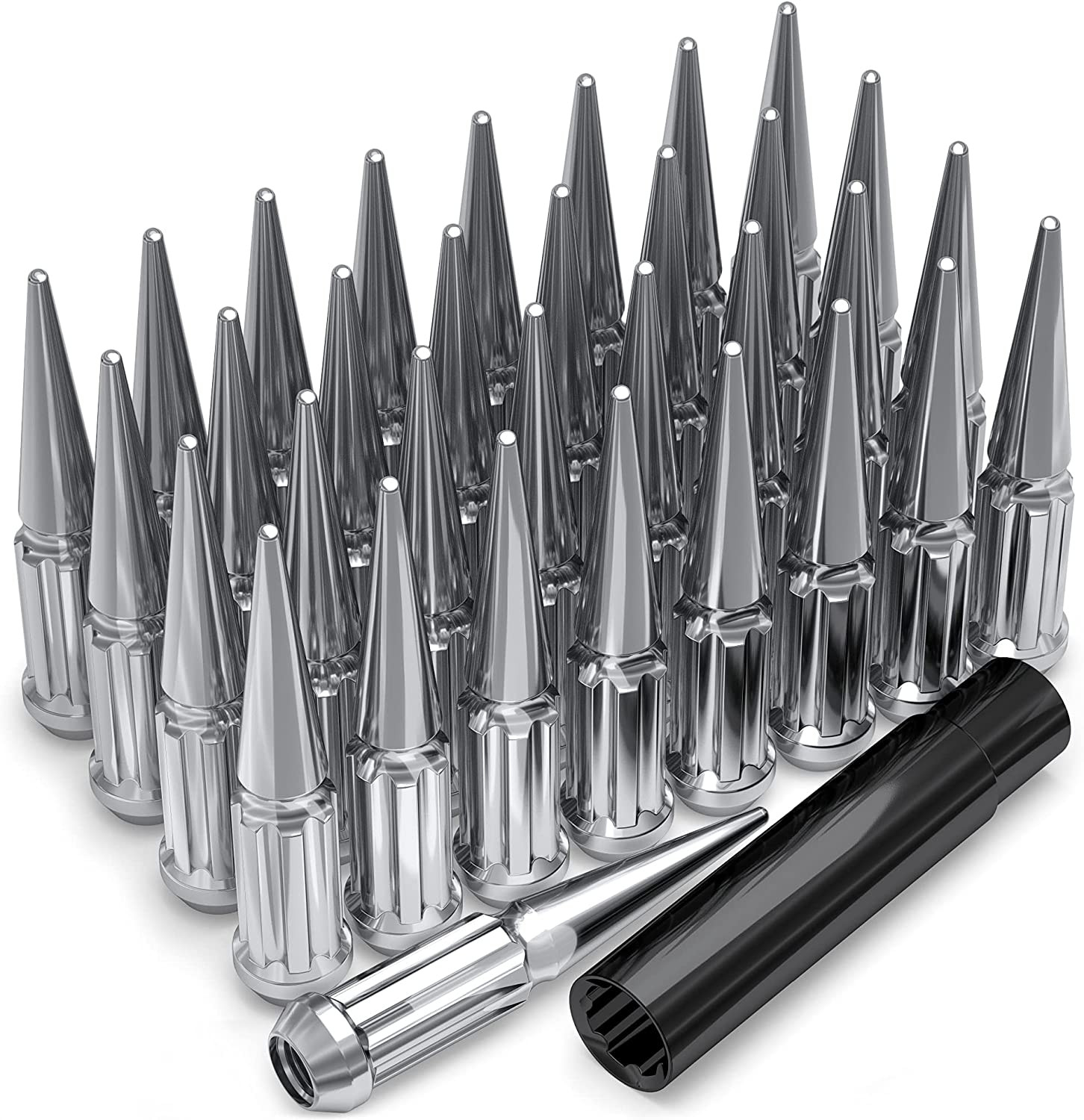
Confirm the thread size, listed as M12 x 1.5, along with the lug nut seat type, thread engagement, and wheel manufacturer requirements. Do not assume the original lug nuts are correct for an aftermarket wheel.