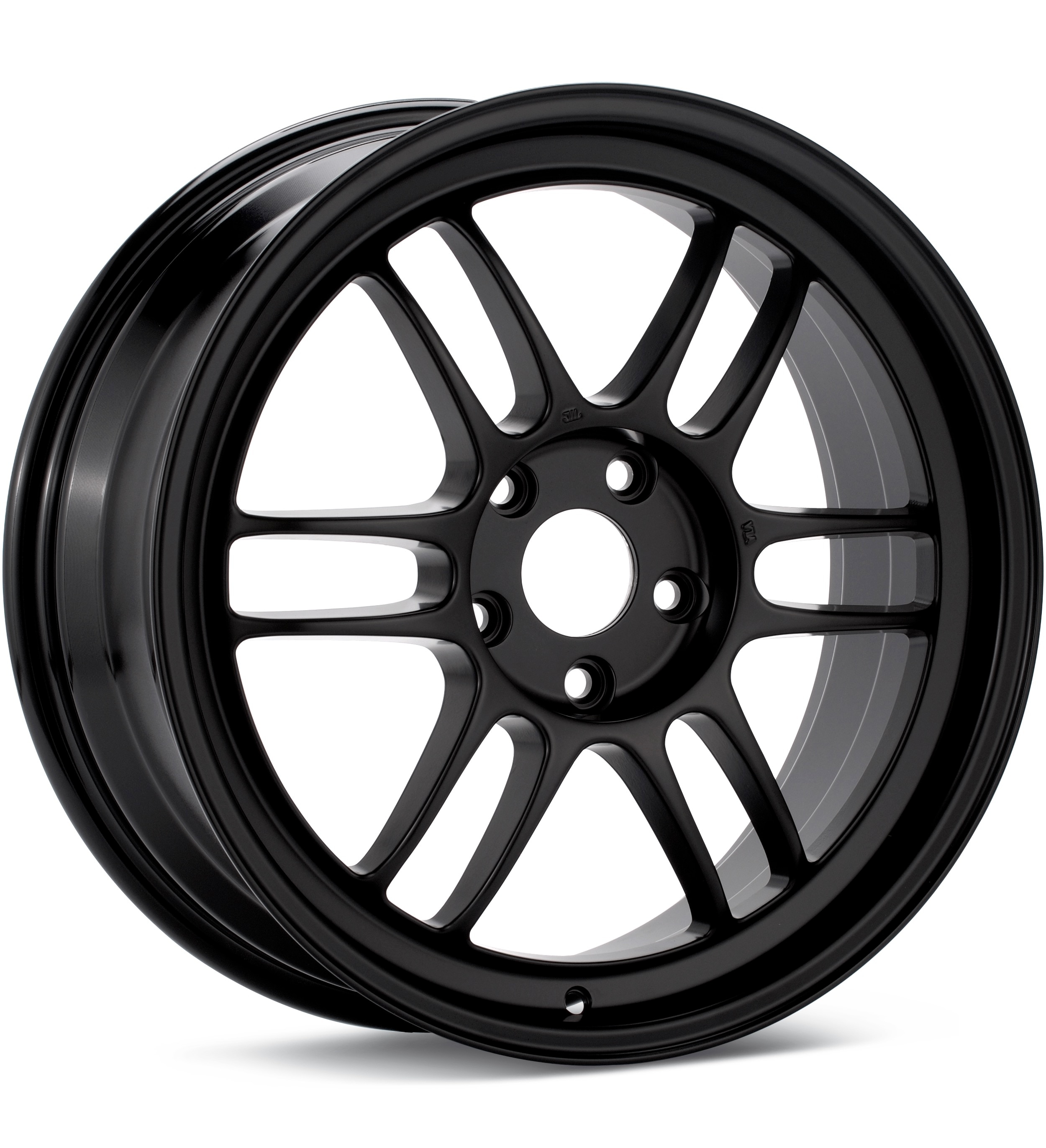
Enkei Racing
RPF1
Black
17 × 7″ · ET +45
$306.00
View at Tire Rack ↗Recorded OEM specifications for the 2002 Acura MDX, donor years with overlapping ranges, and a calculator to compare a selected wheel. Range overlap is not a guaranteed fit.
Save these wheel specs to your Ownery garage
Baseline mounting dimensions used for interchange decisions.
Thread-only product links are shopping examples, not verified fits. Seat style is not confirmed here. As an Amazon Associate we earn from qualifying purchases.
Selected size: 17 × 6.5″ · ET +45
Showing matching bolt patterns and offsets up to 20 mm lower. Confirm center bore, load rating, and clearance at Tire Rack.
Enkei Racing
Black
17 × 7″ · ET +45
$306.00
View at Tire Rack ↗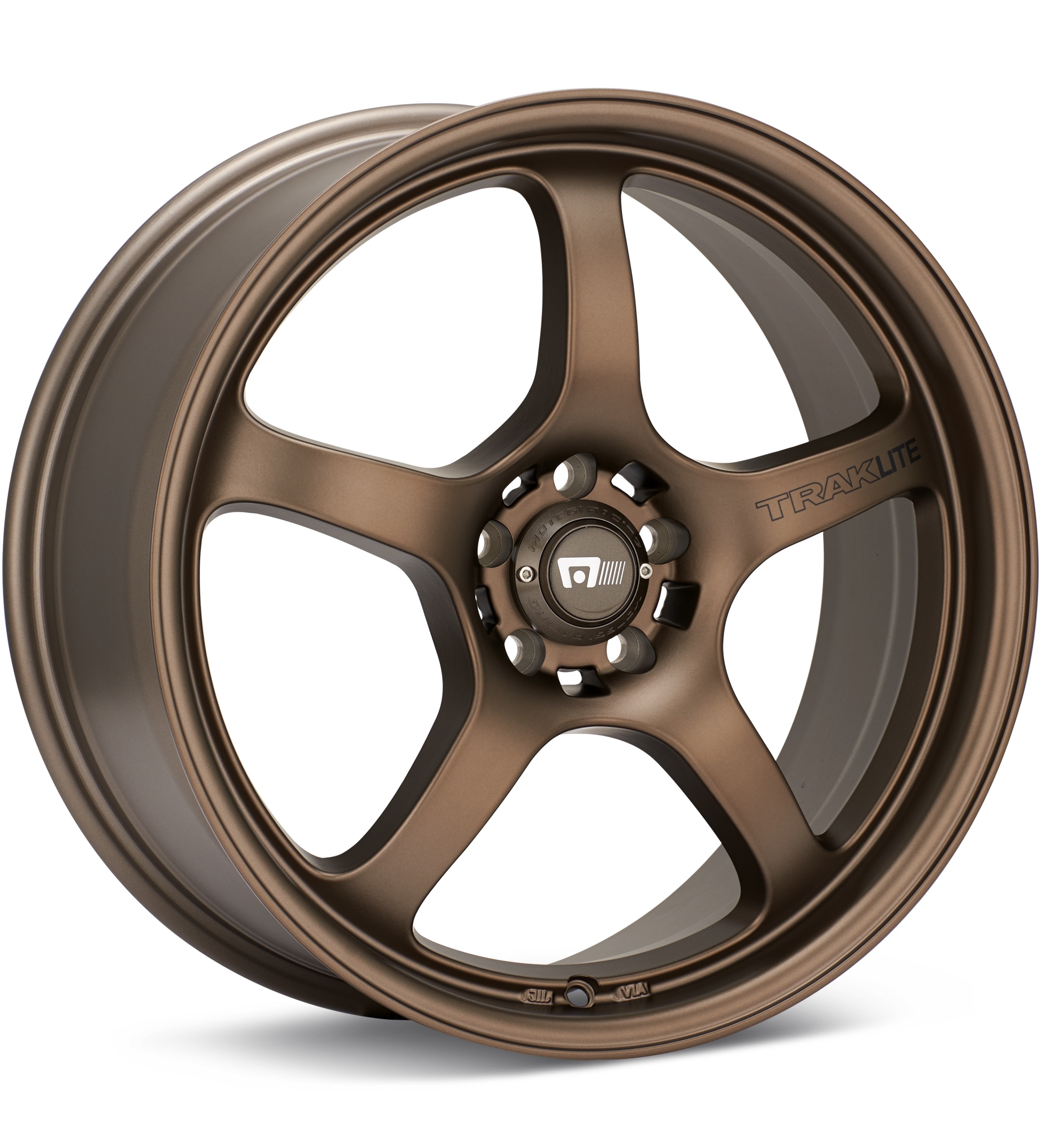
MOTEGI RACING
Bronze
17 × 7″ · ET +45
$304.00
View at Tire Rack ↗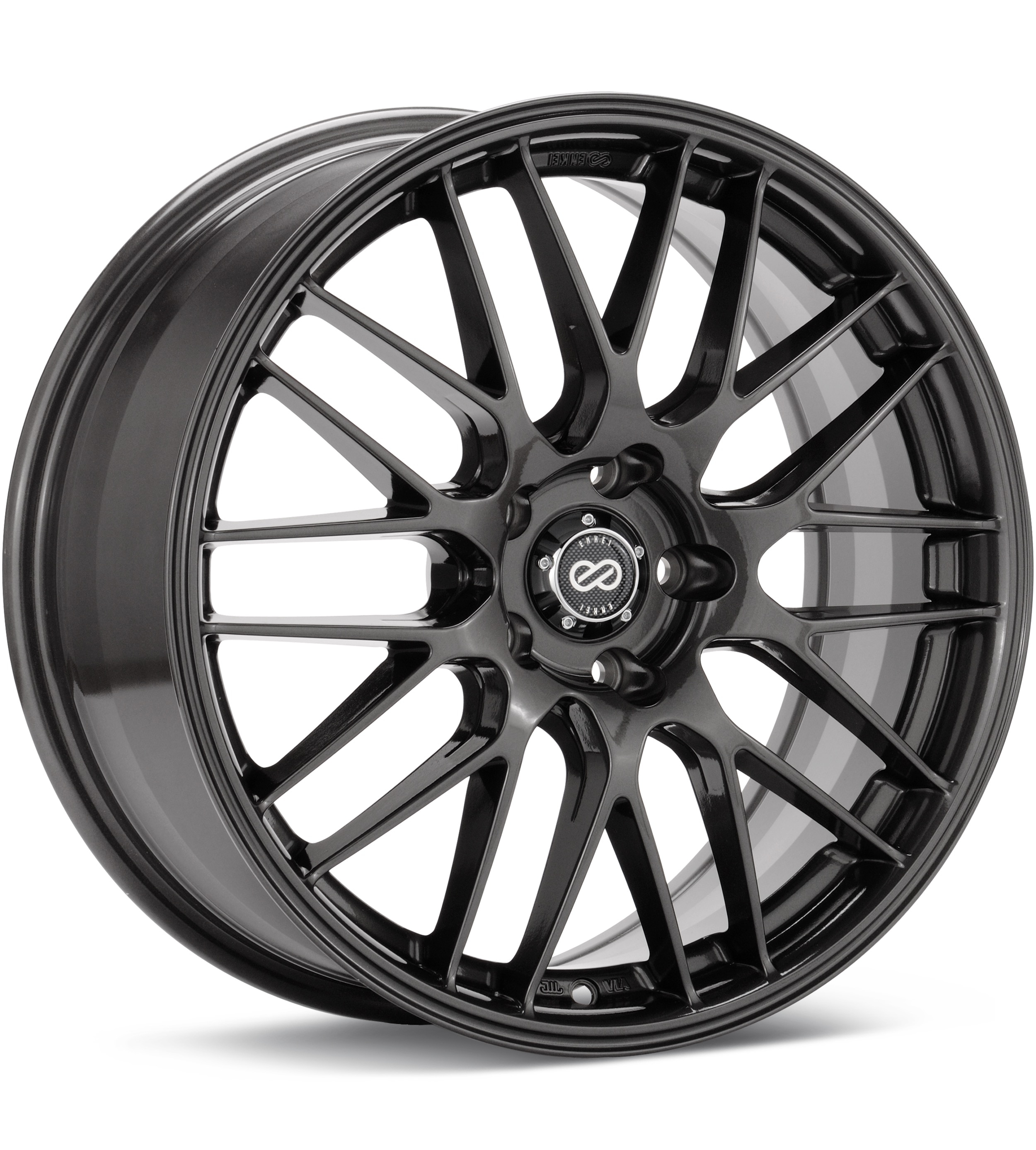
Enkei Performance
Gunmetal
17 × 7″ · ET +38
$182.12
View at Tire Rack ↗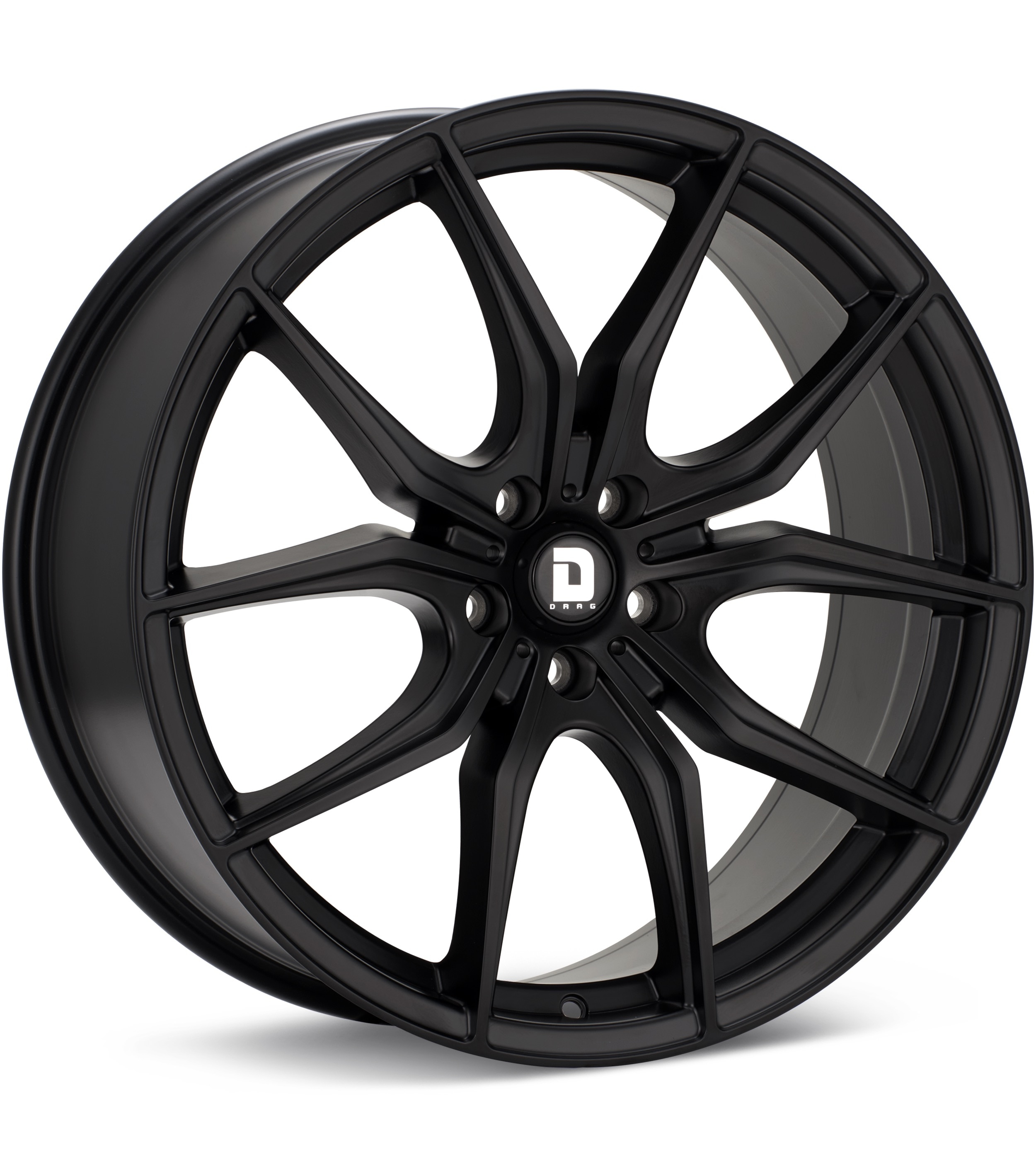
Drag
Flat Black
17 × 7.5″ · ET +42
$160.00
View at Tire Rack ↗We may earn a commission when you buy through these links. Prices and availability may change.
These are vehicle-year records whose recorded OEM ranges overlap this 2002 Acura MDX. Overlap is not a guarantee that a specific wheel will install. Selected-wheel comparison is in the calculator below.
Evaluated 77 donor years. Listed 24 eligible overlaps (not all evaluated years are compatible). Showing all listed.
Years grouped because recorded compatibility evidence is equivalent. Each year keeps its own page.
Approximate position vs the mid OEM package: outer change -6.35 mm, inner change -6.35 mm. This uses aggregated width/offset ranges, not a specific wheel.
Years grouped because recorded compatibility evidence is equivalent. Each year keeps its own page.
Donor width/offset sits outside the known OEM envelope for this vehicle.
Recorded vehicle-side thread for the 2002 Acura MDX is M12x1.5. This donor year is recorded as M14x1.5. That is the vehicle stud/nut thread, not an intrinsic thread stamped on the wheel. Hardware must match this vehicle’s studs and the selected wheel’s seat and engagement. Existing hardware may be reusable if it already matches. Seat style is not in this dataset, so products are not a verified fit.
Donor width/offset sits outside the known OEM envelope for this vehicle. Recorded vehicle-side thread differs (M14x1.5 on the donor year vs M12x1.5 on the target vehicle). Hardware must match the target vehicle’s studs and the selected wheel’s seat. Existing hardware may be reusable if it already matches. Seat style is not confirmed in this dataset.
Years grouped because recorded compatibility evidence is equivalent. Each year keeps its own page.
Recorded OEM bolt pattern, center bore, and width/offset ranges overlap. This is not a guarantee that every wheel from the donor year fits this vehicle.
Years grouped because recorded compatibility evidence is equivalent. Each year keeps its own page.
Recorded OEM bolt pattern, center bore, and width/offset ranges overlap. This is not a guarantee that every wheel from the donor year fits this vehicle.
Only years with evidence-based interchange relationships are listed. Adjacent years are not assumed compatible.
Compare a donor vehicle or custom wheel against this 2002 Acura MDX. Use Compare in calculator on a donor row above to fill the donor side of this same calculator.
Compare wheel compatibility between two vehicles
2002 Acura MDX





Example products matched to recorded thread, hub, or spacer dimensions. They are not verified fits. Confirm seat style, thickness, and clearance before ordering.
M12 x 1.5
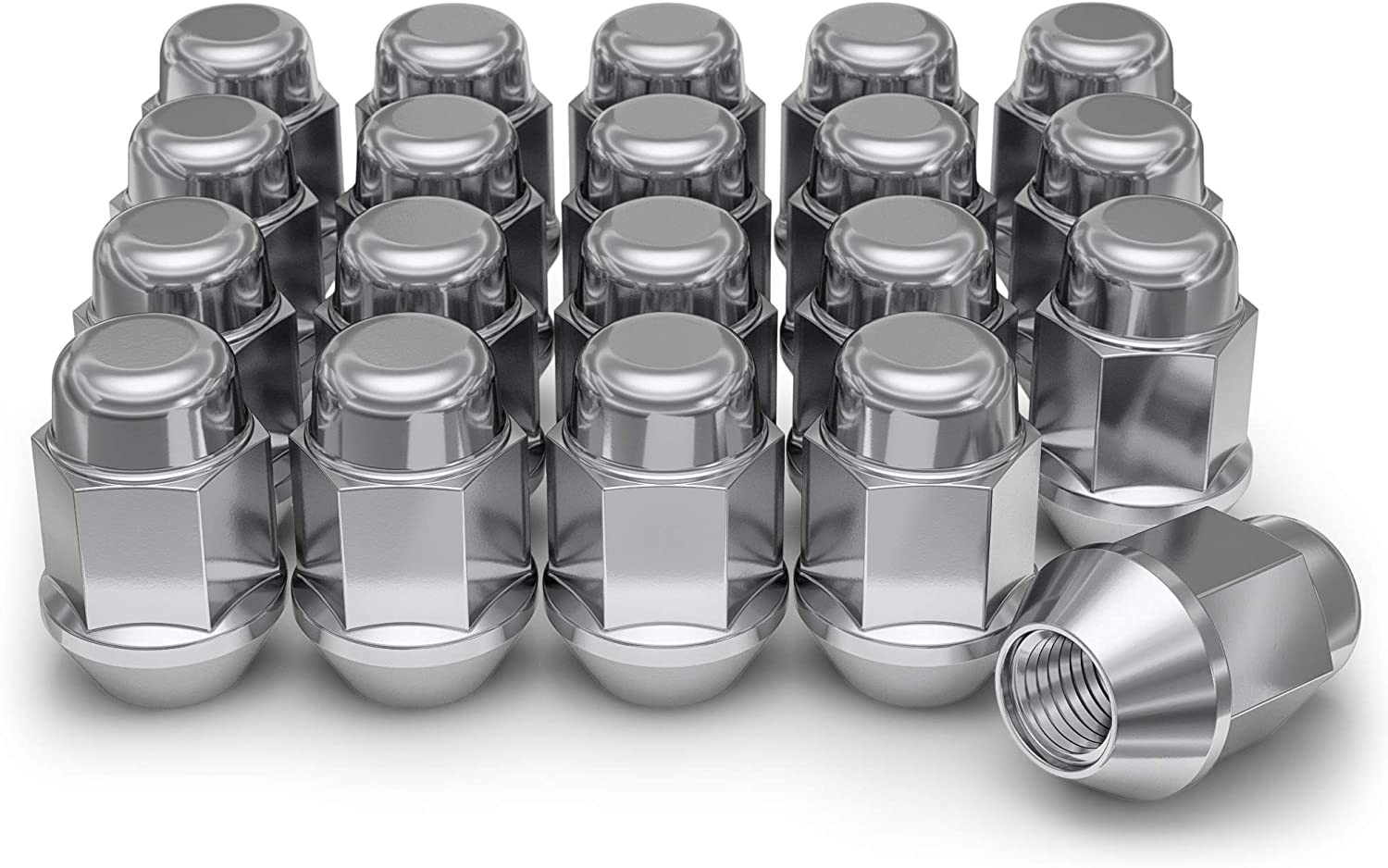
M12 x 1.5 · Thread match only; seat style is not verified
View on Amazon →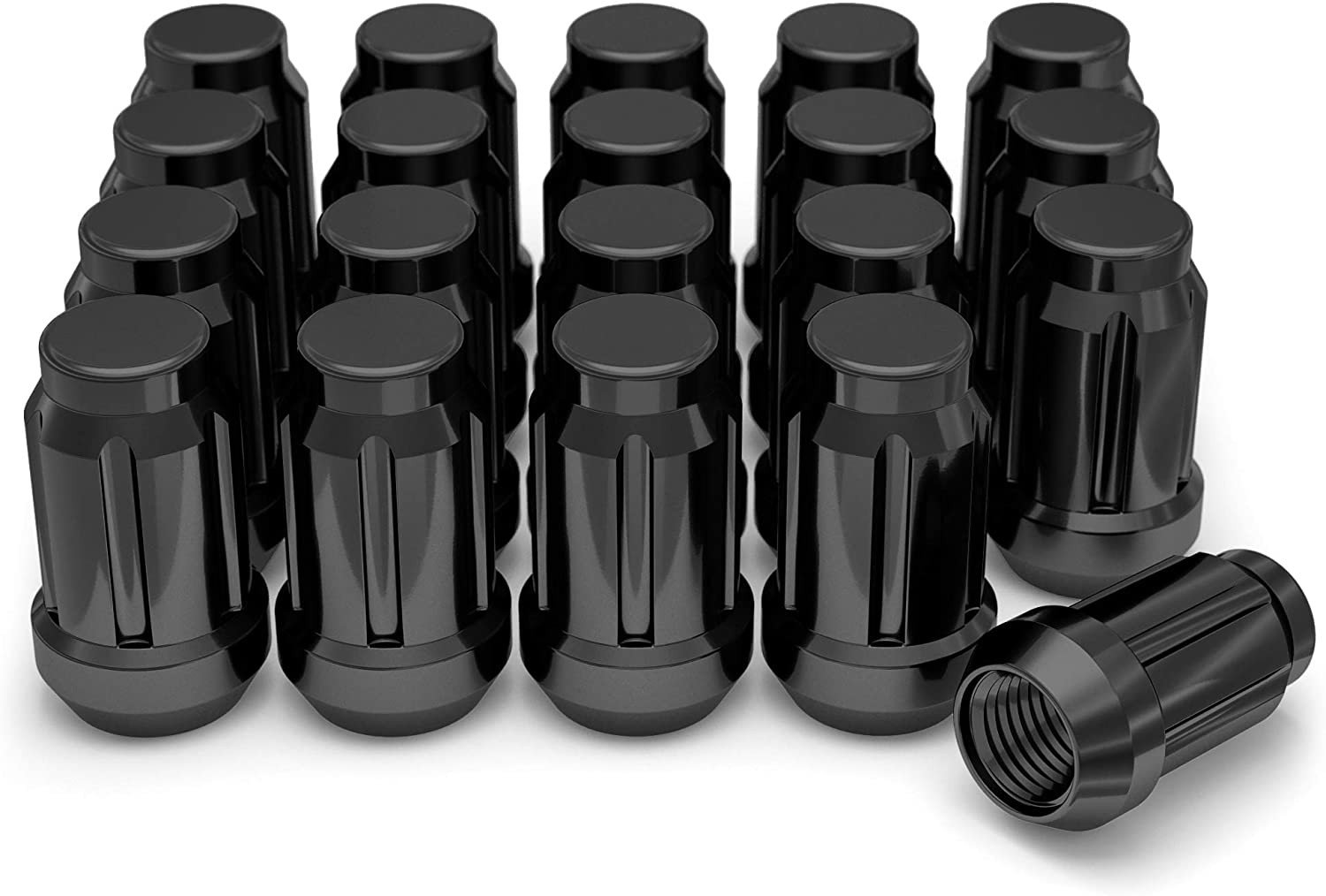
M12 x 1.5 · Thread match only; seat style is not verified
View on Amazon →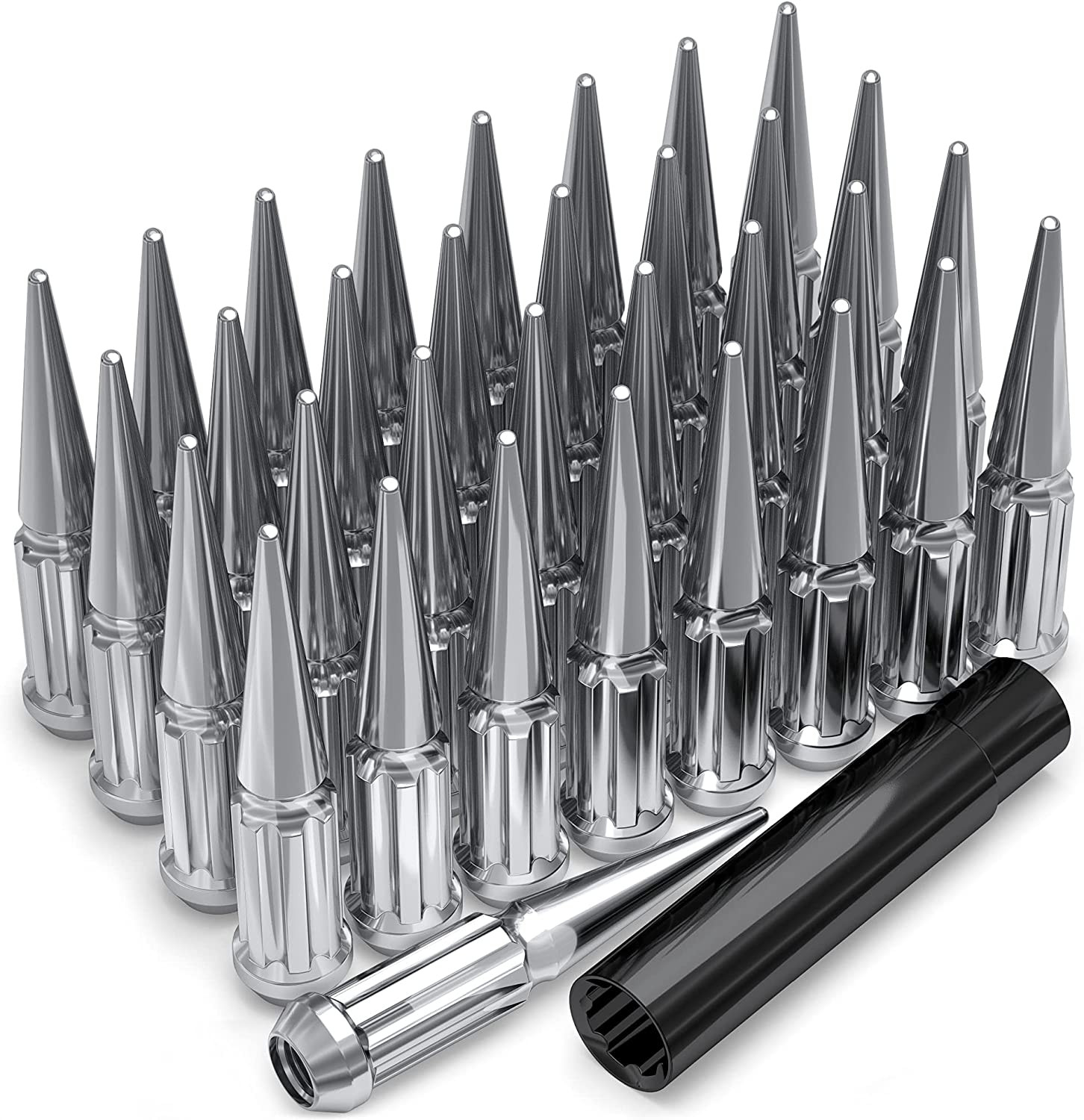
M12 x 1.5 · Thread match only; seat style is not verified
View on Amazon →As an Amazon Associate we earn from qualifying purchases. Product availability and pricing may change.
You need to choose replacement wheels and tires for a 2002 Acura MDX, balancing safety, fitment, and intended use. I will compare the known OEM fitment record against alternative wheel choices and explain how to verify any uncertain values.
The available OEM fitment record contains specific values and one clear inconsistency that affects selection and risk assessment. Treat the listed values as evidence, not a final specification, until confirmed with factory documentation or the on-page calculator.
| Parameter | Value (from page) |
|---|---|
| Bolt pattern (studs x PCD) | 5x114.3 |
| Center bore (mm) | 64.1 |
| Thread size | M12 x 1.5 |
| Rim diameter (in) | 19 |
| Rim width (in) | 8.0 |
| Wheel offset (ET, mm) | 45 |
| Backspacing (in) | 5.77 |
| Tire section width (mm) | 235 |
| Tire aspect ratio (%) | 65 |
| Tire rim diameter (R) | 17 |
Interpretation: rim diameter is listed as both 19 and 17 inches, which is a limitation in the data and creates a hypothesis conflict. Do not assume which is correct without cross-checking with OEM documents or the on-page wheel/tire calculator.
I present three practical paths, each with different verification steps and typical consequences for fitment, performance, and safety.
Each option requires validation steps that the calculator can perform, and OEM sources can confirm torque specs and trim-specific differences.
I compare the options using fitment variables: bolt pattern, center bore, thread size, offset, rim diameter, and tire overall diameter. Focus first on bolt pattern and thread size because they determine physical lug engagement and safety.
| Fitment variable | Why it matters | How each option performs |
|---|---|---|
| Bolt pattern 5x114.3 | Controls wheel mounting alignment and stud engagement | All three options mandate matching 5x114.3; mismatch is unsafe and not recommended. |
| Thread size M12 x 1.5 | Determines lug nut compatibility and clamping integrity | Must be used with wheels designed for this thread; adapters or incorrect nuts are a risk. |
| Center bore 64.1mm | Affects hub centricity and vibration potential | Option A: exact match minimizes vibration. Option B: larger bore requires hub rings; rings restore centering but introduce another failure point if poorly fitted. |
| Offset 45mm / Backspacing 5.77in | Influences track width, suspension clearance, and steering geometry | Exact offset reduces risk of rubbing. Deviations should be simulated in the on-page calculator to evaluate clearance and scrub radius effects. |
| Rim diameter 19 vs tire rim diameter 17 | Directly affects tire diameter, speedometer accuracy, and clearance | This conflict is unresolved in the data; use OEM sticker, service manual, or the calculator to reconcile which value applies to this vehicle trim. |
Interpretation: matching bolt pattern and thread size is non-negotiable evidence-based practice, while center bore and offset can be managed with verified compensations.
My recommended course is conservative and testable, prioritizing mechanical integrity and a documented verification workflow.
Amazon tool links for standard fitment work: torque wrench and hub-centric rings. These links are supplied for convenience and comparison.
I list the principal risks, their causes, and how to mitigate them, so you can make an informed judgment rather than accept an untested assumption.
Hypothesis: following the recommended verification steps will reduce these risks and produce a predictable, safe outcome for wheel fitment.
The safest immediate action is to confirm the correct factory rim diameter and then choose wheels that match bolt pattern 5x114.3 and thread M12 x 1.5. Use hub-centric rings only when needed, validate offset and clearance with the on-page calculator, and torque to OEM specifications confirmed from factory sources.
Wheel interchange depends on more than bolt pattern. Where data is available, this site compares recorded OEM values:
A normal wheel spacer does not change bolt pattern. Hub rings cannot enlarge a wheel bore that is smaller than the hub. Brake clearance and tire package fitment still require vehicle-specific checks when not confirmed in the dataset.
