OEM wheel and tire fitment specs for the 2014 Acura MDX, including bolt pattern (PCD), center bore diameter, thread size, rim diameter, rim width, wheel offset, and backspacing.
Recorded OEM specifications for the 2014 Acura MDX, donor years with overlapping ranges, and a calculator to compare a selected wheel. Range overlap is not a guaranteed fit.
Multiple OEM configurations exist for this vehicle. Fitment can vary by trim, brakes, and factory wheel package – confirm your exact setup before buying.
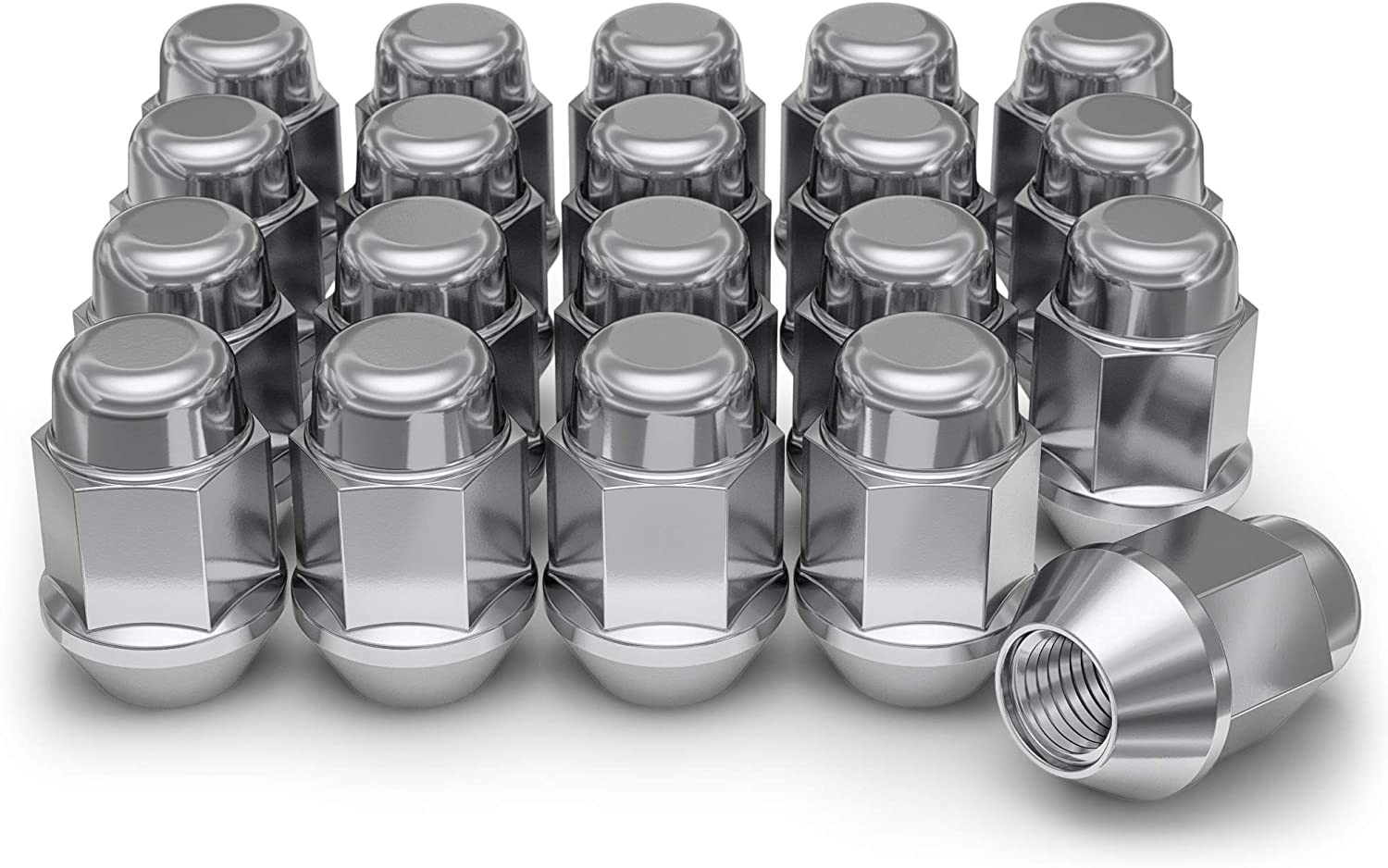
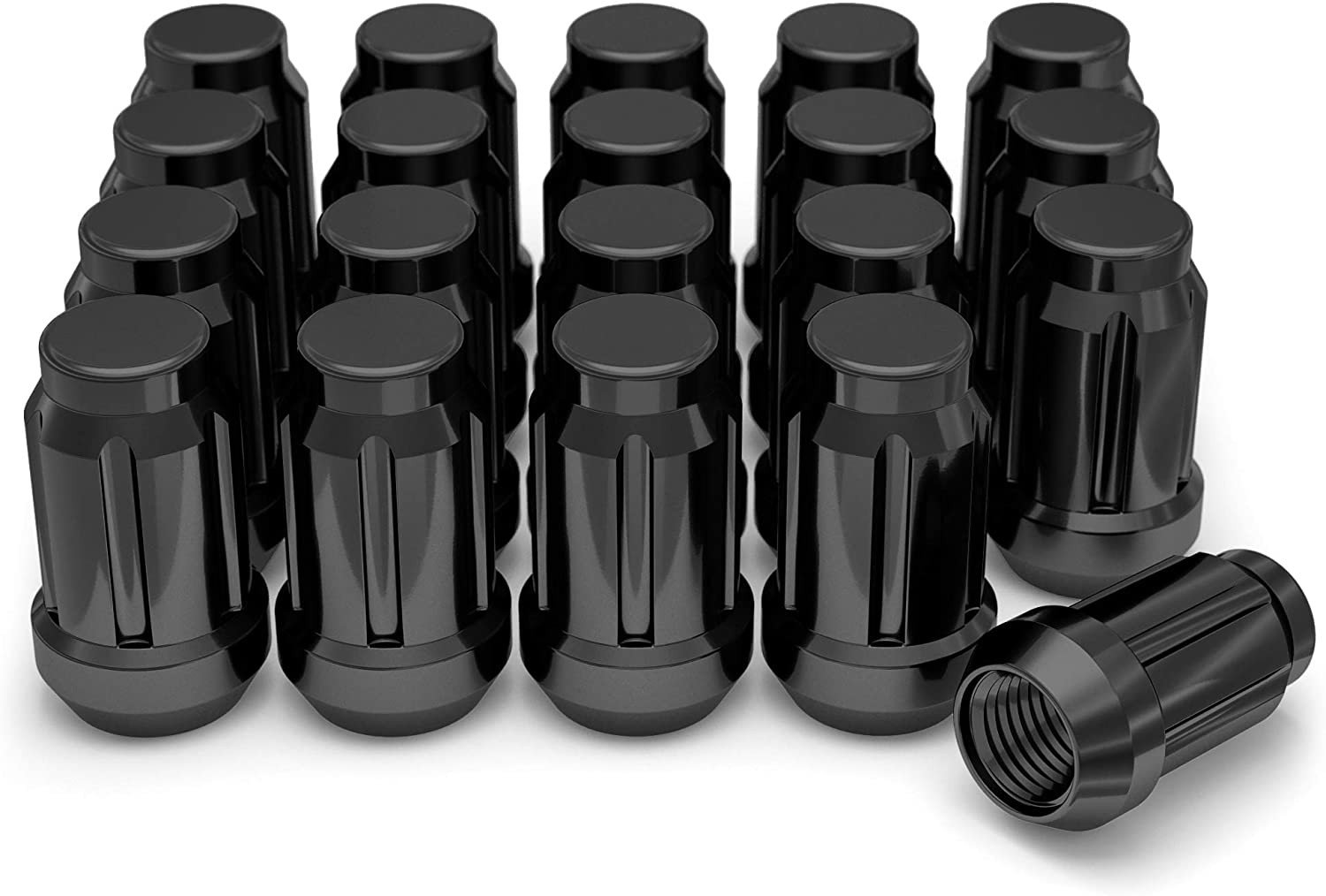
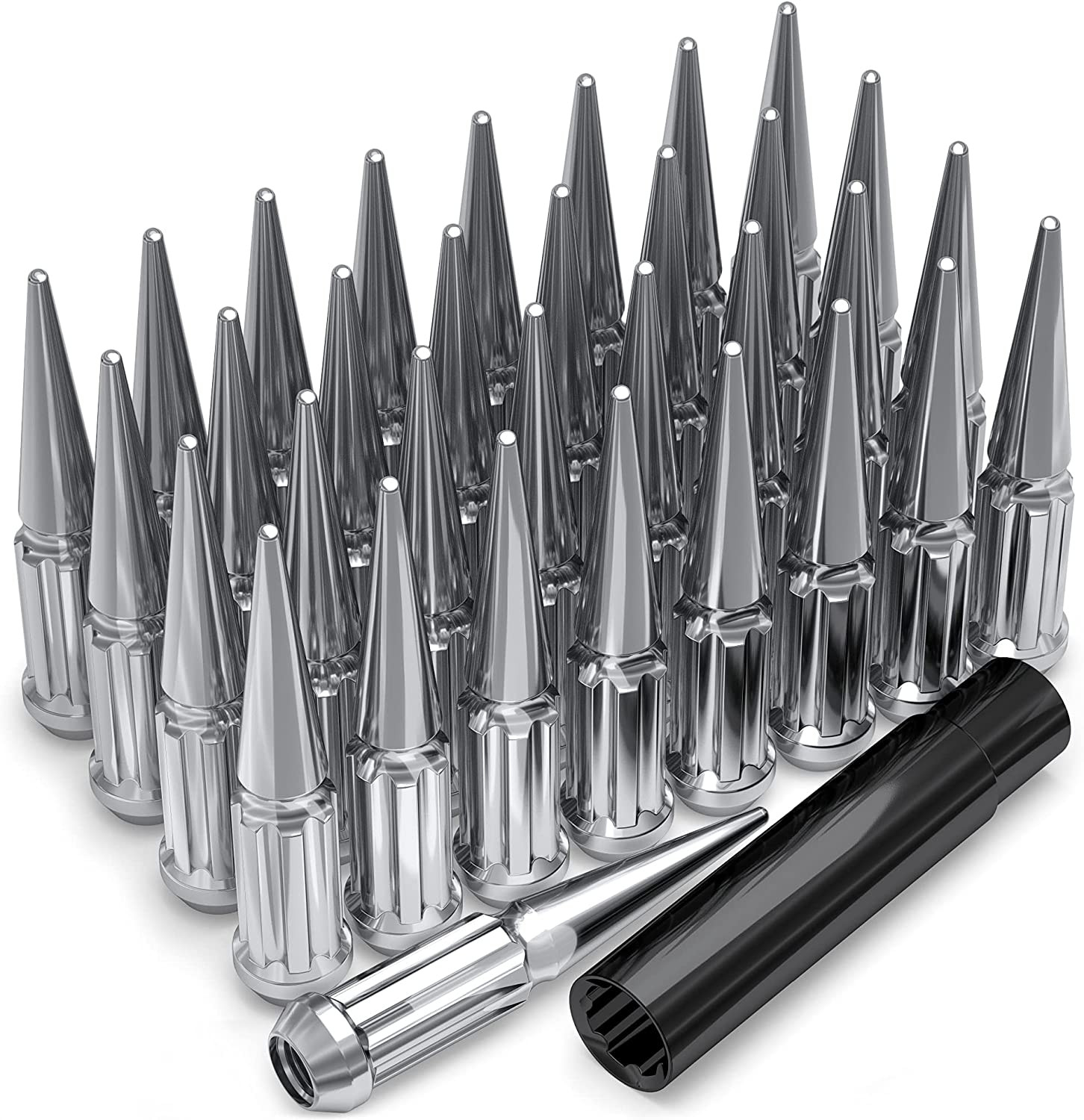
Thread-only product links are shopping examples, not verified fits. Seat style is not confirmed here. As an Amazon Associate we earn from qualifying purchases.
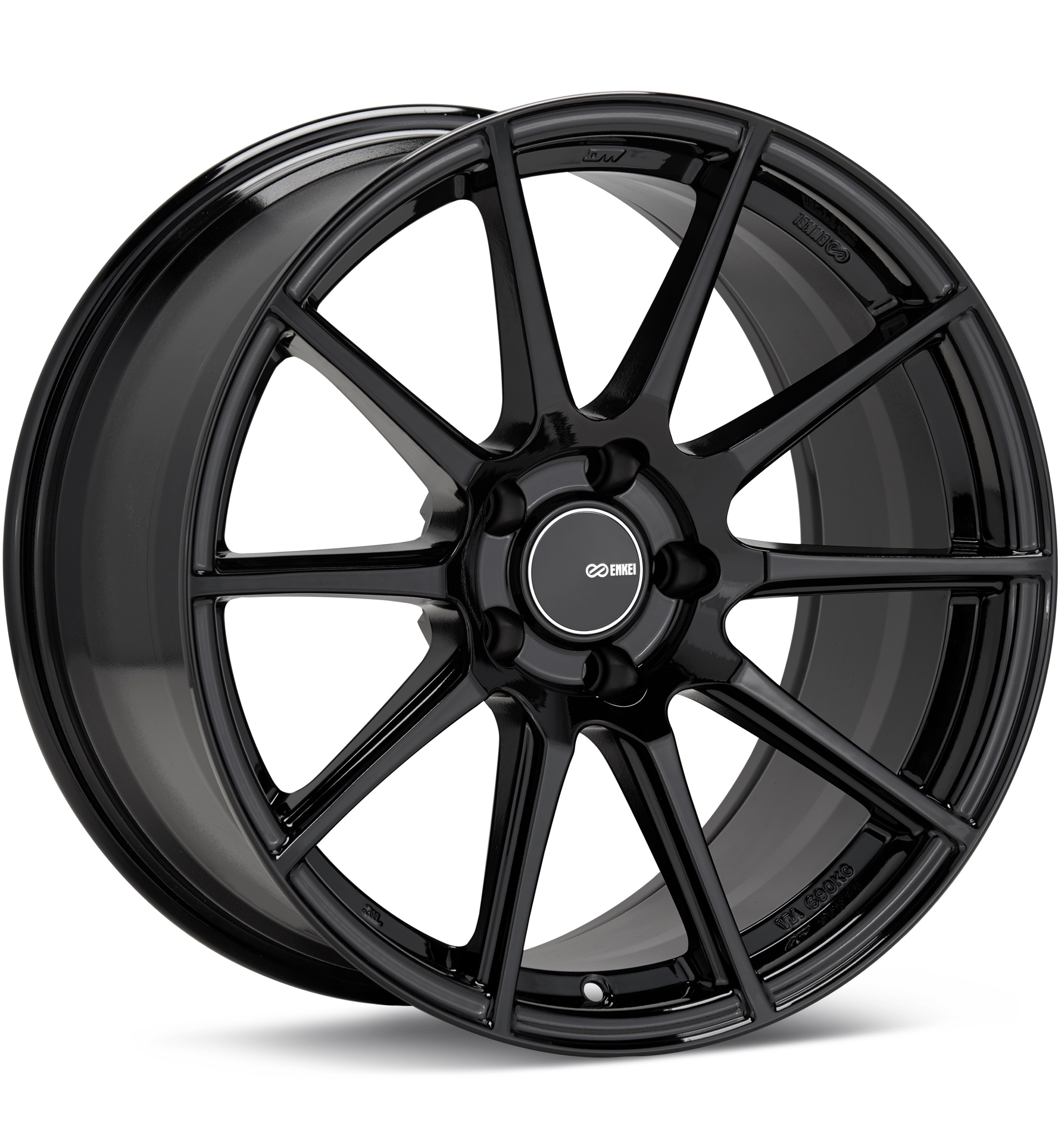
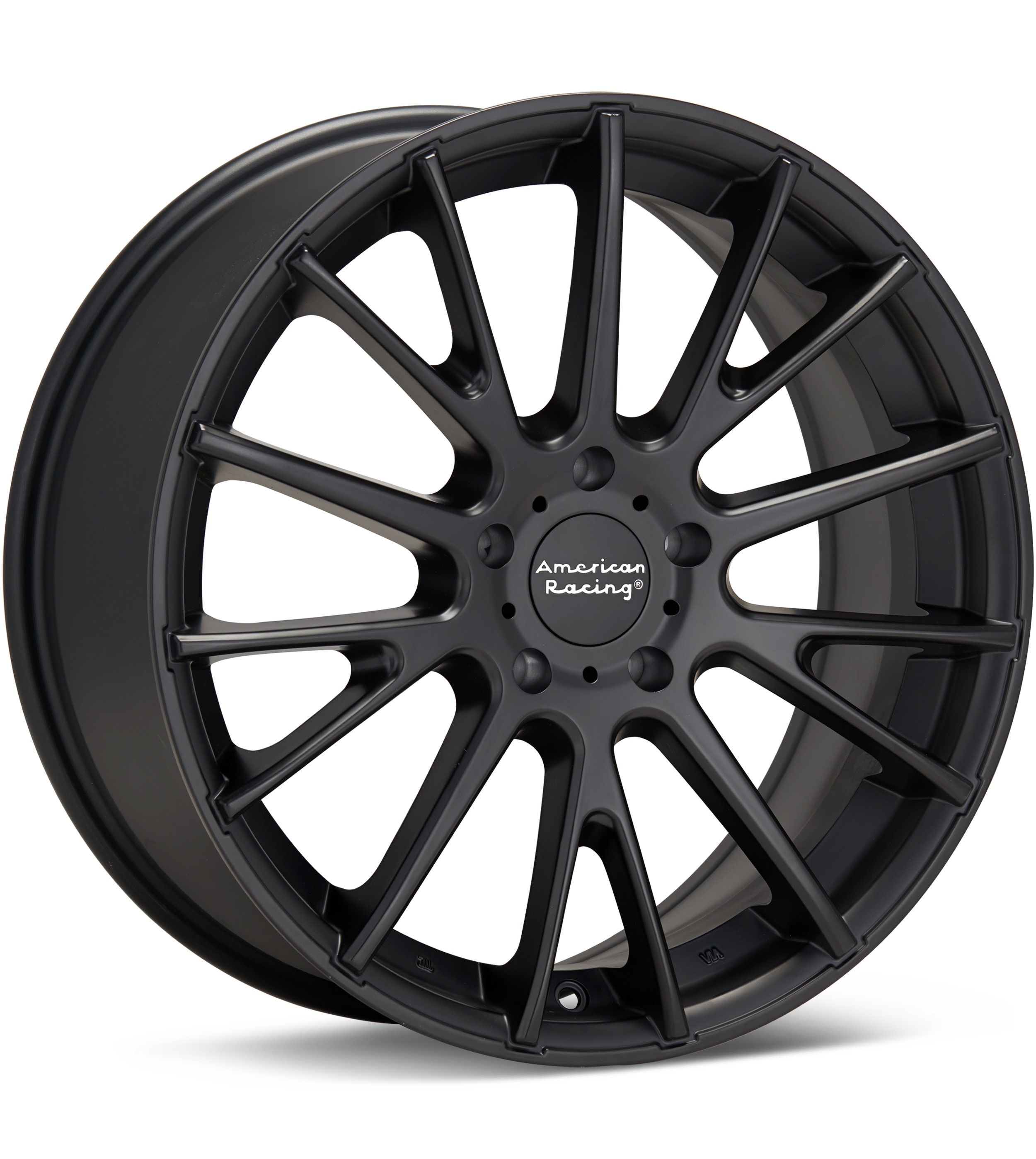
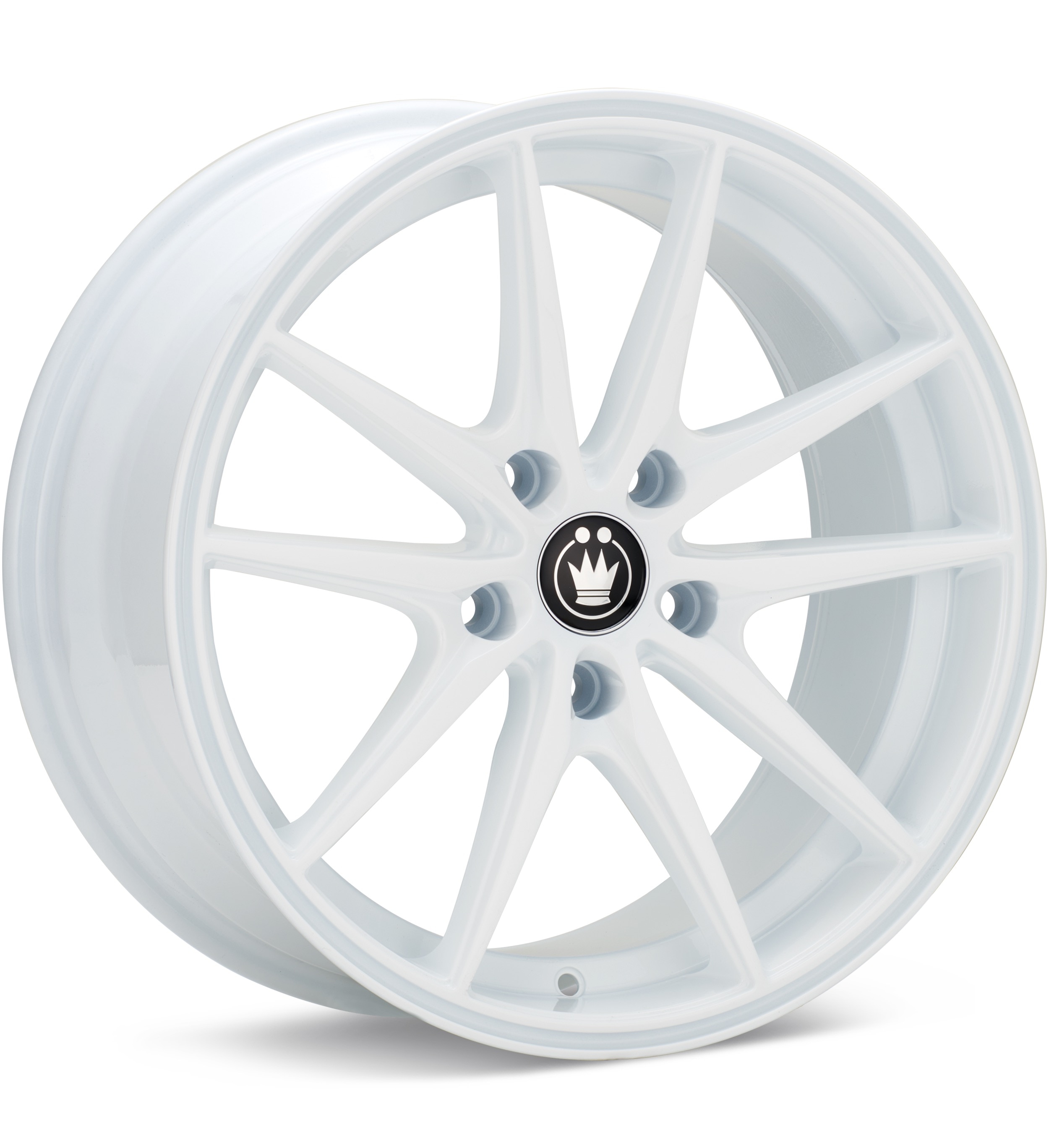
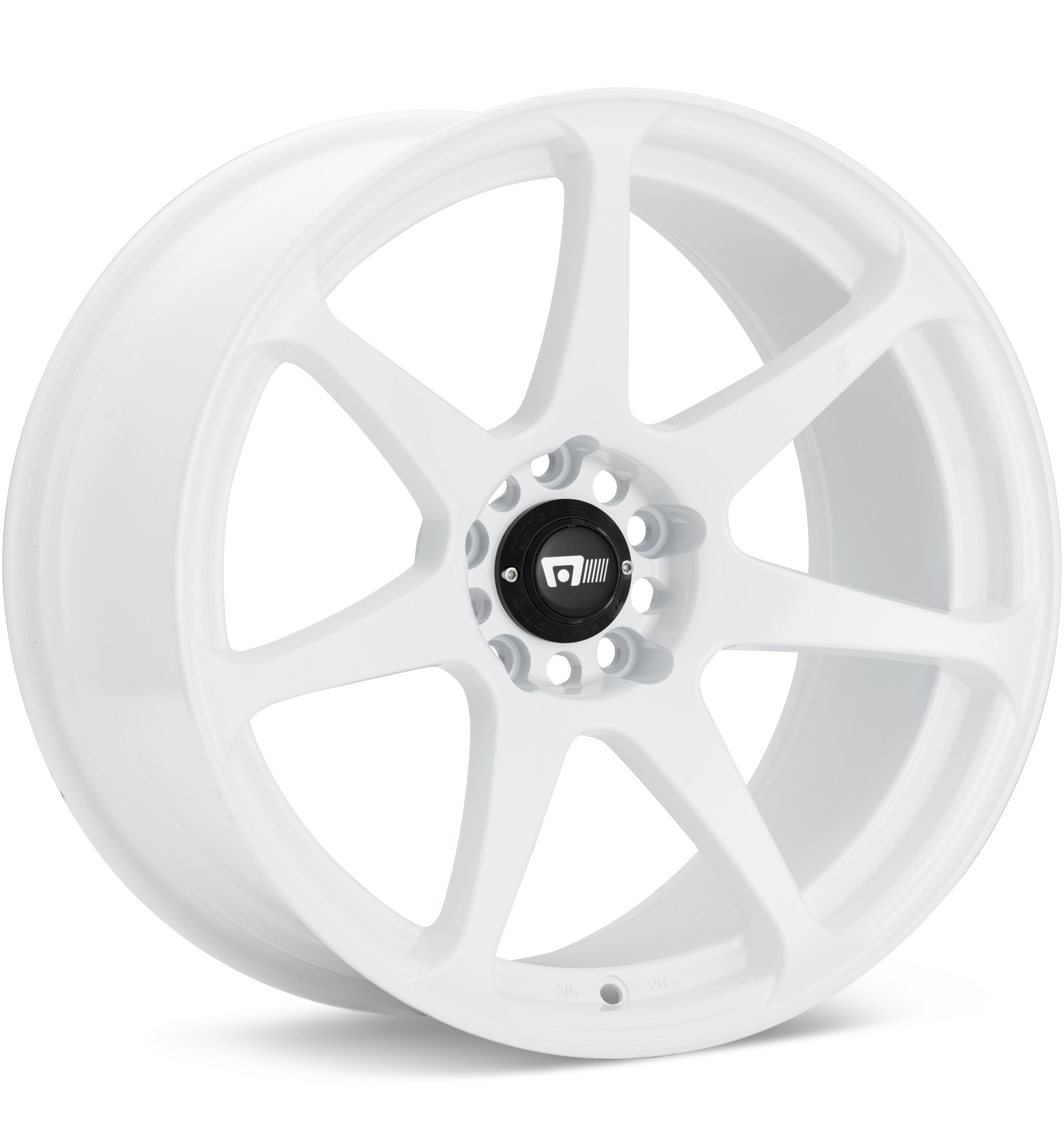
Explore wheels at Tire Rack
Selected size: 18 × 8″ · ET +55
Showing matching bolt patterns and offsets up to 20 mm lower. Confirm center bore, load rating, and clearance at Tire Rack.
We may earn a commission when you buy through these links. Prices and availability may change.
Donor vehicles with overlapping OEM specs
These are vehicle-year records whose recorded OEM ranges overlap this 2014 Acura MDX. Overlap is not a guarantee that a specific wheel will install. Selected-wheel comparison is in the calculator below.
Evaluated 77 donor years. Listed 24 eligible overlaps (not all evaluated years are compatible). Showing all listed.
Wheel geometryOEM width/offset ranges overlap (not a specific wheel)
Recorded OEM bolt pattern, center bore, and width/offset ranges overlap. This is not a guarantee that every wheel from the donor year fits this vehicle.
Check lug hardwareCheck lug hardware: donor year M14x1.5 vs 2014 Acura MDX M12x1.5
Bolt pattern5x114.3 · Same recorded PCD
Center bore64.1 mm · same recorded hub figure
Wheel geometryOEM width/offset ranges overlap (not a specific wheel)
Recorded vehicle-side thread for the 2014 Acura MDX is M12x1.5. This donor year is recorded as M14x1.5. That is the vehicle stud/nut thread, not an intrinsic thread stamped on the wheel. Hardware must match this vehicle’s studs and the selected wheel’s seat and engagement. Existing hardware may be reusable if it already matches. Seat style is not in this dataset, so products are not a verified fit.
Recorded vehicle-side thread differs (M14x1.5 on the donor year vs M12x1.5 on the target vehicle). Hardware must match the target vehicle’s studs and the selected wheel’s seat. Existing hardware may be reusable if it already matches. Seat style is not confirmed in this dataset.
Wheel geometryOEM width/offset ranges overlap (not a specific wheel)
Approximate position vs the mid OEM package: outer change -3.85 mm, inner change -8.85 mm. This uses aggregated width/offset ranges, not a specific wheel.
Wheel geometryOEM width/offset ranges overlap (not a specific wheel)
Approximate position vs the mid OEM package: outer change -3.85 mm, inner change -8.85 mm. This uses aggregated width/offset ranges, not a specific wheel.
Acura MDX Years With Compatible Wheels
Only years with evidence-based interchange relationships are listed. Adjacent years are not assumed compatible.
Compare a donor vehicle or custom wheel against this 2014 Acura MDX. Use Compare in calculator on a donor row above to fill the donor side of this same calculator.
Compare
Compare wheel compatibility between two vehicles
Wheels from (donor vehicle)
Selected Car:
Custom wheel size (optional)
Tip: change values here to simulate custom wheels and immediately see the impact in the comparison below.
Custom tire size (optional)
Installed on (your vehicle)
Selected Car:
2014 Acura MDX
Compare Rims
Specification
Wheels from
Installed on
Result (Click it)
Bolt Pattern
The total number of bolt holes and the diameter of the circle they form.
-
5x114.3
Center Bore
The hole in the center of the wheel that fits over the vehicle’s hub.
-
64.1 mm
Thread Size
The size and spacing of the threads on the bolts or nuts that hold the wheel in place.
-
M12 x 1.5
Rim Diameter
The wheel diameter in inches that determines which tire sizes will fit.
-
18"
Rim Width
The distance between the inner edges of the wheel is measured in inches.
-
8.0"
Wheel Offset
How far the wheel sits inward or outward relative to the hub mounting surface.
-
55 mm
Backspacing
Shows how much space the wheel takes up toward the inside of the vehicle.
-
-
Wheel Fasteners
The type of hardware used to secure the wheel to the vehicle.
-
-
Compare Tires
Specification
Wheels from
Installed on
Result (Click it)
Section Width
The width of the tire from sidewall to sidewall, measured in millimeters.
-
-
Aspect Ratio
The height of the tire’s sidewall expressed as a percentage of its width.
-
-
Diameter
The wheel diameter for which the tire is designed to fit.
-
-
Tire Pressure
The recommended air pressure for safe and efficient driving.
-
-
Overall Diameter
The total height of the tire and wheel combined affects clearance and speedometer accuracy.
-
-
Wheel Fitment Parts for the 2014 Acura MDX
Example products matched to recorded thread, hub, or spacer dimensions. They are not verified fits. Confirm seat style, thickness, and clearance before ordering.
As an Amazon Associate we earn from qualifying purchases. Product availability and pricing may change.
2014 Acura MDX Wheel Fitment and Interchange Guide
Think of this page as a clear, safety-first baseline for your 2014 Acura MDX. We’ll start with a common misconception, then walk through what actually matters, why it matters, and how to check it with the on-page calculator.
1. Misconception
If the bolt pattern matches, the wheel fits.
2. Why it seems true
The MDX uses a very common 5x114.3 pattern. Lots of wheels share it, and many swaps seem to work at first glance. So it’s easy to believe bolt pattern is the whole story.
3. What is true
Bolt pattern is just one piece. For a confident fit, match the big five: bolt pattern, center bore, offset and backspacing, brake and suspension clearance, and overall tire diameter. Lug hardware style and thread size matter too.
Bolt pattern
5x114.3
Center bore
64.1 mm
Thread size
M12 x 1.5
OEM wheel size
18 x 8.0
OEM offset
ET 55 mm
OEM backspacing
6.17 in
OEM tire size
245/60R18
Notes:
Brake package can vary by trim or market. If you have larger calipers, spoke clearance becomes the limiting factor. A quick test fit will tell you.
Lug seat style depends on the wheel. Match the lug seat to the wheel design. The thread size is M12x1.5, but seat style can differ.
Tire overall diameter affects speedometer and clearance. Use the on-page calculator to compare sizes side by side.
4. Implications
Here’s the mental model I use when evaluating a swap:
Bolt pattern and thread match prevent obvious no-go issues. That’s step one, not the finish line.
Center bore sets how the wheel centers on the hub. The MDX hub is 64.1 mm. Aftermarket wheels often have a larger bore, which is fine with hub-centric rings sized to 64.1. A smaller bore will not seat without machining.
Offset controls inner and outer clearance. Higher ET tucks the wheel inward. Lower ET pushes it outward. The calculator shows these movements in mm so you can judge fender and strut clearance.
Backspacing is your inner clearance snapshot. Compare your candidate wheel’s backspacing to the OEM 6.17 in to understand how close the inner barrel moves toward the strut or spring.
Tire diameter is the comfort and calibration piece. As a rule of thumb, many techs keep overall diameter changes small to maintain speedometer accuracy and avoid rubbing. Use the calculator to quantify the change.
Spacers and rings are tools, not shortcuts. Hub-centric rings solve centering. Quality spacers can solve small clearance gaps if used thoughtfully, but they also affect stud engagement and fender clearance. Verify with the calculator and a test fit.
Load rating and TPMS matter. Make sure the wheel load rating and tire load index meet or exceed what your MDX needs. Your existing TPMS sensors can often be transferred, but sensor type and frequency should be confirmed against your OEM parts.
5. Quick tests
Use the calculator on this page:
Set “Installed on” to 2014 Acura MDX with the OEM baseline above.
Enter the donor vehicle or custom wheel and tire sizes.
Watch inner and outer clearance changes in mm, and tire diameter differences.
Centering check: If your wheel’s center bore is larger than 64.1 mm, plan hub-centric rings sized to 64.1. If it’s smaller, that wheel will not seat on this hub.
Offset sanity check: In the calculator, reduce offset to see how far the wheel pokes outward. Increase offset to see inner clearance shrink. Stop when the inner movement approaches strut or liner space you can verify on the car.
Tire diameter sanity check: Use the calculator’s tire section to compare overall diameter. Keep changes modest if you want near-stock ride and speedometer behavior.
Physical test fit:
Mount one front wheel without the tire first if possible, to check spoke-to-caliper clearance. Spin by hand and look from the side.
If running spacers, confirm full stud engagement. A common rule of thumb is engagement roughly equal to the stud diameter.
Turn lock to lock. Bounce the suspension. Look for liner or fender contact.
Final torque and recheck: Torque lugs to the value in your owner’s manual with a calibrated wrench, then recheck after a short drive.
Using the wheelinterchange.com calculator with this MDX
Here’s a quick recap of how I compare candidates:
Start with the OEM baseline shown above.
Enter the donor wheel’s diameter, width, and offset. The calculator will display inner and outer position changes relative to stock in mm and inches.
If the donor tire size is different, enter it. The tool recalculates overall diameter and highlights the change so you can judge arch clearance and gearing impact.
If a candidate wheel’s bore is larger than 64.1 mm, plan for rings. If it’s smaller, pick another wheel.
If inner clearance gets tight, explore a slightly lower offset or a thin, quality hub-centric spacer. Verify the resulting poke does not reach the fender lip.
Trim differences: Some MDX trims may have larger front brakes. If your calculator result looks fine but the physical test shows spoke interference, you’re running into a caliper clearance issue. Try a wheel with a friendlier spoke profile or adjust offset with care.
OEM spec reference for 2014 Acura MDX
These are the known baseline specs for this year and model. If your trim differs, use the calculator to confirm fit against what’s on your car, and cross-check with your owner’s manual and the tire placard on the door jamb.
Confirm lug torque from your owner’s manual. Retorque after a short drive.
Match lug seat style to the wheel. Conical, ball, or mag seats require the correct nuts or bolts.
Check wheel and tire load ratings meet or exceed MDX requirements listed on your tire placard.
If using spacers, verify hub-centric fit and adequate stud engagement. Reassess with the calculator to account for the effective offset change.
For TPMS, reuse or program sensors compatible with your MDX. Verify operation after install.
If any value on your vehicle differs from the table, rely on the on-page calculator plus your OEM sources to confirm fit. That approach keeps the guesswork low and the results solid.
Methodology and sources
Wheel interchange depends on more than bolt pattern. Where data is available, this site compares recorded OEM values:
Bolt pattern / PCD
Center bore direction (donor wheel bore must not be smaller than the hub)
Wheel diameter, width, and offset against known OEM ranges
A normal wheel spacer does not change bolt pattern. Hub rings cannot enlarge a wheel bore that is smaller than the hub. Brake clearance and tire package fitment still require vehicle-specific checks when not confirmed in the dataset.