OEM wheel and tire fitment specs for the 2014 Acura ILX, including bolt pattern (PCD), center bore diameter, thread size, rim diameter, rim width, wheel offset, and backspacing.
Recorded OEM specifications for the 2014 Acura ILX, donor years with overlapping ranges, and a calculator to compare a selected wheel. Range overlap is not a guaranteed fit.
Multiple OEM configurations exist for this vehicle. Fitment can vary by trim, brakes, and factory wheel package – confirm your exact setup before buying.
Thread-only product links are shopping examples, not verified fits. Seat style is not confirmed here. As an Amazon Associate we earn from qualifying purchases.
Donor vehicles with overlapping OEM specs
These are vehicle-year records whose recorded OEM ranges overlap this 2014 Acura ILX. Overlap is not a guarantee that a specific wheel will install. Selected-wheel comparison is in the calculator below.
Evaluated 77 donor years. Listed 24 eligible overlaps (not all evaluated years are compatible). Showing all listed.
Wheel geometryOEM width/offset ranges overlap (not a specific wheel)
Approximate position vs the mid OEM package: outer change -0.67 mm, inner change -5.68 mm. This uses aggregated width/offset ranges, not a specific wheel.
Wheel geometryOEM width/offset ranges overlap (not a specific wheel)
Approximate position vs the mid OEM package: outer change -0.67 mm, inner change -5.68 mm. This uses aggregated width/offset ranges, not a specific wheel.
Wheel geometryOEM width/offset ranges overlap (not a specific wheel)
Approximate position vs the mid OEM package: outer change 5.68 mm, inner change 0.67 mm. This uses aggregated width/offset ranges, not a specific wheel.
Acura ILX Years With Compatible Wheels
Only years with evidence-based interchange relationships are listed. Adjacent years are not assumed compatible.
Compare a donor vehicle or custom wheel against this 2014 Acura ILX. Use Compare in calculator on a donor row above to fill the donor side of this same calculator.
Compare
Compare wheel compatibility between two vehicles
Wheels from (donor vehicle)
Selected Car:
Custom wheel size (optional)
Tip: change values here to simulate custom wheels and immediately see the impact in the comparison below.
Custom tire size (optional)
Installed on (your vehicle)
Selected Car:
2014 Acura ILX
Compare Rims
Specification
Wheels from
Installed on
Result (Click it)
Bolt Pattern
The total number of bolt holes and the diameter of the circle they form.
-
5x114.3
Center Bore
The hole in the center of the wheel that fits over the vehicle’s hub.
-
64.1 mm
Thread Size
The size and spacing of the threads on the bolts or nuts that hold the wheel in place.
-
M12 x 1.5
Rim Diameter
The wheel diameter in inches that determines which tire sizes will fit.
-
16"
Rim Width
The distance between the inner edges of the wheel is measured in inches.
-
6.5"
Wheel Offset
How far the wheel sits inward or outward relative to the hub mounting surface.
-
45 mm
Backspacing
Shows how much space the wheel takes up toward the inside of the vehicle.
-
-
Wheel Fasteners
The type of hardware used to secure the wheel to the vehicle.
-
-
Compare Tires
Specification
Wheels from
Installed on
Result (Click it)
Section Width
The width of the tire from sidewall to sidewall, measured in millimeters.
-
-
Aspect Ratio
The height of the tire’s sidewall expressed as a percentage of its width.
-
-
Diameter
The wheel diameter for which the tire is designed to fit.
-
-
Tire Pressure
The recommended air pressure for safe and efficient driving.
-
-
Overall Diameter
The total height of the tire and wheel combined affects clearance and speedometer accuracy.
-
-
Wheel Fitment Parts for the 2014 Acura ILX
Example products matched to recorded thread, hub, or spacer dimensions. They are not verified fits. Confirm seat style, thickness, and clearance before ordering.
As an Amazon Associate we earn from qualifying purchases. Product availability and pricing may change.
1 Decision
You need to decide whether to retain the 2014 Acura ILX OEM wheels and tires, or to fit alternative wheels and tires that change diameter, width, or offset.
This analysis compares the OEM specification against two controlled hypotheses so you can interpret tradeoffs with measurable evidence rather than guesswork.
2 Constraints
Bolt pattern: 5x114.3. This is a fixed mechanical constraint for wheel fitment.
Center bore: 64.1 mm. Wheels must seat or use hub-centric rings when bore is larger than the hub diameter.
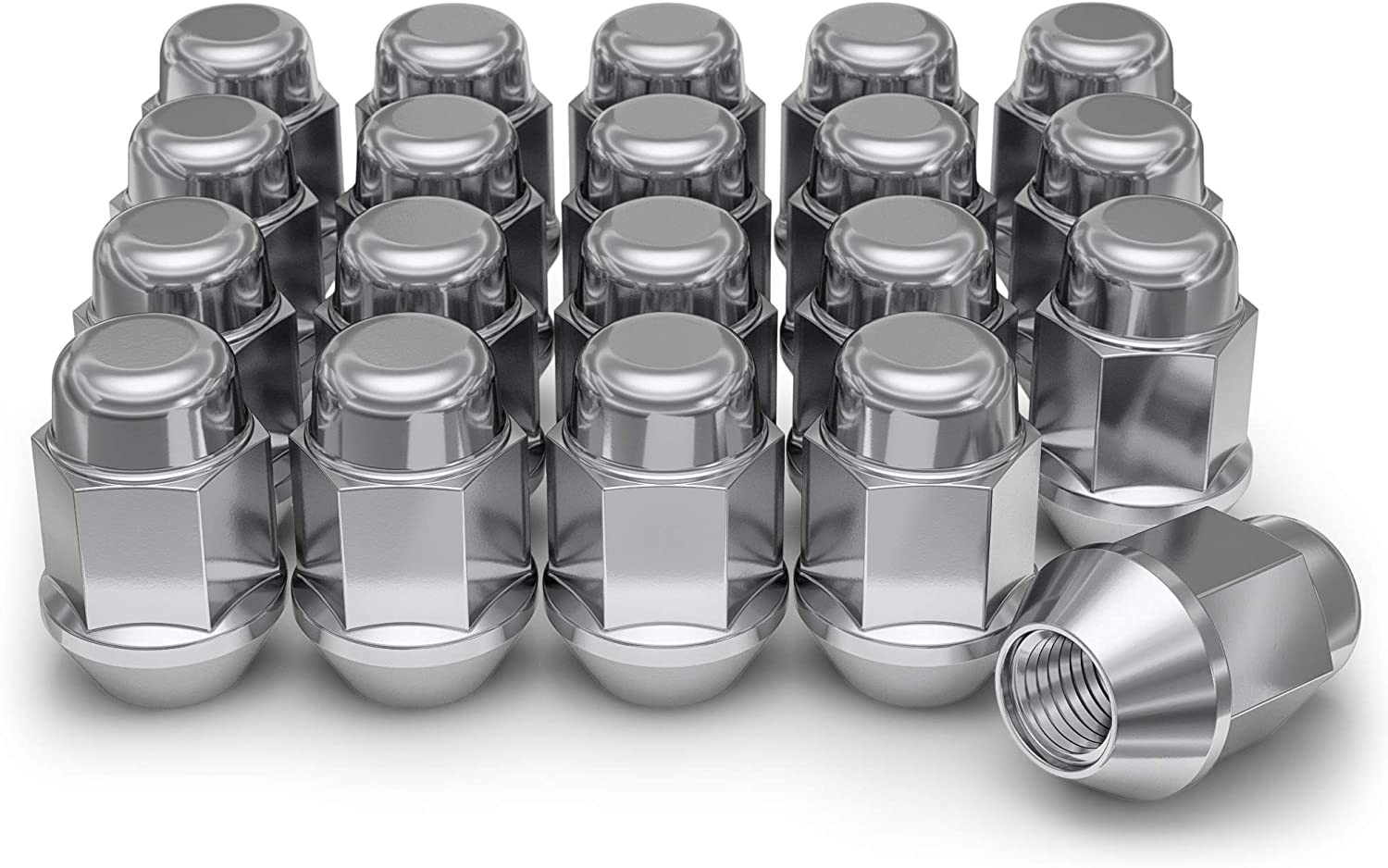
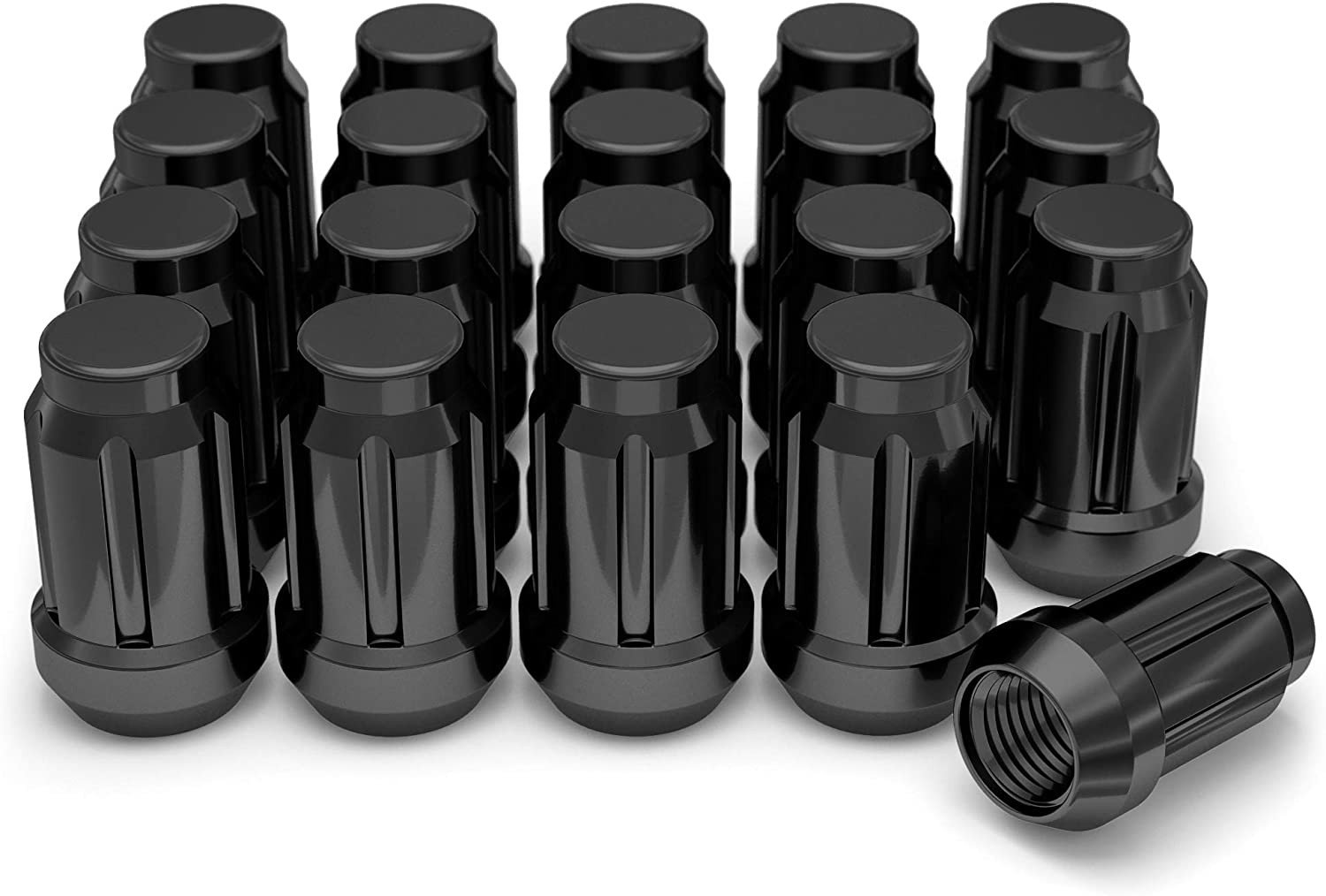
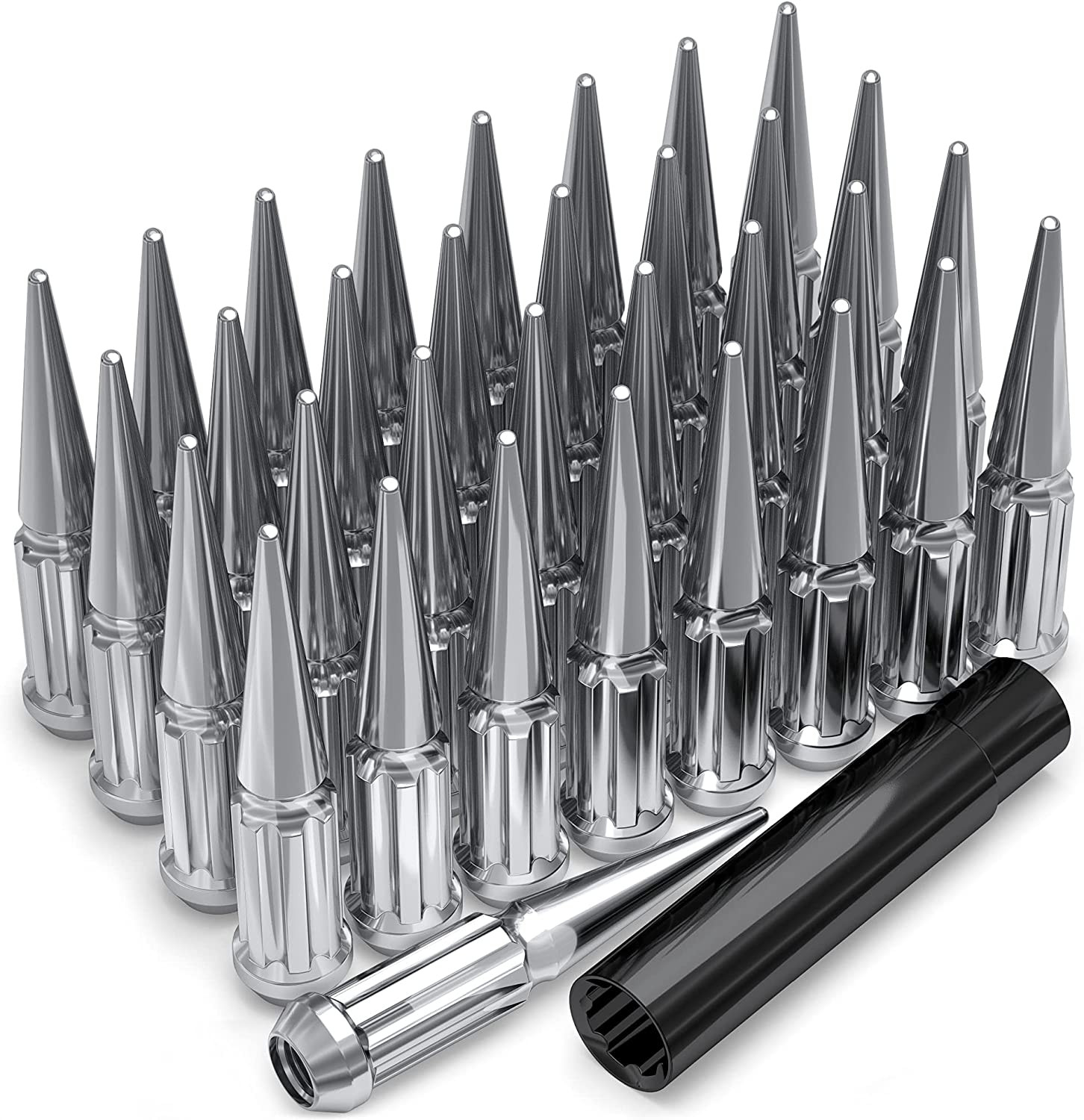
Thread size: M12 x 1.5. Lug nuts must match these threads; mismatches create safety hazards.
OEM rim diameter and width: 16 x 6.5 inches, offset (ET) 45 mm, backspacing 5.02 in.
OEM tire: 205/55R16. Calculated overall diameter is approximately 631.9 mm based on OEM numbers.
Limitations: load rating and wheel center-cap/hub profile may vary by trim and aftermarket wheel. Confirm these using the on-page calculator and OEM documentation.
3 Options
I present three practical options that reflect common choices, stated as hypotheses to avoid assuming unavailable data.
Option A – OEM Equivalent: Keep factory 16x6.5 ET45 wheels with 205/55R16 tires. This is the baseline evidence-based choice.
Option B – Same diameter, lower offset hypothesis: 16x6.5 ET40 with identical tires. This simulates small outward wheel movement without changing tire diameter.
Option C – Upsize rim hypothesis: 17x7 ET45 with 205/50R17 tires. This tests a common aftermarket upsizing pathway while keeping similar tire section width. This is explicitly hypothetical; confirm with the on-page calculator and brake clearance measurements before purchase.
4 Comparison
The following table compares measurable parameters for the OEM baseline and the two hypotheses. Interpret the figures as calculated values rather than fitment guarantees.
Parameter
OEM (baseline)
Hypothesis B: ET40 (16x6.5)
Hypothesis C: 17x7 ET45 with 205/50R17 (hypothetical)
Rim size
16 x 6.5 in
16 x 6.5 in
17 x 7 in
Offset (ET)
45 mm
40 mm
45 mm
Half rim width (mm)
82.55 mm
82.55 mm
88.90 mm
Calculated backspacing
127.55 mm (5.02 in)
122.55 mm (4.82 in). Moves wheel outward ~5.0 mm
133.90 mm (5.27 in). Moves wheel inward ~6.35 mm
Tire (section/aspect)
205/55R16 (OEM)
205/55R16
205/50R17 (hypothetical)
Calculated overall diameter
631.9 mm
631.9 mm
637.8 mm (~+5.9 mm, +0.93% difference)
Interpretation
Baseline for speedometer accuracy and clearance.
Small outward track increase; potential fender proximity reduced, check outer clearance to avoid curb contact.
Very small diameter increase; speedometer change under 1 percent likely, but brake and caliper clearance must be confirmed.
Evidence from these calculations suggests small offset changes produce measurable lateral displacement, while modest upsizing changes rolling diameter only slightly.
5 Recommendation
As an observer_analyst, I recommend the following safety-first, stepwise approach for a DIY owner or technician who is skeptical of assumptions.
Use the on-page calculator to enter any candidate rim width, offset, and tire size. The calculator will update rolling diameter and projected clearance automatically.
If staying with the same diameter and tires, Option A is the safest choice because it preserves OEM clearances, speedometer calibration, and weight ratings.
If you pursue a modest offset change or upsizing, follow a verification checklist before purchase: measure brake caliper clearance, wheel-well inner fender clearance, and ensure hub-centric fitment. Confirm wheel load rating and center bore compatibility with OEM evidence sources.
Use correct lug hardware. The vehicle requires M12 x 1.5 threads. Verify lug nut seat type matches the aftermarket wheel. If the wheel’s center bore is larger, plan to use hub-centric rings sized to 64.1 mm hub diameter.
When tools are needed, prefer calibrated torque wrenches and quality hub-centric rings. Example parts searches are available for convenience: hub centric rings and M12 lug nut sockets. These links are only context-supporting.
The evidence indicates several important risks and limitations that a careful evaluator should weigh before altering wheel fitment.
Rubbing risk. Even small changes in offset or tire width can produce inner fender or suspension contact under suspension compression. Measure clearances under load where possible.
Non-hub-centric fitment. A center bore mismatch transfers loads through lug nuts and can lead to runout and vibration. Use hub-centric rings if bore exceeds 64.1 mm.
Lug thread mismatch. Using incorrect threads risks stripped studs or loose wheels. The correct thread size is M12 x 1.5.
Speedometer and ABS interpretation. Large diameter changes affect speedometer readings and possibly ABS/tire pressure monitoring interpretation. Small changes under about 3 percent usually have minor effects, but confirm with the calculator.
Wheel bearing and suspension stresses. Wider tracks or heavier wheels can increase bearing and suspension wear; verify wheel weight and load ratings with OEM or manufacturer evidence.
Regulatory and insurance limitations. Aftermarket fitment can affect compliance with local regulations or insurance terms. Confirm before finalizing modifications.
Limitations of this analysis include absence of trim-specific load ratings and torque specifications. Confirm those figures from the owner’s manual or Acura dealer documentation before final installation.
Final interpretation: if your priority is minimal risk and predictable performance, retain OEM sizing. If you require a change, use the on-page calculator, verify clearances physically, and follow the checklist above to manage risks with evidence-based steps.
Methodology and sources
Wheel interchange depends on more than bolt pattern. Where data is available, this site compares recorded OEM values:
Bolt pattern / PCD
Center bore direction (donor wheel bore must not be smaller than the hub)
Wheel diameter, width, and offset against known OEM ranges
A normal wheel spacer does not change bolt pattern. Hub rings cannot enlarge a wheel bore that is smaller than the hub. Brake clearance and tire package fitment still require vehicle-specific checks when not confirmed in the dataset.