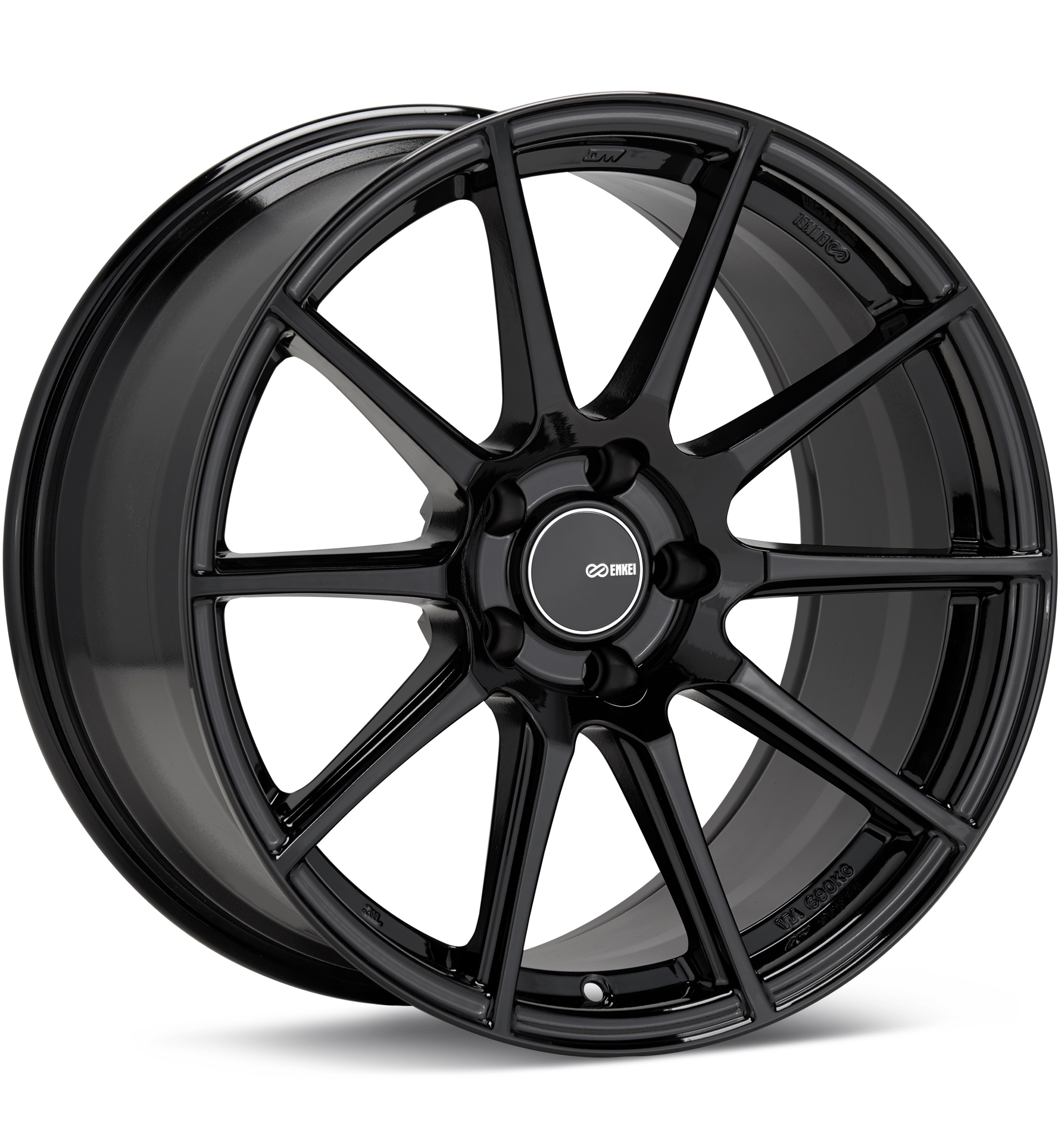
Enkei Tuning
TS-10
Black
18 × 8″ · ET +50
$241.81
View at Tire Rack ↗Recorded OEM specifications for the 2015 Acura MDX, donor years with overlapping ranges, and a calculator to compare a selected wheel. Range overlap is not a guaranteed fit.
Save these wheel specs to your Ownery garage
Baseline mounting dimensions used for interchange decisions.
Multiple OEM configurations exist for this vehicle. Fitment can vary by trim, brakes, and factory wheel package – confirm your exact setup before buying.
Thread-only product links are shopping examples, not verified fits. Seat style is not confirmed here. As an Amazon Associate we earn from qualifying purchases.
Selected size: 18 × 8″ · ET +55
Showing matching bolt patterns and offsets up to 20 mm lower. Confirm center bore, load rating, and clearance at Tire Rack.
Enkei Tuning
Black
18 × 8″ · ET +50
$241.81
View at Tire Rack ↗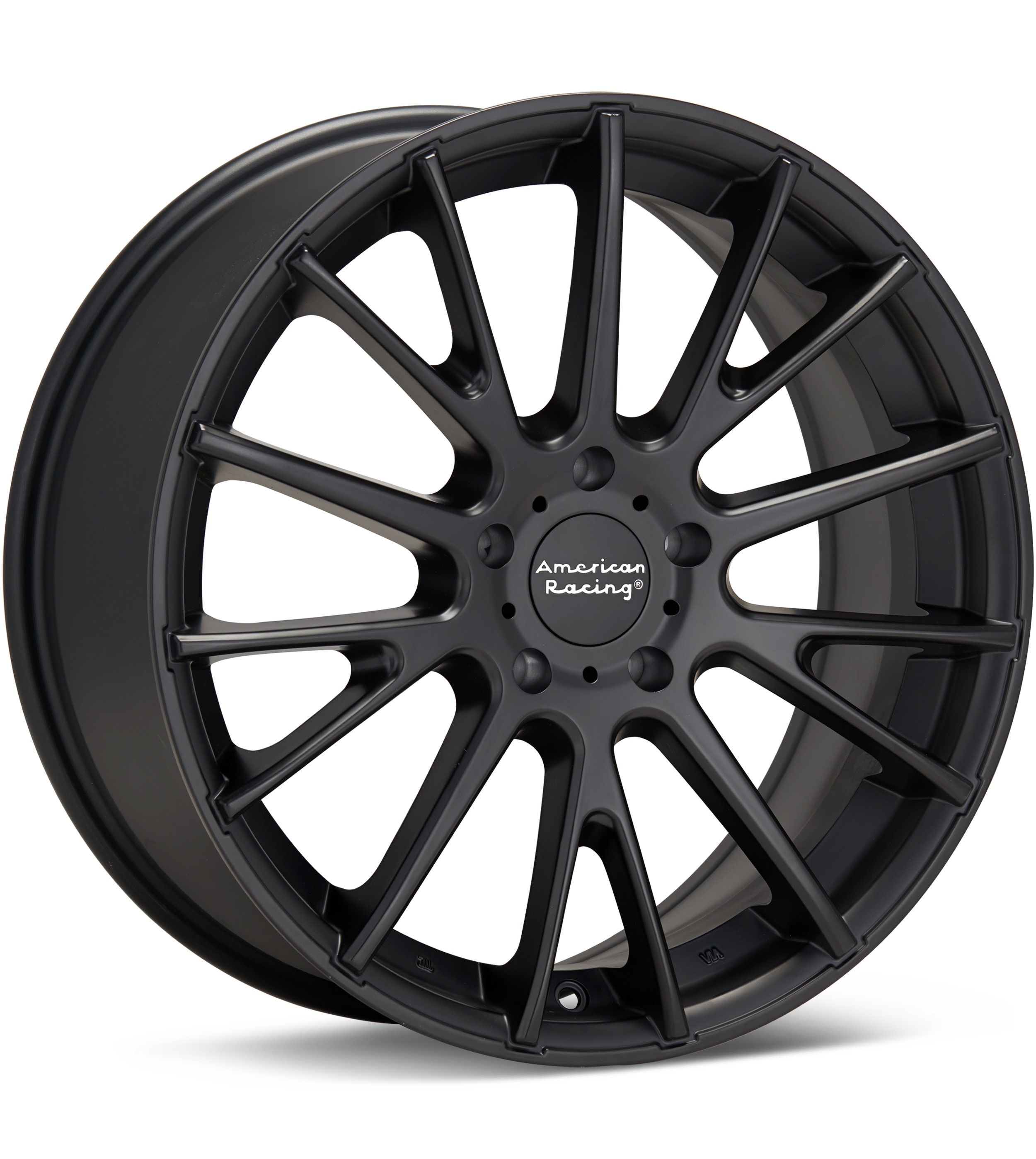
American Racing
Black
18 × 8″ · ET +45
$312.00
View at Tire Rack ↗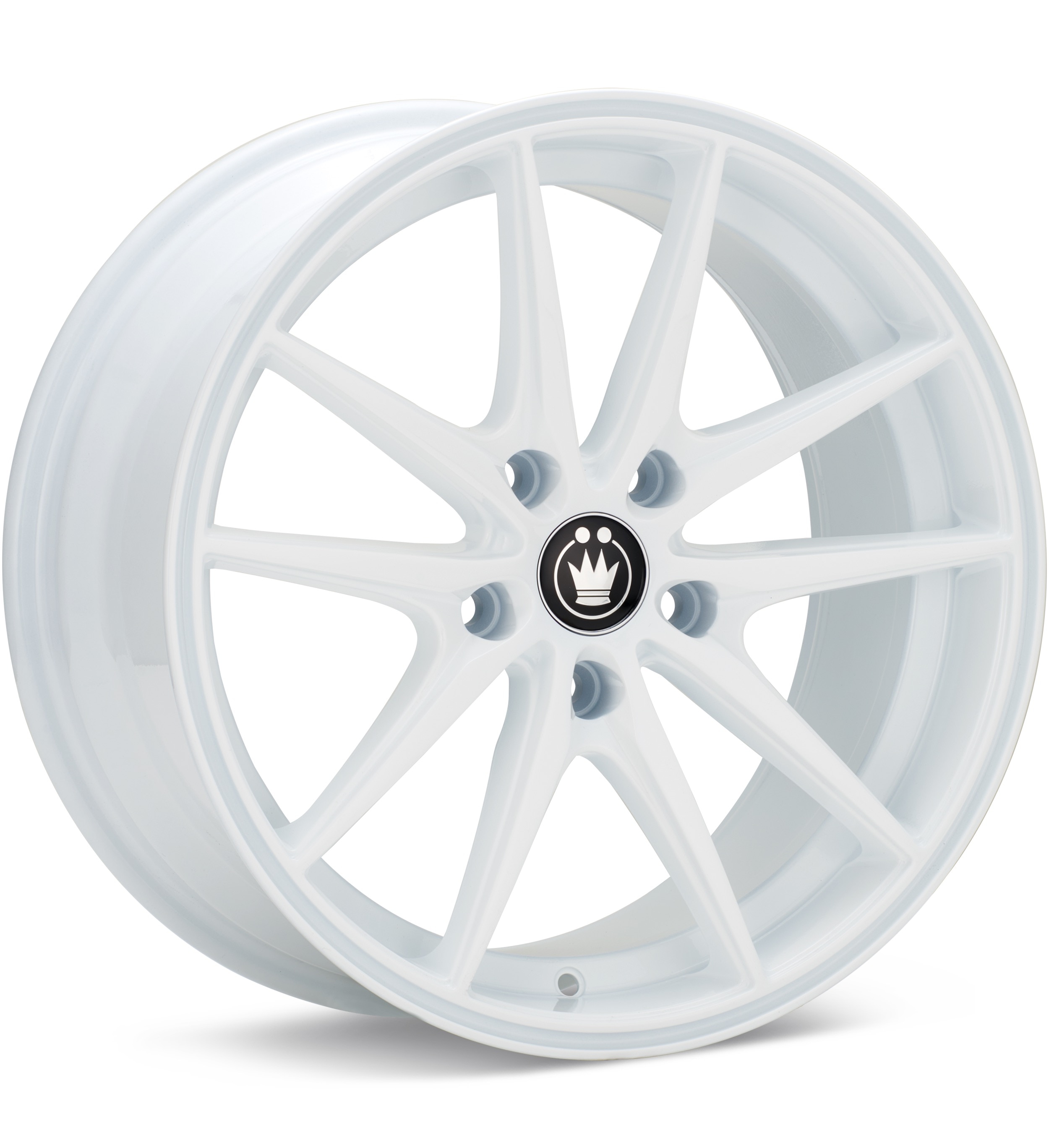
Konig
Gloss White
18 × 8″ · ET +45
$241.49
View at Tire Rack ↗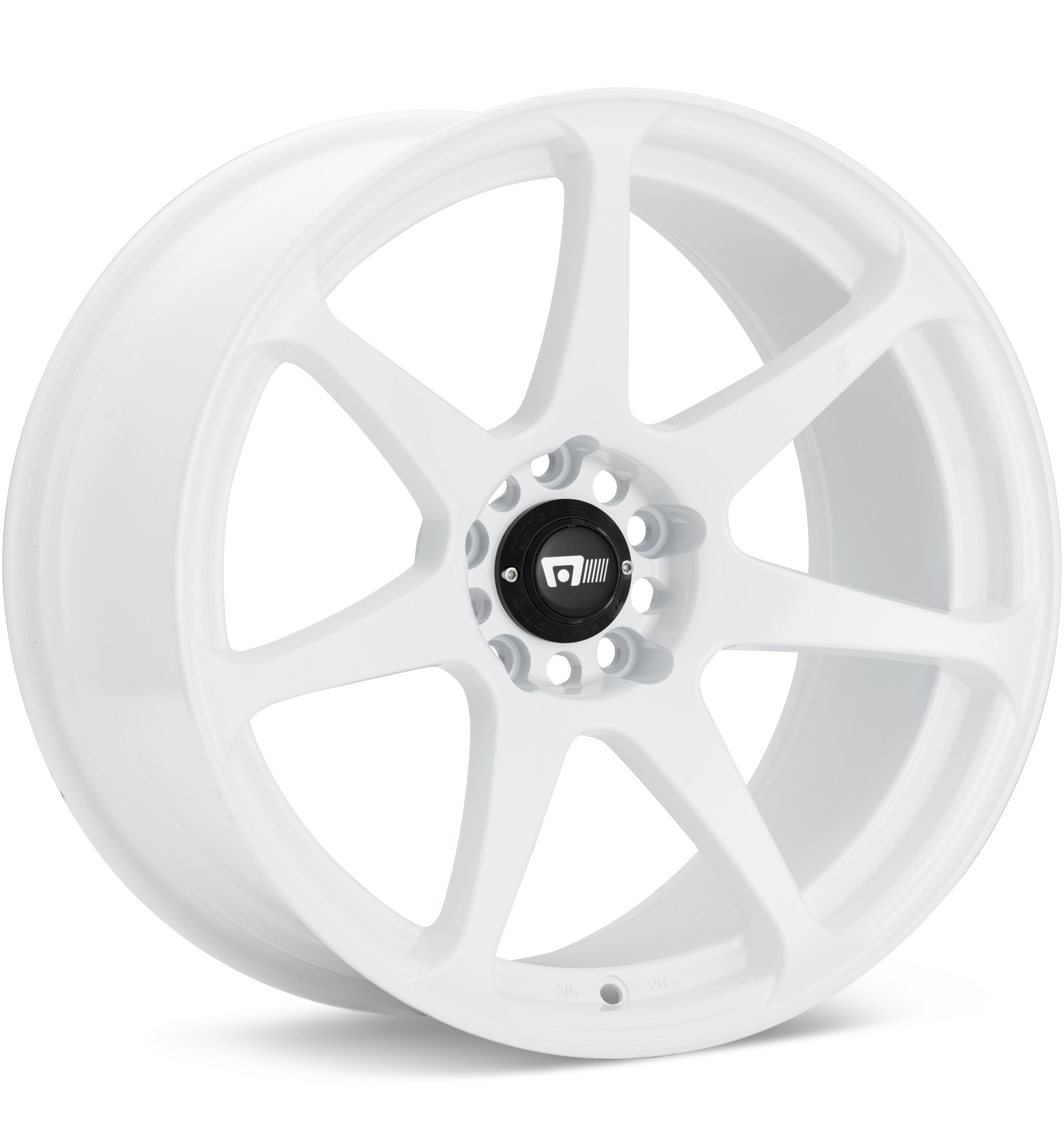
MOTEGI RACING
White
18 × 8″ · ET +43
$299.00
View at Tire Rack ↗We may earn a commission when you buy through these links. Prices and availability may change.
These are vehicle-year records whose recorded OEM ranges overlap this 2015 Acura MDX. Overlap is not a guarantee that a specific wheel will install. Selected-wheel comparison is in the calculator below.
Evaluated 77 donor years. Listed 24 eligible overlaps (not all evaluated years are compatible). Showing all listed.
Years grouped because recorded compatibility evidence is equivalent. Each year keeps its own page.
Recorded OEM bolt pattern, center bore, and width/offset ranges overlap. This is not a guarantee that every wheel from the donor year fits this vehicle.
Recorded vehicle-side thread for the 2015 Acura MDX is M12x1.5. This donor year is recorded as M14x1.5. That is the vehicle stud/nut thread, not an intrinsic thread stamped on the wheel. Hardware must match this vehicle’s studs and the selected wheel’s seat and engagement. Existing hardware may be reusable if it already matches. Seat style is not in this dataset, so products are not a verified fit.
View M12 x 1.5 options on Amazon – thread match only; seat style is not verified.
Recorded vehicle-side thread differs (M14x1.5 on the donor year vs M12x1.5 on the target vehicle). Hardware must match the target vehicle’s studs and the selected wheel’s seat. Existing hardware may be reusable if it already matches. Seat style is not confirmed in this dataset.
Years grouped because recorded compatibility evidence is equivalent. Each year keeps its own page.
Donor width/offset sits outside the known OEM envelope for this vehicle.
Years grouped because recorded compatibility evidence is equivalent. Each year keeps its own page.
Approximate position vs the mid OEM package: outer change -3.85 mm, inner change -8.85 mm. This uses aggregated width/offset ranges, not a specific wheel.
Years grouped because recorded compatibility evidence is equivalent. Each year keeps its own page.
Approximate position vs the mid OEM package: outer change -3.85 mm, inner change -8.85 mm. This uses aggregated width/offset ranges, not a specific wheel.
Only years with evidence-based interchange relationships are listed. Adjacent years are not assumed compatible.
Compare a donor vehicle or custom wheel against this 2015 Acura MDX. Use Compare in calculator on a donor row above to fill the donor side of this same calculator.
Compare wheel compatibility between two vehicles
2015 Acura MDX





Example products matched to recorded thread, hub, or spacer dimensions. They are not verified fits. Confirm seat style, thickness, and clearance before ordering.
M12 x 1.5
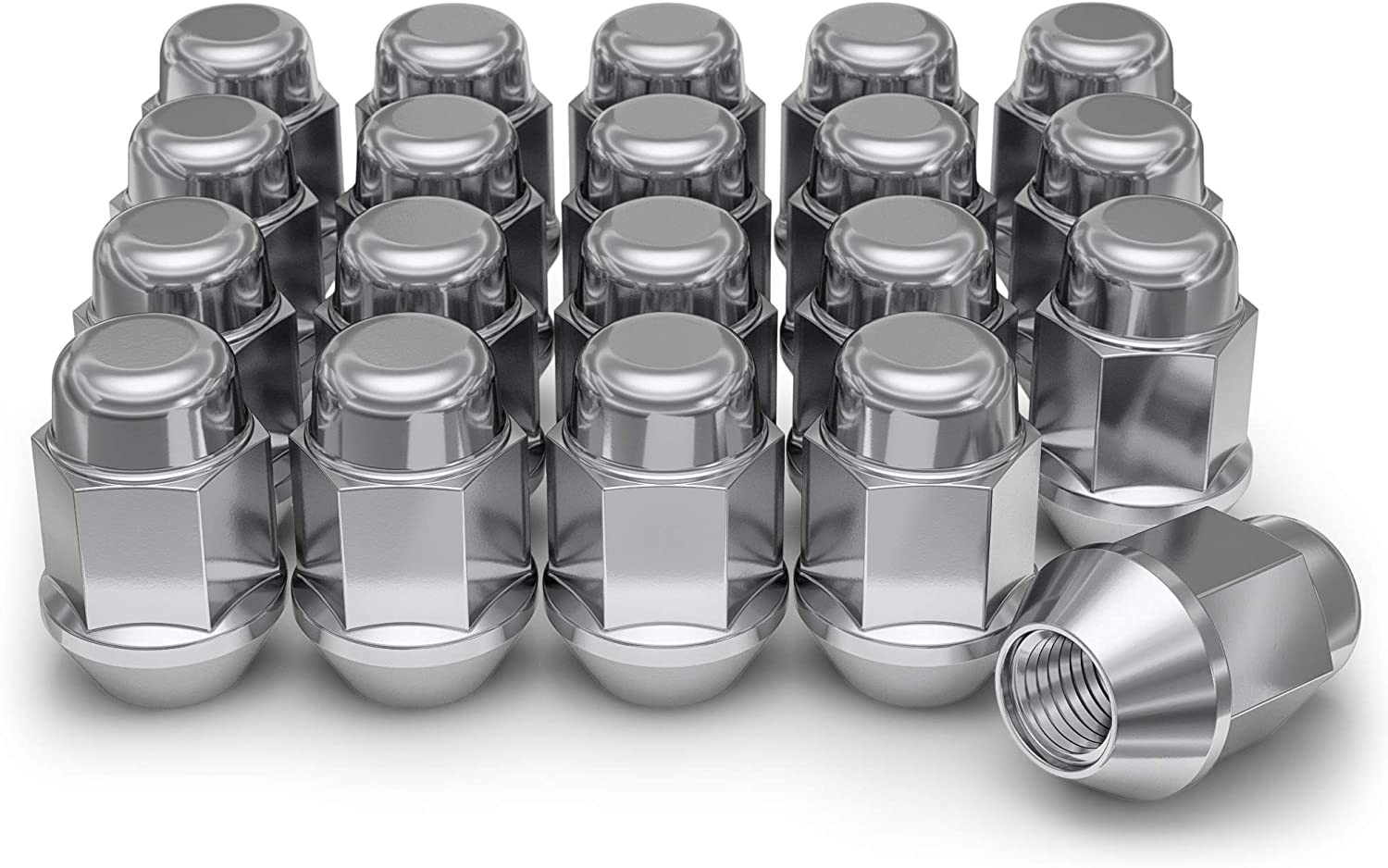
M12 x 1.5 · Thread match only; seat style is not verified
View on Amazon →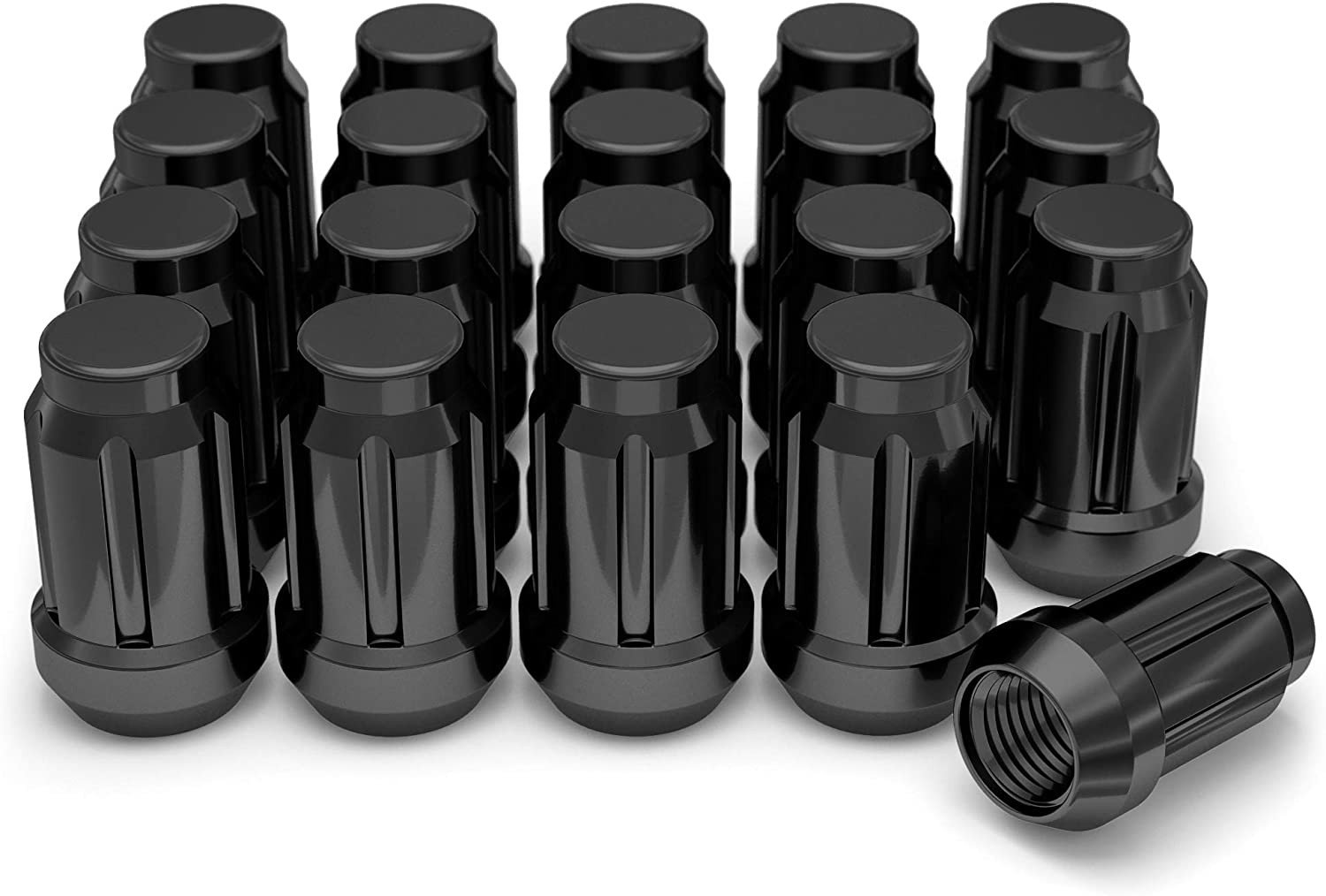
M12 x 1.5 · Thread match only; seat style is not verified
View on Amazon →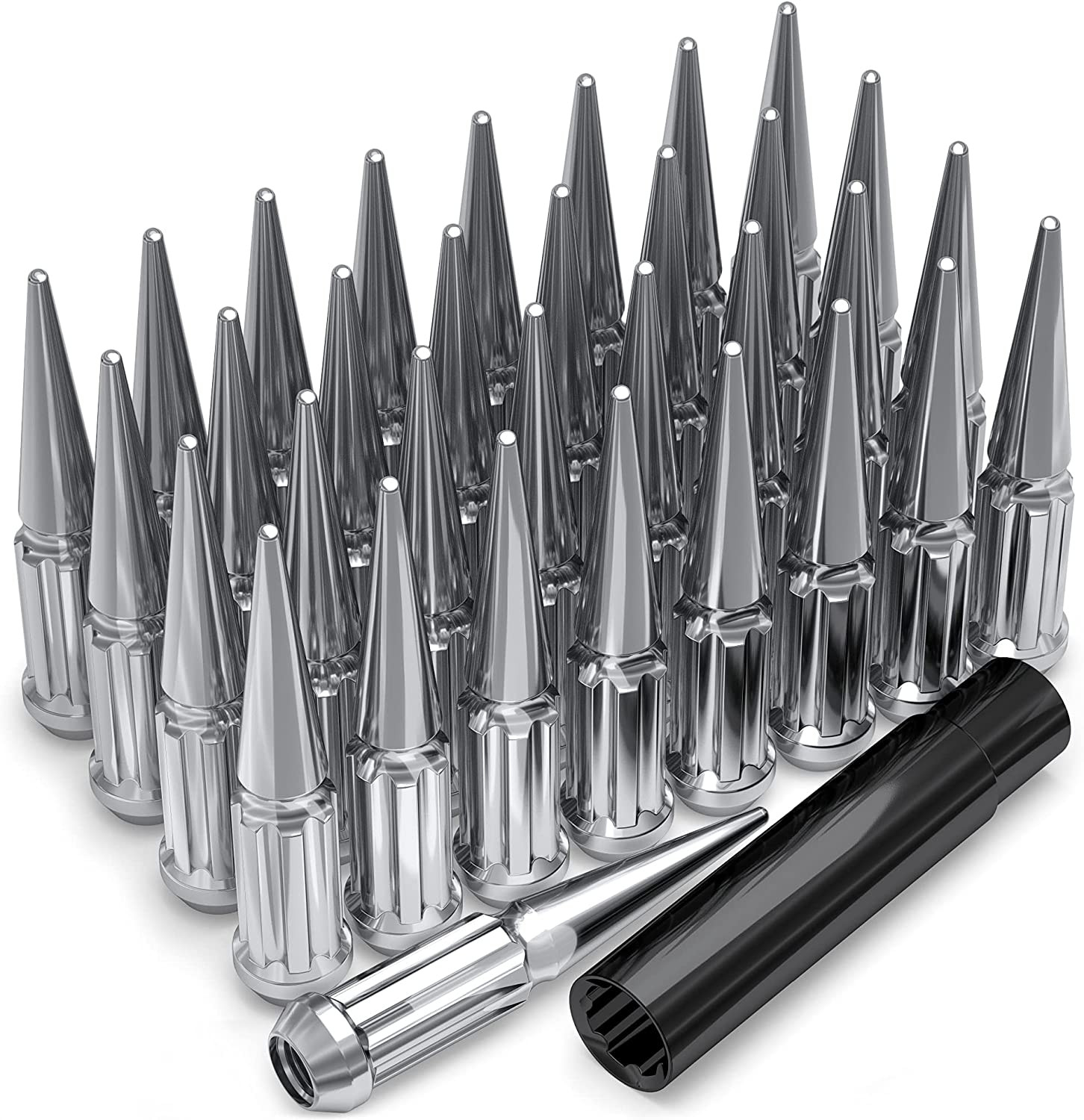
M12 x 1.5 · Thread match only; seat style is not verified
View on Amazon →As an Amazon Associate we earn from qualifying purchases. Product availability and pricing may change.
You need safe, compatible wheel and tire fitment for a 2015 Acura MDX. The goal is to evaluate whether an aftermarket or donor wheel will fit without interference, loss of safety, or excessive speedometer error. I will guide you through verification, using the on-page calculator where helpful, and the practical checks I use in the shop.
You must have the following information before changing wheels or tires. If a value is unknown, I explain how to confirm it.
| Item | OEM value or note |
|---|---|
| Bolt pattern (studs x PCD) | 5x114.3 |
| Center bore (mm) | 64.1 |
| Thread size | M12 x 1.5 |
| Wheel rim diameter | 18 in |
| Wheel rim width | 8.0 in |
| Wheel offset (ET) | 55 mm |
| Backspacing | 6.17 in |
| Tire size (OEM) | 245/60R18 |
Assumption: these are the factory values for your 2015 MDX as provided. If your vehicle has different trim or aftermarket parts, those values can vary. Confirm fit-critical dimensions on the vehicle and with OEM documents when needed.
Problem first: wrong-fit wheels cause rubbing, loose lug engagement, vibration, or ABS/speedometer errors. Follow these steps to avoid that.
Start by confirming the donor or aftermarket wheel has a 5x114.3 bolt pattern. Verify lug thread size is M12 x 1.5. If the bolt pattern or thread size differs, the wheel is not compatible without stud or hub modification, which has trade-offs and safety constraints.
Measure the wheel center bore. OEM hub diameter is 64.1 mm. If the wheel bore is larger, plan to use hub-centric rings sized to reduce the wheel bore to 64.1 mm. If the wheel bore is smaller, the wheel will not mount.
Open the wheelinterchange calculator on this vehicle page. Select the donor wheel or enter custom wheel size (rim diameter, width, offset). Then enter custom tire size if different from OEM. The calculator compares donor wheels to the installed 2015 MDX wheels. Note that changing rim diameter updates tire diameter automatically in the tool.
Compare the donor wheel ET to the OEM ET 55 mm. A lower ET moves the wheel outward; a higher ET moves it inward. Use the calculator to see how overall width and track change. Physically measure brake caliper clearance and inner fender clearance when possible, especially if offset changes exceed about 10 mm.
When you change rim diameter or tire profile, calculate the change in tire diameter and circumference. The calculator will show diameter change. If diameter changes by more than a few percent, expect speedometer and ABS calibration differences. Plan for recalibration if required.
Identify the lug seat shape on the wheel and the vehicle. I do not assume seat type; verify the wheel accepts the same lug seat as the MDX or use appropriate adapter hardware. Torque the lugs to the vehicle OEM torque. I do not provide a torque number here; confirm the correct torque in the owner's manual or with the dealer.
Mount a single wheel and hand-tighten lugs, then lower the vehicle to torque in a star pattern to the OEM spec. Check brake clearance while turning full lock both directions. Balance the wheel and road-test at low speeds. Re-torque after 50 to 100 miles. Record any rubbing or vibration.
Tools you may need: torque wrench, hub-centric rings if needed, lug socket compatible with M12x1.5 fasteners, jack and stands, and a tire balancer. If you need a torque wrench or hub rings, search these on Amazon using the links below.
After installation, validate fitment in three ways.
Use the on-page calculator outputs to validate that changes in wheel offset and tire diameter fall within acceptable ranges for your planned use. If a value in the calculator is unclear or varies by trim, check OEM technical documents or measure directly on the vehicle as a validation step.
Problem: wheel or tire contacts body or suspension. Solution: confirm offset/backspacing from the calculator and compare to OEM. If offset moves wheel outward, choose a wheel with higher ET or a narrower width. As a trade-off, wheel spacers move the wheel outward but can change scrub radius and load on wheel bearings.
Problem: imbalance, improper hub centering, or bent wheel. Solution: rebalance the wheel, verify hub-centric rings if wheel bore larger than 64.1 mm, and check for runout. Replace if wheel is damaged.
Problem: incorrect thread pitch or length. Solution: do not force mismatched lugs. Confirm M12 x 1.5 thread and proper stud length. If uncertain, consult the dealer or a wheel specialist before proceeding.
Problem: tire diameter change or sensor obstruction. Solution: check tire diameter change in the calculator, restore OEM-equivalent diameter if necessary, or plan for reprogramming. Inspect wheel sensors and wiring for damage after installation.
Summary: start by confirming bolt pattern 5x114.3, center bore 64.1 mm, thread M12 x 1.5, and OEM wheel size 18x8 ET55. Use the on-page calculator to compare donor or custom wheel and tire sizes against the MDX baseline. Validate clearance, torque to OEM spec, and re-torque after initial miles. When in doubt, measure parts on the vehicle and consult OEM documentation. These steps reduce risk and make the fitment process predictable.
If you need help interpreting calculator outputs or want a second opinion on a specific wheel and tire combination, tell me the wheel rim size, offset, center bore, and tire size. I will walk through the specific trade-offs and recommended checks.
Wheel interchange depends on more than bolt pattern. Where data is available, this site compares recorded OEM values:
A normal wheel spacer does not change bolt pattern. Hub rings cannot enlarge a wheel bore that is smaller than the hub. Brake clearance and tire package fitment still require vehicle-specific checks when not confirmed in the dataset.
