OEM wheel and tire fitment specs for the 2005 Acura MDX, including bolt pattern (PCD), center bore diameter, thread size, rim diameter, rim width, wheel offset, and backspacing.
Recorded OEM specifications for the 2005 Acura MDX, donor years with overlapping ranges, and a calculator to compare a selected wheel. Range overlap is not a guaranteed fit.
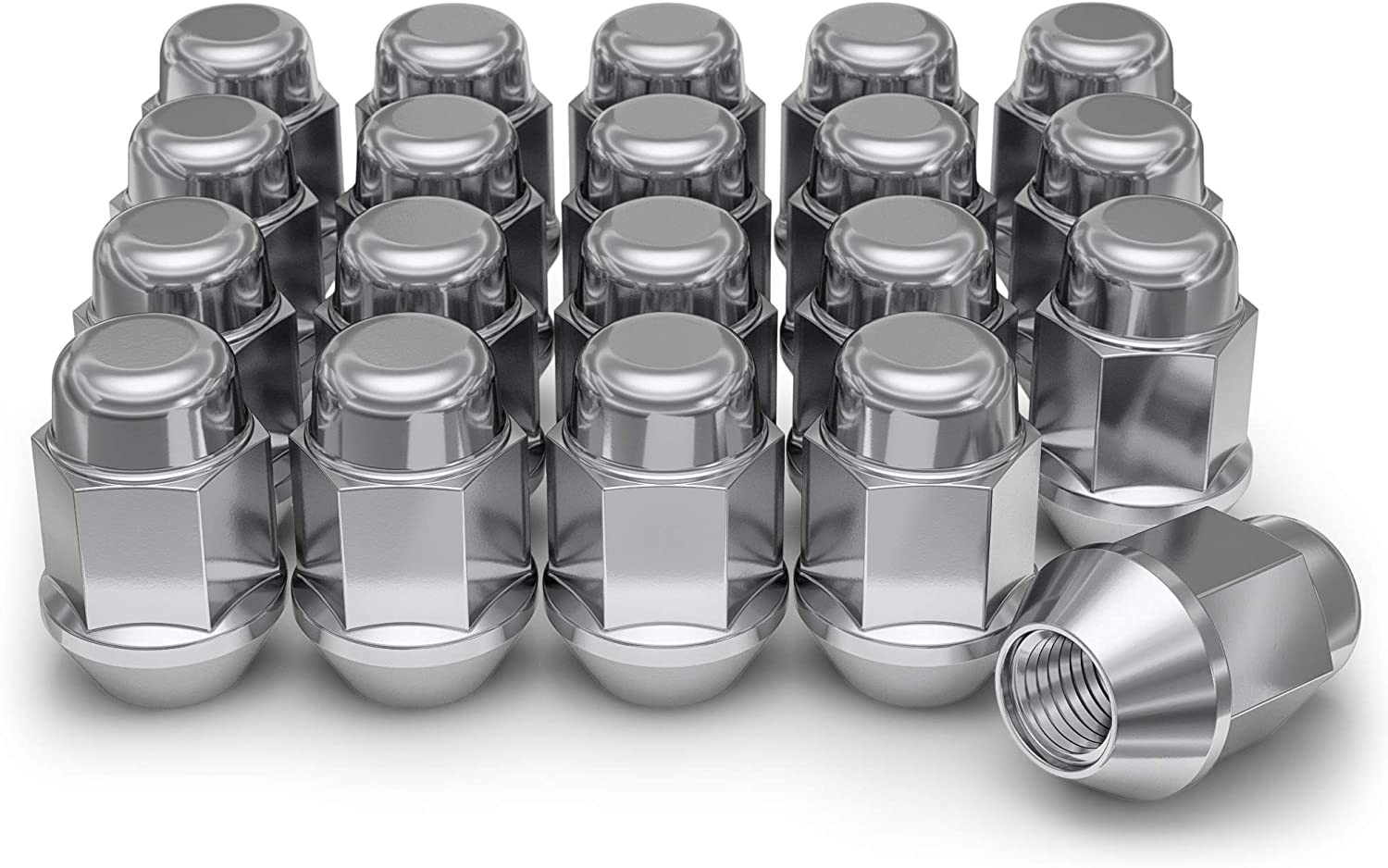
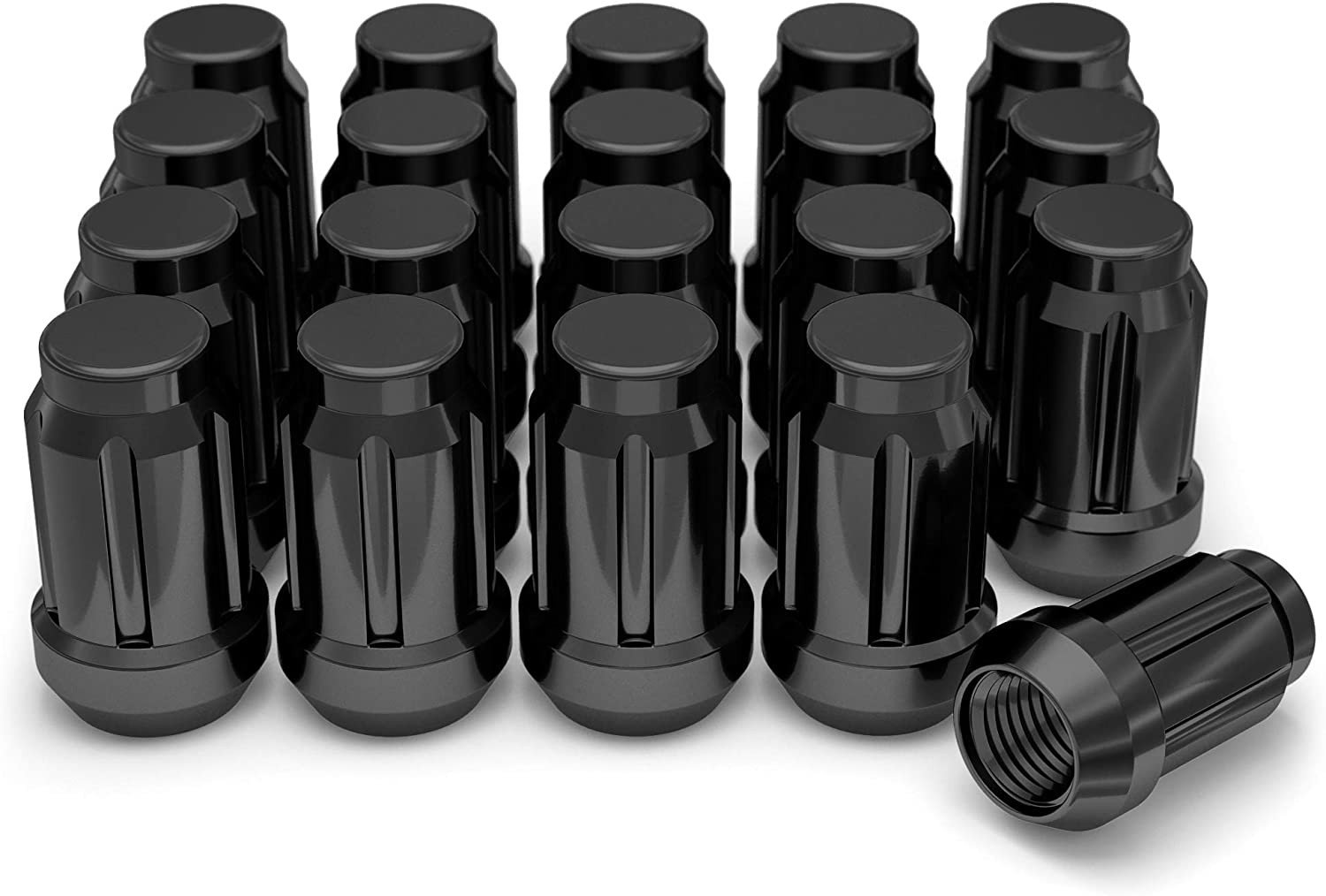
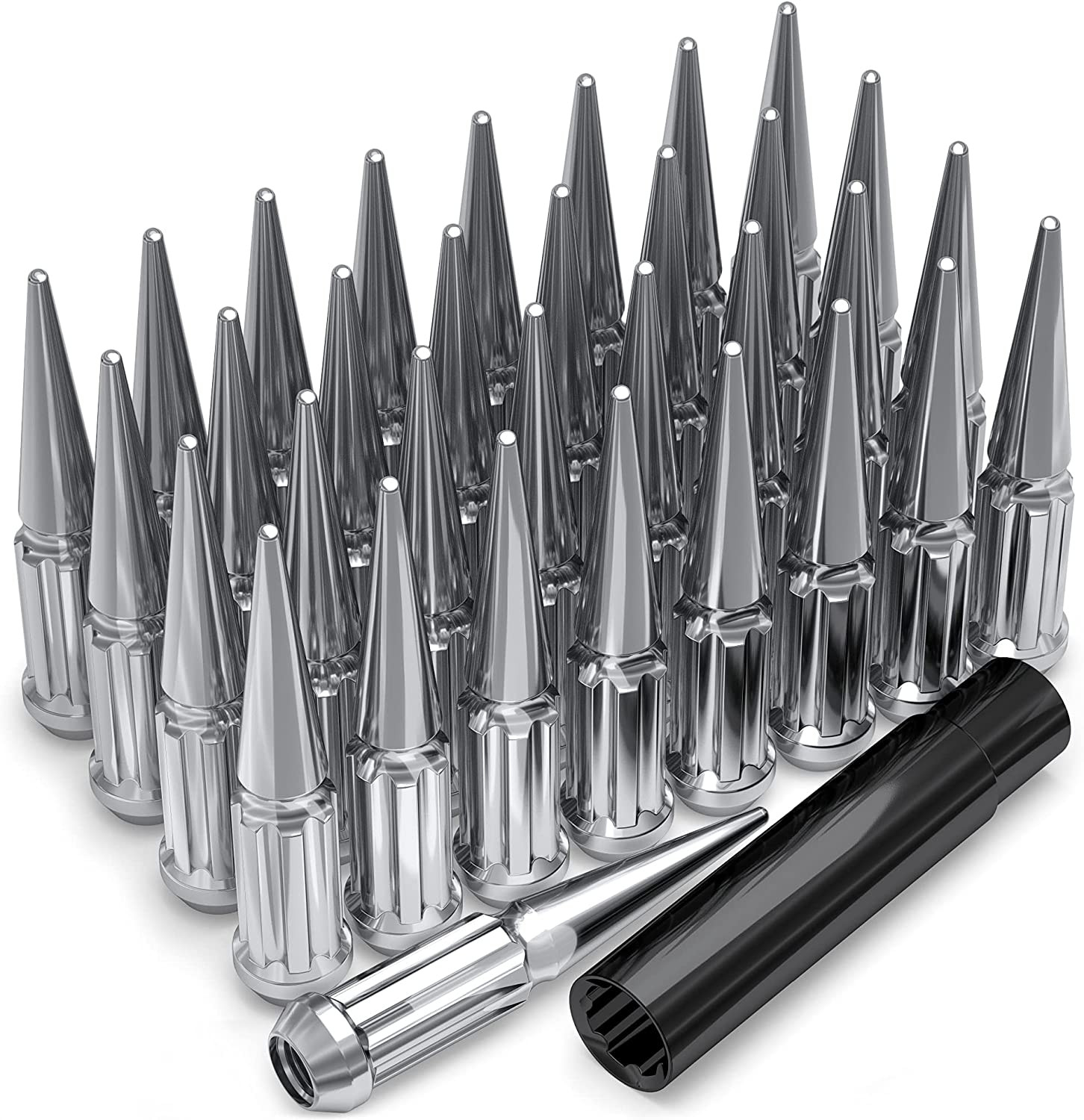
Thread-only product links are shopping examples, not verified fits. Seat style is not confirmed here. As an Amazon Associate we earn from qualifying purchases.
Explore wheels at Tire Rack
Selected size: 17 × 6.5″ · ET +45
Showing matching bolt patterns and offsets up to 20 mm lower. Confirm center bore, load rating, and clearance at Tire Rack.
We may earn a commission when you buy through these links. Prices and availability may change.
Donor vehicles with overlapping OEM specs
These are vehicle-year records whose recorded OEM ranges overlap this 2005 Acura MDX. Overlap is not a guarantee that a specific wheel will install. Selected-wheel comparison is in the calculator below.
Evaluated 77 donor years. Listed 24 eligible overlaps (not all evaluated years are compatible). Showing all listed.
Wheel geometryOEM width/offset ranges overlap (not a specific wheel)
Approximate position vs the mid OEM package: outer change -6.35 mm, inner change -6.35 mm. This uses aggregated width/offset ranges, not a specific wheel.
Check wheel configurationCheck lug hardware: donor year M14x1.5 vs 2005 Acura MDX M12x1.5
Bolt pattern5x114.3 · Same recorded PCD
Center bore64.1 mm · same recorded hub figure
Wheel geometryNeeds configuration check
Recorded vehicle-side thread for the 2005 Acura MDX is M12x1.5. This donor year is recorded as M14x1.5. That is the vehicle stud/nut thread, not an intrinsic thread stamped on the wheel. Hardware must match this vehicle’s studs and the selected wheel’s seat and engagement. Existing hardware may be reusable if it already matches. Seat style is not in this dataset, so products are not a verified fit.
Donor width/offset sits outside the known OEM envelope for this vehicle. Recorded vehicle-side thread differs (M14x1.5 on the donor year vs M12x1.5 on the target vehicle). Hardware must match the target vehicle’s studs and the selected wheel’s seat. Existing hardware may be reusable if it already matches. Seat style is not confirmed in this dataset.
Wheel geometryOEM width/offset ranges overlap (not a specific wheel)
Recorded OEM bolt pattern, center bore, and width/offset ranges overlap. This is not a guarantee that every wheel from the donor year fits this vehicle.
Wheel geometryOEM width/offset ranges overlap (not a specific wheel)
Recorded OEM bolt pattern, center bore, and width/offset ranges overlap. This is not a guarantee that every wheel from the donor year fits this vehicle.
Acura MDX Years With Compatible Wheels
Only years with evidence-based interchange relationships are listed. Adjacent years are not assumed compatible.
Compare a donor vehicle or custom wheel against this 2005 Acura MDX. Use Compare in calculator on a donor row above to fill the donor side of this same calculator.
Compare
Compare wheel compatibility between two vehicles
Wheels from (donor vehicle)
Selected Car:
Custom wheel size (optional)
Tip: change values here to simulate custom wheels and immediately see the impact in the comparison below.
Custom tire size (optional)
Installed on (your vehicle)
Selected Car:
2005 Acura MDX
Compare Rims
Specification
Wheels from
Installed on
Result (Click it)
Bolt Pattern
The total number of bolt holes and the diameter of the circle they form.
-
5x114.3
Center Bore
The hole in the center of the wheel that fits over the vehicle’s hub.
-
64.1 mm
Thread Size
The size and spacing of the threads on the bolts or nuts that hold the wheel in place.
-
M12 x 1.5
Rim Diameter
The wheel diameter in inches that determines which tire sizes will fit.
-
17"
Rim Width
The distance between the inner edges of the wheel is measured in inches.
-
6.5"
Wheel Offset
How far the wheel sits inward or outward relative to the hub mounting surface.
-
45 mm
Backspacing
Shows how much space the wheel takes up toward the inside of the vehicle.
-
-
Wheel Fasteners
The type of hardware used to secure the wheel to the vehicle.
-
-
Compare Tires
Specification
Wheels from
Installed on
Result (Click it)
Section Width
The width of the tire from sidewall to sidewall, measured in millimeters.
-
-
Aspect Ratio
The height of the tire’s sidewall expressed as a percentage of its width.
-
-
Diameter
The wheel diameter for which the tire is designed to fit.
-
-
Tire Pressure
The recommended air pressure for safe and efficient driving.
-
-
Overall Diameter
The total height of the tire and wheel combined affects clearance and speedometer accuracy.
-
-
Wheel Fitment Parts for the 2005 Acura MDX
Example products matched to recorded thread, hub, or spacer dimensions. They are not verified fits. Confirm seat style, thickness, and clearance before ordering.
As an Amazon Associate we earn from qualifying purchases. Product availability and pricing may change.
2005 Acura MDX Wheel Fitment Guide
You want clean, safe fitment on your 2005 Acura MDX without guesswork. Think of it as matching a system, not just a bolt pattern. Quick recap: use the on-page calculator to compare donor wheels and tires to your MDX, then verify clearances in the driveway.
Core specs we have for the 2005 Acura MDX
Bolt pattern
5x114.3
Center bore
64.1 mm
Thread size
M12 x 1.5
Factory tire size noted
235/65R17
Recorded OEM wheel spec
19 x 8.0, ET45, backspacing 5.77 in
Why the 17 inch tire and 19 inch wheel both show up: some databases include accessory or cross-year factory options. It varies by trim and market. Use the calculator and your owner’s manual or an OEM parts source to confirm what your MDX left the factory with.
1) Misconception
“Any 5x114.3 wheel will fit my 2005 MDX if the tire looks close.”
2) Why it seems true
The MDX shares a common Honda and Acura bolt pattern, and many aftermarket wheels list 5x114.3 compatibility. Photos of MDX models on 18 or 19 inch wheels make it feel plug and play.
3) What is true
Fitment is a package: bolt pattern, center bore, offset, width, backspacing, and overall tire diameter work together. For your 2005 Acura MDX, the fixed constraints are:
5x114.3 bolt pattern with M12 x 1.5 threads.
Hub-centric bore of 64.1 mm on the vehicle. If the wheel’s bore is larger, hub-centric rings are recommended to keep the wheel centered.
Offset and width affect inner strut clearance and outer fender clearance. More positive offset tucks the wheel inward. More negative pushes it outward. Width changes amplify this effect.
Overall tire diameter should stay close to stock to keep speedometer and ABS behavior agreeable. A common rule of thumb is to keep diameter change within about 2 to 3 percent.
The mixed data above means your MDX is commonly seen with 235/65R17 tires, yet some catalogs also show a 19 x 8 ET45 wheel spec from accessory or later-model references. If you move to a 19 inch rim, think of it as trading sidewall height for rim diameter while holding overall tire diameter nearly the same.
4) Implications
Choosing a wider wheel or lower offset can improve stance, yet it can also reduce inner or outer clearance. That affects fender rub on compression and strut or knuckle clearance at full lock.
Keeping offset close to the OE reference ET45 tends to preserve steering feel and scrub radius. Small changes are usually fine; large changes deserve a careful calculator pass and a test fit.
Switching from 17 to 18 or 19 inch rims calls for a lower-profile tire to keep the rolling diameter similar. That maintains speedometer accuracy and helps the transmission shift logic feel normal.
Wheels with a center bore larger than 64.1 mm benefit from hub-centric rings for smoothness. Match the ring’s outer diameter to the wheel bore and the inner to 64.1 mm.
Lug nuts must match your wheel’s seat type and the M12 x 1.5 thread. Conical seats are common on aftermarket wheels, but verify what the wheel maker specifies.
Load rating matters. Pick wheels and tires with load ratings suitable for an MDX. It is an SUV and needs appropriate margins.
If your MDX uses TPMS sensors, confirm sensor compatibility and torque values in OEM documentation before mounting.
5) Quick tests
Calculator baseline: set “Installed on” to 2005 Acura MDX. Enter 235/65R17 as your reference tire if that matches your door placard. Compare candidate wheel and tire sizes. Watch inner and outer clearance deltas and overall diameter change.
Offset and width mental model: each 1 mm of offset change moves the wheel centerline 1 mm. Increasing width adds half the width change to each side. Use the calculator to visualize both movements together.
Speedometer check: the calculator shows percentage difference. Keep it small to keep gearing and ABS logic happy.
Garage test fit: mount one front wheel without the tire first if possible. Spin it by hand and turn lock to lock. Measure to strut, brake lines, and fender liner. Aim for a few millimeters of clearance as a minimum, more if you see flex points.
Hub-centric check: if the wheel bore is larger than 64.1 mm, install matching hub-centric rings. The wheel should sit snug on the hub before lug nuts are tightened.
Lug and torque sanity: use M12 x 1.5 hardware that matches the wheel seat type. Torque in a star pattern with a calibrated wrench, then recheck after a short drive.
How to use the on-page calculator for the 2005 MDX
Set “Installed on (your vehicle)” to 2005 Acura MDX.
Enter your known baseline tire size from the door placard or OEM source. 235/65R17 is commonly listed, but confirm on your vehicle.
For donor wheels, enter their diameter, width, and offset. If you only know part of it, start with what you have and refine as you measure.
Adjust the “Custom tire size” so the overall diameter delta stays within a small percentage. This keeps drivability consistent.
Review inner clearance, outer poke, and speedometer change. Small negative inner clearance means likely contact. Small positive outer change is usually fine if fenders have room.
When results look good on-screen, do a physical test fit before buying a full set or mounting tires.
Safety-first notes
If you see conflicting specs across sources, prioritize your MDX’s door placard and an OEM parts catalog, then use the calculator to translate changes.
Backspacing and offset are two ways of describing the same position. The calculator handles the math, so lean on it when mixing inch and millimeter values.
If chains are used in winter, leave extra inner and outer clearance. Test with the actual chains before driving at speed.
A normal wheel spacer does not change bolt pattern. Hub rings cannot enlarge a wheel bore that is smaller than the hub. Brake clearance and tire package fitment still require vehicle-specific checks when not confirmed in the dataset.