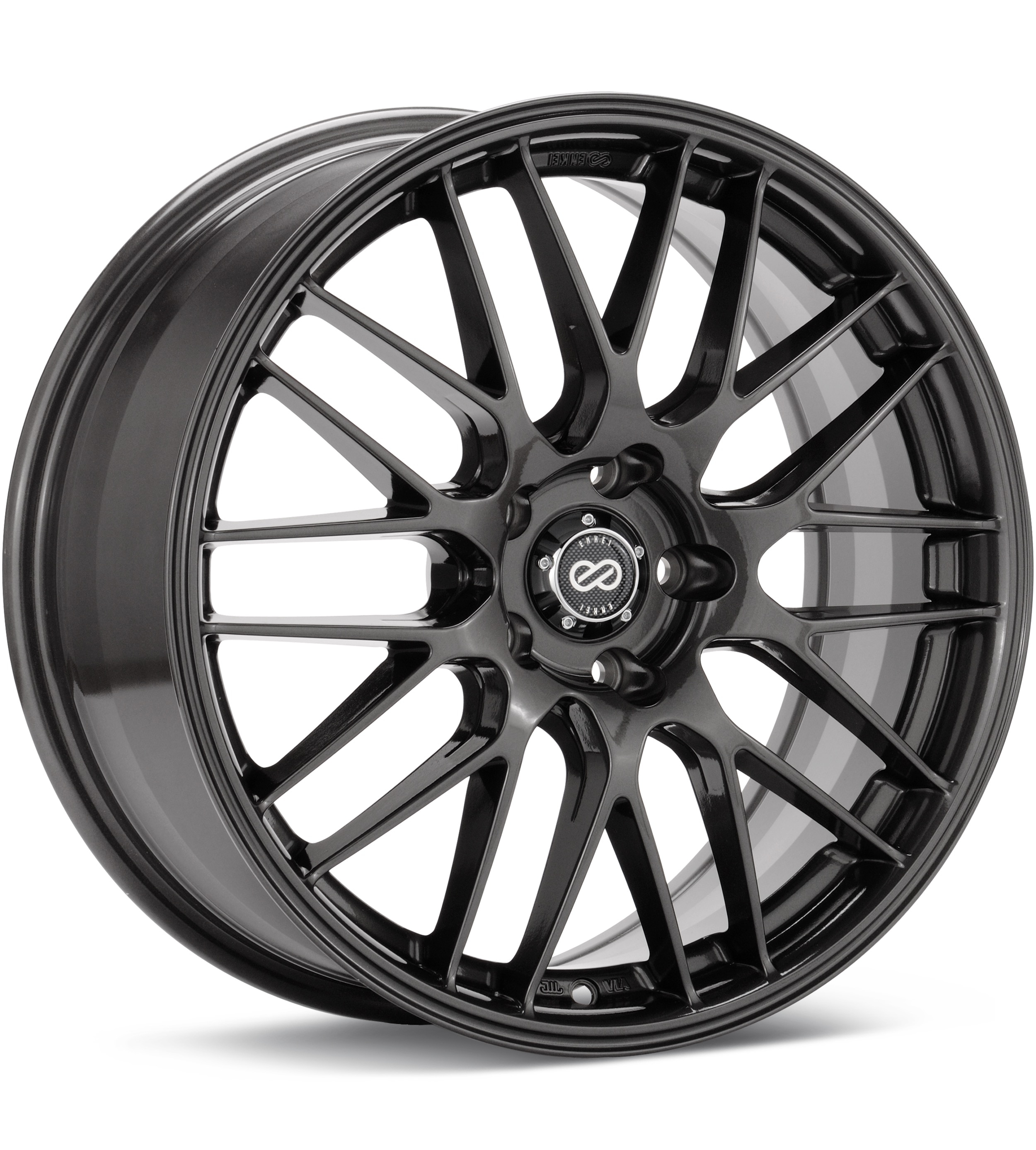
Enkei Performance
EKM3
Gunmetal
18 × 7.5″ · ET +38
$198.50
View at Tire Rack ↗Recorded OEM specifications for the 2012 Acura RDX, donor years with overlapping ranges, and a calculator to compare a selected wheel. Range overlap is not a guaranteed fit.
Save these wheel specs to your Ownery garage
Baseline mounting dimensions used for interchange decisions.
Thread-only product links are shopping examples, not verified fits. Seat style is not confirmed here. As an Amazon Associate we earn from qualifying purchases.
Selected size: 18 × 7.5″ · ET +45
Showing matching bolt patterns and offsets up to 20 mm lower. Confirm center bore, load rating, and clearance at Tire Rack.
Enkei Performance
Gunmetal
18 × 7.5″ · ET +38
$198.50
View at Tire Rack ↗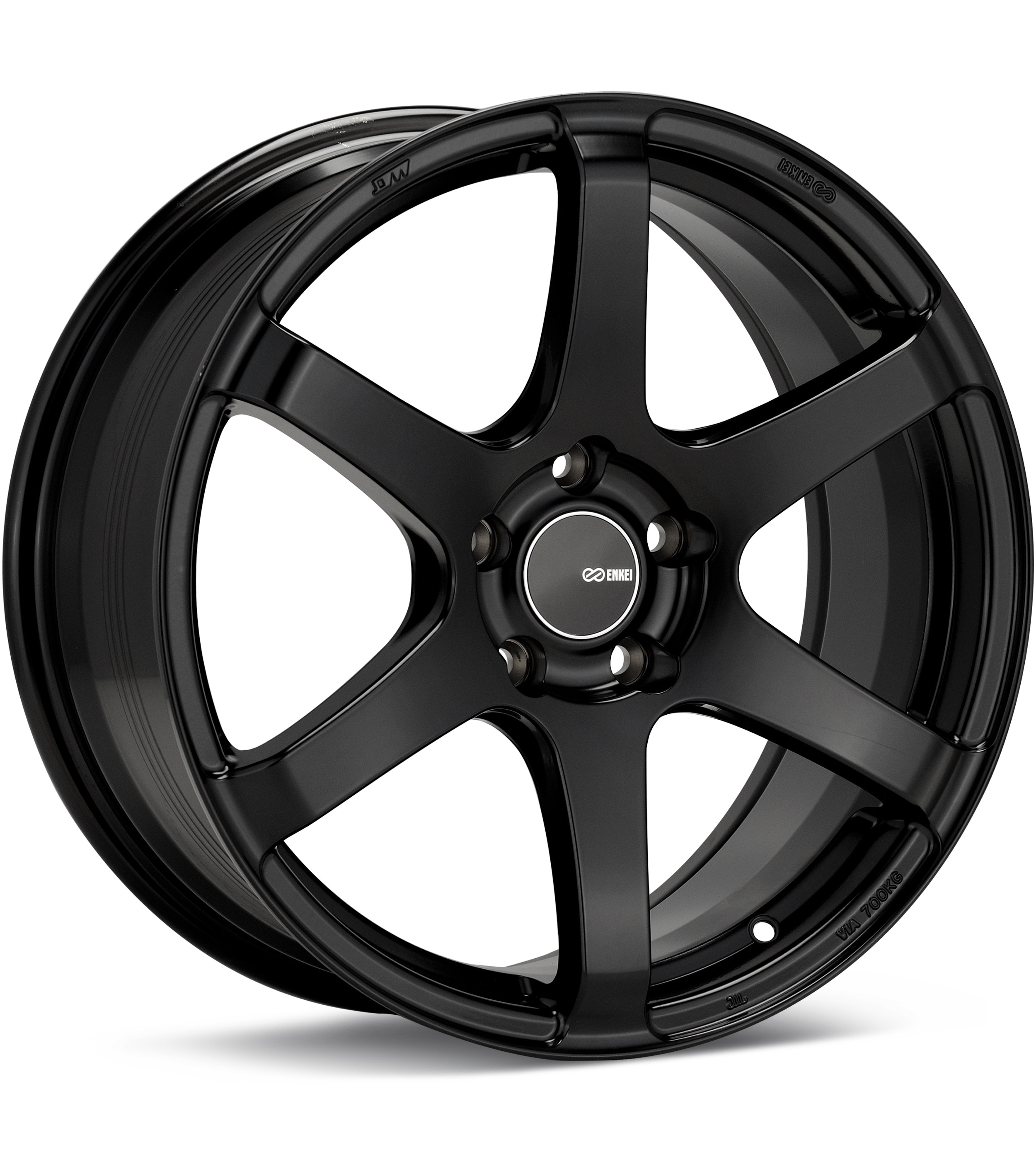
Enkei Tuning
Black
18 × 8″ · ET +45
$230.97
View at Tire Rack ↗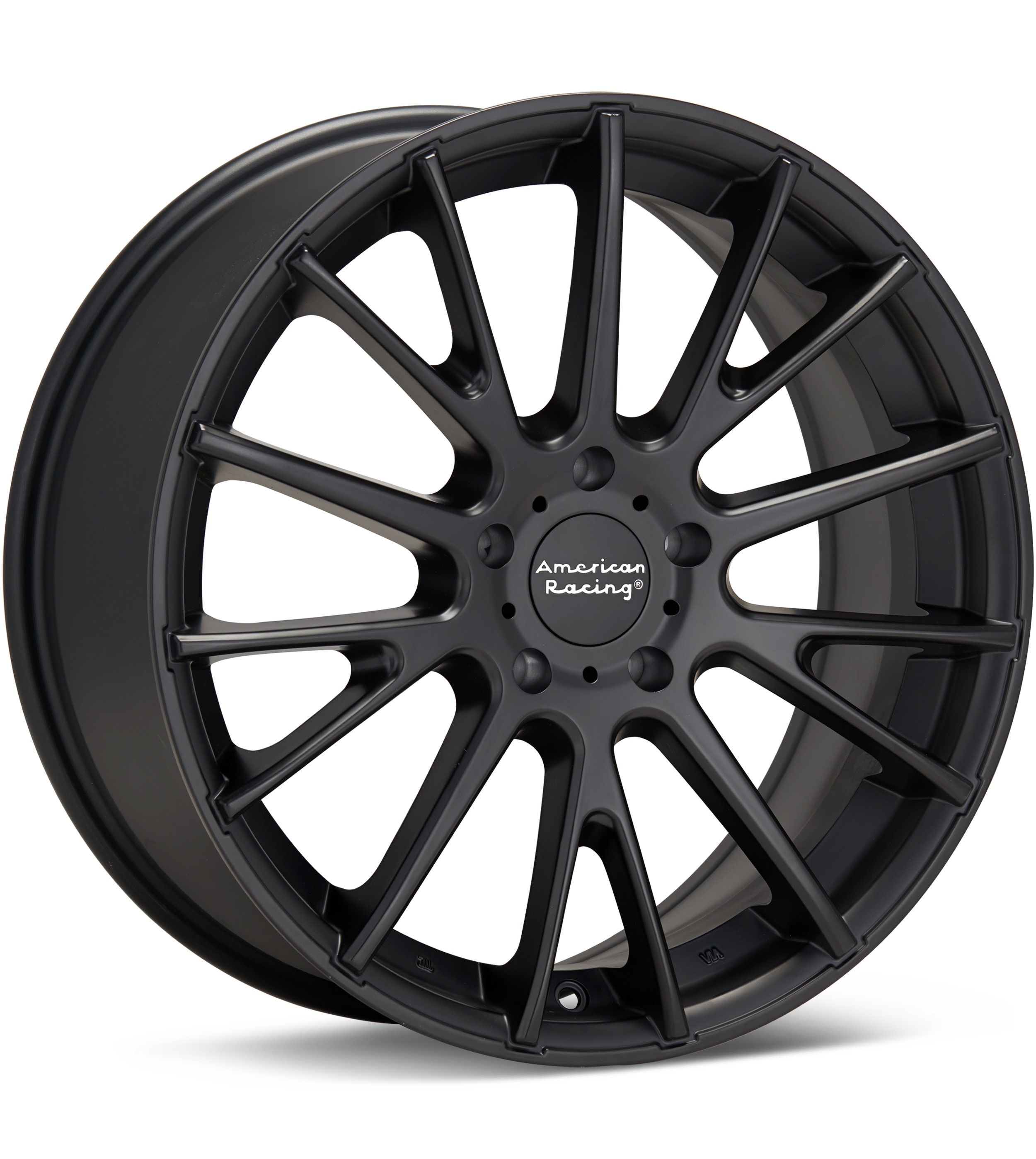
American Racing
Black
18 × 8″ · ET +45
$312.00
View at Tire Rack ↗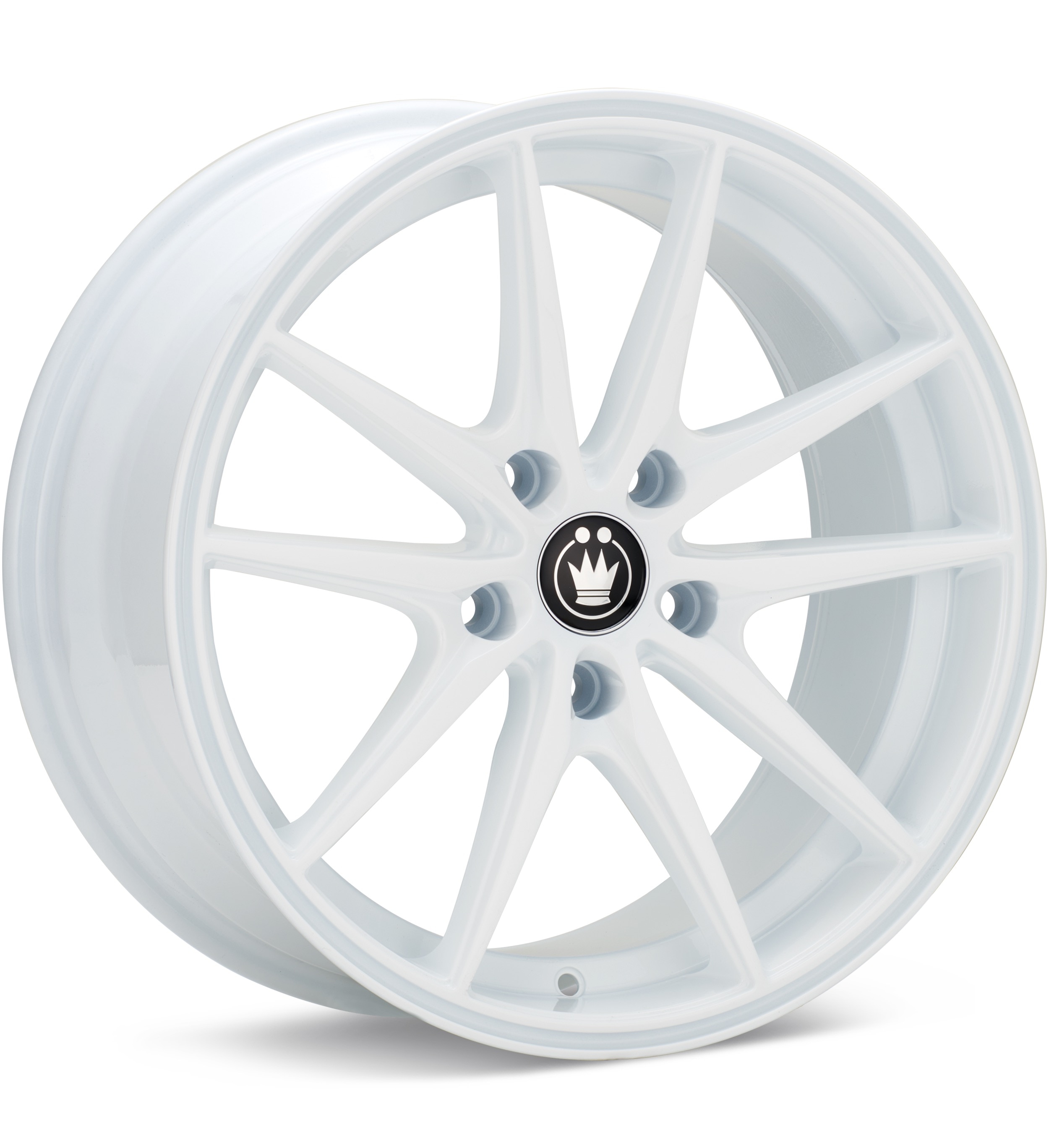
Konig
Gloss White
18 × 8″ · ET +45
$241.49
View at Tire Rack ↗We may earn a commission when you buy through these links. Prices and availability may change.
These are vehicle-year records whose recorded OEM ranges overlap this 2012 Acura RDX. Overlap is not a guarantee that a specific wheel will install. Selected-wheel comparison is in the calculator below.
Evaluated 77 donor years. Listed 24 eligible overlaps (not all evaluated years are compatible). Showing all listed.
Years grouped because recorded compatibility evidence is equivalent. Each year keeps its own page.
Approximate position vs the mid OEM package: outer change -0.67 mm, inner change -5.68 mm. This uses aggregated width/offset ranges, not a specific wheel.
Years grouped because recorded compatibility evidence is equivalent. Each year keeps its own page.
Approximate position vs the mid OEM package: outer change -0.67 mm, inner change -5.68 mm. This uses aggregated width/offset ranges, not a specific wheel.
Only years with evidence-based interchange relationships are listed. Adjacent years are not assumed compatible.
Compare a donor vehicle or custom wheel against this 2012 Acura RDX. Use Compare in calculator on a donor row above to fill the donor side of this same calculator.
Compare wheel compatibility between two vehicles
2012 Acura RDX





Example products matched to recorded thread, hub, or spacer dimensions. They are not verified fits. Confirm seat style, thickness, and clearance before ordering.
M12 x 1.5
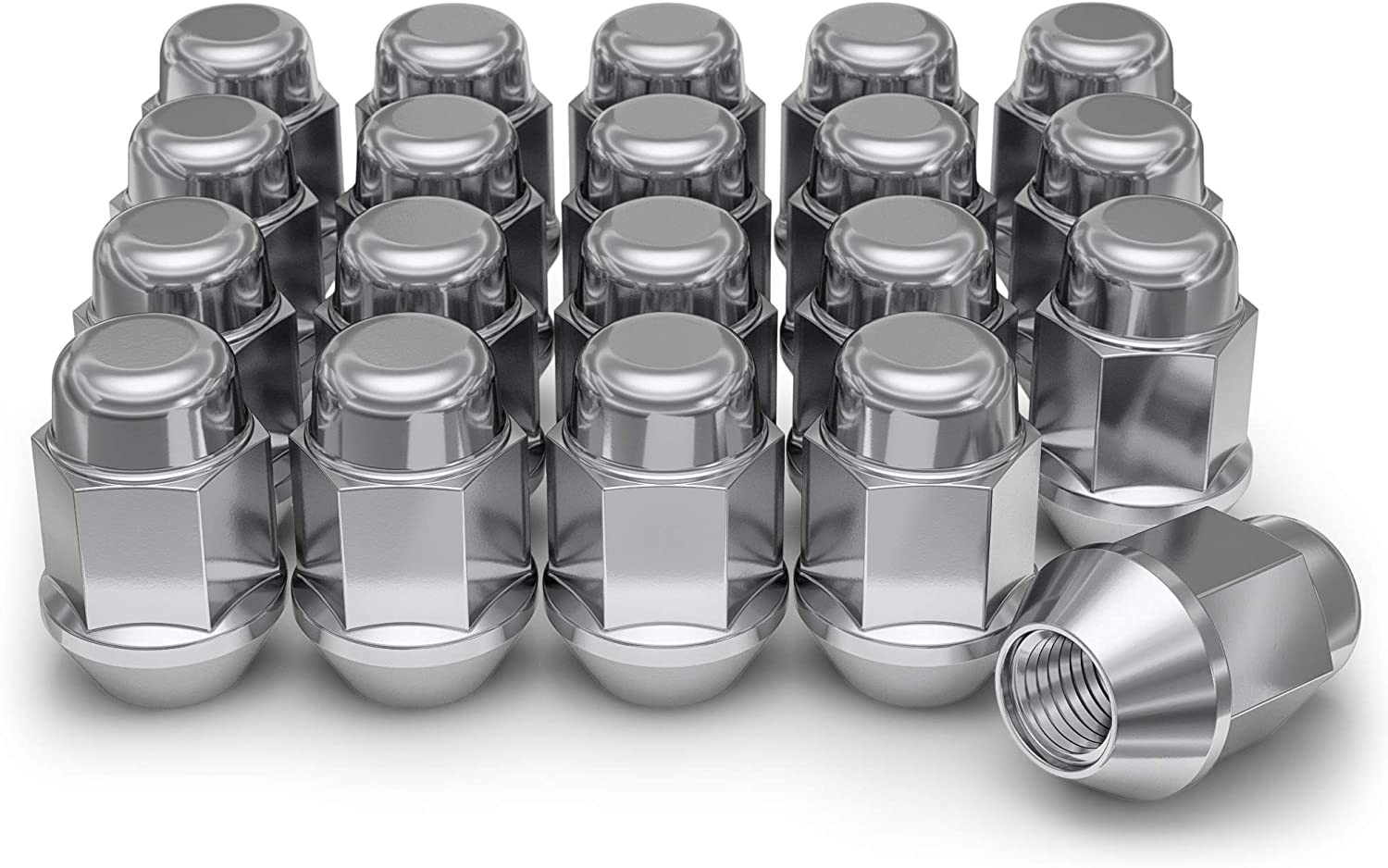
M12 x 1.5 · Thread match only; seat style is not verified
View on Amazon →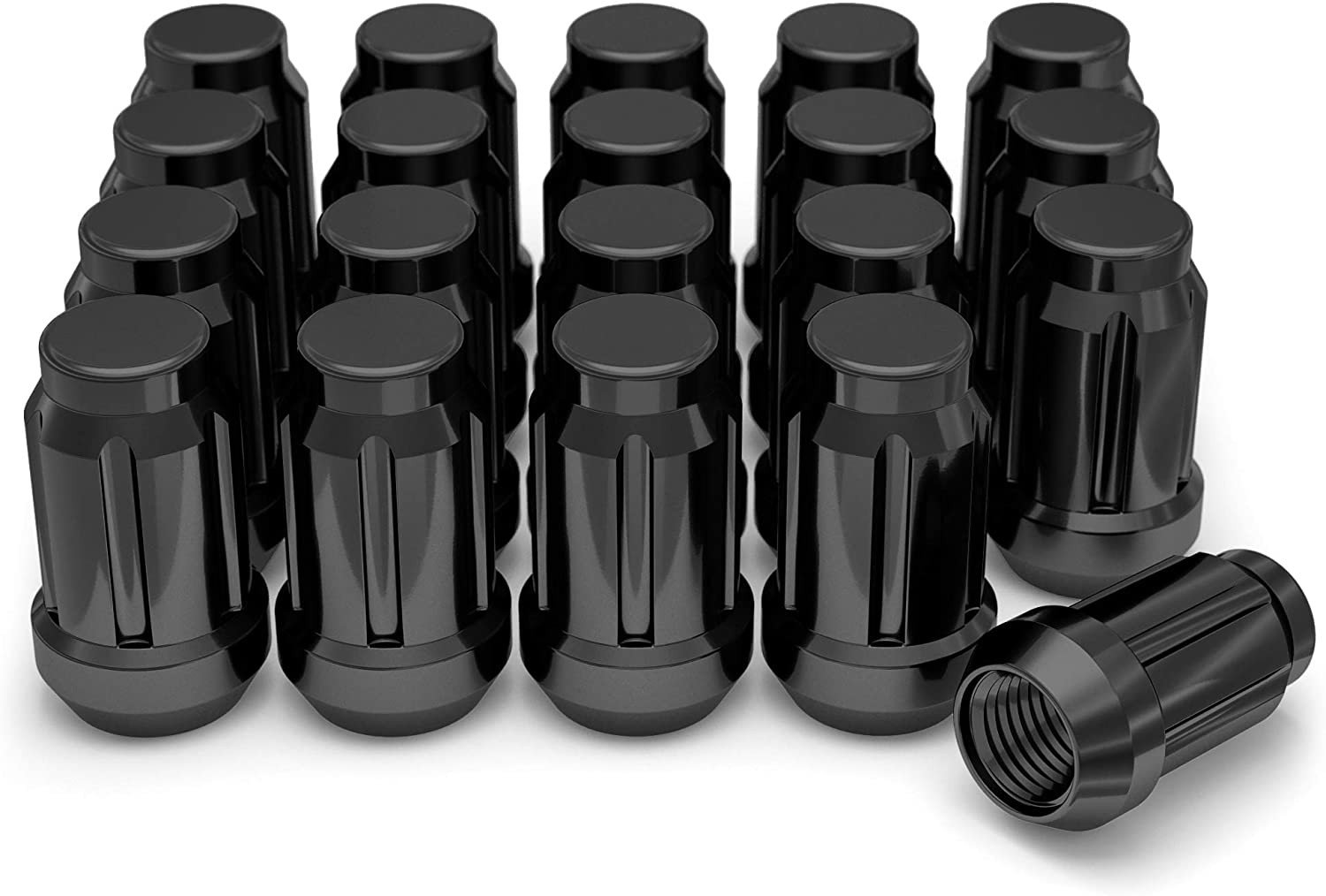
M12 x 1.5 · Thread match only; seat style is not verified
View on Amazon →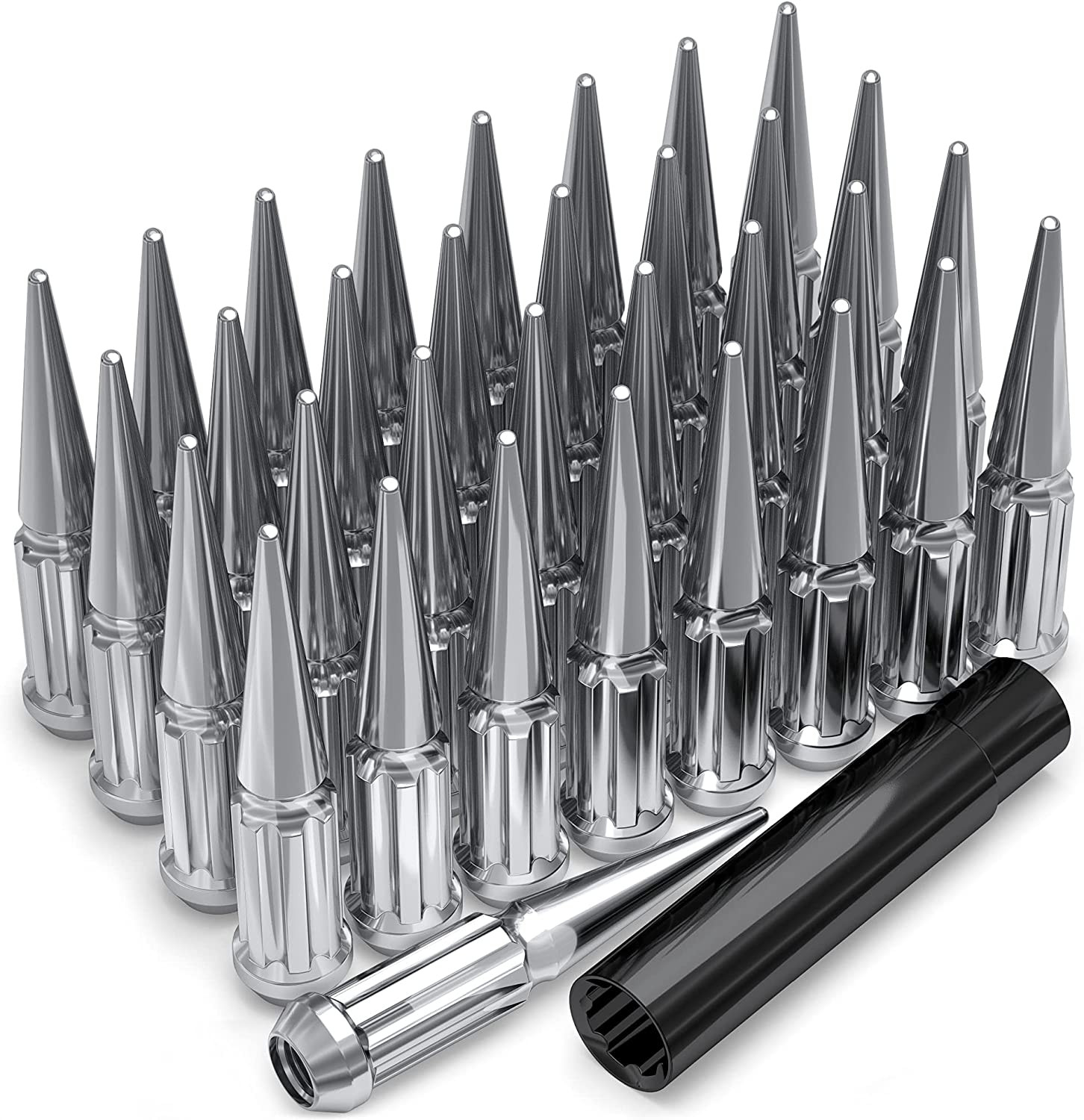
M12 x 1.5 · Thread match only; seat style is not verified
View on Amazon →As an Amazon Associate we earn from qualifying purchases. Product availability and pricing may change.
This page summarizes wheel and tire fitment for the 2012 Acura RDX. It lists the known OEM dimensions, explains what each spec means, and gives step‑by‑step advice for using the on‑page fitment calculator before you buy wheels or tires.
Do not rely on guesses for fitment. If a value varies by trim or is not shown here, use the calculator and confirm with OEM sources (VIN decode, dealer parts department, owner's manual or the vehicle placard) before installation.
If the bolt pattern does not match (e.g., wheel is not 5x114.3), the wheel will not properly mount. Do not attempt to modify studs or wheel holes. Solutions: get wheels with the correct bolt pattern or use properly engineered adapters from a reputable supplier (adapters change bolt pattern and have safety/registration implications).
If the wheel center bore is larger than 64.1 mm, use a hub‑centric ring sized to the wheel bore and vehicle hub (wheel bore → vehicle hub), ensuring it seats flush. If the wheel bore is smaller than 64.1 mm, the wheel will not fit and cannot be safely modified – choose a different wheel.
Factory thread size is M12 x 1.5. If aftermarket wheels require different nuts/studs, do not mix mismatched threads. Replace studs or use correctly specified lug nuts for the wheel and stud combination. If you are unsure, contact the wheel manufacturer or your dealer.
A lower ET (more negative/less positive) moves the wheel outward, increasing track and potential rubbing on fenders. A higher ET moves the wheel inward and may contact suspension components. Use the calculator to see the change in offset (mm) and check inner/outer clearance. Small changes (<10 mm) are often manageable; larger changes require mockup or rolling/fender modification and should be evaluated by a pro.
| Spec | Value |
|---|---|
| Bolt pattern (studs x PCD) | 5x114.3 |
| Center bore (mm) | 64.1 |
| Thread size | M12 x 1.5 |
| Rim diameter | 18" |
| Rim width | 7.5" |
| Wheel offset (ET) | 45 mm |
| Backspacing | 5.52" |
| OEM tire | 235/55R18 |
Tools and parts (examples): lug nut socket set and a hub centric ring for 64.1 mm hubs can help at install – example search for parts: M12 x 1.5 lug nuts (search).
A: OEM is 18". You can fit larger-diameter wheels, but overall tire diameter, rolling circumference, speedometer error, and clearance must be checked. Use the on‑page calculator to compare diameters and check for rubbing. Also confirm brake clearance and that offset remains acceptable. If OEM torque or exact trim variations are required, confirm with dealer or owner's manual.
A: Count studs and measure the PCD (5x114.3 for this Acura RDX). Measure wheel center bore with calipers or check wheel stamping. If unsure, use the calculator and verify with the wheel manufacturer or a wheel shop.
A: Use hub‑centric rings when the wheel center bore is larger than the vehicle hub (wheel is not hub‑centric). If the wheel bore equals 64.1 mm, rings are not needed. Rings should match wheel bore → hub size precisely.
A: The thread size is M12 x 1.5. Seat type (conical/taper, ball/mag) depends on wheel design. Confirm wheel seat type and use the correct lug nuts – wrong seat type can damage wheel and loose fitment.
A: Torque specs are not provided here. Check the 2012 Acura RDX owner's manual, the dealer service information, or a trusted repair manual. Do not guess torque values – under‑ or over‑torquing is unsafe.
This page provides general fitment guidance only. Wheel fitment can vary by trim and aftermarket wheel tolerances. You MUST confirm final fitment, torque specifications and compatibility with OEM sources (owner's manual, dealer, VIN decode) and the wheel manufacturer. Improper fitment or installation can cause loss of vehicle control, wheel separation, or injury. If in doubt, have a professional technician perform the inspection and installation.
Wheel interchange depends on more than bolt pattern. Where data is available, this site compares recorded OEM values:
A normal wheel spacer does not change bolt pattern. Hub rings cannot enlarge a wheel bore that is smaller than the hub. Brake clearance and tire package fitment still require vehicle-specific checks when not confirmed in the dataset.
