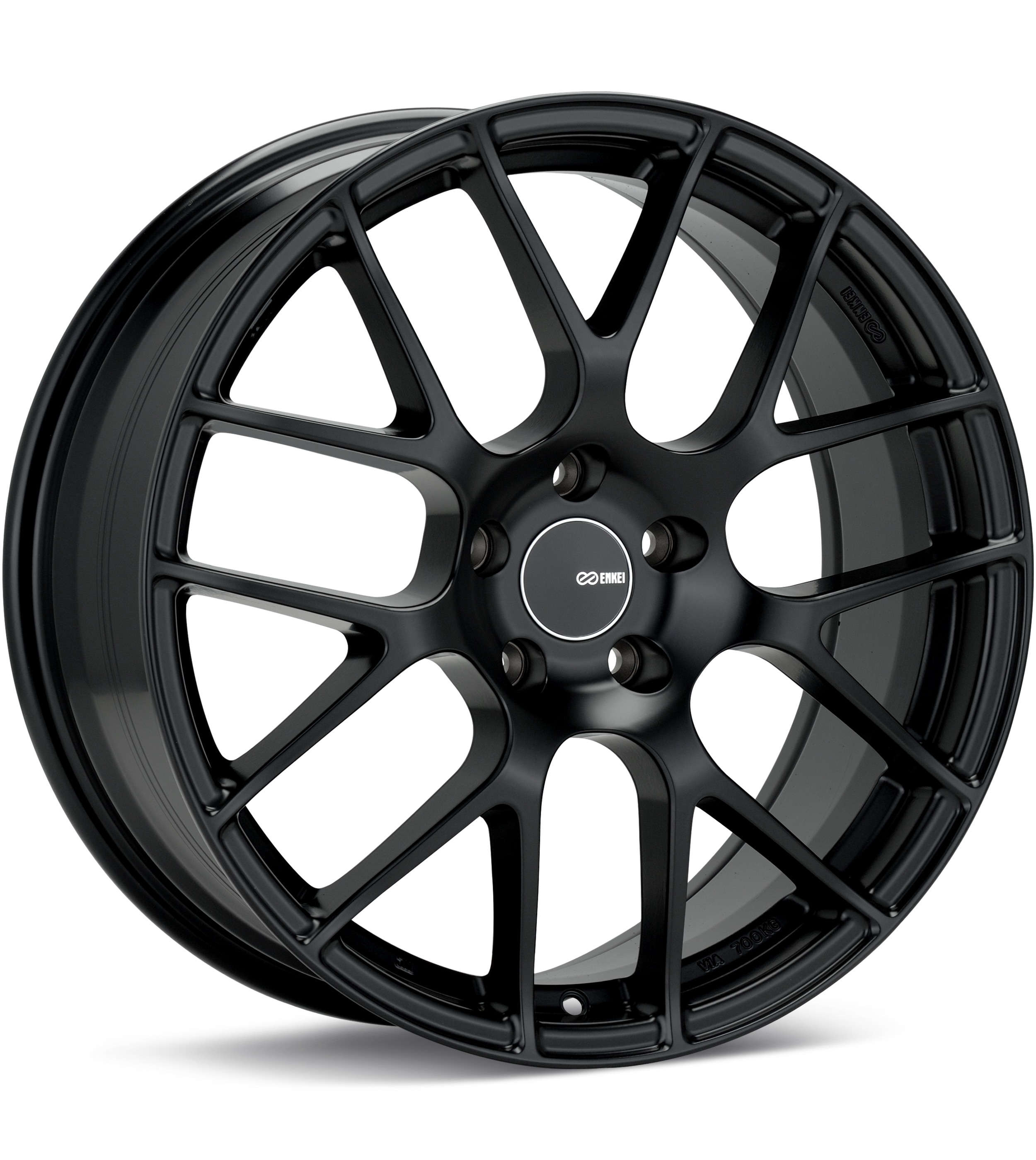
Enkei Tuning
Raijin-19
Black
19 × 8″ · ET +40
$275.23
View at Tire Rack ↗Recorded OEM specifications for the 2022 Acura RDX, donor years with overlapping ranges, and a calculator to compare a selected wheel. Range overlap is not a guaranteed fit.
Save these wheel specs to your Ownery garage
Baseline mounting dimensions used for interchange decisions.
Multiple OEM configurations exist for this vehicle. Fitment can vary by trim, brakes, and factory wheel package – confirm your exact setup before buying.
Thread-only product links are shopping examples, not verified fits. Seat style is not confirmed here. As an Amazon Associate we earn from qualifying purchases.
Selected size: 19 × 8″ · ET +50
Showing matching bolt patterns and offsets up to 20 mm lower. Confirm center bore, load rating, and clearance at Tire Rack.
Enkei Tuning
Black
19 × 8″ · ET +40
$275.23
View at Tire Rack ↗
Enkei Performance
Gunmetal
19 × 8″ · ET +35
$252.72
View at Tire Rack ↗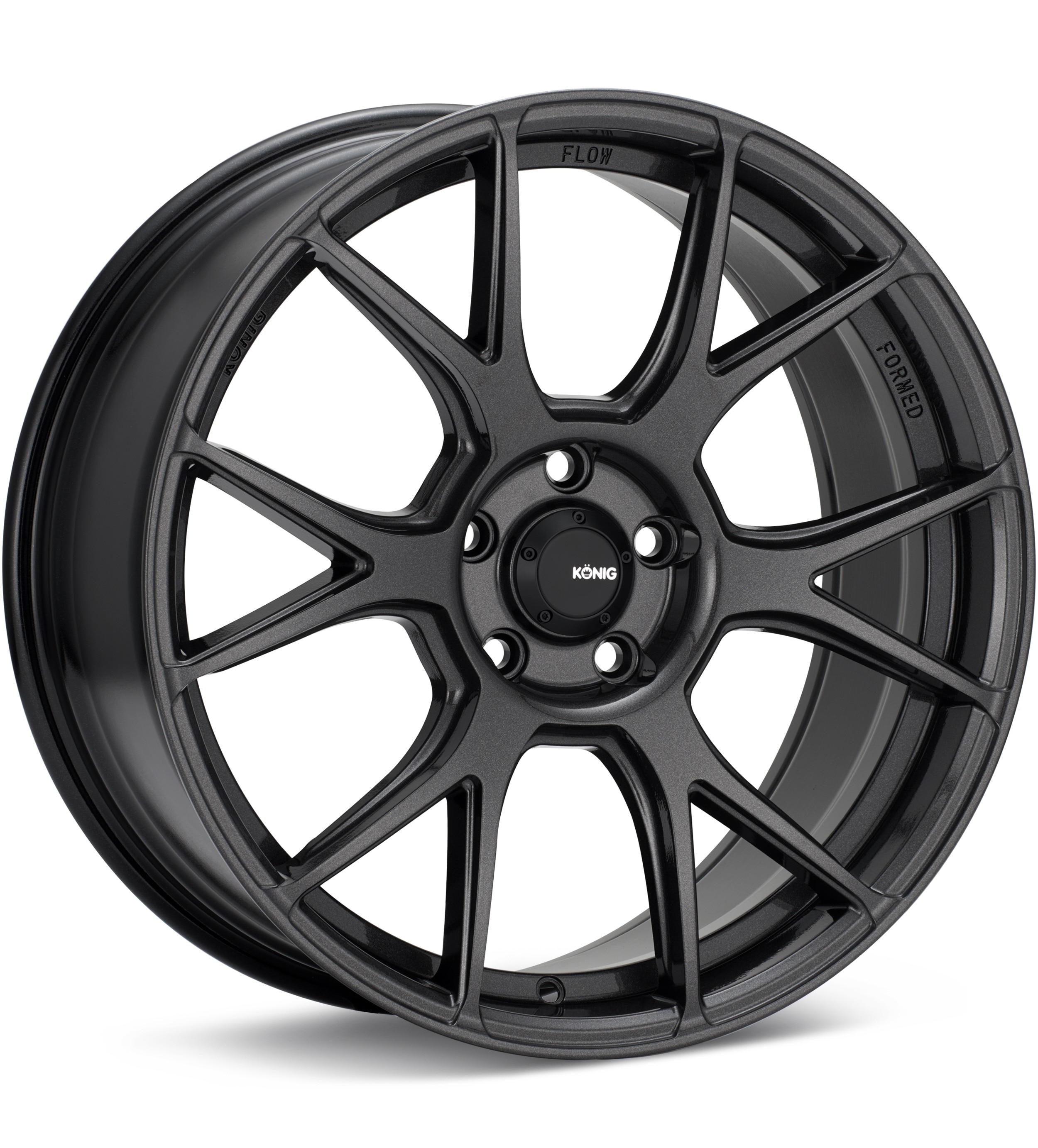
Konig
Dark Graphite
19 × 8.5″ · ET +45
$396.68
View at Tire Rack ↗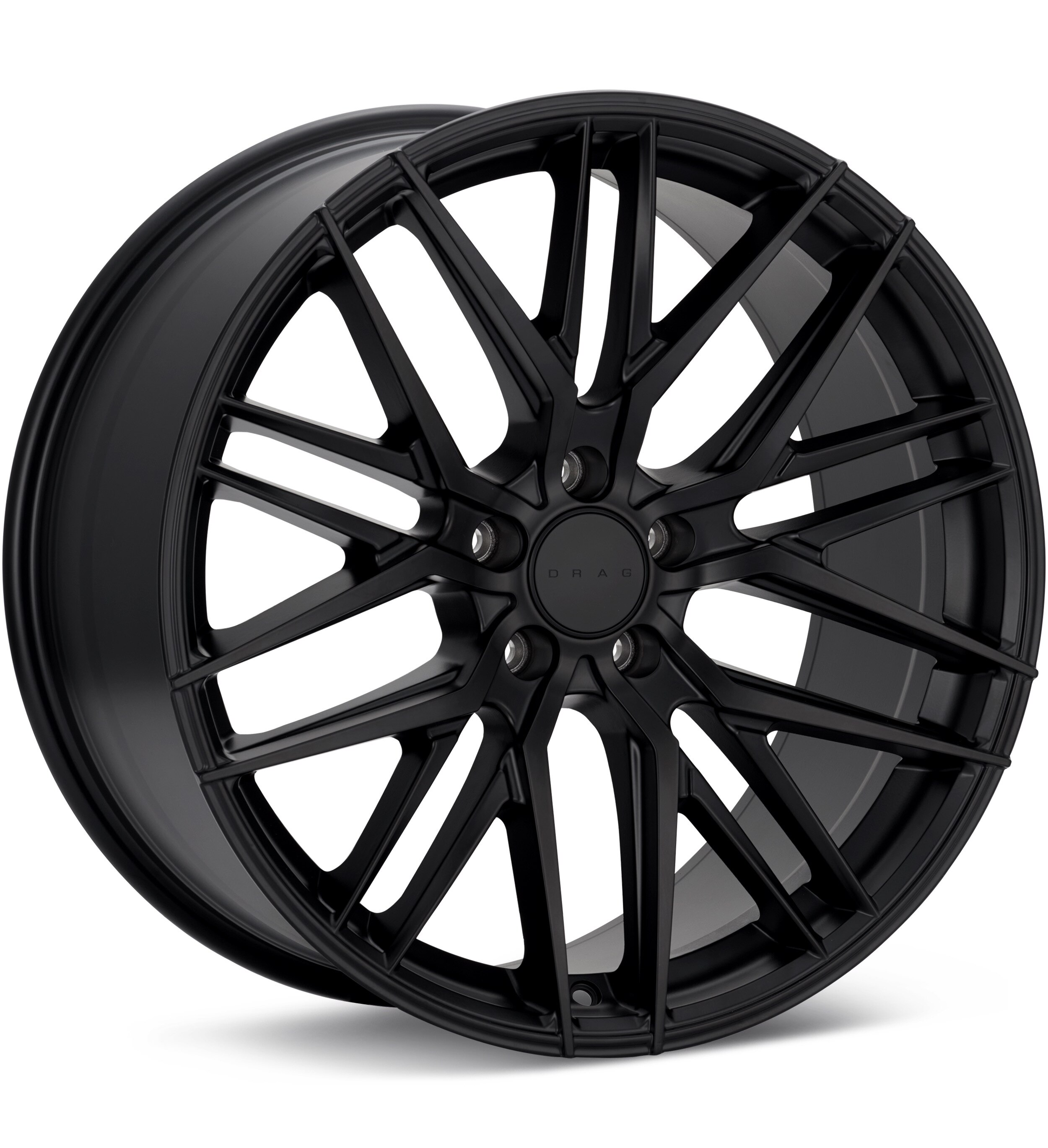
Drag
Black
19 × 8.5″ · ET +40
$248.00
View at Tire Rack ↗We may earn a commission when you buy through these links. Prices and availability may change.
These are vehicle-year records whose recorded OEM ranges overlap this 2022 Acura RDX. Overlap is not a guarantee that a specific wheel will install. Selected-wheel comparison is in the calculator below.
Evaluated 77 donor years. Listed 24 eligible overlaps (not all evaluated years are compatible). Showing all listed.
Years grouped because recorded compatibility evidence is equivalent. Each year keeps its own page.
Recorded OEM bolt pattern, center bore, and width/offset ranges overlap. This is not a guarantee that every wheel from the donor year fits this vehicle.
Years grouped because recorded compatibility evidence is equivalent. Each year keeps its own page.
Width/offset ranges overlap; confirm diameter and brake clearance for your trim.
Only years with evidence-based interchange relationships are listed. Adjacent years are not assumed compatible.
Compare a donor vehicle or custom wheel against this 2022 Acura RDX. Use Compare in calculator on a donor row above to fill the donor side of this same calculator.
Compare wheel compatibility between two vehicles
2022 Acura RDX





Example products matched to recorded thread, hub, or spacer dimensions. They are not verified fits. Confirm seat style, thickness, and clearance before ordering.
M12 x 1.5
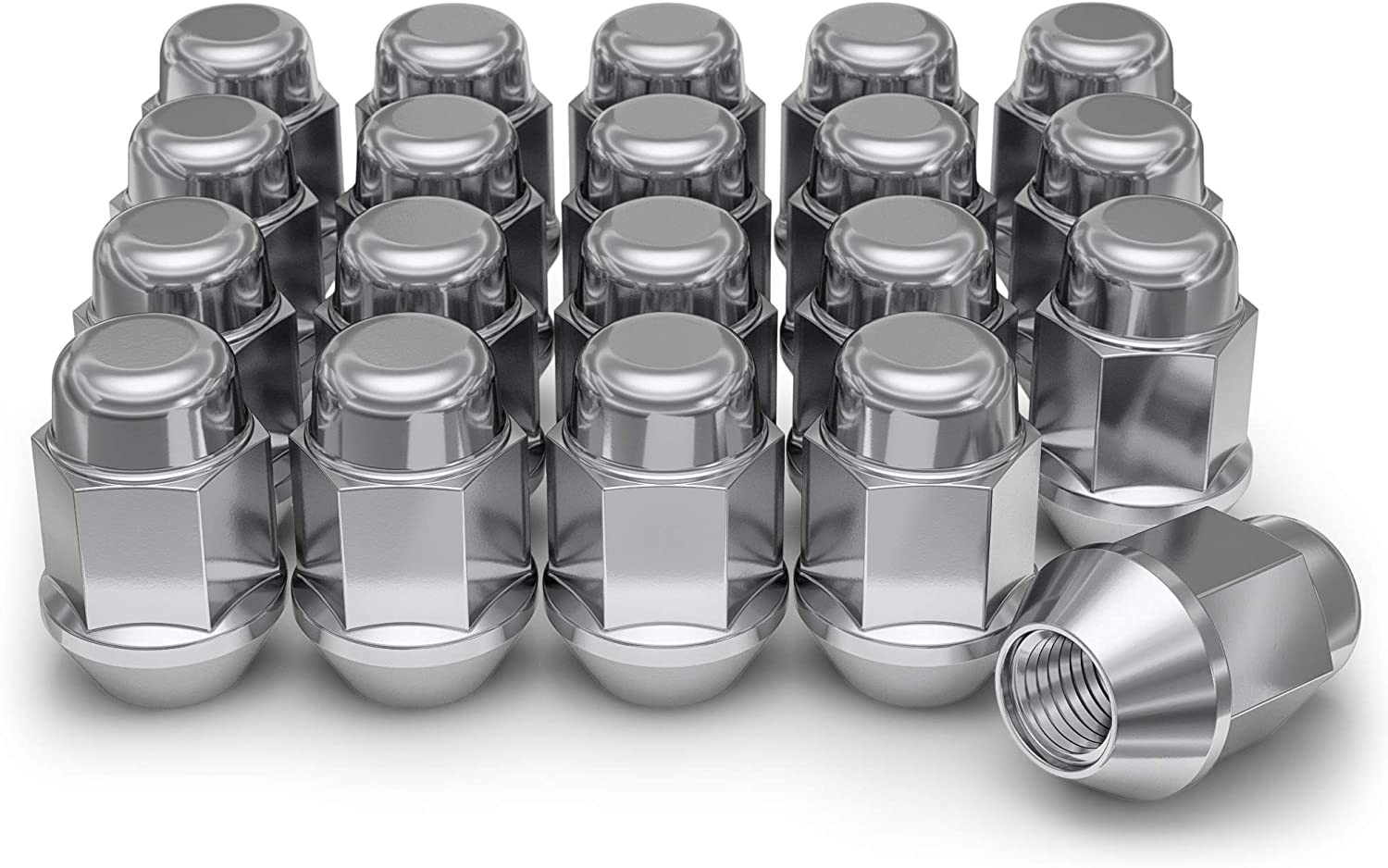
M12 x 1.5 · Thread match only; seat style is not verified
View on Amazon →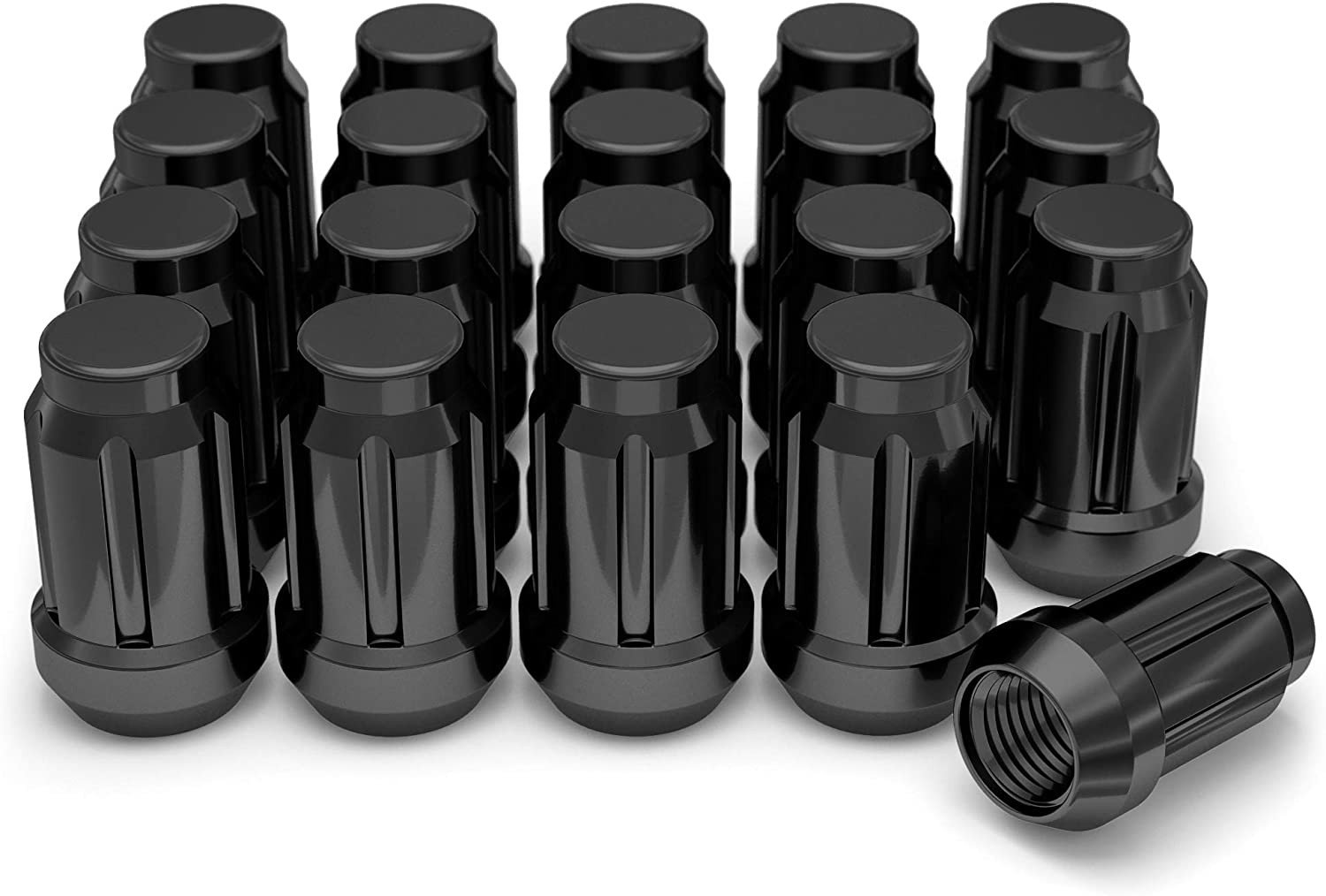
M12 x 1.5 · Thread match only; seat style is not verified
View on Amazon →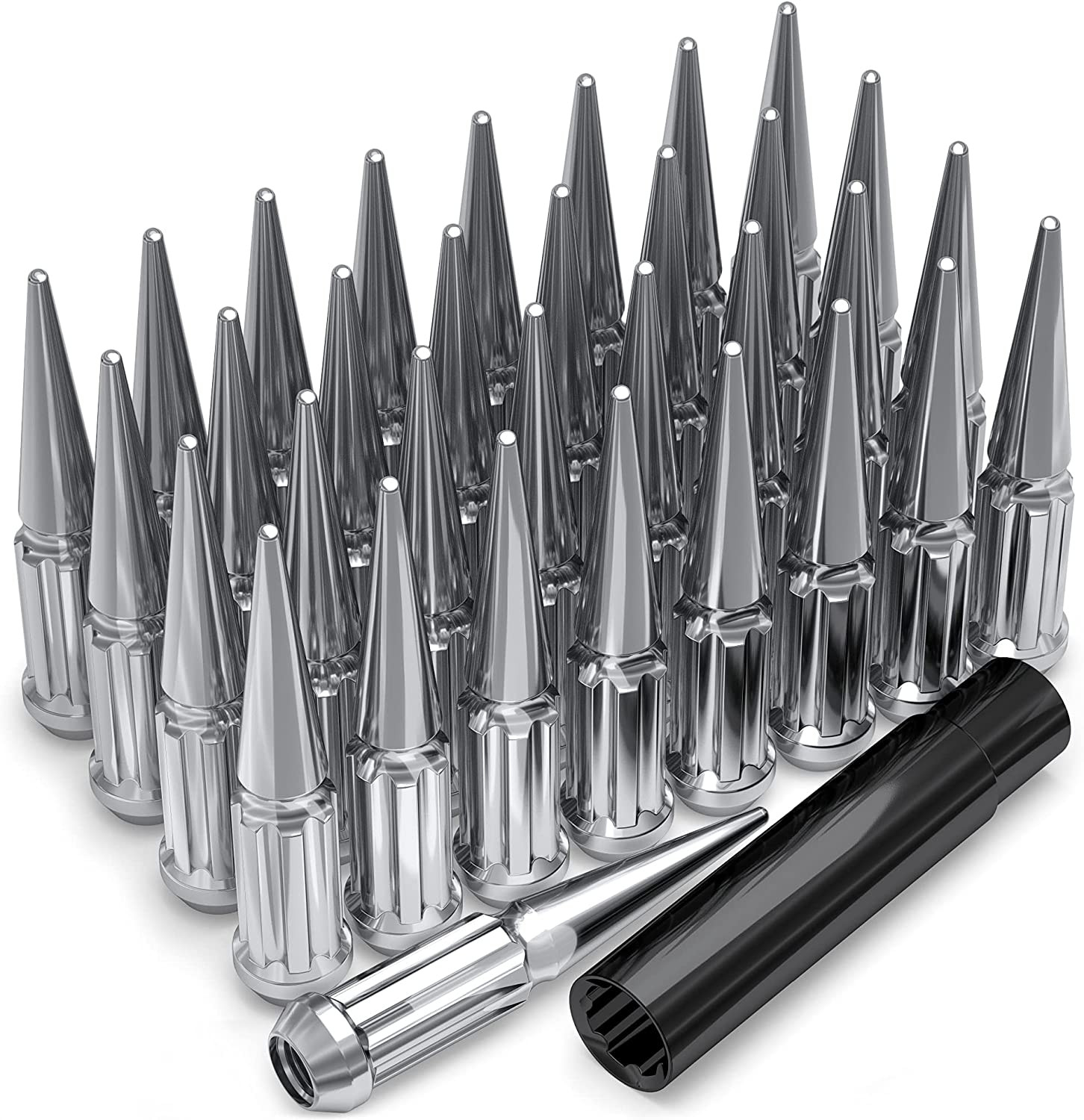
M12 x 1.5 · Thread match only; seat style is not verified
View on Amazon →As an Amazon Associate we earn from qualifying purchases. Product availability and pricing may change.
Problem: wheel fitment questions create uncertainty before you buy or install new wheels. Mismatched bolt patterns, center bores, thread sizes, or offsets can leave you stranded or damage suspension components.
Solution: this page gives practical, step-by-step guidance for the 2022 Acura RDX. It summarizes OEM specs, explains what each value means, and shows how to use the on-page calculator to validate fitment before you install.
Help you confirm safe wheel and tire fitment for a 2022 Acura RDX. Provide actionable checks, troubleshooting steps, and emergency advice. Emphasis is on safety, correct specs, and using the calculator for validation.
Assumption: you have the vehicle VIN or trim information available if you need to confirm optional-fitment variations. Recommended tools: torque wrench, hub-centric rings, jack and stands, and a tire pressure gauge.
Vehicle: 2022 Acura RDX (use VIN to confirm any trim-specific variants).
On-page calculator: available on this page – use it to compare donor wheels versus your vehicle.
Tools: lug wrench or torque wrench, jack, stands, pry bar, caliper or ruler for measuring offset/backspacing if needed.
Bolt pattern: 5x114.3 (5 studs at 114.3 mm PCD).
Center bore: 64.1 mm. Larger bores can use hub rings; smaller bores will not fit.
Thread size: M12 x 1.5. Match lug nuts to this thread pitch and length.
Factory wheel: 19x8.0 inch, offset (ET) 50 mm, backspacing 5.97 in.
Factory tire: 235/55R19 (section width 235 mm, aspect ratio 55%).
Use the on-page calculator to test custom wheel and tire combinations before buying.
If any value varies by trim, confirm with VIN or OEM dealer before purchase.
Problem: you need to know whether a donor wheel or a custom wheel will fit your RDX without rubbing or safety issues.
1) Select "Installed on (your vehicle)" and confirm the page shows 2022 Acura RDX.
2) Choose the donor wheel or enter custom wheel size: rim diameter, rim width, and offset (ET).
3) Enter or adjust tire size: section width and aspect ratio. Note that changing rim diameter updates tire diameter automatically.
4) Compare listed bolt pattern, center bore, and thread size between donor and RDX. The calculator highlights mismatches.
5) Review clearance indicators for wheel-to-caliper and fender; look for recommended maximum offset change.
6) If the center bore is larger, add hub-centric ring thickness in the calculator to validate centering and load transfer.
7) Save or print the comparison for parts ordering and installer reference. For any unknown OEM option, verify with VIN and dealer parts department.
Bolt pattern (5x114.3): number of studs and pitch circle diameter. Must match or use proper adapter.
Center bore (64.1 mm): diameter hole at wheel center that centers on the hub. If larger, use hub rings; if smaller, wheel will not mount.
Thread size (M12 x 1.5): stud thread diameter and pitch. Lug nuts must match this specification.
Rim diameter and width (19x8.0): size of the wheel. Tire sizes are matched to this diameter and width range.
Offset (ET 50 mm): distance from wheel mounting face to wheel centerline. Affects track width and clearance.
Backspacing (5.97 in): distance from mounting face to inner wheel edge. Useful for measuring inner clearance limits.
Tire size (235/55R19): section width, aspect ratio, and rim diameter. Controls overall diameter and speedometer calibration.
| Specification | Value |
|---|---|
| Bolt pattern (studs x PCD) | 5x114.3 |
| Center bore (mm) | 64.1 |
| Thread size | M12 x 1.5 |
| Rim diameter (in) | 19 |
| Rim width (in) | 8.0 |
| Wheel offset (ET, mm) | 50 |
| Backspacing (in) | 5.97 |
| Tire section width (mm) | 235 |
| Tire aspect ratio (%) | 55 |
| Tire rim diameter (R) | 19 |
Note: If a value varies by trim or optional equipment, confirm with VIN and OEM parts catalog. Use the on-page calculator for variation checks.
Problem: you need to be sure a candidate wheel will mount safely and clear suspension parts.
Validate bolt pattern and thread size first. They are binary fit checks for studs and lug nuts.
Validate center bore: wheel bore must be equal or larger than 64.1 mm. If larger, use a hub-centric ring sized to close the gap.
Validate offset/backspacing with the calculator. Small changes are acceptable; large shifts can cause rubbing or altered handling.
Validate tire diameter. A change over +/- 3% can affect speedometer, ABS, and ground clearance.
Document the comparison report from the on-page calculator before purchase or installation.
Problem: donor wheel bolt pattern differs from 5x114.3. Fix: do not force wheels. Use proper adapter or select wheels with the correct pattern. Adapters are a trade-off: they add length to studs and can change load paths. If using adapters, choose hub-centric, high-quality adapters rated for your vehicle load and torque to OEM specs.
Problem: wheel center bore larger than 64.1 mm causes off-centering. Fix: install hub-centric rings sized to the wheel bore and 64.1 mm hub. Validation: check that rings seat fully and eliminate radial runout.
Problem: wheel bore smaller than 64.1 mm will not fit. Fix: the wheel must be machined or rejected. Machining changes are permanent and should be done by a machine shop that confirms concentricity.
Problem: lug nuts do not thread onto studs. Fix: stop and confirm thread pitch and diameter. Do not mix lug nut types. If using aftermarket wheels, confirm seat type (conical, ball) and choose matching lug nuts. Using incorrect nuts risks stripping studs.
Problem: changed offset causing rubbing or poor handling. Fix: measure clearance at full lock and suspension compression. If rubbing occurs, options include reducing tire width, selecting a different offset, or trimming fender liners. Larger offset changes may require rolled fenders or suspension adjustments. Use the calculator to predict clearance before changes.
Buying wheels with only rim diameter listed and assuming bolt pattern and center bore will match.
Using lug nuts with the wrong thread pitch or seat type without checking OEM specifications.
Ignoring backspacing and assuming offset alone tells the whole story. They are related but different measures.
Not using hub-centric rings when wheel bore is larger, which can produce vibration at highway speeds.
Using adapters without confirming stud length, torque specs, and load ratings.
If you must change a wheel roadside, use the jack points in the owner’s manual. Secure vehicle on level ground before lifting.
Tighten lug nuts in a star pattern while vehicle is still raised, then torque to recommended spec after lowering. If torque spec is unknown, consult OEM sources or dealer.
Use the compact spare only for short distances and reduced speeds. Confirm spare size and speed limit printed on the spare or in the manual.
If a wheel exhibits vibration after installation, stop driving and re-check hub centering, lug torque, and possible damage to studs or wheel.
A: Possibly, if they match 5x114.3 bolt pattern, 64.1 mm center bore, M12 x 1.5 threads, and acceptable offset. Use the calculator to compare exact dimensions. Confirm with VIN and parts catalogs for trim-specific notes.
A: Small offset changes are often acceptable but come with trade-offs: track width changes and potential rubbing. Use calculator validation and test fit when possible. When in doubt, stay closer to OEM offset.
A: They are recommended when wheel bore is larger than hub bore. They restore proper centering and reduce the risk of vibration. They are unnecessary if wheel is already hub-centric to 64.1 mm.
A: Inspect an OEM lug nut or wheel seat surface. If uncertain, consult the dealer parts department or OEM service manual. The on-page calculator flags thread size, but seat type requires visual or OEM confirmation.
A: Yes. Changing overall tire diameter beyond about +/- 3% can affect speedometer, ABS, and stability systems. Use the calculator to compute percent change in diameter and validate against OEM tolerances.
If you need ring or tool options, these searches find common items for installation. Choose sizes matching 64.1 mm hub and the wheel bore listed on the wheel.
Summary: match bolt pattern, center bore, and thread size first. Then validate offset, backspacing, and tire diameter with the on-page calculator. Use hub-centric rings and correct lug nuts where needed.
Final reassurance: taking these steps prevents common fitment failures and keeps the vehicle safe. If any OEM value is uncertain for your trim, confirm via VIN and dealer before final purchase.
This information is provided as general guidance based on known 2022 Acura RDX specifications. Wheel and tire fitment can vary by trim and optional equipment. Do not rely solely on this page for critical safety decisions. Always verify vehicle-specific data with OEM documentation or an authorized dealer, and follow torque and installation procedures from the manufacturer. Improper fitment can cause loss of vehicle control, component damage, or injury.
Wheel interchange depends on more than bolt pattern. Where data is available, this site compares recorded OEM values:
A normal wheel spacer does not change bolt pattern. Hub rings cannot enlarge a wheel bore that is smaller than the hub. Brake clearance and tire package fitment still require vehicle-specific checks when not confirmed in the dataset.
