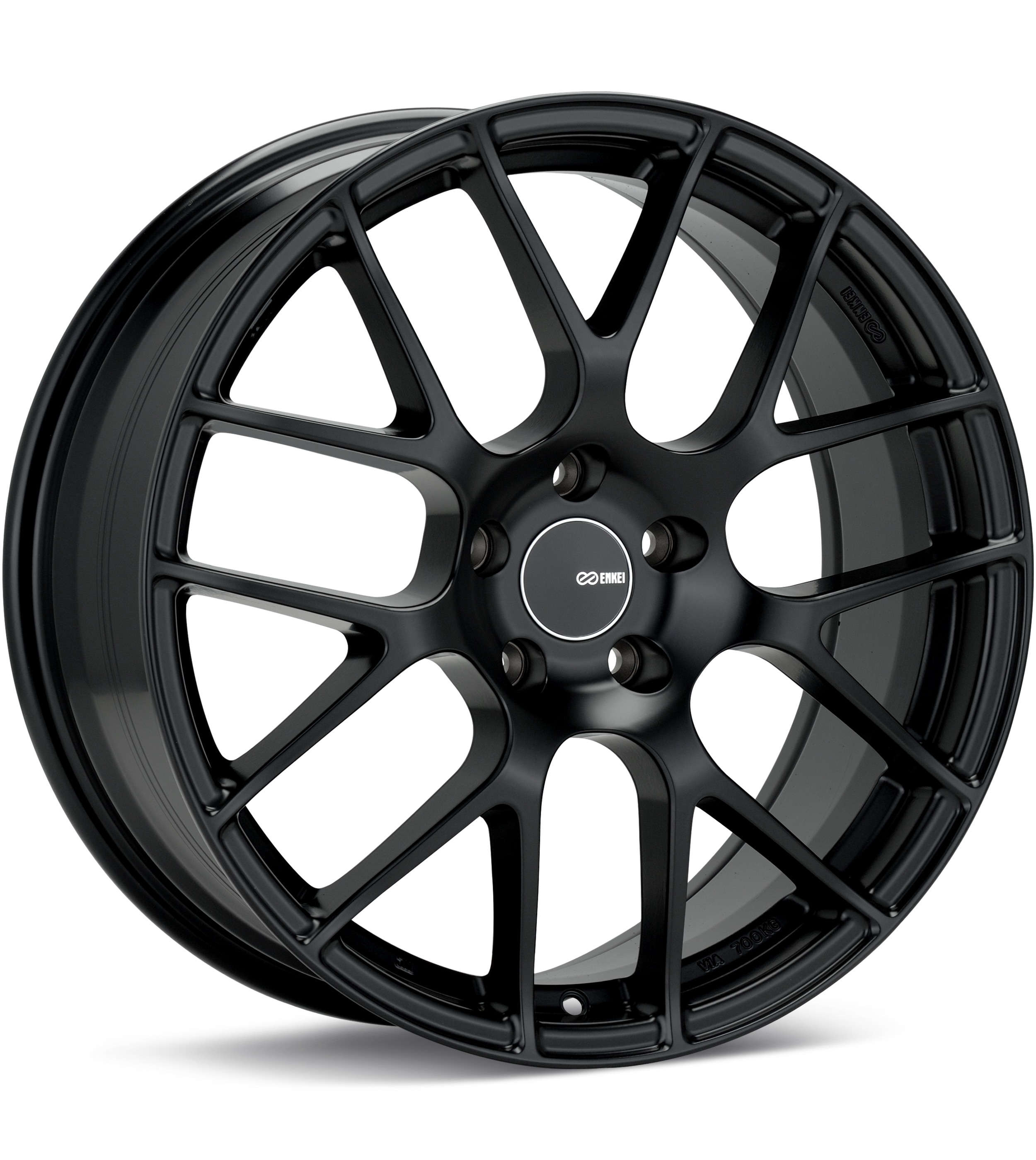
Enkei Tuning
Raijin-19
Black
19 × 8″ · ET +40
$275.23
View at Tire Rack ↗Recorded OEM specifications for the 2019 Acura RDX, donor years with overlapping ranges, and a calculator to compare a selected wheel. Range overlap is not a guaranteed fit.
Save these wheel specs to your Ownery garage
Baseline mounting dimensions used for interchange decisions.
Multiple OEM configurations exist for this vehicle. Fitment can vary by trim, brakes, and factory wheel package – confirm your exact setup before buying.
Thread-only product links are shopping examples, not verified fits. Seat style is not confirmed here. As an Amazon Associate we earn from qualifying purchases.
Selected size: 19 × 8″ · ET +50
Showing matching bolt patterns and offsets up to 20 mm lower. Confirm center bore, load rating, and clearance at Tire Rack.
Enkei Tuning
Black
19 × 8″ · ET +40
$275.23
View at Tire Rack ↗
Enkei Performance
Gunmetal
19 × 8″ · ET +35
$252.72
View at Tire Rack ↗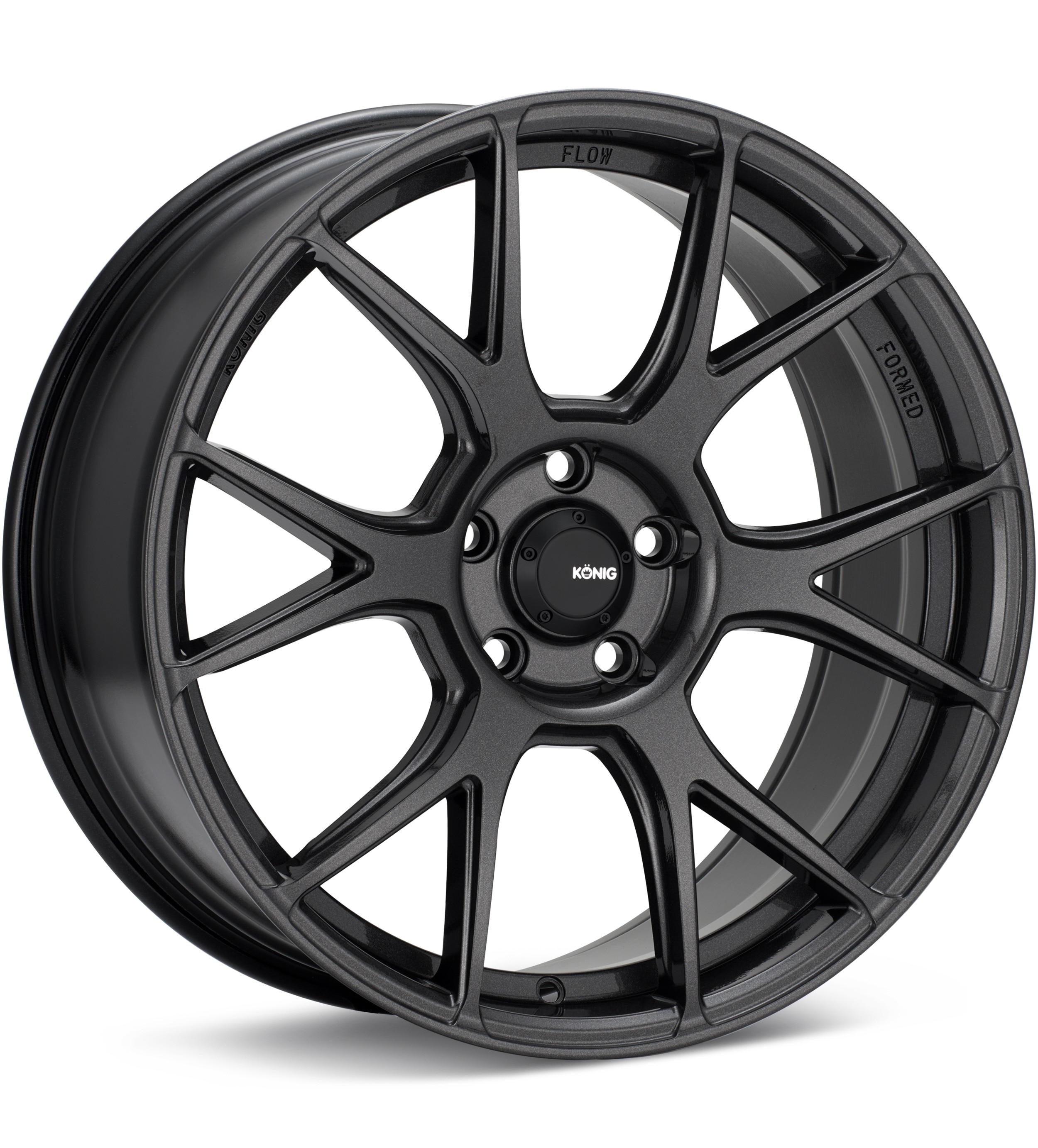
Konig
Dark Graphite
19 × 8.5″ · ET +45
$396.68
View at Tire Rack ↗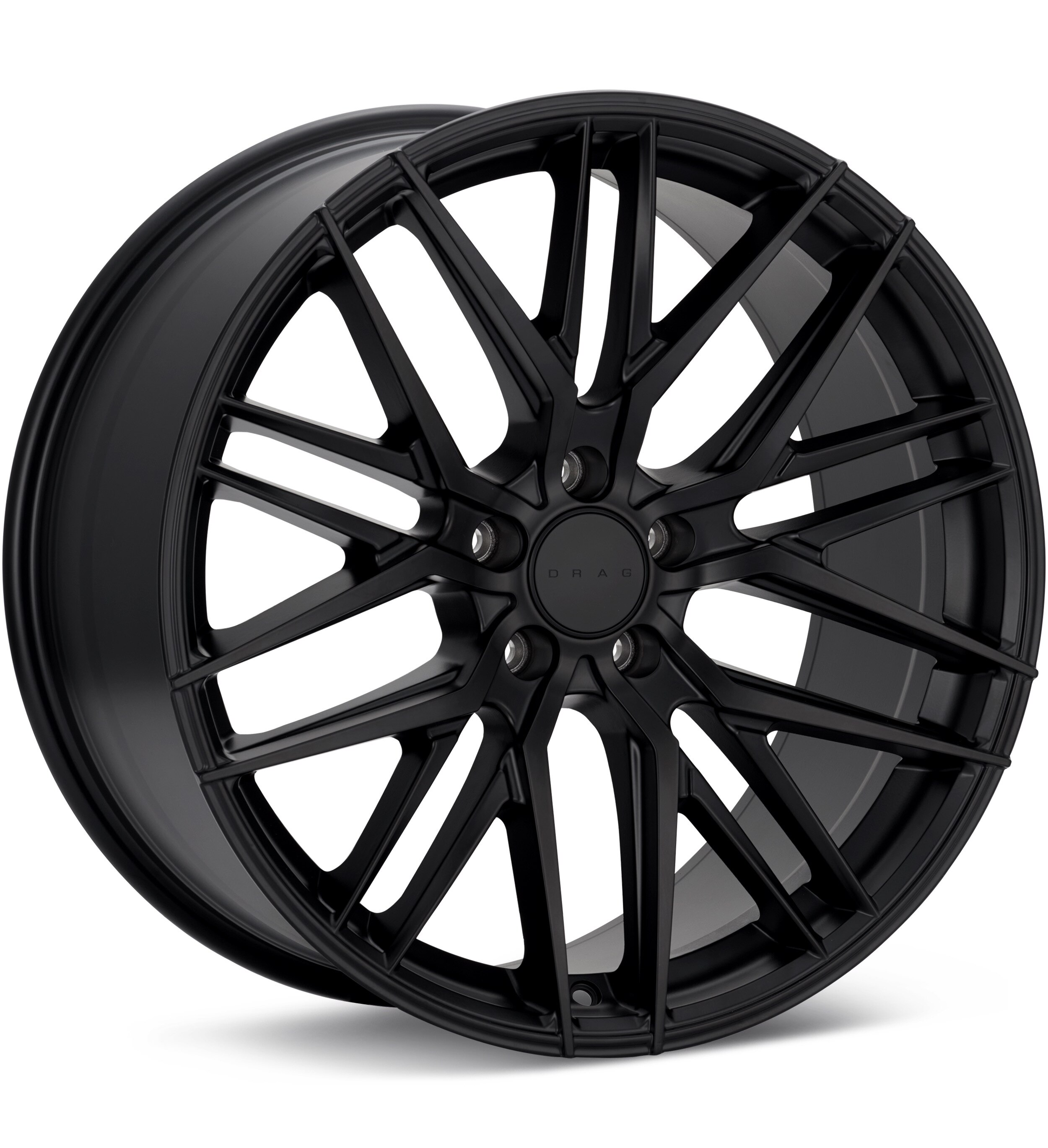
Drag
Black
19 × 8.5″ · ET +40
$248.00
View at Tire Rack ↗We may earn a commission when you buy through these links. Prices and availability may change.
These are vehicle-year records whose recorded OEM ranges overlap this 2019 Acura RDX. Overlap is not a guarantee that a specific wheel will install. Selected-wheel comparison is in the calculator below.
Evaluated 77 donor years. Listed 24 eligible overlaps (not all evaluated years are compatible). Showing all listed.
Years grouped because recorded compatibility evidence is equivalent. Each year keeps its own page.
Recorded OEM bolt pattern, center bore, and width/offset ranges overlap. This is not a guarantee that every wheel from the donor year fits this vehicle.
Years grouped because recorded compatibility evidence is equivalent. Each year keeps its own page.
Width/offset ranges overlap; confirm diameter and brake clearance for your trim.
Only years with evidence-based interchange relationships are listed. Adjacent years are not assumed compatible.
Compare a donor vehicle or custom wheel against this 2019 Acura RDX. Use Compare in calculator on a donor row above to fill the donor side of this same calculator.
Compare wheel compatibility between two vehicles
2019 Acura RDX





Example products matched to recorded thread, hub, or spacer dimensions. They are not verified fits. Confirm seat style, thickness, and clearance before ordering.
M12 x 1.5
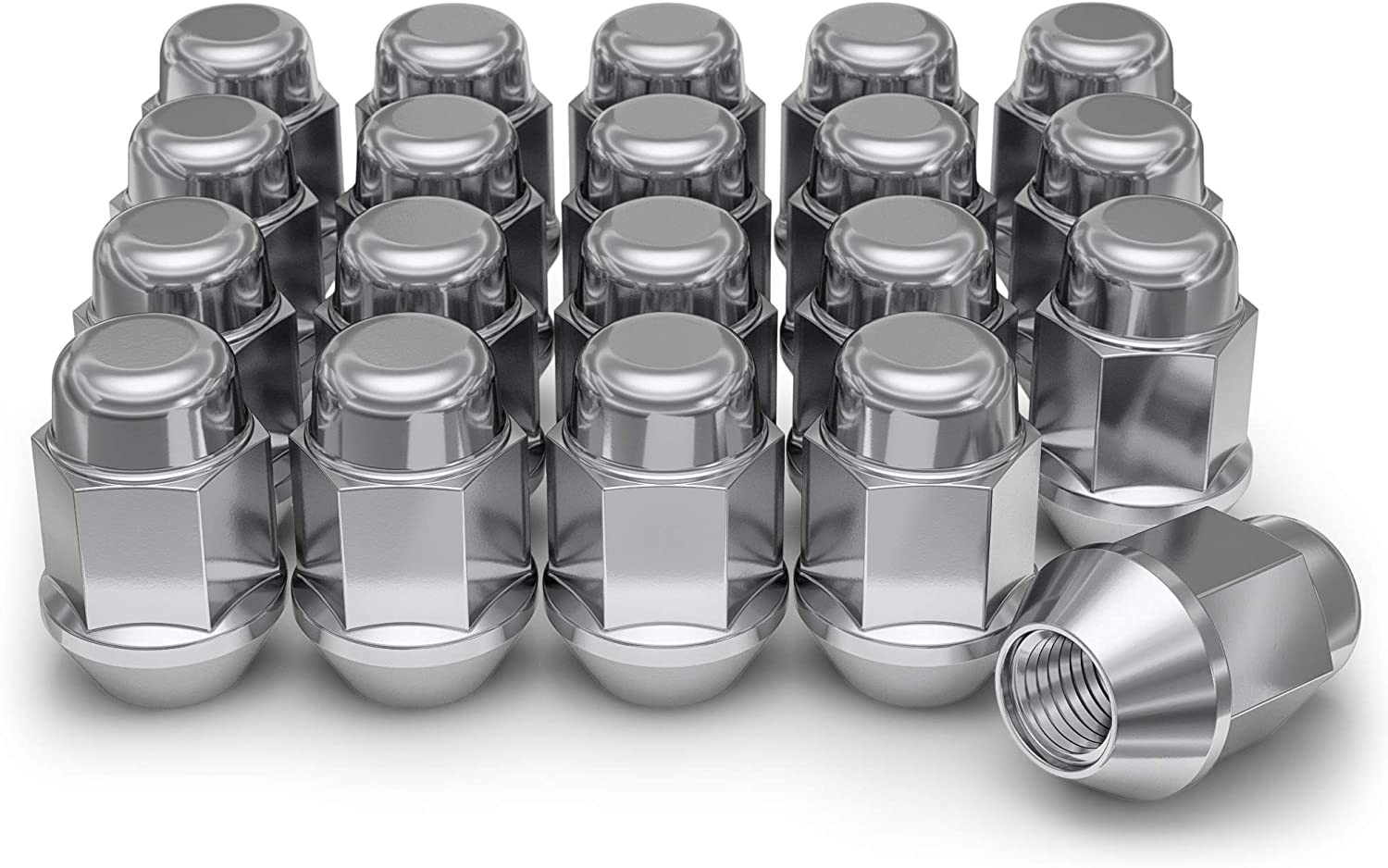
M12 x 1.5 · Thread match only; seat style is not verified
View on Amazon →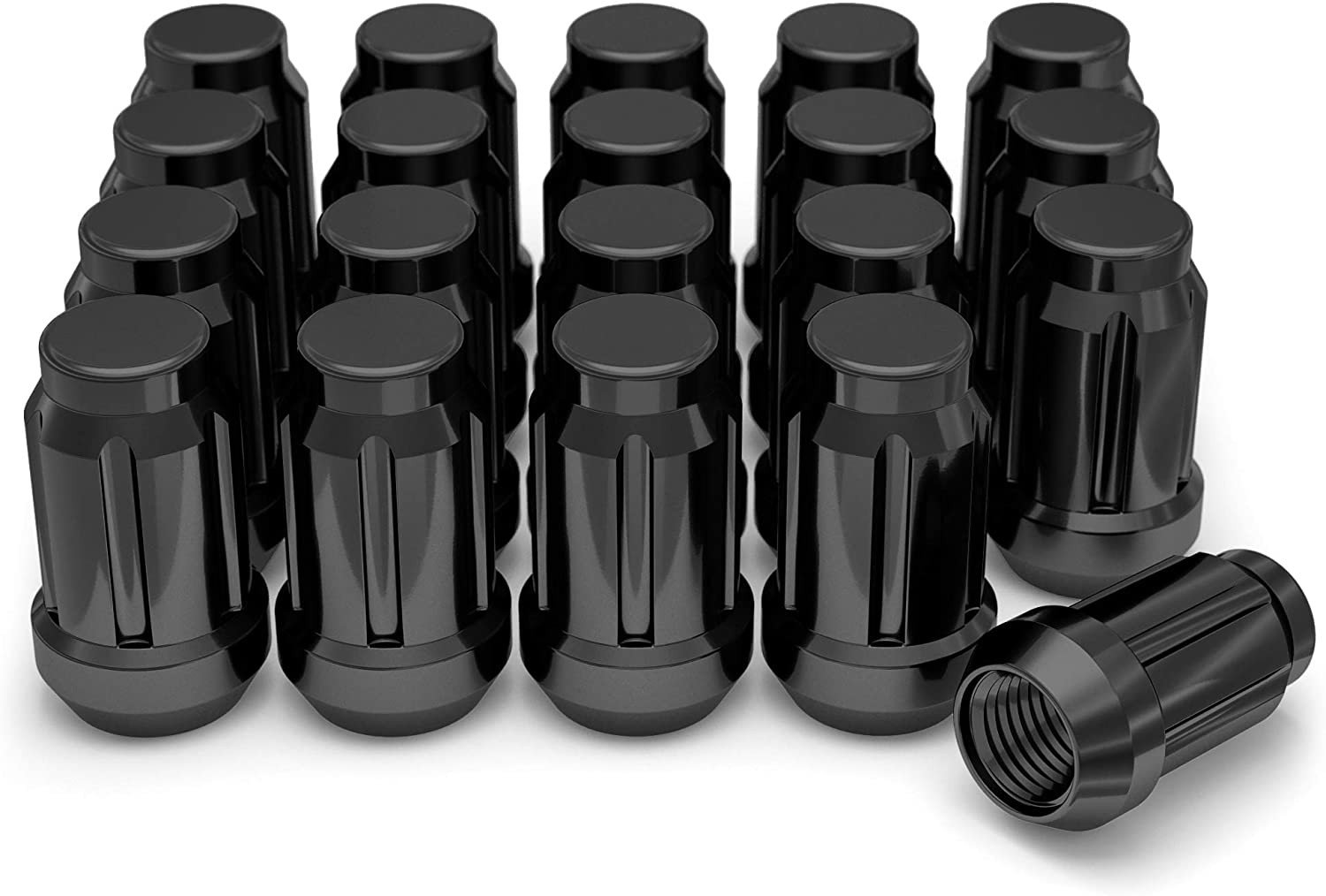
M12 x 1.5 · Thread match only; seat style is not verified
View on Amazon →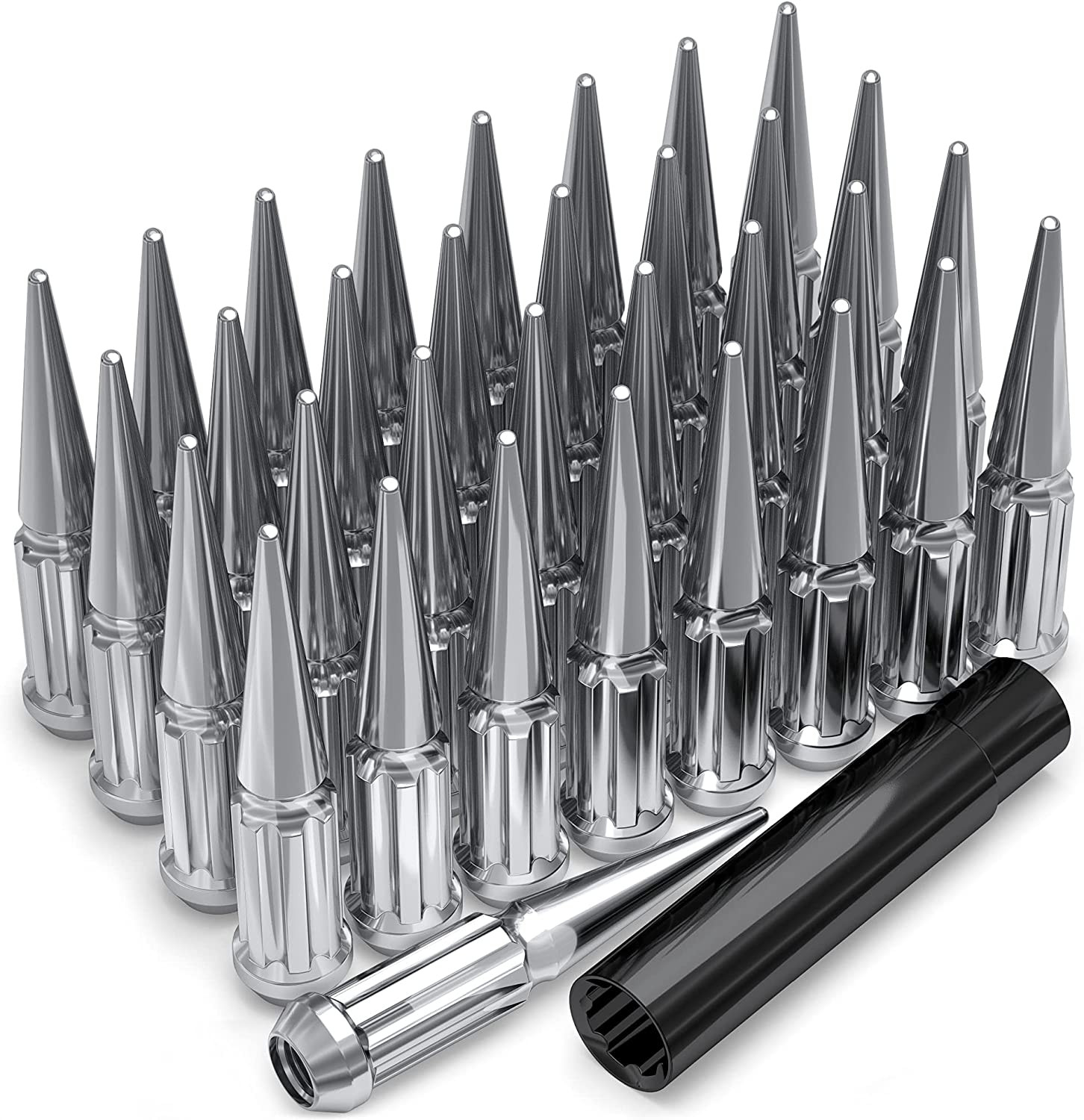
M12 x 1.5 · Thread match only; seat style is not verified
View on Amazon →As an Amazon Associate we earn from qualifying purchases. Product availability and pricing may change.
I started documenting wheel swaps on late model crossovers years ago, and the 2019 Acura RDX has been a consistent one. Think of this page as a clear path from stock specs to confident fitment decisions, using the on-page calculator and a few safety checks I use in the shop.
Here is the baseline I work from when an unmodified 2019 Acura RDX rolls in with its factory setup. If your trim differs, that is okay. Use this as a mental model and verify against your door jamb tire placard and the calculator on this page.
| Spec | OEM Value | What it means |
|---|---|---|
| Bolt pattern | 5x114.3 | Five studs on a 114.3 mm circle. Wheel must match this pattern. |
| Center bore | 64.1 mm | Hub lip diameter. Wheels should be 64.1 or use rings to fit snug. |
| Thread size | M12 x 1.5 | Stud thread pitch for lug nuts or bolts listed by sellers. |
| Rim diameter | 19 in | Factory wheel diameter on the reference setup. |
| Rim width | 8.0 in | Measured bead seat to bead seat. |
| Offset | ET 50 mm | Mounting face is 50 mm toward the street side from wheel centerline. |
| Backspacing | 5.97 in | Distance from hub face to inner rim lip. Helps check inner clearance. |
| Tire size | 235/55R19 | Section width 235 mm, aspect 55, on a 19 in rim. |
Some trims may use different factory wheel and tire sizes. If yours does not match, use the on-page calculator to set your actual stock size first, then compare options against it. That mirrors how I validate swaps in person.
My first quick check is pattern, center bore, and offset. If a candidate wheel is 5x114.3 with a hub bore at least 64.1 mm, and its offset is close to ET 50 mm, you are most of the way there. Think of it as a gate. Pass those three, and the rest is fine tuning. If the center bore is larger than 64.1, plan on hub centric rings to keep the wheel perfectly centered on the hub.
Next, I use the calculator on this page at wheelinterchange.com to see exact changes in clearance and tire diameter. Here is the progression I follow.
Rule of thumb from my bay time: aim to keep overall tire diameter within about 3 percent of stock to maintain speedometer behavior, gearing feel, and ABS calibration. Use the tool’s diameter readout to stay within that window.
Once the calculator numbers look promising, I check the details that separate a good fit from a great one.
Here is how I confirm a setup before putting miles on it.
If something feels off, return to the calculator. Small offset or tire size tweaks often clean up rubbing or vibration. That iterative loop has saved me a lot of guesswork over the years.
Quick recap. Start with the 2019 Acura RDX baseline: 5x114.3 bolt pattern, 64.1 mm center bore, M12 x 1.5 threads, 19x8.0 ET 50 wheel, 235/55R19 tire, and 5.97 in backspacing. Use the on-page calculator to compare donor to installed, adjusting rim width, offset, and tire size while watching inner and outer movement and overall diameter. Refine with hub centric rings, correct lug nuts, and a careful brake clearance test fit. Validate with proper torque and a re-check after a short drive. With that progression, you move from exploratory to resolved without surprises, and your RDX ends up driving the way it should.
Wheel interchange depends on more than bolt pattern. Where data is available, this site compares recorded OEM values:
A normal wheel spacer does not change bolt pattern. Hub rings cannot enlarge a wheel bore that is smaller than the hub. Brake clearance and tire package fitment still require vehicle-specific checks when not confirmed in the dataset.
