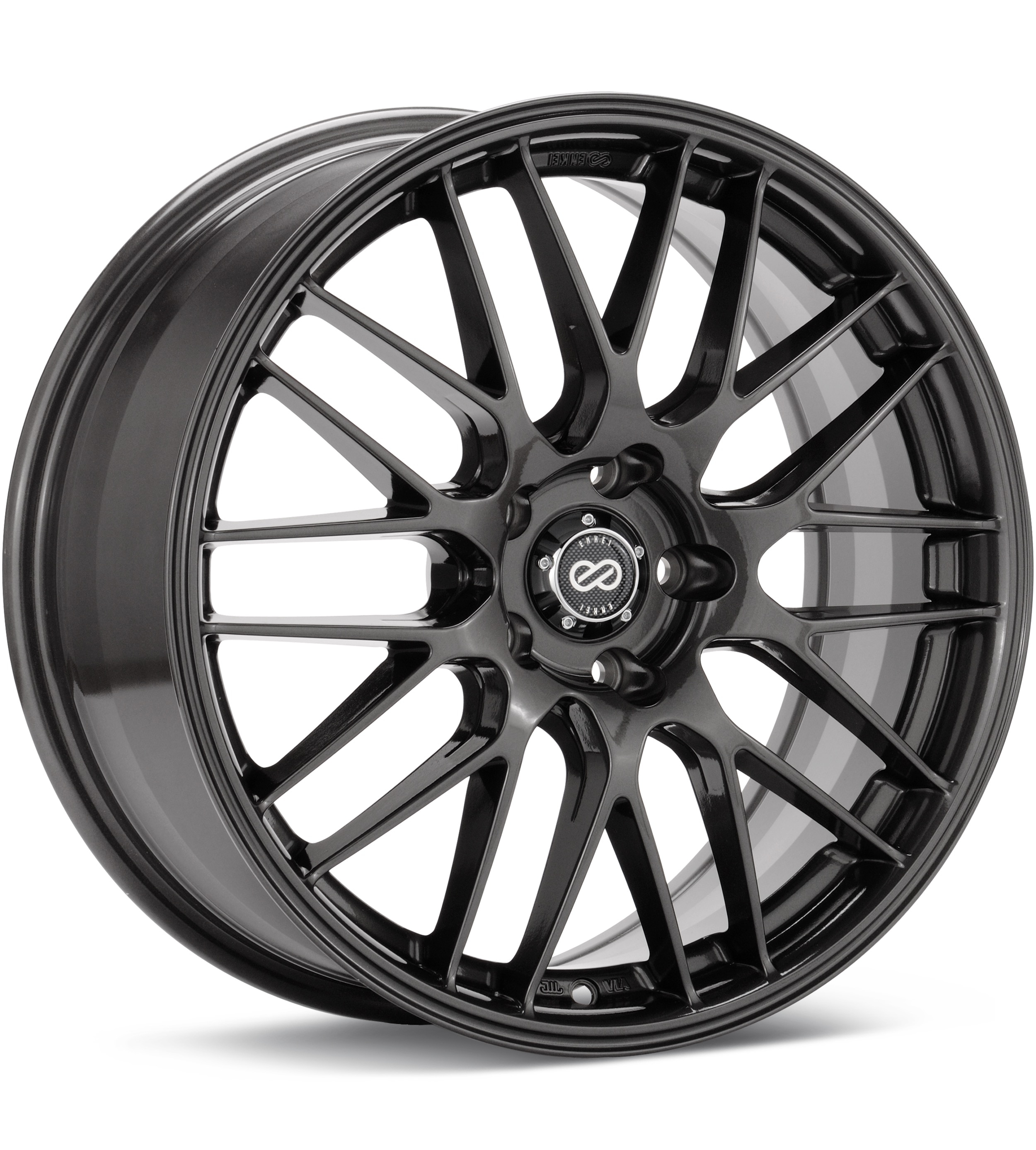
Enkei Performance
EKM3
Gunmetal
18 × 7.5″ · ET +38
$198.50
View at Tire Rack ↗Recorded OEM specifications for the 2018 Acura RDX, donor years with overlapping ranges, and a calculator to compare a selected wheel. Range overlap is not a guaranteed fit.
Save these wheel specs to your Ownery garage
Baseline mounting dimensions used for interchange decisions.
Multiple OEM configurations exist for this vehicle. Fitment can vary by trim, brakes, and factory wheel package – confirm your exact setup before buying.
Thread-only product links are shopping examples, not verified fits. Seat style is not confirmed here. As an Amazon Associate we earn from qualifying purchases.
Selected size: 18 × 7.5″ · ET +45
Showing matching bolt patterns and offsets up to 20 mm lower. Confirm center bore, load rating, and clearance at Tire Rack.
Enkei Performance
Gunmetal
18 × 7.5″ · ET +38
$198.50
View at Tire Rack ↗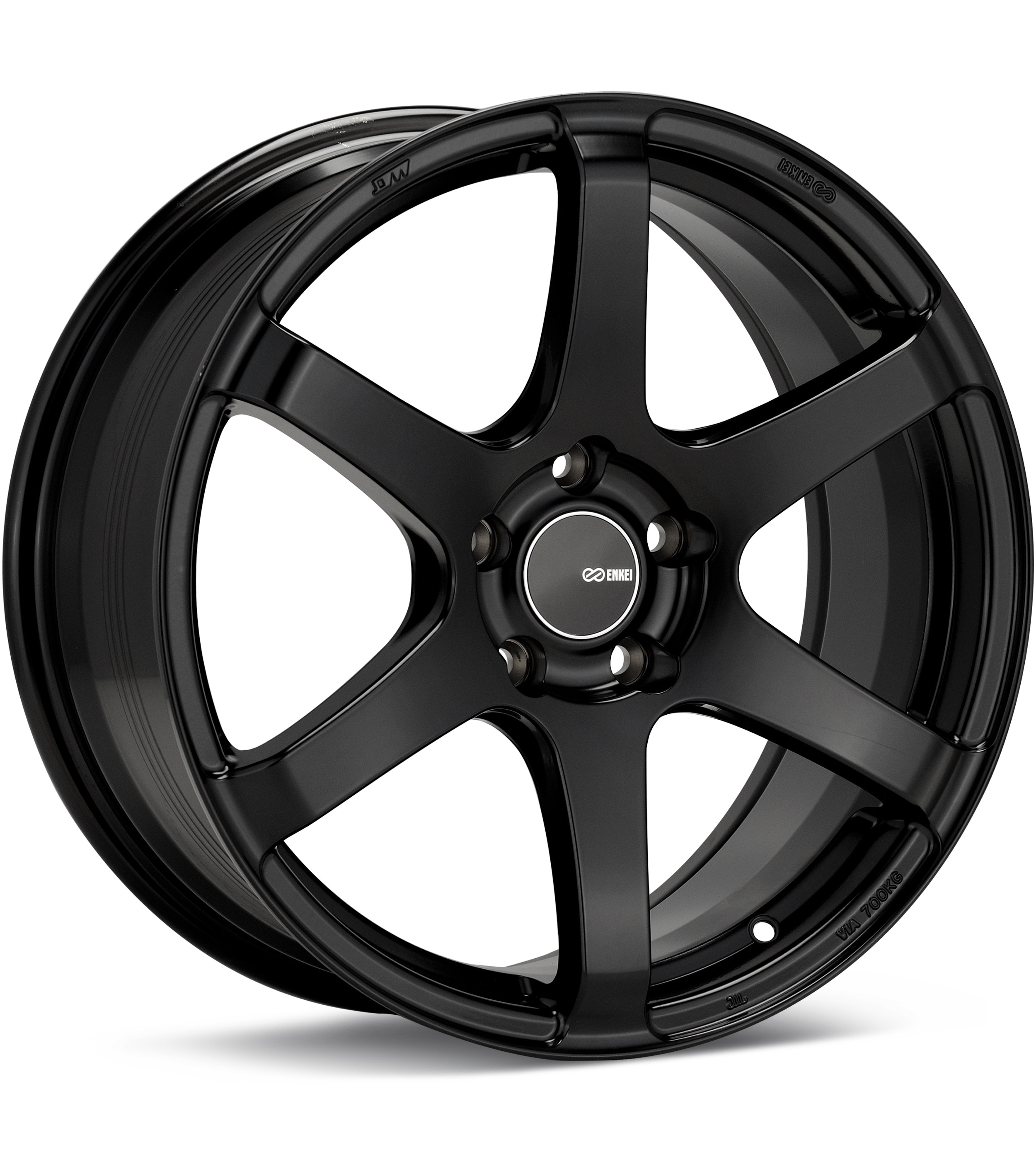
Enkei Tuning
Black
18 × 8″ · ET +45
$230.97
View at Tire Rack ↗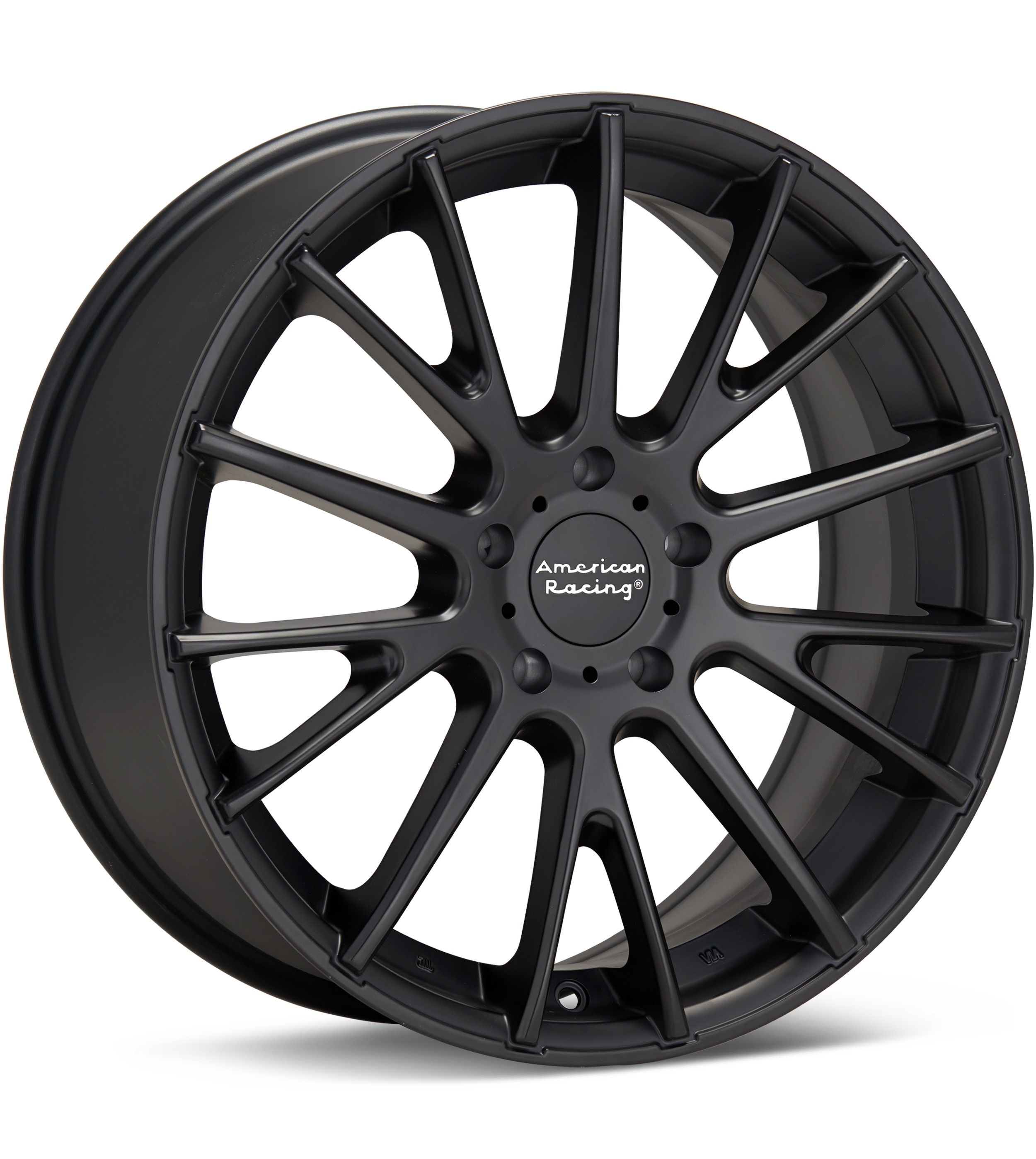
American Racing
Black
18 × 8″ · ET +45
$312.00
View at Tire Rack ↗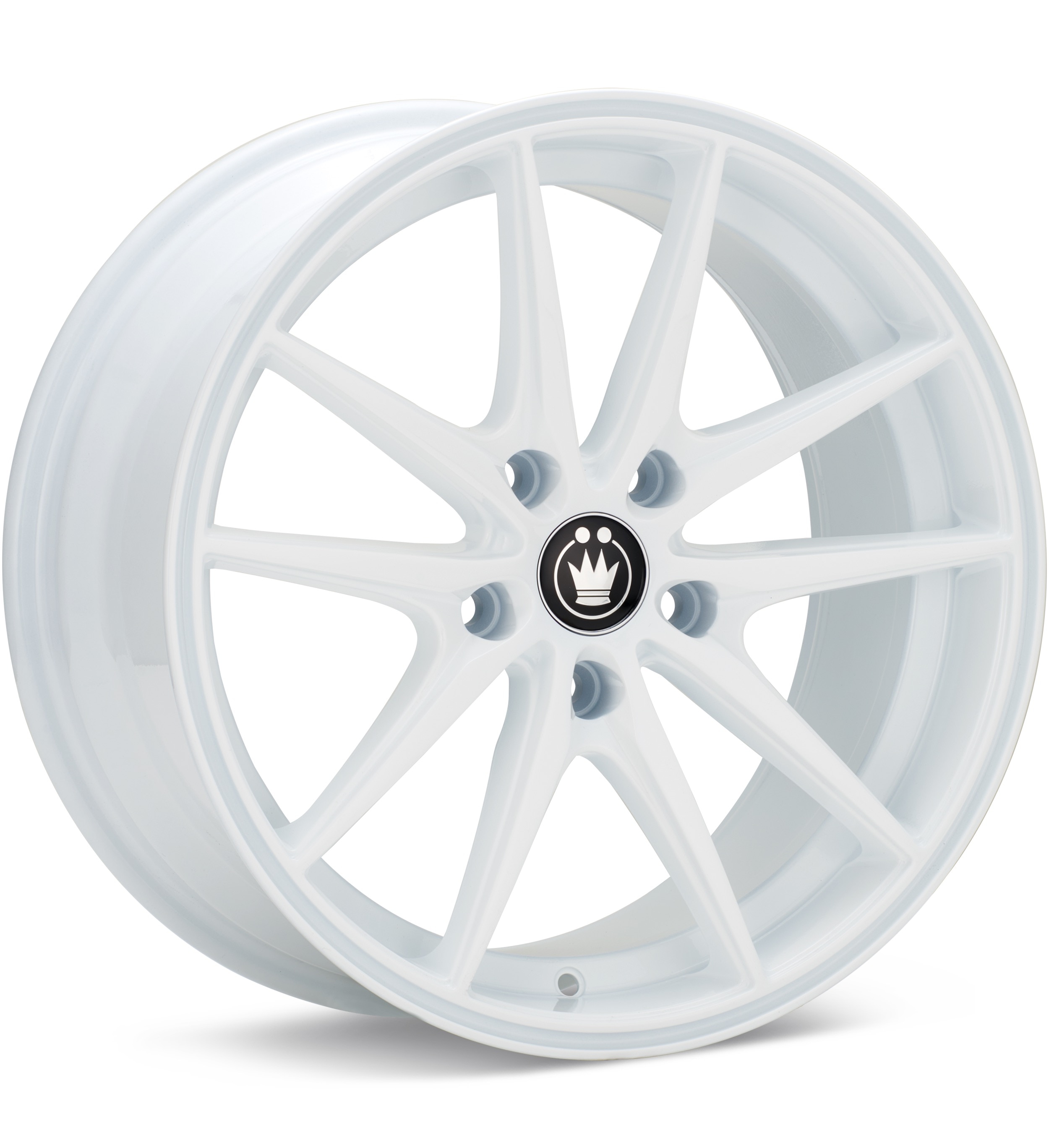
Konig
Gloss White
18 × 8″ · ET +45
$241.49
View at Tire Rack ↗We may earn a commission when you buy through these links. Prices and availability may change.
These are vehicle-year records whose recorded OEM ranges overlap this 2018 Acura RDX. Overlap is not a guarantee that a specific wheel will install. Selected-wheel comparison is in the calculator below.
Evaluated 77 donor years. Listed 24 eligible overlaps (not all evaluated years are compatible). Showing all listed.
Years grouped because recorded compatibility evidence is equivalent. Each year keeps its own page.
Approximate position vs the mid OEM package: outer change -0.67 mm, inner change -5.68 mm. This uses aggregated width/offset ranges, not a specific wheel.
Years grouped because recorded compatibility evidence is equivalent. Each year keeps its own page.
Approximate position vs the mid OEM package: outer change -0.67 mm, inner change -5.68 mm. This uses aggregated width/offset ranges, not a specific wheel.
Only years with evidence-based interchange relationships are listed. Adjacent years are not assumed compatible.
Compare a donor vehicle or custom wheel against this 2018 Acura RDX. Use Compare in calculator on a donor row above to fill the donor side of this same calculator.
Compare wheel compatibility between two vehicles
2018 Acura RDX





Example products matched to recorded thread, hub, or spacer dimensions. They are not verified fits. Confirm seat style, thickness, and clearance before ordering.
M12 x 1.5
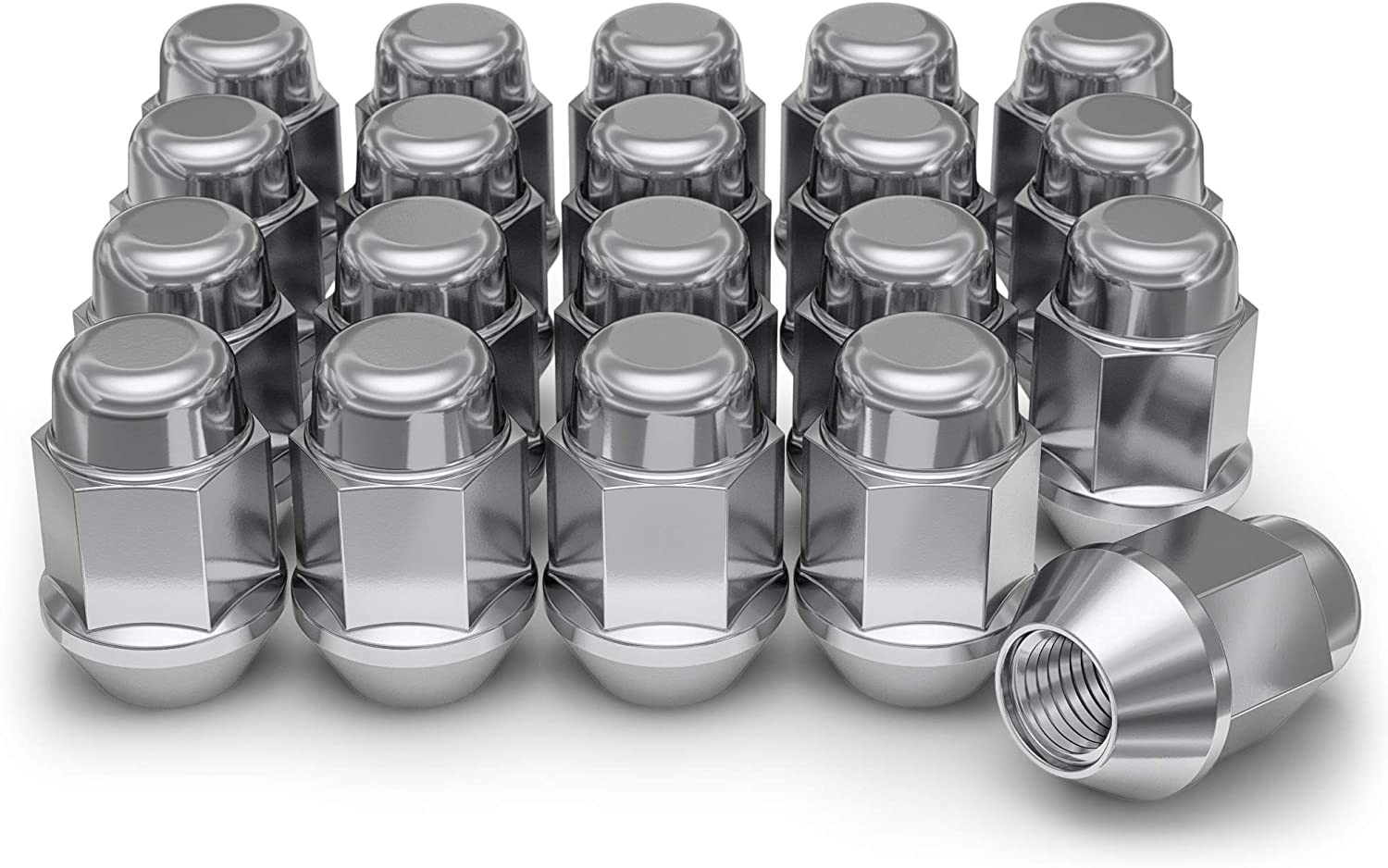
M12 x 1.5 · Thread match only; seat style is not verified
View on Amazon →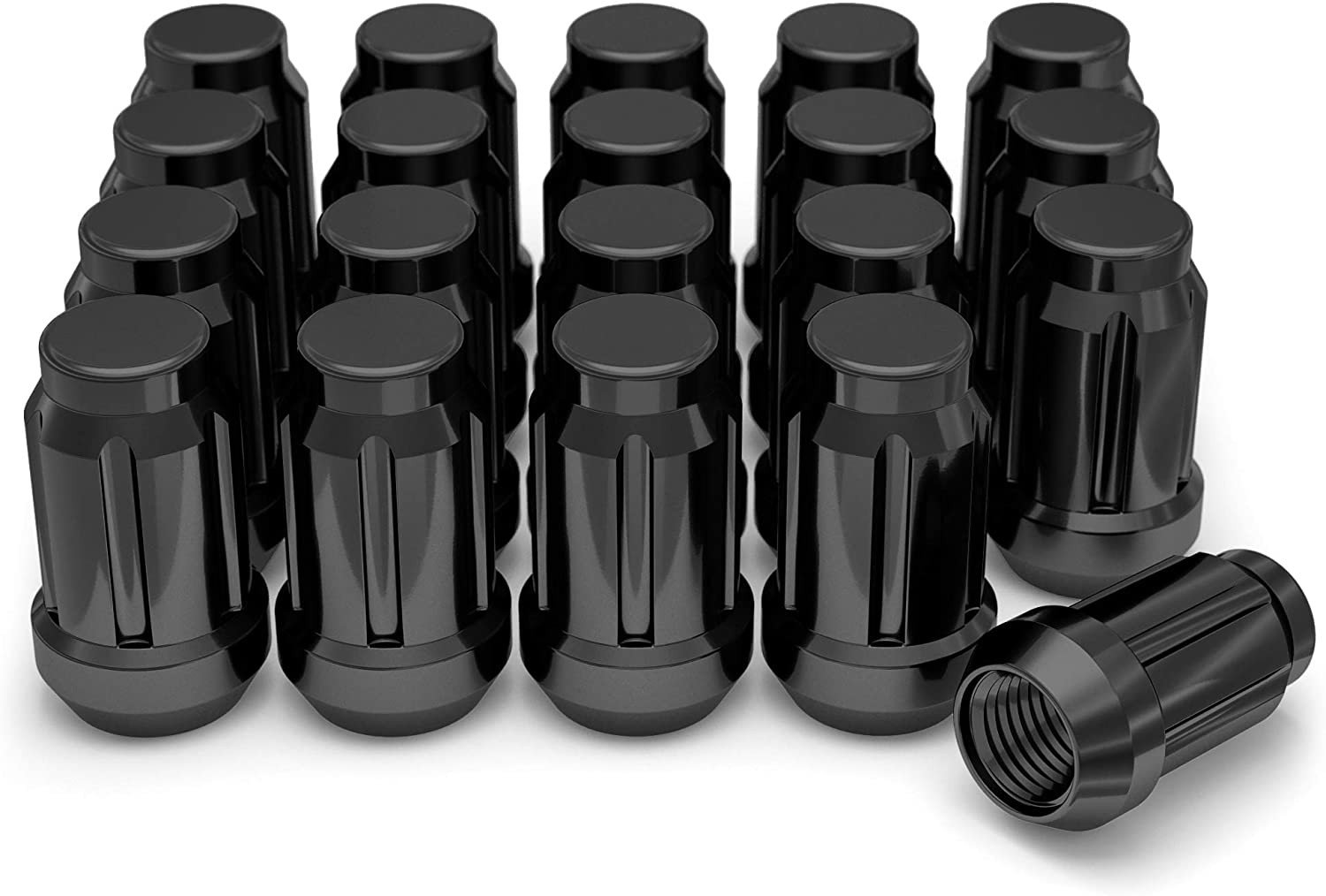
M12 x 1.5 · Thread match only; seat style is not verified
View on Amazon →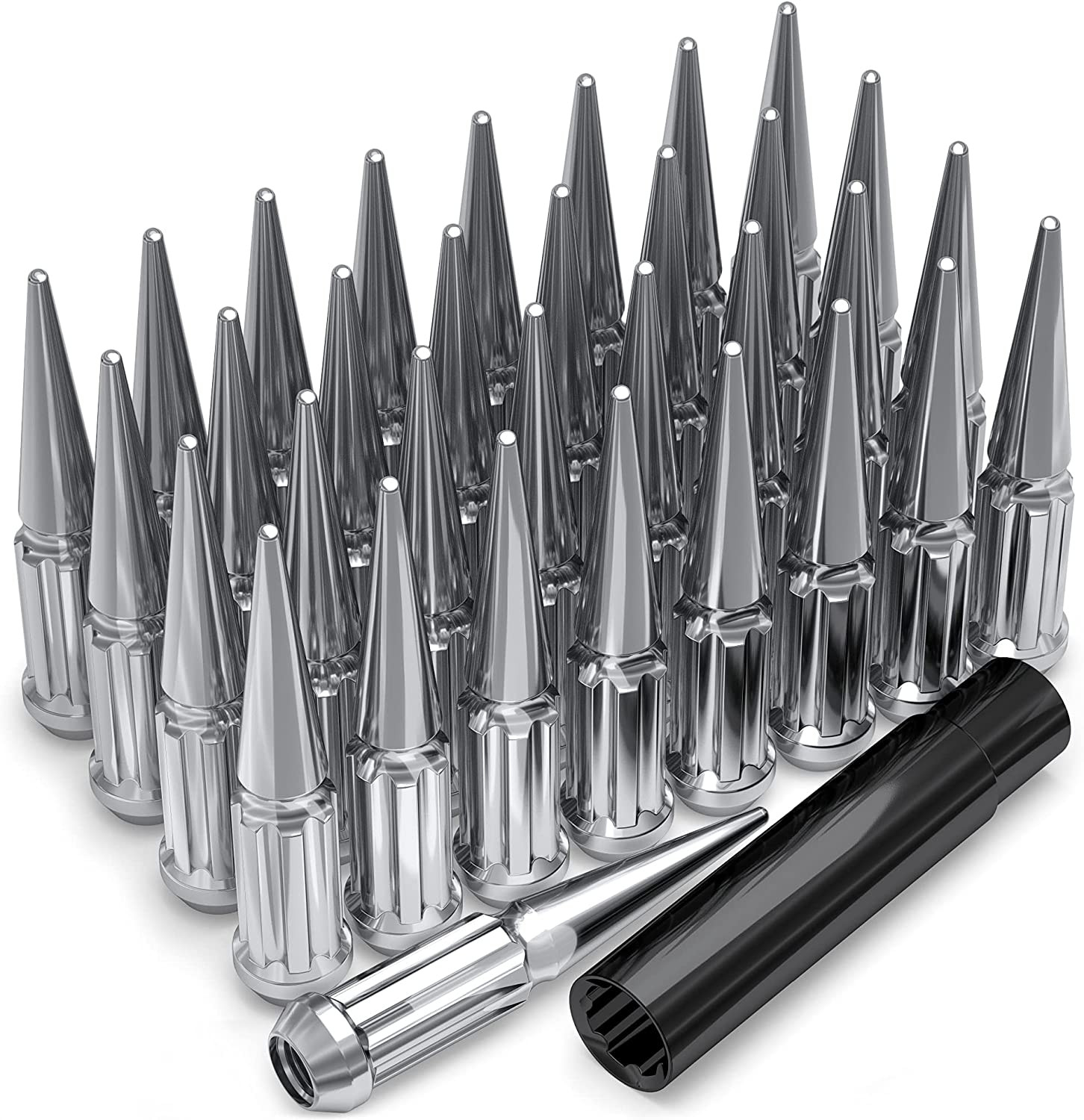
M12 x 1.5 · Thread match only; seat style is not verified
View on Amazon →As an Amazon Associate we earn from qualifying purchases. Product availability and pricing may change.
I am evaluating wheel and tire choices for a 2018 Acura RDX and must select a set that fits safely while preserving steering, suspension, and brake clearance. The decision balances keeping OEM-compatible dimensions against aftermarket options that change width, offset, or diameter.
| Specification | Value (provided) |
|---|---|
| Bolt pattern | 5x114.3 |
| Center bore (mm) | 64.1 |
| Thread size | M12 x 1.5 |
| Rim diameter (in) | 18 |
| Rim width (in) | 7.5 |
| Wheel offset (ET, mm) | 45 |
| Backspacing (in) | 5.52 |
| Tire (section x aspect x R) | 235 / 60 R18 |
The evidence available is limited to the OEM values shown above, and I will not assume unspecified variations by trim or market. Some RDX trims can vary; that limitation means you must verify any missing or trim-specific dimensions before purchase. Use the on-page calculator and OEM documentation to confirm hub bore, lug thread, and brake clearance for your specific vehicle.
I see three practical option families for the RDX: match OEM dimensions exactly, select near-OEM wheels with small offsets or width changes, or move to a different diameter with appropriate tires. Each option requires verification rather than assumption.
For hardware and fitment aids consider these tools and parts searches on Amazon for practical use during installation.
I will compare the three option families by effect on clearance, steering geometry, and practicality. The on-page calculator is the primary tool to convert dimensional changes into measurable effects, and it should be used for any final interpretation.
| Criterion | Exact OEM | Near-OEM Variation | Diameter Change |
|---|---|---|---|
| Fit certainty | High given the provided OEM numbers | Moderate; requires simulation and fit checks | Variable; requires tire sizing to maintain overall diameter |
| Clearance risk | Low if OEM brakes and suspension are unmodified | Increases with width or offset shifts; inner or outer rubbing possible | May change suspension travel envelope and fender clearance |
| Steering and scrub radius | Matches original design | Offset moves wheel centerline; increased scrub radius can affect steering effort and torque steer | Diameter change alone alters effective tire sidewall height, affecting steering feel |
| Installation complexity | Simple; standard lug and hub fit | May require hub rings, different lug nuts, or spacer evaluation | Requires careful tire selection and possibly recalibration of speedometer |
Interpretation of these contrasts leads to a hypothesis: small dimensional changes can be safe if simulated and physically verified, but risk increases nonlinearly with offset and width departures from OEM. The calculator provides evidence by modeling clearance and diameter changes, yet real-world verification remains necessary.
Given the constraints and comparison, I recommend prioritizing wheels that match the known OEM numbers for the 2018 Acura RDX when risk minimization is the primary goal. If you seek a cosmetic or performance change, constrain width and offset shifts to modest amounts, and always validate with the on-page calculator plus a physical test fit.
The following risks require explicit acknowledgment and mitigation. These are based on observed failure modes and known limitations of fitment changes, not on assumed compatibility.
Conclusion: The evidence favors OEM-matched wheels for minimal risk, while near-OEM variants can be acceptable after calculator simulation and a physical test fit. This approach reduces uncertainty and moves from justified skepticism to pragmatic trust in the chosen solution.
Wheel interchange depends on more than bolt pattern. Where data is available, this site compares recorded OEM values:
A normal wheel spacer does not change bolt pattern. Hub rings cannot enlarge a wheel bore that is smaller than the hub. Brake clearance and tire package fitment still require vehicle-specific checks when not confirmed in the dataset.
