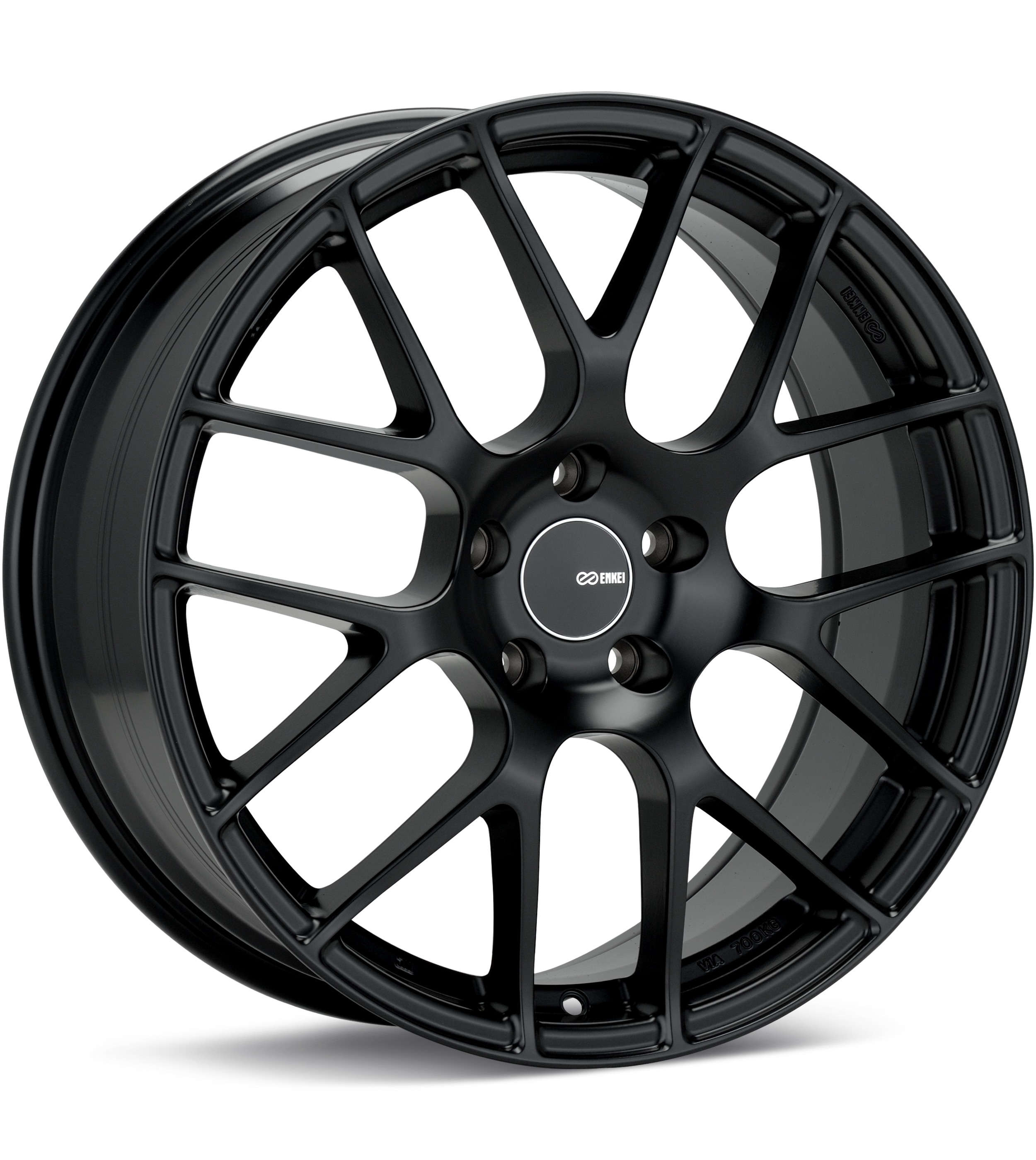
Enkei Tuning
Raijin-19
Black
19 × 8″ · ET +40
$275.23
View at Tire Rack ↗Recorded OEM specifications for the 2021 Acura RDX, donor years with overlapping ranges, and a calculator to compare a selected wheel. Range overlap is not a guaranteed fit.
Save these wheel specs to your Ownery garage
Baseline mounting dimensions used for interchange decisions.
Multiple OEM configurations exist for this vehicle. Fitment can vary by trim, brakes, and factory wheel package – confirm your exact setup before buying.
Thread-only product links are shopping examples, not verified fits. Seat style is not confirmed here. As an Amazon Associate we earn from qualifying purchases.
Selected size: 19 × 8″ · ET +50
Showing matching bolt patterns and offsets up to 20 mm lower. Confirm center bore, load rating, and clearance at Tire Rack.
Enkei Tuning
Black
19 × 8″ · ET +40
$275.23
View at Tire Rack ↗
Enkei Performance
Gunmetal
19 × 8″ · ET +35
$252.72
View at Tire Rack ↗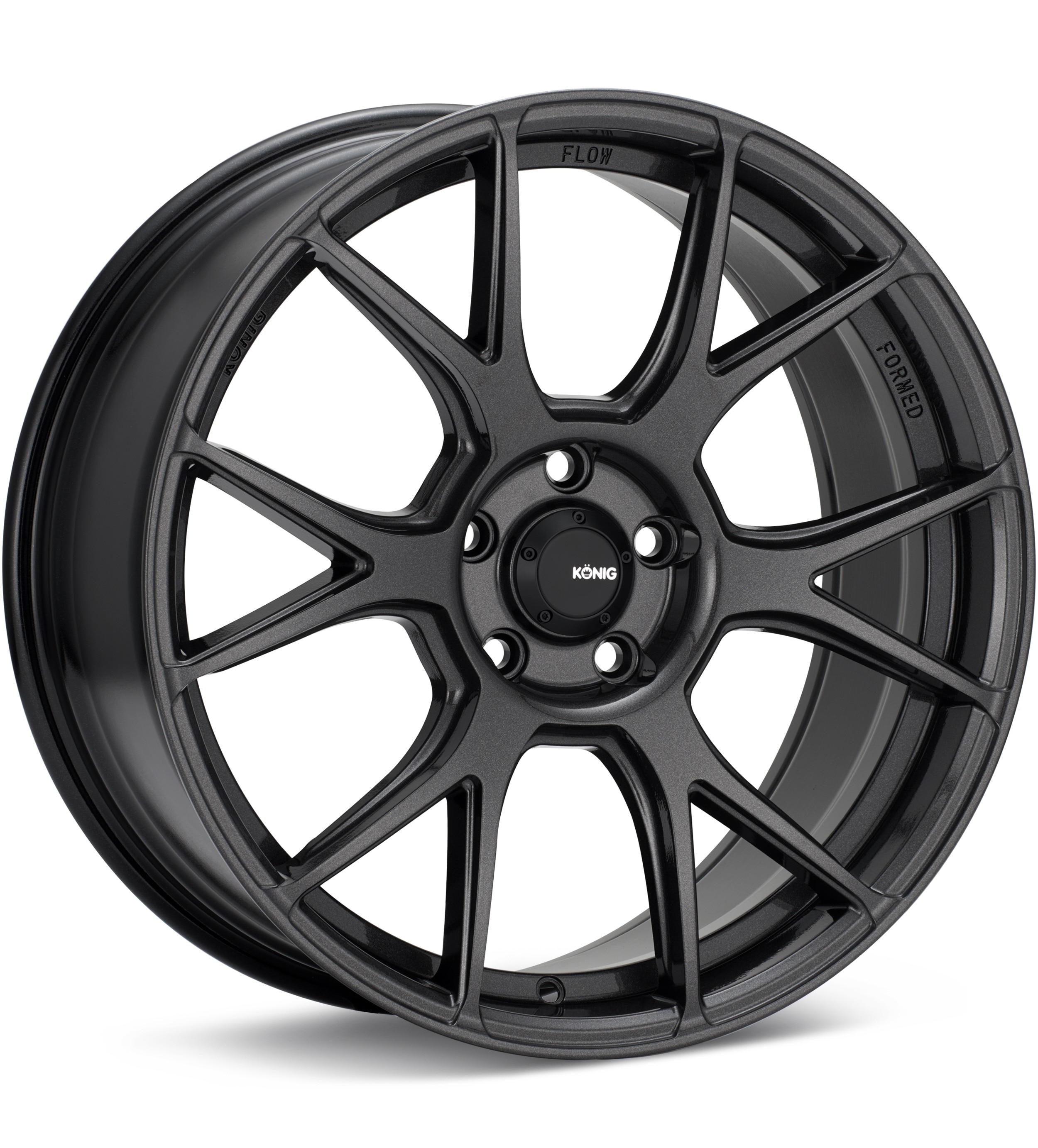
Konig
Dark Graphite
19 × 8.5″ · ET +45
$396.68
View at Tire Rack ↗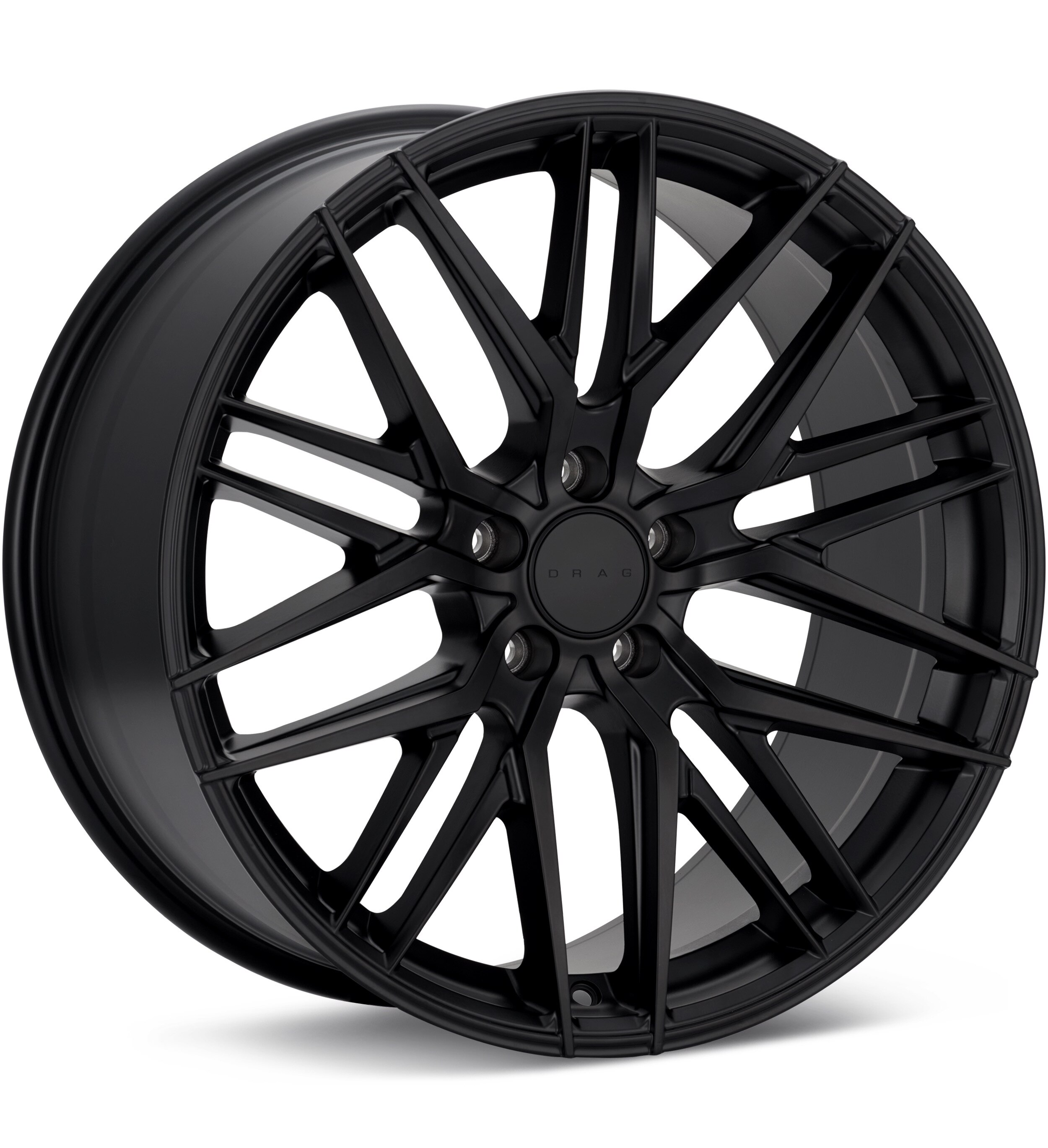
Drag
Black
19 × 8.5″ · ET +40
$248.00
View at Tire Rack ↗We may earn a commission when you buy through these links. Prices and availability may change.
These are vehicle-year records whose recorded OEM ranges overlap this 2021 Acura RDX. Overlap is not a guarantee that a specific wheel will install. Selected-wheel comparison is in the calculator below.
Evaluated 77 donor years. Listed 24 eligible overlaps (not all evaluated years are compatible). Showing all listed.
Years grouped because recorded compatibility evidence is equivalent. Each year keeps its own page.
Recorded OEM bolt pattern, center bore, and width/offset ranges overlap. This is not a guarantee that every wheel from the donor year fits this vehicle.
Years grouped because recorded compatibility evidence is equivalent. Each year keeps its own page.
Width/offset ranges overlap; confirm diameter and brake clearance for your trim.
Only years with evidence-based interchange relationships are listed. Adjacent years are not assumed compatible.
Compare a donor vehicle or custom wheel against this 2021 Acura RDX. Use Compare in calculator on a donor row above to fill the donor side of this same calculator.
Compare wheel compatibility between two vehicles
2021 Acura RDX





Example products matched to recorded thread, hub, or spacer dimensions. They are not verified fits. Confirm seat style, thickness, and clearance before ordering.
M12 x 1.5
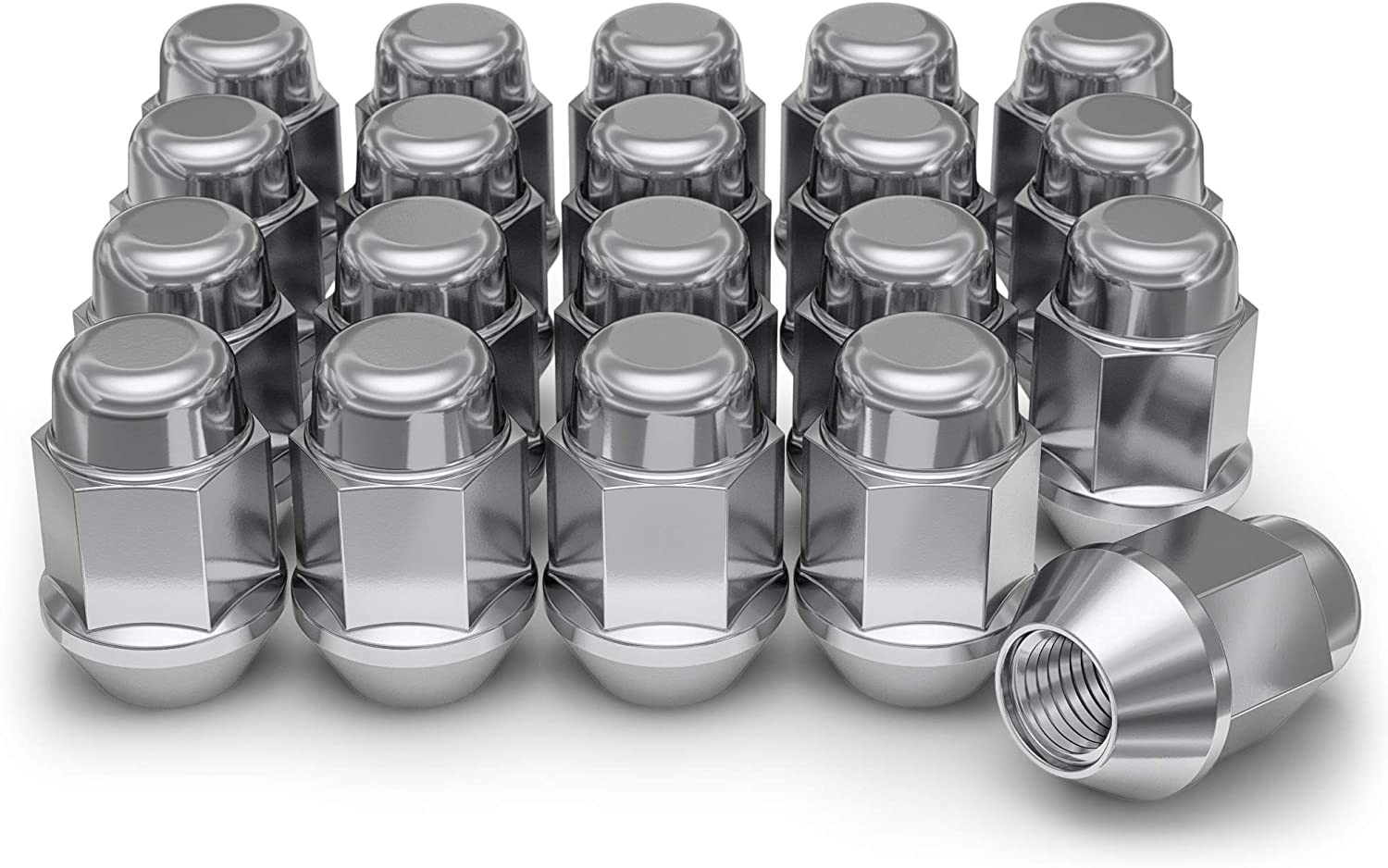
M12 x 1.5 · Thread match only; seat style is not verified
View on Amazon →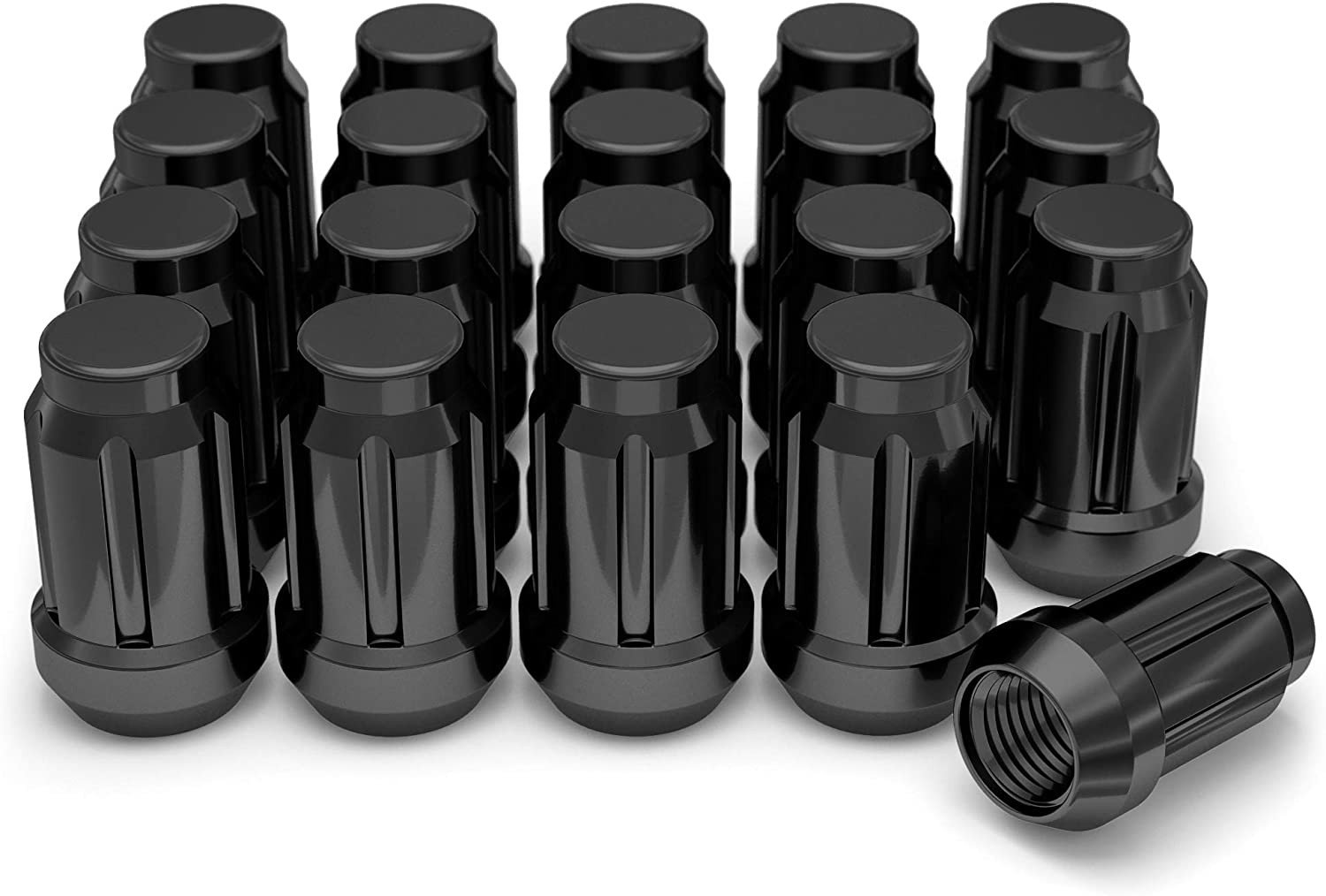
M12 x 1.5 · Thread match only; seat style is not verified
View on Amazon →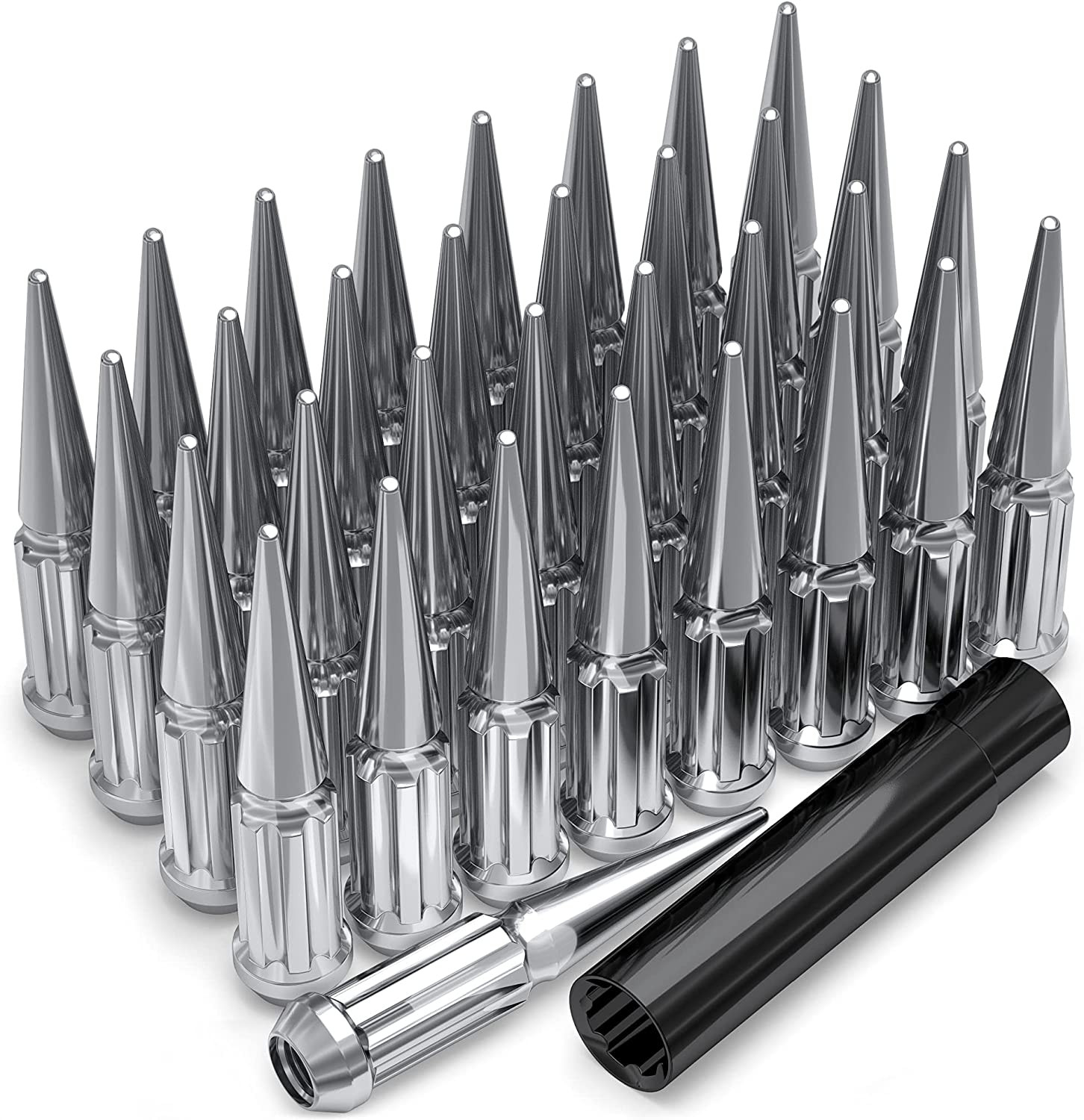
M12 x 1.5 · Thread match only; seat style is not verified
View on Amazon →As an Amazon Associate we earn from qualifying purchases. Product availability and pricing may change.
You need to determine whether a different wheel or wheel/tire combination will fit a 2021 Acura RDX without causing safety or clearance problems. This guide uses the known OEM fitment and an on-page calculator to walk you through the checks and decisions.
Start with the problem: aftermarket or donor wheels can look right but still interfere with brakes or suspension. The checklist below prevents common mistakes.
Record the factory numbers before you change anything. For the 2021 Acura RDX these are known:
| Specification | 2021 Acura RDX (known) |
|---|---|
| Bolt pattern (studs x PCD) | 5x114.3 |
| Center bore (mm) | 64.1 |
| Thread size | M12 x 1.5 |
| Rim diameter (in) | 19 |
| Rim width (in) | 8.0 |
| Wheel offset (ET, mm) | 50 |
| Backspacing (in) | 5.97 |
| Tire section width (mm) | 235 |
| Tire aspect ratio (%) | 55 |
| Tire rim diameter (R) | 19 |
If any of these values are unknown for a donor wheel, enter the measured wheel dimensions into the on-page calculator and compare results to this baseline.
Bolt pattern must match exactly for a direct fit. The 2021 RDX uses 5x114.3. The stud thread is M12 x 1.5. If a donor wheel has a different pattern you will need adapters or different hubs, which introduces trade-offs and is not recommended for daily driving.
The RDX center bore is 64.1 mm. If the donor wheel bore is larger, use a hub-centric ring sized to the wheel bore and 64.1 mm hub. If the donor bore is smaller, the wheel will not seat and must not be used without machining or choosing another wheel.
Use the on-page calculator to input the donor rim diameter, width and offset. The RDX factory wheel is 19x8.0 ET50. The calculator shows tire diameter, track change and predicted clearance. Focus on offset and width first. Lower offset moves the tire outward; more negative offset increases scrub radius and rubbing risk. Increased width can require different tire sizes and may rub the fender or suspension.
The stock tire is 235/55R19. Use the calculator to see how a different section width or aspect ratio changes overall diameter and speedometer error. Small diameter changes are an acceptable trade-off. Large changes may affect ABS and ride height.
Measure from hub face to the inner lip of the wheel or use the calculator’s clearance check. Ensure the wheel does not contact calipers, rotors, control arms, or sway bar links. If you cannot physically check with the wheel mounted and rotated, do not assume clearance.
Use M12 x 1.5 lug nuts that match the wheel seat type. If the wheel uses ball, conical, or flat seats, select compatible lug nuts. Also confirm TPMS sensor compatibility or plan to swap sensors if necessary.
Mount a wheel and hand-tighten lug nuts, lower the car to full weight, torque lugs to factory spec, and check for rubbing during slow turns and suspension compression. Drive test slowly and inspect wheel-to-fender clearance at full compression and full lock.
Validation answers the question: did I miss anything important? Use these steps to confirm the fitment decision.
When a value varies by trim or option, use your VIN, the dealer parts department, or the OEM manual to confirm. The on-page calculator assumes the numbers you enter are correct, so confirm before you buy or mount wheels.
Problems happen. Use the guidance below to resolve common issues and understand trade-offs.
Cause: too-wide rim or too-low offset. Solutions: choose a rim with higher ET, reduce rim width, use a narrower tire, or trim the fender if appropriate for the vehicle and use. Spacers move the wheel outward and worsen rubbing, so avoid them unless clearance at suspension is sufficient.
Cause: wheel bore too large. Solution: install a hub-centric ring sized to the wheel bore and the 64.1 mm hub. Rings restore proper centering and reduce vibration risk.
Cause: mismatch between wheel seat type and lug nuts, or different thread pitch. Solution: acquire M12 x 1.5 lug nuts that match the wheel seat, or use wheels with correct seats. Never force mismatched hardware.
Cause: aftermarket wheels or sensors differ. Solution: use OEM sensors swapped into the new wheels, or purchase compatible sensors. Validate with the calculator or OEM parts lookup.
Cause: significant change in overall tire diameter. Solution: choose a tire size that keeps diameter within a few percent of stock. If unavoidable, be prepared for recalibration or accept a small speedometer error.
Cause: wheel imbalance, poor centering, or bent wheel. Solution: re-balance the wheel, verify hub-centric fit, and inspect the wheel for damage. If vibration persists, stop driving and consult a wheel shop.
If you reach a constraint you cannot resolve safely, consult a professional technician or the dealer. Safety should govern the final decision.
Working from the problem to a validated fit reduces surprises. Start with the provided 2021 Acura RDX numbers, use the on-page calculator to model changes, and validate physically before driving. Choose correct lug nuts, confirm center bore fit, and check brake and suspension clearance. When in doubt, verify measurements with your VIN or an OEM source and consult a professional.
Useful tools and parts you may need:
Proceed methodically and prioritize safety. If you want, enter your donor wheel specs into the calculator and I will help interpret the results.
Wheel interchange depends on more than bolt pattern. Where data is available, this site compares recorded OEM values:
A normal wheel spacer does not change bolt pattern. Hub rings cannot enlarge a wheel bore that is smaller than the hub. Brake clearance and tire package fitment still require vehicle-specific checks when not confirmed in the dataset.
