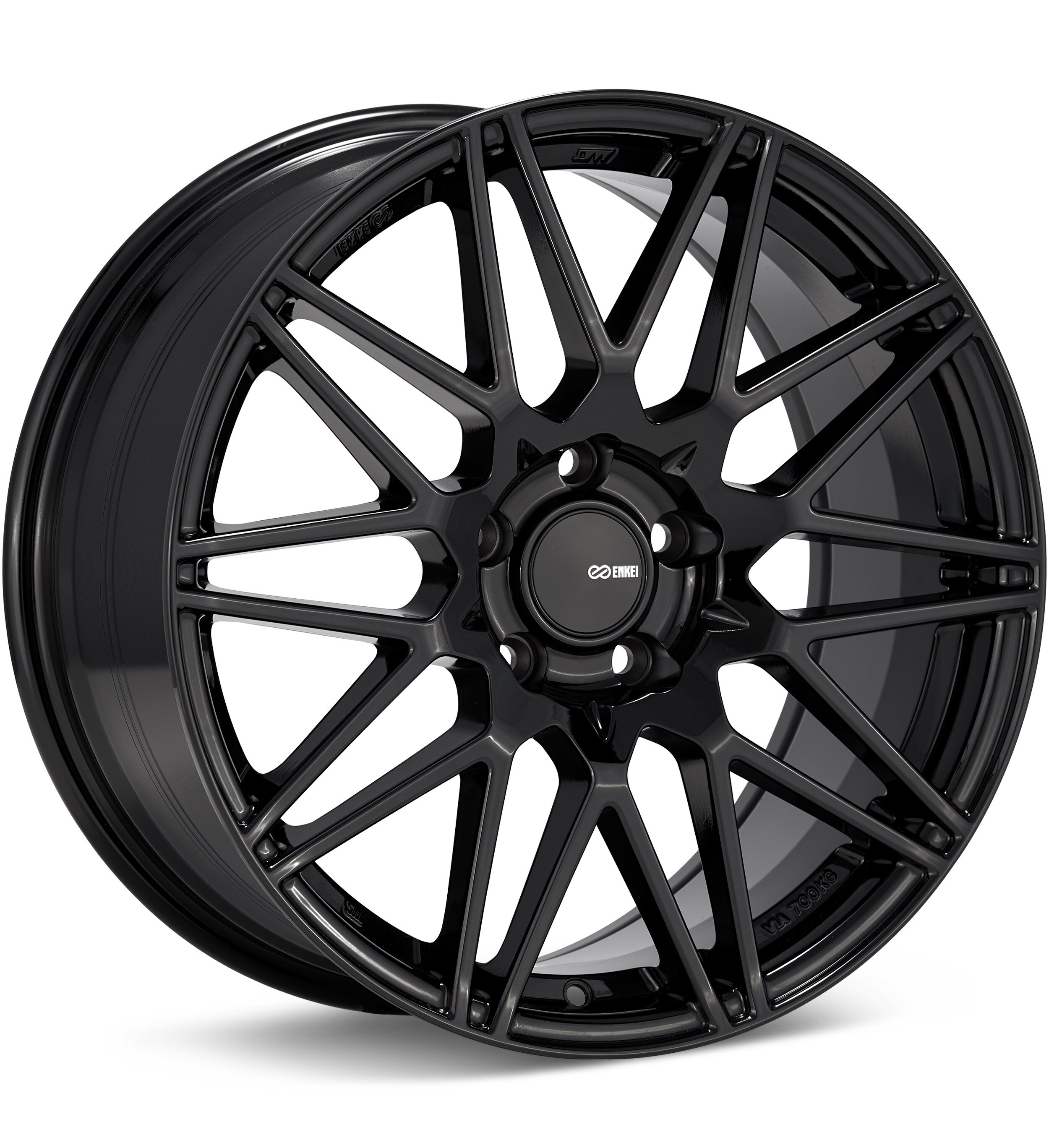
Enkei Tuning
TMS
Gloss Black
17 × 8″ · ET +45
$205.31
View at Tire Rack ↗Recorded OEM specifications for the 2006 Acura TL, donor years with overlapping ranges, and a calculator to compare a selected wheel. Range overlap is not a guaranteed fit.
Save these wheel specs to your Ownery garage
Baseline mounting dimensions used for interchange decisions.
Thread-only product links are shopping examples, not verified fits. Seat style is not confirmed here. As an Amazon Associate we earn from qualifying purchases.
Selected size: 17 × 8″ · ET +45
Showing matching bolt patterns and offsets up to 20 mm lower. Confirm center bore, load rating, and clearance at Tire Rack.
Enkei Tuning
Gloss Black
17 × 8″ · ET +45
$205.31
View at Tire Rack ↗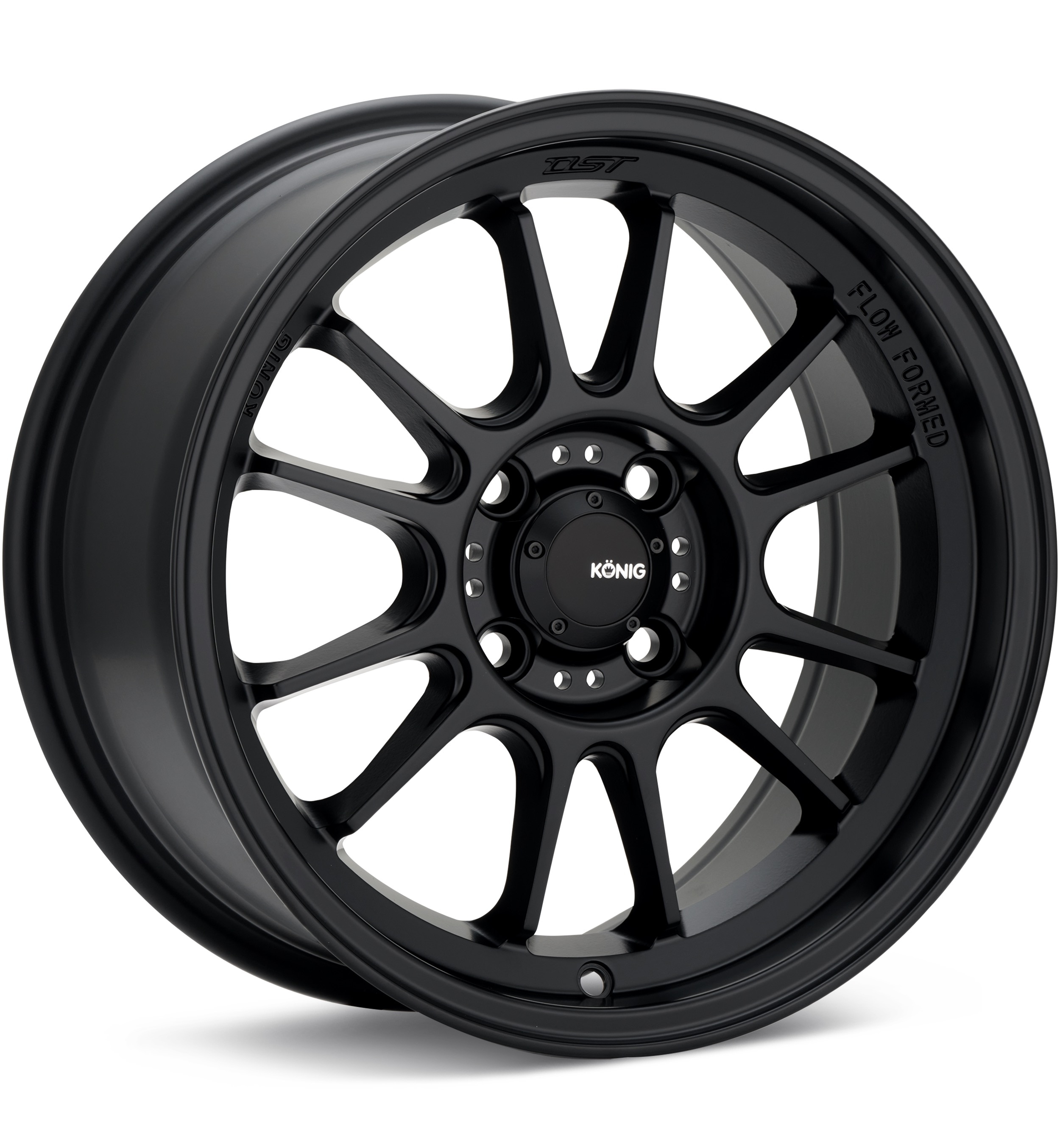
Konig
Black
17 × 8″ · ET +45
$269.03
View at Tire Rack ↗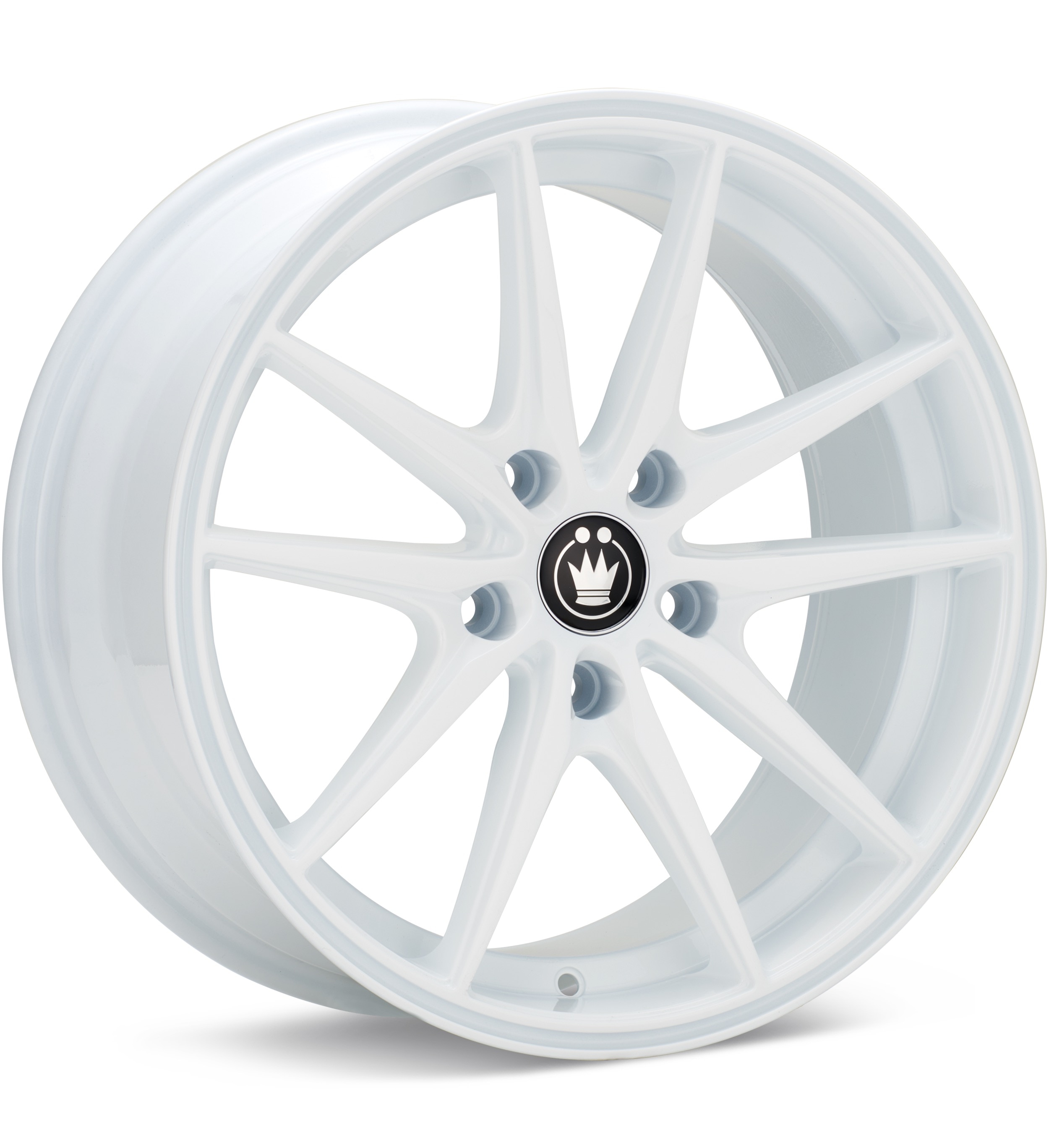
Konig
Gloss White
17 × 8″ · ET +45
$223.02
View at Tire Rack ↗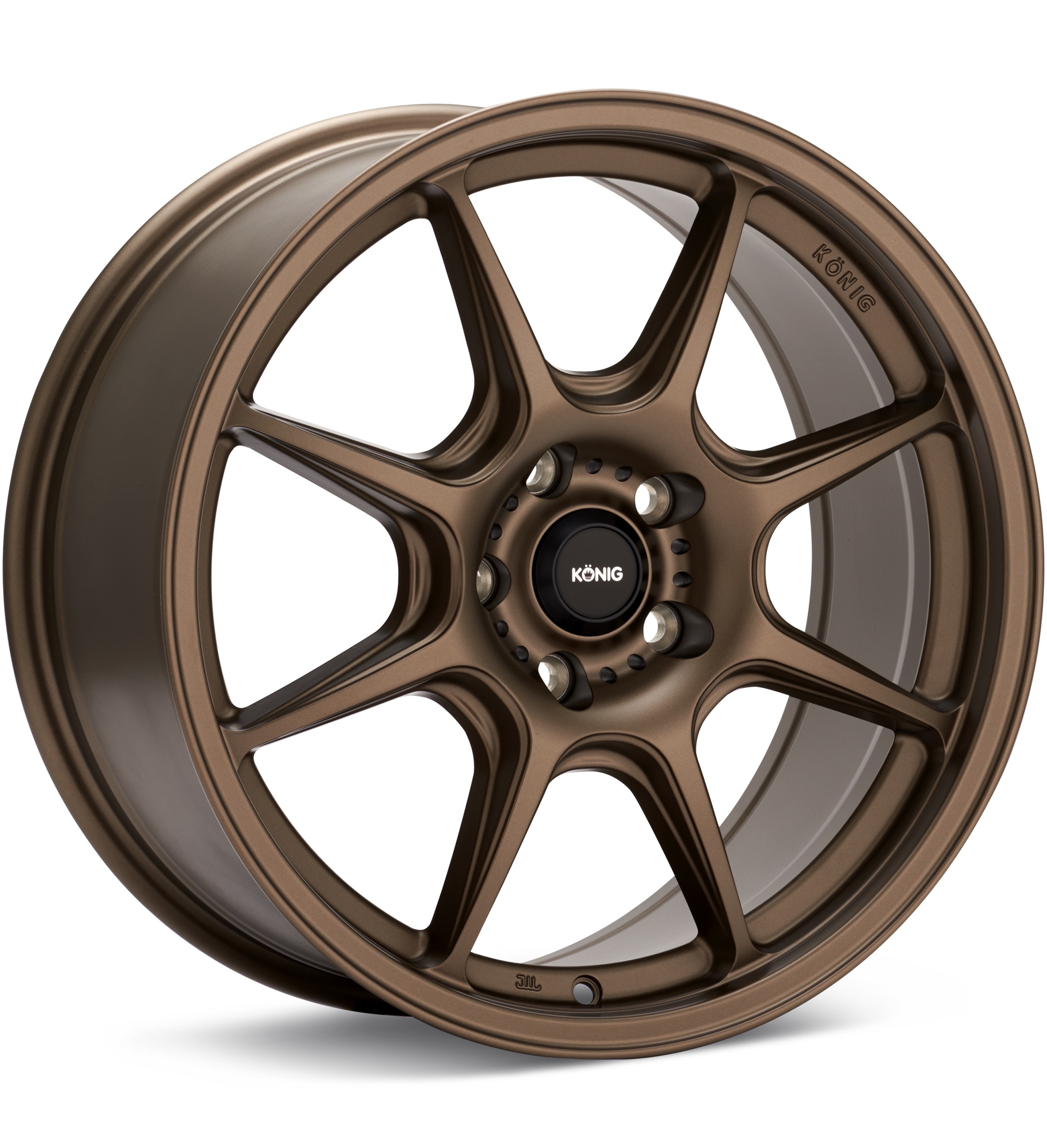
Konig
Matte Bronze
17 × 8″ · ET +43
$210.01
View at Tire Rack ↗We may earn a commission when you buy through these links. Prices and availability may change.
These are vehicle-year records whose recorded OEM ranges overlap this 2006 Acura TL. Overlap is not a guarantee that a specific wheel will install. Selected-wheel comparison is in the calculator below.
Evaluated 77 donor years. Listed 24 eligible overlaps (not all evaluated years are compatible). Showing all listed.
Years grouped because recorded compatibility evidence is equivalent. Each year keeps its own page.
Approximate position vs the mid OEM package: outer change -3.68 mm, inner change -2.68 mm. This uses aggregated width/offset ranges, not a specific wheel.
Years grouped because recorded compatibility evidence is equivalent. Each year keeps its own page.
Donor width/offset sits outside the known OEM envelope for this vehicle.
Years grouped because recorded compatibility evidence is equivalent. Each year keeps its own page.
Approximate position vs the mid OEM package: outer change -0.67 mm, inner change -5.68 mm. This uses aggregated width/offset ranges, not a specific wheel.
Years grouped because recorded compatibility evidence is equivalent. Each year keeps its own page.
Approximate position vs the mid OEM package: outer change -0.67 mm, inner change -5.68 mm. This uses aggregated width/offset ranges, not a specific wheel.
Only years with evidence-based interchange relationships are listed. Adjacent years are not assumed compatible.
Compare a donor vehicle or custom wheel against this 2006 Acura TL. Use Compare in calculator on a donor row above to fill the donor side of this same calculator.
Compare wheel compatibility between two vehicles
2006 Acura TL





Example products matched to recorded thread, hub, or spacer dimensions. They are not verified fits. Confirm seat style, thickness, and clearance before ordering.
M12 x 1.5
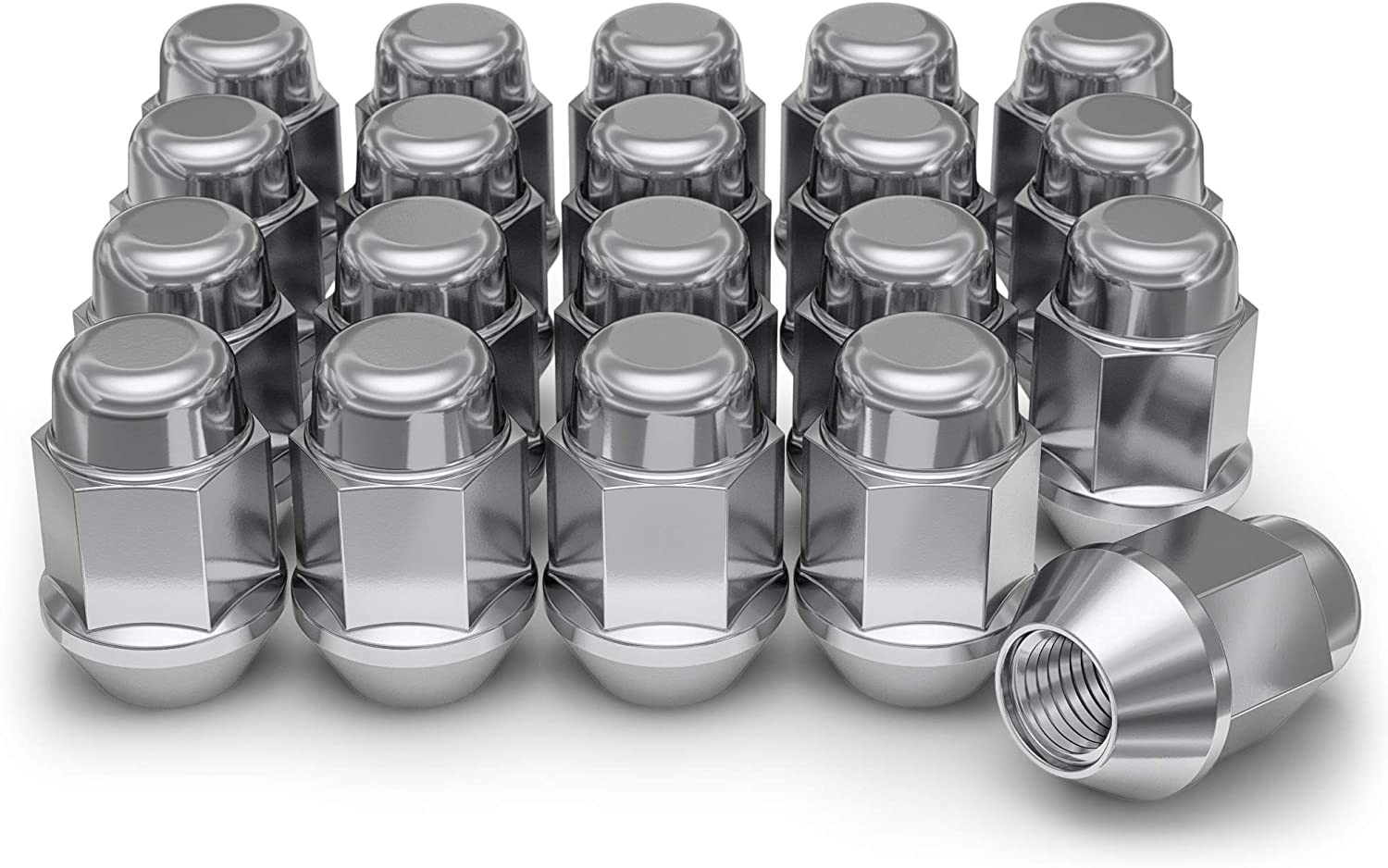
M12 x 1.5 · Thread match only; seat style is not verified
View on Amazon →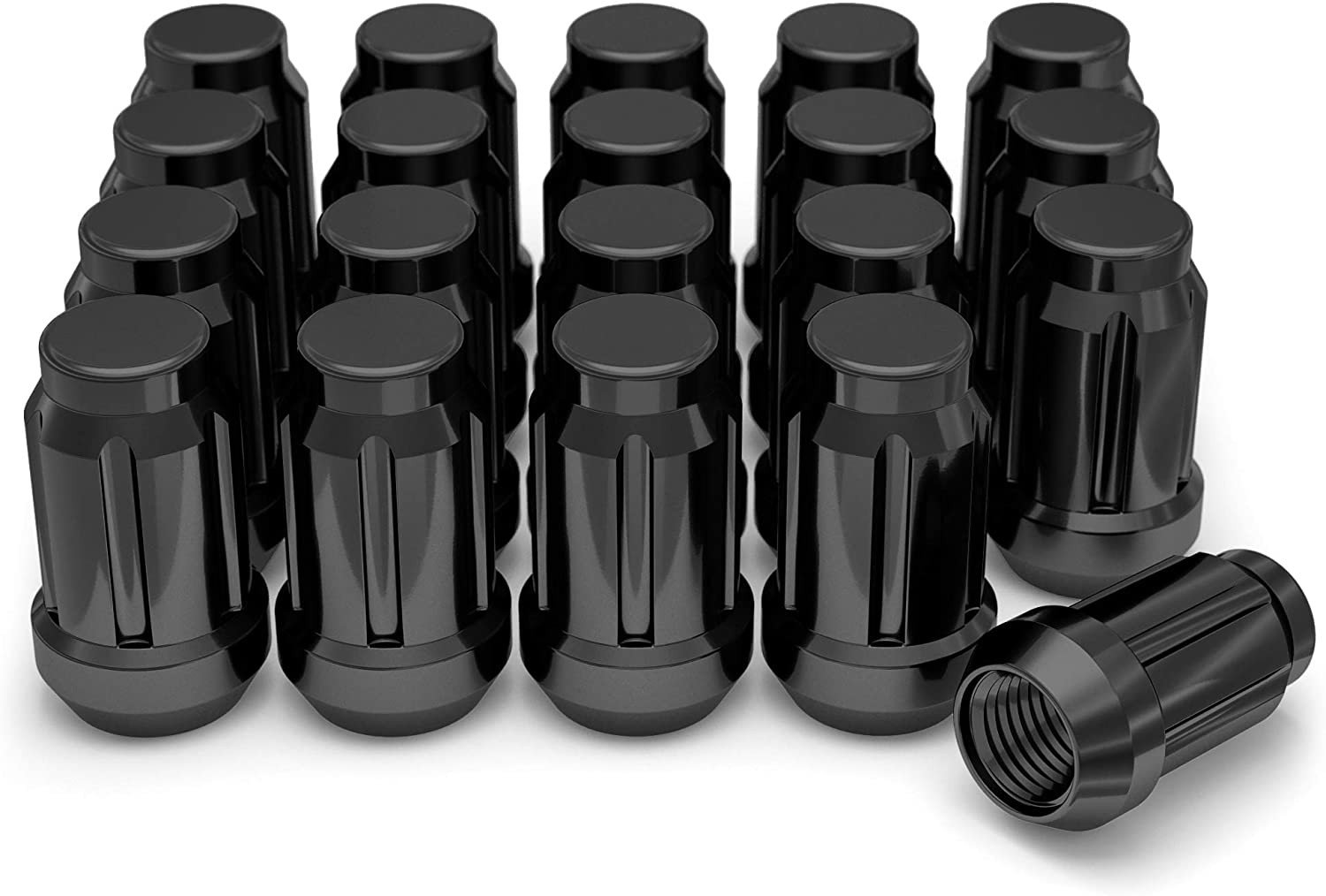
M12 x 1.5 · Thread match only; seat style is not verified
View on Amazon →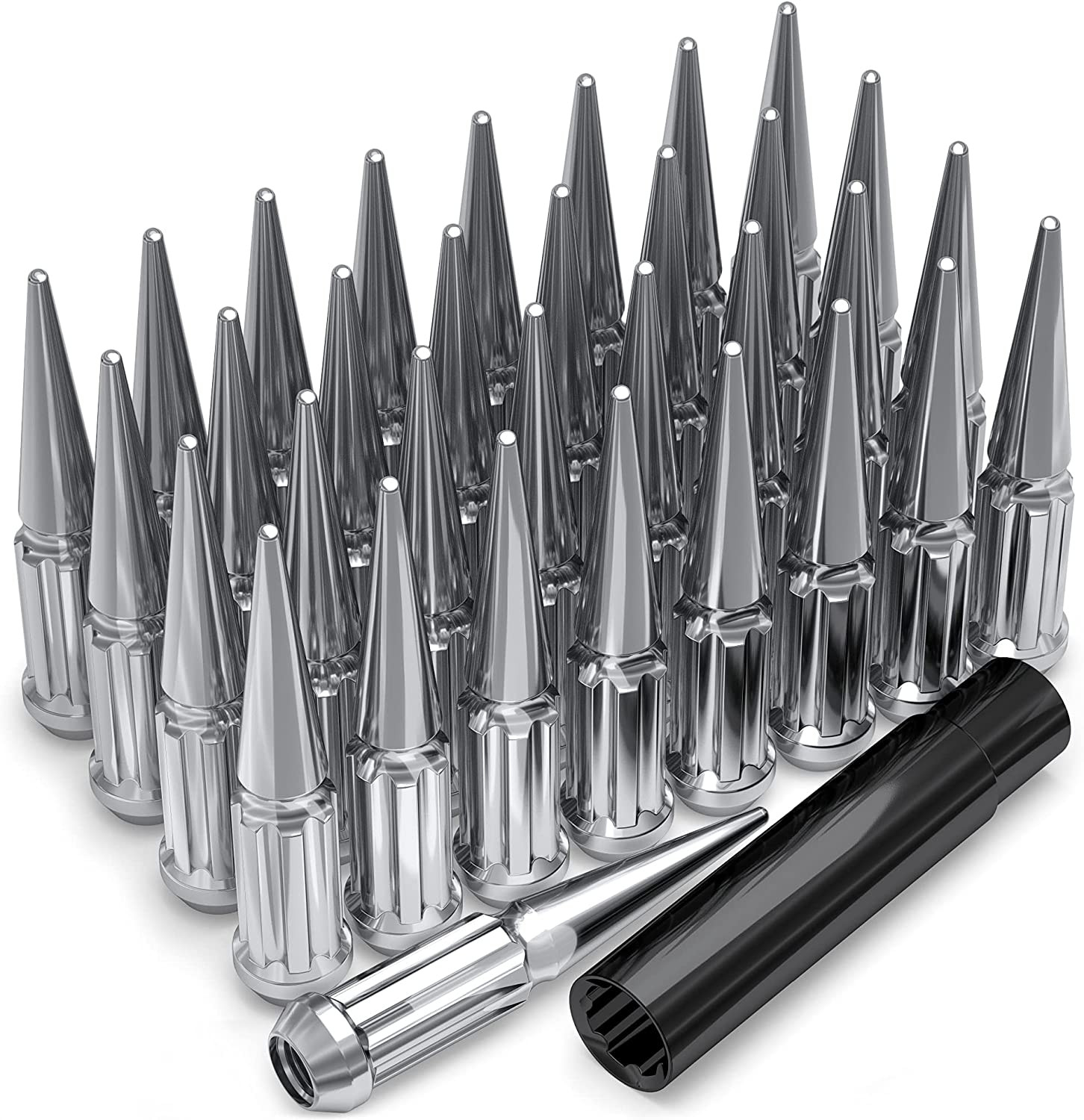
M12 x 1.5 · Thread match only; seat style is not verified
View on Amazon →As an Amazon Associate we earn from qualifying purchases. Product availability and pricing may change.
Objective: determine safe wheel and tire choices for a 2006 Acura TL using the provided OEM fitment and the on-page calculator, while noting any missing or conflicting data. I will compare keeping the OEM setup against plausible swap scenarios, and recommend a conservative path for a DIY owner or technician.
Known OEM fitment values are limited to the input list and must not be extended by assumption. The following values are provided and form the baseline evidence for any fitment interpretation.
| Specification | Provided value |
|---|---|
| Bolt pattern (studs x PCD) | 5x114.3 |
| Center bore (mm) | 64.1 |
| Thread size | M12 x 1.5 |
| Rim diameter (in) | 18 |
| Rim width (in) | 8.0 |
| Wheel offset (ET, mm) | 45 |
| Backspacing (in) | 5.77 |
| Tire section width (mm) | 235 |
| Tire aspect ratio (%) | 45 |
| Tire rim diameter (R) | 17 |
Interpretation: there is a clear contradiction between rim diameter (18 in) and tire rim diameter listed as R17. This limitation must be resolved before final fitment decisions. Use the on-page calculator and OEM sources to confirm which value applies to your specific vehicle or trim.
I observe three practical paths, each with different trade-offs. I list them so you can compare consequences rather than accept an unexamined recommendation.
I compare the three options using the provided evidence and known limitations, emphasizing practical consequences that matter to a skeptical evaluator.
Bolt pattern, center bore, and lug thread are binary compatibility checkpoints; if these match, a wheel can physically mount but may still cause interference. This is the most reliable evidence for initial compatibility.
Option A preserves OEM handling balance and reduces unknown variables, which minimizes the risk of rubbing, altered scrub radius, and brake clearance issues. Option B trades a controlled change in rim width or offset for potential aesthetic or tire fitment benefits, but it increases the importance of precise measurement and calculator modeling to evaluate clearances.
Choosing a different rim diameter requires reconciling the current tire rim diameter contradiction first. Downsizing to 17 inch rims will change tire sidewall height and overall diameter, which influences speedometer calibration, ride quality, and ABS operation. The on-page calculator can simulate that diameter change, but you must enter confirmed tire rim diameter and section/aspect values for accurate results.
To implement any option you will need measuring and fitment tools. Two useful search links for common parts and tools are provided for context: hub centric rings and a wheel torque tool. They support safe installation but do not replace confirming OEM torque or consulting dealer data.
My interpretation of the evidence favors a conservative approach: retain the documented wheel bolt pattern, center bore, and thread size, and keep wheel dimensions at the provided 18 x 8.0 with ET45 unless you confirm a safe alternative with the calculator and OEM sources. First resolve the rim/tire diameter contradiction by inspecting the tire sidewall, the driver door placard, or the owner’s manual, then model any changes in the on-page calculator.
Use the calculator as follows: set “Installed on (your vehicle)” to the provided OEM values, enter the actual current tire rim diameter from the tire sidewall, then test “Custom wheel size” and “Custom tire size” scenarios to see clearance, speedometer and rolling diameter impacts. This procedure reduces the need for speculative fitting and provides measurable outputs you can validate against physical measurements.
I list likely risks so you can weigh them against potential benefits rather than dismiss them. The following points summarize what to watch for and how to verify before installation.
Final interpretation: resolving the contradiction about rim/tire diameter is the immediate priority, followed by conservative adherence to OEM bolt pattern, center bore, and thread size while using the calculator to model offset and diameter changes.
Wheel interchange depends on more than bolt pattern. Where data is available, this site compares recorded OEM values:
A normal wheel spacer does not change bolt pattern. Hub rings cannot enlarge a wheel bore that is smaller than the hub. Brake clearance and tire package fitment still require vehicle-specific checks when not confirmed in the dataset.
