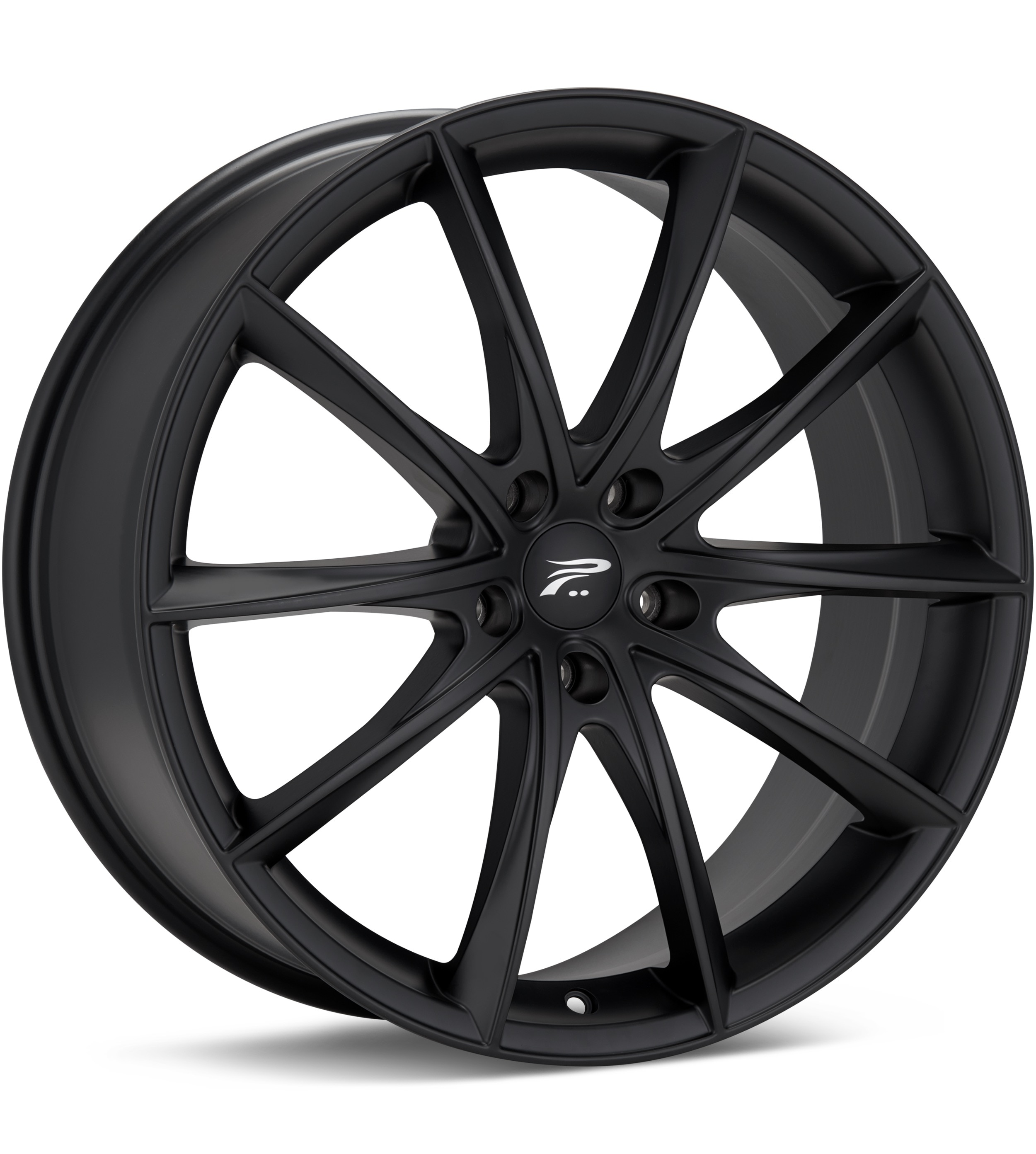
Platinum
Flux
Black
16 × 7″ · ET +40
$184.81
View at Tire Rack ↗Recorded OEM specifications for the 2006 Audi TT, donor years with overlapping ranges, and a calculator to compare a selected wheel. Range overlap is not a guaranteed fit.
Save these wheel specs to your Ownery garage
Baseline mounting dimensions used for interchange decisions.
Multiple OEM configurations exist for this vehicle. Fitment can vary by trim, brakes, and factory wheel package – confirm your exact setup before buying.
Thread-only product links are shopping examples, not verified fits. Seat style is not confirmed here. As an Amazon Associate we earn from qualifying purchases.
Selected size: 16 × 7″ · ET +47
Showing matching bolt patterns and offsets up to 20 mm lower. Confirm center bore, load rating, and clearance at Tire Rack.
Platinum
Black
16 × 7″ · ET +40
$184.81
View at Tire Rack ↗
Platinum
Machined w/Black Accent
16 × 7″ · ET +40
$197.12
View at Tire Rack ↗
Platinum
Gloss Black
16 × 7″ · ET +40
$175.81
View at Tire Rack ↗We may earn a commission when you buy through these links. Prices and availability may change.
These are vehicle-year records whose recorded OEM ranges overlap this 2006 Audi TT. Overlap is not a guarantee that a specific wheel will install. Selected-wheel comparison is in the calculator below.
Evaluated 22 donor years. Listed 15 eligible overlaps (not all evaluated years are compatible). Showing all listed.
Years grouped because recorded compatibility evidence is equivalent. Each year keeps its own page.
Approximate position vs the mid OEM package: outer change 5.5 mm, inner change -5.5 mm. This uses aggregated width/offset ranges, not a specific wheel.
Years grouped because recorded compatibility evidence is equivalent. Each year keeps its own page.
Approximate position vs the mid OEM package: outer change -12.85 mm, inner change 0.15 mm. This uses aggregated width/offset ranges, not a specific wheel.
Only years with evidence-based interchange relationships are listed. Adjacent years are not assumed compatible.
Compare a donor vehicle or custom wheel against this 2006 Audi TT. Use Compare in calculator on a donor row above to fill the donor side of this same calculator.
Compare wheel compatibility between two vehicles
2006 Audi TT





Example products matched to recorded thread, hub, or spacer dimensions. They are not verified fits. Confirm seat style, thickness, and clearance before ordering.
M14 x 1.5
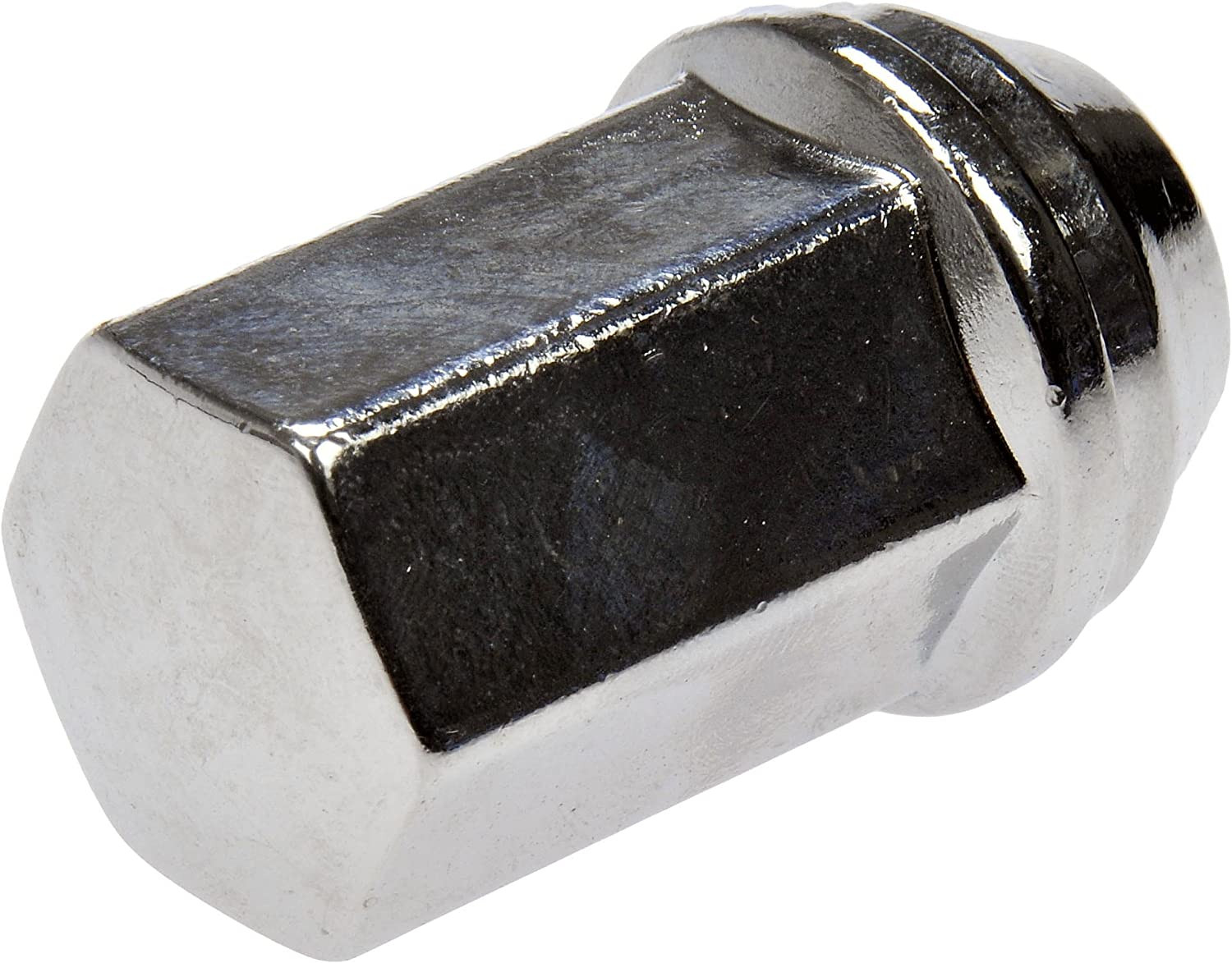
M14 x 1.5 · Thread match only; seat style is not verified
View on Amazon →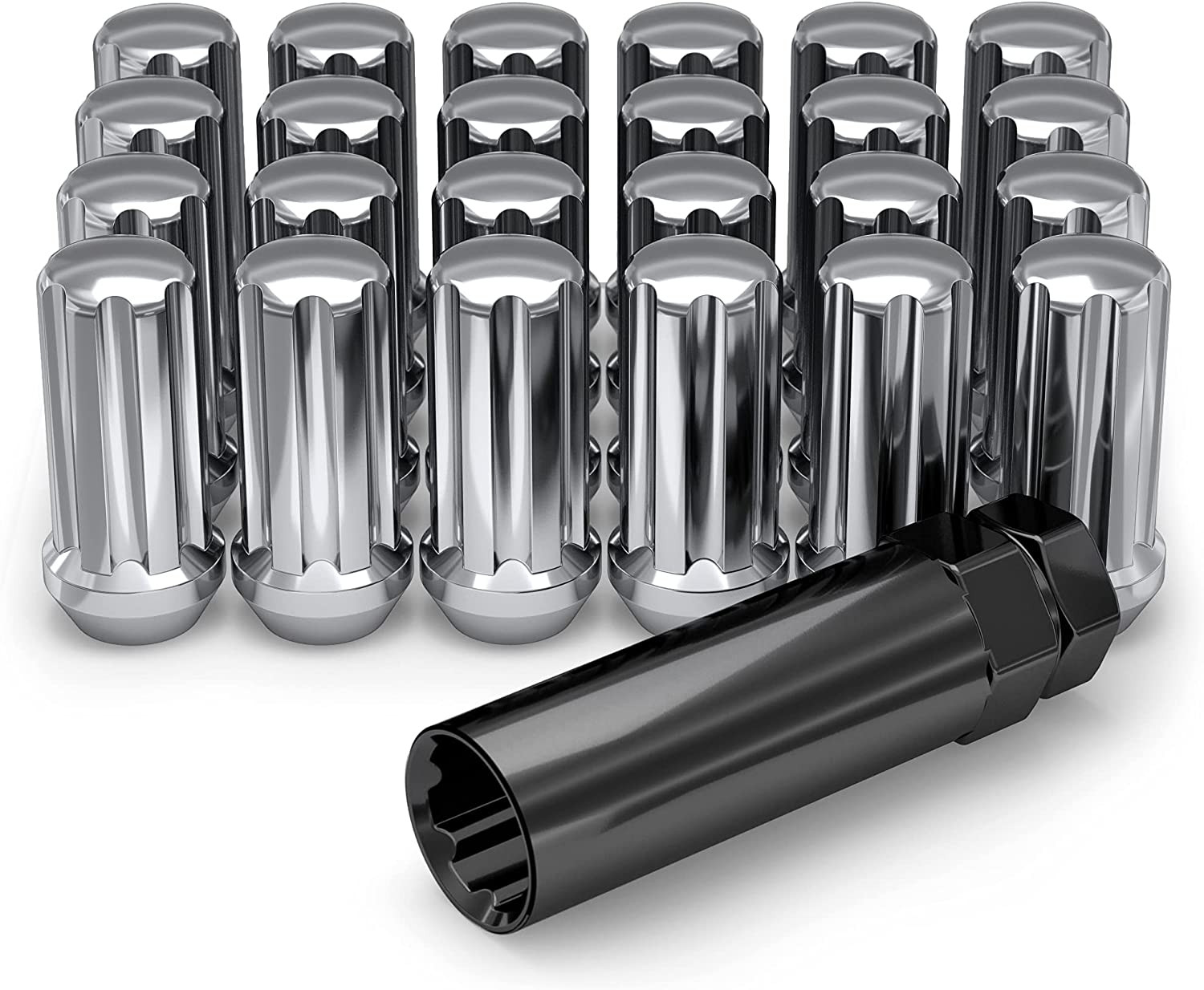
M14 x 1.5 · Thread match only; seat style is not verified
View on Amazon →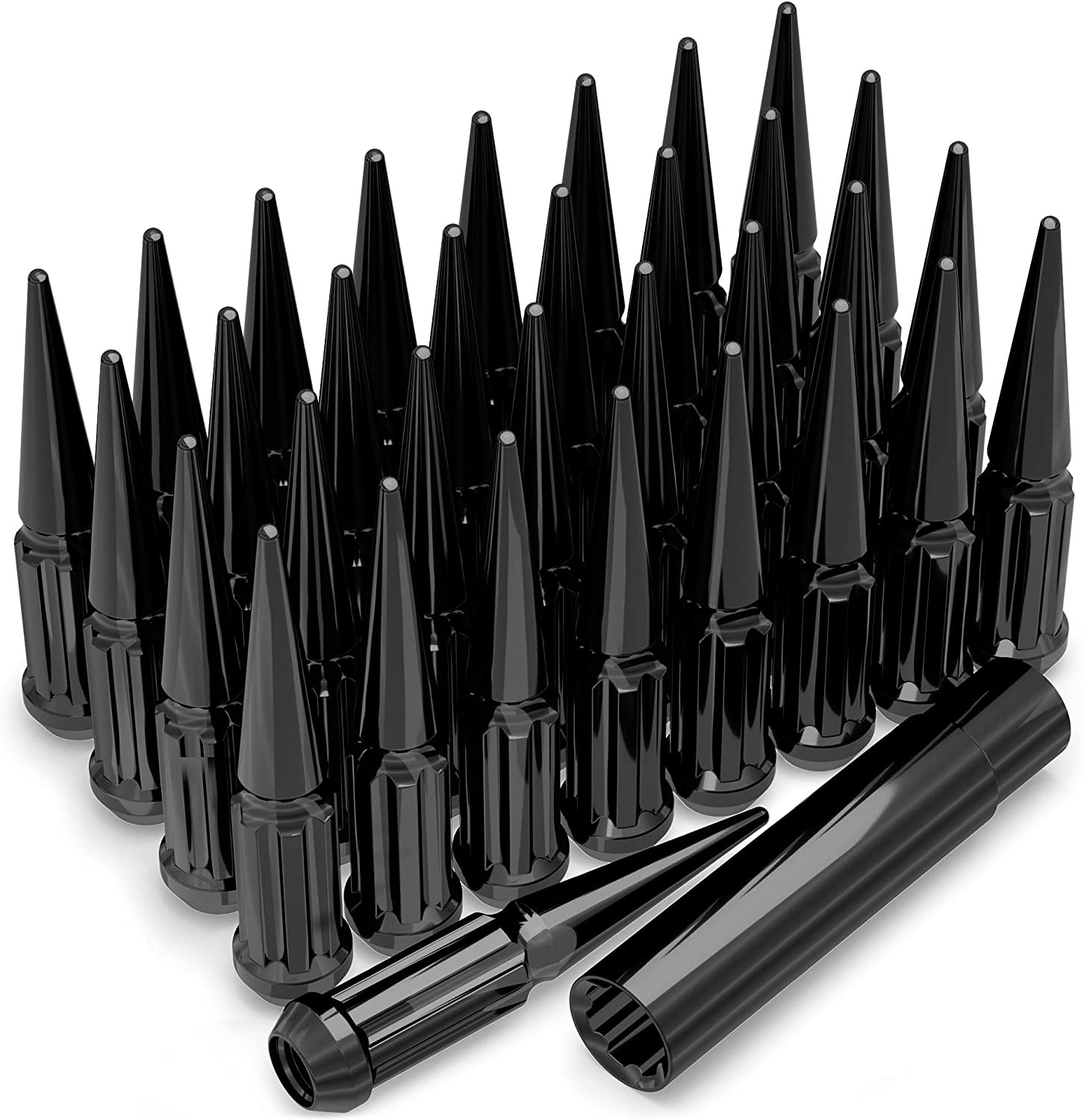
M14 x 1.5 · Thread match only; seat style is not verified
View on Amazon →As an Amazon Associate we earn from qualifying purchases. Product availability and pricing may change.
Think of this page as a clear mental model for the 2006 Audi TT. We will clear up common fitment myths, show what the factory spec tells us, and help you use the on-page calculator to sanity-check custom wheels and tires before you buy.
| Bolt pattern | 5x100 |
| Center bore | 57.1 mm |
| Thread size | M14 x 1.5 |
| Rim diameter | 16 in |
| Rim width | 7.5 in |
| Wheel offset | ET 45 mm |
| Backspacing | 5.52 in |
| Tire size | 225/55R16 |
Some trims and packages can ship with different wheel and tire sizes. If your TT’s door-jamb placard or owner’s manual lists a different size, use the calculator on this page to compare that OEM size against any donor wheels you are considering. Cross-check with OEM documentation by VIN when in doubt.
Why it seems true
The bolt circle looks similar, and many Audi wheels share styling and hardware. Friends might have swapped wheels between models without issues.
What is true
The 2006 TT uses a 5x100 bolt pattern and a 57.1 mm hub. Many later Audis use 5x112 and different hub bores. Even if a wheel physically bolts up with adapters or wobble bolts, hub and offset differences can impact safety and handling.
Implications
Match 5x100 exactly for a direct fit. If you test a donor wheel in the calculator, verify center bore and offset changes. If the donor wheel’s bore is larger than 57.1 mm, plan on precise hub-centric rings. If it is smaller, it does not slide on without machining, which is not recommended for safety-critical parts.
Quick tests
Why it seems true
Both describe how the wheel sits relative to the hub. Listings often show only one number, which feels like a simple swap.
What is true
Offset is the distance from wheel centerline to the mounting face. Backspacing is measured from mounting face to the inner rim edge. The factory baseline here is ET 45 mm with 5.52 in backspacing on a 16x7.5 wheel. Change width or offset and both inner and outer clearances move in different ways.
Implications
Use the calculator to visualize inner clearance to struts and outer poke toward fenders. A good rule of thumb is to keep inner clearance changes modest to avoid rubbing under load, and watch outer poke to stay within the fender line under compression and steering.
Quick tests
Why it seems true
If the wheel clears the brakes and the tire mounts, it looks fine. Many ride-height photos online make sizes appear similar.
What is true
Tire overall diameter affects speedometer error, gearing feel, ABS and stability system behavior, and fender clearance. The calculator updates tire diameter when you change rim diameter, so you can compare rolling radius against the factory 225/55R16 baseline.
Implications
Keep overall diameter changes modest. A small increase can fill the wheel well, but too much can stress driveline and cause rubbing. A small decrease can help acceleration feel, but can increase wheel gap and speedometer error.
Quick tests
Set Wheels from to the donor vehicle or the custom wheel and tire you want to try. Set Installed on to your 2006 Audi TT. Adjust Custom wheel size and Custom tire size to see:
If any field is unknown for the donor set, leave it blank and fill what you know. The tool still shows how offset and width alone will shift inner and outer positions. Cross-check remaining details with OEM sources before buying.
Wheel interchange depends on more than bolt pattern. Where data is available, this site compares recorded OEM values:
A normal wheel spacer does not change bolt pattern. Hub rings cannot enlarge a wheel bore that is smaller than the hub. Brake clearance and tire package fitment still require vehicle-specific checks when not confirmed in the dataset.
