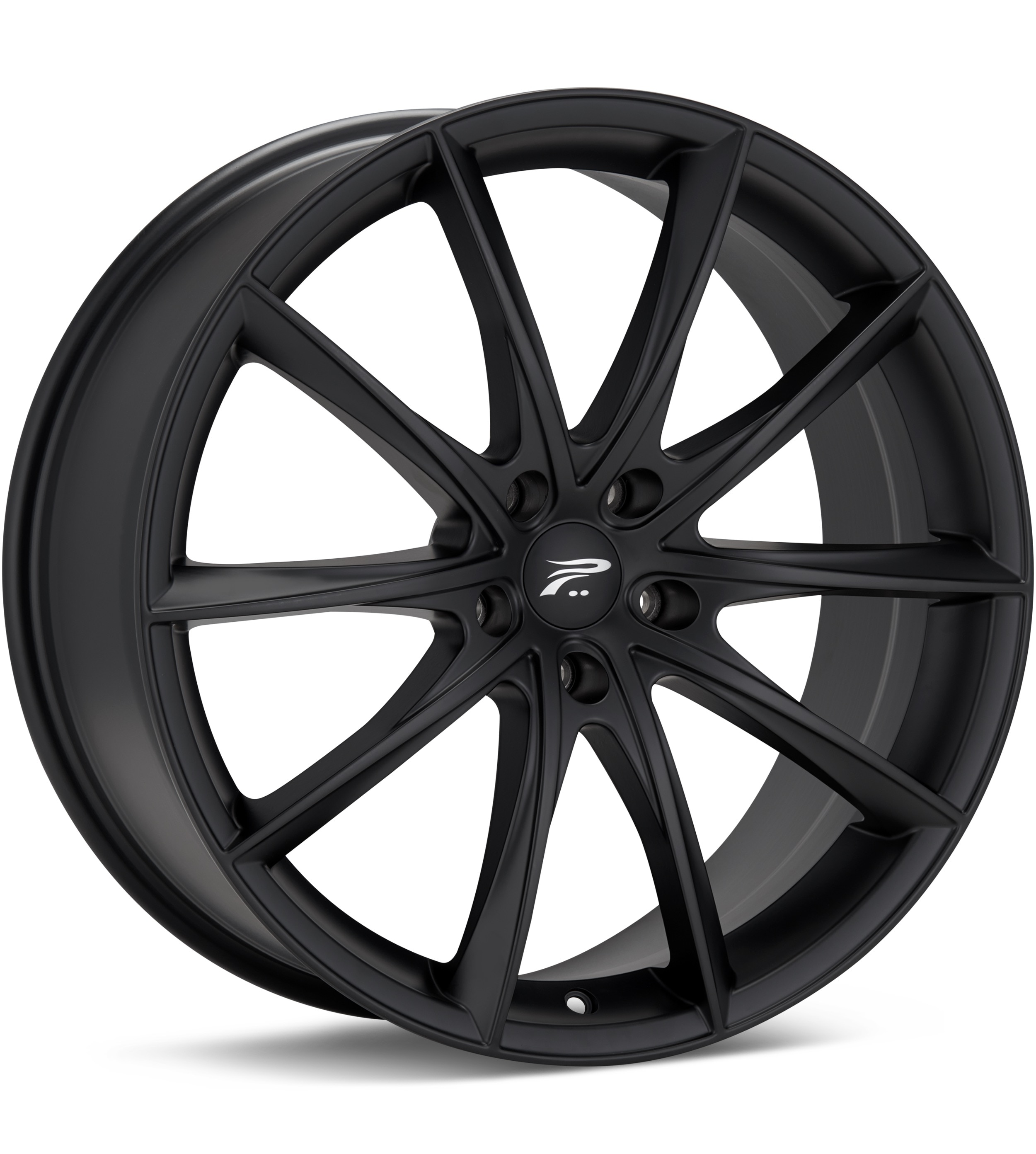
Platinum
Flux
Black
16 × 7″ · ET +40
$184.81
View at Tire Rack ↗Recorded OEM specifications for the 2014 Audi TT, donor years with overlapping ranges, and a calculator to compare a selected wheel. Range overlap is not a guaranteed fit.
Save these wheel specs to your Ownery garage
Baseline mounting dimensions used for interchange decisions.
Multiple OEM configurations exist for this vehicle. Fitment can vary by trim, brakes, and factory wheel package – confirm your exact setup before buying.
Thread-only product links are shopping examples, not verified fits. Seat style is not confirmed here. As an Amazon Associate we earn from qualifying purchases.
Selected size: 16 × 7″ · ET +47
Showing matching bolt patterns and offsets up to 20 mm lower. Confirm center bore, load rating, and clearance at Tire Rack.
Platinum
Black
16 × 7″ · ET +40
$184.81
View at Tire Rack ↗
Platinum
Machined w/Black Accent
16 × 7″ · ET +40
$197.12
View at Tire Rack ↗
Platinum
Gloss Black
16 × 7″ · ET +40
$175.81
View at Tire Rack ↗We may earn a commission when you buy through these links. Prices and availability may change.
These are vehicle-year records whose recorded OEM ranges overlap this 2014 Audi TT. Overlap is not a guarantee that a specific wheel will install. Selected-wheel comparison is in the calculator below.
Evaluated 135 donor years. Listed 24 eligible overlaps (not all evaluated years are compatible). Showing all listed.
Years grouped because recorded compatibility evidence is equivalent. Each year keeps its own page.
Recorded OEM bolt pattern, center bore, and width/offset ranges overlap. This is not a guarantee that every wheel from the donor year fits this vehicle.
Years grouped because recorded compatibility evidence is equivalent. Each year keeps its own page.
Approximate position vs the mid OEM package: outer change -7.35 mm, inner change -5.35 mm. This uses aggregated width/offset ranges, not a specific wheel.
Only years with evidence-based interchange relationships are listed. Adjacent years are not assumed compatible.
Compare a donor vehicle or custom wheel against this 2014 Audi TT. Use Compare in calculator on a donor row above to fill the donor side of this same calculator.
Compare wheel compatibility between two vehicles
2014 Audi TT





Example products matched to recorded thread, hub, or spacer dimensions. They are not verified fits. Confirm seat style, thickness, and clearance before ordering.
M14 x 1.5
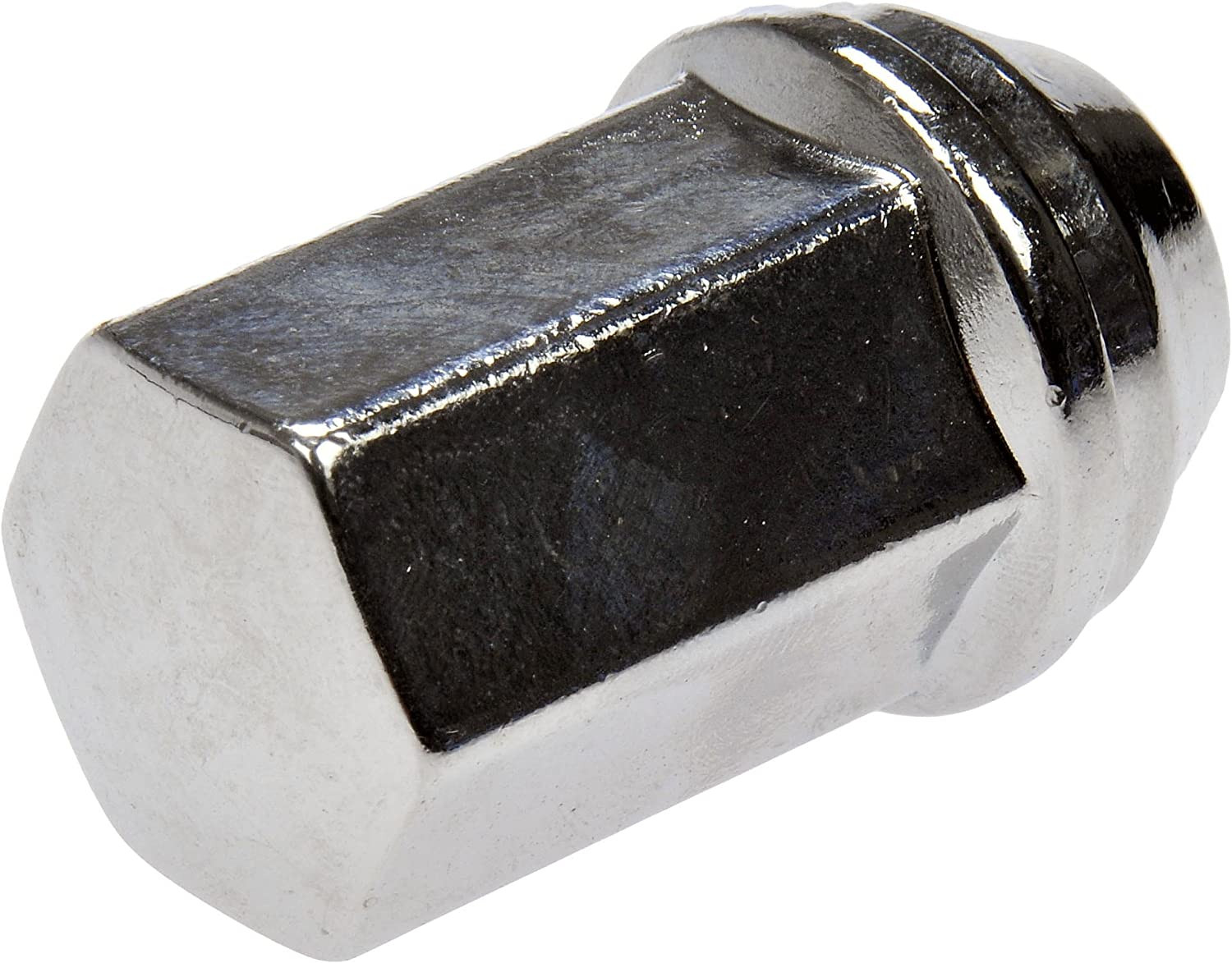
M14 x 1.5 · Thread match only; seat style is not verified
View on Amazon →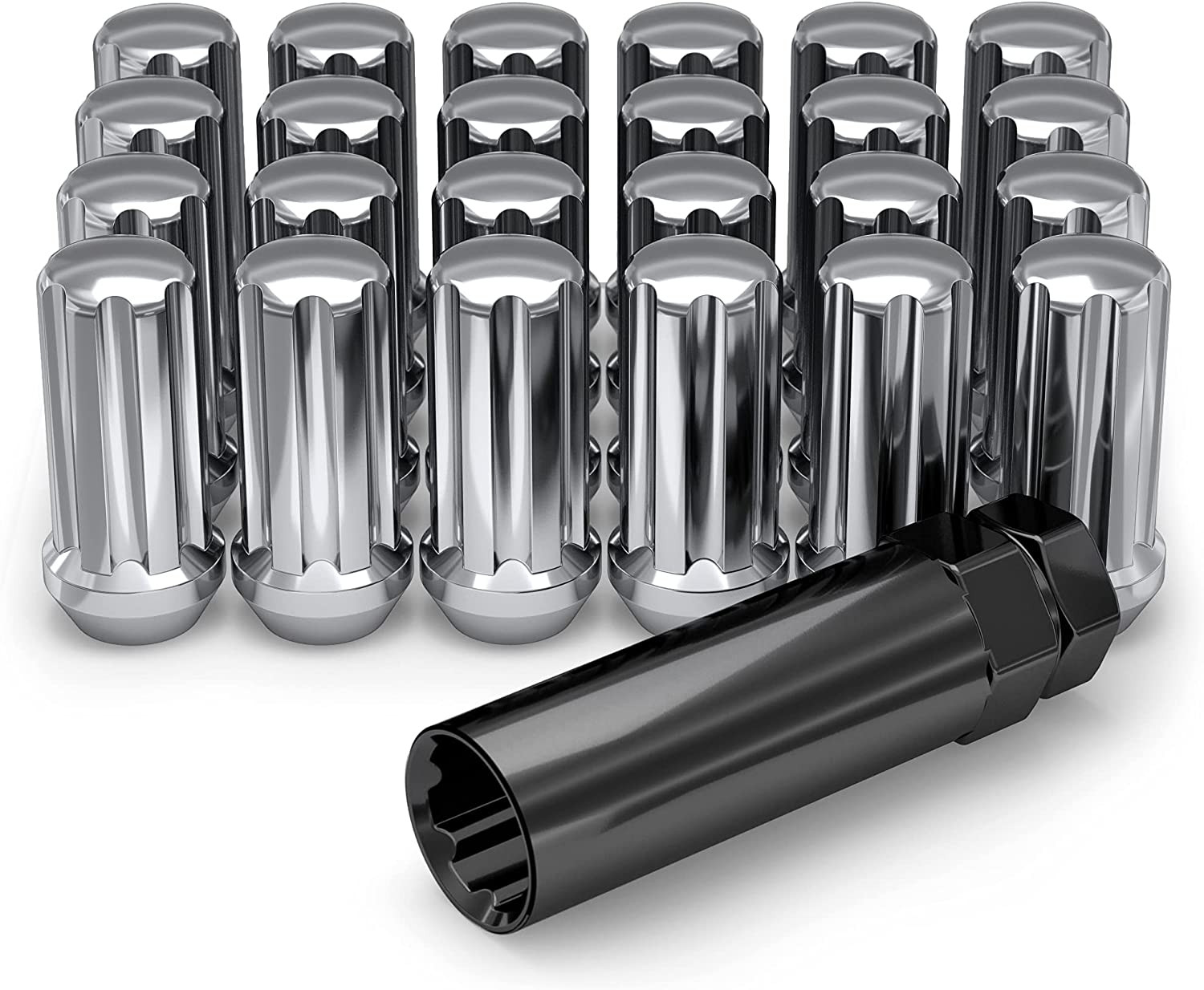
M14 x 1.5 · Thread match only; seat style is not verified
View on Amazon →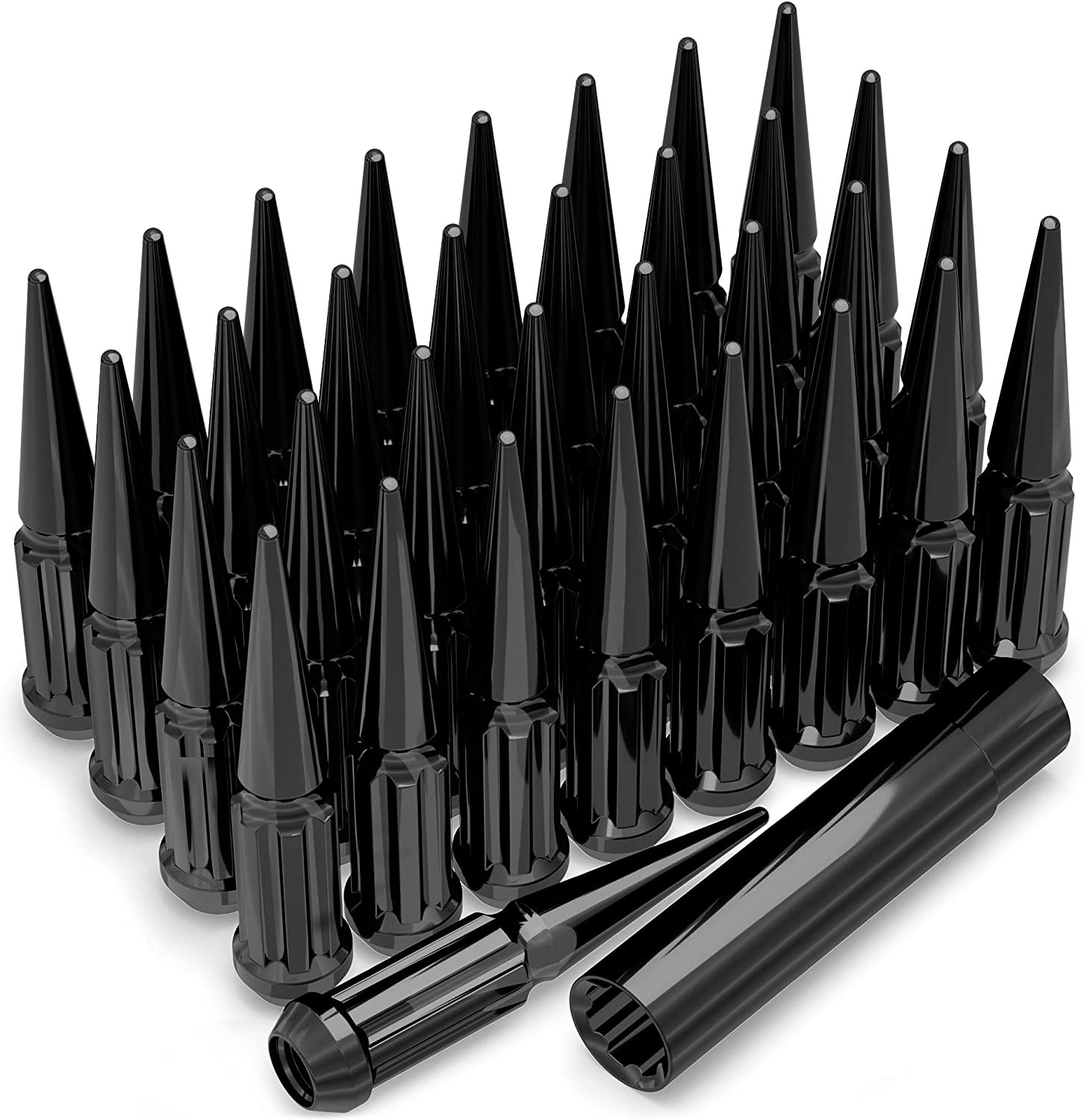
M14 x 1.5 · Thread match only; seat style is not verified
View on Amazon →As an Amazon Associate we earn from qualifying purchases. Product availability and pricing may change.
Diagnose and confirm correct wheel and tire fitment for a 2014 Audi TT. Prevent rubbing, vibration, and unsafe fastening by verifying key dimensions. The focus is on matching bolt pattern, center bore, thread size, rim size, and offset.
You need these tools and references before you begin. Bring a torque wrench, lug wrench, jack and stands, caliper or bore gauge, and a tape measure. Have the vehicle on level ground and consult the owner's manual when possible for torque specs.
Optional parts: hub-centric rings and short wheel studs, depending on fitment. Tools can be sourced from common retailers if you need replacements.
Relevant OEM fitment data known for this vehicle is shown below. If a trim or option varies, do not assume values. Use the on-page calculator and OEM sources for validation.
| Specification | Value |
|---|---|
| Bolt pattern (studs x PCD) | 5x112 |
| Center bore (mm) | 57.1 |
| Thread size | M14 x 1.5 |
| Rim diameter (in) | 16 |
| Rim width (in) | 7.5 |
| Wheel offset (ET, mm) | 45 |
| Backspacing (in) | 5.52 |
| Tire size | 225/55R16 |
Start by framing the problem: new wheels often fail because one critical dimension does not match. Work through the checks in the order below to eliminate fitment risk.
Confirm the wheel bolt pattern is 5x112. If a donor wheel uses a different pattern, it will not fit. Next check the thread size on the hub studs or wheel bolts. This Audi TT uses M14 x 1.5. Do not force mismatched studs or nuts.
Measure the hub bore and the wheel center bore. OEM center bore is 57.1 mm. If the wheel bore is larger, use hub-centric rings to center the wheel. If smaller, the wheel will not seat. Correct hub centering avoids vibration and prevents uneven stress on lug hardware.
OEM rim diameter is 16 inches and width is 7.5 inches. If you plan a different rim width, calculate the compatible tire widths and inner clearance. Wider wheels increase track and may require different offset or fender clearance.
OEM offset is ET45, with backspacing about 5.52 inches. Offset shifts the tire relative to suspension and body. Lower offset moves the tire outwards. Use the on-page calculator to compare your planned offset against ET45 and confirm wheel/tire interference. This calculator updates tire diameter when you change rim diameter, which helps maintain overall gearing and speedometer assumptions.
Original tires are 225/55R16. If you change rim diameter or tire section width, check overall diameter and speedometer impact. The on-page calculator compares donor wheels to this vehicle and updates tire diameter as you change rim size.
Use correct lug nuts for M14 x 1.5 threads and torque to the manufacturer's specification. If you do not have the torque spec, consult the owner's manual or dealer. This is a necessary validation step.
After fitting a wheel, perform these validation checks before final driving. Validate hub seating, lug torque, wheel runout, and clearance at full lock and suspension droop.
Use the on-page fitment calculator for a quick assumption check. It guides whether a donor wheel will fit or if a custom wheel requires adjustment. Treat calculator results as a validation tool, not a replacement for physical measurement.
If you encounter rubbing, vibration, or poor seating, isolate the root cause before modifying wheels. Here are common problems and recommended fixes.
Likely causes are too low an offset or too wide a wheel/tire combination. Options include narrower tires, higher offset wheels, or minor roll/pull of the fender where appropriate. Use the calculator to estimate clearance changes before cutting or bending bodywork.
Check for improper centering, loose lug nuts, or bent wheels. Confirm center bore fit and add hub rings if necessary. If balancing does not remove vibration, have the wheel inspected for runout or damage.
Do not chase threads or force nuts. If the wheel uses different thread pitch, source correct studs or wheels that match M14 x 1.5. Replacing studs is a repair that requires correct parts and torque procedures.
Do not rely on feel. Find the specification in the vehicle manual or contact an Audi dealer. Incorrect torque can lead to stretched studs or loose wheels.
Following these steps closes the gap from confusion to clarity. Start by confirming bolt pattern, center bore, and thread size, then validate offset and tire diameter with the on-page calculator. Use physical measurement and OEM sources for final validation, and prioritize safety when fastening and testing.
If you need basic tools or hub-centric rings, these items are helpful to have on hand.
Helpful parts search links:
Use the on-page calculator for quick trade-off comparisons between donor wheels and the installed setup. For any remaining uncertainty, confirm dimensions at the hub and consult OEM documents before you drive.
Wheel interchange depends on more than bolt pattern. Where data is available, this site compares recorded OEM values:
A normal wheel spacer does not change bolt pattern. Hub rings cannot enlarge a wheel bore that is smaller than the hub. Brake clearance and tire package fitment still require vehicle-specific checks when not confirmed in the dataset.
