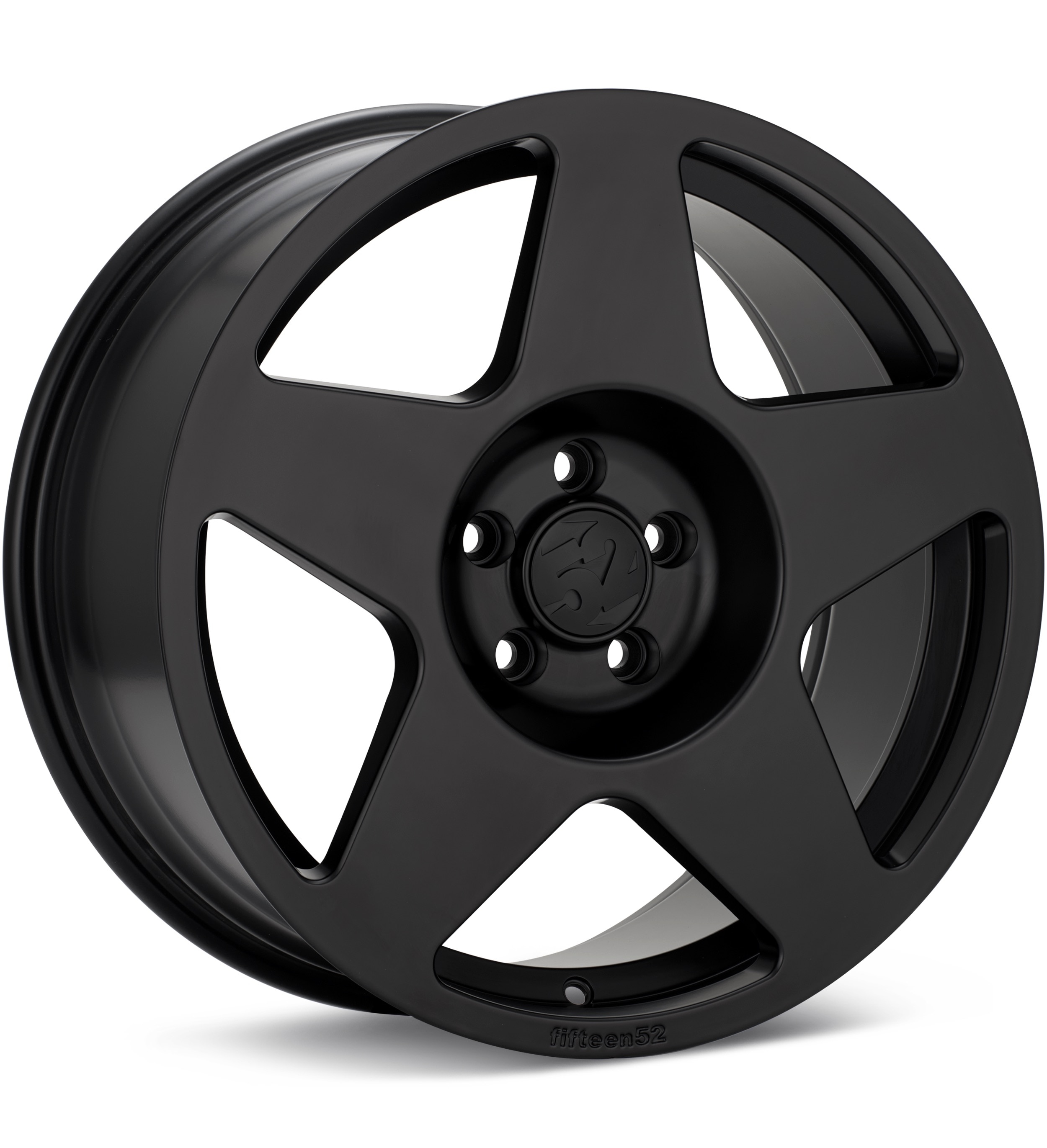
fifteen52
Tarmac
Asphalt Black
18 × 8.5″ · ET +45
$311.21
View at Tire Rack ↗Recorded OEM specifications for the 2017 Audi TT, donor years with overlapping ranges, and a calculator to compare a selected wheel. Range overlap is not a guaranteed fit.
Save these wheel specs to your Ownery garage
Baseline mounting dimensions used for interchange decisions.
Multiple OEM configurations exist for this vehicle. Fitment can vary by trim, brakes, and factory wheel package – confirm your exact setup before buying.
Thread-only product links are shopping examples, not verified fits. Seat style is not confirmed here. As an Amazon Associate we earn from qualifying purchases.
Selected size: 18 × 8.5″ · ET +50
Showing matching bolt patterns and offsets up to 20 mm lower. Confirm center bore, load rating, and clearance at Tire Rack.
fifteen52
Asphalt Black
18 × 8.5″ · ET +45
$311.21
View at Tire Rack ↗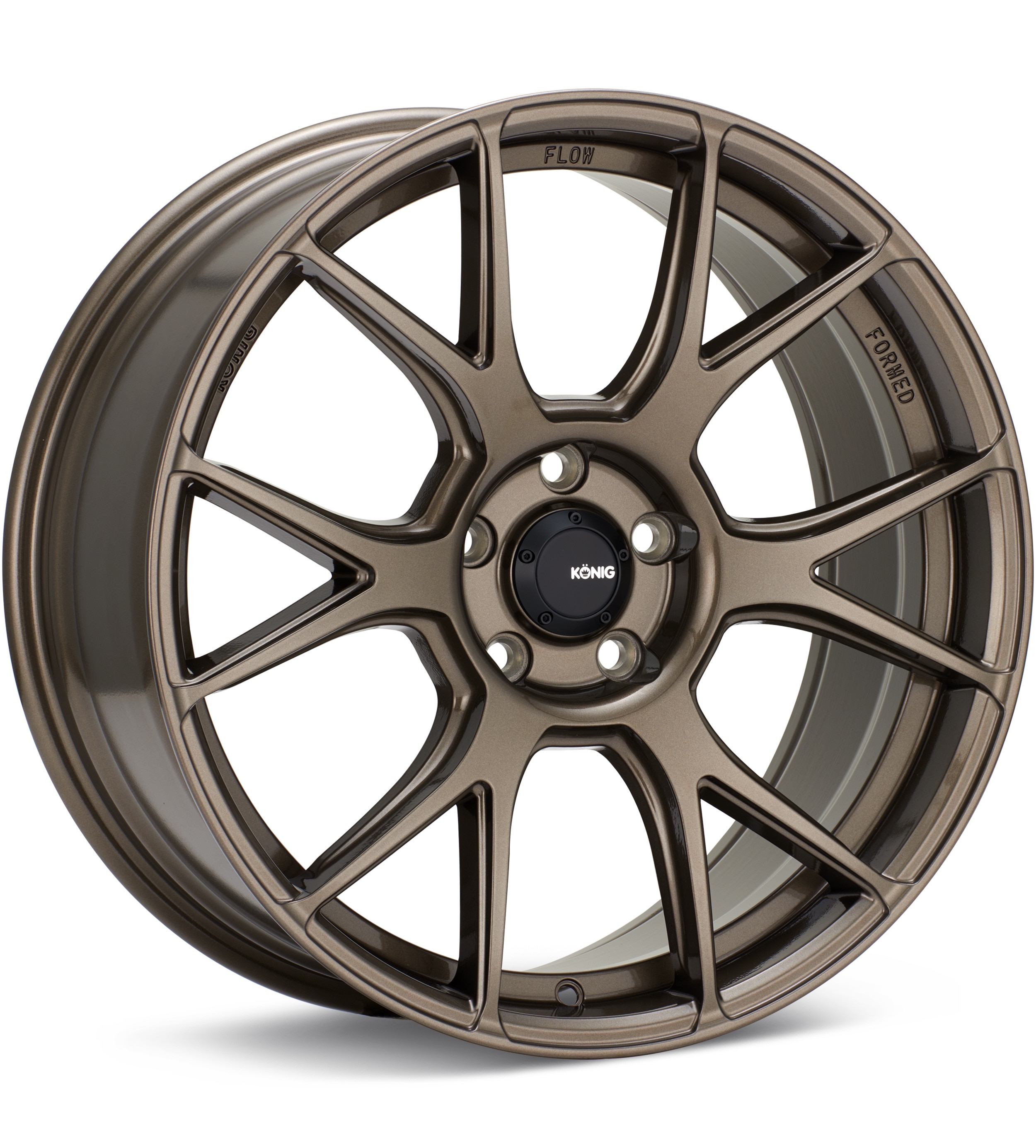
Konig
Bronze
18 × 8.5″ · ET +43
$337.41
View at Tire Rack ↗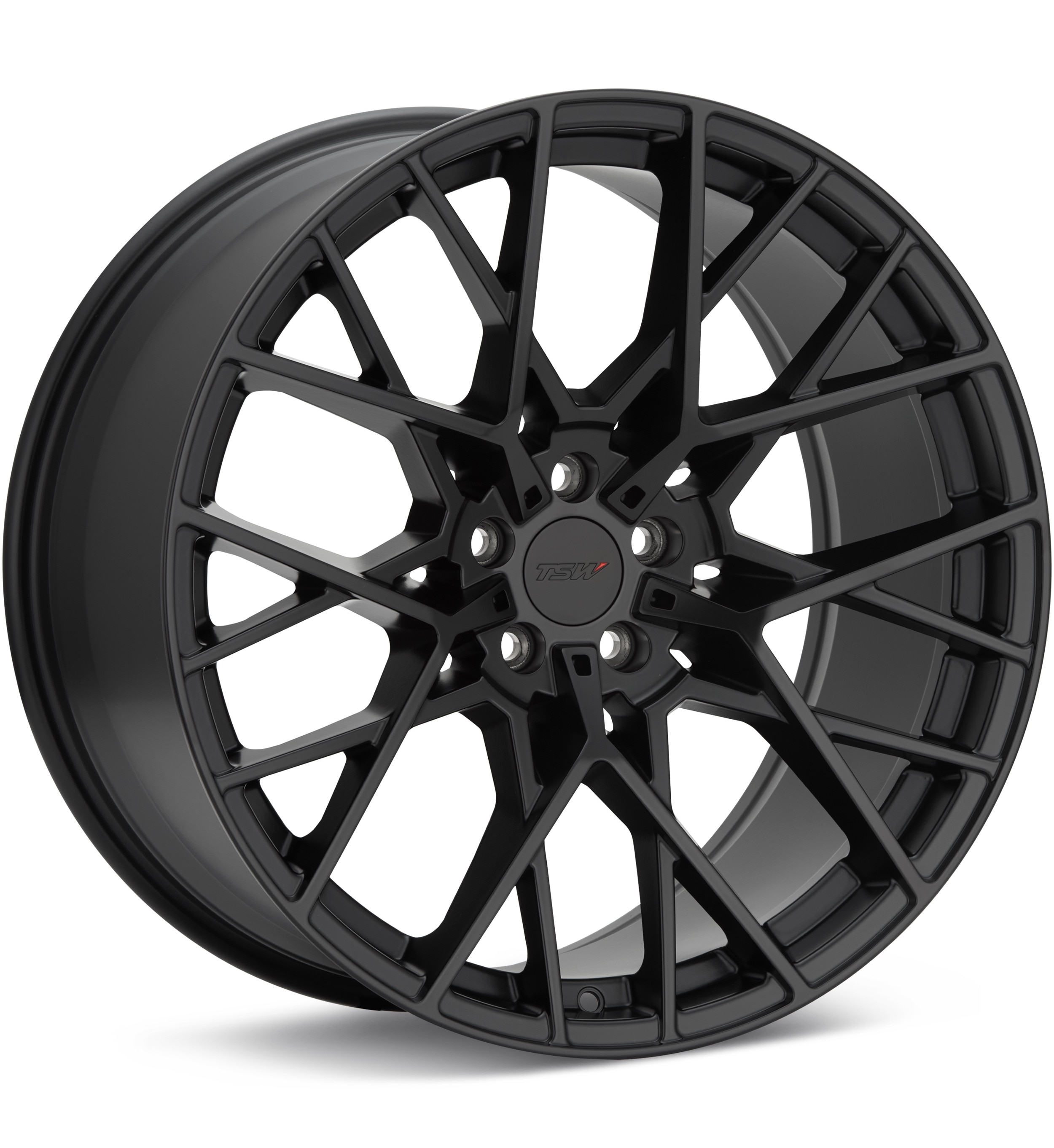
TSW
Black
18 × 8.5″ · ET +42
$319.00
View at Tire Rack ↗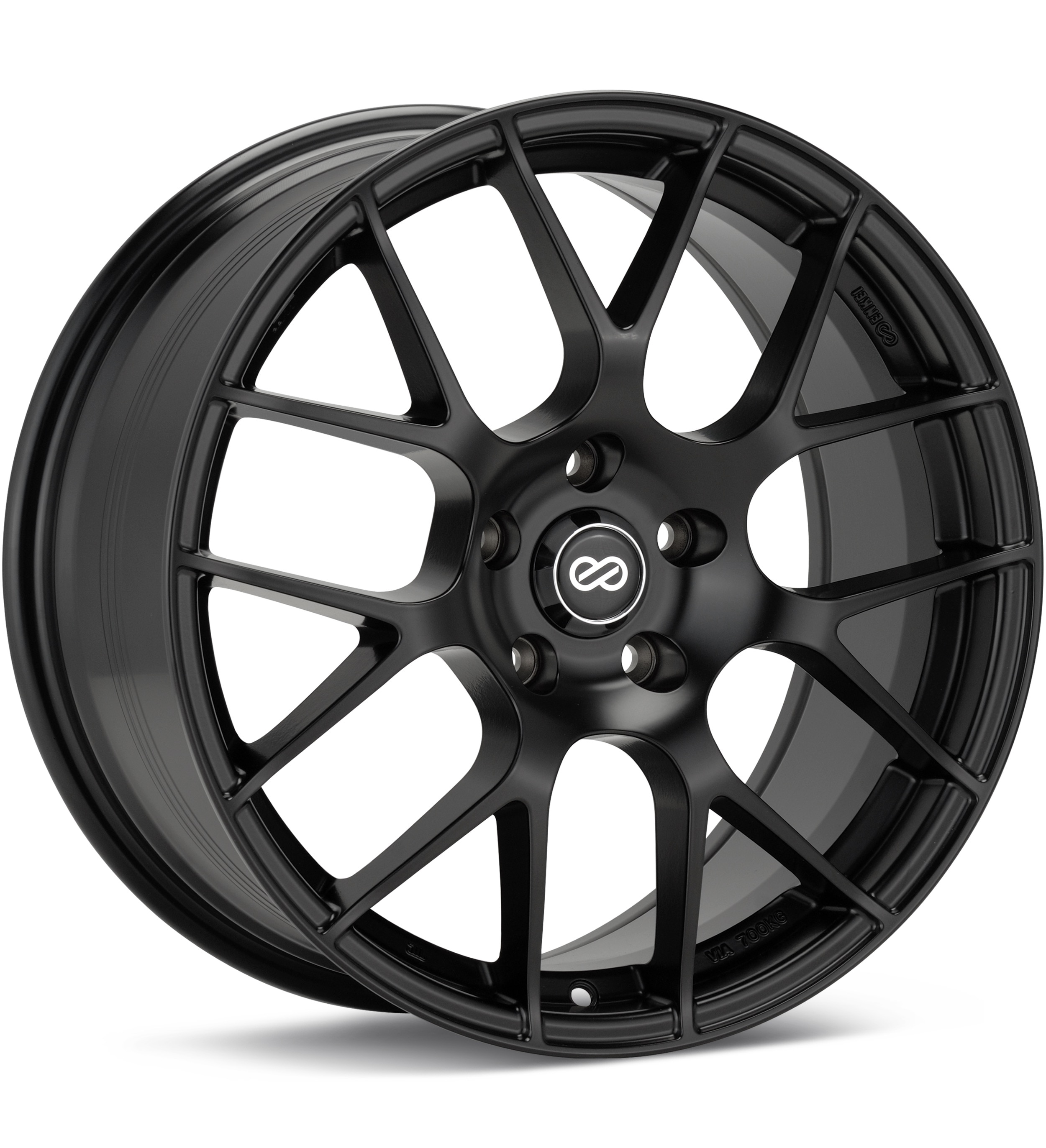
Enkei Tuning
Black
18 × 8.5″ · ET +42
$244.27
View at Tire Rack ↗We may earn a commission when you buy through these links. Prices and availability may change.
These are vehicle-year records whose recorded OEM ranges overlap this 2017 Audi TT. Overlap is not a guarantee that a specific wheel will install. Selected-wheel comparison is in the calculator below.
Evaluated 135 donor years. Listed 24 eligible overlaps (not all evaluated years are compatible). Showing all listed.
Years grouped because recorded compatibility evidence is equivalent. Each year keeps its own page.
Recorded OEM bolt pattern, center bore, and width/offset ranges overlap. This is not a guarantee that every wheel from the donor year fits this vehicle.
Years grouped because recorded compatibility evidence is equivalent. Each year keeps its own page.
Approximate position vs the mid OEM package: outer change -7.35 mm, inner change -5.35 mm. This uses aggregated width/offset ranges, not a specific wheel.
Only years with evidence-based interchange relationships are listed. Adjacent years are not assumed compatible.
Compare a donor vehicle or custom wheel against this 2017 Audi TT. Use Compare in calculator on a donor row above to fill the donor side of this same calculator.
Compare wheel compatibility between two vehicles
2017 Audi TT





Example products matched to recorded thread, hub, or spacer dimensions. They are not verified fits. Confirm seat style, thickness, and clearance before ordering.
M14 x 1.5
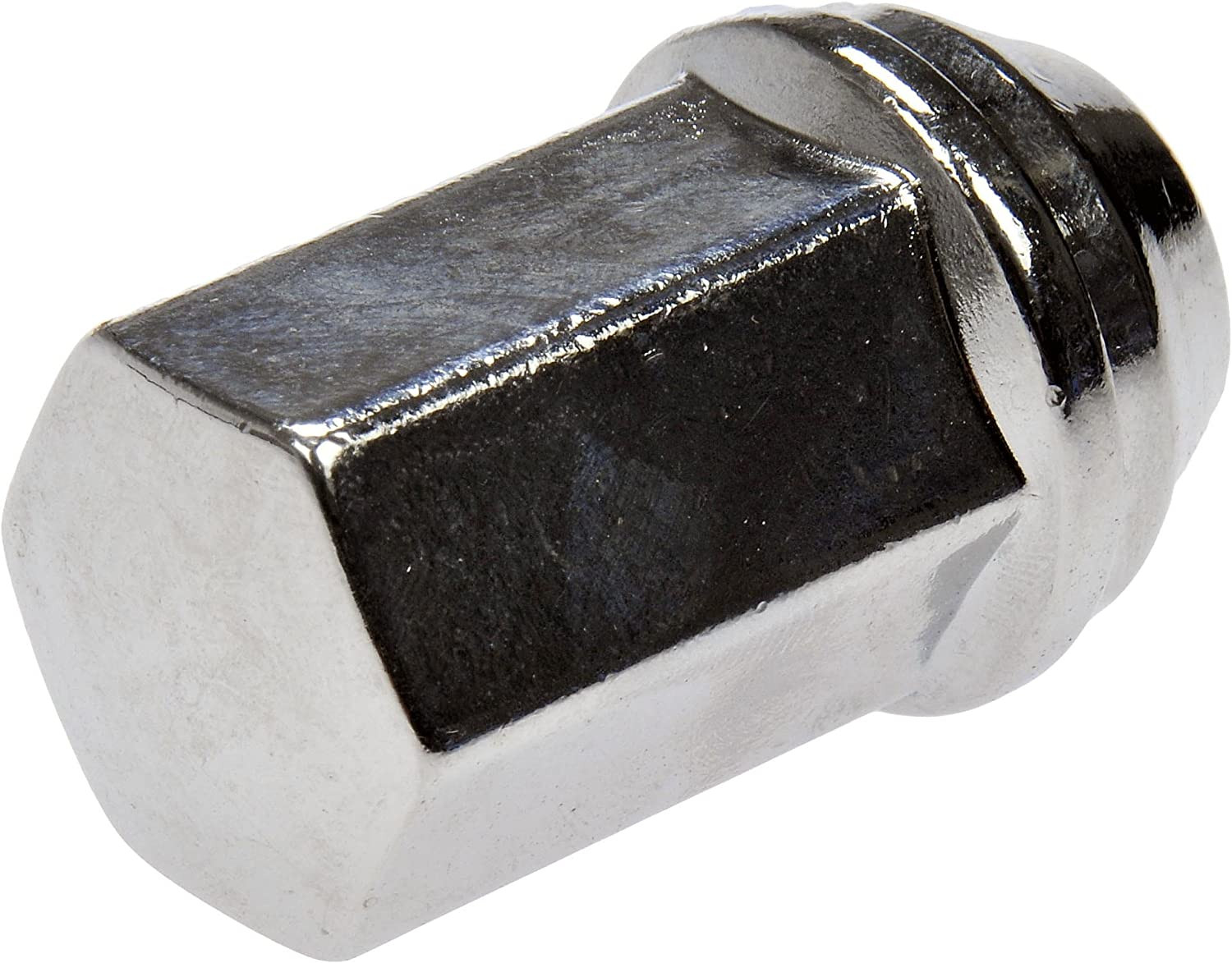
M14 x 1.5 · Thread match only; seat style is not verified
View on Amazon →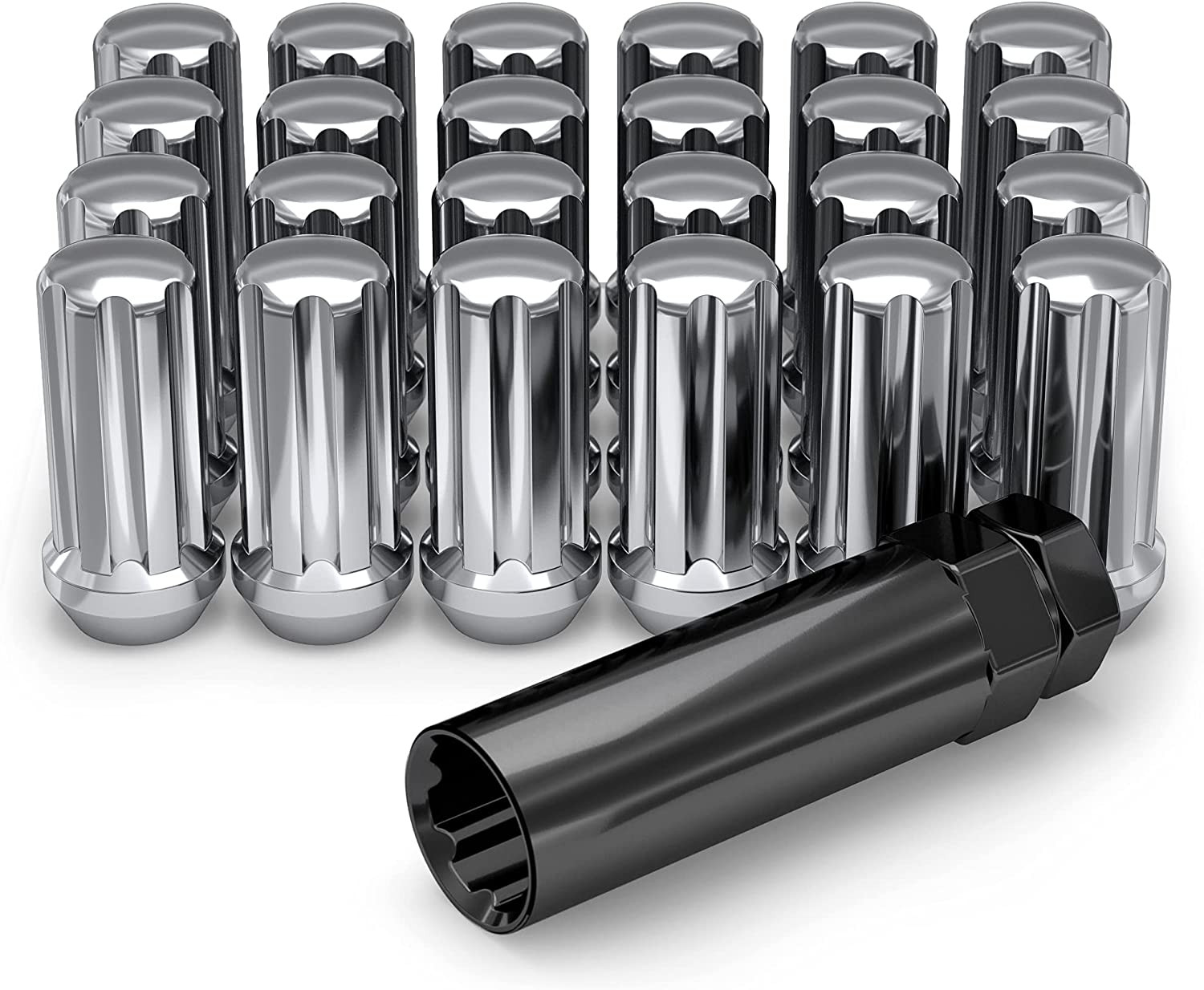
M14 x 1.5 · Thread match only; seat style is not verified
View on Amazon →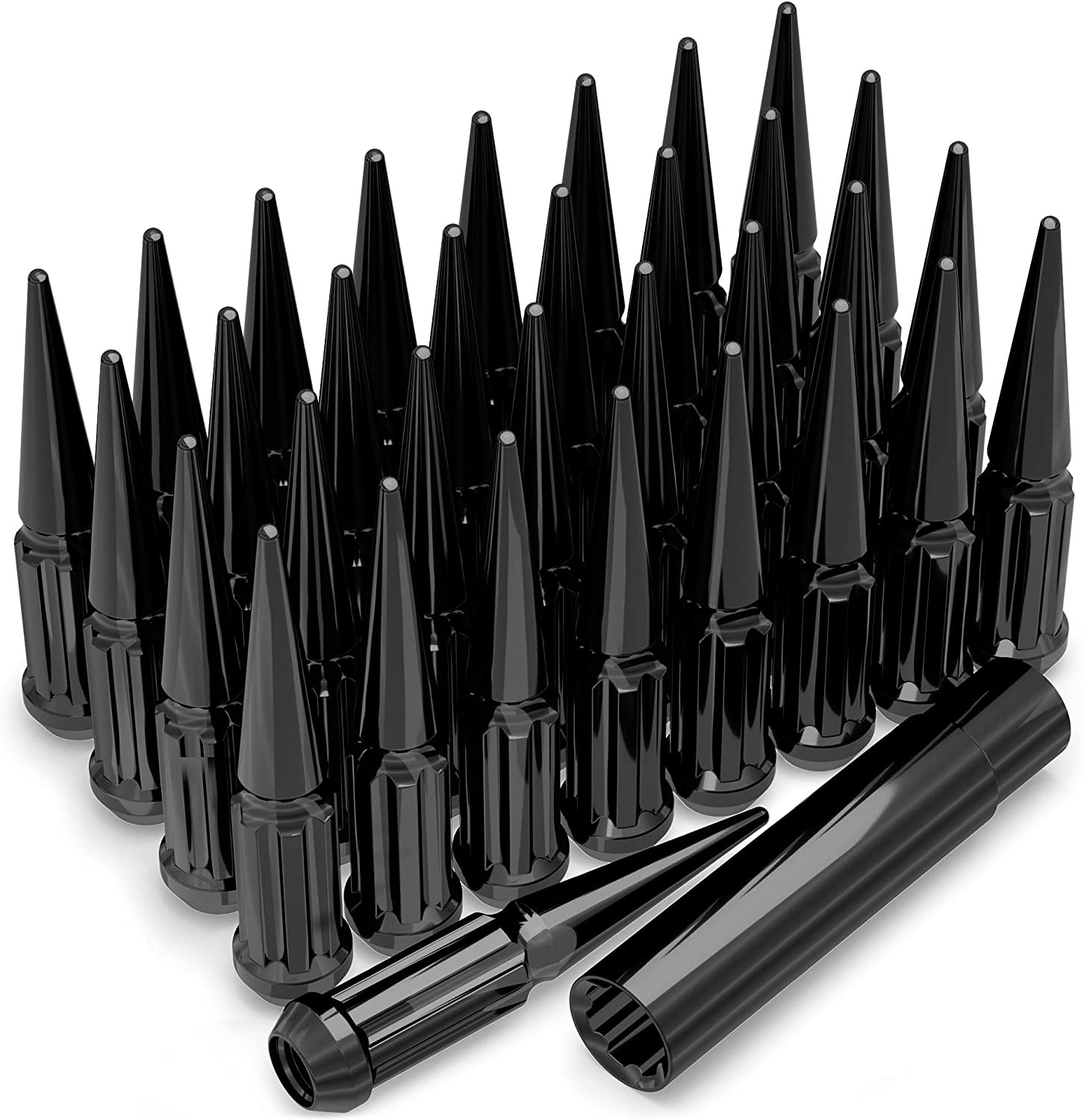
M14 x 1.5 · Thread match only; seat style is not verified
View on Amazon →As an Amazon Associate we earn from qualifying purchases. Product availability and pricing may change.
You want correct fitment without surprises. I respect that. I manage wheel risk for a living, so I’ll walk you through the edges first, then bring it back to calm. We will use what is known, confirm what may vary, and lean on the on-page calculator when needed.
These are the known factory fitment details for the 2017 Audi TT. Trims and regions can vary in some cases. If your car differs, confirm by VIN with OEM sources and double check against the calculator.
| Spec | Value |
|---|---|
| Bolt pattern | 5x112 |
| Center bore | 57.1 mm |
| Thread size | M14 x 1.5 |
| OE rim diameter | 18 in |
| OE rim width | 8.5 in |
| OE offset (ET) | 50 mm |
| OE backspacing | 6.22 in |
| OE tire size | 245/40R18 |
If any value on your car seems different, treat it as a flag. Pull the owner’s manual, inspect the back of the wheel, or verify with a dealer parts advisor using your VIN. The calculator on this page is built for these checks.
Most swaps go fine when you stay close to stock. Problems sneak in at the edges. Here is where I see risk on this model.
Offset and width changes can push the wheel too far out or in. Too much poke can contact the fender lip on compression. Too much inner shift can touch the strut or liner at full lock. Spoke shape also matters. A wheel may clear in diameter yet still kiss a big caliper face.
Center bore is 57.1 mm. Aftermarket wheels often come larger. That can be fine with the correct hub centric ring. Without a ring, you may get vibration that balancing will not fix.
Hardware uses M14 x 1.5 threads. Seat style can differ by wheel brand. Ball seat and cone seat parts do not interchange safely. Mixing seats can loosen under load.
Tire fit on wheel width matters. A narrow tire on a wide rim can stretch the sidewall. A wide tire on a narrow rim can “balloon.” Both can change real clearance and steering feel. Also watch overall tire diameter. Speed and ABS systems may get touchy with bigger changes.
Spacers can solve caliper contact in some cases. They also change effective offset and require longer hardware. Poorly sized spacers can reduce thread engagement and load the hub face.
Use the calculator before you buy. It compares “Wheels from (donor vehicle)” versus “Installed on (your vehicle).” You can set a custom wheel size and a custom tire size. When you change rim diameter, the tool updates tire diameter in the comparison. That lets you preview clearance changes in millimeters and inches.
Model your current setup as baseline. Enter the OE 18x8.5 ET50 with 245/40R18. Then try your target width and offset. Watch two numbers closely. Outer position, which affects fender poke. Inner position, which affects strut and liner clearance. Keep a reasonable margin in both directions. If the numbers look tight, assume real-world deflection may erase a few millimeters.
On-car checks are simple. Dry fit one wheel without a tire first if possible. Spin by hand. Turn lock to lock. Compress the suspension with a jack under the control arm. Look for witness marks on liners and calipers. Count thread engagement on each lug bolt. You want solid engagement across the full thread, not just the tip. Confirm the wheel sits flat on the hub, not hung up on the bolt heads or a burr.
Measure the hub. A basic caliper can verify the 57.1 mm bore and ring fit. A straight edge across the wheel barrel can help you estimate backspacing relative to calipers and knuckles.
Use hub-centric rings when the wheel center bore is larger than 57.1 mm. Rings center the wheel and reduce vibration. Choose the outer size to match your wheel’s bore. The inner size must be 57.1 mm.
Match seat style on hardware. If your wheel requires ball seat, use ball seat M14 x 1.5 bolts. If it requires cone seat, use cone seat M14 x 1.5 bolts. When spacers are used, extend hardware length accordingly. Do not stack thin spacers. Use quality hub-centric spacers if needed.
Keep overall tire diameter close to stock when possible. Small changes may be manageable, but large jumps can affect speed indication and gearing feel. Use the calculator to watch overall diameter and sidewall height as you test sizes.
When caliper clearance is the concern, consider spoke design first. A wheel with more face clearance may solve it without a spacer. If a spacer is the only path, test the minimum thickness that clears under load and re-check thread engagement.
Torque fasteners to the value in your owner’s manual. Re-torque after the first short drive. Heat cycles can relax a fresh interface.
Stay near the OE 18x8.5 ET50 baseline when you want low risk. A modest width change and a small offset change can work in many cases, especially on stock brakes and stock ride height. Keep overall tire diameter close to stock for the smoothest experience. Use hub-centric rings any time the wheel bore is larger than 57.1 mm. Use M14 x 1.5 hardware with the correct seat style for your wheel. When in doubt, test a single corner and inspect before committing.
Wheel interchange depends on more than bolt pattern. Where data is available, this site compares recorded OEM values:
A normal wheel spacer does not change bolt pattern. Hub rings cannot enlarge a wheel bore that is smaller than the hub. Brake clearance and tire package fitment still require vehicle-specific checks when not confirmed in the dataset.
