
Platinum
Genesis
Machined w/Black Accent
17 × 7.5″ · ET +40
$213.50
View at Tire Rack ↗Recorded OEM specifications for the 2015 Audi TT, donor years with overlapping ranges, and a calculator to compare a selected wheel. Range overlap is not a guaranteed fit.
Save these wheel specs to your Ownery garage
Baseline mounting dimensions used for interchange decisions.
Multiple OEM configurations exist for this vehicle. Fitment can vary by trim, brakes, and factory wheel package – confirm your exact setup before buying.
Thread-only product links are shopping examples, not verified fits. Seat style is not confirmed here. As an Amazon Associate we earn from qualifying purchases.
Selected size: 17 × 7″ · ET +47
Showing matching bolt patterns and offsets up to 20 mm lower. Confirm center bore, load rating, and clearance at Tire Rack.
Platinum
Machined w/Black Accent
17 × 7.5″ · ET +40
$213.50
View at Tire Rack ↗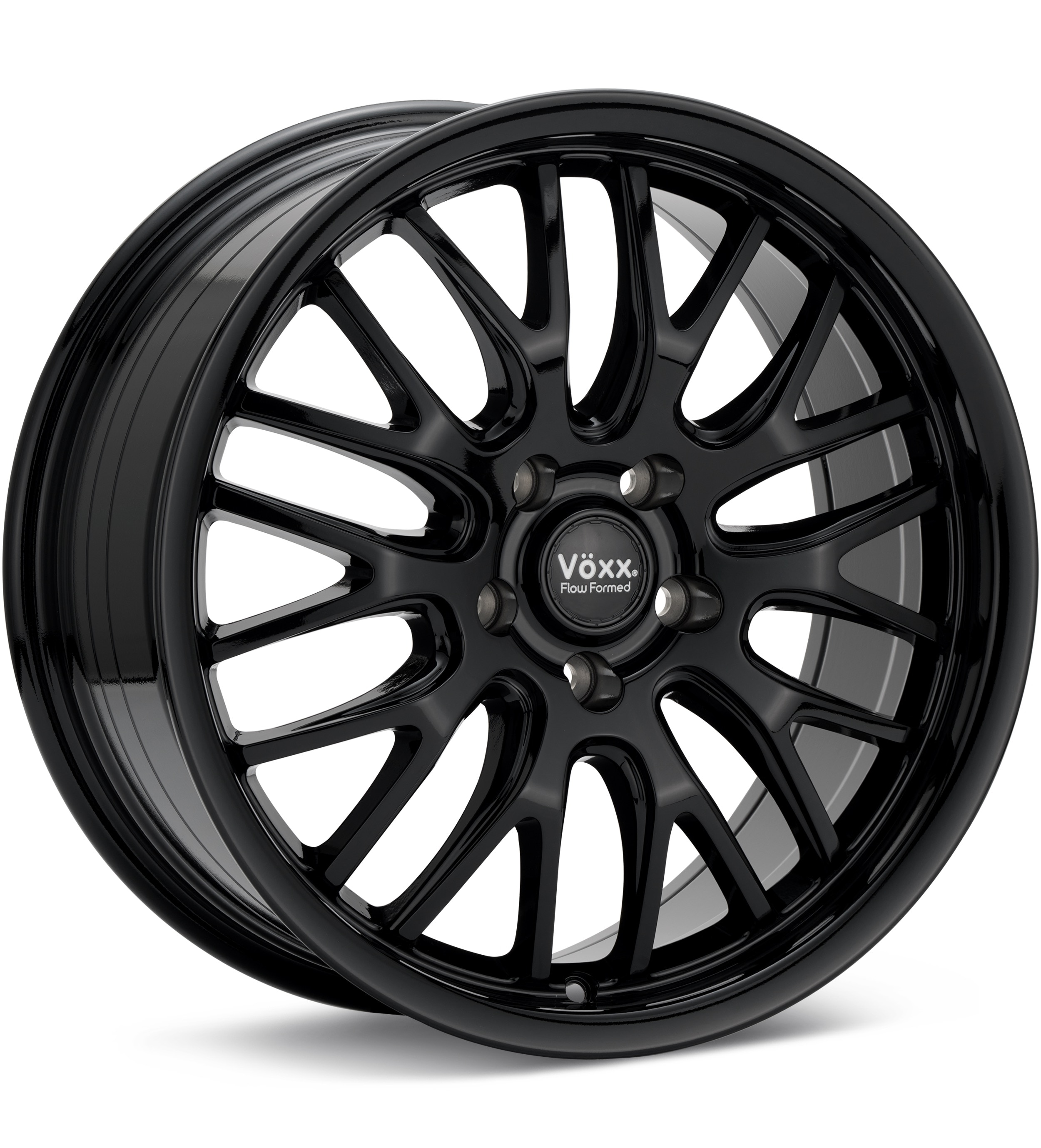
Voxx Road Wheels
Gloss Black
17 × 7.5″ · ET +40
$230.00
View at Tire Rack ↗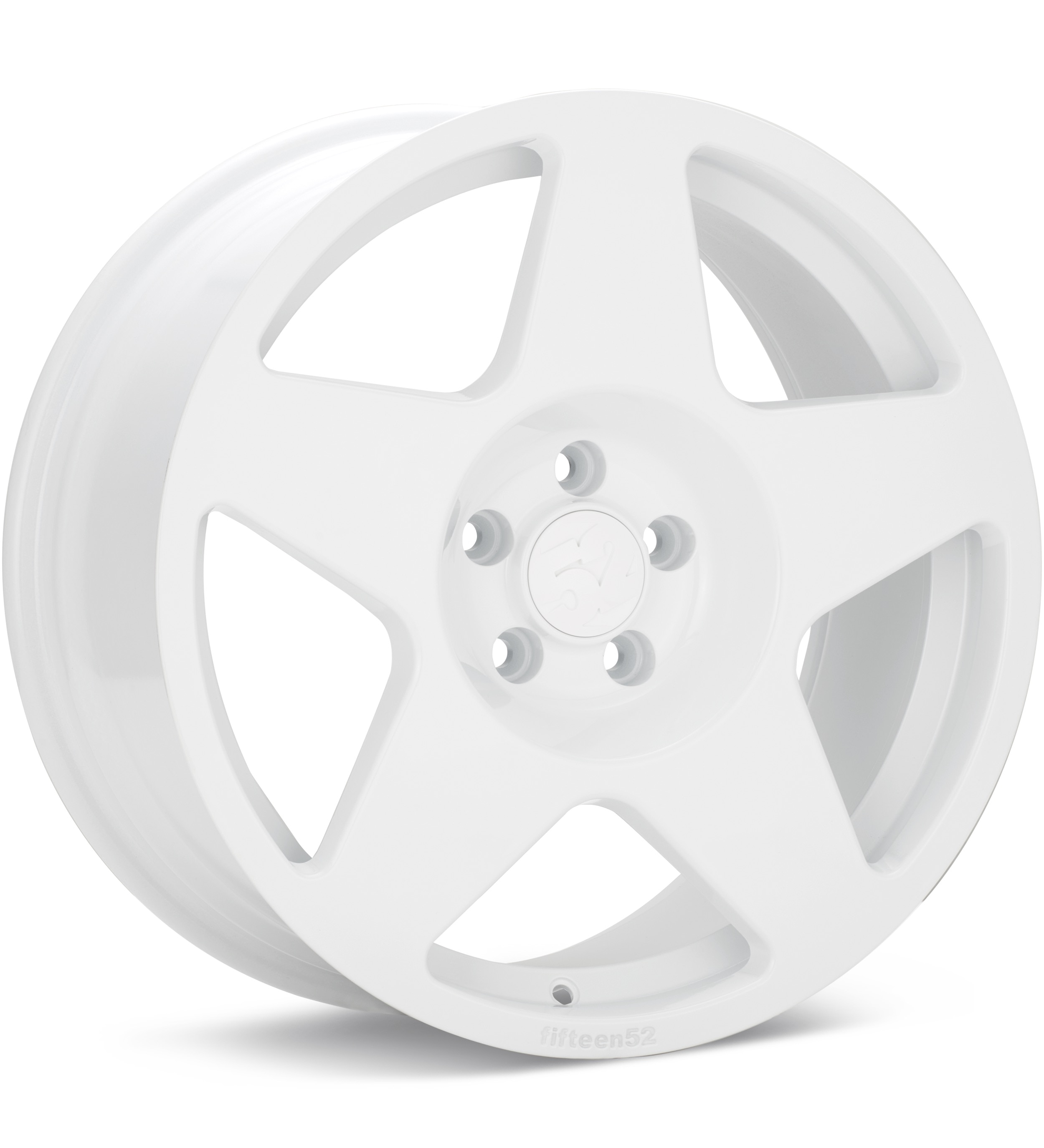
fifteen52
Gloss White
17 × 7.5″ · ET +40
$288.71
View at Tire Rack ↗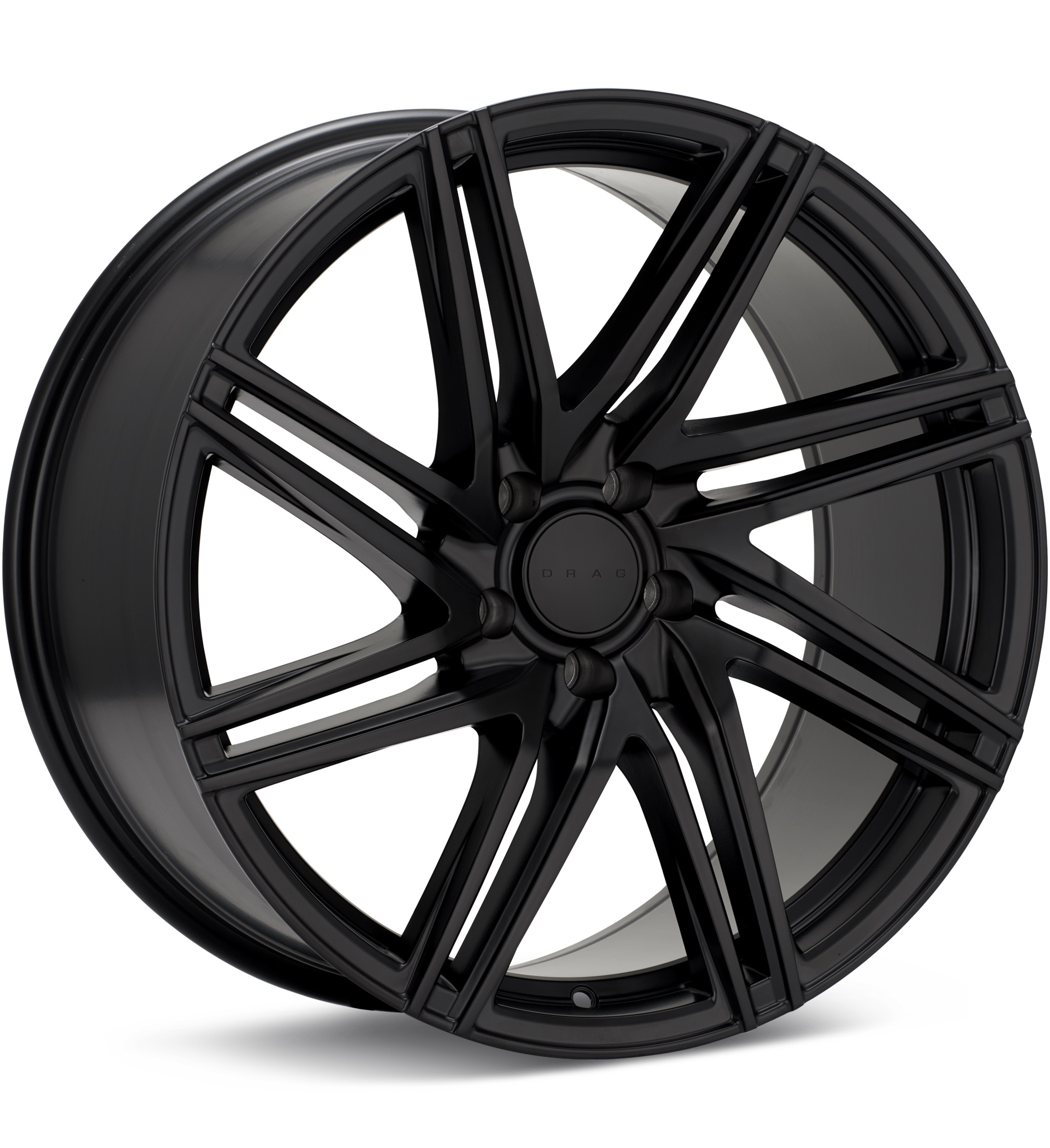
Drag
Flat Black
17 × 7.5″ · ET +38
$162.00
View at Tire Rack ↗We may earn a commission when you buy through these links. Prices and availability may change.
These are vehicle-year records whose recorded OEM ranges overlap this 2015 Audi TT. Overlap is not a guarantee that a specific wheel will install. Selected-wheel comparison is in the calculator below.
Evaluated 135 donor years. Listed 24 eligible overlaps (not all evaluated years are compatible). Showing all listed.
Years grouped because recorded compatibility evidence is equivalent. Each year keeps its own page.
Recorded OEM bolt pattern, center bore, and width/offset ranges overlap. This is not a guarantee that every wheel from the donor year fits this vehicle.
Years grouped because recorded compatibility evidence is equivalent. Each year keeps its own page.
Approximate position vs the mid OEM package: outer change -7.35 mm, inner change -5.35 mm. This uses aggregated width/offset ranges, not a specific wheel.
Only years with evidence-based interchange relationships are listed. Adjacent years are not assumed compatible.
Compare a donor vehicle or custom wheel against this 2015 Audi TT. Use Compare in calculator on a donor row above to fill the donor side of this same calculator.
Compare wheel compatibility between two vehicles
2015 Audi TT





Example products matched to recorded thread, hub, or spacer dimensions. They are not verified fits. Confirm seat style, thickness, and clearance before ordering.
M14 x 1.5
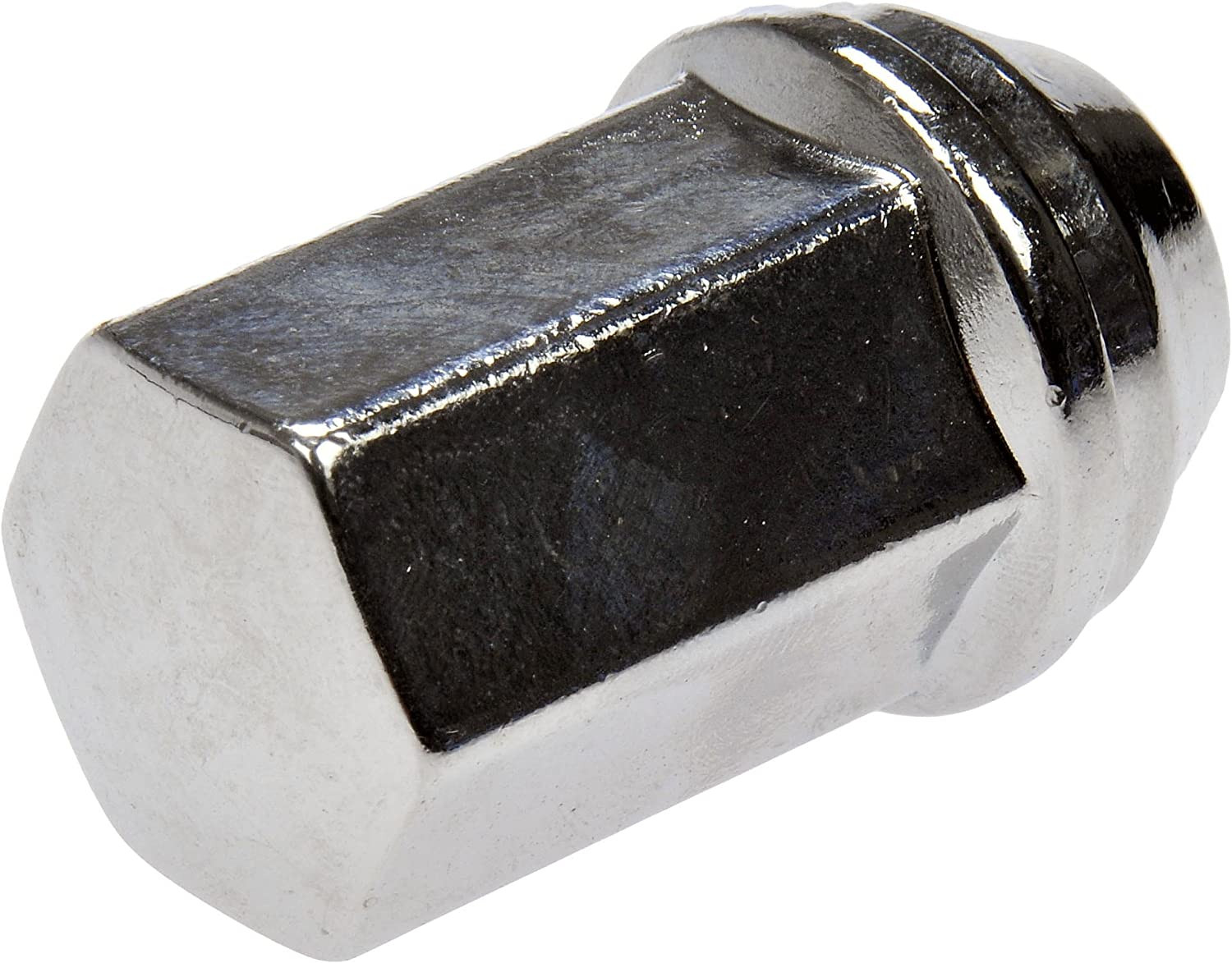
M14 x 1.5 · Thread match only; seat style is not verified
View on Amazon →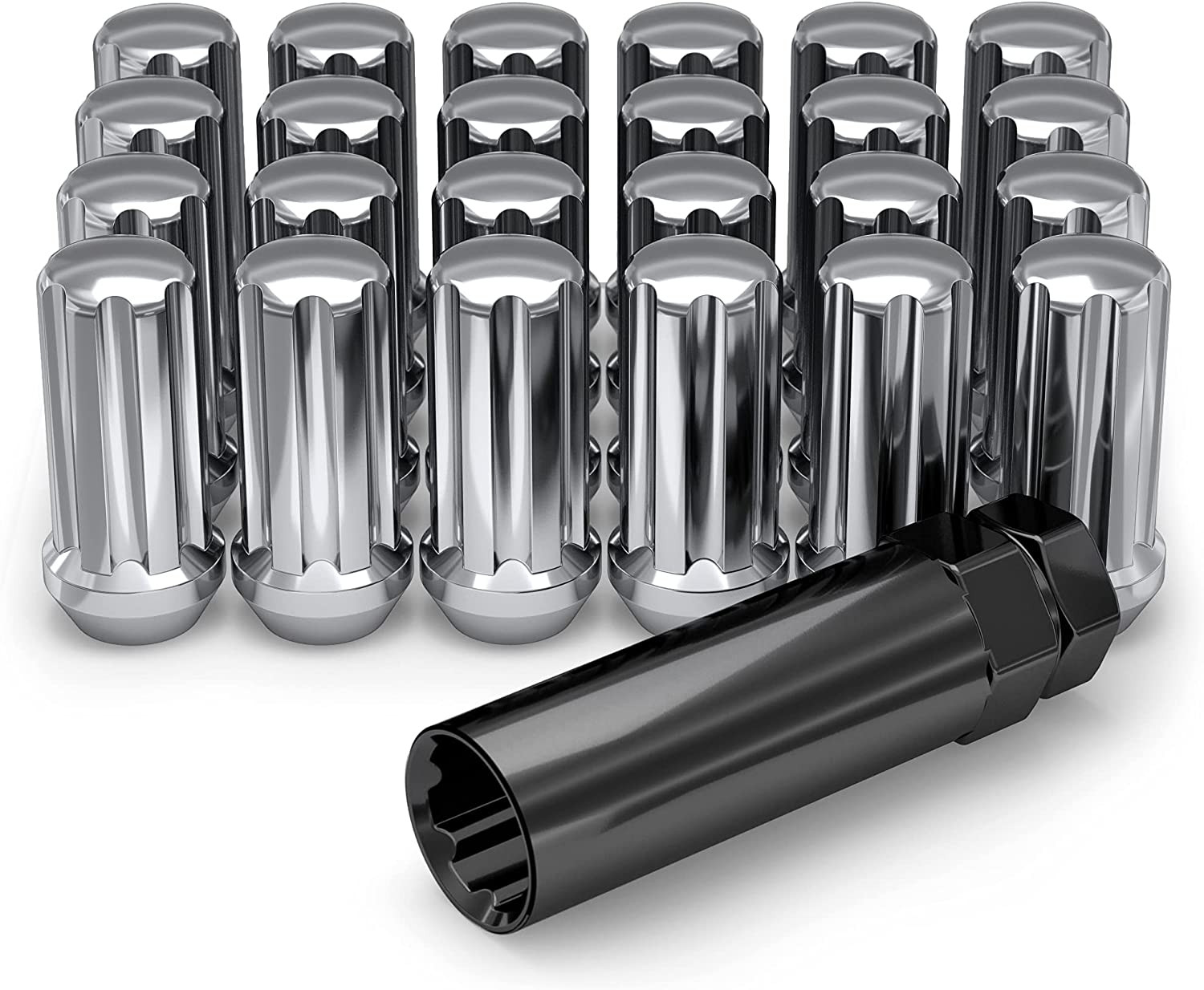
M14 x 1.5 · Thread match only; seat style is not verified
View on Amazon →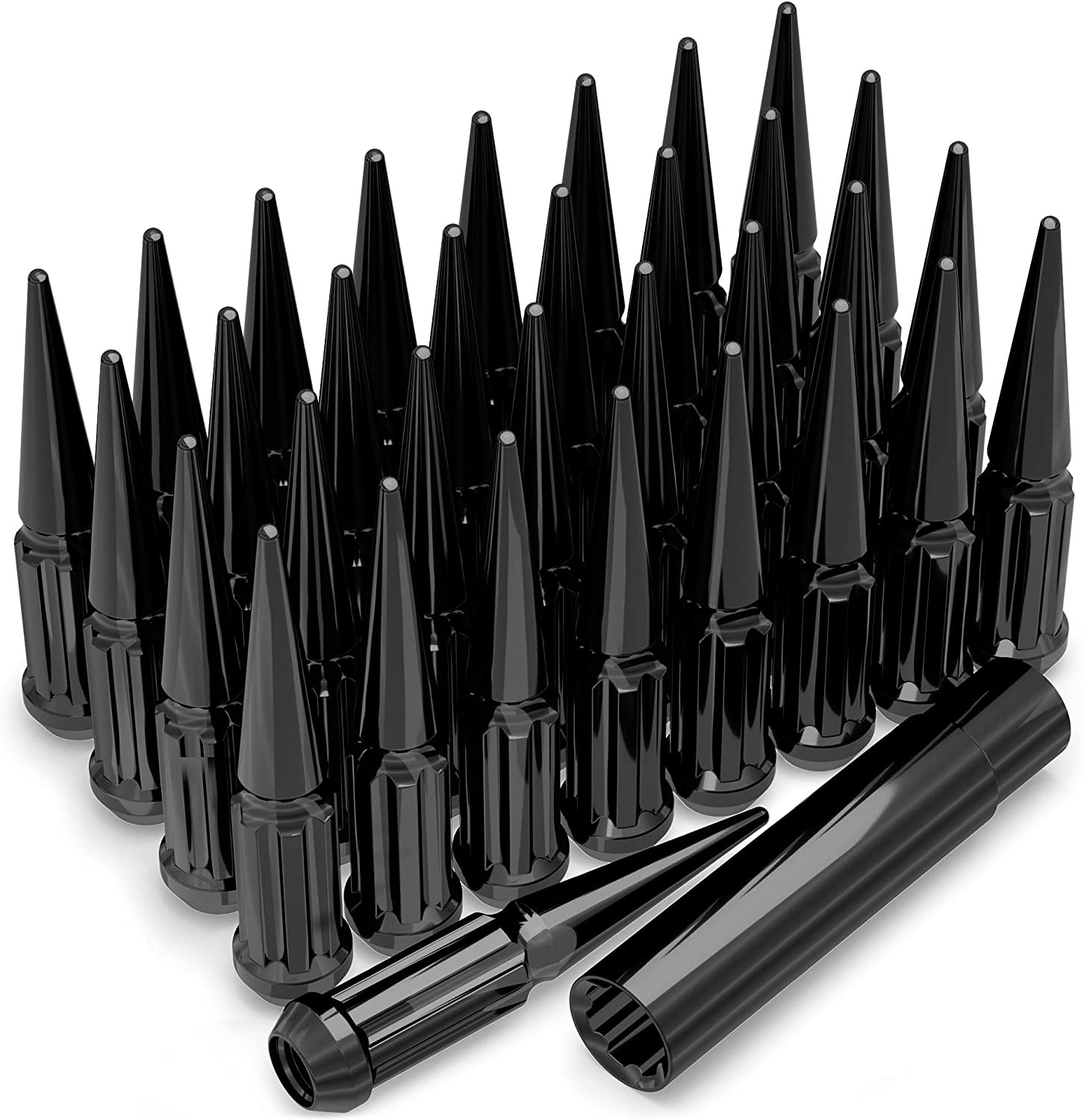
M14 x 1.5 · Thread match only; seat style is not verified
View on Amazon →As an Amazon Associate we earn from qualifying purchases. Product availability and pricing may change.
You need to confirm wheel and tire fitment for a 2015 Audi TT and safely plan an aftermarket wheel change or donor-wheel swap. This guide explains which measurements matter, how to validate the OEM data, and how to use the on-page calculator to compare sizes and spot clearance issues.
Gather these items before you start. They let you remove ambiguity and reduce guessing.
Start with the problem: wheel swaps fail when critical dimensions mismatch. Solve that by checking each spec and confirming assumptions.
Compare these provided values to the car or documentation. Do not rely solely on third-party lists.
| Specification | Provided value |
|---|---|
| Bolt pattern (studs x PCD) | 5x112 |
| Center bore (mm) | 57.1 |
| Thread size | M14 x 1.5 |
| Rim diameter (in) | 18 |
| Rim width (in) | 8.5 |
| Wheel offset (ET, mm) | 50 |
| Backspacing (in) | 6.22 |
| Tire section width (mm) | 225 |
| Tire aspect ratio (%) | 50 |
| Tire rim diameter (R) | 17 (conflict) |
Note the conflict: rim diameter is listed as 18 inches while the tire rim diameter is 17. Treat this as unresolved until you confirm the actual wheel and tire combination.
Some values vary by trim or optional wheel packages. Use one of these methods to confirm:
Use the relation between offset and backspacing as a quick sanity check. The formula is:
backspacing (in) = (rim width (in) / 2) + (offset (mm) / 25.4)
With the provided numbers: (8.5 / 2) + (50 / 25.4) ≈ 6.22 in, which matches the provided backspacing. That gives confidence the rim width and offset pair are consistent.
Enter your car (2015 Audi TT) and the donor wheel, or enter custom wheel dimensions. Adjust rim diameter and width, then let the calculator show resulting tire diameter and front/rear fit differences. This makes trade-offs visible and highlights clearance constraints.
Validation reduces risk. Do these checks in order.
If all checks pass in the calculator and physical inspection shows no rubbing, the fitment is validated for planning purposes.
Problems arise from a few recurring causes. Use these remedies based on the symptoms you see.
Start by confirming the door placard or VIN-based OEM specs. Use the on-page calculator to visualize trade-offs when changing rim diameter, width, or offset. The provided specs give a strong starting point: 5x112 bolt pattern, 57.1 mm center bore, M14 x 1.5 threads, 8.5x18 with ET50 appears consistent with a 6.22 in backspacing. However, resolve the rim/tire diameter conflict before buying tires or wheels. If you follow the validation steps and check for brake, suspension, and TPMS compatibility, you will move from uncertainty to a confident, safe fitment decision.
Recommended next action: confirm rim diameter on the car, then run a donor-wheel comparison in the on-page calculator and update your selection accordingly.
Wheel interchange depends on more than bolt pattern. Where data is available, this site compares recorded OEM values:
A normal wheel spacer does not change bolt pattern. Hub rings cannot enlarge a wheel bore that is smaller than the hub. Brake clearance and tire package fitment still require vehicle-specific checks when not confirmed in the dataset.
