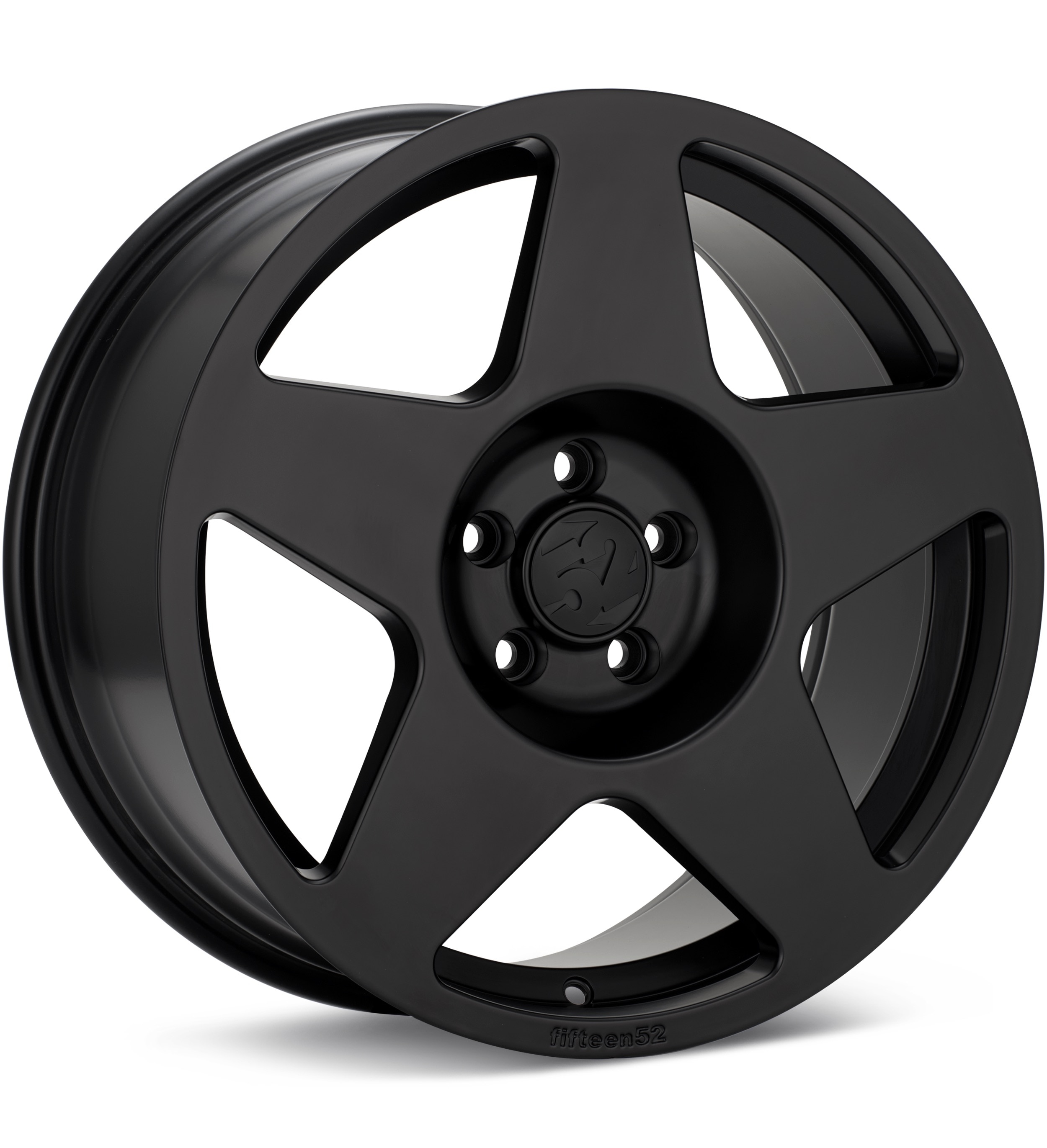
fifteen52
Tarmac
Asphalt Black
18 × 8.5″ · ET +45
$311.21
View at Tire Rack ↗Recorded OEM specifications for the 2016 Audi TT, donor years with overlapping ranges, and a calculator to compare a selected wheel. Range overlap is not a guaranteed fit.
Save these wheel specs to your Ownery garage
Baseline mounting dimensions used for interchange decisions.
Multiple OEM configurations exist for this vehicle. Fitment can vary by trim, brakes, and factory wheel package – confirm your exact setup before buying.
Thread-only product links are shopping examples, not verified fits. Seat style is not confirmed here. As an Amazon Associate we earn from qualifying purchases.
Selected size: 18 × 8.5″ · ET +50
Showing matching bolt patterns and offsets up to 20 mm lower. Confirm center bore, load rating, and clearance at Tire Rack.
fifteen52
Asphalt Black
18 × 8.5″ · ET +45
$311.21
View at Tire Rack ↗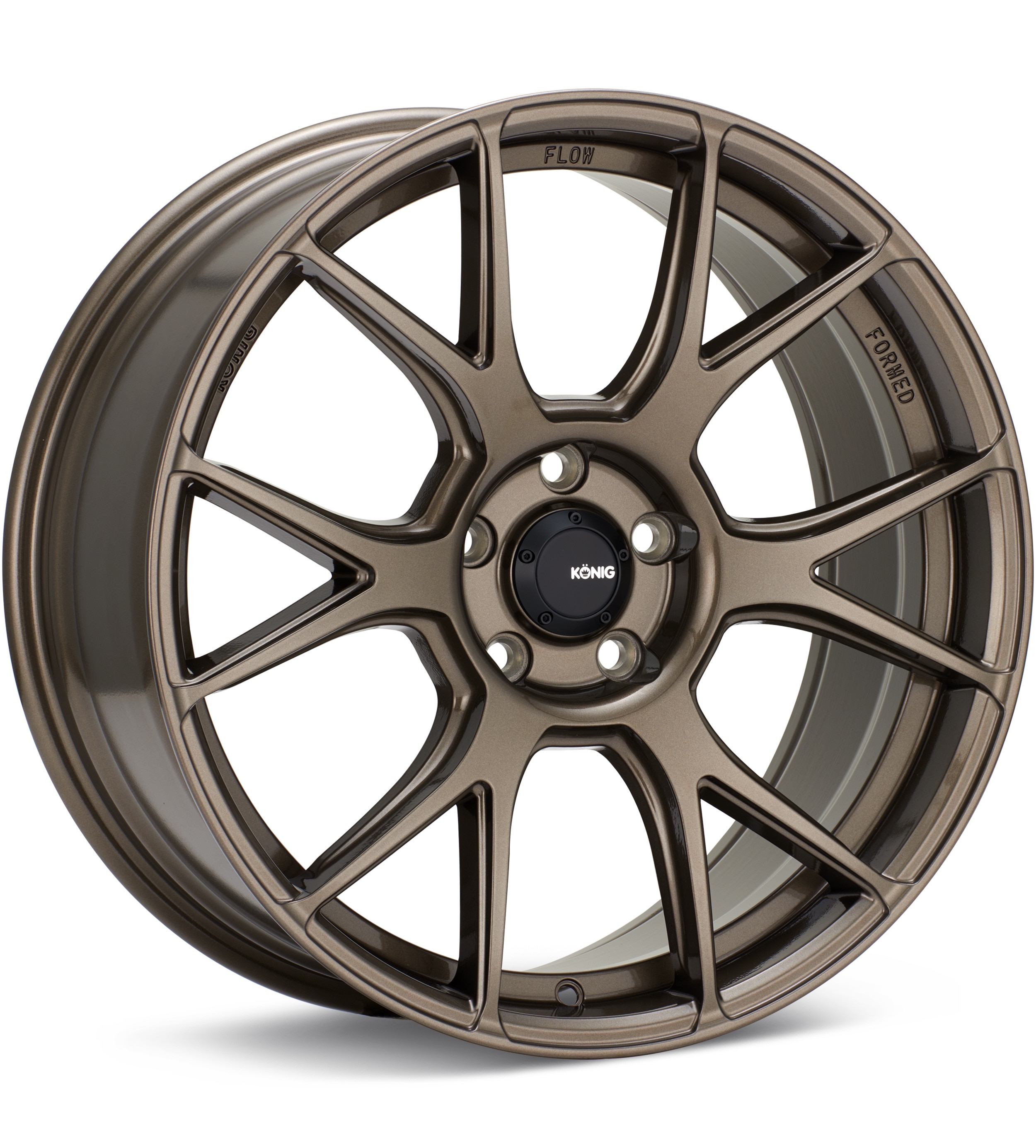
Konig
Bronze
18 × 8.5″ · ET +43
$337.41
View at Tire Rack ↗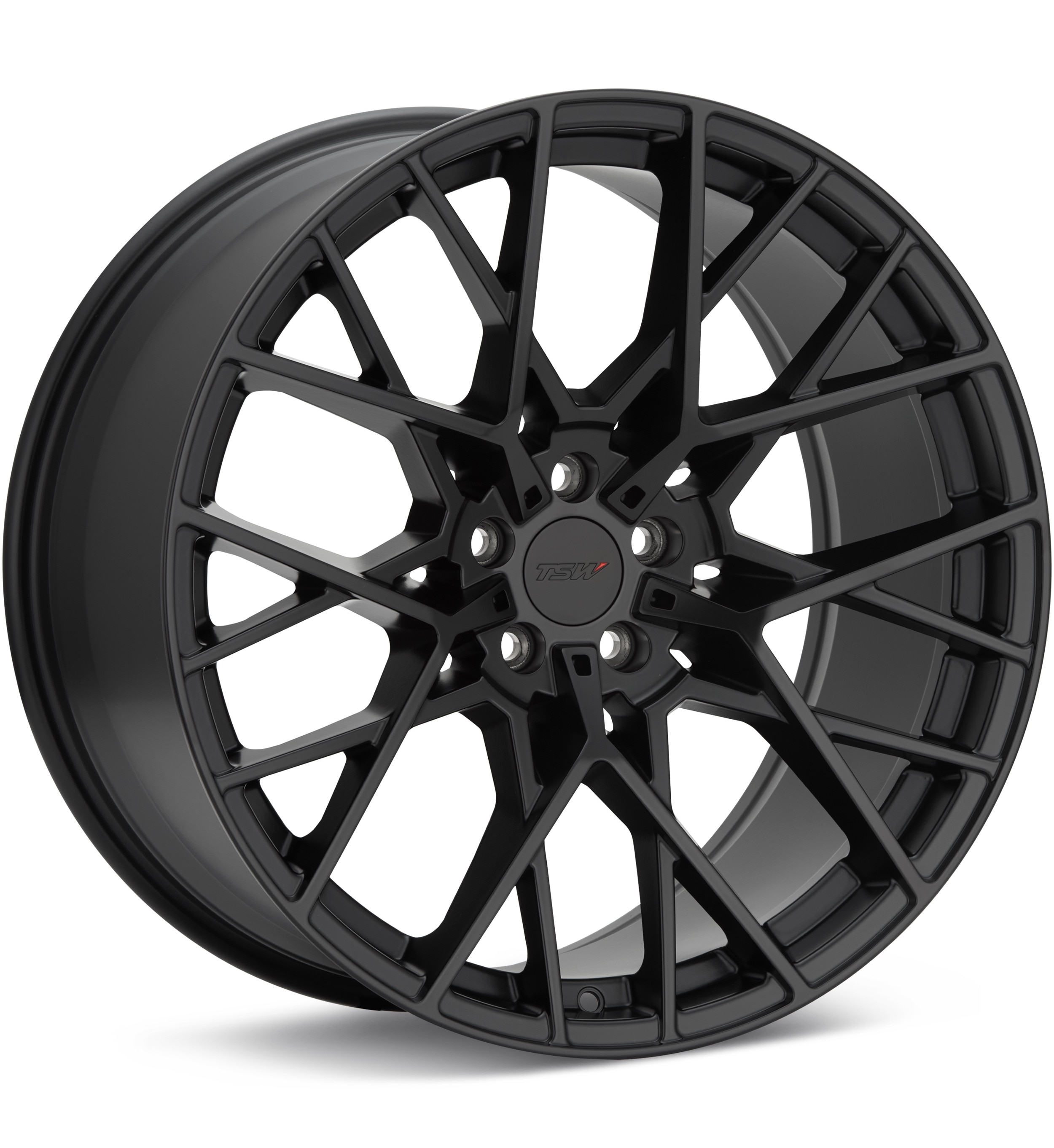
TSW
Black
18 × 8.5″ · ET +42
$319.00
View at Tire Rack ↗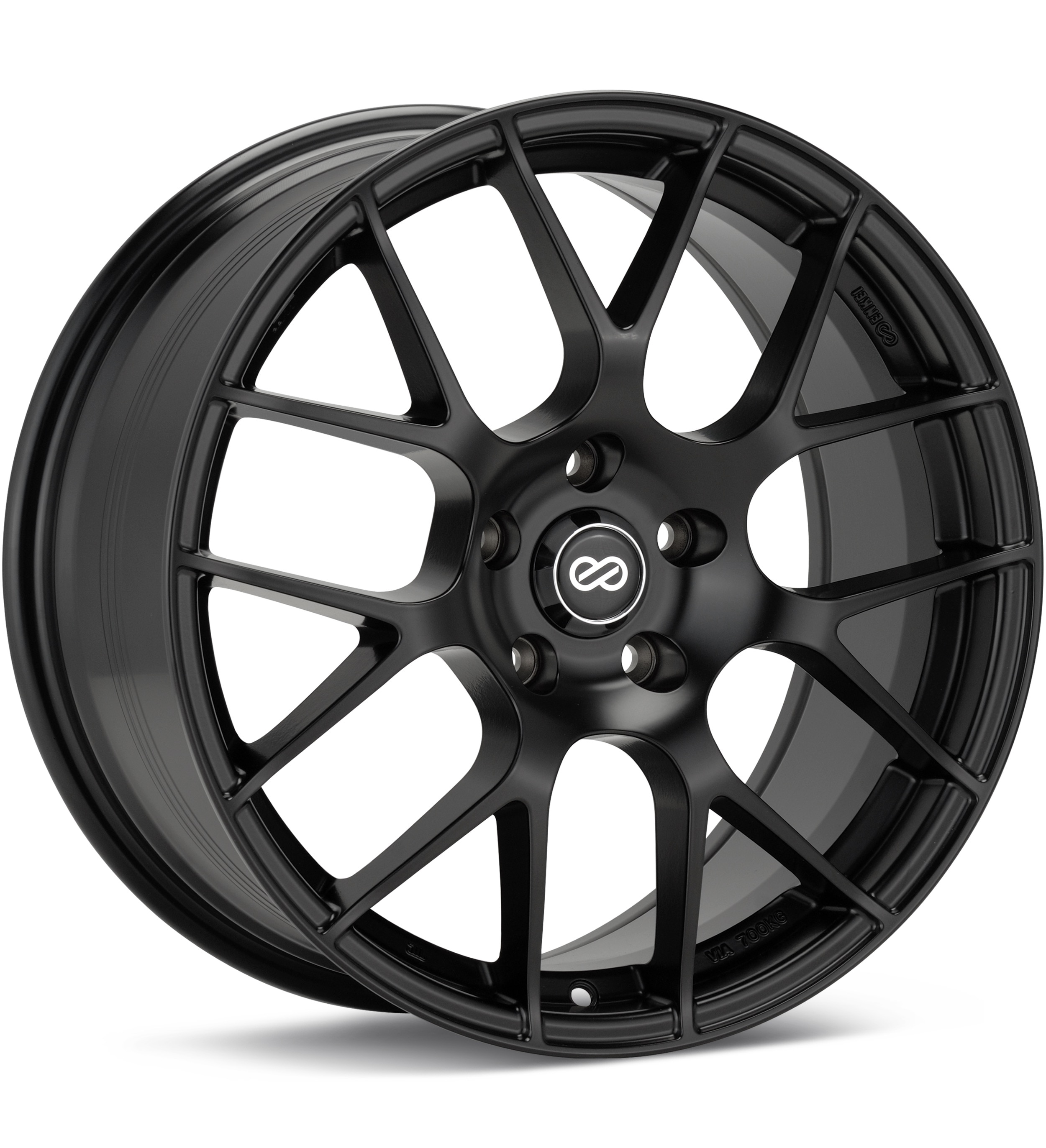
Enkei Tuning
Black
18 × 8.5″ · ET +42
$244.27
View at Tire Rack ↗We may earn a commission when you buy through these links. Prices and availability may change.
These are vehicle-year records whose recorded OEM ranges overlap this 2016 Audi TT. Overlap is not a guarantee that a specific wheel will install. Selected-wheel comparison is in the calculator below.
Evaluated 135 donor years. Listed 24 eligible overlaps (not all evaluated years are compatible). Showing all listed.
Years grouped because recorded compatibility evidence is equivalent. Each year keeps its own page.
Recorded OEM bolt pattern, center bore, and width/offset ranges overlap. This is not a guarantee that every wheel from the donor year fits this vehicle.
Years grouped because recorded compatibility evidence is equivalent. Each year keeps its own page.
Approximate position vs the mid OEM package: outer change -7.35 mm, inner change -5.35 mm. This uses aggregated width/offset ranges, not a specific wheel.
Only years with evidence-based interchange relationships are listed. Adjacent years are not assumed compatible.
Compare a donor vehicle or custom wheel against this 2016 Audi TT. Use Compare in calculator on a donor row above to fill the donor side of this same calculator.
Compare wheel compatibility between two vehicles
2016 Audi TT





Example products matched to recorded thread, hub, or spacer dimensions. They are not verified fits. Confirm seat style, thickness, and clearance before ordering.
M14 x 1.5
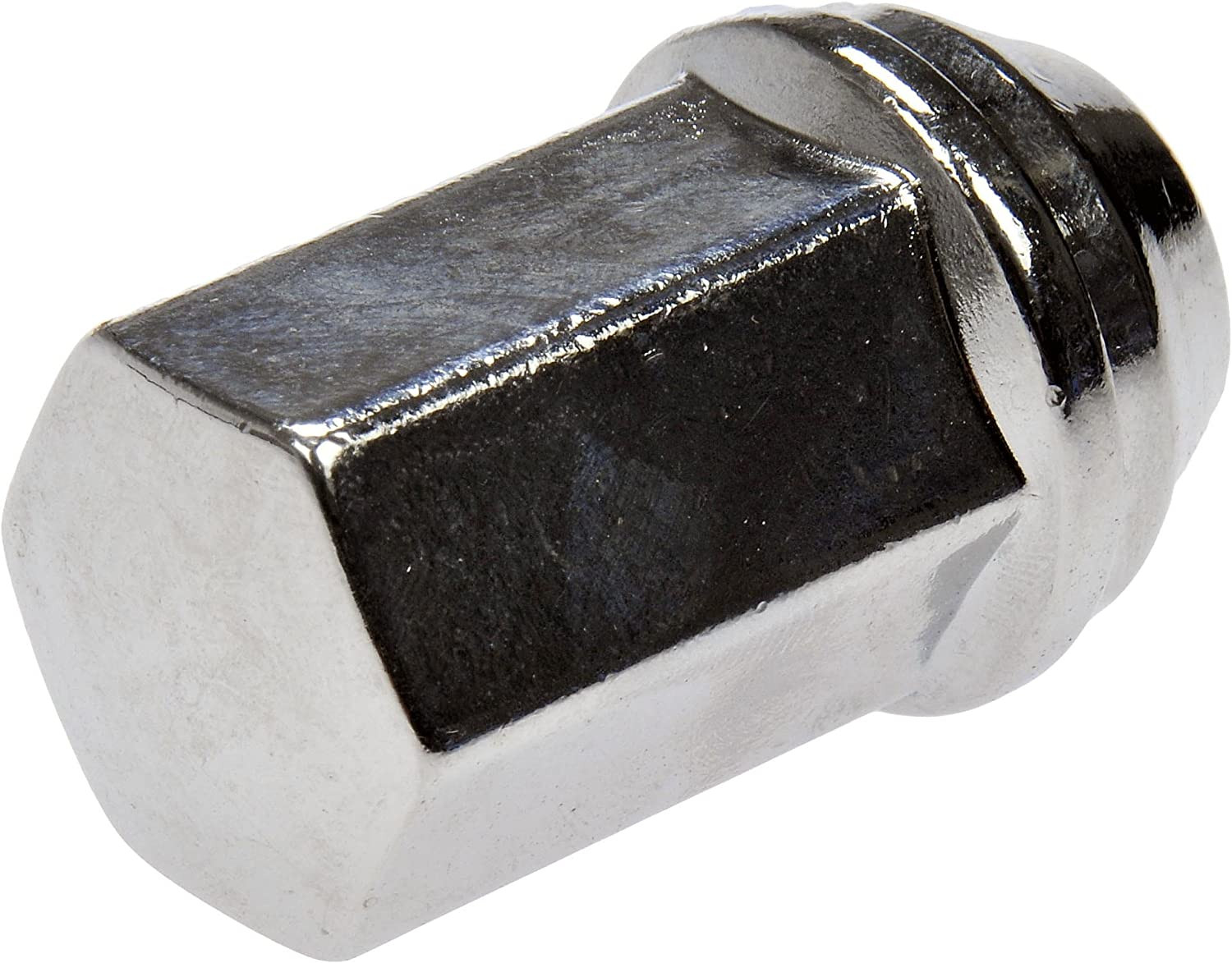
M14 x 1.5 · Thread match only; seat style is not verified
View on Amazon →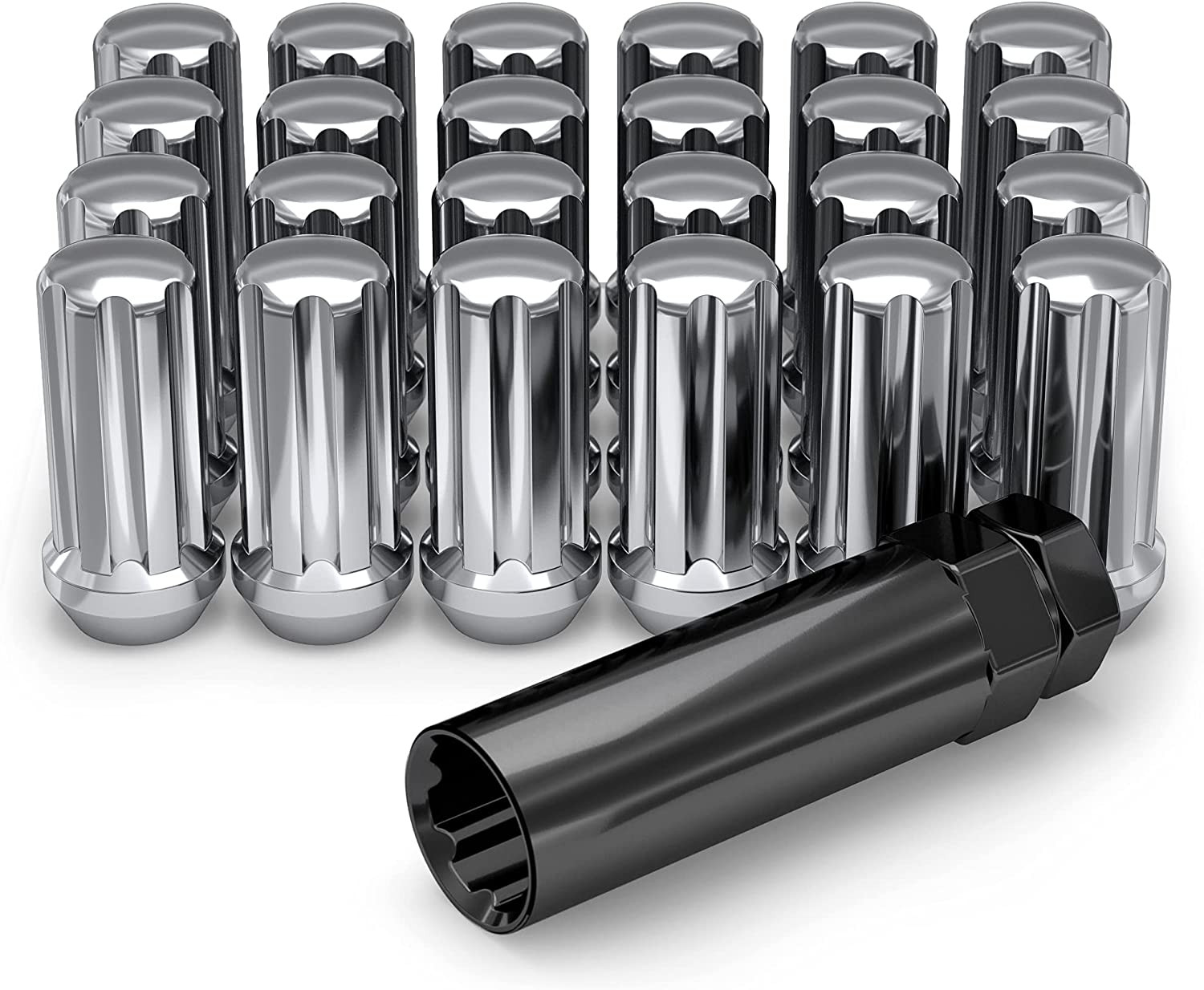
M14 x 1.5 · Thread match only; seat style is not verified
View on Amazon →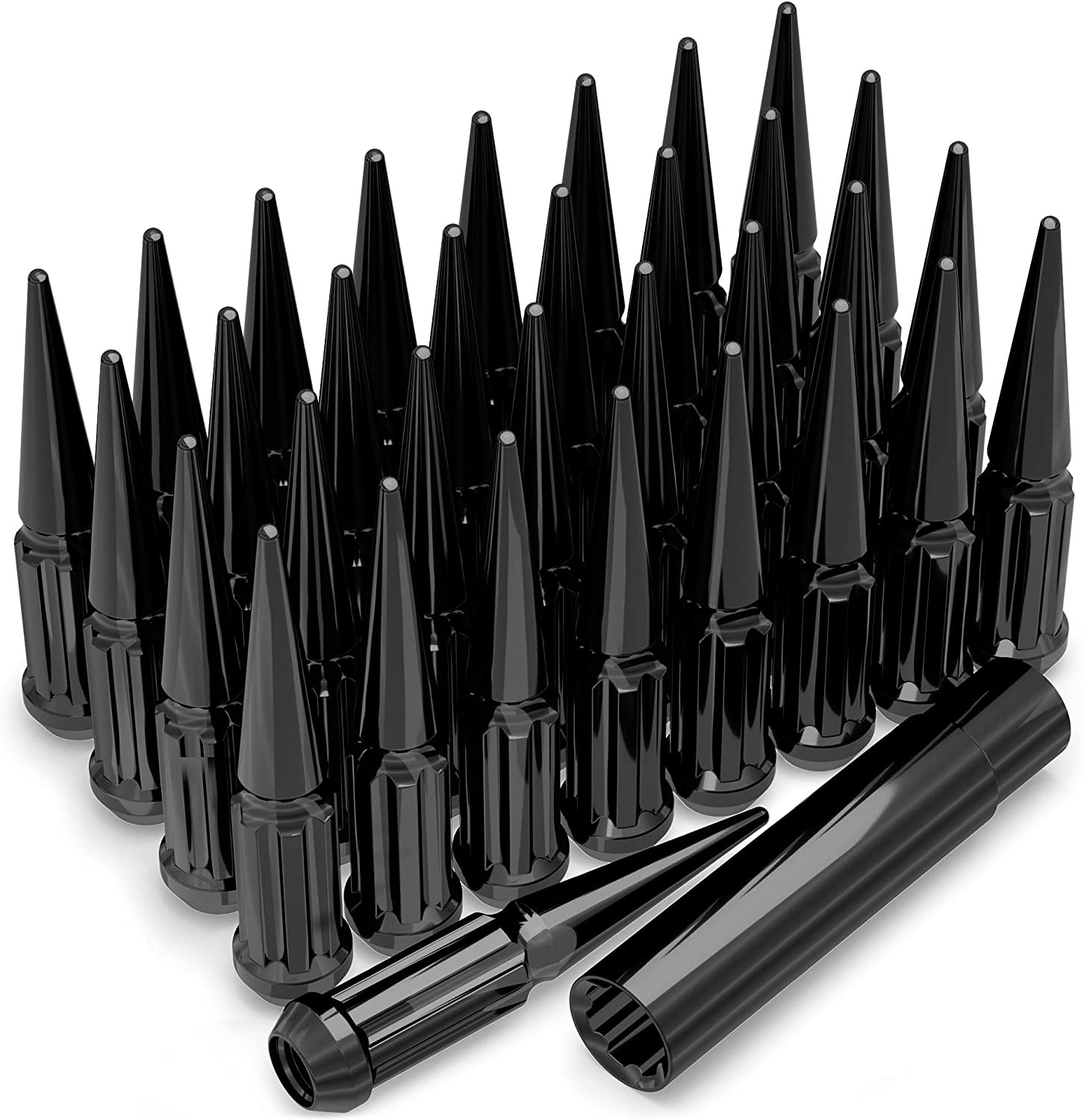
M14 x 1.5 · Thread match only; seat style is not verified
View on Amazon →As an Amazon Associate we earn from qualifying purchases. Product availability and pricing may change.
Decide whether to retain the 2016 Audi TT OEM wheel and tire combination, replace with differently sized wheels, or fit aftermarket wheels from another donor vehicle.
Evidence available from the vehicle shows the following OEM fitment parameters. These are the baseline values you must respect or explicitly validate before changing wheels.
| Parameter | OEM value |
|---|---|
| Bolt pattern (studs x PCD) | 5x112 |
| Center bore (mm) | 57.1 |
| Thread size | M14 x 1.5 |
| Rim diameter (in) | 18 |
| Rim width (in) | 8.5 |
| Wheel offset (ET, mm) | 50 |
| Backspacing (in) | 6.22 |
| Tire size | 245/40R18 (section 245 mm, aspect 40%) |
Limitations: some trim levels can vary wheel and tire packaging. If your car has optional sport packages or aftermarket previous owners, verify hub and brake clearances visually and against OEM documentation.
Three pragmatic paths are available. Each path carries different verification steps and implied modifications.
Compare the OEM baseline against a controlled hypothetical alternative to illustrate expected effects. This is not a compatibility guarantee. Use the on-page calculator and OEM sources to confirm for your vehicle.
| Metric | OEM baseline | Hypothetical alternative |
|---|---|---|
| Rim width | 8.5 in | 9.0 in |
| Offset (ET) | 50 mm | 40 mm |
| Backspacing (calculated) | 6.22 in | 6.07 in |
| Net outer lip movement per side | reference baseline | approximately 0.14 in outward (about 3.7 mm) |
| Track width change (both sides) | reference baseline | approximately 0.28 in wider (about 7.4 mm) |
| Tire overall diameter | 245/40R18 = about 25.72 in | depends on chosen tire; calculator updates diameter automatically with rim or tire changes |
Interpretation: increasing rim width by 0.5 inch while reducing offset by 10 mm moves the wheel outward slightly, increasing track width by the combined movement of both wheels. The example shows small changes, but even small movements can cause rubbing with tight suspension or large calipers.
Hypothesis: if you keep the same 245/40R18 tire on the wider rim, sidewall profile may change slightly, but overall diameter remains about the same. The calculator on this page models these effects numerically for your selected custom sizes.
Given the constraints and common risks, the conservative path is to retain OEM wheel dimensions or choose aftermarket wheels that match the OEM critical parameters exactly.
Evidence-based approach: model, measure, then fit. That sequence reduces the chance of unexpected interference or unsafe fitment outcomes.
Clear articulation of the likely failure modes and limitations follows, so you can weigh them against benefits.
Final note for the skeptical evaluator: use the on-page calculator as the primary verification tool, confirm critical dimensions against OEM repair manuals or dealer parts literature, and treat hypothetical examples here as interpretation rather than definitive compatibility lists.
Wheel interchange depends on more than bolt pattern. Where data is available, this site compares recorded OEM values:
A normal wheel spacer does not change bolt pattern. Hub rings cannot enlarge a wheel bore that is smaller than the hub. Brake clearance and tire package fitment still require vehicle-specific checks when not confirmed in the dataset.
