2020 Chevrolet Spark Wheel Fitment Guide | wheelinterchange.com
This page compiles the OEM fitment data we have for the 2020 Chevrolet Spark and explains how to verify any changes with the on-page Wheel Interchange Calculator. Do not buy wheels or tires until you confirm exact specs on your vehicle’s tire placard, owner’s manual, or OEM service information. If a value is missing or varies by trim, use the calculator and OEM sources to confirm.
Known OEM Fitment For 2020 Chevrolet Spark
The following values are from our database for the 2020 Chevrolet Spark. Some trims or option packages can differ. The listed wheel and tire sizes may represent more than one OEM configuration, so verify on your vehicle.
| Bolt pattern (studs x PCD) | 4x100 |
| Center bore (mm) | 56.6 |
| Thread size | M12 x 1.5 |
| Rim diameter (in) | 16 |
| Rim width (in) | 6.5 |
| Wheel offset (ET, mm) | 45 |
| Backspacing (in) | 5.02 |
| Tire size | 185/55 R15 |
Note: The wheel data above lists a 16 inch rim while the tire size shown is 185/55 R15. This indicates multiple factory configurations may exist. Check your door jamb placard and match your exact OEM size before comparing changes in the calculator.
How To Use The Wheel Interchange Calculator
- Open the calculator on this page. In “Installed on (your vehicle)”, select 2020 Chevrolet Spark, then confirm the OEM size that matches your door placard or owner’s manual.
- In “Wheels from (donor vehicle)”, choose the vehicle or wheel you want to compare. You can also enter a “Custom wheel size” by setting rim diameter, rim width, and offset, and a “Custom tire size” by setting section width and aspect ratio.
- Review the comparison results. You will see changes to inner clearance, outer poke, and overall tire diameter. When you change rim diameter, the tool updates the tire diameter in the comparison.
- Aim to keep overall tire diameter close to OEM to protect ABS, speedometer accuracy, gearing, and fender clearance. If any dimension looks tight on the calculator, physically measure your car’s clearances before buying.
- Use the results to plan proper offset and tire size, then confirm with OEM service data or a professional if you are unsure.
Fitment Checklist Before You Buy
- Bolt pattern: Must match 4x100.
- Center bore: OEM hub is 56.6 mm. Aftermarket wheels often have a larger bore and require quality hub-centric rings sized to 56.6 mm.
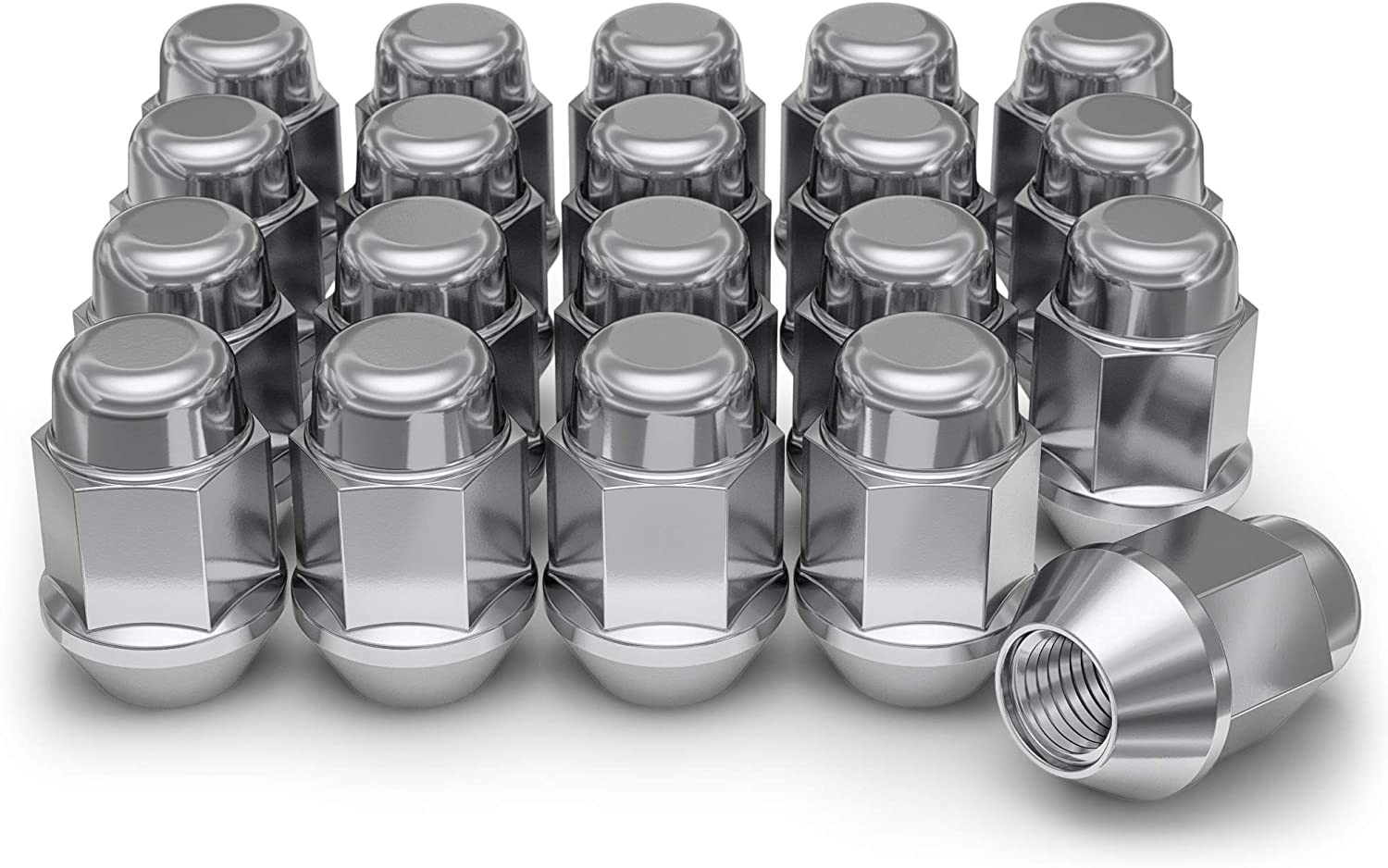
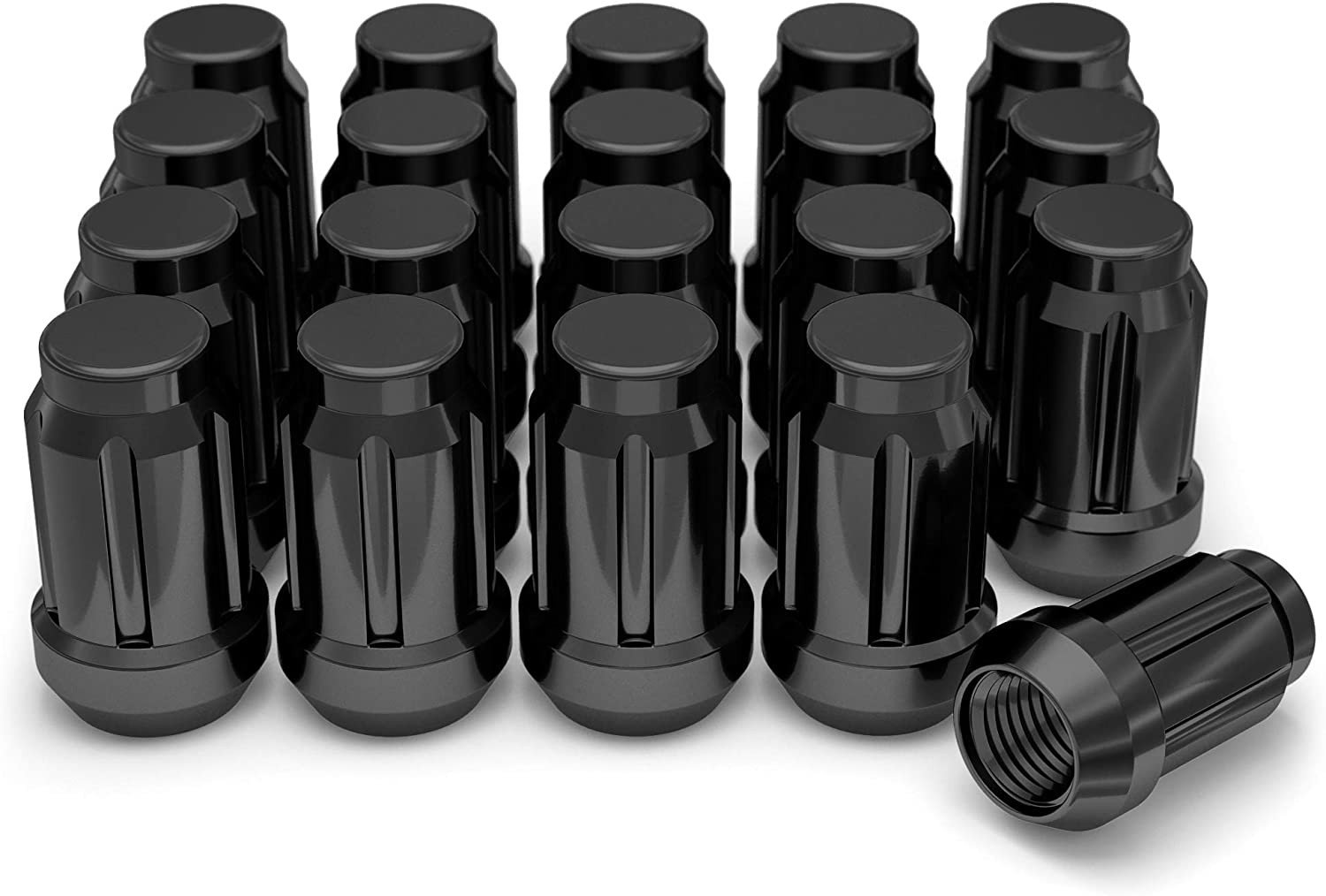
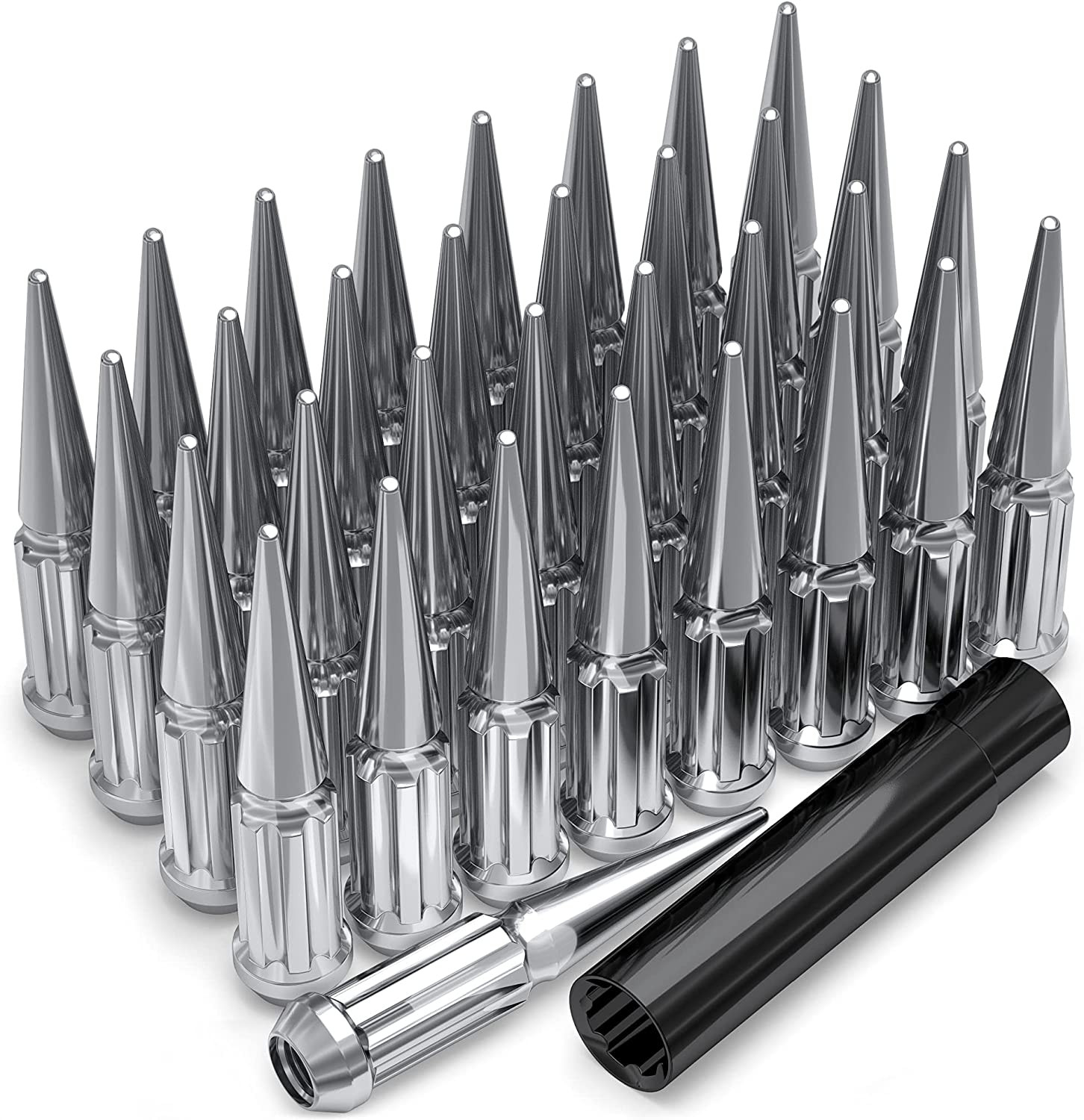
- Thread size: M12 x 1.5. Confirm lug seat type matches the wheel design, for example cone seat or ball seat.
- Offset and backspacing: OEM reference is ET 45 and 5.02 in backspacing. Use the calculator to see inner and outer clearance changes if you alter offset or width.
- Brake and suspension clearance: Check inner barrel clearance to calipers and struts, and outer clearance to fenders during full steering lock and suspension compression.
- Overall tire diameter: Keep close to stock to maintain speedometer and safety systems. Verify with the calculator.
- Load index and speed rating: Meet or exceed OEM ratings on the door placard.
- TPMS: Plan for compatible sensors or service kits. Program and verify function after installation.
- Torque spec: Refer to the owner’s manual or OEM service information for the correct wheel fastener torque. Do not guess.
- Return policy: Confirm seller policies in case the test fit does not clear.
Plus Sizing And Common Upgrades
Many owners explore larger diameter wheels or slightly wider tires for appearance or handling. Use the calculator to model any change. Keep overall tire diameter close to OEM, maintain safe inner clearance to suspension, and prevent outer poke that could contact fenders or liners. Aftermarket wheels often have a larger center bore, so plan for hub-centric rings to 56.6 mm to keep the wheel centered and reduce vibration. If you drive in winter conditions, a narrower tire on an appropriate rim can improve traction; again verify with the calculator and your OEM references.
Installation Tips
- Test fit one wheel on front and rear before mounting tires where possible. Check for caliper, strut, and fender clearance.
- Clean the hub face and wheel mounting pad. Remove rust and debris so the wheel seats flat.
- If the wheel bore is larger than 56.6 mm, install proper hub-centric rings. Do not force-fit.
- Install correct lug nuts or bolts for the wheel seat type. Ensure full thread engagement. Do not lubricate wheel fastener threads or seats unless specified by the manufacturer.
- Hand start all fasteners, snug in a star pattern, then torque to the OEM specification with a calibrated torque wrench.
- Re-torque after the first 50 to 100 miles of driving.
- If equipped with TPMS, service or program sensors and verify no warnings after a short drive.
Tools And Helpful Supplies
FAQs
What is the bolt pattern on the 2020 Chevrolet Spark?
4x100.
What center bore does the 2020 Spark use?
56.6 mm. If your aftermarket wheel has a larger bore, use hub-centric rings sized down to 56.6 mm.
What lug nuts or bolts does it use?
Thread size is M12 x 1.5. The seat type depends on the wheel design. Match the seat type to the wheel and torque to the OEM specification listed in your owner’s manual or service guide.
Will larger wheels fit, for example moving up a diameter?
Possibly, but it depends on offset, width, and tire size. Use the calculator to compare inner and outer clearance and keep overall tire diameter close to OEM. Measure on the car if anything looks tight.
What offset should I choose for aftermarket wheels?
The OEM reference is ET 45. Any change in offset affects inner and outer clearance and steering feel. Model the change in the calculator and verify clearances on your vehicle before purchase.
Do I need hub-centric rings?
If the wheel’s center bore is larger than 56.6 mm, yes. Rings help the wheel seat on the hub and reduce vibration. If the bore is exactly 56.6 mm, rings are not required.
Can I use wheel spacers?
Spacers affect stud engagement, bearing load, and clearance. If you use them, they must be high quality, hub-centric, and paired with appropriate extended hardware. Check local regulations and consult a professional. This is not a recommendation to use spacers.
What is backspacing and what is OEM?
Backspacing is the distance from the wheel mounting face to the inner rim edge. The value we have on file is 5.02 in for the referenced OEM wheel.
How do I confirm my exact OEM size?
Check the tire and loading placard in the driver door jamb, the owner’s manual, or OEM service information. Then enter that exact size in the calculator before comparing changes.