2012 Ford Fiesta Wheel Fitment and Interchange Guide
Known OEM Fitment For 2012 Ford Fiesta
The following specifications are the known fitment data provided for the 2012 Ford Fiesta. Treat these figures as a starting point, not as a substitute for the vehicle placard, owner’s manual, VIN-based parts information, or a direct measurement.
| Specification |
Known value |
| Bolt pattern |
4x10⁸ |
| Center bore |
54.1 mm |
| Thread size |
M12 x 1.5 |
| Rim diameter |
16 inches |
| Rim width |
6.5 inches |
| Wheel offset |
ET45 |
| Backspacing |
5.02 inches |
| Tire section width |
185 mm |
| Tire aspect ratio |
60 percent |
| Tire rim diameter |
15 inches |
There is an apparent diameter mismatch in the supplied data: the rim diameter is listed as 16 inches, while the tire rim diameter is listed as 15 inches. A tire with a 15-inch rim diameter cannot be installed on a 16-inch wheel. Confirm the original wheel and tire markings before ordering. The tire sidewall should show a complete designation such as 185/60R15 or another size specified on the vehicle placard.
Also confirm the bolt pattern, center bore, offset, wheel width, tire size, load rating, and speed rating for your exact trim and market. Do not assume that every 2012 Ford Fiesta uses the same wheel and tire package.
How To Use The Wheel Interchange Calculator
Use the on-page calculator to compare a donor vehicle’s wheels with the wheels installed on your 2012 Ford Fiesta.
- Enter the donor vehicle in the “Wheels from” fields.
- Enter your 2012 Ford Fiesta in the “Installed on” fields.
- Compare bolt pattern, center bore, wheel diameter, width, offset, and tire dimensions.
- Use “Custom wheel size” to test a wheel’s rim diameter, width, and offset when the exact donor vehicle is unknown.
- Use “Custom tire size” to compare section width and aspect ratio.
- When you change rim diameter, review the updated tire diameter in the comparison. A new wheel diameter normally requires a tire with a matching rim diameter.
A calculator result is a screening tool. It does not confirm brake clearance, spoke clearance, fender clearance, suspension clearance, hub engagement, tire load capacity, or the condition of a used wheel. Physically test-fit a wheel when possible, with the vehicle safely supported, before mounting tires or driving.
Fitment Checklist Before You Buy
- Confirm the wheel has the correct 4x10⁸ bolt pattern.
- Confirm the center bore is 54.1 mm or larger, with a safe, properly fitted hub-centric ring if needed. A smaller center bore will not fit over the hub.
- Check that the wheel’s offset and width do not create contact with the strut, brake components, suspension, fender, or inner wheel well.
- Verify the wheel’s diameter provides adequate clearance over the brake assembly.
- Check the wheel manufacturer’s load rating against the vehicle requirements.
- Confirm the tire’s rim diameter matches the wheel diameter. Resolve the supplied 15-inch versus 16-inch discrepancy before purchasing.
- Use the door-jamb tire placard and owner’s manual to confirm the required tire size, cold inflation pressure, load index, and speed rating.
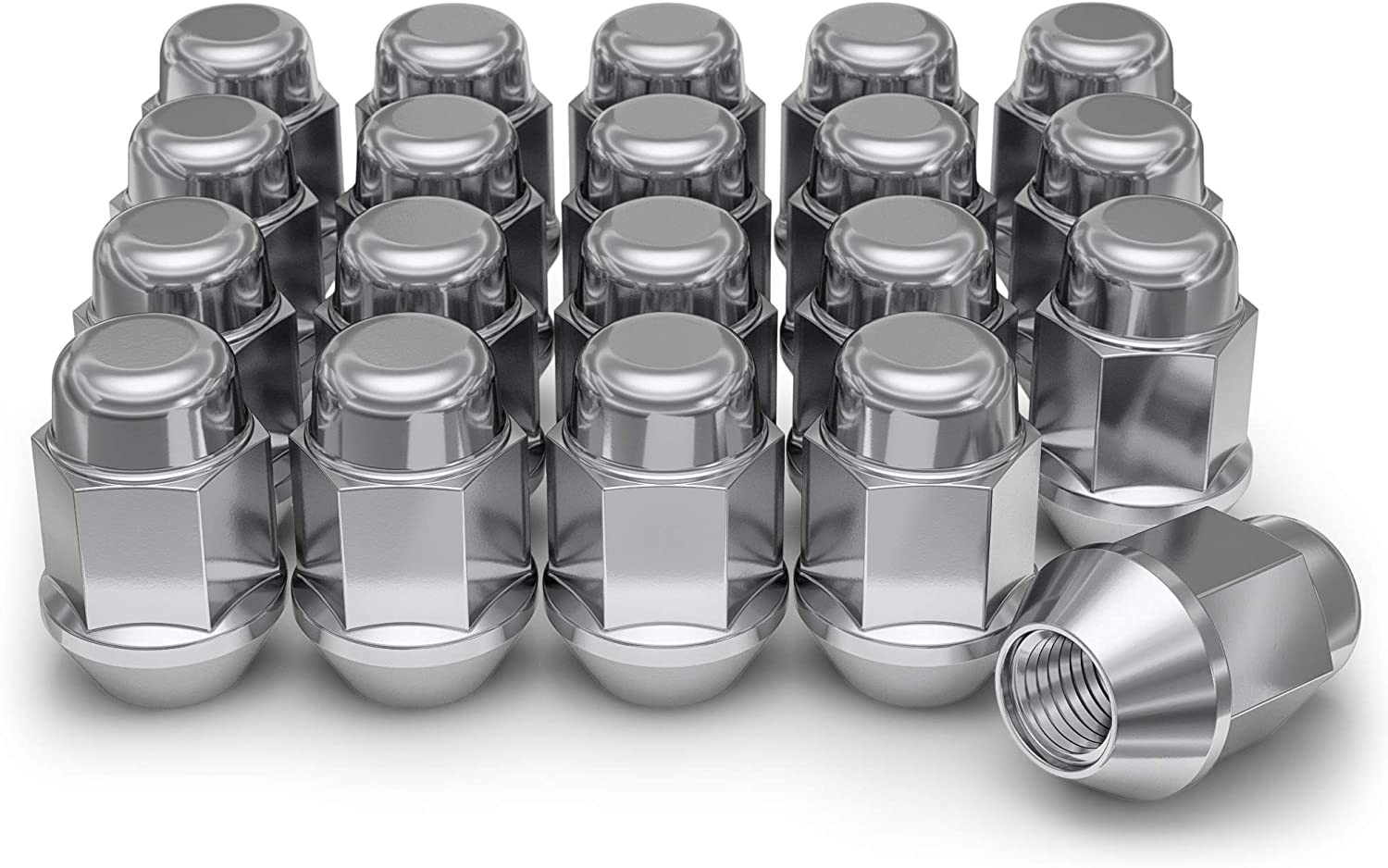
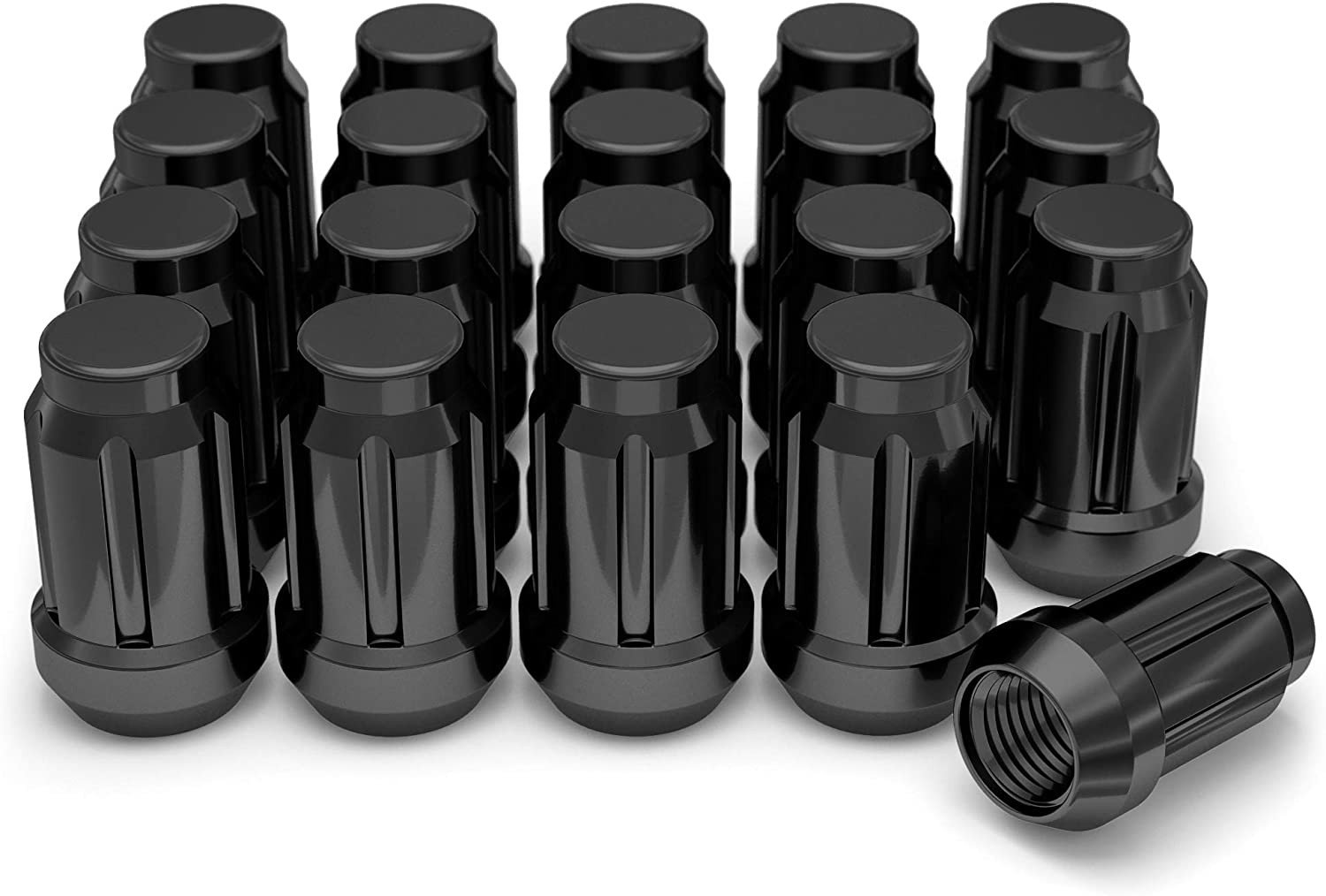
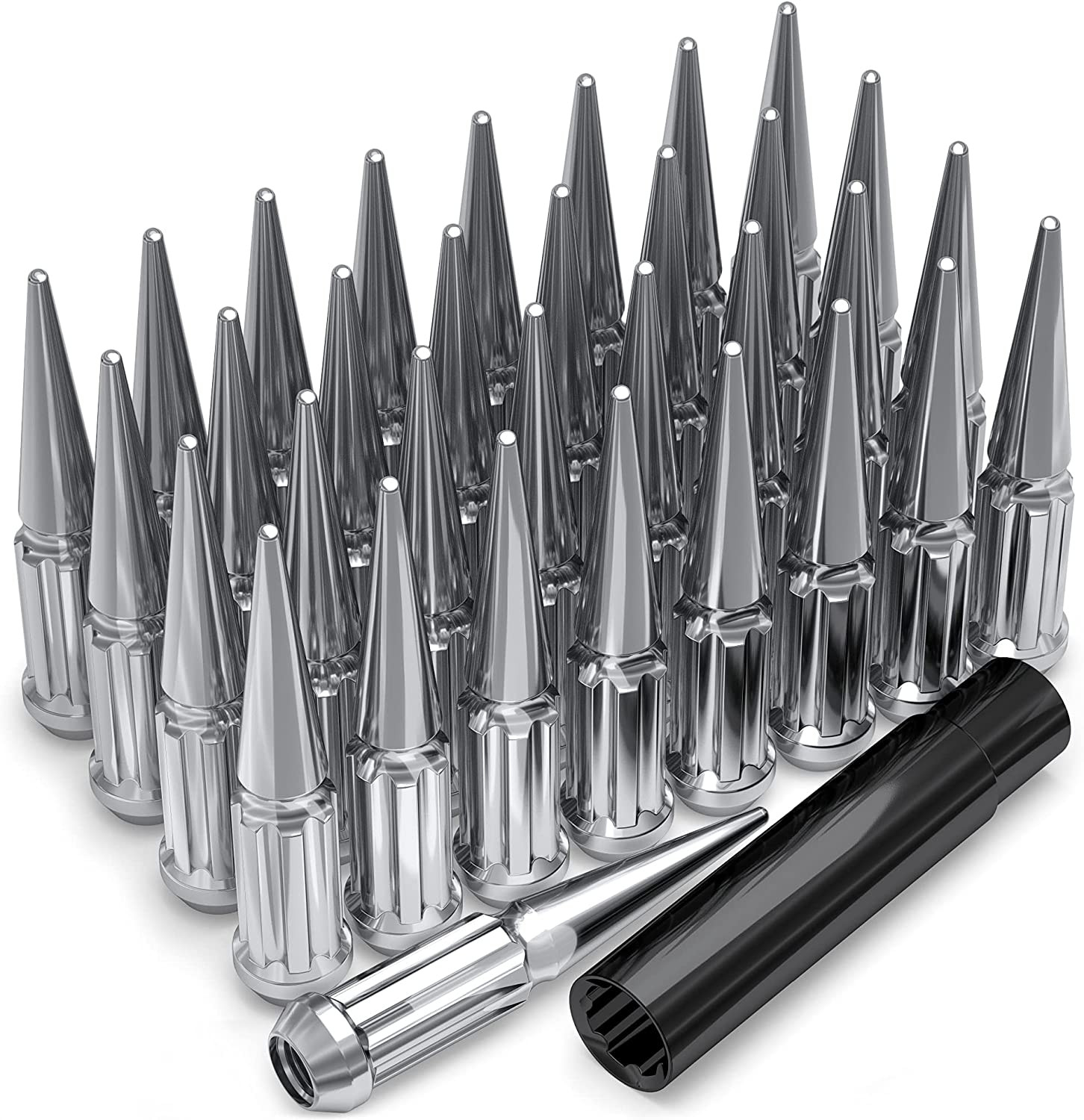
- Verify the required lug nut seat type and thread engagement. M12 x 1.5 identifies the thread specification, but it does not by itself identify the correct lug nut seat.
- Inspect used wheels for cracks, bends, corrosion around the bead seat, damaged threads, and previous repairs.
- After installation, check for rubbing at full steering lock and through suspension movement before road use.
Plus Sizing And Common Upgrades
Plus sizing changes the wheel diameter while using a lower-profile tire to keep the overall tire diameter reasonably close to the original. It may improve steering response, but it can also reduce ride comfort, increase wheel and tire damage risk, and change clearance at the fender or suspension.
No specific upgrade size should be treated as confirmed from the information provided. Use the calculator to compare custom rim diameter, width, offset, section width, and aspect ratio, then verify the result against Ford documentation, the tire manufacturer’s load and fitment data, and a physical clearance check.
When comparing sizes, pay attention to overall tire diameter, section width, sidewall clearance, and speedometer effect. A larger or smaller rolling diameter can affect displayed speed, stability-control behavior, gearing, and ground clearance. Do not choose a tire with a lower load index or speed rating than required for the vehicle.
Installation Tips
- Install wheels only on clean, undamaged hub and wheel mounting surfaces.
- Remove rust, dirt, and loose paint from the hub face without removing metal or altering the wheel mounting surface.
- Use the correct lug nuts for the wheel’s seat design and thread specification.
- Start every lug nut by hand to avoid cross-threading.
- Snug the lug nuts in a crisscross pattern, lower the vehicle until the tire is just touching the ground, then torque them to the vehicle or wheel manufacturer’s specification.
- Do not use an impact wrench for final torque unless it is specifically controlled and verified with a calibrated torque wrench.
- Check that the wheel rotates freely and that no brake, strut, tie-rod, or body component contacts the wheel or tire.
- Set tire pressure to the vehicle placard specification, not the maximum pressure molded on the tire sidewall.
- Recheck lug torque after the first short drive and again according to the wheel manufacturer’s instructions.
- Stop immediately if you notice vibration, steering pull, air loss, rubbing, or unusual noise.
Tools And Helpful Supplies
Useful supplies include a calibrated torque wrench, the correct lug socket, a tire pressure gauge, a tread-depth gauge, a straightedge or ruler for basic clearance checks, and a wire brush for cleaning the hub mounting face.
For shopping research, see automotive torque wrenches and lug nut sockets on Amazon or digital tire pressure and tread-depth gauges on Amazon. Product compatibility, accuracy, and specifications should be checked before purchase.
FAQs
What is the bolt pattern for the 2012 Ford Fiesta?
The known bolt pattern provided for this page is 4x10⁸. Confirm it against the wheel markings, vehicle documentation, or a trusted OEM parts source before buying.
What is the center bore?
The known center bore is 54.1 mm. A wheel with a smaller bore will not fit over the hub. A larger-bore wheel may require correctly sized hub-centric rings, but the ring must match both the vehicle hub and the wheel bore.
What wheel offset is listed?
The supplied wheel offset is ET45, with a listed 6.5-inch wheel width and 5.02-inch backspacing. Offset varies by wheel design and may vary by trim or market, so verify the exact wheel before installation.
Can I install the listed 185/60R15 tire on a 16-inch wheel?
No. A tire marked with “R15” requires a 15-inch wheel. The supplied data also lists a 16-inch rim diameter, so these entries should not be treated as one confirmed wheel and tire package. Check the sidewall marking and door-jamb placard to determine the correct size.
Can wheels from another vehicle fit this Fiesta?
They may fit only if all critical specifications are compatible. Compare the donor wheel’s bolt pattern, center bore, diameter, width, offset, load rating, lug seat, and brake clearance using the calculator. A matching bolt pattern alone does not prove safe fitment.
Do I need hub-centric rings?
Only if the wheel’s center bore is larger than the vehicle hub and the wheel manufacturer permits their use. Rings do not correct a wrong bolt pattern, unsafe offset, inadequate brake clearance, or a wheel with a smaller center bore.
Will changing wheel offset cause rubbing?
It can. A lower offset generally moves a wheel outward, while a higher offset generally moves it inward, but the actual result also depends on wheel width, spoke shape, tire dimensions, suspension condition, and vehicle ride height. Use the calculator, then perform a careful physical clearance check.
Where should I confirm the final tire pressure and size?
Use the tire and loading information label, usually located on the driver-side door area, along with the owner’s manual and OEM service information for the exact vehicle. Tire sidewall maximum pressure is not a substitute for the vehicle’s recommended cold inflation pressure.