2009 Ford Taurus Wheel Fitment Guide
Known OEM Fitment For 2009 Ford Taurus
The following specifications are the known OEM fitment values provided for the 2009 Ford Taurus. Always confirm the exact requirements for your trim, wheel package, and replacement wheel before ordering.
| Specification |
Known value |
| Bolt pattern |
4x10⁸ |
| Center bore |
63.4 mm |
| Thread size |
M12 x 1.5 |
| Rim diameter |
17 inches |
| Rim width |
7.0 inches |
| Wheel offset |
ET52 mm |
| Backspacing |
5.55 inches |
| Tire size information |
215 section width, 60 aspect ratio, 17-inch rim diameter |
These values are not a complete substitute for the vehicle placard, owner’s manual, factory service information, or a direct measurement. Trim-level and equipment differences may affect approved wheel and tire combinations. Confirm the bolt pattern, center bore, offset, load rating, brake clearance, and tire requirements before purchase.
How To Use The Wheel Interchange Calculator
Use the calculator to compare wheels from a donor vehicle with the wheels installed on your 2009 Ford Taurus. Enter or select the donor vehicle in the “Wheels from” field and your Taurus in the “Installed on” field. Review the comparison for bolt pattern, center bore, wheel dimensions, offset, and tire dimensions.
You can also use the custom wheel size controls to enter a rim diameter, rim width, and offset. The custom tire size controls allow you to enter section width and aspect ratio. When you change rim diameter, the calculator updates the tire diameter used in the comparison. This helps you evaluate size changes, but it does not confirm brake clearance, suspension clearance, fender clearance, steering clearance, load capacity, or legal compliance.
Use the known values above as a starting point, then compare them with the specifications stamped or documented for the wheel you intend to install. If a value is missing or differs by trim, verify it with Ford OEM documentation, the vehicle certification label, the tire information placard, or a qualified wheel and tire professional.
Fitment Checklist Before You Buy
Confirm that the replacement wheel has the correct 4x10⁸ bolt pattern and a center bore that is compatible with the vehicle’s 63.4 mm hub. A larger center bore may require correctly sized hub-centric rings, while a smaller bore generally will not fit over the hub. Do not assume that a wheel with the correct bolt pattern is automatically safe or compatible.
Check the wheel’s diameter, width, offset, backspacing, load rating, and brake clearance. The known reference wheel is 17 x 7.0 inches with ET52 offset and 5.55-inch backspacing, but the acceptable range for an alternative wheel is not provided here and should be confirmed from OEM or professional fitment information.
Verify the tire’s complete size, load index, speed rating, construction, and approved rim-width range. Compare the proposed tire diameter and section width with the original specification. A change can affect speedometer accuracy, gearing, handling, traction-control behavior, and clearance.
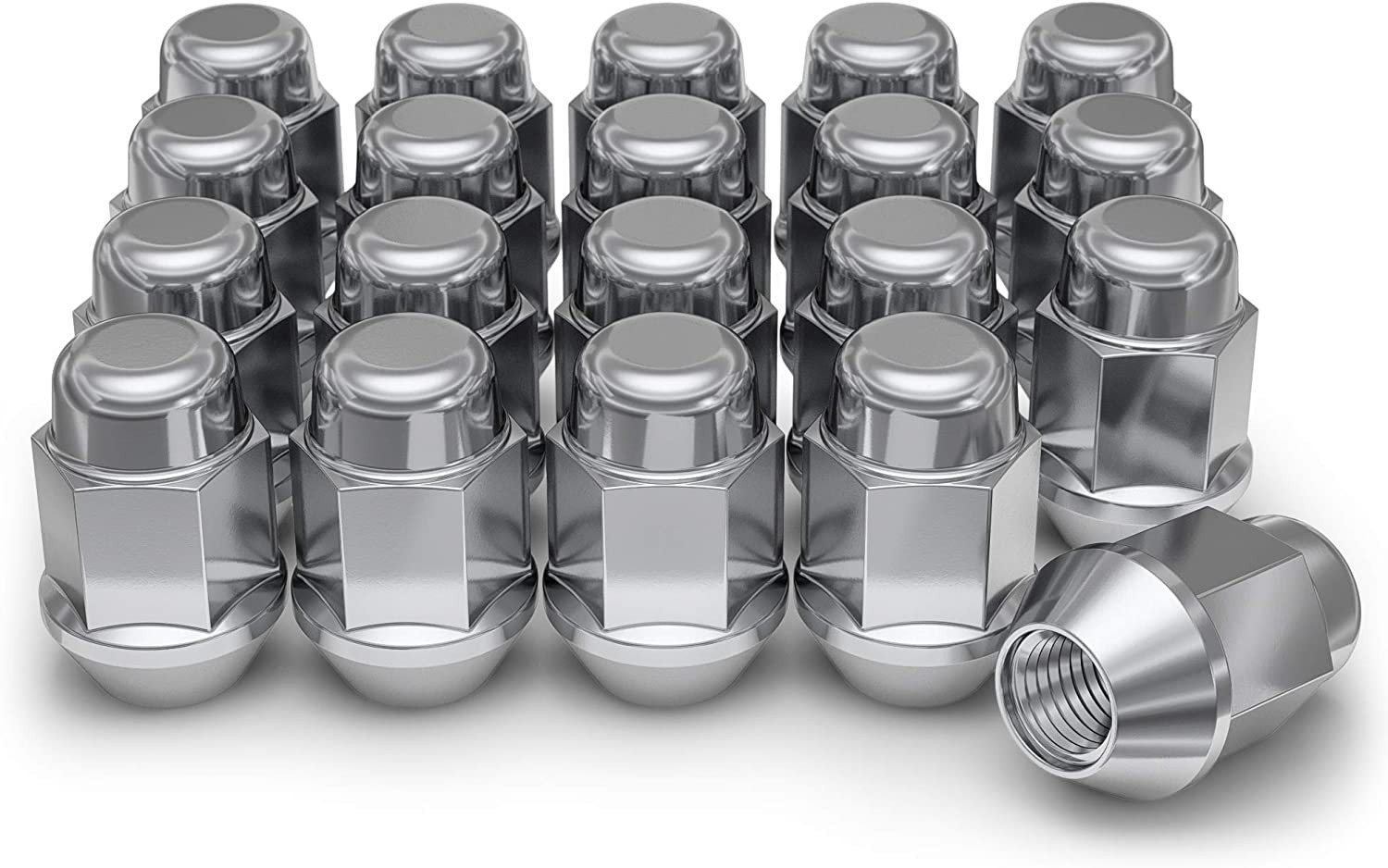
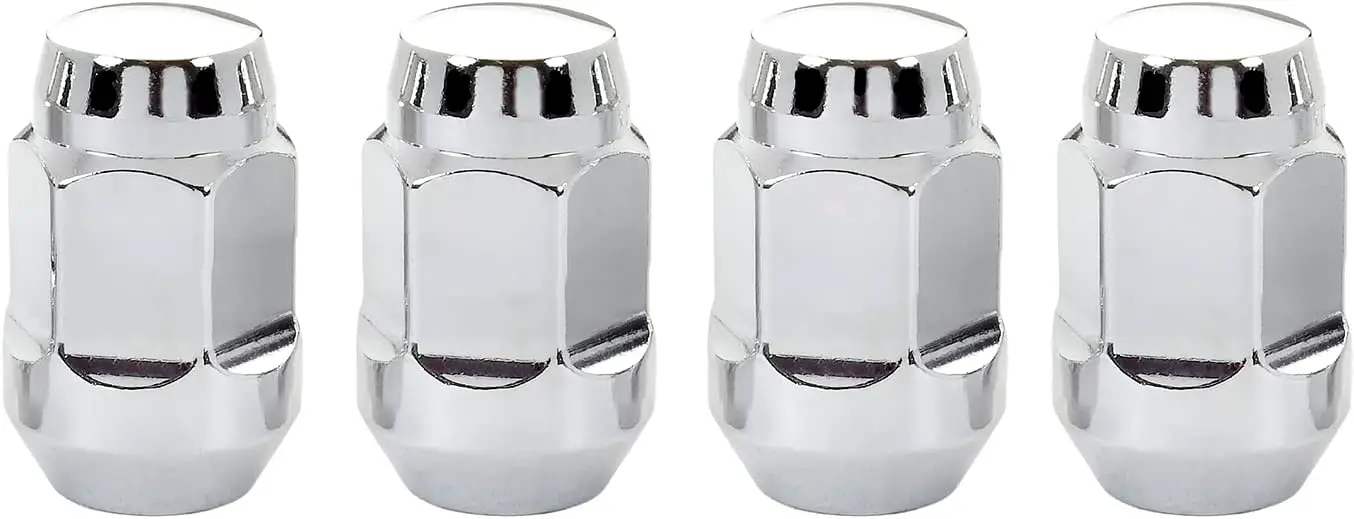
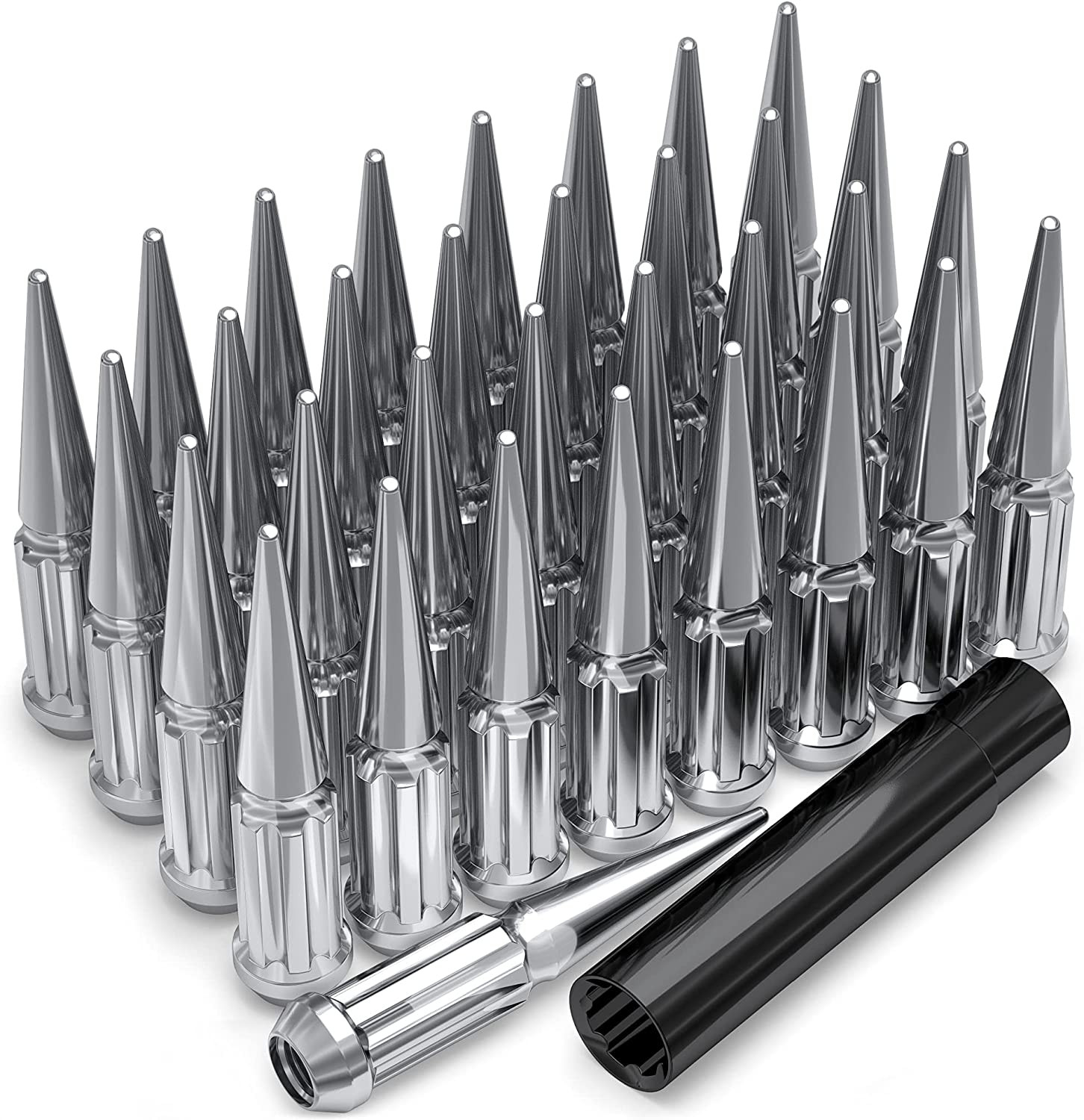
Inspect the wheel for cracks, bends, corrosion, damaged mounting seats, and missing hardware. Confirm whether the wheel requires conical-seat or ball-seat lug nuts. Lug hardware must match the wheel and the vehicle studs. Never force incompatible lug nuts onto the studs.
Plus Sizing And Common Upgrades
Plus sizing usually means using a larger wheel diameter with a lower-profile tire while keeping the overall tire diameter reasonably close to the original. The calculator can show how a custom rim diameter changes the comparison, but it does not establish an approved upgrade for every Taurus trim.
Changing wheel width or offset changes the wheel’s inner and outer position. More positive offset generally moves the wheel inward, while less positive offset generally moves it outward. These changes can create contact with suspension components, brake parts, inner liners, or fenders. Check clearance through the full steering range and through suspension movement.
Do not choose a tire solely by matching its section width. Confirm the tire maker’s approved rim-width range, load index, speed rating, inflation requirements, and overall diameter. If the factory documentation does not list a proposed size, obtain confirmation from Ford documentation, the tire manufacturer, or a qualified technician before installation.
Installation Tips
Clean the hub face and wheel mounting surface before installation. Rust, dirt, paint buildup, or debris between the wheel and hub can cause runout, vibration, or improper clamping. Do not use spacers, adapters, or hub rings unless their specifications and load capacity are appropriate for this vehicle and wheel.
Install the correct lug nuts by hand first to prevent cross-threading. Tighten them in a star or crisscross pattern, then torque them to the vehicle or wheel manufacturer’s specified value. The required torque value is not provided here, so confirm it in Ford service information or the wheel manufacturer’s instructions rather than guessing.
After installation, check that the wheel rotates freely and that there is no contact with the caliper, suspension, inner liner, or fender. Test the steering from lock to lock at low speed. Recheck lug torque after the first drive interval specified by the vehicle or wheel manufacturer, and stop driving if you notice vibration, rubbing, looseness, or handling changes.
Tools And Helpful Supplies
Useful supplies may include a properly rated floor jack, jack stands, wheel chocks, a torque wrench, a socket set, a tire pressure gauge, and a tread-depth gauge. Use jack stands on solid, approved support points and follow the safety instructions for the vehicle.
A digital caliper can help verify center-bore and hardware dimensions, but it does not replace OEM fitment data. A hub-cleaning brush and suitable rust-removal supplies can help prepare the mounting surface. For compatible options, see automotive torque wrenches and wheel chock and jack stand sets.
FAQs
What is the known bolt pattern for the 2009 Ford Taurus?
The provided OEM fitment value is 4x10⁸. Confirm this against the vehicle and wheel documentation before ordering.
What is the center bore?
The known center bore is 63.4 mm. A wheel with a larger bore may need properly sized hub-centric rings. A smaller bore generally will not fit over the vehicle hub.
What wheel size is listed as the OEM reference?
The provided reference is a 17-inch diameter wheel that is 7.0 inches wide, with ET52 offset and 5.55-inch backspacing.
What tire information is provided?
The supplied tire values are 215 mm section width, a 60 percent aspect ratio, and a 17-inch rim diameter. The complete service description, load index, and speed rating are not provided, so confirm them from the vehicle placard and tire manufacturer.
Can I install wheels from another vehicle?
Possibly, but the donor wheel must be checked for bolt pattern, center bore, offset, width, diameter, load rating, brake clearance, lug-seat type, and tire compatibility. Use the calculator for comparison, then verify the result with OEM or manufacturer information.
Does the calculator guarantee that a wheel will fit?
No. It compares the entered dimensions and updates tire diameter when rim diameter changes. It cannot physically verify brake clearance, suspension movement, fender clearance, hub engagement, lug-seat compatibility, or load capacity.
What should I do if my trim has different specifications?
Treat the differing value as unconfirmed. Check the tire information placard, owner’s manual, Ford service information, wheel markings, and the tire or wheel manufacturer’s specifications. A qualified technician can also measure the vehicle and inspect clearance.
Do I need a different lug nut thread size?
The known thread size is M12 x 1.5. The lug nut’s seat shape must also match the replacement wheel. Confirm both thread and seat type before installation.