2001 Ford Focus Wheel Fitment
Known OEM Fitment For 2001 Ford Focus
The following values are the known fitment data available for the 2001 Ford Focus. Equipment can vary by trim, market, and production configuration, so confirm the final specification with the vehicle identification number, owner’s manual, door-jamb tire label, or an original wheel before purchasing.
| Specification |
Known value |
| Bolt pattern |
4x10⁸ |
| Center bore |
63.4 mm |
| Thread size |
M12 x 1.5 |
| Rim diameter |
15 inches |
| Rim width |
6.0 inches |
| Wheel offset |
ET53 |
| Backspacing |
5.09 inches |
| Tire section width |
185 mm |
| Tire aspect ratio |
65 percent |
| Tire rim diameter |
R14 |
There is an apparent inconsistency in the supplied data: the listed rim diameter is 15 inches, while the listed tire rim diameter is R14. A 14-inch tire cannot be mounted on a 15-inch wheel. Treat these values as configuration-specific or source data requiring confirmation rather than as one complete wheel-and-tire package. Check the tire sidewall and the vehicle placard, then use the calculator to compare the exact wheel and tire sizes you intend to install.
How To Use The Wheel Interchange Calculator
Use the calculator to compare “Wheels from” a donor vehicle with wheels “Installed on” your 2001 Ford Focus. Enter the donor vehicle information and review the bolt pattern, center bore, wheel width, diameter, offset, and tire dimensions.
- Use the custom wheel size fields to enter rim diameter, rim width, and offset when the donor listing does not exactly match the wheel you are considering.
- Use the custom tire size fields to enter section width and aspect ratio.
- Changing rim diameter updates the tire diameter shown in the comparison. Recheck overall diameter, clearance, and speedometer effects after every change.
- Compare the result with the known 4x10⁸ bolt pattern, 63.4 mm center bore, M12 x 1.5 thread specification, and the confirmed vehicle placard information.
- A calculator result is a screening tool, not a substitute for checking brake clearance, load rating, stud or nut engagement, and physical clearance on the vehicle.
Fitment Checklist Before You Buy
- Confirm the wheel has a 4x10⁸ bolt pattern. Do not rely on appearance or a seller’s general vehicle list.
- Confirm the center bore is suitable for the 63.4 mm hub. A larger bore may require properly sized hub-centric rings; a smaller bore will not fit over the hub.
- Verify the offset and backspacing against the calculator and the current wheel. Incorrect offset can cause suspension, brake, fender, or inner-body interference.
- Confirm the wheel diameter clears the brake assembly. Do not assume that a smaller diameter fits simply because the bolt pattern matches.
- Match the tire bead diameter to the wheel diameter. A tire marked R14 belongs on a 14-inch wheel, not a 15-inch wheel.
- Check the tire load index, speed rating, age, condition, and inflation requirements against the vehicle manufacturer’s specifications.
- Inspect used wheels for cracks, bends, corrosion around the bead seat, damaged mounting holes, and prior repairs.
- Confirm the wheel’s load rating and the correct lug hardware. Wheel seats and nut types must match, and the thread size alone does not identify the correct seat.
- After installation, verify clearance at full steering lock and through suspension travel. Maintain safe clearance from brake parts, struts, tie rods, and fenders.
Plus Sizing And Common Upgrades
Plus sizing changes the wheel diameter while selecting a tire with a lower aspect ratio to keep the overall tire diameter reasonably close to the original. The calculator can show how a custom rim diameter, width, offset, section width, and aspect ratio compare with the installed setup.
Do not select a plus-size package from diameter alone. The replacement tire must fit the wheel width, maintain adequate load capacity, clear the vehicle, and remain compatible with the vehicle’s speedometer and safety systems. Because the supplied data contains both a 15-inch rim value and an R14 tire value, confirm the actual original package before calculating a replacement.
Wider wheels or tires can improve steering response but may increase the risk of rubbing, tramlining, road-noise transmission, and damage from potholes. Any upgrade should be checked on the specific trim and suspension configuration rather than assumed compatible from another Focus.
Installation Tips
- Install wheels only after confirming the bolt pattern, center bore, offset, brake clearance, and tire specification.
- Clean rust and debris from the hub face and wheel mounting surface. Do not use excessive lubricant on the wheel-to-hub mating surfaces.
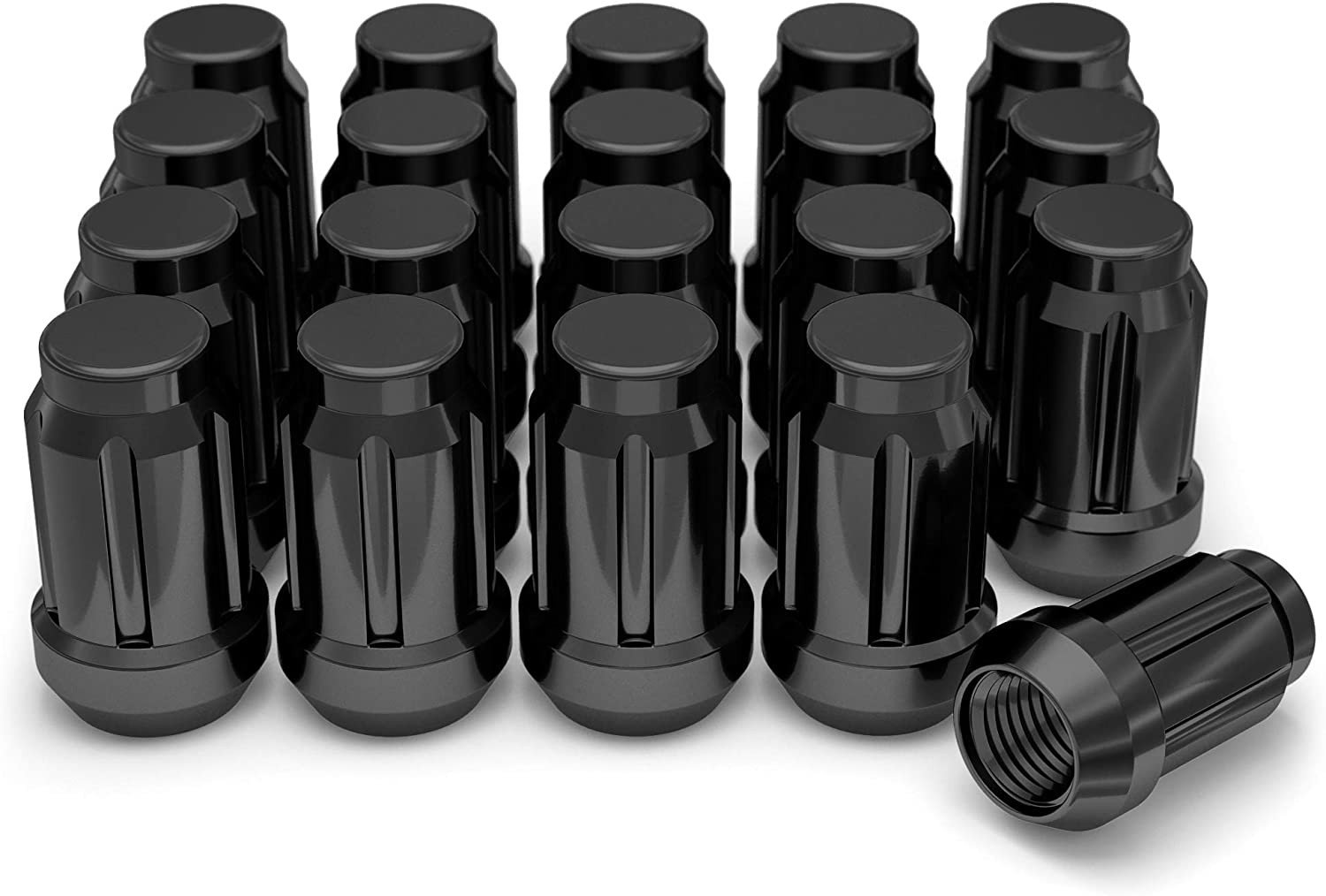
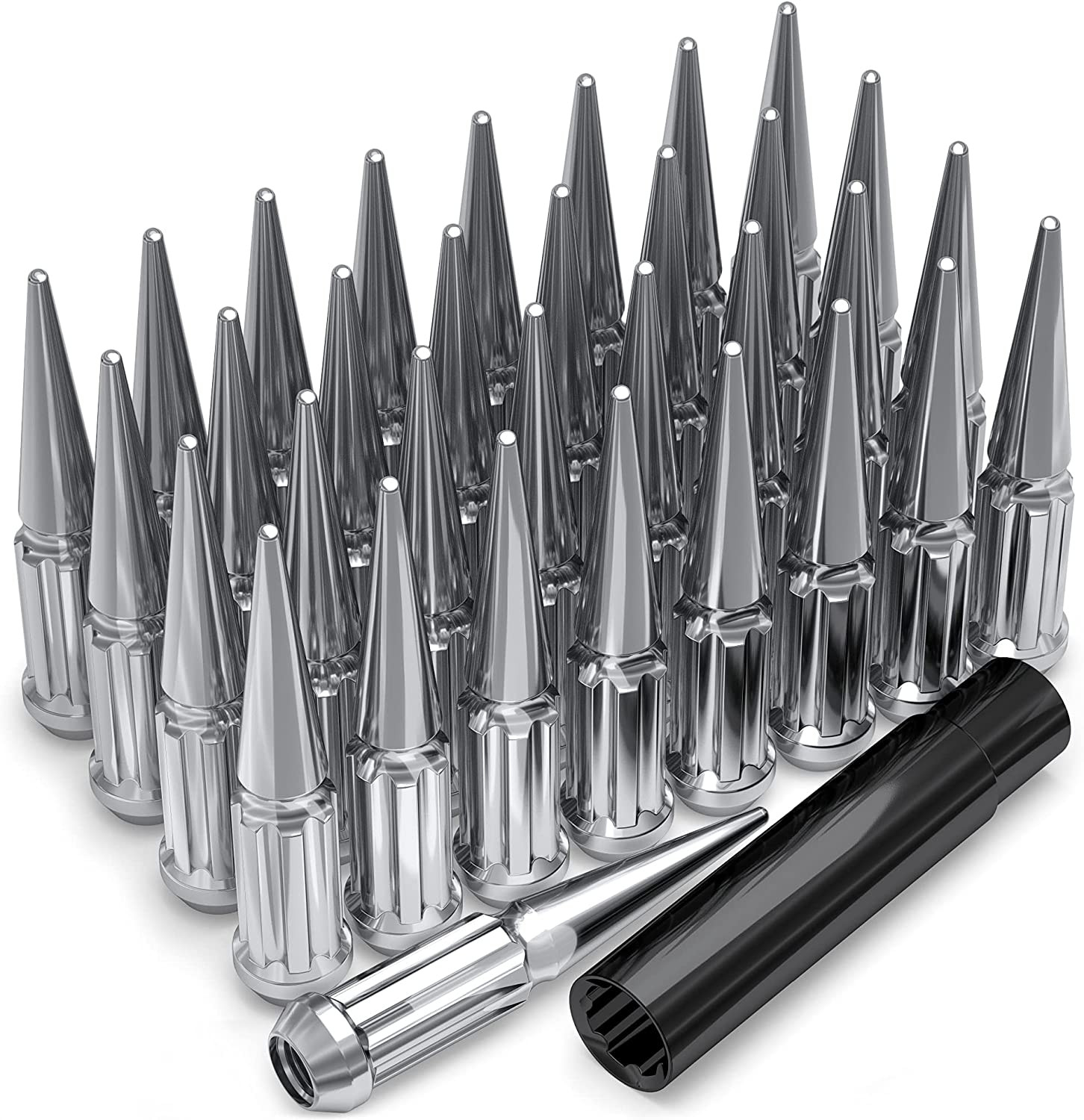
- Use only the lug nuts or bolts specified for the wheel’s seat type and the vehicle’s thread specification. The known thread size is M12 x 1.5, but the correct seat and hardware design still require confirmation.
- Hand-start every fastener to prevent cross-threading. Tighten in a star pattern, then torque with a calibrated torque wrench to the vehicle or wheel manufacturer’s specification.
- Inflate tires to the pressure listed on the vehicle placard unless a qualified tire professional determines otherwise.
- Rotate the steering from lock to lock and inspect for rubbing before road testing. Recheck fastener torque after the first short drive and again according to the wheel manufacturer’s instructions.
- After changing wheel or tire dimensions, check vehicle behavior, steering centering, vibration, and tire clearance. Stop driving if a tire rubs or a wheel vibrates abnormally.
Tools And Helpful Supplies
Useful supplies include a calibrated torque wrench, correctly sized socket, jack and jack stands rated for the vehicle, wheel chocks, a tire-pressure gauge, and a tread-depth gauge. A hub-cleaning brush and a flashlight can help with inspection, but never work under a vehicle supported only by a jack.
For a basic search for suitable wheel installation tools, see wheel torque wrench and socket sets on Amazon. For checking tire pressure before and after installation, see digital tire pressure gauges on Amazon.
FAQs
What is the bolt pattern for the 2001 Ford Focus?
The known bolt pattern is 4x10⁸. Verify the wheel marking or measure the wheel if purchasing used parts.
What is the center bore?
The known center bore is 63.4 mm. A wheel with a smaller bore will not fit over the hub. A larger bore may need correctly sized hub-centric rings if the wheel manufacturer permits their use.
What lug thread size is listed?
The known thread size is M12 x 1.5. This does not by itself confirm the correct lug nut seat, diameter, or overall hardware length, so match the hardware to the wheel and vehicle.
Can an R14 tire be installed on the listed 15-inch rim?
No. The tire bead diameter must match the wheel diameter. An R14 tire requires a 14-inch wheel, while a 15-inch wheel requires a tire marked R15. The supplied values should therefore be verified against the vehicle placard and actual wheel before purchase.
Is every 4x10⁸ wheel compatible?
No. Bolt pattern is only one requirement. Center bore, offset, width, brake clearance, wheel load rating, lug hardware, and tire dimensions must also be correct.
How do I compare a donor wheel with my Focus?
Enter the donor vehicle under “Wheels from” and the 2001 Ford Focus under “Installed on.” Review the dimensional comparison, then use the custom wheel and tire fields for the exact parts you are considering. Physically check the vehicle before driving.
Does a larger wheel automatically improve handling?
No. A larger wheel may change steering response, ride comfort, tire availability, impact resistance, and clearance. It must be paired with an appropriate tire and verified for safe fitment on the specific vehicle.
Where should I confirm the original tire size?
Check the driver-door or door-pillar tire placard, owner’s manual, an original tire sidewall, and Ford service information for the vehicle identification number. Use those sources to resolve the supplied 15-inch rim and R14 tire discrepancy.