2014 Ford Fiesta Wheel Fitment
Known OEM Fitment For 2014 Ford Fiesta
The following specifications are the known fitment data provided for the 2014 Ford Fiesta. Because wheel and tire specifications can vary by trim, market, and equipment package, confirm the final specification using the vehicle door-jamb label, owner’s manual, VIN-specific Ford information, or an authorized Ford parts source.
| Specification |
Provided value |
| Bolt pattern |
4x10⁸ |
| Center bore |
54.1 mm |
| Thread size |
M12 x 1.5 |
| Rim diameter |
17 inches |
| Rim width |
7.0 inches |
| Wheel offset |
ET48 |
| Backspacing |
5.39 inches |
| Tire section width |
185 mm |
| Tire aspect ratio |
60 |
| Tire rim diameter |
15 inches |
The supplied wheel and tire values do not describe one clearly identified wheel-and-tire package because the listed rim diameter is 17 inches while the listed tire rim diameter is 15 inches. Treat these as provided reference values rather than a confirmed complete assembly. Verify the tire size molded on the current tire sidewall and the wheel size stamped on the wheel before ordering replacements.
The 4x10⁸ bolt pattern means four fasteners are arranged on a 108 mm pitch circle. The replacement wheel must match the bolt pattern, center bore, width, diameter, and offset, and it must provide adequate clearance for the brakes, suspension, and bodywork. Do not rely on bolt pattern alone.
How To Use The Wheel Interchange Calculator
Use the calculator to compare a donor vehicle’s wheels with the wheels you plan to install on your 2014 Ford Fiesta. Enter the donor details under “Wheels from” and the Fiesta details under “Installed on.” Compare the rim diameter, width, offset, bolt pattern, and center bore shown by the calculator.
Use “Custom wheel size” when the donor wheel is different from the listed vehicle specification. Enter the custom rim diameter, rim width, and offset. Then use “Custom tire size” to enter the tire section width and aspect ratio. Changing the rim diameter updates the tire diameter in the comparison, so review the resulting diameter and clearance information after every change.
The calculator is a comparison aid, not a substitute for a physical test fit or manufacturer approval. A result that appears close should still be checked for inner suspension clearance, outer fender clearance, brake clearance, hub fit, fastener engagement, and tire load and speed ratings.
Fitment Checklist Before You Buy
Start by confirming the vehicle’s exact trim and market. Use the door-jamb tire label and current tire sidewall to confirm the required tire size, load index, speed rating, and inflation pressure. Those details are not provided here and should not be guessed.
Confirm that the replacement wheel is 4x10⁸ and that its center bore is 54.1 mm or otherwise correctly matched using an appropriate hub-centric solution. A larger center bore may require correctly sized hub-centric rings. A smaller center bore will not fit over the hub without proper machining, which should only be performed by a qualified wheel specialist.
Check that the wheel’s ET48 offset and 7.0-inch width are appropriate for the selected tire and the vehicle. Offset changes can affect steering geometry, fender clearance, suspension clearance, and bearing loads. Confirm that the wheel clears the brake caliper and that the tire does not contact the strut, spring, liner, or fender during steering and suspension movement.
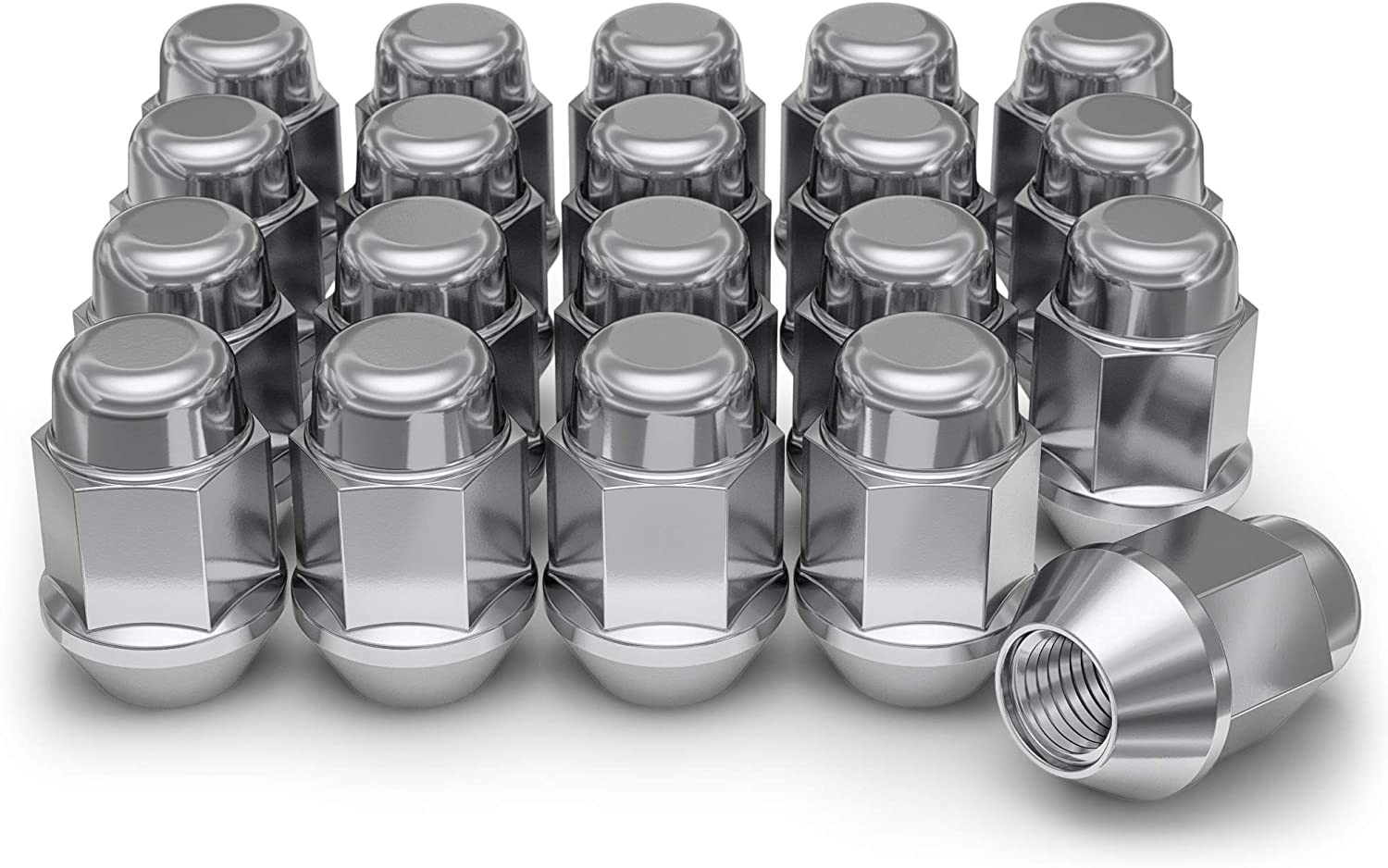
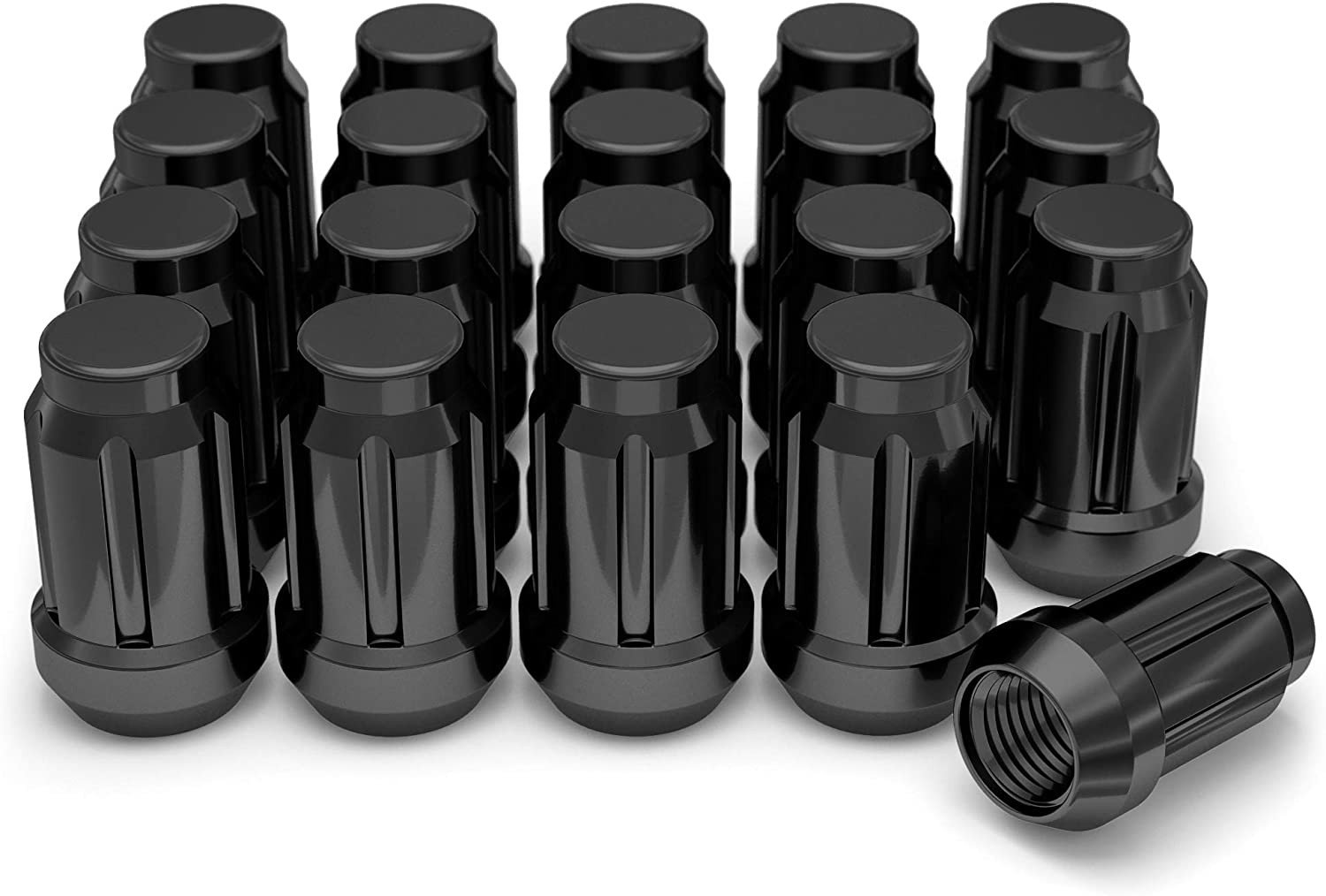
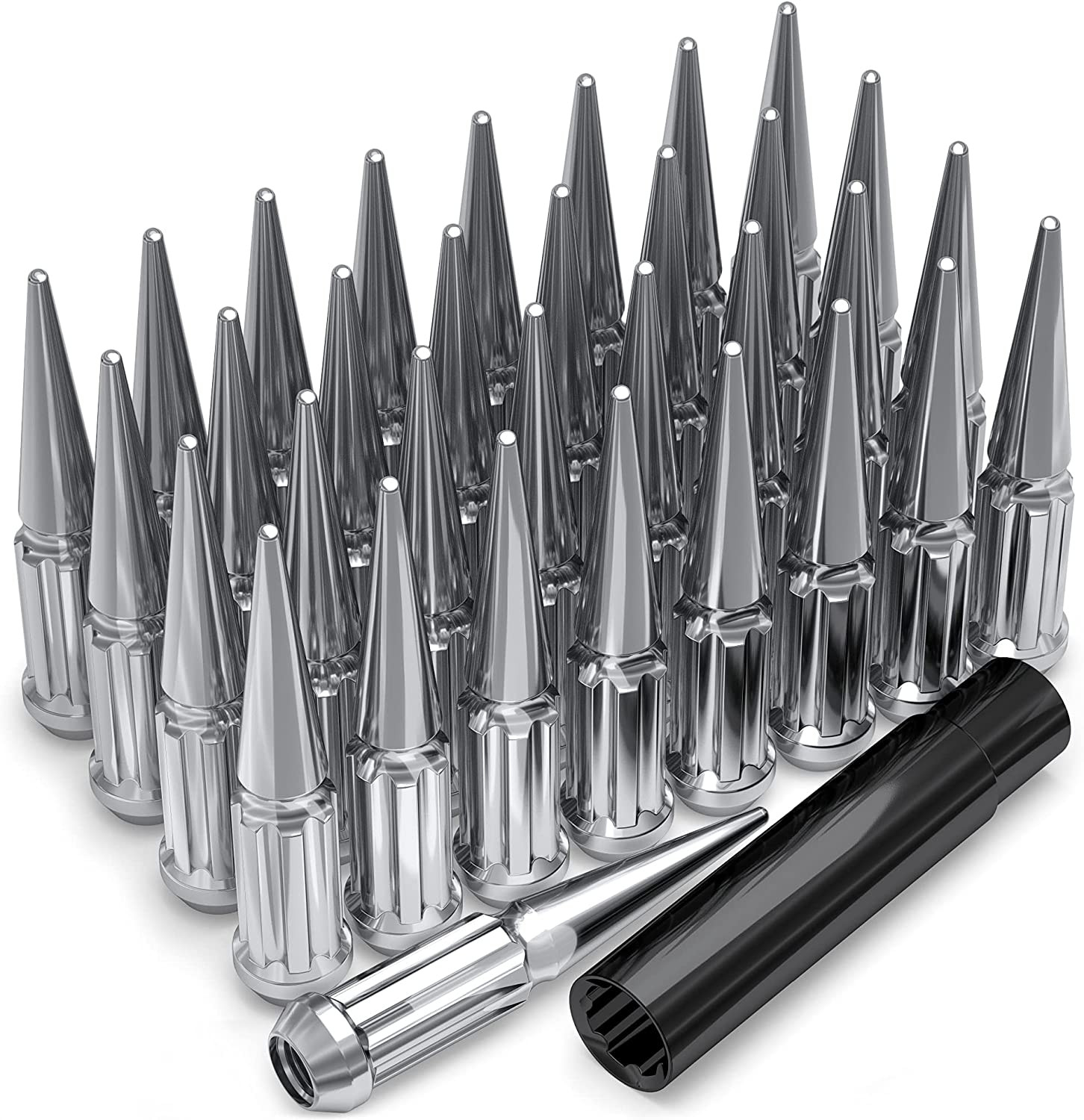
Confirm the wheel’s load rating, valve-stem compatibility, TPMS compatibility, and fastener seat type. The M12 x 1.5 thread size alone does not identify the correct lug nut seat or the required fastener length.
Plus Sizing And Common Upgrades
Plus sizing usually changes wheel diameter while maintaining a similar overall tire diameter by using a shorter tire sidewall. It can alter ride comfort, impact protection, steering response, road noise, rolling resistance, and the risk of wheel or tire damage. The replacement tire must remain within an appropriate overall diameter and must meet the vehicle’s load and speed requirements.
The supplied data includes a 17-inch, 7.0-inch wheel specification and a separate 15-inch tire rim diameter. Do not assume that either value is the correct upgrade target without confirming the original equipment package for the specific Fiesta. Use the calculator to compare custom wheel and tire combinations, then verify the result against Ford documentation and the tire manufacturer’s approved rim-width range.
Wider tires are not automatically better. A wider section can increase the chance of contact with suspension components or fenders, while an aggressive offset can move the wheel outward or inward. Avoid using spacers or adapters unless their application, hub fit, load rating, fastener engagement, and installation instructions are confirmed by a qualified professional.
Installation Tips
Before installation, inspect each wheel for cracks, bends, corrosion, damaged mounting seats, and debris on the hub mating surface. Clean the hub and wheel mounting faces without applying grease between the mating surfaces. The wheel must sit fully flush against the hub.
Install the correct lug nuts for the wheel’s seat design. Tighten the fasteners in a star or crisscross pattern, then torque them to the vehicle or wheel manufacturer’s specification. The correct torque value is not provided here, so obtain it from the owner’s manual, Ford service information, or the wheel manufacturer. Do not substitute an assumed torque value.
After installation, check that the wheel rotates freely and that there is no contact with the brake caliper, suspension, or bodywork. With the vehicle safely supported, turn the steering from lock to lock and inspect clearance. Recheck tire pressure and have the assembly balanced. Recheck lug torque after the initial driving period specified by the vehicle or wheel manufacturer.
Use a calibrated torque wrench rather than an impact tool for final tightening. A suitable automotive torque wrench can help achieve consistent final torque.
Tools And Helpful Supplies
Useful equipment includes a calibrated torque wrench, correctly sized socket, jack and jack stands or an approved lift, a tire pressure gauge, a tread-depth gauge, a wire or nylon brush for hub cleaning, and a flashlight for clearance checks. Use only lifting points and support equipment specified for the vehicle.
A digital tire pressure gauge is helpful for checking cold inflation pressure against the door-jamb label. If hub-centric rings are required because the replacement wheel has a larger center bore, verify the exact hub and wheel dimensions before purchasing them. Rings do not correct an incorrect bolt pattern, offset, wheel load rating, or brake-clearance problem.
FAQs
What is the bolt pattern for the 2014 Ford Fiesta?
The provided bolt pattern is 4x10⁸. Confirm the vehicle and wheel application before ordering, because bolt pattern alone does not establish complete fitment.
What is the center bore?
The provided center bore is 54.1 mm. A replacement wheel with a larger bore may require correctly sized hub-centric rings. A smaller bore will not fit over the hub without professional machining.
What lug thread size is listed?
The provided thread size is M12 x 1.5. You must still confirm the correct lug nut seat, shank or thread engagement, and torque specification for the selected wheel.
Can I use the listed 17-inch wheel with the listed tire size?
No conclusion should be made from the supplied values alone. The wheel diameter is listed as 17 inches, while the tire rim diameter is listed as 15 inches. A tire must match the wheel diameter, so verify the tire sidewall and wheel markings before installation.
Does ET48 guarantee that a wheel will fit?
No. ET48 describes offset, but complete fitment also depends on wheel width, center bore, bolt pattern, brake clearance, tire dimensions, suspension clearance, and fender clearance.
How do I compare a donor wheel with this Fiesta?
Enter the donor vehicle under “Wheels from” and the 2014 Ford Fiesta under “Installed on.” Compare the wheel diameter, width, offset, bolt pattern, center bore, and tire dimensions. Use the custom fields when the actual donor wheel or tire differs from the displayed specification.
What should I do if the calculator shows a possible match?
Treat the result as a screening result. Confirm the specification with OEM or wheel-manufacturer documentation, then perform a careful physical clearance check. Verify tire load and speed ratings, fastener compatibility, TPMS requirements, and final torque before driving.