2013 Ford Fiesta Wheel Interchange
Known OEM Fitment For 2013 Ford Fiesta
The following specifications were provided for the 2013 Ford Fiesta. Fitment can vary by market, trim, brake package, and wheel configuration, so confirm the information against the vehicle placard, owner’s manual, VIN-specific Ford service information, or the original wheel markings before buying.
| Specification |
Provided value |
| Bolt pattern |
4x10⁸ |
| Center bore |
54.1 mm |
| Thread size |
M12 x 1.5 |
| Rim diameter |
16 inches |
| Rim width |
6.5 inches |
| Wheel offset |
ET45 |
| Backspacing |
5.02 inches |
| Tire section width |
185 mm |
| Tire aspect ratio |
60 percent |
| Tire rim diameter |
R15 |
There is an apparent diameter difference in the supplied data: the rim diameter is listed as 16 inches, while the tire entry is listed as 185/60R15. Treat these as configuration data that must be checked rather than assuming they describe one complete wheel and tire package. A 15-inch tire must be mounted on a 15-inch wheel, and a 16-inch tire must be selected for a 16-inch wheel. Confirm the original tire size on the driver-door placard and inspect the wheel markings.
How To Use The Wheel Interchange Calculator
Use the on-page calculator to compare “Wheels from (donor vehicle)” with “Installed on (your vehicle).” Enter the donor vehicle and compare its bolt pattern, center bore, wheel dimensions, and tire data with the known 2013 Ford Fiesta information above.
Use the custom wheel size controls when you are considering a different rim diameter, width, or offset. Use the custom tire size controls to compare section width and aspect ratio. When you change rim diameter, the calculator updates the tire diameter in the comparison, helping you evaluate whether the proposed tire size remains close to the original rolling diameter.
The calculator is a comparison aid, not a substitute for a physical test fit or OEM confirmation. A result should be treated as a starting point until you verify brake clearance, hub fit, fastener engagement, tire clearance, load rating, and legal requirements.
Fitment Checklist Before You Buy
First confirm the 4x10⁸ bolt pattern and make sure the wheel’s center bore is compatible with the vehicle’s 54.1 mm hub. A larger center bore may require correctly sized hub-centric rings, while a smaller center bore generally will not fit over the hub. Do not use rings to correct an incorrect bolt pattern.
Compare the proposed wheel’s diameter, width, and offset with the provided 16 x 6.5 ET45 reference. Offset changes can affect inner suspension clearance, outer fender clearance, steering feel, and scrub geometry. Also compare backspacing, since it describes the wheel’s position relative to the hub and suspension components.
Confirm that the tire is approved for the wheel width, has adequate load and speed ratings, and does not contact the strut, spring, brake hardware, fender liner, or bodywork through the full steering and suspension range. Verify the tire diameter and speedometer effect with the calculator and OEM tire information.
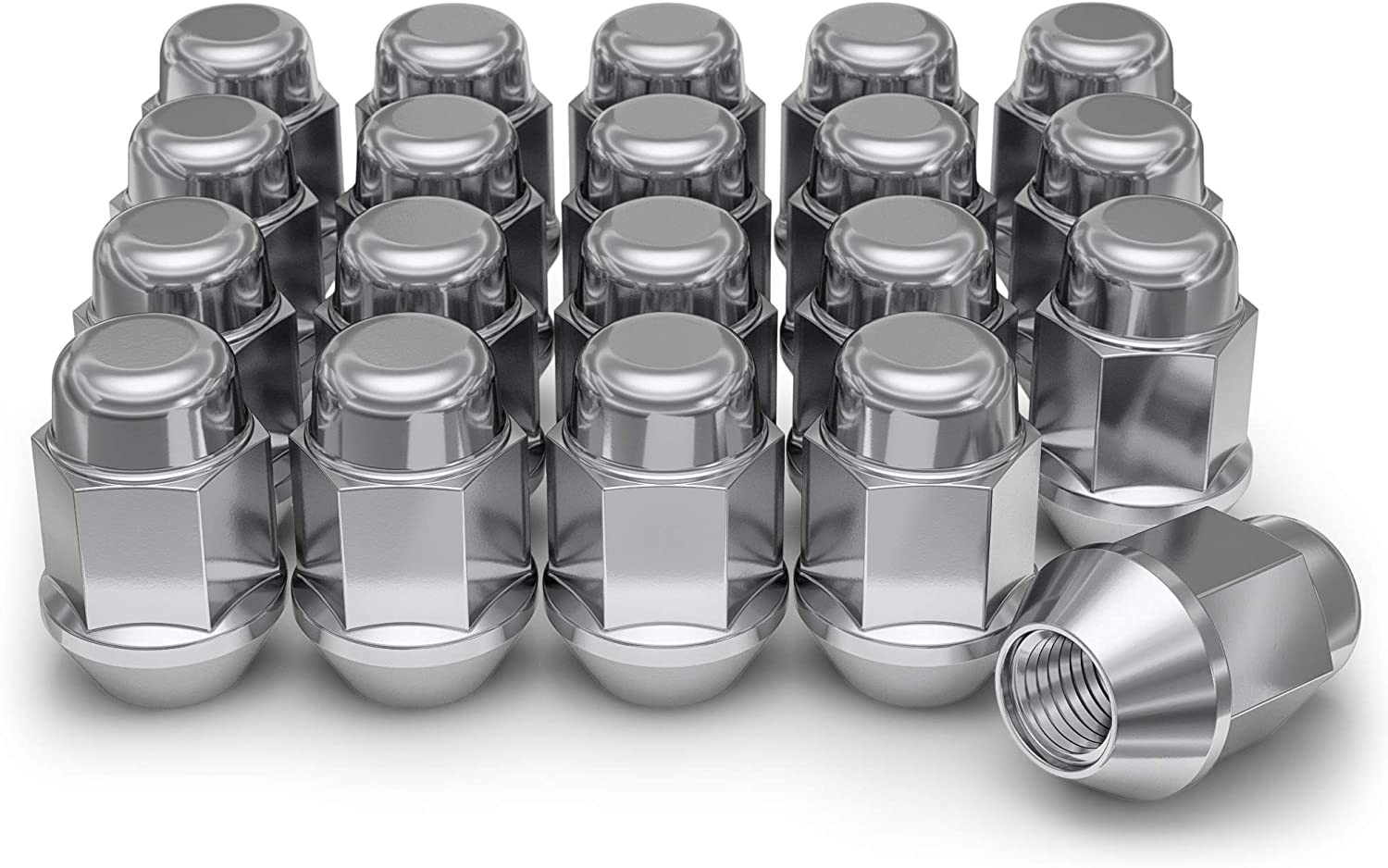
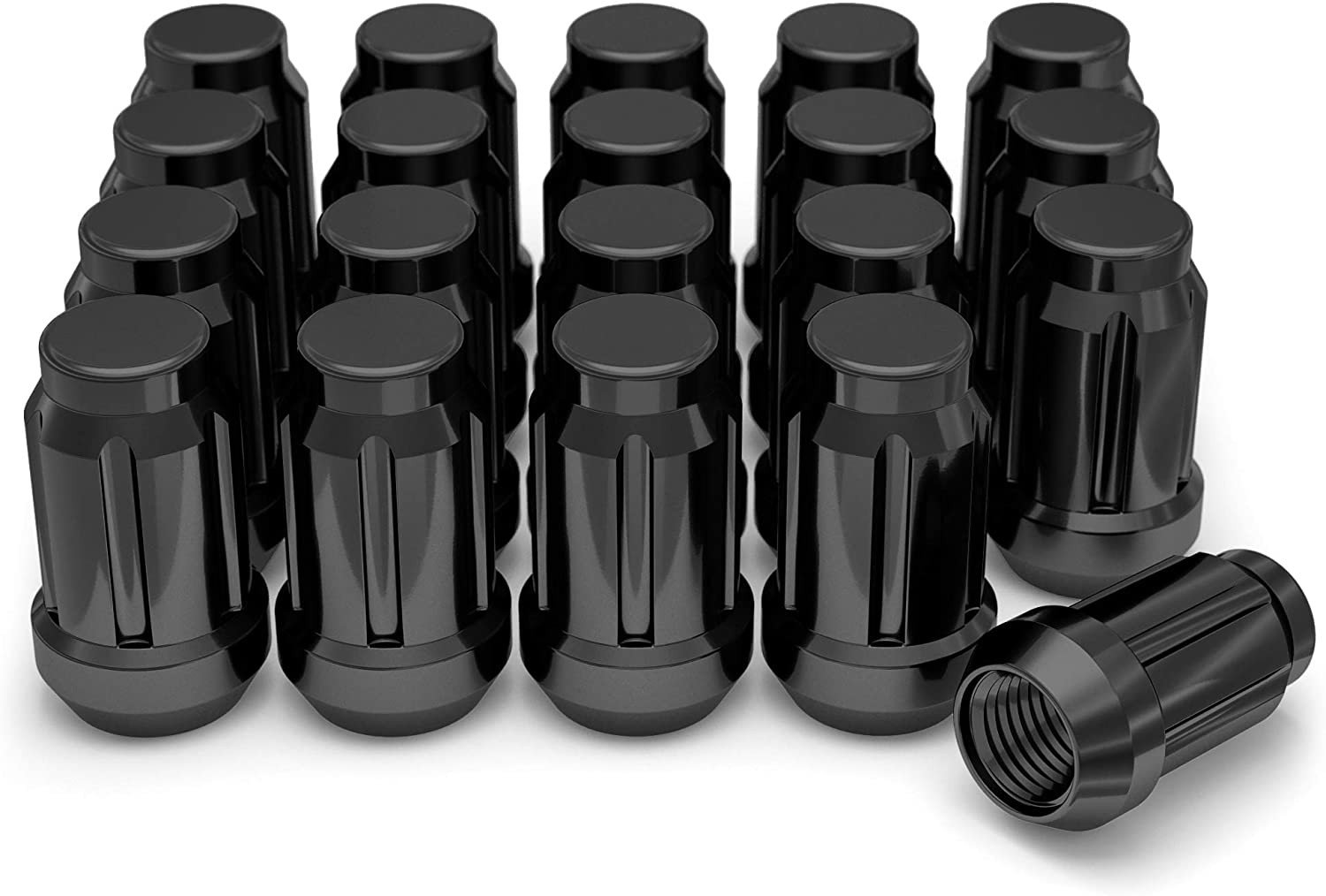
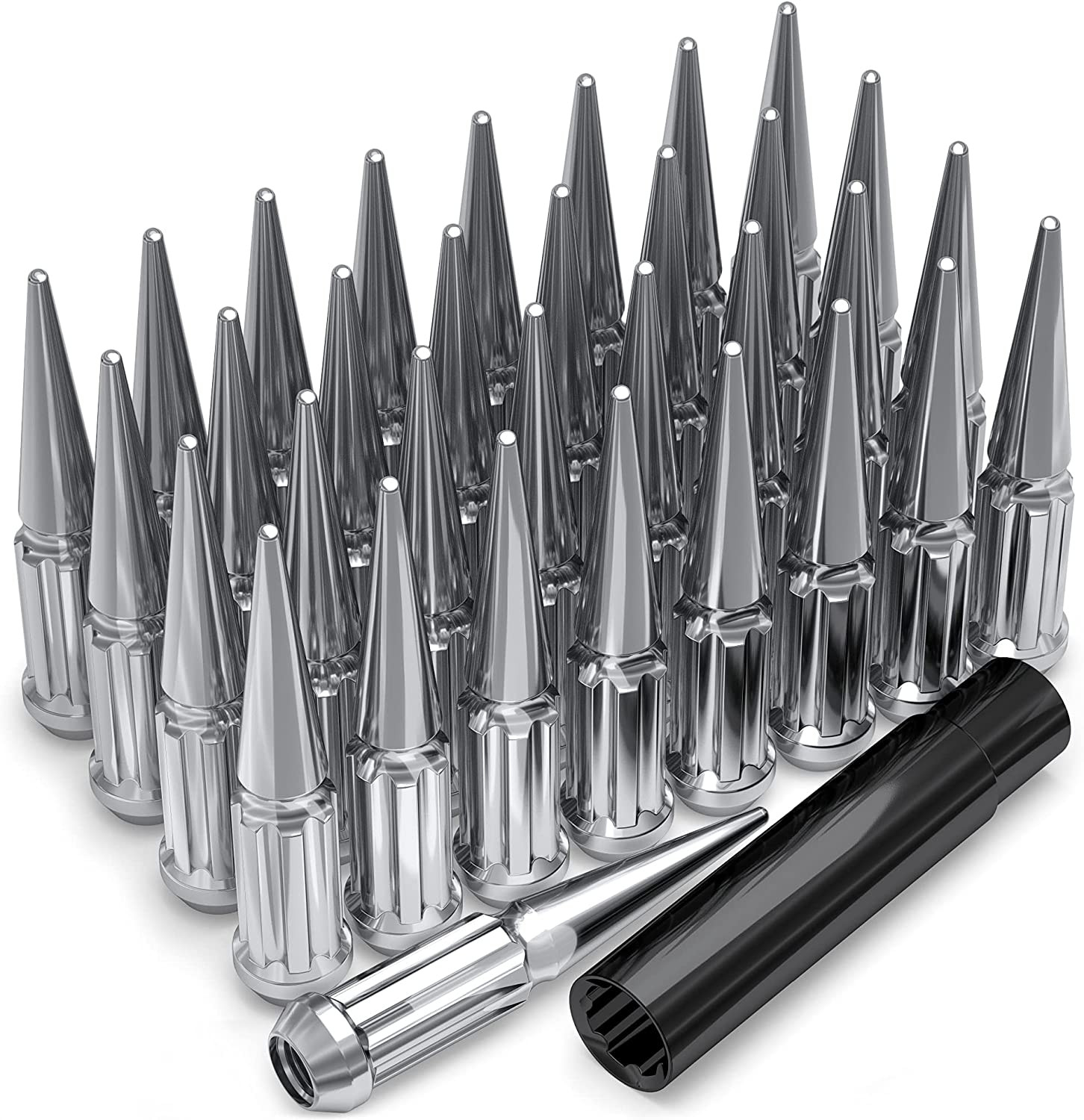
Check the wheel’s load rating, condition, valve-stem compatibility, and seat type. Confirm that the required lug hardware matches the wheel’s seat and thread requirements. The supplied thread size is M12 x 1.5, but the correct nut style and seating surface still need to be verified for the selected wheel.
Plus Sizing And Common Upgrades
Plus sizing usually means fitting a larger wheel with a lower-profile tire while attempting to maintain a similar overall tire diameter. The goal is to preserve reasonable speedometer accuracy and avoid major changes in suspension and drivetrain geometry, but the correct replacement size is not provided here and should not be guessed.
Use the calculator to compare custom rim diameter, rim width, offset, tire section width, and aspect ratio. Then confirm the proposed tire size with a tire manufacturer’s fitment data and the wheel manufacturer’s approved width range. A larger wheel or wider tire can reduce sidewall flexibility, increase wheel and tire damage risk, and create clearance problems.
Do not assume that a donor wheel with the same bolt pattern is a safe upgrade. Center-bore compatibility, brake clearance, offset, wheel load rating, fastener fit, and tire specifications all remain necessary checks.
Installation Tips
Inspect the hub face and wheel mounting surface. Remove rust, dirt, paint buildup, and debris that could prevent the wheel from sitting flat. Do not place washers or improvised spacers between the wheel and hub.
Install the wheel using the correct fasteners and tighten them in a star pattern. Use a calibrated torque wrench and the vehicle-specific torque value from Ford documentation or the owner’s manual. The thread size alone does not establish the correct tightening torque.
After installation, rotate each wheel by hand and check for interference. Lower the vehicle carefully, recheck that the wheel is fully seated, and verify tire pressure using the vehicle placard. Recheck lug torque after the vehicle has been driven briefly and again according to the vehicle or wheel manufacturer’s instructions.
Test the vehicle at low speed in a safe area. Turn the steering from lock to lock and check for rubbing, vibration, pulling, warning lights, or unusual noises. Stop immediately if the tire contacts any component or if the wheel does not run true.
Tools And Helpful Supplies
Useful equipment can include a calibrated torque wrench, a suitable socket set, a jack and axle stands rated for the vehicle, wheel chocks, a tire-pressure gauge, and a tread-depth gauge. Use axle stands and follow safe lifting points rather than relying on a jack alone.
A hub-cleaning brush and a flashlight can help you inspect the mounting surfaces and clearances. If the selected wheel has a larger center bore, use only hub-centric rings that are precisely sized for the vehicle hub and wheel bore, and confirm that the wheel manufacturer permits their use.
FAQs
Does a 4x10⁸ wheel automatically fit the 2013 Ford Fiesta?
No. The supplied bolt pattern is 4x10⁸, but you must also verify center bore, diameter, width, offset, brake clearance, wheel load rating, fastener compatibility, and tire clearance.
What center bore should I compare with this Fiesta?
The provided center bore is 54.1 mm. A wheel bore smaller than the hub will not fit. A larger bore may be usable with correctly sized hub-centric rings if the wheel and application permit them.
Can I use the listed 185/60R15 tire on a 16-inch wheel?
No. A tire marked R15 is designed for a 15-inch rim, not a 16-inch rim. Because the supplied data lists both a 16-inch rim and an R15 tire, confirm the actual vehicle configuration from the door placard, owner’s manual, and original wheel and tire markings.
What offset is listed for the 2013 Ford Fiesta?
The provided reference offset is ET45, with a listed backspacing of 5.02 inches. Treat this as the supplied reference, then compare any donor or custom wheel in the calculator and physically verify clearance.
Can I install wider tires for better grip?
Possibly, but no specific wider tire size is confirmed here. Use the custom tire controls to compare section width and aspect ratio, then verify the tire manufacturer’s approved rim width, load rating, overall diameter, and clearance at full steering and suspension travel.
How do I confirm the correct replacement tire size?
Read the tire-size label on the driver-door jamb or vehicle placard and compare it with the owner’s manual and the current tire markings. If the sources disagree, use VIN-specific Ford information or consult a qualified tire professional before purchasing.
Is the calculator enough to approve a wheel swap?
No. It helps compare donor and custom dimensions, and it updates tire diameter when rim diameter changes, but it cannot replace physical brake and suspension clearance checks, wheel load-rating verification, correct fasteners, or OEM documentation.