2003 Ford Focus Wheel Fitment Guide
Known OEM Fitment For 2003 Ford Focus
The specifications below are the known fitment values provided for the 2003 Ford Focus. Confirm the exact wheel and tire information for your trim, axle, and market before purchasing parts. Factory equipment can vary, and the supplied data includes a rim diameter and tire rim diameter that do not match, so verify both values against the vehicle, tire sidewall, door-jamb label, owner's manual, or a Ford parts source.
| Specification |
Known value |
| Bolt pattern |
4x10⁸ |
| Center bore |
63.4 mm |
| Thread size |
M12 x 1.5 |
| Rim diameter |
15 inches |
| Rim width |
6.0 inches |
| Wheel offset |
ET53, or 53 mm |
| Backspacing |
5.09 inches |
| Tire section width |
185 mm |
| Tire aspect ratio |
65 percent |
| Provided tire rim diameter |
R14 |
A 15-inch rim requires a tire with a 15-inch rim diameter designation, while a tire marked 185/65R14 is designed for a 14-inch rim. Do not install a tire on a wheel with a different rim diameter. Treat the 15-inch rim value and the R14 tire value as a verification issue rather than assuming one is correct.
How To Use The Wheel Interchange Calculator
Use the calculator to compare wheels from a donor vehicle with wheels installed on your 2003 Ford Focus. Enter the donor vehicle and select your Focus as the vehicle receiving the wheels. Review the bolt pattern, center bore, wheel width, diameter, offset, and tire dimensions together. A matching bolt pattern alone does not prove that a wheel is safe or physically compatible.
The calculator also lets you enter a custom wheel size. Adjust rim diameter, rim width, and offset to model an aftermarket or modified wheel. You can separately adjust tire section width and aspect ratio. When you change rim diameter, the calculator updates the tire diameter in the comparison, so review the complete wheel and tire combination after every change.
Use calculator results as a screening tool, not as a substitute for physical inspection or OEM confirmation. Confirm brake clearance, hub fit, lug-seat design, load rating, and tire approval before driving.
Fitment Checklist Before You Buy
- Confirm the wheel uses the 4x10⁸ bolt pattern and has four correctly positioned mounting holes.
- Check that the center bore is compatible with the 63.4 mm hub. A wheel with a larger bore may require correctly sized hub-centric rings, while a smaller bore will not fit over the hub.
- Confirm the wheel offset is appropriate. The known value is ET53, but acceptable aftermarket offset can vary with wheel width, tire size, suspension, and brake clearance.
- Verify the wheel diameter and tire rim diameter match. Do not mount an R14 tire on a 15-inch wheel or a tire marked for any other rim diameter.
- Check wheel width, spoke shape, and barrel clearance against the brake caliper and suspension components.
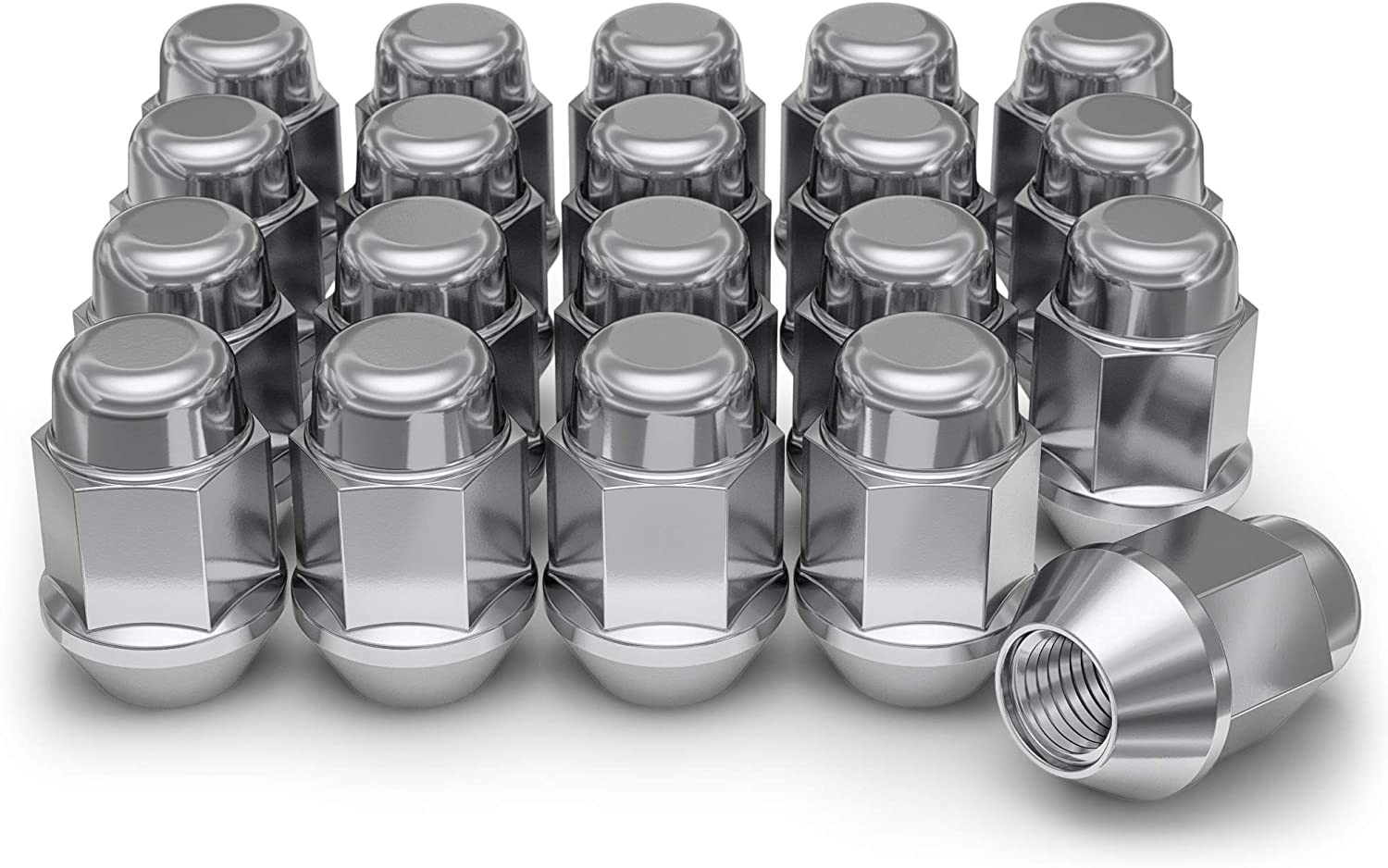
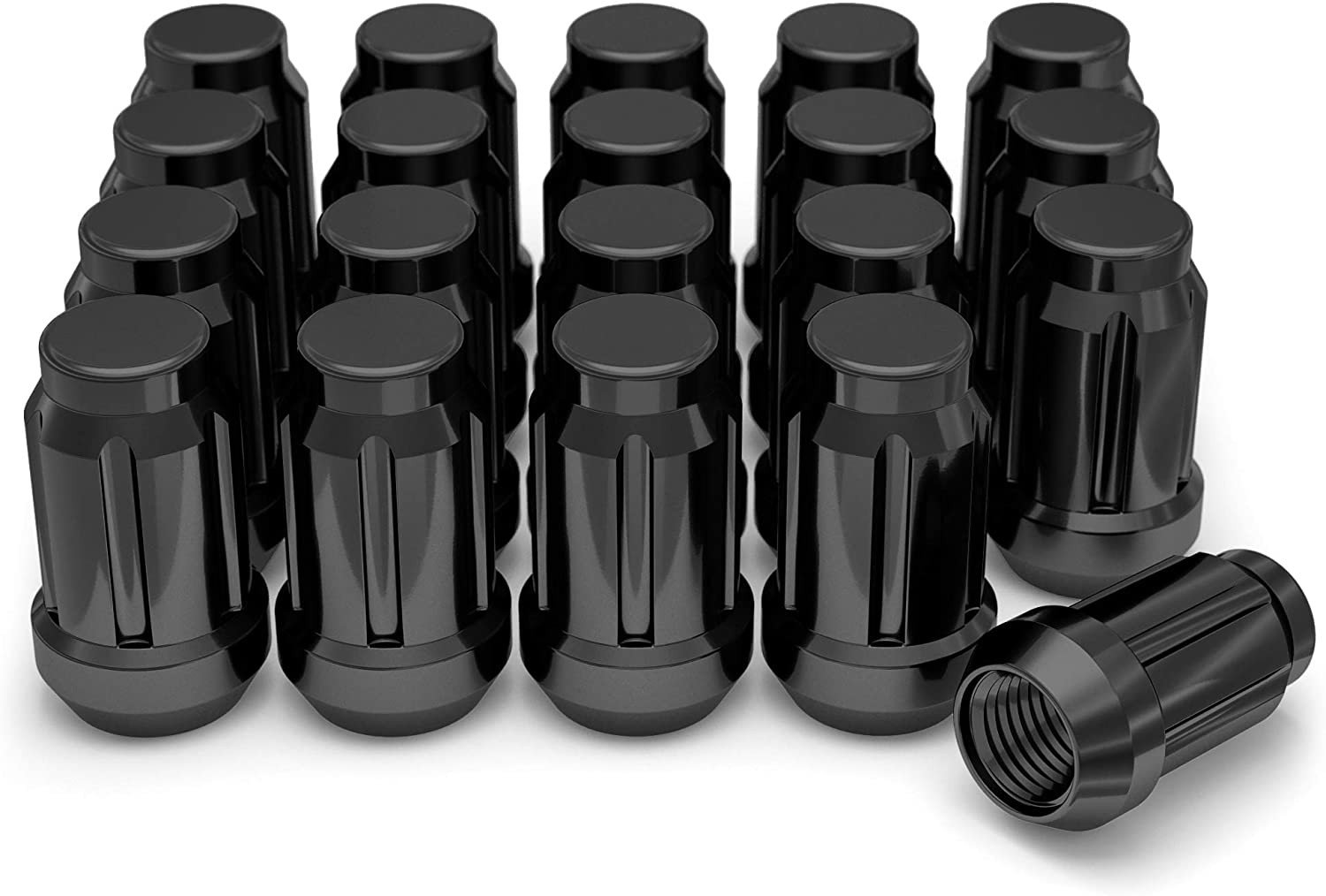
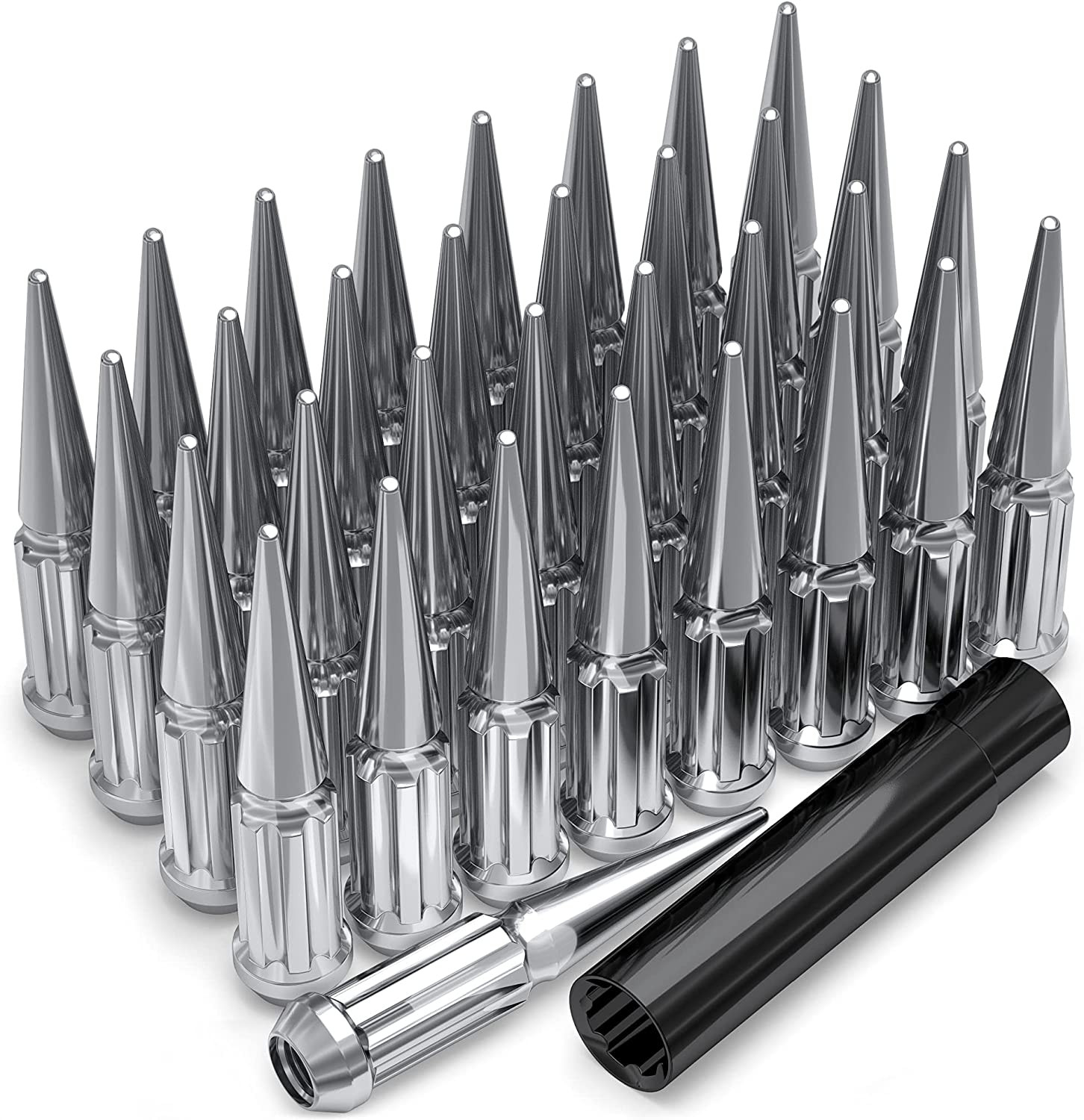
- Verify the wheel's lug-seat type and hardware requirements. M12 x 1.5 thread size does not by itself identify the correct lug nut seat.
- Confirm the wheel and tire load ratings meet or exceed the vehicle manufacturer's requirements.
- Measure inner and outer clearance at full steering lock and through suspension travel after installation.
- Check that the tire does not contact the strut, spring, fender, liner, or suspension arm.
- Use Ford documentation, the vehicle identification number, the door-jamb tire label, and the tire manufacturer's fitment information to resolve any trim-specific differences.
Plus Sizing And Common Upgrades
Plus sizing changes the wheel diameter while preserving an appropriate overall tire diameter and maintaining adequate load capacity. The correct replacement tire cannot be selected from section width alone. Rim diameter, tire aspect ratio, wheel width, offset, clearance, speed rating, and load rating all need to be evaluated together.
The supplied data does not establish a complete approved plus-size list for every 2003 Ford Focus trim. Do not assume that a larger wheel is compatible simply because it shares the 4x10⁸ pattern. Enter the proposed custom wheel and tire dimensions in the calculator, then confirm the result with Ford or a qualified tire and wheel professional.
When changing offset or width, compare the wheel's inner and outer position with the known ET53 and 6.0-inch reference dimensions. A wheel that moves outward can create fender or liner contact. A wheel that moves inward can reduce strut or suspension clearance. Both conditions must be checked on the actual vehicle.
Installation Tips
- Inspect replacement wheels for cracks, bends, corrosion, damaged mounting faces, and elongated lug holes before installation.
- Clean the hub face and wheel mounting surface. Remove rust and debris without removing structural material.
- Install only the lug hardware specified for the wheel's seat design and the vehicle's M12 x 1.5 thread.
- Start every lug nut by hand to avoid cross-threading.
- Snug the lugs in a crisscross pattern, lower the vehicle enough to prevent rotation, and tighten with a calibrated torque wrench to the vehicle or wheel manufacturer's specified torque. The correct torque value was not provided here, so do not guess.
- After installation, rotate each wheel by hand and check for interference before road testing.
- Check steering clearance at both full-left and full-right lock. Inspect again after a short, slow test drive.
- Recheck lug torque after the first short drive and follow the wheel manufacturer's retorque guidance.
- Set tire pressure using the vehicle placard or tire manufacturer's instructions, not the maximum pressure molded on the tire sidewall.
Tools And Helpful Supplies
Useful equipment includes a floor jack, jack stands rated for the vehicle, a properly sized socket, a calibrated torque wrench, a tire pressure gauge, a tread-depth gauge, and a straightedge or clearance measuring tool. Use the vehicle's approved lifting points and never work under a vehicle supported only by a jack.
For basic wheel service, see automotive torque wrenches on Amazon and automotive wheel chocks on Amazon. Confirm tool capacity and size before purchase.
FAQs
What is the bolt pattern for the 2003 Ford Focus?
The known bolt pattern is 4x10⁸. Confirm the vehicle and wheel details before purchase because bolt pattern is only one part of fitment.
What is the center bore?
The provided center bore is 63.4 mm. A larger aftermarket bore may need a correctly sized hub-centric ring. A wheel bore smaller than the hub will not install without appropriate machining by a qualified specialist.
What wheel offset is listed?
The known wheel offset is ET53, or 53 mm, with a listed 6.0-inch rim width. A different width or offset changes inner and outer clearance, so check the calculator and the physical vehicle.
What lug thread size should I look for?
The provided thread size is M12 x 1.5. You must still match the lug nut seat style and confirm the correct hardware for the selected wheel.
Can I use the provided R14 tire on the listed 15-inch rim?
No. A tire marked R14 is designed for a 14-inch rim, not a 15-inch rim. The supplied data is internally inconsistent on this point. Verify the actual wheel diameter and tire sidewall marking before mounting or driving.
Does a matching 4x10⁸ pattern guarantee that a donor wheel fits?
No. The donor wheel must also clear the hub, brakes, suspension, and bodywork. Check center bore, width, offset, lug-seat design, load rating, and tire dimensions with the calculator and by physical inspection.
How do I compare a custom wheel size?
Use the calculator's custom wheel size fields to enter rim diameter, width, and offset. Enter the proposed tire section width and aspect ratio in the custom tire fields. Changing rim diameter updates the tire diameter comparison, so review the complete result after making changes.
Where can I confirm the final specification?
Check the vehicle's door-jamb label, owner's manual, Ford service or parts documentation, the wheel manufacturer's specifications, and the tire manufacturer's approved rim-width and load information. If these sources disagree, stop and have the vehicle inspected by a qualified tire and wheel professional.