2013 Ford Focus Wheel Fitment Guide
Known OEM Fitment For 2013 Ford Focus
The following specifications are the known fitment data provided for the 2013 Ford Focus. Equipment can vary by trim, package, market, and replacement-wheel configuration, so confirm the specifications for your specific vehicle before ordering.
| Specification |
Known value |
| Bolt pattern |
5x10⁸, meaning 5 studs on a 108 mm pitch circle diameter |
| Center bore |
63.4 mm |
| Thread size |
M12 x 1.5 |
| Rim diameter |
18 inches |
| Rim width |
8.0 inches |
| Wheel offset |
ET55, or 55 mm positive offset |
| Backspacing |
6.17 inches |
| Tire section width |
235 mm |
| Tire aspect ratio |
40 percent |
| Tire rim diameter |
R18 |
These values describe the supplied configuration, not necessarily every 2013 Ford Focus trim. The original tire placard, owner manual, Ford service information, and the markings on the current wheels and tires are the best sources for confirming your vehicle's factory equipment.
How To Use The Wheel Interchange Calculator
Use the calculator to compare a donor vehicle's wheels with the wheels installed on your 2013 Ford Focus. Enter or select the donor vehicle in the “Wheels from” fields, then enter your Focus in the “Installed on” fields.
- Compare the bolt pattern, center bore, wheel diameter, width, and offset.
- Use the custom wheel size fields when you are evaluating aftermarket wheels or a wheel that is not represented by a vehicle listing.
- Enter custom tire section width and aspect ratio when checking a different tire size.
- Review the calculated differences in inner clearance, outer position, and overall tire diameter before making a purchase.
- When you change rim diameter, recheck the tire diameter comparison because the calculator updates the tire diameter for the selected wheel size.
A calculator result is a screening tool, not a guarantee that a wheel and tire will clear the brake caliper, suspension, fender, or bodywork. Physical inspection and confirmation against Ford documentation remain necessary.
Fitment Checklist Before You Buy
- Confirm the 5x10⁸ bolt pattern and verify that the wheel's seat type matches the required wheel hardware.
- Check that the wheel center bore is at least 63.4 mm. A larger bore may require correctly sized hub-centric rings. A smaller bore will not fit over the hub.
- Confirm the wheel offset and width. Even a wheel with the correct bolt pattern can contact the strut, brake components, tie rod, or fender if its position differs.
- Verify that the wheel has adequate brake-caliper clearance. Spoke shape and inner-barrel design can matter as much as diameter.
- Check the tire load index, speed rating, size, and approved rim-width range against the vehicle placard and tire manufacturer information.
- Measure clearance with the steering turned in both directions and with the suspension loaded if a nonstandard size is being considered.
- Inspect used wheels for cracks, bends, corrosion around the bead seat, damaged mounting holes, and missing or altered hardware.
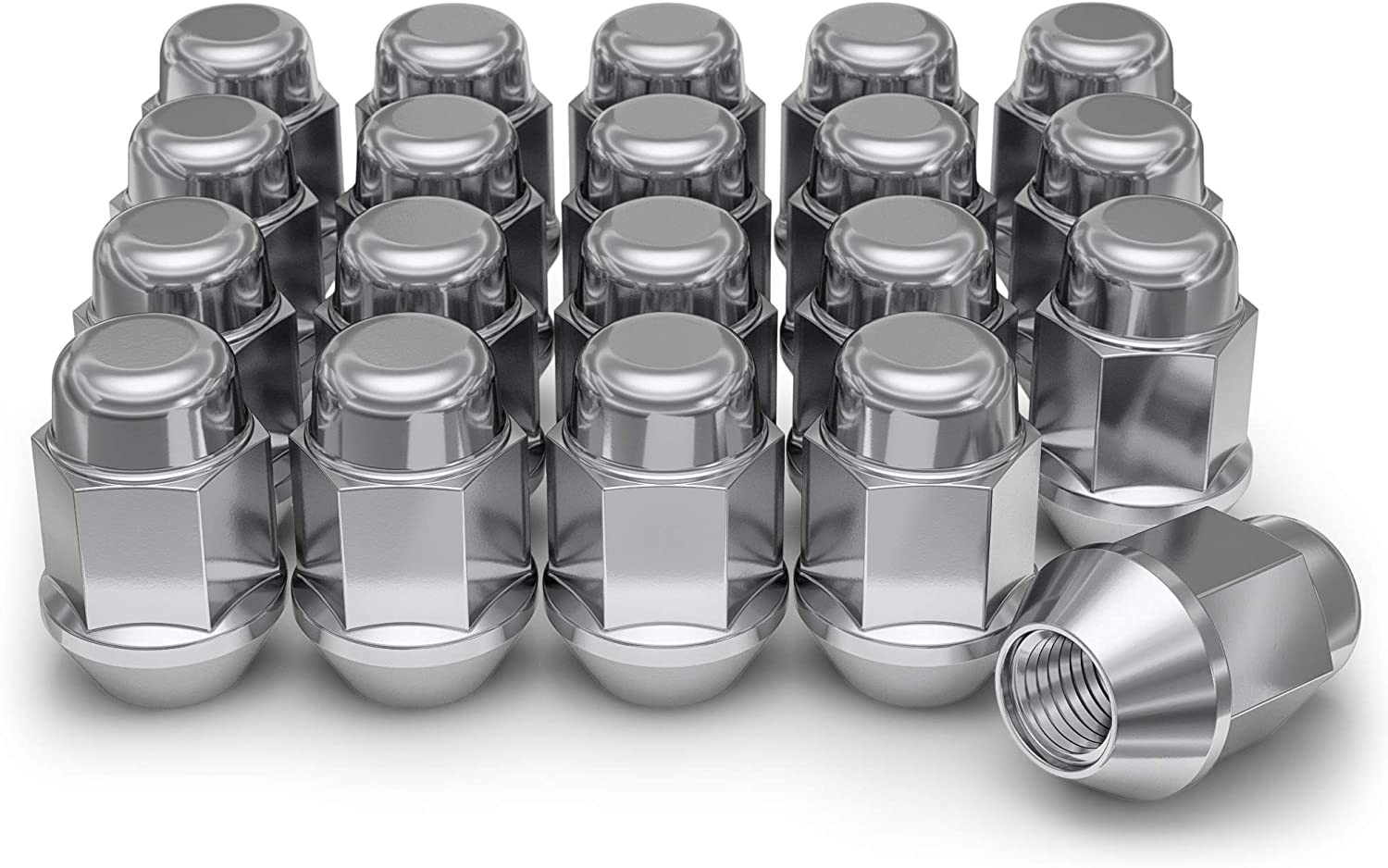
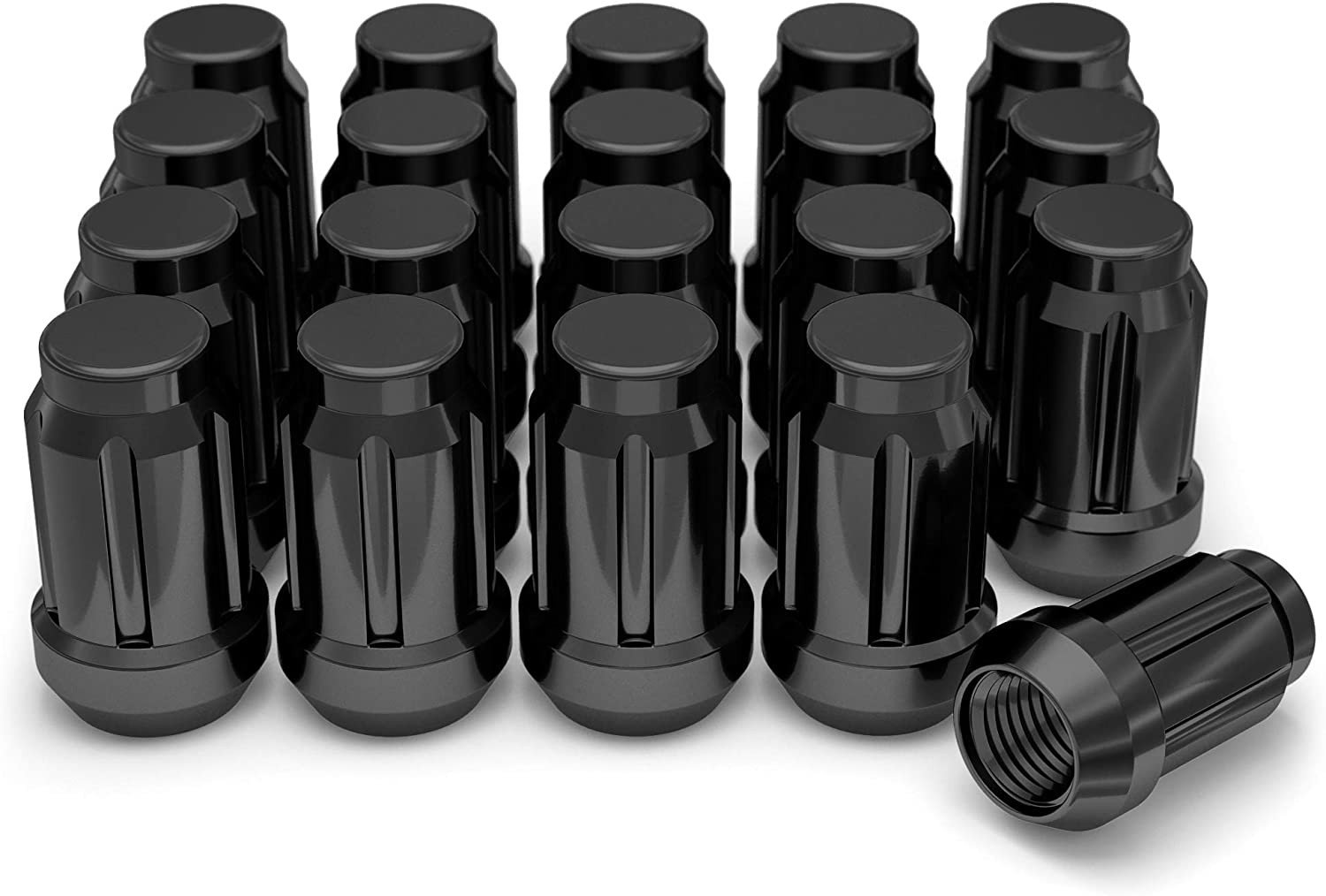
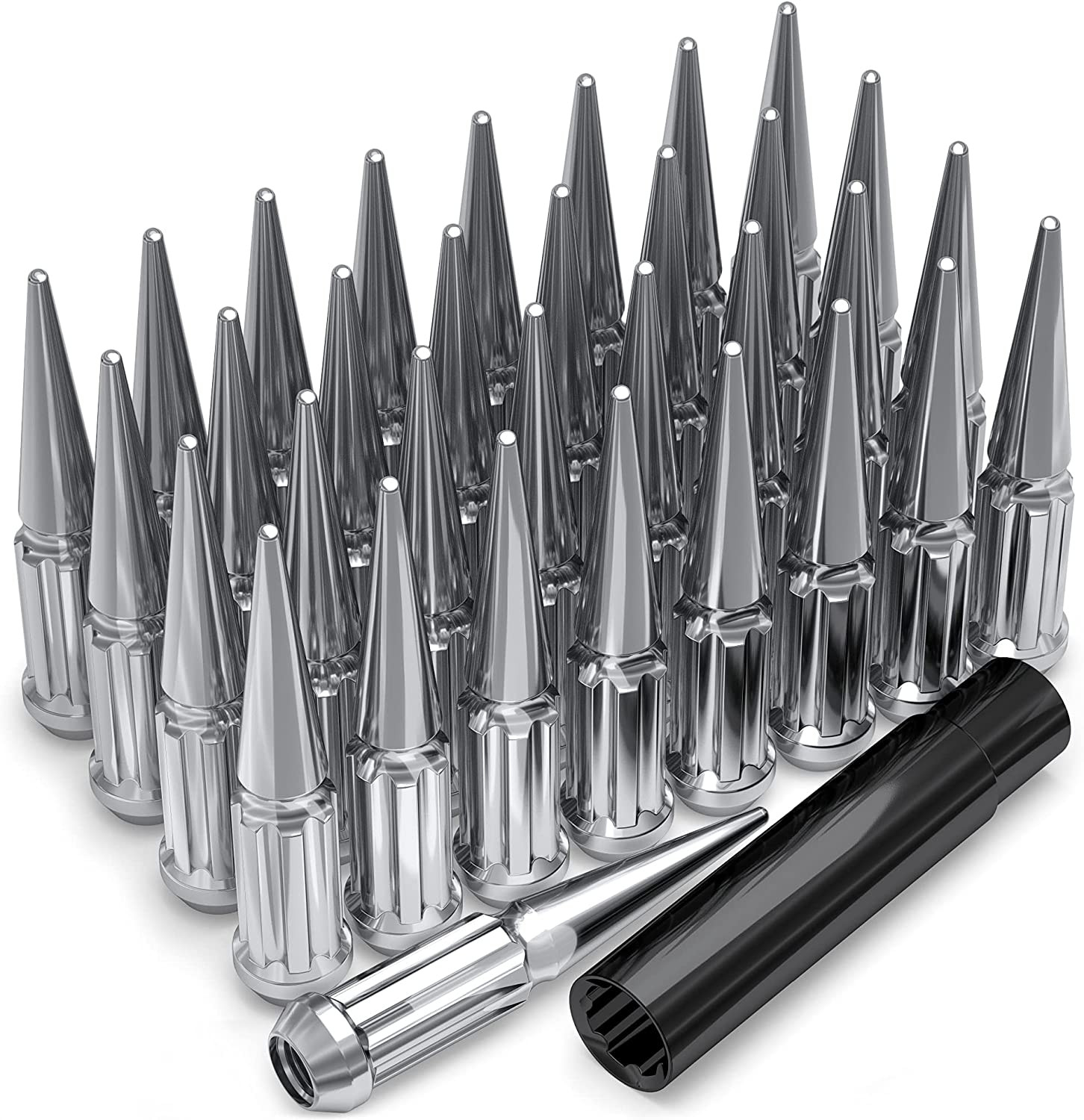
- Do not assume that a donor vehicle's lug nuts or wheel bolts are interchangeable. Confirm thread, seat style, shank length, and engagement.
If the wheel is advertised only by vehicle year and model, ask the seller for the actual diameter, width, offset, bolt pattern, center bore, and hardware-seat details. Do not rely on a vehicle description alone.
Plus Sizing And Common Upgrades
Plus sizing changes the wheel diameter while reducing tire sidewall height so that the overall tire diameter remains close to the original. The goal is to preserve speedometer behavior, gearing, suspension travel, and electronic-system expectations as closely as possible.
For this supplied configuration, the reference tire is 235/40R18. Do not treat another size as automatically compatible. Enter the proposed wheel and tire dimensions in the calculator, then verify the result with the tire manufacturer's specifications and Ford's approved tire information.
- A wider tire can improve dry-road footprint but may increase the risk of fender or suspension contact.
- A lower-profile tire generally provides less sidewall protection from potholes and curb impacts.
- A different offset changes the wheel's position relative to the hub, strut, and fender even when diameter and width stay the same.
- Changing tire diameter can affect speedometer readings, ground clearance, acceleration, and stability-control behavior.
There is no universal upgrade size that can be confirmed from the supplied data alone. Use the calculator for comparison and confirm final clearance through a qualified tire and wheel professional.
Installation Tips
Clean the hub face and wheel mounting surface before installation. Rust, dirt, paint buildup, or debris between the surfaces can prevent the wheel from seating correctly and can contribute to loosening or vibration.
- Install only the correct wheel nuts or bolts for the wheel's seat design and the vehicle's M12 x 1.5 thread specification.
- Start all fasteners by hand to avoid cross-threading.
- Tighten fasteners in a crisscross pattern, then use a calibrated torque wrench to apply the torque specified by Ford for the vehicle and hardware.
- Do not use an impact wrench for final torque unless the tool is specifically controlled and verified for that purpose.
- Check that the wheel rotates freely and that there is no contact with the caliper, strut, brake hose, or suspension components.
- After installation, recheck torque according to Ford's instructions and inspect for contact after a short, cautious drive.
- Reset or recalibrate the tire-pressure monitoring system when required by the vehicle's procedure.
Stop driving if you feel steering vibration, rubbing, pulling, or unusual noise. Reinspect the installation and have the vehicle checked by a qualified technician.
Tools And Helpful Supplies
Useful equipment for a careful wheel-fitment inspection and installation includes a calibrated torque wrench, suitable socket, jack, jack stands or an approved vehicle lift, wheel chocks, a tire-pressure gauge, and a tread-depth gauge.
A hub-cleaning brush and a flashlight can help reveal corrosion and clearance problems. A tape measure or wheel-fitment gauge may assist with a preliminary check, but it cannot replace a test fit or professional inspection.
For current options, see automotive torque wrenches on Amazon and automotive wheel chocks on Amazon. Verify tool ratings and follow the manufacturer's instructions.
FAQs
What is the bolt pattern for the supplied 2013 Ford Focus fitment?
The known bolt pattern is 5x10⁸. Confirm it against the current wheel, vehicle documentation, or a Ford parts source before ordering.
What is the center bore?
The supplied center-bore specification is 63.4 mm. A wheel with a larger bore may need hub-centric rings sized for the wheel and hub. A smaller-bore wheel will not fit over the hub.
What wheel offset is listed for this configuration?
The listed offset is ET55, or 55 mm positive offset. Offset affects inner and outer clearance, so compare any replacement wheel in the calculator and inspect the vehicle in person.
Can I use any wheel with a 5x10⁸ bolt pattern?
No. Bolt pattern is only one part of fitment. You must also check center bore, diameter, width, offset, brake clearance, wheel hardware, and tire requirements.
What tire size is associated with the supplied wheel data?
The supplied tire data is 235/40R18, with a 235 mm section width, 40 percent aspect ratio, and 18-inch rim diameter. This may not represent every trim or market configuration.
Can I install a larger or wider wheel?
It may be possible, but no larger or wider size can be confirmed from the supplied information alone. Enter the proposed custom wheel and tire dimensions in the calculator, then verify brake, suspension, fender, load, and speed-rating requirements.
Do aftermarket wheels require different lug nuts?
They can. The required hardware depends on the wheel's seat style, thread engagement, and design. Confirm the correct hardware with the wheel manufacturer and verify the M12 x 1.5 thread specification for the vehicle.
How can I confirm the correct factory tire size?
Check the driver's door-jamb tire placard, owner's manual, current tire markings, and Ford service or parts information for the vehicle identification number and trim. Use the calculator only after the factory reference size has been confirmed.