2007 Ford Focus Wheel Fitment Guide
Known OEM Fitment For 2007 Ford Focus
The specifications below are the known reference values for the 2007 Ford Focus. Fitment can vary by trim, market, brake package, and replacement parts, so confirm the vehicle label, owner documentation, and the wheel markings before purchasing.
| Specification |
Known value |
| Bolt pattern, studs x PCD |
4x10⁸ |
| Center bore |
63.4 mm |
| Thread size |
M12 x 1.5 |
| Rim diameter |
15 inches |
| Rim width |
6.0 inches |
| Wheel offset |
ET53, or 53 mm |
| Backspacing |
5.09 inches |
| Known tire size |
195/60R15 |
| Tire section width |
195 mm |
| Tire aspect ratio |
60 percent |
These values do not establish that every wheel with the same bolt pattern will fit. The wheel must also clear the brake assembly, provide suitable hub location, use the correct fastener seat, and maintain safe tire and suspension clearance. Confirm the exact requirements for your trim with Ford service information or the vehicle identification label.
How To Use The Wheel Interchange Calculator
Use the calculator to compare wheels from a donor vehicle with the wheels installed on your 2007 Ford Focus. Enter the donor wheel and tire information, then compare it with the known or confirmed Focus specifications.
The calculator also lets you enter a custom wheel size. Adjust rim diameter, rim width, and offset to examine how a proposed wheel differs from the reference setup. You can also adjust tire section width and aspect ratio. When rim diameter changes, the calculator updates the tire diameter used in the comparison.
Review diameter, width, offset, and any displayed clearance differences together. A numerical comparison is a screening tool, not a substitute for a physical test fit. The calculator cannot confirm brake-spoke clearance, fastener-seat compatibility, hub engagement, tire load rating, or interference under steering and suspension movement.
Fitment Checklist Before You Buy
Start by confirming the bolt pattern, center bore, wheel width, diameter, and offset. The known reference is 4x10⁸, a 63.4 mm center bore, 15 x 6.0-inch wheels, and ET53, but verify these details against your specific vehicle and the wheel manufacturer.
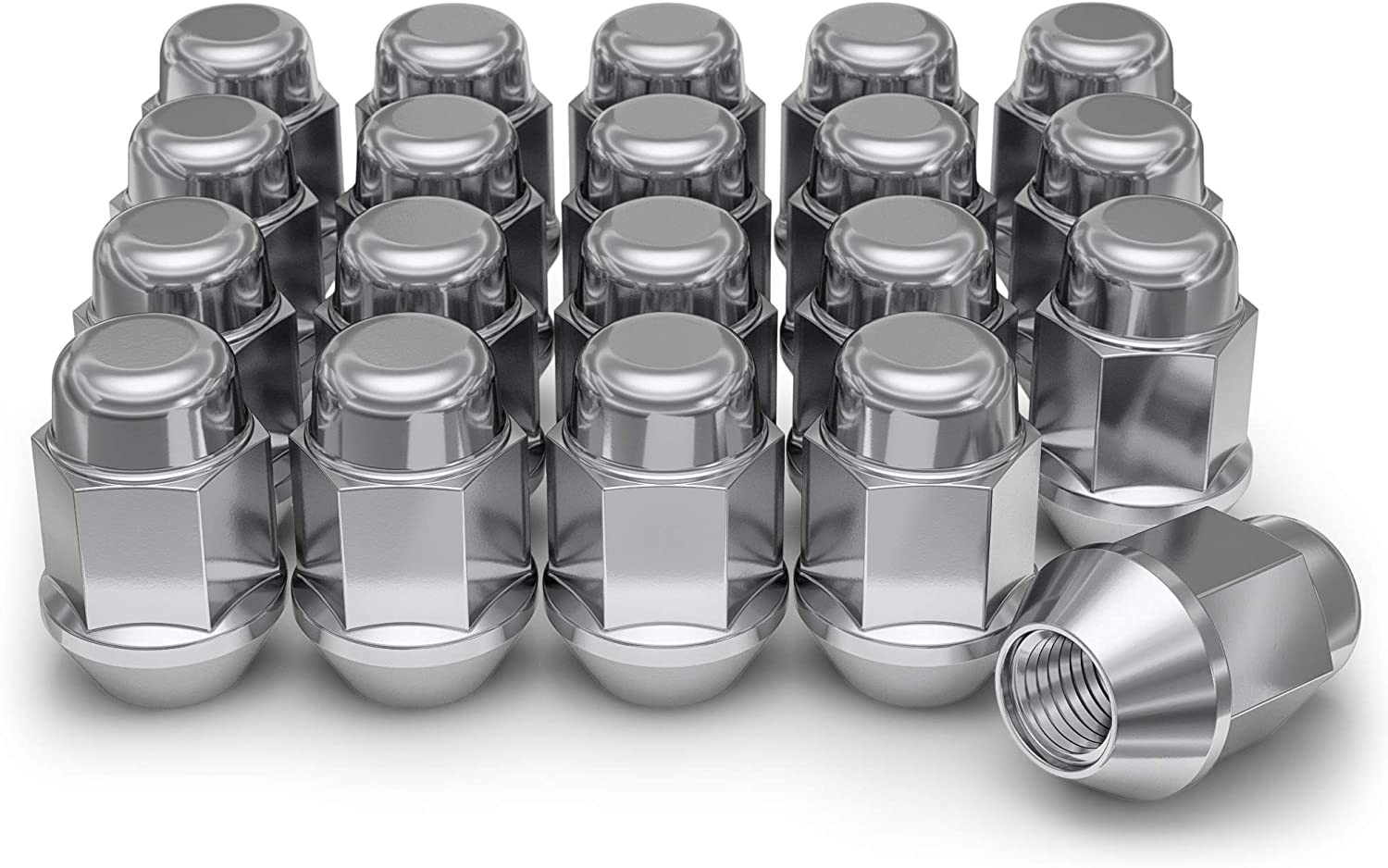
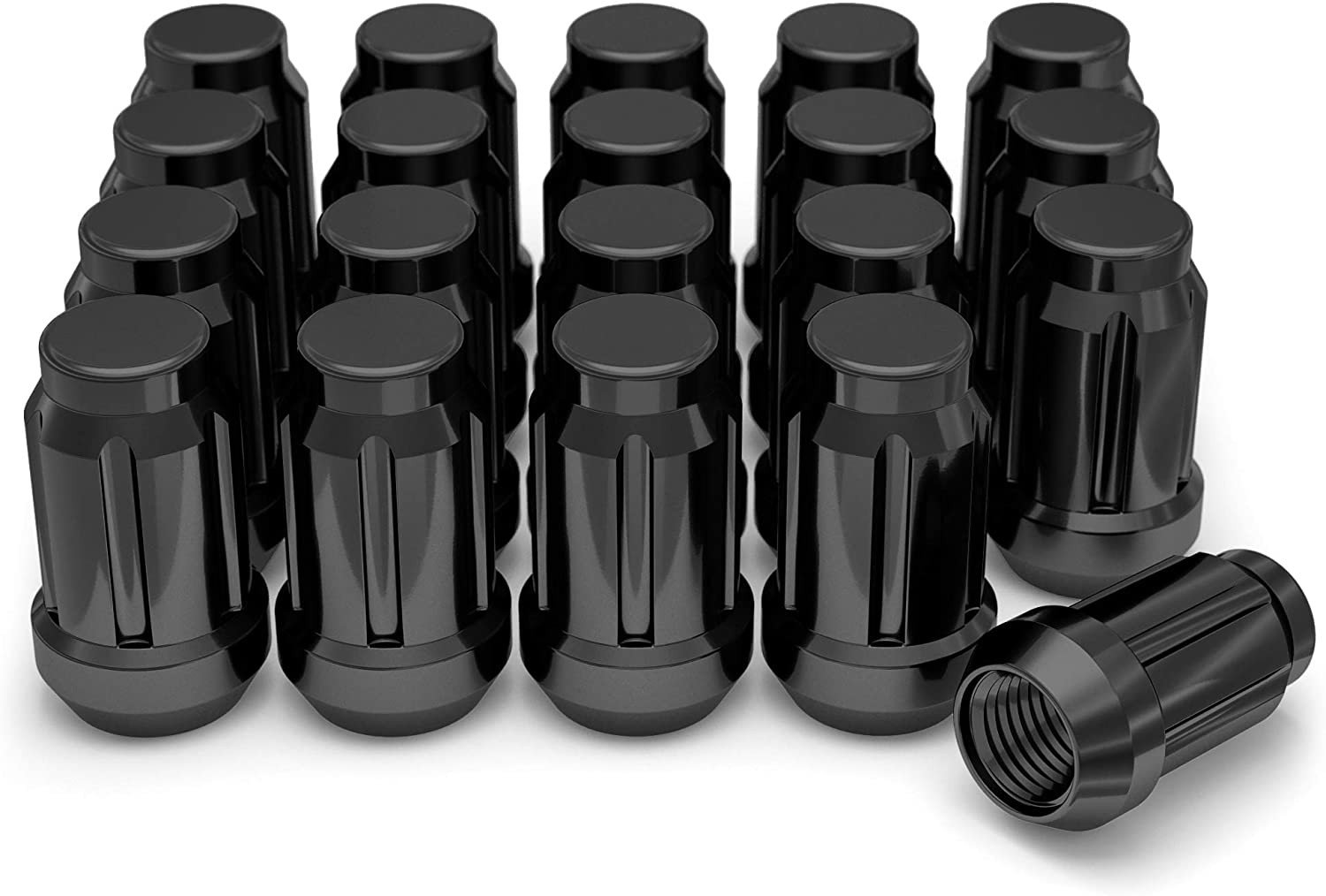
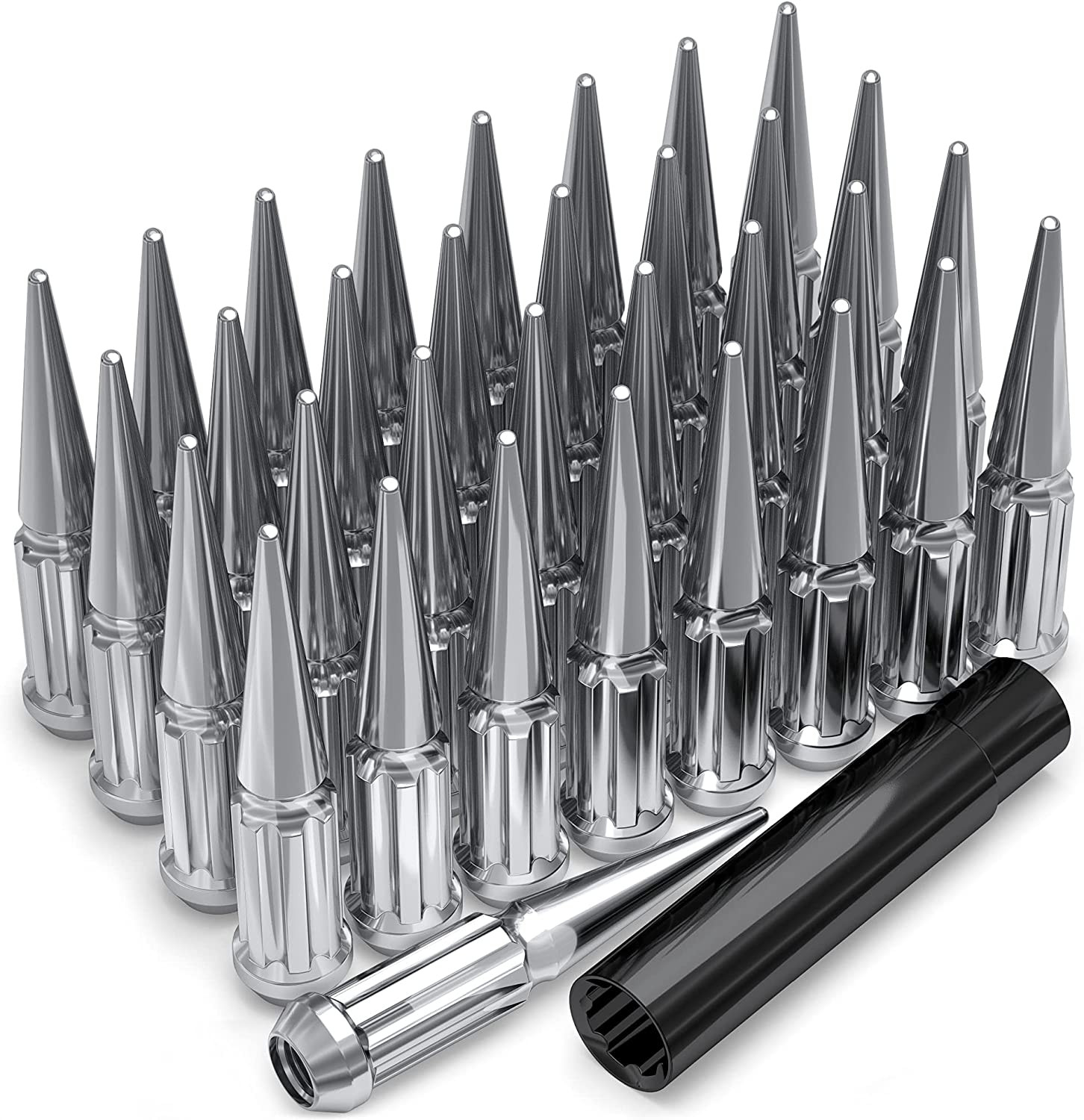
Check whether the replacement wheel uses the correct lug-nut seat and whether its hardware is included. Do not assume that M12 x 1.5 thread size alone makes a lug nut suitable. The seat shape, shank length, thread engagement, and wheel design must all be correct.
Confirm the replacement tire's load index, speed rating, overall diameter, and approved rim-width range. Inspect the wheel for cracks, bends, corrosion, damaged threads, and missing certification or load information. Ask the seller for the exact wheel part number and specifications rather than relying only on a generic vehicle list.
After mounting, check inner clearance to the strut and suspension, outer clearance to the fender, and brake clearance. Turn the steering from lock to lock and inspect clearance with the suspension loaded. If any contact occurs, do not drive the vehicle until the cause is corrected.
Plus Sizing And Common Upgrades
Plus sizing generally uses a larger rim diameter with a lower-profile tire while maintaining a similar overall tire diameter. The correct result depends on the exact wheel width, offset, tire dimensions, load rating, and available clearance. No additional factory-approved upgrade size is provided here, so do not treat an unverified size as compatible.
To evaluate a possible upgrade, enter the proposed rim diameter, width, and offset in the calculator, then enter the proposed tire section width and aspect ratio. Compare the calculated diameter and width with the known 195/60R15 reference. A similar diameter can help preserve vehicle speedometer behavior, but it does not prove brake or body clearance.
A wider wheel or lower offset can move the assembly outward and may increase fender contact risk. A higher offset can move it inward and may reduce suspension or brake clearance. Tire manufacturers may also approve different rim widths for the same nominal tire size, so consult the tire maker's current specifications.
Installation Tips
Clean the hub mounting surface and the wheel's mating surface before installation. Remove rust and debris without removing metal that could affect the mounting surface. Install the wheel dry unless the vehicle or component manufacturer specifies otherwise.
Use only the correct wheel fasteners and tighten them in a crisscross pattern. Apply the vehicle manufacturer's specified torque with a calibrated torque wrench. Do not lubricate threads or conical seats unless the manufacturer specifically requires it, because lubrication can change the resulting clamp load.
After installation, verify that the wheel rotates freely and that no brake, suspension, or body component contacts it. Recheck fastener torque after the first short drive and again according to the vehicle or wheel manufacturer's instructions. Stop driving if vibration, rubbing, pulling, or looseness appears.
Tools And Helpful Supplies
Useful supplies include a calibrated torque wrench, properly sized socket, jack and jack stands or an approved lift, wheel chocks, a tire-pressure gauge, and a tread or clearance inspection tool. Use jack stands or a lift rated for the vehicle, and never work beneath a vehicle supported only by a jack.
Verify tool fit and ratings before use. A torque wrench does not replace correct fasteners, safe lifting practices, or the manufacturer's torque specification.
FAQs
What is the known bolt pattern for the 2007 Ford Focus?
The known bolt pattern is 4x10⁸. Confirm the exact vehicle and wheel application before ordering.
What center bore is listed for this vehicle?
The known center bore is 63.4 mm. A wheel with a larger bore may require properly specified hub-centric rings, while a smaller bore generally will not fit over the hub. Confirm ring material, dimensions, and suitability with the wheel manufacturer.
What wheel and tire combination is listed as the reference?
The known reference is a 15 x 6.0-inch wheel with ET53 offset and a 195/60R15 tire. This is provided as a reference, not a guarantee for every Focus trim or market.
Can any 4x10⁸ wheel fit this Ford Focus?
No. Bolt pattern is only one requirement. Center bore, offset, brake clearance, wheel width, fastener seat, hub engagement, tire specifications, and physical clearance must also be confirmed.
Can I use a different rim diameter?
Possibly, but the exact wheel and tire combination must be checked. Use the calculator's custom wheel and tire fields to compare diameter, width, and offset, then confirm brake and body clearance with the wheel and tire manufacturers.
Do I need hub-centric rings?
That depends on the replacement wheel's center bore. The known vehicle center bore is 63.4 mm. Do not use rings to correct a wheel bore that is too small, and do not assume rings resolve offset or brake-clearance problems.
What thread size is listed for the wheel fasteners?
The known thread size is M12 x 1.5. The correct lug-nut seat and other hardware dimensions still must match the wheel and vehicle. Confirm the required hardware before installation.
Where should I verify the final specifications?
Check the vehicle's owner's information, door-jamb or vehicle labels where applicable, Ford service documentation, the wheel manufacturer's technical data, and the tire manufacturer's fitment and load information. Use the calculator to compare options, but perform a physical clearance check before driving.