2010 Ford Focus Wheel Interchange And Fitment Guide
Use this guide to review the known OEM wheel and tire measurements for a 2010 Ford Focus before comparing donor wheels or planning a custom setup. Fitment can vary by trim, package, market, brake configuration, and wheel design, so treat the specifications below as a starting point rather than a guarantee of compatibility.
Known OEM Fitment For 2010 Ford Focus
The following values are the known OEM fitment information available for this page. Confirm the exact specification for your vehicle using the owner’s manual, the vehicle information label, a Ford parts source, or the original wheel markings.
| Specification |
Known value |
| Bolt pattern |
4x10⁸ |
| Center bore |
63.4 mm |
| Thread size |
M12 x 1.5 |
| Rim diameter |
15 inches |
| Rim width |
6.0 inches |
| Wheel offset |
ET53 |
| Backspacing |
5.09 inches |
| Known tire size |
195/60R15 |
| Tire section width |
195 mm |
| Tire aspect ratio |
60% |
A wheel must match the 4x10⁸ bolt pattern, and its center bore must be compatible with the vehicle hub. A larger center bore may require correctly sized hub-centric rings, while a smaller center bore will not fit over the hub. The wheel must also provide adequate clearance for the brake assembly, suspension, and bodywork.
How To Use The Wheel Interchange Calculator
Use the on-page calculator to compare Wheels from a donor vehicle with wheels Installed on your 2010 Ford Focus. Enter the donor wheel information as accurately as possible, including rim diameter, rim width, offset, bolt pattern, and center bore when those fields are available.
Review the comparison for changes in wheel position, inner clearance, outer clearance, and overall tire dimensions. A numerical comparison does not replace a physical test fit. The calculator can show dimensional differences, but it cannot confirm brake clearance, spoke clearance, hub compatibility, fastener seating, or whether the tire will contact the fender or suspension.
You can also adjust the Custom wheel size fields for rim diameter, width, and offset, then adjust the Custom tire size fields for section width and aspect ratio. When rim diameter changes, the calculator updates the tire diameter in the comparison. Check the resulting tire diameter and clearance before considering a change from the known 195/60R15 setup.
Fitment Checklist Before You Buy
Confirm every critical measurement instead of relying only on a listing title or a seller’s vehicle database.
- Verify the wheel uses the 4x10⁸ bolt pattern.
- Confirm the center bore is at least compatible with the 63.4 mm hub requirement. Do not force a wheel with a smaller bore onto the hub.
- Compare the wheel’s diameter, width, and offset with the known 15 x 6.0 inch ET53 reference.
- Confirm that the wheel’s load rating is suitable for the vehicle.
- Check spoke, barrel, and caliper clearance, especially with aftermarket wheels.
- Verify that the fastener seat type and thread engagement match the wheel and vehicle. The known thread size is M12 x 1.5, but the correct lug nut design still depends on the wheel.
- Confirm tire size, load index, speed rating, and overall diameter before mounting tires.
- Inspect used wheels for bends, cracks, corrosion, repaired areas, and damaged mounting seats.
- After installation, check clearance with the steering turned fully left and right and with the suspension loaded.
If a seller provides different specifications, compare them with the wheel manufacturer’s technical information and Ford OEM sources. When the vehicle trim is unknown, do not assume that a specification from another 2010 Ford Focus version applies to yours.
Plus Sizing And Common Upgrades
Plus sizing generally means using a larger wheel diameter with a lower-profile tire while keeping the overall tire diameter reasonably close to the original. The known reference here is a 15-inch wheel with a 195/60R15 tire. A larger wheel is not automatically a direct fit, because width, offset, spoke shape, center bore, brake clearance, and tire dimensions all affect installation.
Use the calculator to model a proposed wheel diameter, width, and offset, then enter the proposed tire section width and aspect ratio. Compare the calculated tire diameter with the known setup. A substantial change can affect speedometer behavior, gearing, ground clearance, ride quality, and the chance of tire contact.
Do not select a tire solely because it fits the wheel diameter. Verify the tire manufacturer’s approved rim-width range, load index, speed rating, and vehicle clearance. Any upgrade should also preserve safe fender coverage and adequate clearance through the full steering and suspension travel.
Installation Tips
Clean the hub face and wheel mounting surface before installation. Rust, dirt, paint buildup, or debris between these surfaces can prevent the wheel from seating correctly and can contribute to runout or loosening.
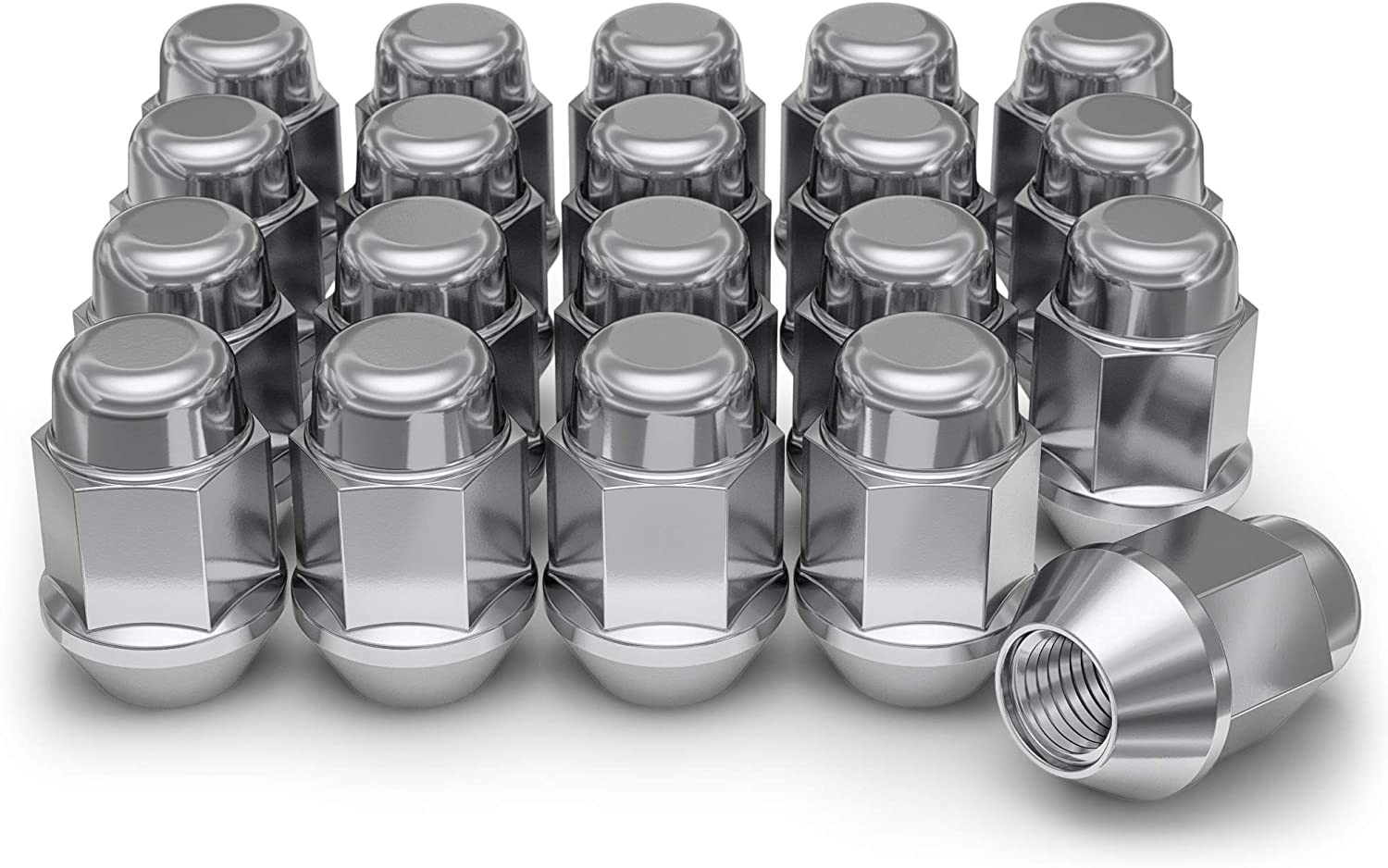
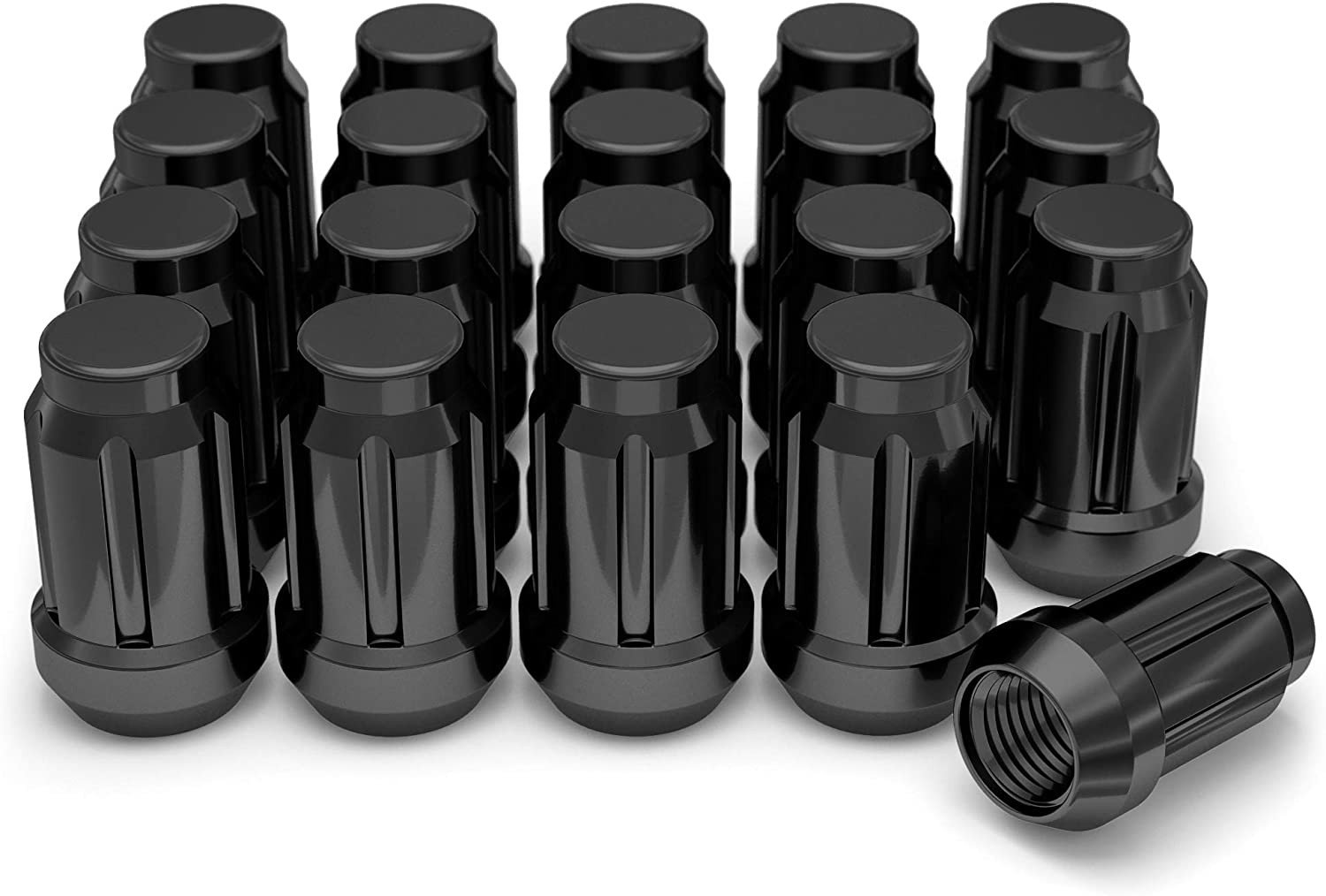
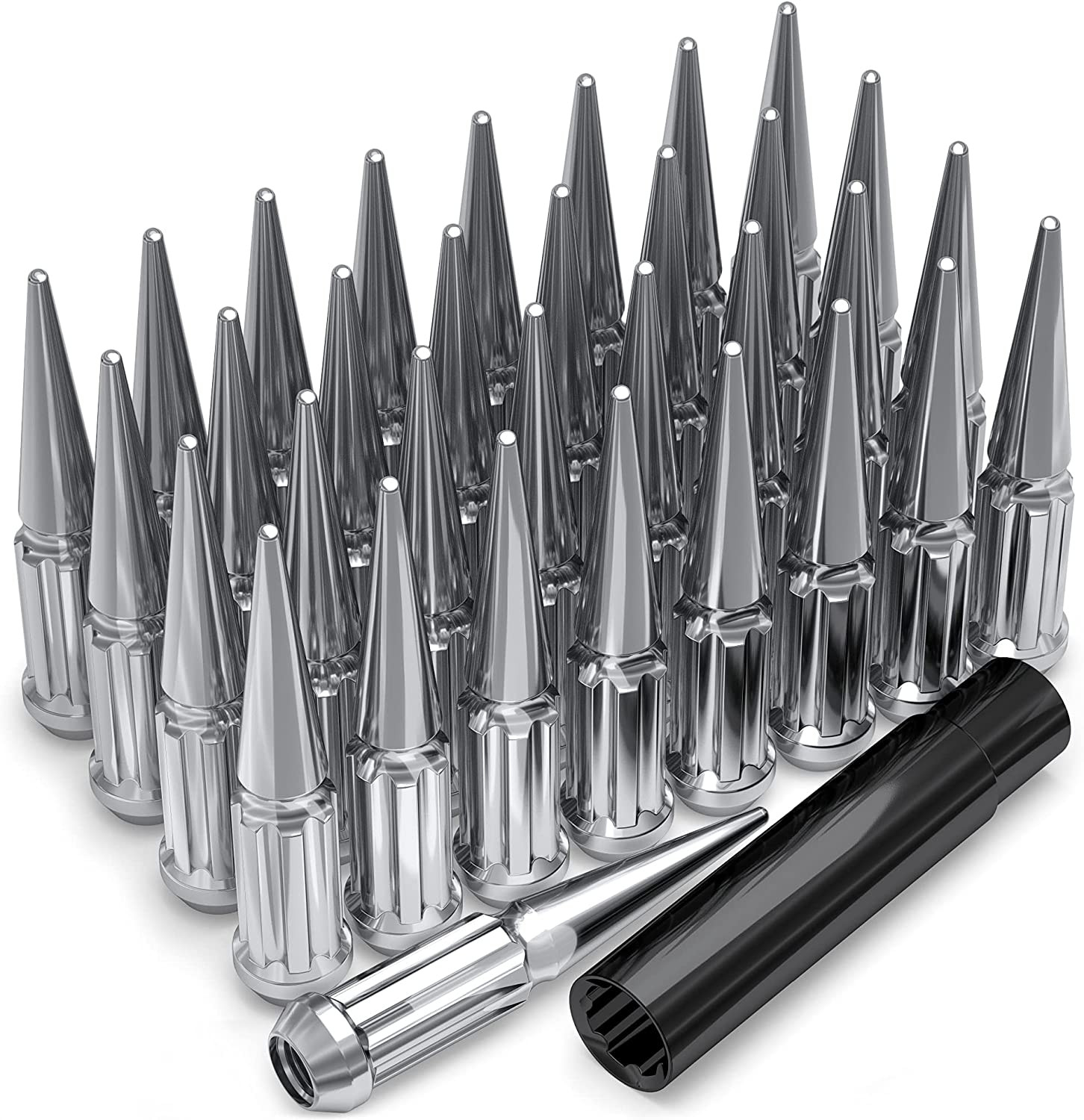
Install the correct lug nuts for the wheel’s seat design. Thread size alone does not identify whether the wheel requires conical, spherical, or another seating style. Start all fasteners by hand, tighten them in a crisscross pattern, and use a calibrated torque wrench according to the vehicle or wheel manufacturer’s instructions. The correct torque value is not provided here, so confirm it from an OEM or wheel manufacturer source rather than guessing.
After driving a short distance, stop and check for vibration, rubbing, unusual noises, or steering changes. Recheck fastener torque as recommended by the vehicle or wheel manufacturer. If the wheel does not seat flush, the fasteners do not engage correctly, or any component contacts the wheel or tire, do not drive the vehicle until the problem is corrected.
Tools And Helpful Supplies
Useful equipment for a careful wheel fitment check includes a calibrated torque wrench, suitable socket and adapter set, tire pressure gauge, tread or clearance measuring tools, and a method for safely lifting and supporting the vehicle. Use wheel chocks and properly rated jack stands whenever the vehicle is raised. A tire pressure gauge and a torque wrench can be found through Amazon automotive tool listings.
For hub and wheel inspection, a wire brush suitable for the hub surface, a flashlight, and a straightedge can help identify corrosion, damage, or obvious runout. Do not remove structural material from the hub or wheel, and do not use spacers or adapters unless their specifications, load rating, hub fit, fasteners, and installation requirements are fully verified.
FAQs
What is the bolt pattern for a 2010 Ford Focus?
The known bolt pattern for this page is 4x10⁸. Confirm the pattern on your vehicle and on the replacement wheel before purchase, especially if the vehicle’s trim or market is unknown.
What center bore is listed for the 2010 Ford Focus?
The known center bore is 63.4 mm. A replacement wheel with a smaller bore will not fit over the hub. A larger bore may require properly sized hub-centric rings if the wheel manufacturer specifies them.
What is the known OEM wheel size?
The known reference is a 15-inch diameter wheel, 6.0 inches wide, with ET53 offset and 5.09 inches of backspacing. These values may not represent every trim or equipment package, so verify your specific vehicle with OEM documentation.
What tire size is listed for this fitment?
The known tire specification is 195/60R15, with a 195 mm section width, 60 percent aspect ratio, and 15-inch rim diameter. Confirm the placard on the vehicle and the owner’s manual before replacing tires.
Can I install wheels from another vehicle?
Possibly, but the donor wheel must be checked for bolt pattern, center bore, diameter, width, offset, load rating, fastener compatibility, brake clearance, and tire compatibility. Use the on-page calculator for dimensional comparisons, then perform a physical clearance check.
Does a larger center bore make a wheel incompatible?
Not necessarily. A larger center bore can sometimes be matched with correctly sized hub-centric rings, provided the wheel and rings are suitable for the application. A smaller center bore generally prevents the wheel from fitting over the hub.
Is the M12 x 1.5 thread size enough to choose lug nuts?
No. M12 x 1.5 identifies the known thread size, but lug nut seat style, shank or washer design, length, and wheel compatibility must also match. Confirm these details with the wheel manufacturer and vehicle documentation.
How can I confirm whether a specification varies by trim?
Check the vehicle’s tire and loading information label, owner’s manual, original wheel markings, and Ford OEM parts information using the vehicle identification number when available. If those sources conflict with a listing, resolve the difference before ordering.