2011 Ford Focus Wheel Fitment and Interchange Guide
Known OEM Fitment For 2011 Ford Focus
The following specifications are the known OEM fitment values provided for the 2011 Ford Focus. These measurements may vary by trim, market, brake package, or replacement wheel, so confirm the exact specification for your vehicle using the owner’s manual, the vehicle certification label, a Ford service source, or the on-page calculator.
| Specification |
Known value |
| Bolt pattern |
5x10⁸ |
| Center bore |
63.4 mm |
| Thread size |
M12 x 1.5 |
| Rim diameter |
15 inches |
| Rim width |
6.0 inches |
| Wheel offset |
ET 53 mm |
| Backspacing |
5.09 inches |
| Tire size |
195/60R15 |
A replacement wheel should match the vehicle’s bolt pattern and provide suitable center-bore, offset, width, brake-clearance, and load-capacity specifications. A wheel that physically bolts on is not automatically safe or correctly fitted.
How To Use The Wheel Interchange Calculator
Use the calculator to compare a wheel from a donor vehicle with the wheel you plan to install on your 2011 Ford Focus. Enter the donor vehicle and its wheel specifications in the “Wheels from” fields, then select the 2011 Ford Focus in the “Installed on” fields.
The calculator also allows you to enter a custom wheel size. Adjust rim diameter, rim width, and offset to evaluate a specific aftermarket or used wheel. You can enter a custom tire section width and aspect ratio as well. When rim diameter changes, the calculator updates the tire diameter comparison, helping you review overall diameter changes before purchasing.
Use calculator results as a screening tool, not as a substitute for a physical test fit. Confirm brake clearance, suspension clearance, fender clearance, hub fit, lug-seat compatibility, and tire load and speed ratings before driving.
Fitment Checklist Before You Buy
Compare every important measurement rather than relying on the vehicle name or a seller’s statement that a wheel “fits.” Check the following:
- Confirm the 5x10⁸ bolt pattern.
- Confirm that the wheel’s center bore is compatible with the vehicle’s 63.4 mm hub. A larger bore may require correctly sized hub-centric rings, while a smaller bore will not fit over the hub.
- Compare wheel offset with the known ET 53 mm specification. Offset changes can affect inner suspension clearance, outer fender clearance, steering feel, and scrub geometry.
- Check the wheel width and backspacing. The known wheel width is 6.0 inches and the known backspacing is 5.09 inches.
- Verify brake-caliper and suspension clearance with the actual wheel design. Spoke shape and barrel profile can matter as much as diameter.
- Confirm the wheel’s load rating and inspect used wheels for bends, cracks, corrosion, damaged lug holes, or previous repairs.
- Confirm tire size, load index, speed rating, sidewall condition, and overall diameter.
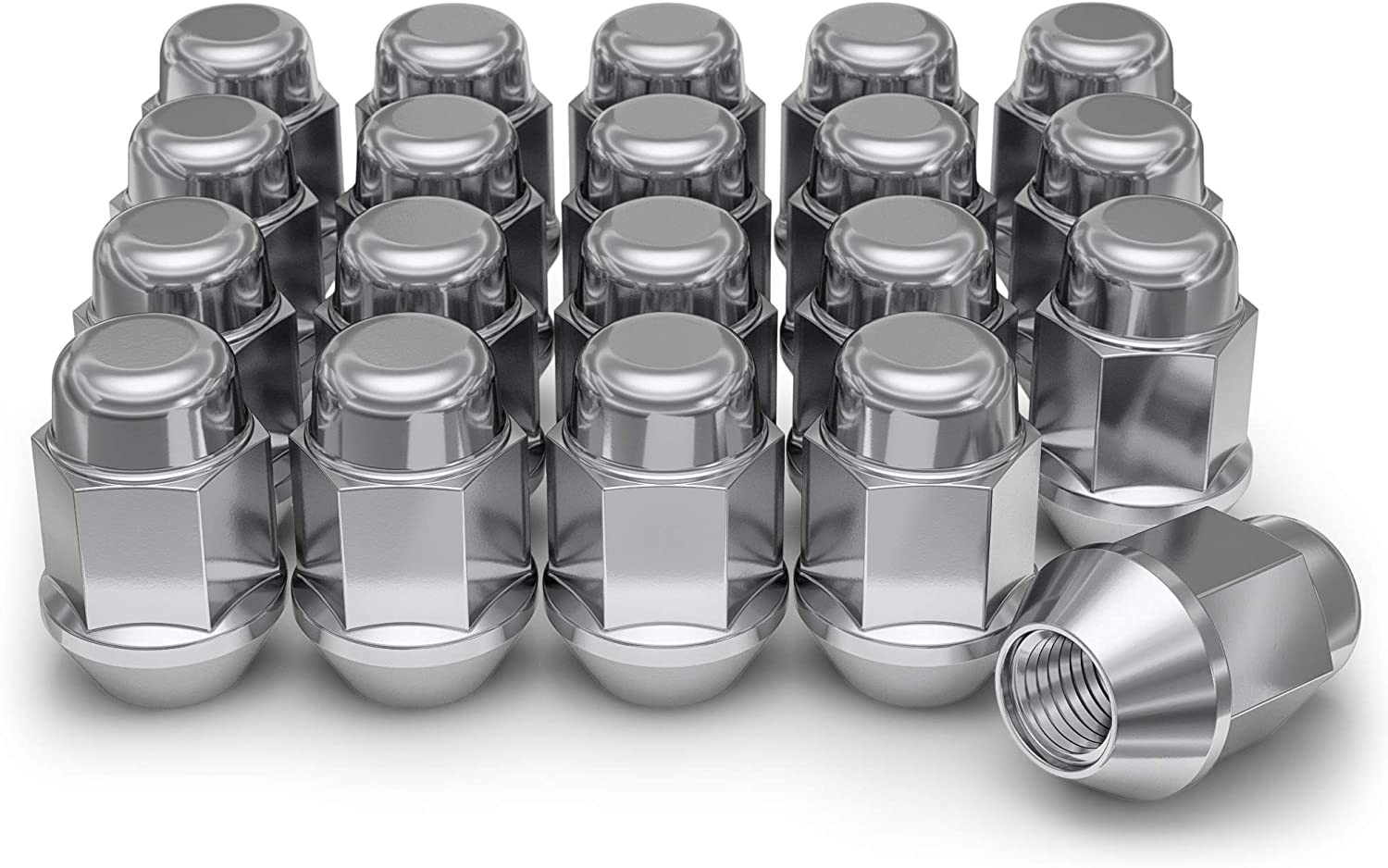
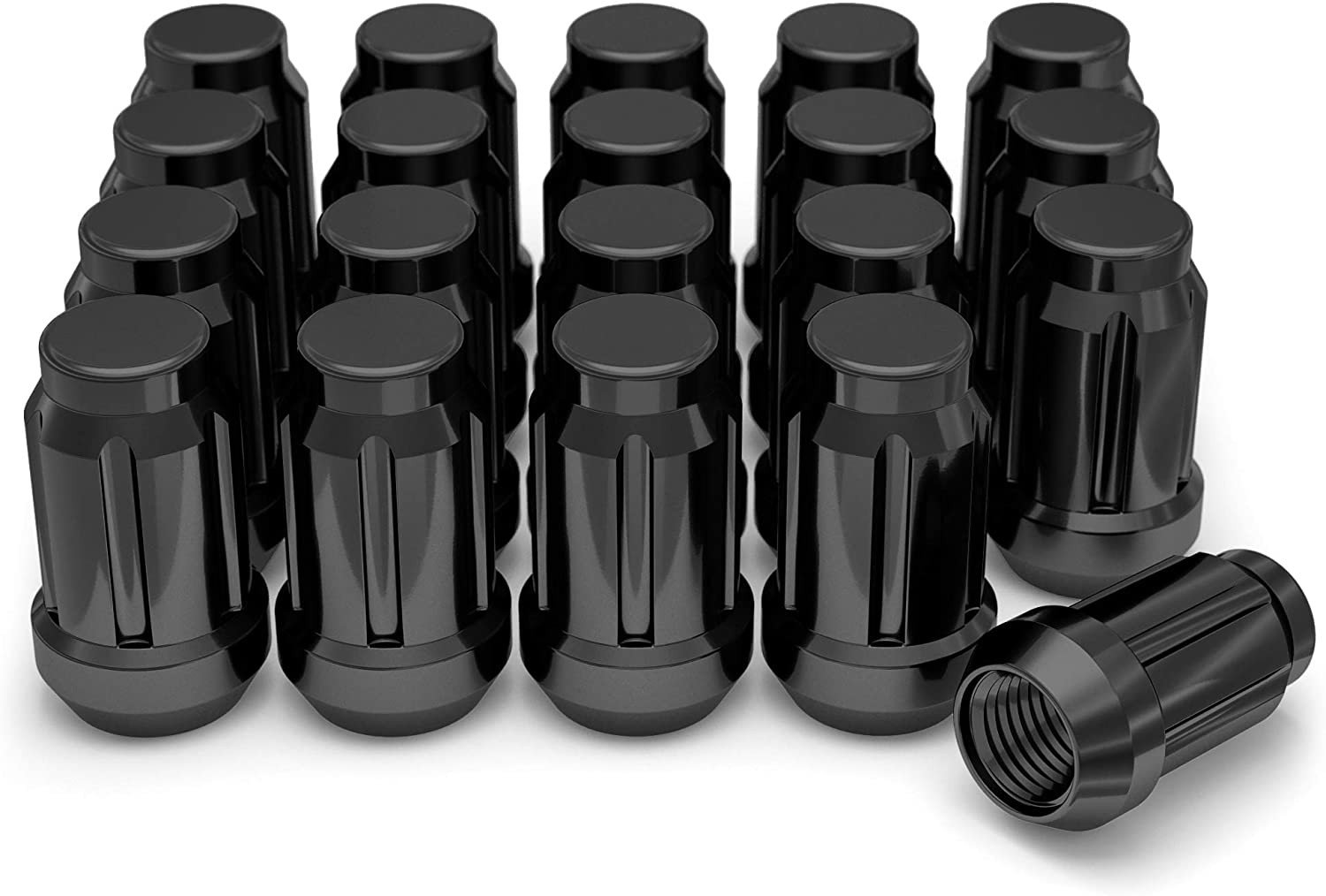
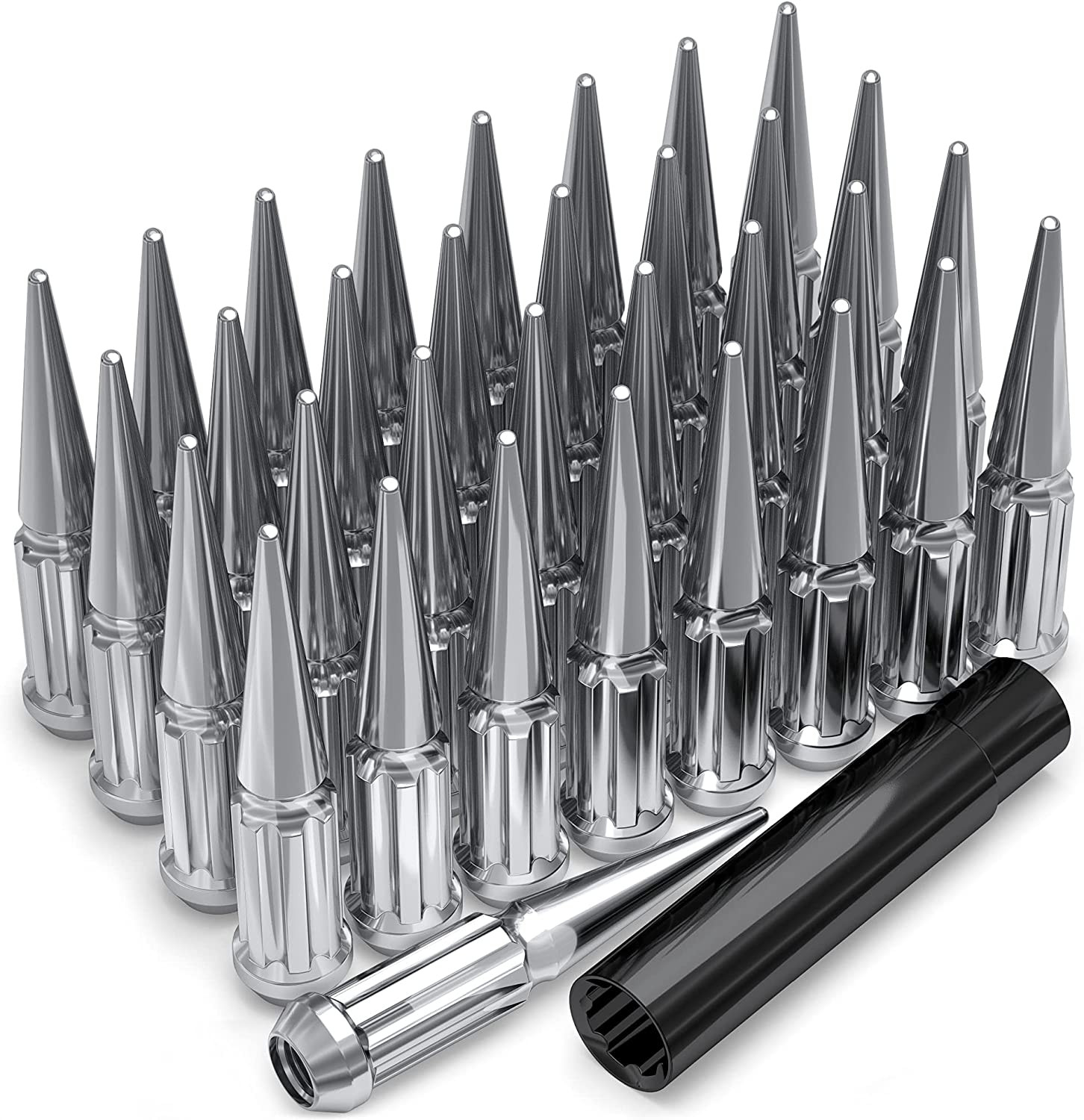
- Verify lug-nut thread, seat type, and required engagement. The known thread size is M12 x 1.5, but the lug-seat design must also match the wheel.
Plus Sizing And Common Upgrades
Plus sizing generally means using a larger wheel diameter with a lower-profile tire while keeping the overall tire diameter reasonably close to the original size. The known reference tire for this page is 195/60R15, and the calculator can help compare a custom tire and wheel combination against that reference.
Do not select a larger wheel solely because it shares the 5x10⁸ bolt pattern. A plus-size setup must also clear the brakes and suspension, fit within the wheel arches, maintain appropriate load and speed ratings, and avoid excessive changes in offset or tire diameter. Lower-profile tires may provide sharper response but can be more vulnerable to pothole damage and may reduce ride comfort.
Because exact approved upgrade sizes and clearances can vary by trim and wheel design, confirm any proposed setup with Ford documentation, a reputable tire and wheel supplier, and a physical test fit when possible.
Installation Tips
Before installation, clean the hub and wheel mounting surfaces. Do not place grease, paint, washers, or spacers between the wheel and hub unless a specific component is designed and approved for that application. Make sure the wheel sits fully flush against the hub.
Install the correct lug nuts by hand first to prevent cross-threading. Tighten them in a crisscross pattern, then torque them to the vehicle manufacturer’s specified value using a calibrated torque wrench. The required torque value is not provided here, so confirm it in the owner’s manual or an authoritative Ford service source rather than guessing.
After installation, check for wheel rotation, brake clearance, steering clearance, and contact with suspension or body components. Recheck lug torque according to the vehicle or wheel manufacturer’s instructions after the initial drive, and stop immediately if vibration, rubbing, or looseness occurs.
Tools And Helpful Supplies
Useful supplies for a careful wheel installation include a calibrated torque wrench, correctly sized socket, jack and properly rated jack stands, wheel chocks, a hub-cleaning brush, and a tire-pressure gauge. Use the vehicle’s approved jacking points and never work beneath a vehicle supported only by a jack.
Shop automotive torque wrenches on Amazon
FAQs
What is the bolt pattern for a 2011 Ford Focus?
The known bolt pattern is 5x10⁸. Confirm the specification for your exact trim and market before buying wheels.
What is the center bore?
The known center bore is 63.4 mm. A wheel with a larger center bore may need properly sized hub-centric rings. A wheel with a smaller bore generally will not fit over the vehicle hub.
What wheel size is listed for this 2011 Ford Focus?
The known reference wheel is 15 inches in diameter, 6.0 inches wide, with ET 53 mm offset and 5.09 inches of backspacing. These values may vary by trim or equipment.
What tire size is listed?
The known reference tire size is 195/60R15. Check the vehicle tire placard and owner’s manual for the correct pressure and any trim-specific tire information.
Can any 5x10⁸ wheel fit this Focus?
No. Bolt pattern is only one part of fitment. You must also check center bore, offset, width, backspacing, brake clearance, lug-seat type, load rating, and tire compatibility.
Can I use a wheel with a different offset?
A different offset may fit, but it changes the wheel’s position relative to the suspension and fender. Use the calculator to compare the change, then verify physical clearance and confirm the setup with a qualified wheel professional.
Do I need hub-centric rings?
They may be appropriate when an aftermarket wheel has a center bore larger than 63.4 mm. The ring must fit the vehicle hub and wheel bore precisely and should not be used to correct a wheel with an incompatible bolt pattern or unsafe design.
Where can I confirm the correct lug-nut torque?
Use the owner’s manual, an authoritative Ford service source, or the wheel manufacturer’s instructions. The correct torque value is not specified in the information available for this page, so do not guess.
How should I confirm a donor wheel before purchase?
Record the donor wheel’s diameter, width, offset, backspacing, bolt pattern, center bore, load rating, and lug-seat type. Enter the measurements in the wheel interchange calculator, then inspect or test-fit the actual wheel for brake and suspension clearance.