2000 Ford Taurus Wheel Fitment and Interchange Guide
This guide covers the known OEM wheel and tire fitment information for the 2000 Ford Taurus. Use the on-page wheel interchange calculator to compare donor wheels, installed dimensions, and custom wheel or tire sizes. Fitment can vary by trim, wheel package, brake equipment, or previous vehicle modifications, so confirm all measurements before purchase or installation.
Known OEM Fitment For 2000 Ford Taurus
The following specifications are the known reference values provided for this vehicle. They should be treated as a starting point, not a substitute for checking the markings on your existing wheel or confirming the specification through Ford service information.
| Specification |
Known value |
| Bolt pattern |
5x10⁸ |
| Center bore |
63.4 mm |
| Thread size |
M12 x 1.5 |
| OEM rim diameter |
16 inches |
| OEM rim width |
6.0 inches |
| Wheel offset |
ET42, or 42 mm |
| Backspacing |
4.65 inches |
| OEM tire size |
215/60R16 |
| Tire section width |
215 mm |
| Tire aspect ratio |
60 percent |
The listed 215/60R16 tire has a calculated overall diameter of approximately 664 mm, or 26.1 inches. This is a mathematical estimate based on the supplied tire size. Actual tire diameter varies by tire brand, model, tread design, inflation pressure, and load.
Do not assume that every 2000 Ford Taurus trim used the same wheel design or tire load rating. Check the driver-door certification label, the owner’s manual, the wheel markings, and current Ford documentation for your specific vehicle.
How To Use The Wheel Interchange Calculator
Start with the vehicle or wheel you want to compare in the “Wheels from” section. Enter or select the donor vehicle information, then use “Installed on” for the 2000 Ford Taurus. The calculator is intended to help compare key dimensions such as bolt pattern, center bore, wheel width, diameter, and offset.
When a donor vehicle is not available in the calculator, use the custom wheel size controls. Enter the proposed rim diameter, rim width, and offset. Then enter the proposed tire section width and aspect ratio in the custom tire section. Changing rim diameter updates the tire diameter in the comparison, which helps show how the complete wheel and tire package changes.
Use the calculator as a comparison tool rather than a final approval. It cannot replace a physical test fit, clearance inspection, correct lug hardware, or confirmation of brake, suspension, and load-rating requirements.
Fitment Checklist Before You Buy
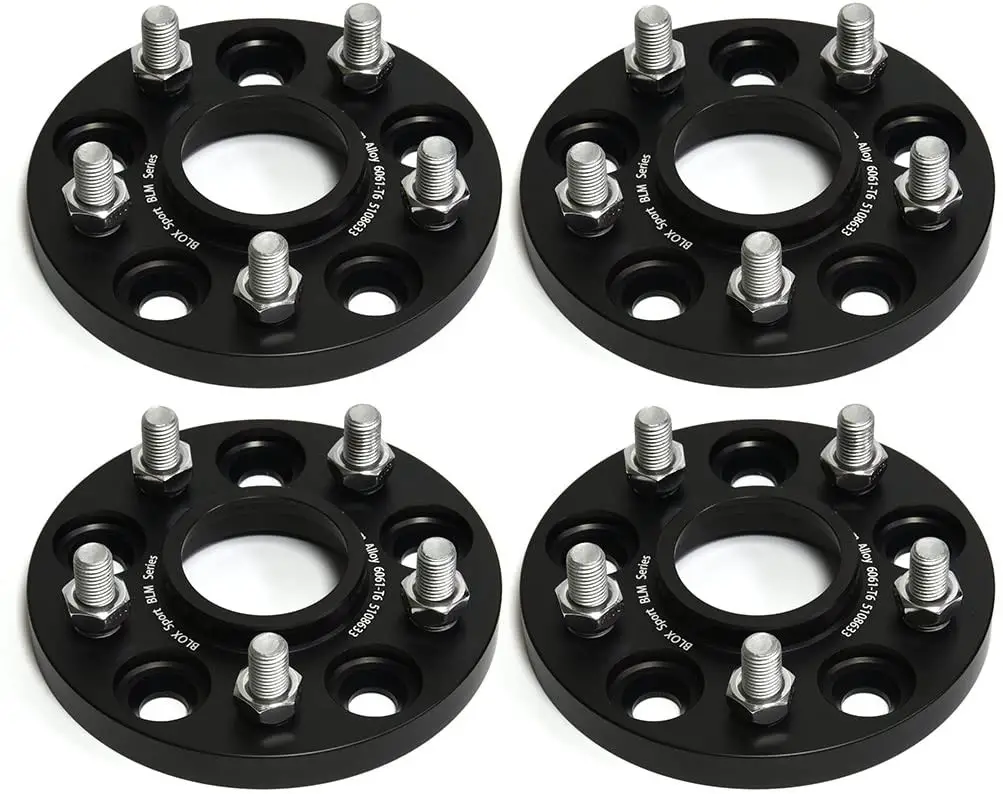
Confirm the wheel has the correct 5x10⁸ bolt pattern and that its center bore is compatible with the vehicle’s 63.4 mm hub. A wheel with a larger center bore may require correctly sized hub-centric rings, while a wheel with a smaller bore generally will not seat over the hub. Do not force a wheel onto the hub.
Check that the proposed offset and width provide adequate clearance to the strut, suspension components, brake assembly, fender, and inner wheel well. Offset changes move the wheel inward or outward, and a tire that is wider than the reference 215 mm size can reduce clearance even when the bolt pattern matches.
Verify the wheel’s load rating, tire load index, speed rating, valve-stem compatibility, and lug-seat design. The thread size is listed as M12 x 1.5, but the correct lug nut seat and overall lug hardware must also match the replacement wheel.
Inspect used wheels for cracks, bends, corrosion around the bead seat, damaged lug holes, and signs of repair. Measure the actual wheel rather than relying only on a seller’s listing, especially when the wheel’s offset or width is not clearly marked.
Plus Sizing And Common Upgrades
Plus sizing usually means fitting a larger-diameter wheel with a lower-profile tire while keeping the overall tire diameter reasonably close to the original. The supplied reference size is 215/60R16. Any alternative must be checked for overall diameter, load capacity, speed rating, sidewall clearance, and speedometer or vehicle-system effects.
No specific plus-size wheel or tire combination is confirmed by the information provided here. Use the calculator to model a proposed diameter, width, offset, section width, and aspect ratio, then verify the result against the tire manufacturer’s specifications and the vehicle manufacturer’s requirements.
A larger wheel is not automatically an upgrade. Lower-profile tires can provide sharper steering response but may transmit more impact to the wheel and suspension. Wider tires may increase dry-road grip in some conditions while also increasing the risk of fender, strut, or inner-liner contact. Never select a tire solely because its calculated diameter is similar.
Installation Tips
Clean the hub face, wheel mounting surface, and lug-seat areas before installation. Rust, dirt, paint buildup, or debris between the wheel and hub can cause the wheel to mount unevenly and can contribute to loosening or vibration.
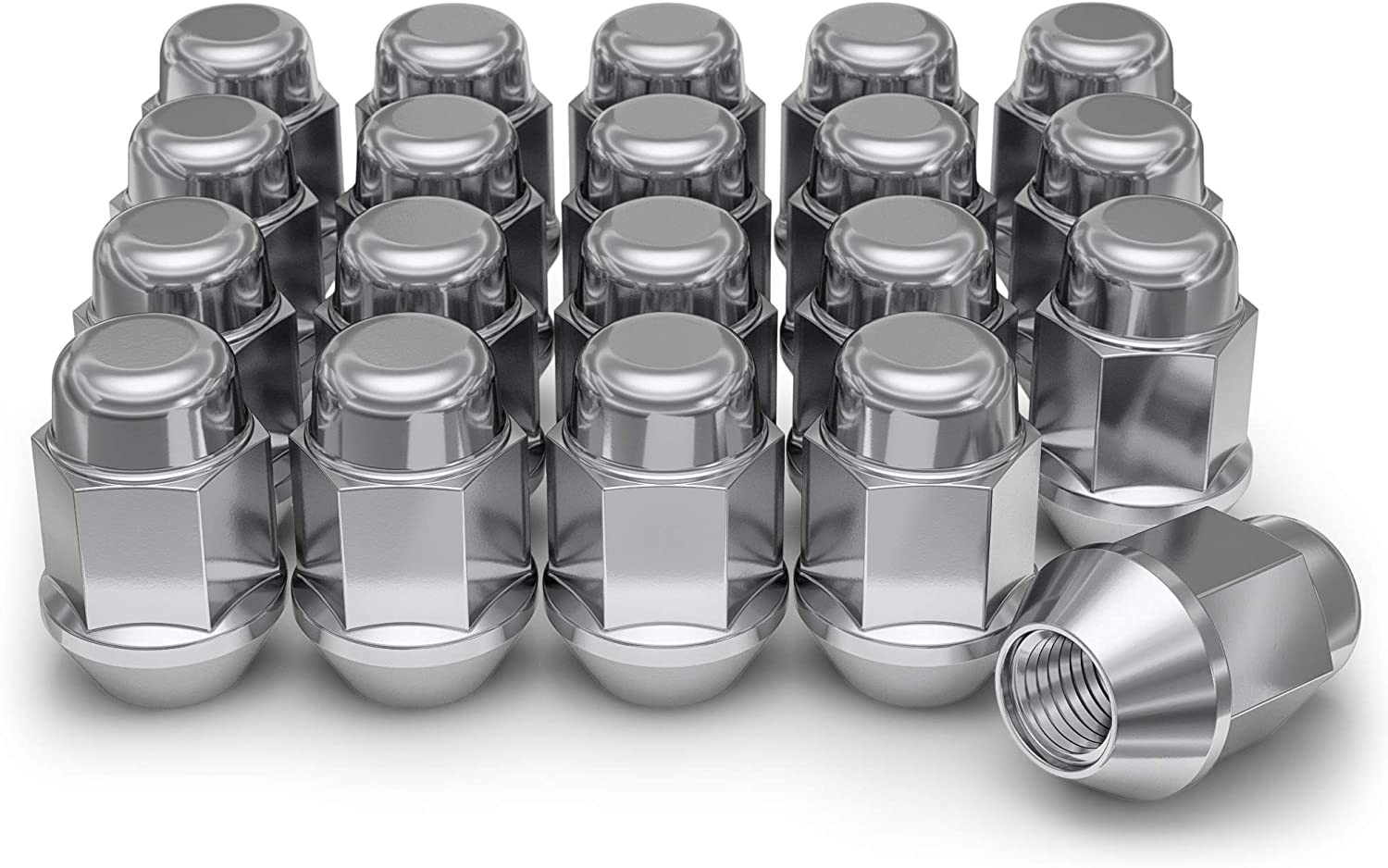
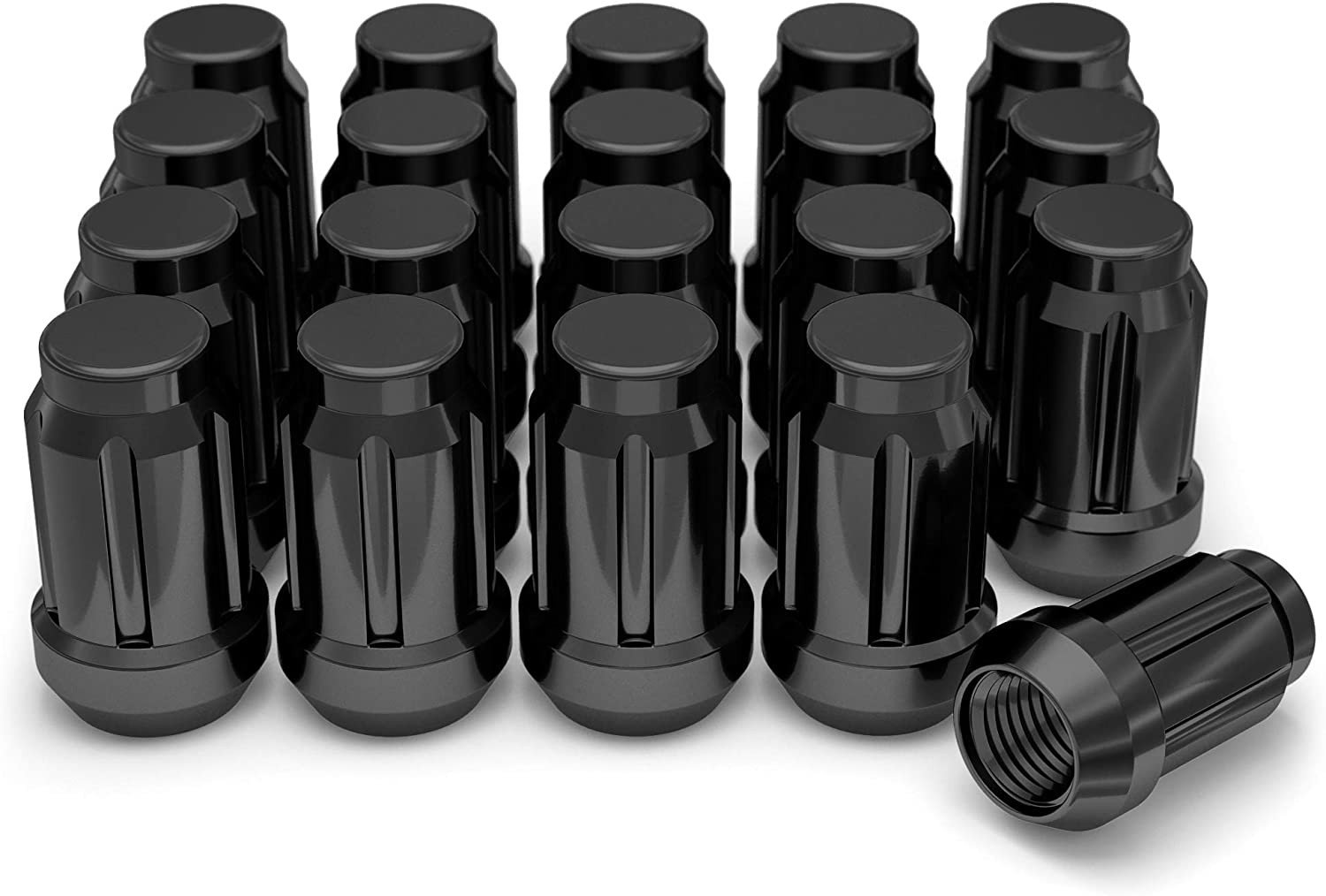
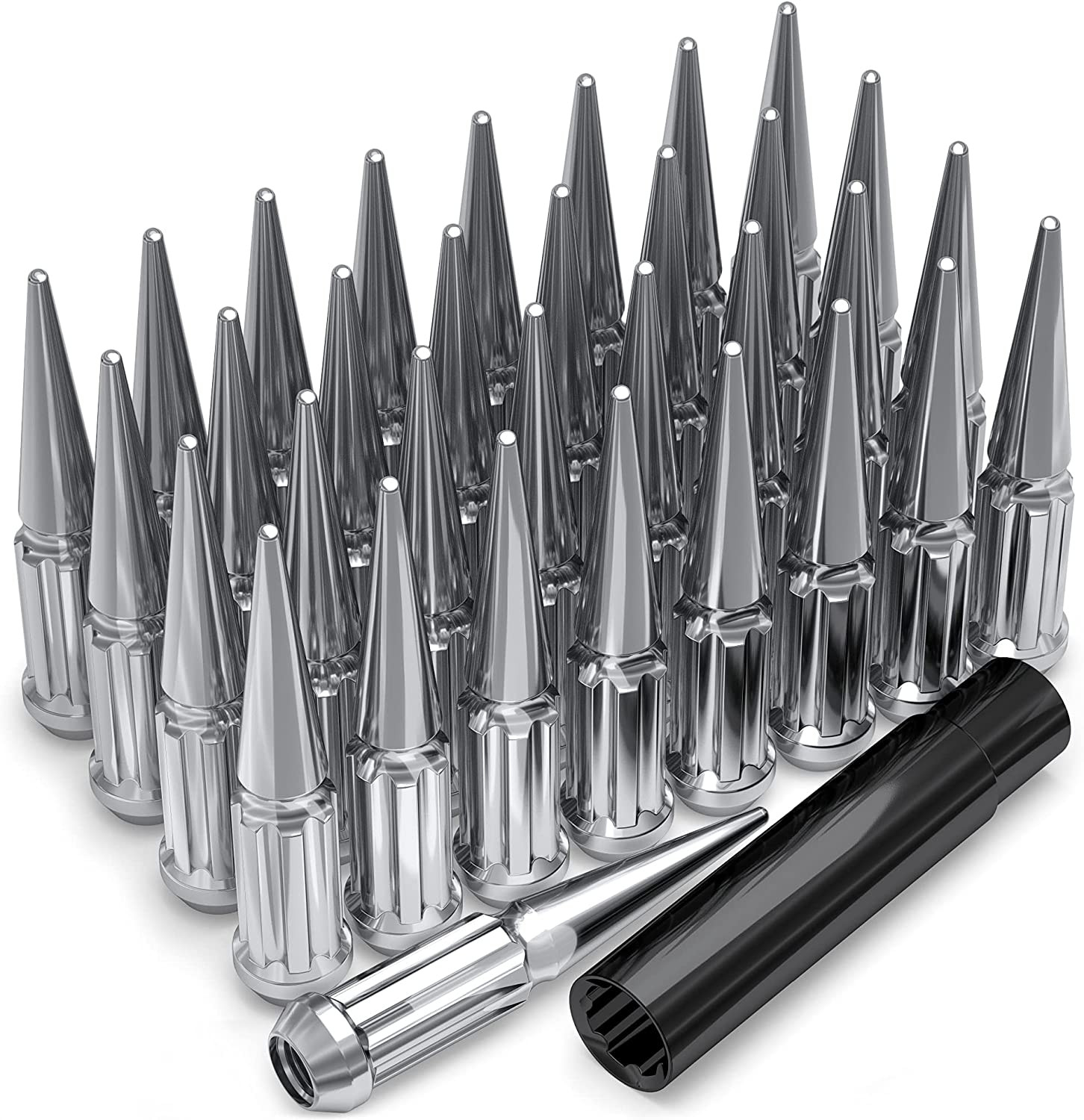
Install only lug nuts that match the replacement wheel’s seat type and the vehicle’s M12 x 1.5 thread specification. Start every lug nut by hand to avoid cross-threading. Tighten the lugs in a crisscross pattern with the vehicle supported safely, then torque them to the vehicle or wheel manufacturer’s specified value. Do not invent or substitute a torque value when the correct specification is unknown.
After installation, rotate each wheel by hand if possible and inspect for contact. Lower the vehicle, recheck that the wheel sits fully against the hub, and confirm that no brake, suspension, tire, or fender component touches during steering movement. Recheck lug torque after the initial driving period according to the wheel manufacturer’s instructions.
Tools And Helpful Supplies
Useful equipment includes a properly rated floor jack, jack stands, wheel chocks, a torque wrench, a socket that fits the lug nuts, a tire-pressure gauge, and a tread-depth gauge. A straightedge or wheel measurement tool can help confirm width and offset when inspecting an unknown wheel.
A compatible hub-cleaning brush, anti-corrosion treatment used according to the vehicle and wheel manufacturer’s guidance, and replacement lug hardware may also be helpful. For torque and wheel-installation equipment, see wheel installation torque tools on Amazon.
Never work beneath a vehicle supported only by a jack. Use level ground, engage the parking brake where appropriate, chock the wheels, and follow the jack-stand locations in the owner’s manual.
FAQs
What is the bolt pattern for the 2000 Ford Taurus?
The known bolt pattern is 5x10⁸. Confirm the wheel’s markings or measure the pattern before buying used or aftermarket wheels.
What is the center bore?
The known center bore is 63.4 mm. A replacement wheel must fit over the hub, and any larger bore must be addressed with correctly sized hub-centric rings when required by the wheel design.
What is the standard tire size listed for this vehicle?
The supplied reference tire size is 215/60R16. Trim and equipment differences may exist, so verify the door-jamb label and owner’s manual for the specific vehicle.
What wheel offset is listed for the 2000 Ford Taurus?
The known wheel offset is ET42, or 42 mm, with a listed 6.0-inch rim width. A different offset can change inner and outer clearance, so compare the complete wheel dimensions in the calculator and perform a physical clearance check.
Can I use any wheel with a 5x10⁸ bolt pattern?
No. Bolt pattern is only one fitment measurement. You must also check center bore, diameter, width, offset, brake clearance, lug-seat type, load rating, and tire clearance.
What thread size do the wheel fasteners use?
The known thread size is M12 x 1.5. The correct lug nut seat and style still depend on the wheel being installed. Never reuse incompatible lug nuts merely because they thread onto the studs.
Does the calculator guarantee that a wheel will fit?
No. The calculator compares entered dimensions and updates tire diameter when rim diameter changes, but it cannot confirm every physical clearance or account for all trim, brake, suspension, tire-brand, and vehicle-condition differences.
Where can I confirm the final specifications?
Check the vehicle certification label, owner’s manual, wheel markings, tire sidewall, Ford service information, and the wheel and tire manufacturers’ documentation. If measurements conflict, stop and verify them before purchasing or driving on the replacement setup.