2001 Ford Ranger Wheel Interchange and Fitment Guide
Use this page to compare wheel and tire measurements for a 2001 Ford Ranger. The fitment information below is limited to the supplied OEM data. Trim, drivetrain, market, and production differences can affect the correct wheel and tire package, so verify measurements against the vehicle and OEM documentation before ordering.
Known OEM Fitment For 2001 Ford Ranger
| Specification |
Provided value |
Verification note |
| Bolt pattern |
5x114.3 |
Five studs on a 114.3 mm pitch circle diameter. |
| Center bore |
70.6 mm |
Compare the wheel center bore with the hub. A smaller bore will not fit over the hub. |
| Thread size |
M12 x 1.75 |
Confirm that replacement lug nuts match the wheel seat and the vehicle's studs. |
| Rim diameter |
15 inches |
Provided wheel measurement. Confirm the installed wheel marking before replacement. |
| Rim width |
6.0 inches |
Provided wheel measurement. |
| Wheel offset |
ET12 mm |
Positive offset moves the wheel mounting face outward from the wheel centerline by the stated amount. Confirm clearance on the actual vehicle. |
| Backspacing |
3.47 inches |
Use this value with offset and wheel width when checking suspension and body clearance. |
| Tire section width |
205 mm |
Nominal tire width. Actual measured width varies by tire brand and model. |
| Tire aspect ratio |
75% |
Describes the sidewall height as a percentage of section width. |
| Tire rim diameter |
R14 |
This conflicts with the supplied 15-inch rim diameter. Do not assume a 14-inch tire fits a 15-inch wheel. |
The supplied data contains a diameter discrepancy: the wheel is listed as 15 inches, while the tire rim diameter is listed as R14. A tire marked R14 is designed for a 14-inch wheel and cannot be mounted on a 15-inch wheel. Check the tire sidewall, wheel stamp, door-jamb label, owner's manual, and VIN-specific OEM records to determine the correct original package.
How To Use The Wheel Interchange Calculator
Use the calculator to compare a donor vehicle's wheels with the wheels intended for your 2001 Ford Ranger. Enter the donor measurements in “Wheels from” and the Ranger measurements in “Installed on.” Compare bolt pattern, center bore, wheel diameter, width, and offset before considering a swap.
- Start with the supplied Ranger measurements, then confirm any value that varies by trim or is affected by the diameter conflict.
- Enter donor wheel diameter, width, and offset exactly as marked on the wheel or documented by the wheel manufacturer.
- Use the custom wheel size fields to test a proposed diameter, width, and offset.
- Use the custom tire size fields to compare section width and aspect ratio.
- When rim diameter changes, review the calculator's updated tire diameter comparison. A similar overall diameter does not guarantee brake, suspension, fender, or load-rating clearance.
- Treat a calculator result as a measurement aid, not as approval of an unsafe combination. Confirm physical clearance and load specifications before installation.
Fitment Checklist Before You Buy
- Confirm the five-lug 5x114.3 bolt pattern and measure the wheel if the source is uncertain.
- Confirm the 70.6 mm center bore. Never force a wheel onto the hub.
- Verify the wheel offset and backspacing. A change can affect inner suspension clearance, outer fender clearance, steering feel, and scrub geometry.
- Resolve the 15-inch wheel versus R14 tire discrepancy using the tire sidewall and OEM records.
- Check that the replacement tire's load index and speed rating meet or exceed the vehicle's requirements.
- Confirm that the tire is approved for the selected wheel width by the tire manufacturer.
- Check brake caliper, strut, tie-rod, leaf-spring, and fender clearance through the full steering and suspension range.
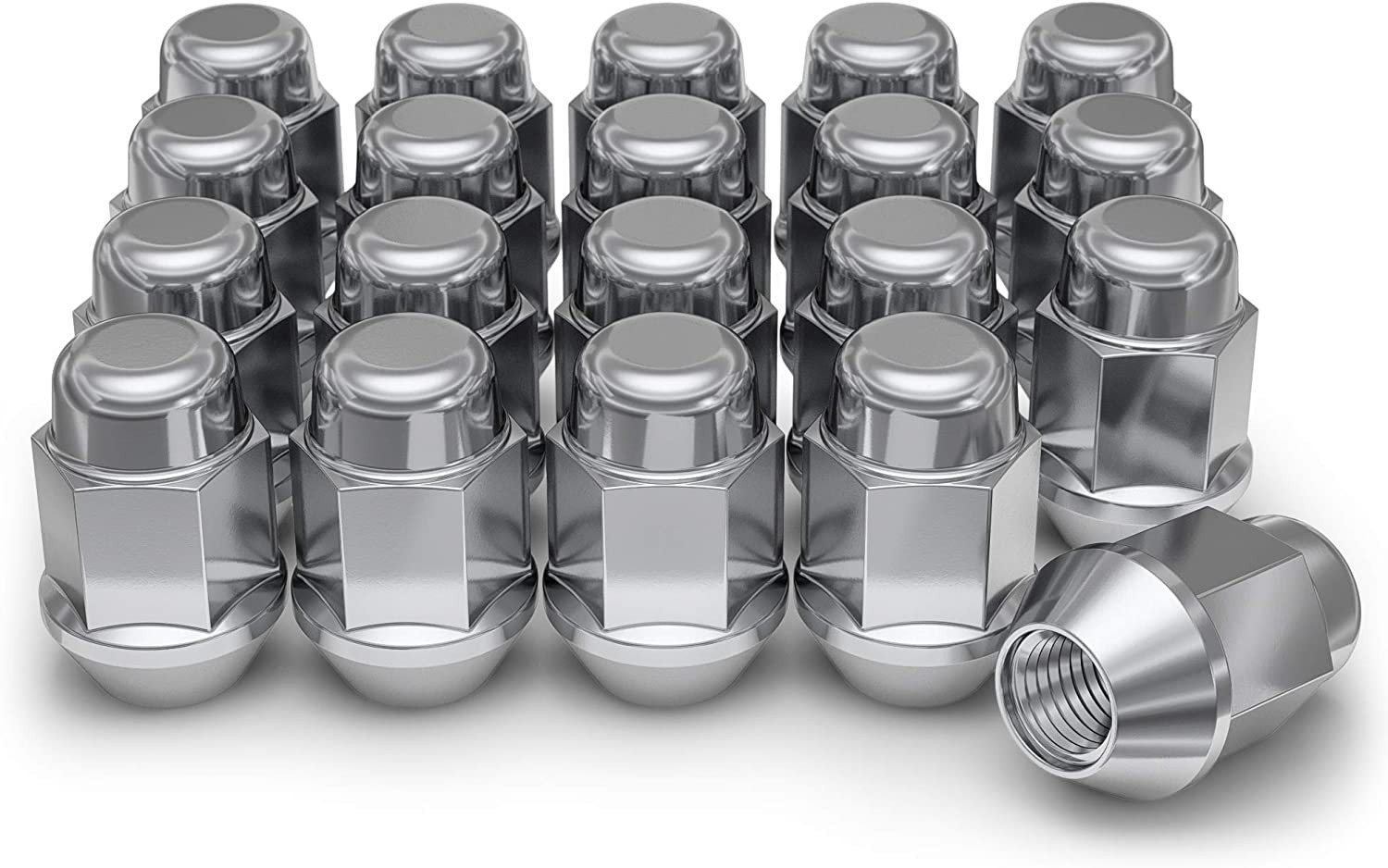
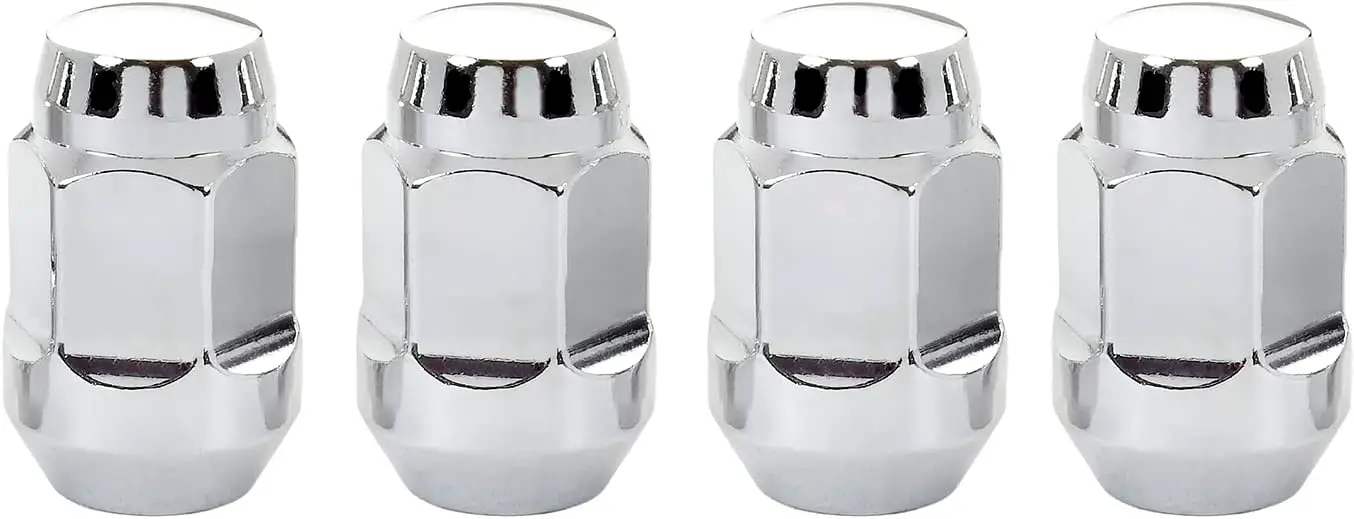
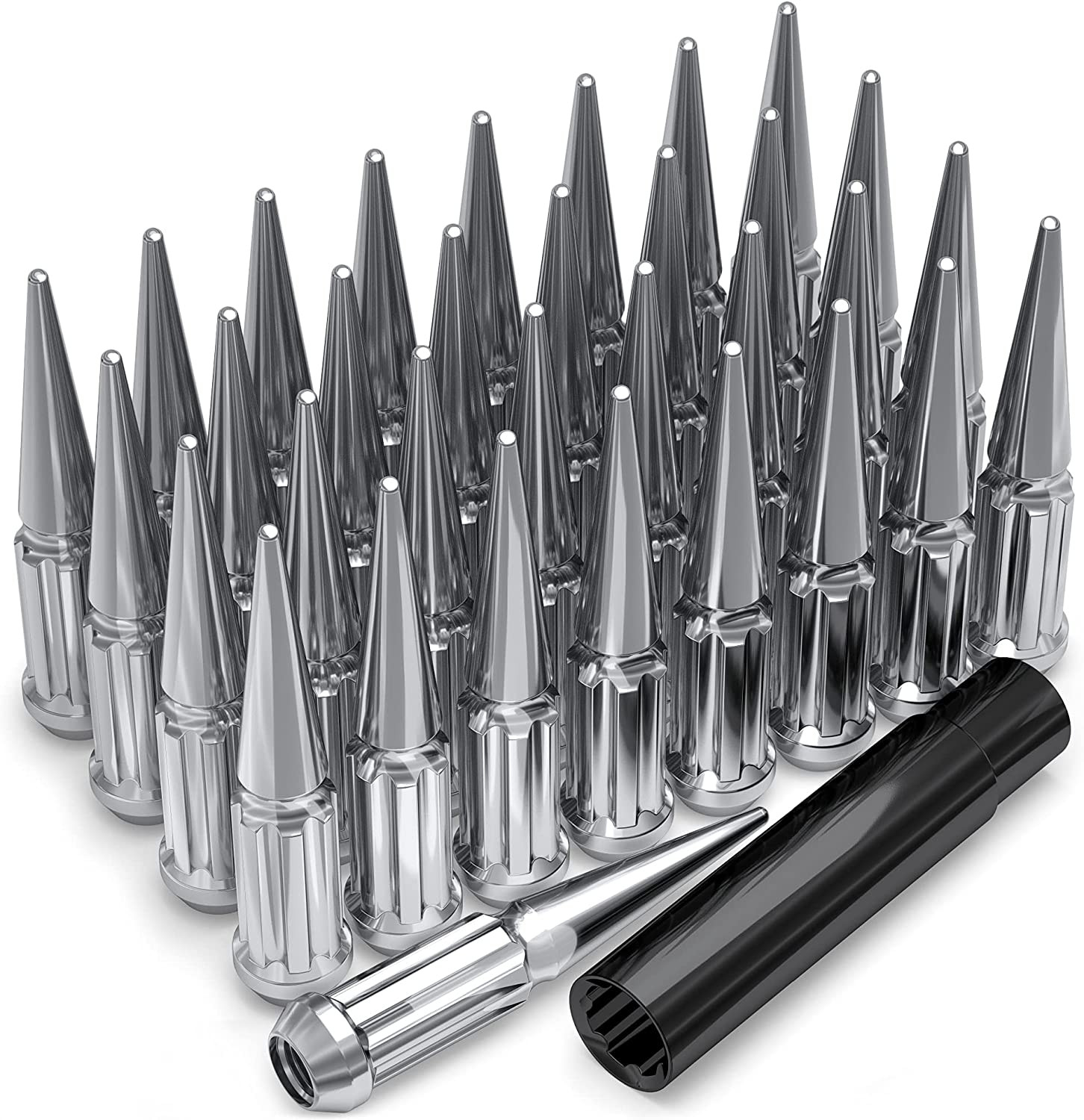
- Confirm that lug nuts have the correct thread size, seat type, diameter, and engagement for the selected wheels.
- Do not rely on bolt-pattern compatibility alone. A wheel can share the pattern and still fail because of bore, offset, clearance, or load limitations.
- After installation, check for vibration, rubbing, and proper seating before normal driving.
Plus Sizing And Common Upgrades
Plus sizing changes the wheel diameter while attempting to keep the tire's overall diameter near the original specification. The supplied data does not establish a verified plus-size package for every 2001 Ford Ranger trim, so use the calculator for comparisons and confirm the final tire size with the tire maker and OEM requirements.
A larger wheel may allow a shorter sidewall, but it can reduce ride comfort and increase the risk of wheel or tire damage. A wider tire can alter steering effort, road-noise levels, wet-weather behavior, and clearance. It may also change the accuracy of the speedometer and electronic systems if the overall diameter differs materially.
Do not select a replacement tire solely because its calculated diameter is close. Check the tire's approved rim-width range, load capacity, actual section width, fender clearance, and inflation requirements. Any change in wheel diameter must also be paired with a tire that matches that wheel diameter exactly.
Installation Tips
- Inspect wheel mounting faces, studs, lug nuts, and hub surfaces. Remove rust and debris without removing material from the hub or wheel.
- Test-fit one wheel on the front and rear axle positions before mounting all wheels. Check inner and outer clearance with the steering turned from lock to lock.
- Make sure the wheel sits fully flush against the hub. Do not use lug nuts to pull a misaligned or obstructed wheel into place.
- Thread lug nuts by hand first to avoid cross-threading. Use the vehicle-specific OEM torque specification rather than a generic value.
- Tighten in a star pattern with a calibrated torque wrench.
- Set tire pressure according to the vehicle label or OEM documentation, not the maximum pressure molded into the tire sidewall.
- Recheck lug torque after the first short drive and again according to the wheel manufacturer's instructions.
- Stop driving if you notice rubbing, steering changes, vibration, air loss, or loose fasteners.
Tools And Helpful Supplies
Useful equipment includes a calibrated torque wrench, a suitable socket, a tire pressure gauge, a tread-depth gauge, a straightedge or ruler for basic clearance checks, and a reliable source for wheel and tire specifications. A professional tire shop should handle mounting and balancing if you do not have the correct equipment.
FAQs
What is the listed bolt pattern for the 2001 Ford Ranger?
The supplied fitment data lists a 5x114.3 bolt pattern, meaning five studs arranged on a 114.3 mm pitch circle diameter. Verify the vehicle and wheel before purchase.
What center bore is listed?
The supplied center bore is 70.6 mm. The replacement wheel center bore must not be smaller than the vehicle hub, and hub rings may be relevant when a larger-bore wheel is otherwise suitable. Confirm the final application with the wheel manufacturer.
Can an R14 tire be installed on the listed 15-inch rim?
No. An R14 tire is made for a 14-inch wheel, while the supplied rim diameter is 15 inches. Because these values conflict, inspect the tire and wheel markings and verify the correct package through OEM sources before ordering.
Is a wheel with the correct 5x114.3 pattern automatically compatible?
No. Center bore, offset, backspacing, wheel width, brake clearance, lug-nut seat, load capacity, and fender clearance must also be suitable.
What offset and backspacing are listed?
The supplied values are ET12 mm offset and 3.47 inches of backspacing. These are reference measurements, not a guarantee that every wheel with those numbers will clear every brake and suspension configuration.
How can I compare a donor wheel with this Ranger?
Enter the donor wheel under “Wheels from” and the Ranger's confirmed measurements under “Installed on.” Use the custom wheel and tire fields for proposed sizes, then review changes in diameter, width, offset, and tire diameter. Physically verify clearance before installation.
What lug-nut thread size is listed?
The supplied thread size is M12 x 1.75. Lug-nut thread size alone is not enough. The lug-nut seat must match the wheel, and there must be adequate thread engagement. Confirm the correct hardware with the wheel and vehicle manufacturer.
Where should I confirm fitment if the calculator and vehicle markings differ?
Use the VIN-specific owner's manual, door-jamb tire label, OEM service information, and markings on the installed wheel and tire. When records conflict, pause the purchase and have a qualified tire and wheel professional inspect the vehicle.