2003 Ford Ranger Wheel Fitment Guide
This page summarizes the known wheel and tire fitment data provided for the 2003 Ford Ranger. Some specifications can vary by trim, drivetrain, market, or replacement-wheel history. Verify the vehicle identification label, owner’s manual, wheel markings, and the exact wheel currently installed before ordering parts.
Known OEM Fitment For 2003 Ford Ranger
| Specification |
Known value |
| Bolt pattern |
5x114.3, also written as 5x4.5 |
| Center bore |
70.6 mm |
| Thread size |
M12 x 1.75 |
| Rim diameter |
15 inches |
| Rim width |
6.0 inches |
| Wheel offset |
ET12, or 12 mm positive offset |
| Backspacing |
3.47 inches |
| Tire section width |
205 mm |
| Tire aspect ratio |
75 percent |
| Tire rim diameter field |
R14 |
The supplied data contains both a 15-inch rim diameter and an R14 tire rim diameter. These values should not be treated as one confirmed wheel-and-tire combination because a tire marked R14 is designed for a 14-inch rim, while a 15-inch rim requires a tire marked R15. Confirm the correct specification from the tire sidewall, wheel stamp, door-jamb label, and the applicable Ford documentation.
The listed fitment data does not identify every trim, cab configuration, drivetrain, brake package, or factory option. Do not assume that another 2003 Ford Ranger configuration has identical clearance or tire specifications without checking it.
How To Use The Wheel Interchange Calculator
Use the calculator to compare a potential donor wheel and tire with the wheel and tire installed on your 2003 Ford Ranger. Enter the donor vehicle or donor wheel information under Wheels from, then enter the Ranger information under Installed on.
Compare bolt pattern, center bore, rim diameter, rim width, offset, backspacing, and tire dimensions. A matching bolt pattern alone does not confirm safe fitment. The center bore must fit correctly, and the wheel must clear the brake caliper, hub, suspension, and bodywork.
If the exact donor vehicle is not available, use Custom wheel size to enter the proposed rim diameter, width, and offset. Use Custom tire size to enter the tire section width and aspect ratio. When you change rim diameter, the calculator updates the comparison tire diameter, helping you evaluate overall diameter and speedometer-related differences.
Use the calculator as a comparison tool, not as a substitute for a physical test fit or OEM confirmation. Check the result against the wheel manufacturer’s load rating, application notes, and installation requirements.
Fitment Checklist Before You Buy
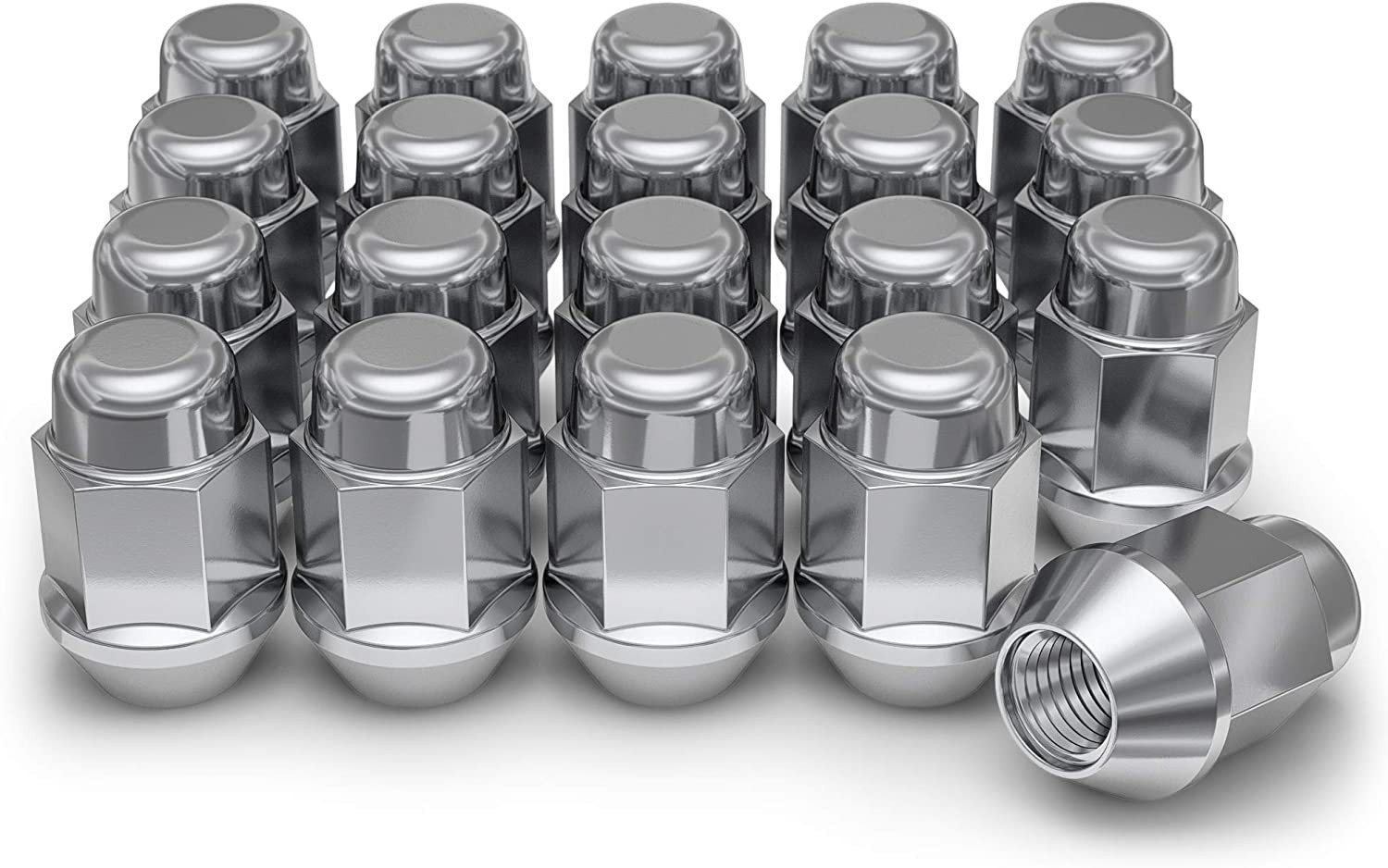
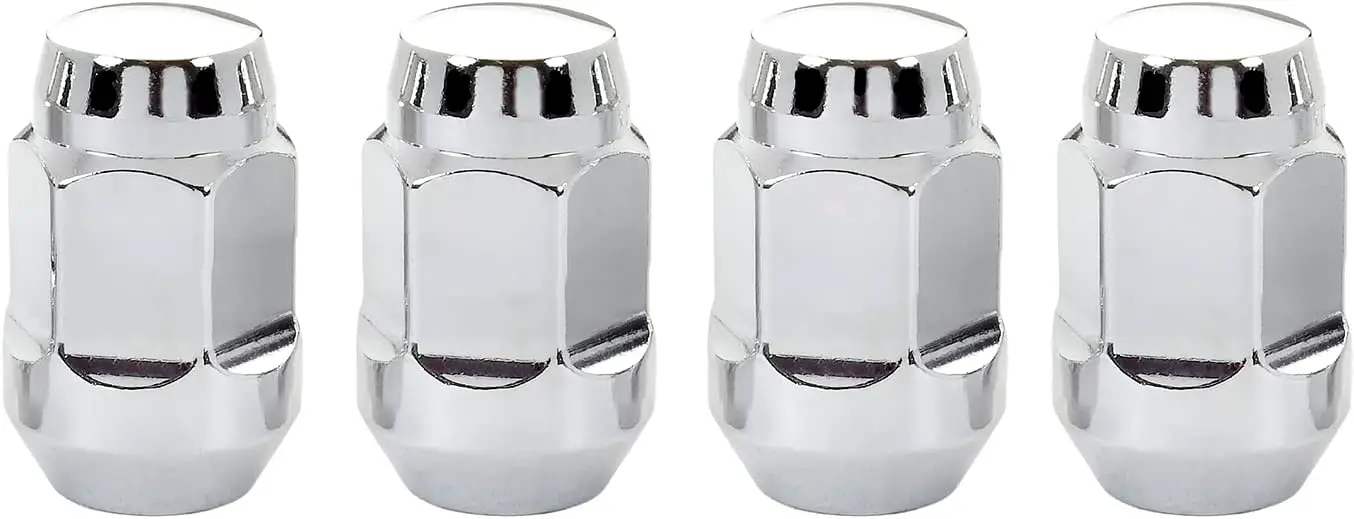
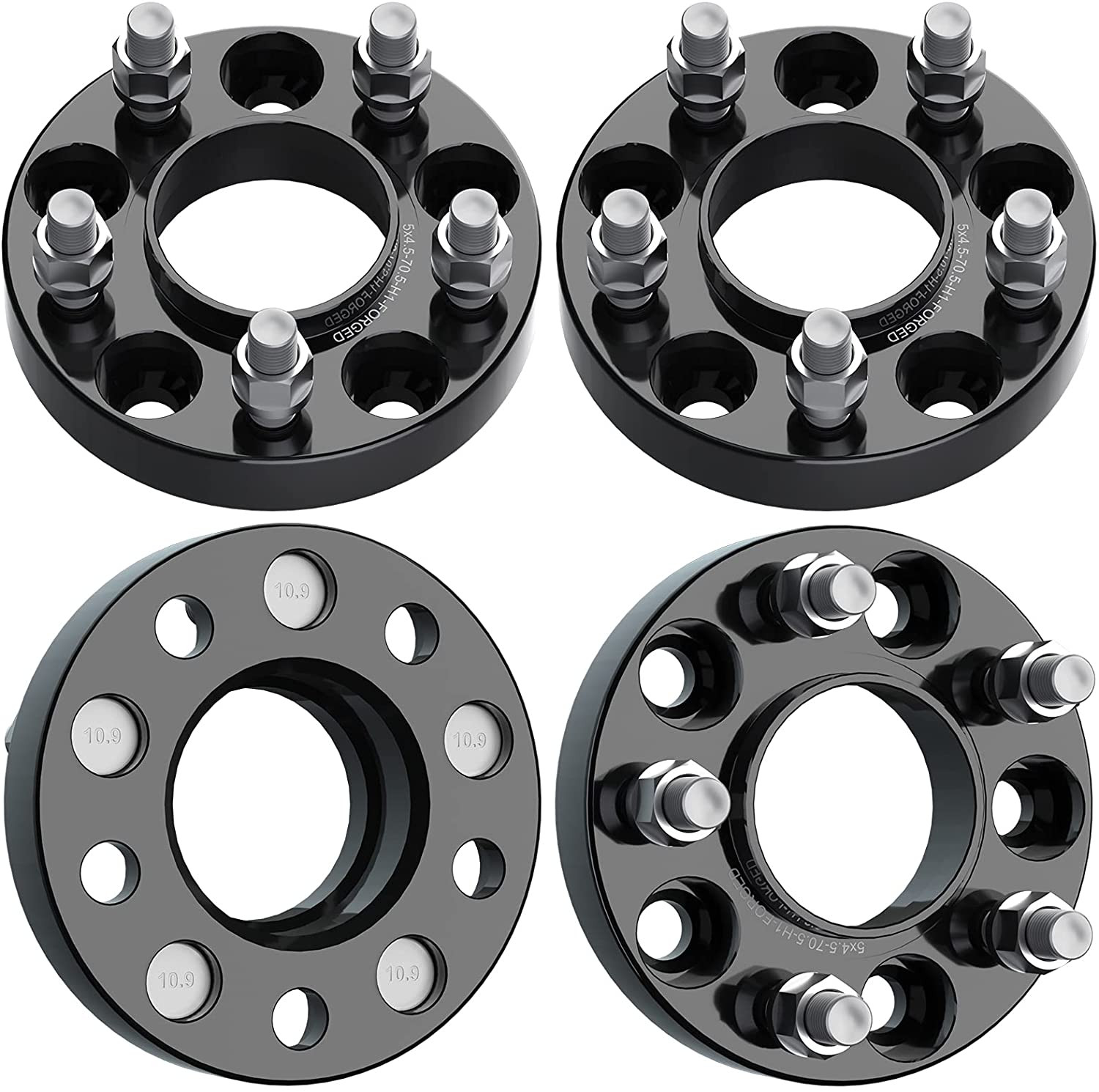
Confirm the following before purchasing wheels, tires, lug nuts, spacers, or adapters:
- Verify the vehicle’s exact year, trim, cab, drivetrain, and brake configuration.
- Confirm the 5x114.3 bolt pattern and measure the existing wheel if the vehicle has aftermarket parts.
- Check that the wheel’s center bore is compatible with the 70.6 mm hub. A larger bore may require correctly sized hub-centric rings. A smaller bore will not fit over the hub.
- Compare the proposed wheel width, offset, and backspacing with the installed wheel.
- Check inner clearance to brake calipers, tie-rod ends, steering components, struts, and suspension parts.
- Check outer clearance at the fender, liner, and mud flap through the full steering range and suspension travel.
- Confirm the tire load index and speed rating meet or exceed the vehicle and tire manufacturer requirements.
- Resolve the supplied 15-inch rim and R14 tire data discrepancy before ordering.
- Confirm the lug-nut seat type, thread engagement, stud condition, and wheel load rating.
- Have the final assembly balanced and obtain a professional alignment if steering or suspension parts are changed.
Plus Sizing And Common Upgrades
Plus sizing normally increases rim diameter while reducing tire sidewall height to maintain a similar overall tire diameter. It can improve steering response, but it may reduce ride comfort and increase the risk of wheel or tire damage from potholes.
There is not enough information here to specify a safe replacement tire size or a compatible upgrade wheel list for every 2003 Ford Ranger configuration. Enter the proposed wheel and tire dimensions into the calculator, then verify the result against the vehicle placard, Ford service information, tire manufacturer data, and the wheel manufacturer’s clearance guidance.
Do not select a tire solely because its section width appears close to 205 mm. Overall diameter, approved rim width, load capacity, clearance, and the correct rim diameter are all required. Never mount an R14 tire on a 15-inch wheel or an R15 tire on a 14-inch wheel.
Installation Tips
Inspect the hub face and wheel mounting surface. Remove rust, dirt, paint buildup, and debris that could prevent the wheel from sitting flush. Do not use excessive lubricant on wheel studs or lug threads unless the vehicle or fastener manufacturer specifically permits it, because lubrication changes clamping force.
Install the correct lug nuts by hand and tighten them in a star or crisscross pattern. Lower the vehicle enough to prevent the wheel from rotating, then torque the fasteners to the torque specification for the exact vehicle and wheel hardware. The required torque is not provided here, so confirm it through Ford service information, the owner’s manual, or the wheel manufacturer.
After installation, check for clearance with the steering fully left and right. If possible, check clearance while the suspension is loaded and after a short, cautious drive. Recheck lug-nut torque after the interval specified by the vehicle or wheel manufacturer.
Stop immediately if you notice vibration, rubbing, steering changes, loose fasteners, air loss, or contact marks. A spacer or adapter should only be used when it is correctly hub-centric, properly rated, compatible with the wheel and vehicle, and installed according to its manufacturer’s instructions.
Tools And Helpful Supplies
Useful equipment includes a calibrated torque wrench, a suitable socket, a tire-pressure gauge, a tread-depth gauge, a straightedge or measuring tool for wheel checks, and a jack and jack stands rated for the vehicle. Use jack stands on a solid, level surface and follow safe lifting points. Never work under a vehicle supported only by a jack.
View automotive torque wrenches on Amazon and view wheel lug-nut socket sets on Amazon.
FAQs
Does the 2003 Ford Ranger use a 5x114.3 bolt pattern?
Yes, the supplied fitment data lists a 5x114.3 bolt pattern with five studs. Confirm the pattern on the vehicle if it has replacement hubs or aftermarket wheels.
What is the center bore for this fitment?
The supplied center bore is 70.6 mm. A wheel with a smaller bore will not fit over the hub. A larger bore may require correctly sized hub-centric rings, depending on the wheel and application.
What wheel offset is listed?
The supplied wheel offset is ET12, which means 12 mm positive offset. Offset must be evaluated together with wheel width and backspacing because changing any of these can affect inner and outer clearance.
Can I use the listed R14 tire on the listed 15-inch rim?
No. An R14 tire is made for a 14-inch rim, while a 15-inch rim requires a tire with an R15 designation. The supplied data has a discrepancy, so verify the correct wheel and tire sizes before purchase or installation.
Will any 5x114.3 wheel fit a 2003 Ford Ranger?
No. Matching the bolt pattern is only one requirement. The wheel must also have a compatible center bore, offset, width, brake clearance, load rating, lug-nut seat, and safe tire compatibility.
How can I compare a donor wheel with my Ranger?
Enter the donor information under Wheels from and the Ranger information under Installed on. If the donor vehicle is not listed, use the custom wheel and tire fields to enter diameter, width, offset, section width, and aspect ratio. Then verify the calculator result with physical measurements and OEM or manufacturer documentation.
Does changing wheel diameter change the tire comparison?
Yes. The calculator updates the comparison tire diameter when rim diameter changes. Always confirm that the selected tire is approved for the proposed rim width and that the final assembly maintains adequate clearance and load capacity.
What thread size is listed for the wheel studs?
The supplied thread size is M12 x 1.75. Confirm the lug-nut thread, seat style, and required engagement before installing replacement wheels, because the wrong lug nuts can damage the studs or fail to secure the wheel correctly.