2010 Ford Ranger Wheel Interchange

OEM wheel and tire fitment specs for the 2010 Ford Ranger, including bolt pattern (PCD), center bore diameter, thread size, rim diameter, rim width, wheel offset, and backspacing.

2010 Ford Ranger Fitment Specs

Baseline mounting dimensions used for interchange decisions.

Bolt Pattern5x114.3, 6x139.7
Center Bore70.6 mm
Lug Thread1/2" - 20 UNF
OEM Wheel Sizes15" – 18"
OEM Widths6" – 7.5"
OEM Offset Range0 mm – 25 mm

Multiple OEM configurations exist for this vehicle. Fitment can vary by trim, brakes, and factory wheel package – confirm your exact setup before buying.

Wheels That Interchange With a 2010 Ford Ranger

Results are evaluated from bolt pattern, center bore direction, OEM width/offset envelope, and lug hardware – not bolt pattern alone.

Fits With Hub Rings

2009 Ford Ranger

Fits With Hub Rings
  • Bolt pattern5x114.3 · Match
  • Center bore93.1 → 70.6 mm
  • Wheel geometryCompatible with OEM envelope

Required part93.1 → 70.6 mm hub-centric rings

Required: 93.1 → 70.6 mm hub-centric rings. Geometry within known OEM envelope (approx. outer change -0.67 mm, inner change -5.68 mm vs mid OEM).

2011 Ford Ranger

Fits With Hub Rings
  • Bolt pattern5x114.3 · Match
  • Center bore93.1 → 70.6 mm
  • Wheel geometryCompatible with OEM envelope

Required part93.1 → 70.6 mm hub-centric rings

Required: 93.1 → 70.6 mm hub-centric rings. Geometry within known OEM envelope (approx. outer change -0.67 mm, inner change -5.68 mm vs mid OEM).

2008 Ford Ranger

Fits With Hub Rings
  • Bolt pattern5x114.3 · Match
  • Center bore93.1 → 70.6 mm
  • Wheel geometryCompatible with OEM envelope

Required part93.1 → 70.6 mm hub-centric rings

Required: 93.1 → 70.6 mm hub-centric rings. Geometry within known OEM envelope (approx. outer change -0.67 mm, inner change -5.68 mm vs mid OEM).

2007 Ford Ranger

Fits With Hub Rings
  • Bolt pattern5x114.3 · Match
  • Center bore93.1 → 70.6 mm
  • Wheel geometryCompatible with OEM envelope

Required part93.1 → 70.6 mm hub-centric rings

Required: 93.1 → 70.6 mm hub-centric rings. Geometry within known OEM envelope (approx. outer change -0.67 mm, inner change -5.68 mm vs mid OEM).

2006 Ford Ranger

Fits With Hub Rings
  • Bolt pattern5x114.3 · Match
  • Center bore93.1 → 70.6 mm
  • Wheel geometryCompatible with OEM envelope

Required part93.1 → 70.6 mm hub-centric rings

Required: 93.1 → 70.6 mm hub-centric rings. Geometry within known OEM envelope (approx. outer change -2.68 mm, inner change -3.68 mm vs mid OEM).

2005 Ford Ranger

Fits With Hub Rings
  • Bolt pattern5x114.3 · Match
  • Center bore93.1 → 70.6 mm
  • Wheel geometryCompatible with OEM envelope

Required part93.1 → 70.6 mm hub-centric rings

Required: 93.1 → 70.6 mm hub-centric rings. Geometry within known OEM envelope (approx. outer change -2.68 mm, inner change -3.68 mm vs mid OEM).

2004 Ford Ranger

Fits With Hub Rings
  • Bolt pattern5x114.3 · Match
  • Center bore93.1 → 70.6 mm
  • Wheel geometryCompatible with OEM envelope

Required part93.1 → 70.6 mm hub-centric rings

Required: 93.1 → 70.6 mm hub-centric rings. Geometry within known OEM envelope (approx. outer change -2.68 mm, inner change -3.68 mm vs mid OEM).

2003 Ford Ranger

Fits With Hub Rings
  • Bolt pattern5x114.3 · Match
  • Center bore93.1 → 70.6 mm
  • Wheel geometryCompatible with OEM envelope

Required part93.1 → 70.6 mm hub-centric rings

Required: 93.1 → 70.6 mm hub-centric rings. Geometry within known OEM envelope (approx. outer change -2.68 mm, inner change -3.68 mm vs mid OEM).

2002 Ford Ranger

Fits With Hub Rings
  • Bolt pattern5x114.3 · Match
  • Center bore93.1 → 70.6 mm
  • Wheel geometryCompatible with OEM envelope

Required part93.1 → 70.6 mm hub-centric rings

Required: 93.1 → 70.6 mm hub-centric rings. Geometry within known OEM envelope (approx. outer change -2.68 mm, inner change -3.68 mm vs mid OEM).

2001 Ford Ranger

Fits With Hub Rings
  • Bolt pattern5x114.3 · Match
  • Center bore93.1 → 70.6 mm
  • Wheel geometryCompatible with OEM envelope

Required part93.1 → 70.6 mm hub-centric rings

Required: 93.1 → 70.6 mm hub-centric rings. Geometry within known OEM envelope (approx. outer change -2.68 mm, inner change -3.68 mm vs mid OEM).

2000 Ford Ranger

Fits With Hub Rings
  • Bolt pattern5x114.3 · Match
  • Center bore93.1 → 70.6 mm
  • Wheel geometryCompatible with OEM envelope

Required part93.1 → 70.6 mm hub-centric rings

Required: 93.1 → 70.6 mm hub-centric rings. Geometry within known OEM envelope (approx. outer change -0.67 mm, inner change -5.68 mm vs mid OEM).

1999 Ford Ranger

Fits With Hub Rings
  • Bolt pattern5x114.3 · Match
  • Center bore93.1 → 70.6 mm
  • Wheel geometryCompatible with OEM envelope

Required part93.1 → 70.6 mm hub-centric rings

Required: 93.1 → 70.6 mm hub-centric rings. Geometry within known OEM envelope (approx. outer change -2.68 mm, inner change -3.68 mm vs mid OEM).

Fits With Spacer

2019 Ford Ranger

Fits With Spacer
  • Bolt pattern6x139.7 · 6x139.7
  • Center bore93.1 → 70.6 mm
  • Wheel geometryOutside OEM envelope
  • HardwareUse lug nuts for your vehicle

Potential requirementWheel spacer ≈ 37.03 mm

Hub-centric rings required: 93.1 → 70.6 mm mm. Wheel geometry also suggests a spacer of about 37.03 mm; verify clearance. Use lug nuts / bolts specified for your vehicle.

See matching wheel spacers →

2020 Ford Ranger

Fits With Spacer
  • Bolt pattern6x139.7 · 6x139.7
  • Center bore93.1 → 70.6 mm
  • Wheel geometryOutside OEM envelope
  • HardwareUse lug nuts for your vehicle

Potential requirementWheel spacer ≈ 24.33 mm

Hub-centric rings required: 93.1 → 70.6 mm mm. Wheel geometry also suggests a spacer of about 24.33 mm; verify clearance. Use lug nuts / bolts specified for your vehicle.

See matching wheel spacers →

2021 Ford Ranger

Fits With Spacer
  • Bolt pattern6x139.7 · 6x139.7
  • Center bore93.1 → 70.6 mm
  • Wheel geometryOutside OEM envelope
  • HardwareUse lug nuts for your vehicle

Potential requirementWheel spacer ≈ 30.68 mm

Hub-centric rings required: 93.1 → 70.6 mm mm. Wheel geometry also suggests a spacer of about 30.68 mm; verify clearance. Use lug nuts / bolts specified for your vehicle.

See matching wheel spacers →

2021 Ford Bronco

Fits With Spacer
  • Bolt pattern6x139.7 · 6x139.7
  • Center bore93.1 → 70.6 mm
  • Wheel geometryOutside OEM envelope
  • HardwareUse lug nuts for your vehicle

Potential requirementWheel spacer ≈ 39.33 mm

Hub-centric rings required: 93.1 → 70.6 mm mm. Wheel geometry also suggests a spacer of about 39.33 mm; verify clearance. Use lug nuts / bolts specified for your vehicle.

See matching wheel spacers →

2022 Ford Bronco

Fits With Spacer
  • Bolt pattern6x139.7 · 6x139.7
  • Center bore93.1 → 70.6 mm
  • Wheel geometryOutside OEM envelope
  • HardwareUse lug nuts for your vehicle

Potential requirementWheel spacer ≈ 39.33 mm

Hub-centric rings required: 93.1 → 70.6 mm mm. Wheel geometry also suggests a spacer of about 39.33 mm; verify clearance. Use lug nuts / bolts specified for your vehicle.

See matching wheel spacers →

Showing 17 of 19 evaluated donors. Same-model years are prioritized.

Ford Ranger Years With Compatible Wheels

Only years with evidence-based interchange relationships are listed. Adjacent years are not assumed compatible.

Will Wheels From Another Vehicle Fit?

Compare a donor vehicle or custom wheel against this 2010 Ford Ranger.

Compare

Compare wheel compatibility between two vehicles

Wheels from (donor vehicle)

Installed on (your vehicle)

Selected Car:

2010 Ford Ranger

Compare Rims

Specification
Wheels from
Installed on
Result (Click it)
Bolt Pattern
Bolt Pattern
The total number of bolt holes and the diameter of the circle they form.
-
5x114.3
Center Bore
Center Bore
The hole in the center of the wheel that fits over the vehicle’s hub.
-
70.6 mm
Thread Size
Thread Size
The size and spacing of the threads on the bolts or nuts that hold the wheel in place.
-
1/2" - 20 UNF
Rim Diameter
Rim Diameter
The wheel diameter in inches that determines which tire sizes will fit.
-
15"
Rim Width
Rim Width
The distance between the inner edges of the wheel is measured in inches.
-
6.0"
Wheel Offset
Wheel Offset
How far the wheel sits inward or outward relative to the hub mounting surface.
-
12 mm
Backspacing
Backspacing
Shows how much space the wheel takes up toward the inside of the vehicle.
-
-
Wheel Fasteners
Wheel Fasteners
The type of hardware used to secure the wheel to the vehicle.
-
-

Wheel Fitment Parts for the 2010 Ford Ranger

Products below are matched to required fitment dimensions from our parts inventory. Confirm seat style, thickness, and clearance before ordering.

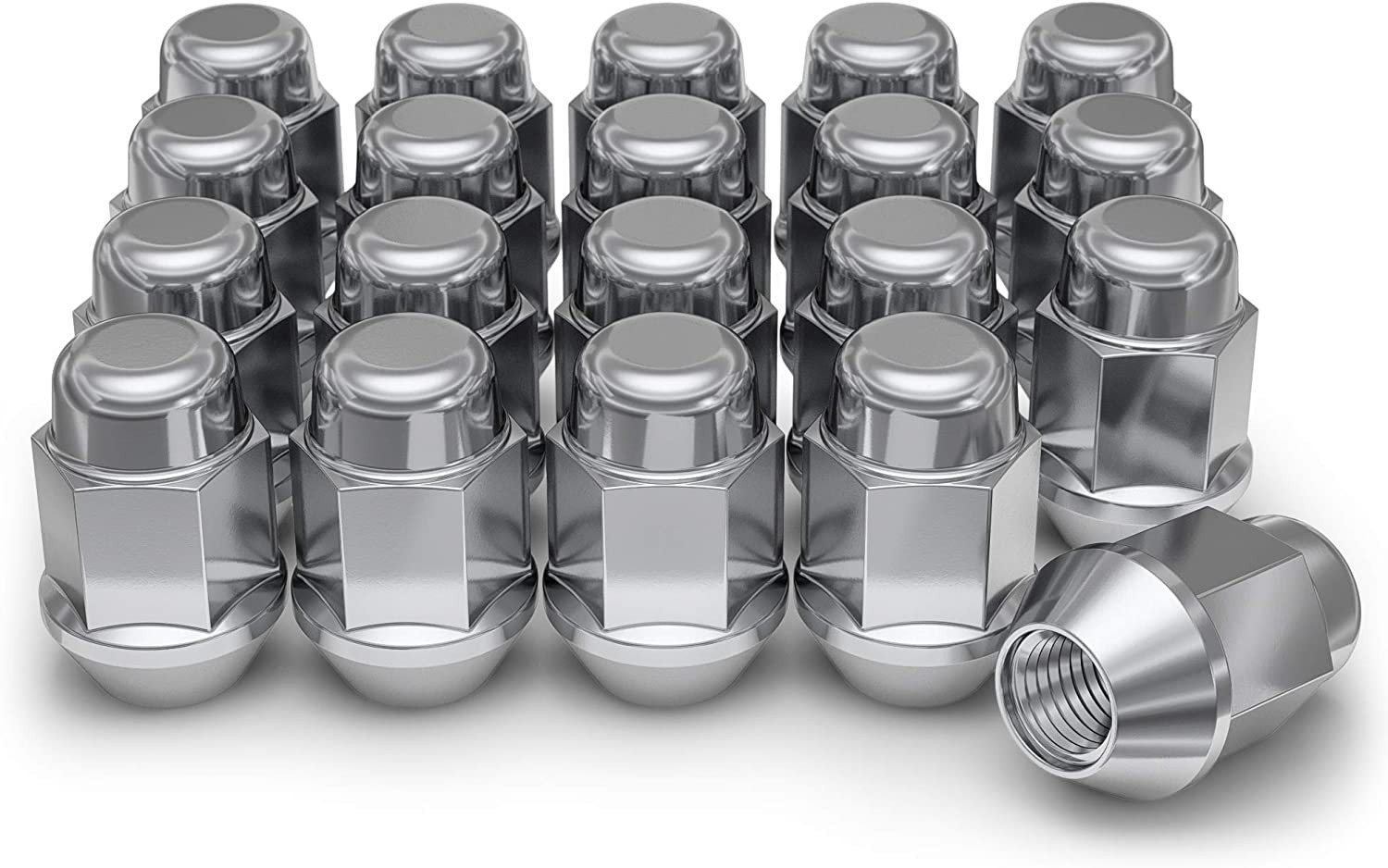
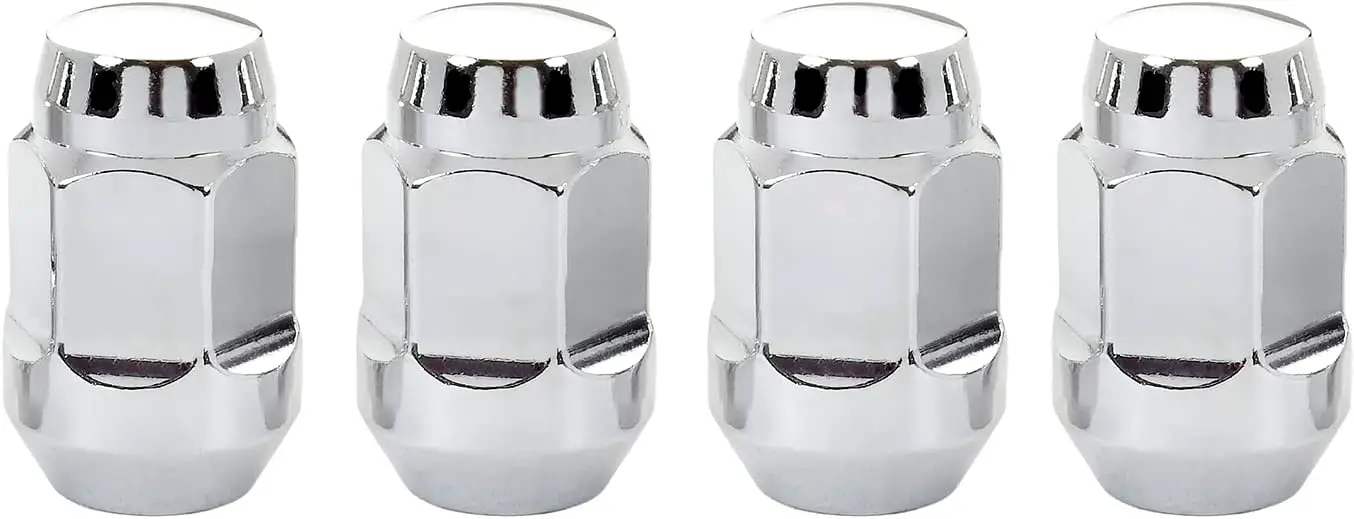
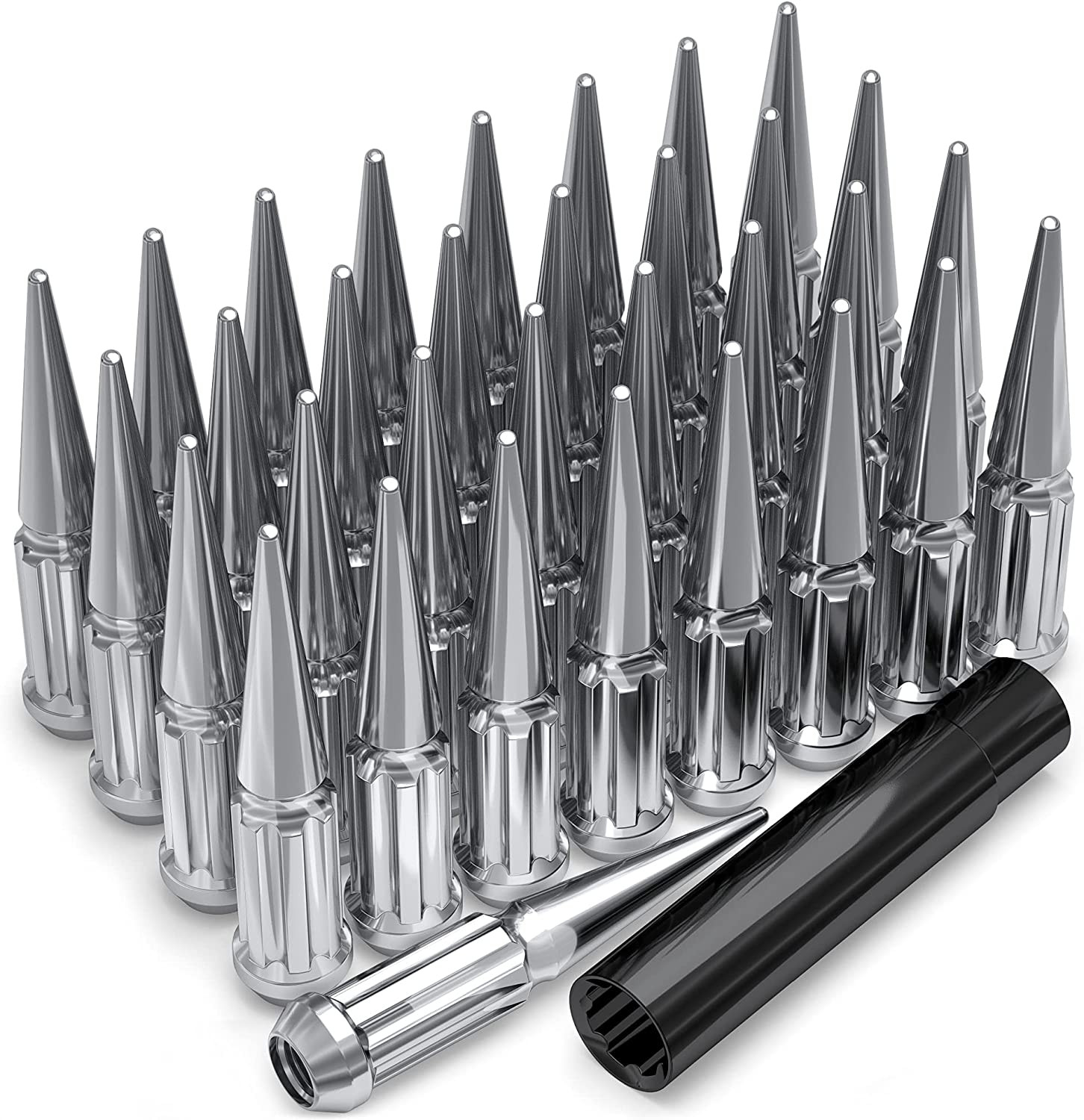
Lug Nuts / Wheel Bolts

1/2" - 20 UNF

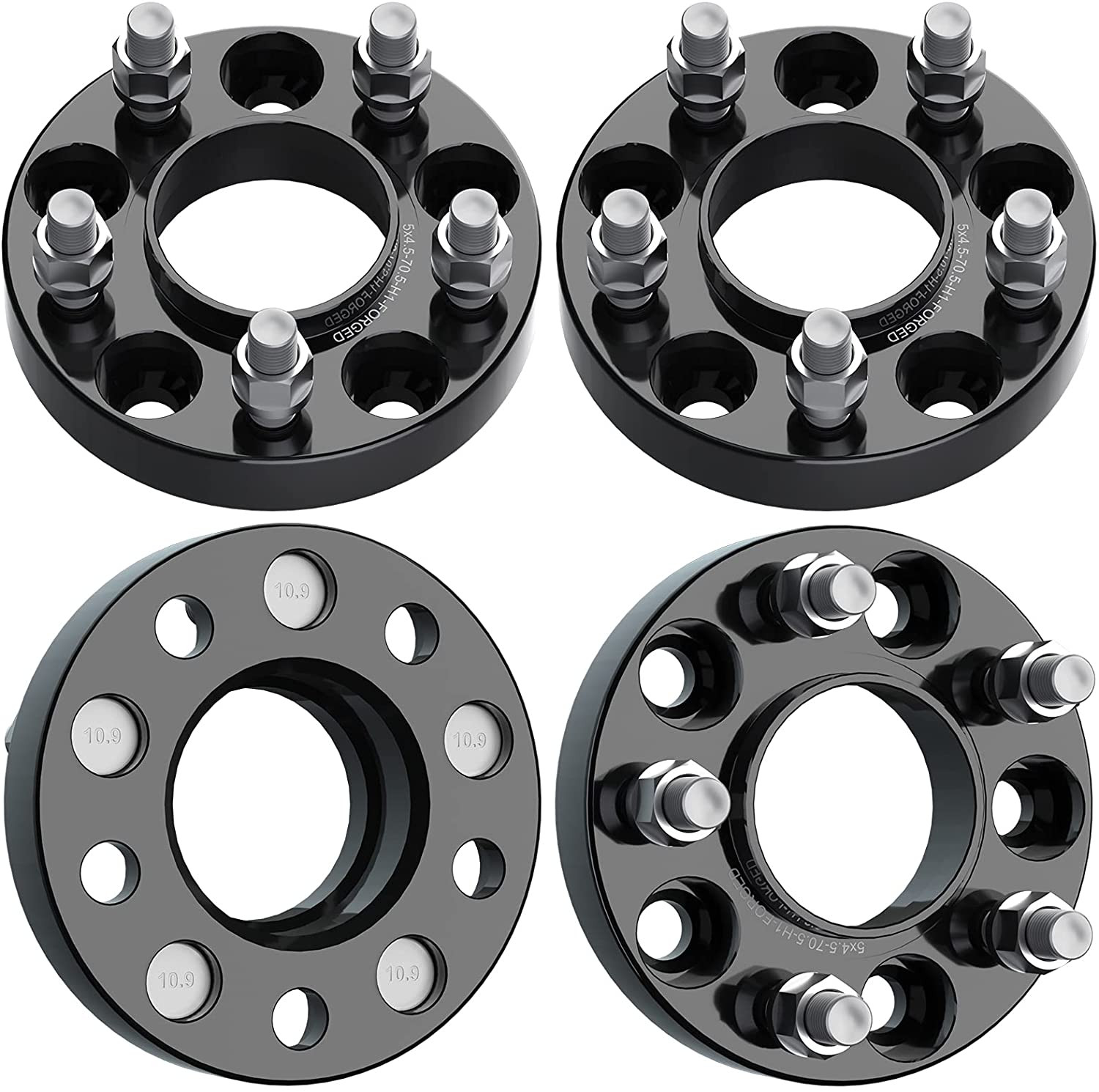
Wheel Spacers

5x114.3 · 70.6 mm hub

Wheel Adapters

5x114.3 · 70.6 mm hub

Directional bolt-pattern adapters. A spacer does not change PCD.

As an Amazon Associate we earn from qualifying purchases. Product availability and pricing may change.

Why These Wheels Fit

Wheel interchange depends on more than bolt pattern. Where data is available, this site compares:

  • Bolt pattern / PCD
  • Center bore direction (donor wheel bore must not be smaller than the hub)
  • Wheel diameter, width, and offset against known OEM ranges
  • Lug thread / hardware differences (vehicle-side hardware)

A normal wheel spacer does not change bolt pattern. Hub rings cannot enlarge a wheel bore that is smaller than the hub. Brake clearance and tire package fitment still require vehicle-specific checks when not confirmed in the dataset.

2010 Ford Ranger Wheel Fitment and Interchange Guide

Known OEM Fitment For 2010 Ford Ranger

The following specifications are the known OEM fitment data available for the 2010 Ford Ranger. Fitment can vary by trim, drivetrain, market, wheel package, and replacement wheel design, so confirm the vehicle information on the door-jamb label and in the owner or service manual before purchasing.

Specification Known value
Bolt pattern 6x139.7, meaning 6 studs on a 139.7 mm pitch circle diameter
Center bore 70.6 mm
Thread size M12 x 1.75
Rim diameter 15 inches
Rim width 6.0 inches
Wheel offset ET 12 mm
Backspacing 3.47 inches
Known tire size 225/70R15

These dimensions identify important mounting and clearance requirements, but they do not confirm that every 6x139.7 wheel will fit. Brake clearance, wheel spoke shape, hub contact, load rating, tire clearance, and fastener compatibility must also be checked.

How To Use The Wheel Interchange Calculator

Use the calculator to compare a donor vehicle wheel with the 2010 Ford Ranger as the installed vehicle. A matching bolt pattern alone is not enough to approve a wheel interchange.

  1. Select or enter the donor vehicle under “Wheels from.”
  2. Select the 2010 Ford Ranger under “Installed on.”
  3. Compare the donor wheel diameter, width, offset, bolt pattern, and center bore with the known Ranger values above.
  4. Use “Custom wheel size” when the donor wheel is not listed or when you want to test a different rim diameter, width, or offset.
  5. Use “Custom tire size” to compare section width and aspect ratio changes.
  6. Review the calculator’s diameter and clearance comparison before making a purchase. Changing rim diameter also updates the tire diameter in the comparison.
  7. Confirm the result against the wheel manufacturer’s application guide and OEM information before installation.

The calculator is a comparison tool, not a substitute for a physical test fit. It cannot confirm every spoke, brake, suspension, fender, or tire-chain clearance issue.

Fitment Checklist Before You Buy

  • Confirm the wheel has a 6x139.7 bolt pattern.
  • Compare the wheel center bore with the 70.6 mm vehicle hub. A smaller bore will not fit over the hub. A larger bore may require correctly sized hub-centric rings where appropriate.
  • Compare diameter, width, offset, and backspacing with the intended setup.
  • Check the wheel’s load rating against the vehicle and its intended use.
  • Verify that the wheel’s lug-seat type matches the required lug nuts. Do not assume the original lug nuts fit an aftermarket wheel.
  • Check brake-caliper and suspension clearance with the actual wheel design, not only its listed dimensions.
  • Confirm tire load index, speed rating, size, and approved rim width using the tire manufacturer’s data.
  • Inspect used wheels for cracks, bends, corrosion around the bead seat, damaged stud holes, and previous repairs.
  • Confirm the door-jamb tire label and owner’s manual for the correct cold inflation pressure and vehicle-specific tire information.

Plus Sizing And Common Upgrades

Plus sizing means fitting a larger wheel diameter with a lower-profile tire while attempting to keep the overall tire diameter close to the original. It can change ride comfort, steering response, wheel damage risk, speedometer behavior, and available clearance.

The known tire reference here is 225/70R15. Its calculated nominal outside diameter is approximately 27.4 inches, but actual dimensions vary by tire brand, tread design, inflation pressure, and approved rim width. Use the calculator to compare any proposed tire size rather than relying on diameter alone.

Increasing wheel width or changing offset can move the inner sidewall closer to suspension components or move the outer sidewall closer to the fender. A smaller positive offset generally places more of the wheel outward, while a larger positive offset generally places more of it inward. Always confirm the result with the calculator and a physical clearance check.

Do not select a tire solely because its diameter matches. The tire must also be approved for the wheel width, carry the required load, clear the vehicle at full steering lock and suspension travel, and maintain safe inflation and handling characteristics.

Installation Tips

  • Install wheels on clean, dry hub and wheel mounting faces. Remove loose rust and debris without removing hub material.
  • Do not use spacers, adapters, or hub-centric rings unless they are correctly designed for the vehicle, wheel, and intended load.
  • Install the correct lug nuts by hand first to avoid cross-threading. The M12 x 1.75 thread specification does not by itself identify the correct lug-seat shape.
  • Snug the lug nuts in a star or crisscross pattern, then tighten them with a calibrated torque wrench to the vehicle or wheel manufacturer’s specified torque. The correct torque value is not provided here, so confirm it in an OEM or manufacturer source.
  • After lowering the vehicle, recheck torque in the specified sequence.
  • Rotate the steering fully left and right and inspect tire clearance. Also check clearance with the suspension loaded and after a short, careful test drive.
  • Recheck lug-nut torque after the interval specified by the wheel manufacturer or installer, especially after installing replacement or aftermarket wheels.
  • Set cold tire pressure according to the vehicle information label unless a qualified tire professional determines that a different approved setup requires otherwise.

Tools And Helpful Supplies

A basic wheel installation may require a vehicle-rated jack and jack stands, a breaker bar, the correct lug socket, a calibrated torque wrench, wheel chocks, a tire pressure gauge, and a tread or clearance inspection tool. Use equipment rated for the vehicle and follow safe lifting points from the owner’s or service manual.

For hub-centric applications, use only rings that match the vehicle hub and wheel center bore exactly. For lug nuts, verify thread size, seat style, shank or washer requirements, and the wheel manufacturer’s instructions before ordering.

FAQs

What is the bolt pattern for the 2010 Ford Ranger?

The known bolt pattern is 6x139.7. The wheel must match both the six-stud layout and the 139.7 mm pitch circle diameter.

What is the center bore for the 2010 Ford Ranger?

The known center bore is 70.6 mm. A wheel with a smaller center bore will not fit over the hub. A larger bore may need an appropriate hub-centric solution, subject to wheel and installer guidance.

What is the known original wheel and tire specification?

The known reference is a 15 x 6.0 inch wheel with ET 12 mm offset and 3.47 inch backspacing, paired with a 225/70R15 tire. Confirm your specific truck’s label and OEM documentation because the available data may not cover every trim or wheel package.

Can any 6x139.7 wheel fit this Ranger?

No. Bolt pattern is only one requirement. Center bore, offset, backspacing, brake clearance, spoke clearance, wheel load rating, lug-seat design, and tire clearance must also be checked.

Can I use wheels with a different offset?

A different offset may be possible, but it changes the wheel’s inner and outer position. Use the calculator to compare the custom offset, then verify brake, suspension, fender, and tire clearance on the vehicle.

Can I install a larger wheel diameter?

A larger diameter can be evaluated with the custom wheel and tire fields. The calculator updates tire diameter when rim diameter changes, but you must still verify tire load capacity, approved rim width, overall clearance, ride height, and speedometer effects.

Do I need hub-centric rings?

Only if the wheel center bore is larger than the vehicle hub and the wheel manufacturer or qualified installer approves their use. A wheel with a center bore smaller than 70.6 mm will not fit without machining, which should not be assumed or performed without expert evaluation.

What lug nuts should I use?

The known thread specification is M12 x 1.75, but thread size does not determine lug-seat style. Match the lug nuts to the wheel’s seat design and follow the wheel manufacturer’s instructions. Verify the required torque with an OEM or manufacturer source.

Where can I confirm the final fitment?

Confirm the vehicle’s tire and wheel information on the door-jamb label, in the owner’s or service manual, and through the wheel and tire manufacturers. Use the calculator for comparison, then perform a careful physical test fit before driving normally.


Nick Marchenko

Automotive Expert