2007 Ford Ranger Wheel Fitment Guide
Known OEM Fitment For 2007 Ford Ranger
The following specifications are the available OEM reference values for the 2007 Ford Ranger on this page. Fitment can vary by trim, drivetrain, package, market, or replacement wheel, so confirm the vehicle-specific information before ordering.
| Specification |
Known value |
| Bolt pattern |
6x139.7, also written as 6x5.5 inches |
| Center bore |
70.6 mm |
| Thread size |
M12 x 1.75 |
| Rim diameter |
15 inches |
| Rim width |
6.0 inches |
| Wheel offset |
ET12, or 12 mm |
| Backspacing |
3.47 inches |
| Reference tire size |
225/70R15 |
| Tire section width |
225 mm |
| Tire aspect ratio |
70 percent |
These values describe the supplied reference fitment and do not by themselves confirm that every 15-inch wheel or every wheel from another vehicle will clear the brake components, suspension, steering parts, or bodywork. Verify the original equipment label, wheel markings, owner documentation, and VIN-specific information when available.
How To Use The Wheel Interchange Calculator
Use the calculator to compare a donor vehicle wheel with the wheel you intend to install on your 2007 Ford Ranger. It is a comparison aid, not a substitute for a physical clearance check or confirmation from a qualified technician.
- Enter the donor vehicle under “Wheels from” and enter the 2007 Ford Ranger under “Installed on your vehicle.”
- Review the donor wheel diameter, width, offset, bolt pattern, and center bore when those values are available.
- Use “Custom wheel size” to test a wheel diameter, width, or offset that is not represented by a donor vehicle.
- Use “Custom tire size” to compare tire section width and aspect ratio.
- Compare the calculated changes in wheel position, tire diameter, and overall tire size before buying.
- Remember that changing rim diameter updates the tire diameter in the comparison. A larger wheel does not automatically mean the vehicle will accept the resulting tire and wheel combination.
If a calculator value is missing or differs from the values on your vehicle, confirm it from the wheel casting or stamped markings, the tire sidewall, the driver-door certification label, an OEM service source, or a Ford dealer. Do not rely on a listing that does not clearly identify the wheel specifications.
Fitment Checklist Before You Buy
- Confirm the six-lug 6x139.7 bolt pattern.
- Check that the wheel's center bore is compatible with the Ranger's 70.6 mm hub. A larger bore may require correctly sized hub-centric rings, while a smaller bore will not fit over the hub.
- Confirm the wheel offset and backspacing. Offset changes can affect inner suspension clearance, outer fender clearance, steering feel, and tire rubbing.
- Confirm that the wheel diameter clears the brake caliper and other brake hardware. This must be checked physically because diameter alone does not prove brake clearance.
- Check the wheel's load rating against the vehicle's axle and tire requirements. The available information does not provide a replacement-wheel load rating.
- Verify the replacement tire's load index, speed rating, construction, and approved rim-width range.
- Check the tire sidewall for age, damage, uneven wear, and correct sizing before installation.
- Test-fit one wheel and tire on each relevant axle position before mounting the full set, especially when using a different width or offset.
- After installation, turn the steering from lock to lock and inspect for contact with the control arms, liner, frame, brake parts, and other components.
Plus Sizing And Common Upgrades
Plus sizing usually keeps a similar overall tire diameter while increasing wheel diameter and reducing tire sidewall height. The supplied reference tire is 225/70R15, but no specific larger wheel, tire, trim, or upgrade combination has been provided as confirmed compatible for this vehicle.
To evaluate a possible upgrade, enter the proposed rim diameter, rim width, and offset in the custom wheel fields. Then enter the proposed tire section width and aspect ratio in the custom tire fields. Compare the resulting tire diameter with the reference size and inspect the calculated wheel-position changes.
A wider tire or a wheel with a different offset can create rubbing even when the bolt pattern matches. A substantially different tire diameter can also affect speedometer readings, gearing, clearance, and vehicle systems. Maintain the tire load capacity required for the vehicle, and confirm the final combination with an OEM source, tire manufacturer data, and a hands-on clearance check.
Installation Tips
- Clean rust, dirt, and paint from the hub mounting face and the back of the wheel before installation.
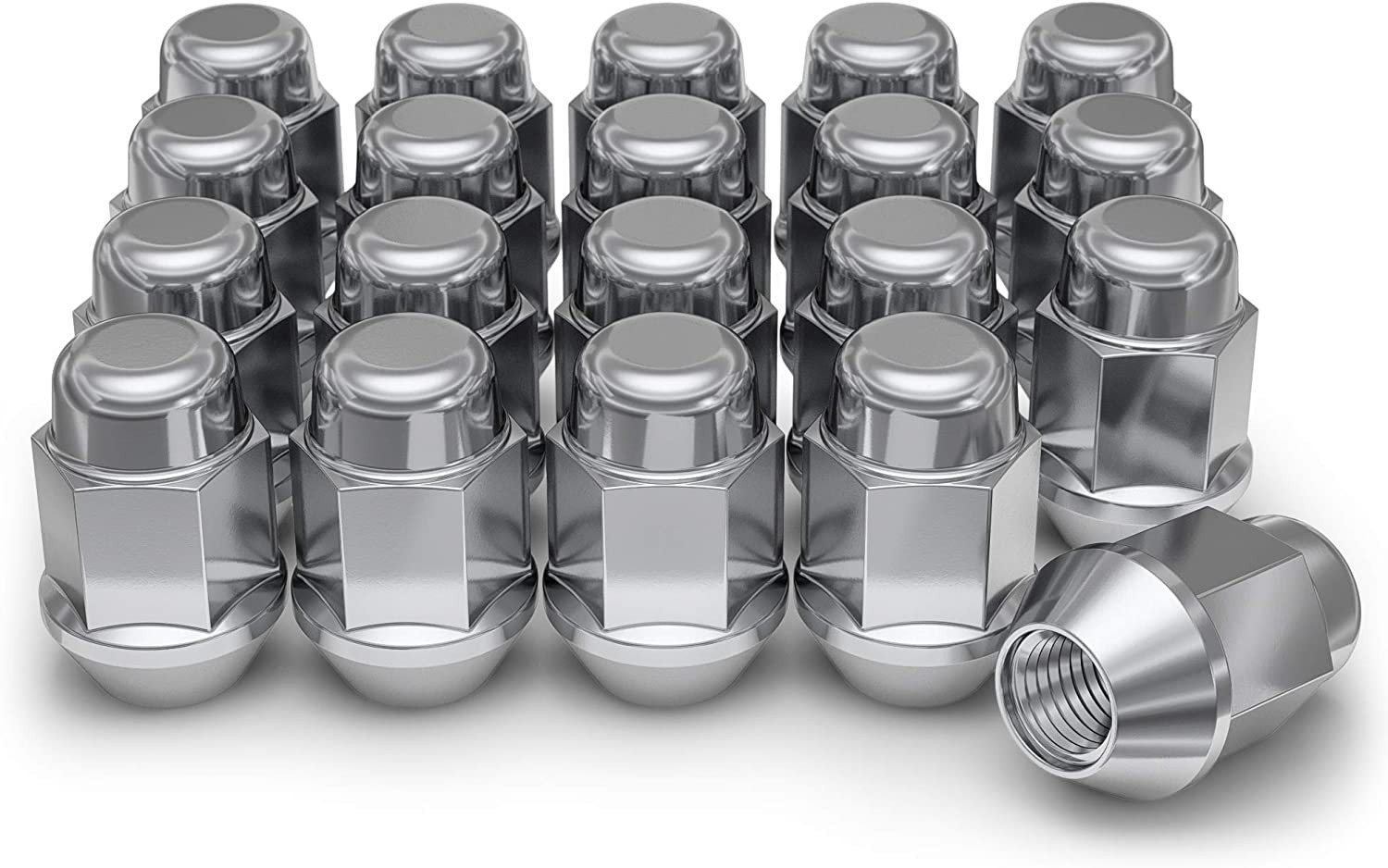
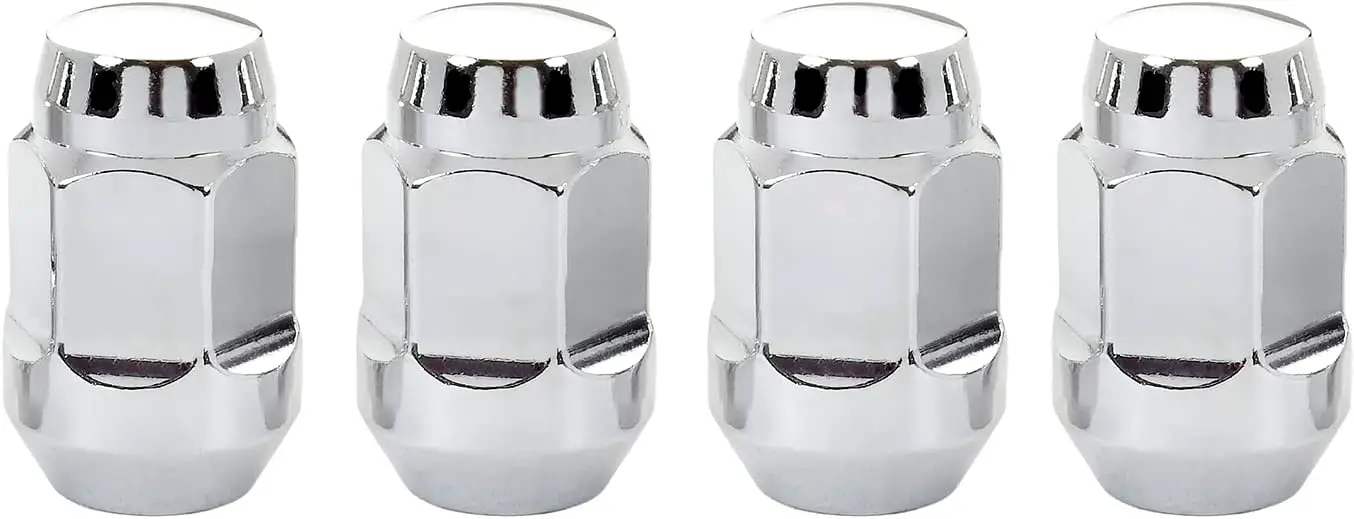
- Use the correct lug nuts for the replacement wheel's seat type and thread engagement. The known vehicle thread size is M12 x 1.75, but lug-nut seat style and required torque depend on the wheel and vehicle specifications.
- Start all lug nuts by hand to prevent cross-threading. Do not use an impact tool to force a lug nut onto damaged or mismatched threads.
- Seat the wheel evenly and tighten the lugs in a star or crisscross pattern.
- Use a calibrated torque wrench and the torque specification from the vehicle or wheel manufacturer. Do not guess the final torque value.
- Check that the wheel rotates freely and that there is clearance at the brakes, suspension, steering, and bodywork.
- Set tire pressure according to the vehicle's door placard unless a qualified tire professional determines that a different pressure is required for the approved tire.
- Recheck lug tightness after the first short drive and again after the interval specified by the wheel manufacturer or service documentation.
Tools And Helpful Supplies
Useful equipment includes a calibrated torque wrench, socket set, breaker bar, jack and properly rated jack stands, wheel chocks, a tire-pressure gauge, and a flashlight. A hub-cleaning brush and a straightedge or clearance gauge can also help during inspection.
Always use lifting equipment on a firm, level surface and support the vehicle at the manufacturer-approved lift points. Never work beneath a vehicle supported only by a jack.
FAQs
What is the bolt pattern for the 2007 Ford Ranger?
The supplied OEM reference is 6x139.7, meaning six studs on a 139.7 mm pitch circle diameter. This is also commonly written as 6x5.5 inches.
What is the center bore for the 2007 Ford Ranger?
The supplied center-bore value is 70.6 mm. Confirm the replacement wheel's bore before ordering. A smaller bore cannot pass over the hub, and a larger bore may need an appropriately sized hub-centric ring if required by the wheel application.
What is the original reference tire size?
The supplied reference tire size is 225/70R15, with a 225 mm section width, 70 percent aspect ratio, and 15-inch rim diameter. Tire size can vary by trim or configuration, so compare this information with the tire sidewall and driver-door label on the vehicle.
What wheel offset is listed for this Ranger?
The supplied reference offset is ET12, or 12 mm, with a listed backspacing of 3.47 inches. Offset and backspacing should be checked together because changing either can move the wheel closer to suspension parts or farther toward the fender.
Can any 6x139.7 wheel fit this vehicle?
No. Matching the bolt pattern is only one part of fitment. The wheel must also have suitable center-bore compatibility, offset, width, brake clearance, load rating, lug-nut compatibility, and tire clearance. Use the calculator for an initial comparison and physically test-fit the final combination.
Can I install a larger wheel on a 2007 Ford Ranger?
A larger wheel may be possible, but no specific larger-wheel combination is confirmed by the supplied data. Use the custom wheel and tire fields to compare the proposed dimensions, then verify brake clearance, tire diameter, load capacity, steering clearance, and fender clearance before purchase.
What lug-nut thread size should I look for?
The supplied thread size is M12 x 1.75. The correct lug nuts must also match the replacement wheel's seat design and provide proper thread engagement. Confirm the final lug-nut specification with the wheel manufacturer and vehicle service information.
Where can I confirm fitment if the calculator and listing disagree?
Check the wheel markings, tire sidewall, driver-door certification label, owner documentation, Ford service information, and a Ford dealer or qualified tire professional. If the vehicle has non-original suspension, brake, or body modifications, use the actual vehicle measurements rather than assuming the listed OEM reference applies unchanged.