2017 GMC Canyon Wheel Fitment Guide
Known OEM Fitment For 2017 GMC Canyon
The following specifications are the known fitment data supplied for the 2017 GMC Canyon. Equipment can vary by trim, drivetrain, wheel package, and market, so confirm the measurements on the vehicle and in GMC service documentation before purchasing wheels or tires.
| Specification |
Known value |
Important note |
| Bolt pattern |
6x120 |
Six studs on a 120 mm pitch circle diameter |
| Center bore |
66.9 mm |
Confirm the wheel bore is suitable for the vehicle hub; hub-centric fit may require correct hub rings when applicable |
| Thread size |
M12 x 1.5 |
Verify lug nut type, seat, and engagement before installation |
| Rim diameter |
17 in |
This is the supplied wheel diameter value |
| Rim width |
8.0 in |
Confirm the wheel stamp and the tire manufacturer's approved width range |
| Wheel offset |
ET33 |
Offset changes inner and outer clearance |
| Backspacing |
5.3 in |
Verify this measurement because backspacing and offset may be reported using different wheel widths or references |
| Tire section width |
265 mm |
Actual section width varies by tire model and approved measuring rim |
| Tire aspect ratio |
70% |
Shown as the second number in a tire size, such as 265/70R16 |
| Tire rim diameter |
16 in |
This supplied tire diameter value does not match the supplied 17-inch rim value. Verify the complete tire and wheel size on the vehicle before ordering |
The supplied data includes both a 17-inch rim diameter and a tire rim diameter of 16 inches. These may represent different wheel packages or incomplete records. Do not assume that 265/70R16 is the original tire size for a 17-inch wheel. Read the tire sidewall, inspect the wheel stamp, and compare the vehicle identification number-specific information in the owner's manual or GMC service documentation.
How To Use The Wheel Interchange Calculator
Use the calculator to compare a donor vehicle's wheel with the wheel you plan to install on your 2017 GMC Canyon. Enter the donor vehicle information under “Wheels from” and the Canyon information under “Installed on.” Review bolt pattern, center bore, wheel width, diameter, offset, and tire dimensions together rather than relying on one matching measurement.
When the donor vehicle is not listed or you are testing an aftermarket setup, select the custom wheel size fields. Enter rim diameter, rim width, and offset, then enter the custom tire section width and aspect ratio. Changing rim diameter updates the tire diameter in the comparison, so recheck overall diameter and clearance after every change.
The calculator is a screening tool, not a substitute for a physical test fit or OEM confirmation. It cannot verify brake-caliper clearance, suspension clearance under compression, fender clearance at steering lock, lug seat compatibility, load rating, or whether a tire is approved for a particular wheel width.
Fitment Checklist Before You Buy
Start by confirming the vehicle's exact trim and drivetrain. Then compare the wheel's stamped specifications with the known 6x120 bolt pattern, 66.9 mm center bore, M12 x 1.5 thread requirement, and the applicable original wheel package. A wheel that matches the bolt pattern can still be unsafe or unusable if its bore, offset, load rating, lug seat, or brake clearance is wrong.
- Confirm bolt pattern, center bore, wheel diameter, width, and offset from the wheel manufacturer or wheel markings.
- Verify tire size, load index, speed rating, and approved rim-width range from the tire manufacturer.
- Check inner clearance to brake calipers, struts, control arms, and other suspension components.
- Check outer clearance to the fender, liner, and mud flap with the steering at full lock and the suspension loaded.
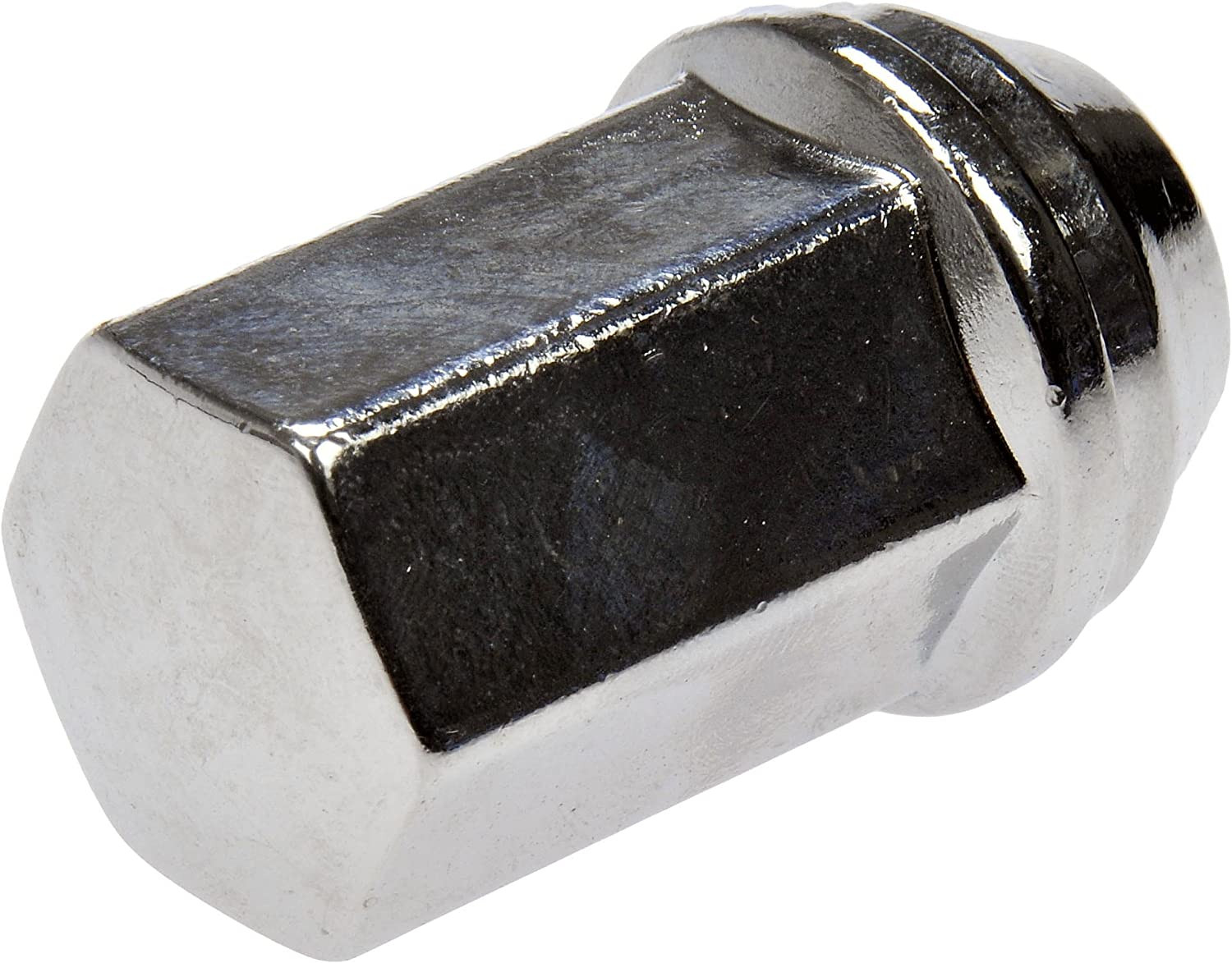
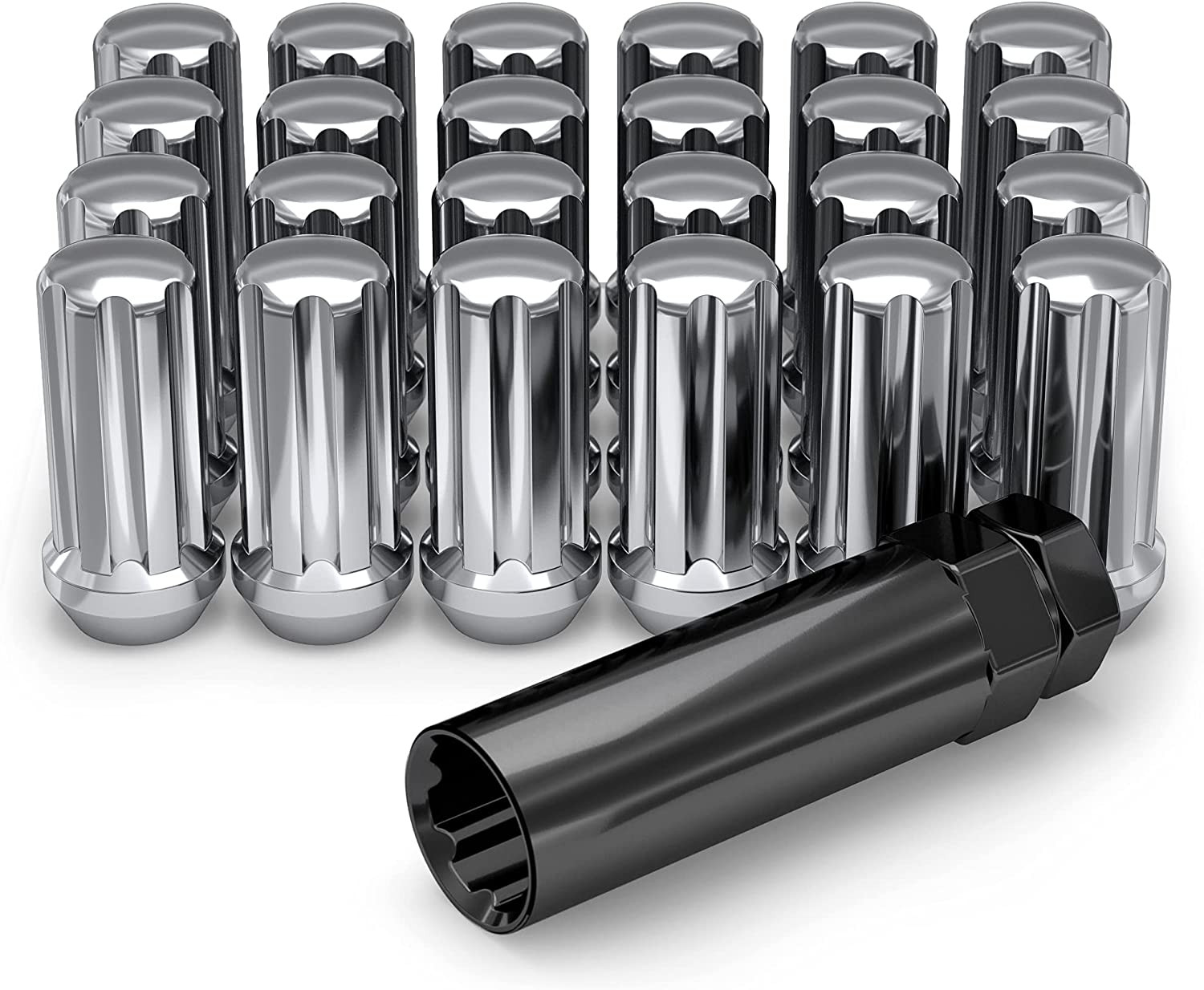
- Confirm that the lug nuts match the wheel's seat type and provide adequate thread engagement with the vehicle's M12 x 1.5 studs.
- Use the calculator to compare overall diameter and sidewall changes, then confirm uncertain values with GMC documentation or a qualified tire and wheel shop.
Plus Sizing And Common Upgrades
Plus sizing means using a larger wheel diameter with a lower-profile tire while maintaining a similar overall tire diameter. It can change steering response, ride comfort, wheel protection, road noise, speedometer behavior, and the risk of rim damage. A larger wheel is not automatically a better upgrade.
No specific alternate wheel or tire sizes are confirmed here. Use the calculator to model a proposed custom diameter, width, offset, section width, and aspect ratio, but do not treat the result as approval. The supplied 16-inch tire rim diameter and 17-inch rim diameter should be resolved against the actual vehicle and trim before comparing any upgrade.
Keep the replacement tire's load capacity at or above the vehicle requirement, and confirm the replacement wheel's load rating with its manufacturer. If overall diameter changes, verify clearance and speedometer implications using the calculator and OEM or tire-maker guidance.
Installation Tips
Inspect every wheel for cracks, bends, corrosion, damaged threads, and incorrect hardware before installation. Clean the hub mounting face and the wheel's mating surface without removing material. Do not use spacers, adapters, or hub rings unless their specifications, load capacity, and installation requirements are verified for the exact vehicle and wheel.
Install the wheels with the correct lug nuts by hand first. Tighten in a star pattern, lower the vehicle until the tire is just touching the ground, and torque the fasteners to the vehicle manufacturer's specified value. The correct torque value is not provided here and must be obtained from the owner's manual or GMC service information.
After installation, check that the wheel rotates freely, the steering reaches both lock positions without contact, and no brake or suspension component touches the wheel. Recheck lug torque after the manufacturer's recommended driving interval and inspect for rubbing or vibration. Stop driving if a wheel contacts a component, loses pressure, or develops unusual vibration.
Tools And Helpful Supplies
A torque wrench, suitable socket, jack, jack stands, wheel chocks, tire-pressure gauge, and a tread or clearance inspection tool can help with a careful installation. Always support the vehicle with properly rated jack stands on approved lift points. A torque wrench is available through Amazon search results.
For measuring a loose wheel, use a reliable caliper or a dedicated wheel backspacing and offset measuring tool. Do not rely on appearance to estimate offset or center bore. A wheel measurement tool can be found through Amazon search results.
FAQs
What is the known bolt pattern for the 2017 GMC Canyon?
The supplied fitment data lists a 6x120 bolt pattern. Confirm the pattern on the vehicle and with trim-specific GMC documentation before ordering.
What center bore is listed for this vehicle?
The supplied center bore is 66.9 mm. The replacement wheel must have a suitable bore and must seat correctly on the hub. If the wheel bore is larger, any hub ring must be correctly sized and appropriate for the application.
What lug thread size is provided?
The known thread size is M12 x 1.5. Thread size alone does not identify the correct lug nut. The lug seat, diameter, length, and wheel manufacturer requirements must also match.
Why are both 17 inches and 16 inches shown in the supplied data?
The known data lists a 17-inch rim diameter but also lists a tire rim diameter of 16 inches. These may refer to different packages or records. Verify the tire sidewall and wheel markings, then confirm the applicable trim-specific specification before purchase.
Can any wheel with a 6x120 bolt pattern fit?
No. Bolt pattern is only one part of fitment. Center bore, offset, width, brake clearance, wheel load rating, lug seat, and tire compatibility must also be checked.
Does the calculator prove that a wheel will fit?
No. It compares entered dimensions and updates tire diameter when rim diameter changes, but it cannot physically verify caliper clearance, suspension movement, fender contact, hardware compatibility, or load capacity.
How should I confirm an uncertain specification?
Read the tire sidewall and wheel markings, check the owner's manual and VIN-specific GMC service information, and ask the wheel or tire manufacturer for written specifications. A qualified technician can also measure the hub, wheel, and clearances on the vehicle.
What should I do if the installed tire rubs?
Stop and inspect where contact occurs at full steering lock and through suspension movement. Do not continue driving until the clearance issue is corrected and the wheel, tire, offset, and hardware have been evaluated by a qualified technician.