2008 Honda Civic Wheel Fitment Guide
Known OEM Fitment For 2008 Honda Civic
The following specifications are the known fitment data available for the 2008 Honda Civic. Fitment can vary by trim, body style, market, brake package, and replacement wheel, so confirm the markings on the existing wheel and consult Honda documentation before purchasing.
| Specification |
Known value |
| Bolt pattern |
5x114.3, meaning 5 studs on a 114.3 mm pitch circle diameter |
| Center bore |
64.1 mm |
| Thread size |
M12 x 1.5 |
| Rim diameter |
16 inches |
| Rim width |
6.5 inches |
| Wheel offset |
ET45, or 45 mm |
| Backspacing |
5.02 inches |
| Tire section width |
195 mm |
| Tire aspect ratio |
65 percent |
| Tire rim diameter listed in the supplied data |
R15 |
Important data check: the supplied OEM data lists a 16-inch rim diameter but also lists a tire rim diameter of R15. A 15-inch tire cannot be installed on a 16-inch wheel. Treat this as an unresolved fitment difference, not as a confirmed tire-and-wheel package. Verify the tire sidewall, wheel casting, door-jamb label, owner’s manual, and the correct Honda trim specification before ordering.
The 64.1 mm center bore identifies the wheel’s hub opening. A wheel with a smaller bore will not fit over the hub. A larger-bore wheel may require correctly sized hub-centric rings, provided the wheel manufacturer permits their use. Hub rings do not correct an incorrect bolt pattern, offset, load rating, or brake clearance problem.
How To Use The Wheel Interchange Calculator
Use the calculator to compare a donor vehicle’s wheels with the wheels intended for your 2008 Honda Civic. Select the donor vehicle under “Wheels from” and select the Civic under “Installed on.” Review the bolt pattern, center bore, wheel size, offset, backspacing, and tire dimensions together rather than relying on one matching number.
You can also enter a proposed wheel under “Custom wheel size” by changing rim diameter, rim width, and offset. Enter a proposed tire under “Custom tire size” by changing section width and aspect ratio. When rim diameter changes, the calculator updates the tire diameter in the comparison. Confirm that the resulting tire uses the same rim diameter as the wheel being considered.
Use calculator results as a screening tool, not as a substitute for a physical test fit or OEM confirmation. Before purchase, verify the exact trim, brake hardware, wheel load rating, tire load index, speed rating, and clearance at the strut, control arm, fender, and brake caliper.
Fitment Checklist Before You Buy
Check every item below against the proposed wheel and tire. A wheel should not be considered compatible simply because it shares the 5x114.3 bolt pattern.
- Confirm the exact 2008 Honda Civic trim and body style using the vehicle identification number, owner’s manual, door-jamb label, or Honda parts information.
- Confirm the wheel bolt pattern is 5x114.3 and that the wheel’s lug-seat design matches the required lug nuts.
- Confirm the center bore is at least 64.1 mm and determine whether approved hub-centric rings are needed for a larger opening.
- Confirm the wheel diameter and tire rim diameter are identical. Do not mount an R15 tire on a 16-inch rim or an R16 tire on a 15-inch rim.
- Compare wheel width, offset, and backspacing with the calculator and inspect the vehicle for suspension, brake, and fender clearance.
- Confirm the replacement wheel and tire meet or exceed the vehicle’s required load capacity and tire load index.
- Check that the tire’s overall diameter, section width, and aspect ratio are appropriate for the vehicle and will not interfere with steering or suspension movement.
- Verify that the wheel has no cracks, bends, severe corrosion, damaged lug seats, or missing manufacturer markings.
- Confirm the valve stem, tire pressure monitoring equipment, and wheel fasteners are compatible with the replacement wheel.
Plus Sizing And Common Upgrades
Plus sizing generally means using a larger wheel diameter with a lower-profile tire while keeping the overall tire diameter close to the original. The calculator can show how a proposed rim diameter affects tire diameter, but it does not replace clearance checks or the tire manufacturer’s specifications.
Do not select a larger wheel solely by matching the 5x114.3 bolt pattern. The wheel must also clear the Civic’s brakes, fit the 64.1 mm hub requirement, maintain a suitable offset and backspacing, and have an adequate load rating. A wider wheel or tire can move closer to suspension components on the inboard side or to the fender on the outboard side.
Because the supplied data contains both a 16-inch rim value and an R15 tire value, do not use either as the basis for a plus-size conversion until the correct original tire and wheel combination is confirmed. Preserve the vehicle manufacturer’s recommended load capacity and tire pressure information.
Installation Tips
Before installation, clean rust and debris from the hub face and wheel mounting surface. Make sure the wheel sits completely flat against the hub. Never use spacers, adapters, or oversized center-bore rings to compensate for an incorrect wheel specification without confirming that the parts are engineered and approved for the application.
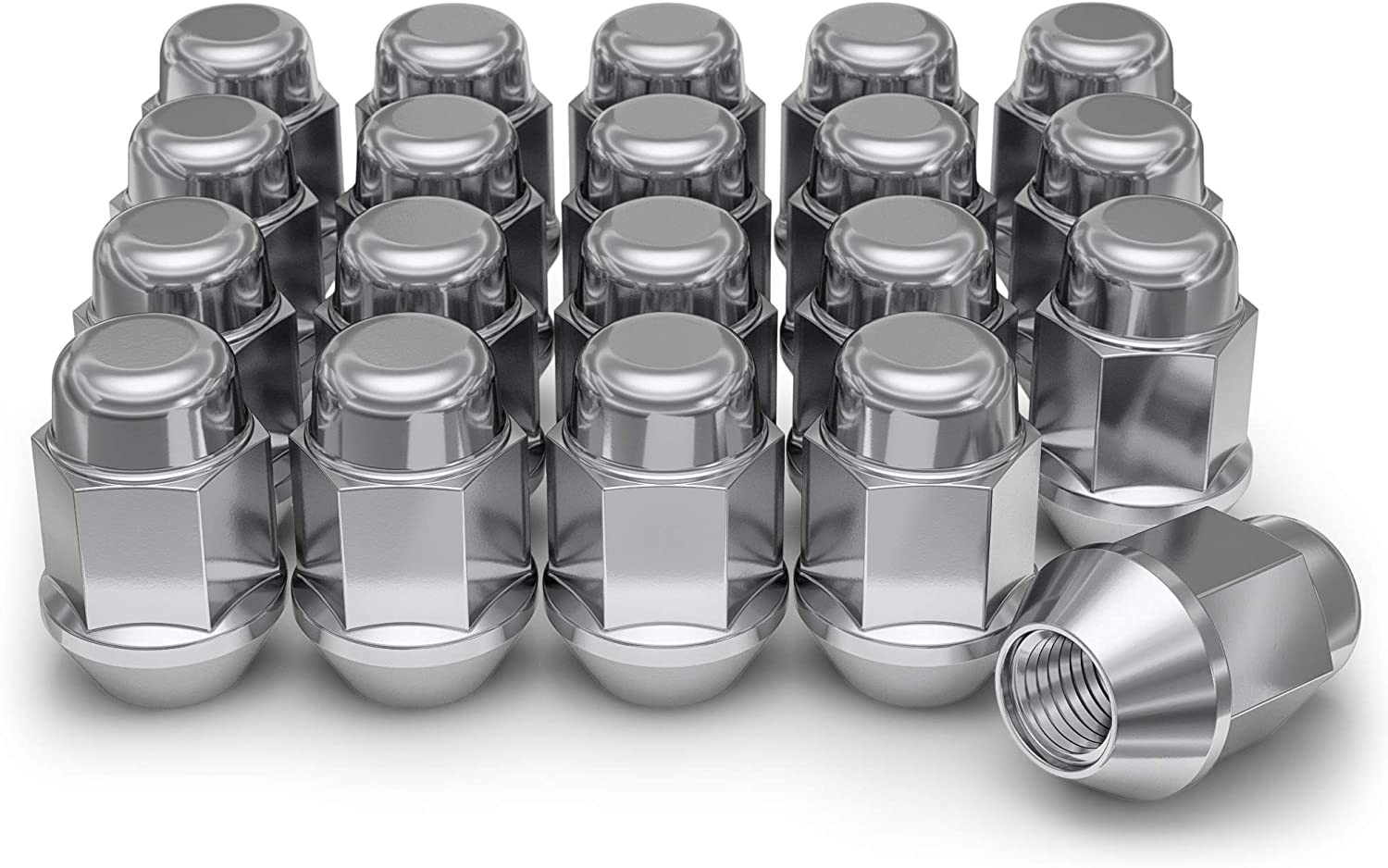
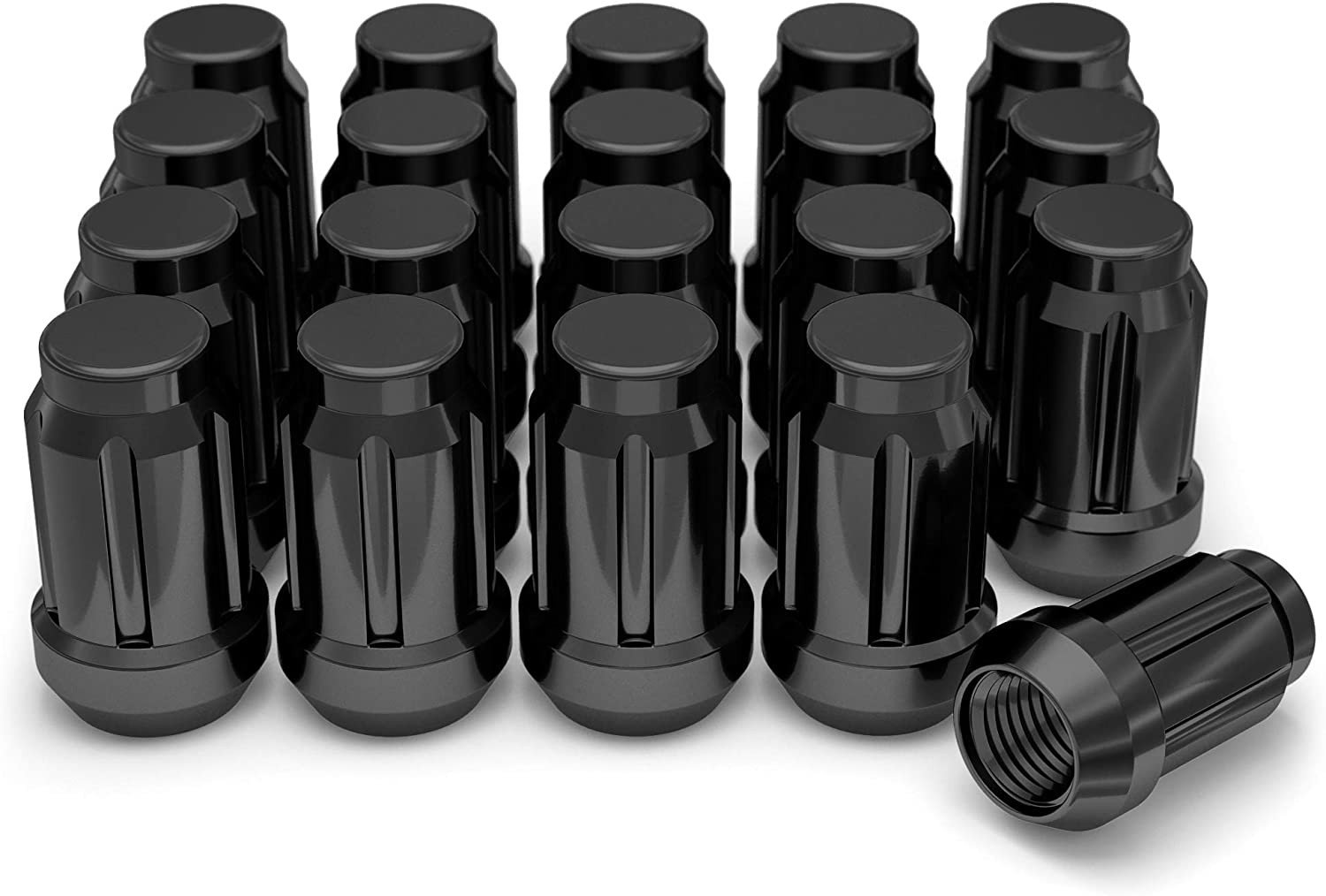
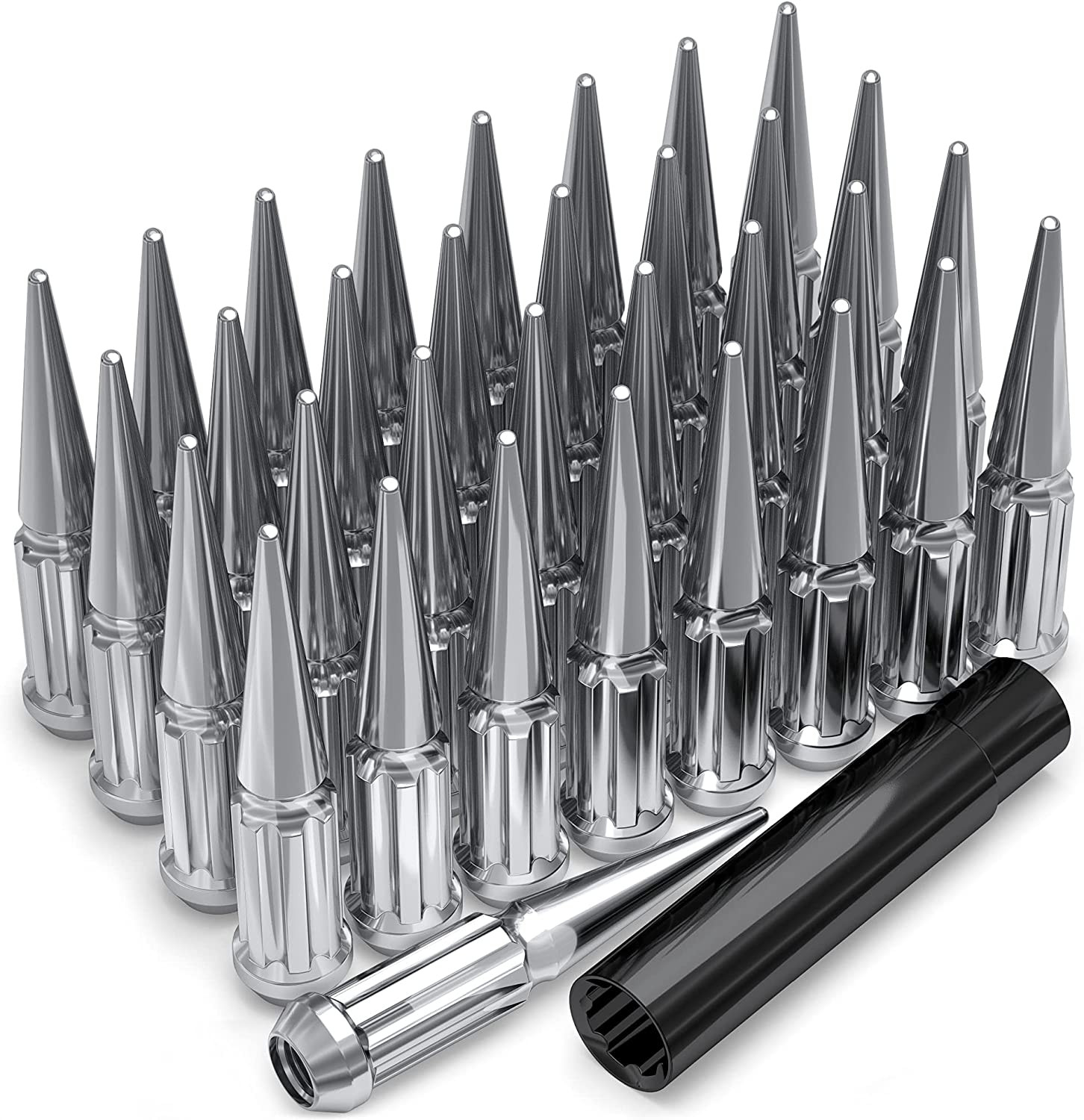
Install the correct lug nuts for the wheel’s seat type and thread specification. Start all fasteners by hand, then tighten them in a crisscross pattern. Finish with a calibrated torque wrench using the vehicle or wheel manufacturer’s specified torque. Do not guess at torque values.
After lowering the vehicle, check that the wheel rotates freely and that there is clearance with the steering turned fully left and right. Inspect for contact while the suspension is loaded. Recheck lug torque after the first short drive and again according to the wheel manufacturer’s instructions.
Set tire pressure according to the vehicle’s door-jamb label or owner’s manual, not the maximum pressure molded into the tire sidewall. If tires or wheels are changed, confirm that the tire pressure monitoring system operates correctly.
Tools And Helpful Supplies
Useful equipment includes a properly rated floor jack, jack stands, wheel chocks, a calibrated torque wrench, a socket set that fits the lug nuts, a tire pressure gauge, and a soft wire or nylon hub-cleaning brush. A tread-depth gauge can help evaluate used tires, but it cannot confirm internal tire damage or correct load capacity.
For relevant wheel and lug-nut supplies, see automotive torque wrenches on Amazon and wheel hub cleaning brushes on Amazon. Confirm the tool range, socket size, and product specifications before purchase.
FAQs
What is the known bolt pattern for the 2008 Honda Civic?
The supplied fitment data lists a 5x114.3 bolt pattern. Confirm the exact vehicle trim and compare the wheel markings before ordering.
What center bore is listed for this Civic?
The supplied center bore is 64.1 mm. A smaller wheel bore will not fit over the hub. A larger bore may need correctly sized hub-centric rings, but rings do not fix an incorrect bolt pattern or offset.
What lug thread size is listed?
The supplied thread size is M12 x 1.5. The lug nut seat must also match the replacement wheel. Thread size alone does not confirm lug-nut compatibility.
Can I install an R15 tire on the listed 16-inch wheel?
No. An R15 tire is designed for a 15-inch rim, while a 16-inch wheel requires a tire marked R16. Since the supplied data lists both values, verify the correct original specification before purchasing a tire or wheel package.
Does a 5x114.3 wheel automatically fit the Civic?
No. Bolt pattern is only one requirement. You must also check center bore, wheel width, offset, backspacing, brake clearance, lug-seat type, wheel load rating, and tire dimensions.
How can I compare a donor wheel with my Civic?
In the calculator, select the donor vehicle under “Wheels from” and the 2008 Honda Civic under “Installed on.” Compare all available measurements, then use the custom wheel and tire fields for a proposed setup. Physically inspect clearance before driving on the new combination.
Where should I confirm the final specification?
Check the vehicle identification information, door-jamb tire label, owner’s manual, wheel markings, tire sidewalls, and Honda or reputable wheel manufacturer fitment information. If those sources conflict, do not install the parts until the exact trim-specific specification is resolved.