2013 Honda Civic Wheel Interchange and Fitment Guide
Use this page to compare donor wheels and tires with a 2013 Honda Civic. The information below includes only the available OEM fitment data. Honda Civic specifications can vary by trim, package, body style, and market, so confirm the measurements on your vehicle and in the Honda service documentation before purchasing wheels or tires.
Known OEM Fitment For 2013 Honda Civic
The following values are the known reference specifications supplied for this vehicle. They should be treated as a starting point, not as a substitute for checking the original wheel, tire sidewall, door-jamb label, and OEM parts information.
| Specification |
Known value |
| Bolt pattern |
5x114.3 |
| Center bore |
64.1 mm |
| Thread size |
M12 x 1.5 |
| Rim diameter |
16 inches |
| Rim width |
6.5 inches |
| Wheel offset |
ET45 |
| Backspacing |
5.02 inches |
| Tire section width |
195 mm |
| Tire aspect ratio |
65% |
| Tire rim diameter |
15 inches |
There is an apparent mismatch in the supplied records: the known rim diameter is listed as 16 inches, while the known tire rim diameter is listed as 15 inches. Do not assume these values describe one original wheel and tire assembly. Confirm the size printed on the tire, the wheel marking, and the vehicle door-jamb label. If your trim has different specifications, use the verified values in the calculator.
How To Use The Wheel Interchange Calculator
The calculator lets you compare Wheels from a donor vehicle with wheels Installed on your 2013 Honda Civic. Enter the donor wheel and tire measurements as accurately as possible, then compare them with the verified measurements for your Civic.
- Start with the donor vehicle and enter its wheel diameter, width, offset, tire section width, and aspect ratio.
- Enter the measurements from your Civic, using the OEM values only after confirming they match your trim and current equipment.
- Use Custom wheel size to test a different rim diameter, width, or offset.
- Use Custom tire size to test a different tire section width or aspect ratio.
- Review changes to overall tire diameter, sidewall height, wheel position, and clearance.
- Remember that changing rim diameter updates the tire diameter comparison. A larger wheel does not automatically mean the complete tire and wheel assembly will fit.
A calculator comparison is a screening tool. It cannot verify brake-caliper clearance, suspension interference, fender clearance, hub engagement, wheel-load capacity, tire load rating, or the condition of a used wheel. Physical inspection and OEM documentation remain necessary.
Fitment Checklist Before You Buy
- Confirm the bolt pattern is 5x114.3 and that the wheel has five correctly positioned mounting holes.
- Check the 64.1 mm hub reference. A wheel center bore that is too small will not seat on the hub. A larger bore may require properly sized hub-centric rings when appropriate.
- Compare wheel width, offset, and backspacing rather than relying on bolt pattern alone.
- Verify brake and suspension clearance with the actual wheel design. Spoke shape and barrel profile can matter even when the basic dimensions appear suitable.
- Confirm the tire is approved for the wheel width and has an adequate load index and speed rating for the vehicle.
- Check overall tire diameter and clearance at full steering lock, full suspension compression, and normal ride height.
- Confirm that the replacement wheel supports the vehicle weight and intended use.
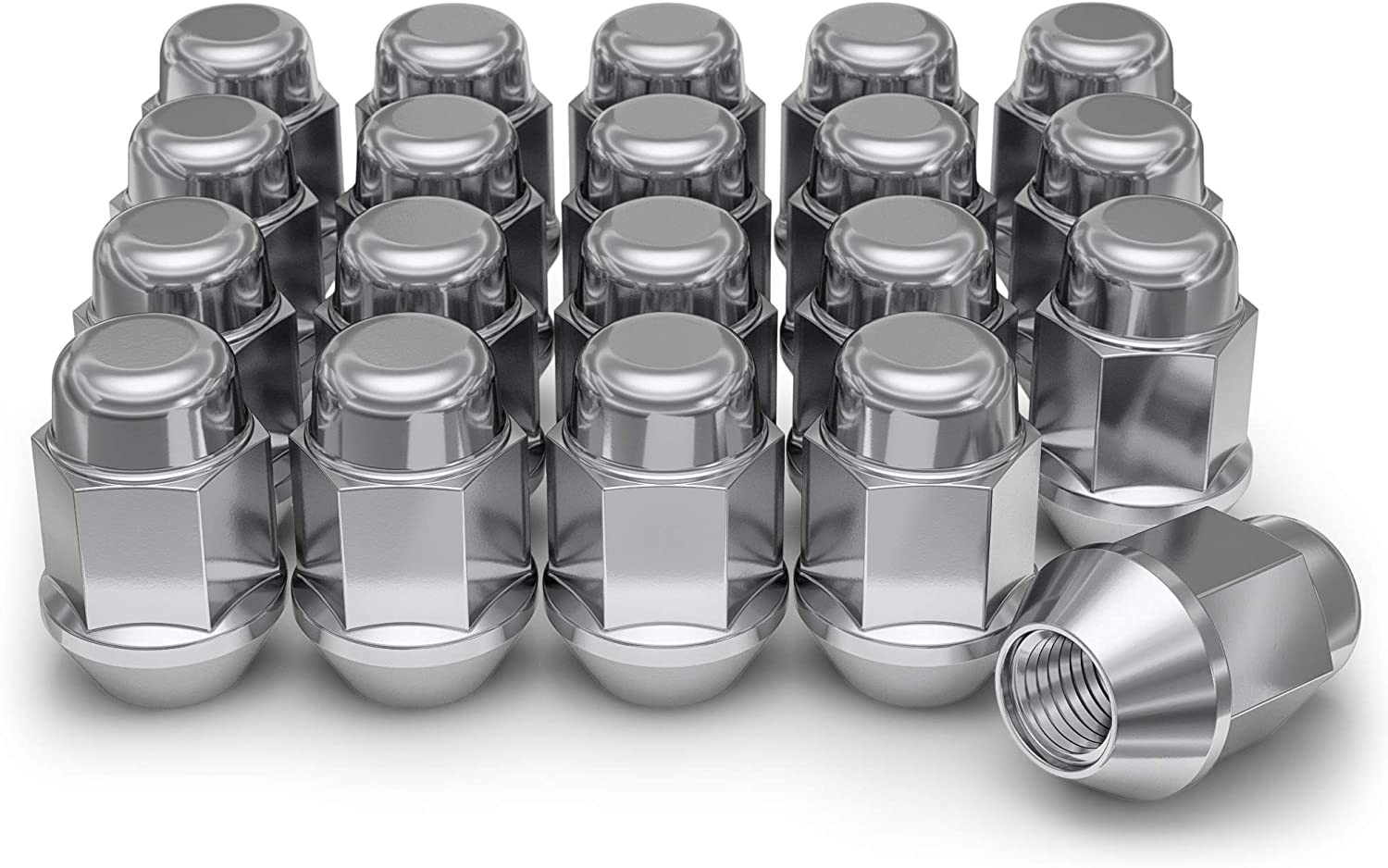
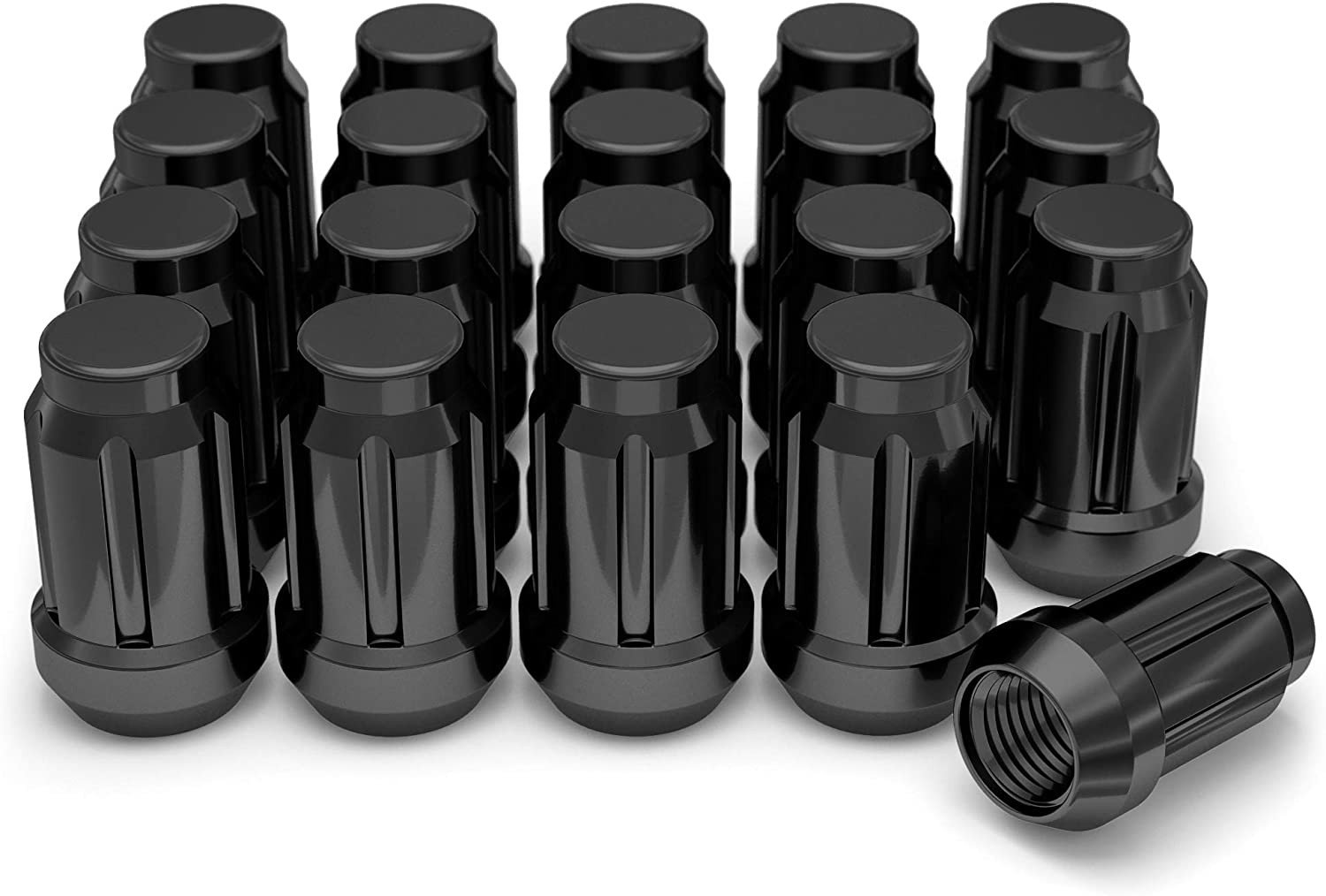
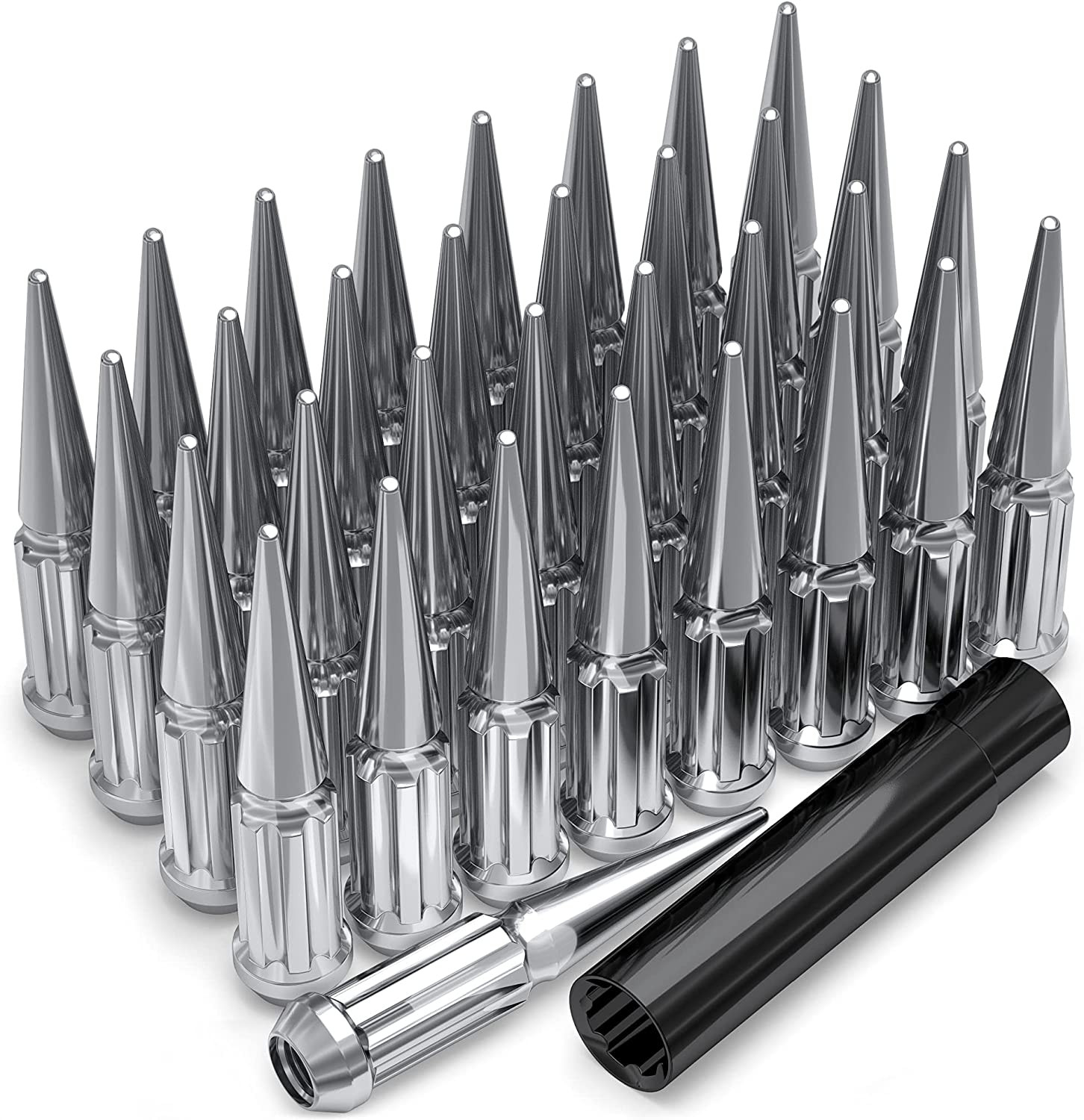
- Verify lug-seat type, lug-nut compatibility, thread engagement, and whether the wheel requires special hardware.
- Check TPMS compatibility and whether the vehicle requires sensor relearn or initialization after installation.
- Inspect used wheels for bends, cracks, corrosion around the bead seat, damaged threads, and previous repairs.
Plus Sizing And Common Upgrades
Plus sizing usually combines a larger wheel diameter with a lower-profile tire so the complete tire diameter stays close to the original. The goal is to preserve speedometer behavior, gearing, suspension travel, and body clearance while changing wheel appearance or handling response.
Because the supplied data lists both a 16-inch rim diameter and a 15-inch tire rim diameter, the correct baseline must be confirmed before evaluating a plus-size setup. Enter the verified original tire size and the proposed custom tire size in the calculator. Compare overall diameter, section width, sidewall height, and wheel position rather than comparing wheel diameter alone.
A wider tire or lower offset can reduce inner clearance and increase the chance of contact with the fender, liner, strut, or suspension components. A higher offset can create more inner clearance concerns. Any upgrade should also retain suitable load capacity, maintain safe clearance, and comply with local inspection requirements and tire-maker guidance.
Installation Tips
- Clean the hub face and the wheel mounting surface before installation. Rust or debris can prevent the wheel from seating flat.
- Install the wheel by hand and start each lug nut by hand to avoid cross-threading.
- Use the correct lug-seat style and vehicle-approved tightening specification. Do not substitute hardware based only on thread size.
- Tighten lug nuts in a star or crisscross pattern, then torque them with a calibrated torque wrench to the vehicle or wheel manufacturer specification.
- After installation, rotate each wheel by hand and check for obvious interference. Lower the vehicle and check steering clearance at both full-lock positions.
- Recheck lug torque after the initial driving period specified by the wheel manufacturer, and inspect for loss of pressure or vibration.
- Balance the wheel and tire assembly. If vibration remains, stop and inspect the wheel, tire, hub seating, and balance.
- Set tire pressure using the vehicle placard unless a qualified tire professional or manufacturer specifies otherwise.
Tools And Helpful Supplies
Useful equipment for a careful fitment check and installation may include a torque wrench, socket set, tire-pressure gauge, tread-depth gauge, measuring caliper, straightedge, jack stands, wheel chocks, and a hub or wheel measuring tool. Use jack stands and follow safe lifting points. Never work beneath a vehicle supported only by a jack.
These links are general tool searches. Confirm tool specifications, safe working limits, and the correct installation procedure for your vehicle and wheels.
FAQs
Can any 5x114.3 wheel fit a 2013 Honda Civic?
No. The bolt pattern is only one part of fitment. Center bore, wheel width, offset, backspacing, brake clearance, lug-seat design, load rating, and tire dimensions must also be checked.
What is the known center bore for this Civic?
The supplied reference value is 64.1 mm. Confirm the measurement for your specific trim and compare it with the donor wheel. A bore that is too small will not fit over the hub.
What wheel offset is listed for the vehicle?
The supplied reference offset is ET45. Offset changes how far the wheel sits inward or outward, so compare the proposed wheel with the verified original dimensions in the calculator and perform a physical clearance check.
Why do the supplied wheel and tire diameters disagree?
The known records list a 16-inch rim diameter and a 15-inch tire rim diameter. This may reflect different configurations or incomplete data. Check the tire sidewall, wheel stamp, door-jamb label, and OEM documentation before using either value as the baseline.
Does the calculator guarantee that a donor wheel will fit?
No. It compares the entered dimensions and highlights geometric differences. It does not certify brake clearance, hub fit, lug hardware, wheel strength, tire load rating, or the condition of a used part.
Can I install a wider tire?
Possibly, but the tire must be approved for the wheel width and must clear the fender, liner, suspension, and steering components throughout the vehicle's operating range. Check the calculator, tire manufacturer data, and the actual vehicle before purchase.
Do I need hub-centric rings for a larger-bore wheel?
A larger-bore wheel may require correctly sized hub-centric rings to help center the wheel, depending on the wheel and application. Rings do not correct an incorrect bolt pattern, offset, wheel width, brake clearance problem, or unsuitable lug hardware.
What should I verify after installing different wheels?
Verify lug torque, tire pressure, TPMS operation, steering and suspension clearance, brake clearance, wheel balance, and the absence of rubbing during careful test driving. Stop immediately if you hear contact, feel vibration, or notice a handling change.