2018 Honda Accord Wheel Interchange and Fitment Guide
This guide summarizes the known wheel and tire information supplied for the 2018 Honda Accord. Fitment can vary by trim, package, market, brake configuration, and replacement parts. Use the calculator and confirm the final specifications with the vehicle's door-jamb label, owner's manual, wheel markings, and Honda or dealer parts information before purchasing.
Known OEM Fitment For 2018 Honda Accord
The following values are the known specifications provided for this page. They should be treated as reference data, not as a guarantee that every 2018 Honda Accord uses the same wheel or tire combination.
| Specification |
Known value |
What to verify |
| Bolt pattern |
5x114.3 |
Confirm the wheel has five lug holes on a 114.3 mm pitch circle diameter. |
| Center bore |
64.1 mm |
Confirm the wheel center bore is compatible. Hub-centric rings may be needed for a larger wheel bore, if appropriate. |
| Thread size |
M12 x 1.5 |
Verify lug nut thread, seat type, and required seating style for the specific wheel. |
| Rim diameter |
18 inches |
Verify the installed wheel diameter for the vehicle trim. |
| Rim width |
8.0 inches |
Confirm the width stamped on the wheel and the tire manufacturer's approved rim-width range. |
| Wheel offset |
ET50 |
Check inner strut, suspension, brake, and outer fender clearance. |
| Backspacing |
5.97 inches |
Compare actual backspacing when evaluating a different wheel width or offset. |
| Tire section width |
225 mm |
Confirm the tire size printed on the door placard or specified in the owner's manual. |
| Tire aspect ratio |
50 percent |
Verify the complete tire size, including its rim diameter. |
| Tire rim diameter |
17 inches |
This supplied value differs from the supplied 18-inch rim diameter. Confirm the correct wheel and tire package for the specific trim before ordering. |
The supplied data includes both an 18-inch rim diameter and a 17-inch tire rim diameter. These may represent different configurations or an incomplete fitment record. Do not assume a 17-inch tire fits an 18-inch wheel. The tire's final size must match the wheel diameter, and the vehicle's approved tire size should be confirmed from OEM documentation.
How To Use The Wheel Interchange Calculator
Use the calculator to compare a donor vehicle's wheels with the wheels you plan to install on your 2018 Honda Accord. Enter the donor vehicle information in the “Wheels from” section and the Accord information in the “Installed on” section.
- Compare bolt pattern, center bore, wheel diameter, width, and offset before considering appearance.
- Use the custom wheel size controls to enter the proposed rim diameter, rim width, and offset.
- Use the custom tire size controls to enter section width and aspect ratio.
- Review how the wheel moves inward or outward relative to the reference wheel.
- When you change rim diameter, check the updated tire diameter shown by the comparison. A different wheel diameter requires a tire with a matching rim diameter.
- Treat calculator results as a screening tool. They cannot confirm brake clearance, suspension clearance, fender clearance, lug-seat compatibility, tire load rating, or vehicle-specific legal requirements.
If a value is unknown or differs between sources, use the specification printed on the wheel or tire and confirm it with an OEM source. A VIN-based Honda parts lookup or dealer confirmation is preferable when trim-specific information is unavailable.
Fitment Checklist Before You Buy
- Confirm the 5x114.3 bolt pattern and verify that the wheel is manufactured for the correct lug-hole geometry.
- Compare the wheel center bore with the vehicle hub specification of 64.1 mm. A smaller bore will not fit over the hub.
- Confirm the wheel offset and width, then inspect projected inner and outer clearance in the calculator.
- Verify brake caliper clearance with a physical test fit when using aftermarket or donor wheels. Diameter alone does not prove brake clearance.
- Match the tire rim diameter to the wheel diameter. The supplied records show both 17-inch and 18-inch values, so this step is especially important.
- Check the tire's load index, speed rating, sidewall condition, and approved rim-width range.
- Confirm that the replacement tire diameter is suitable for the vehicle and that the speedometer, driver-assistance systems, and electronic controls will not be adversely affected.
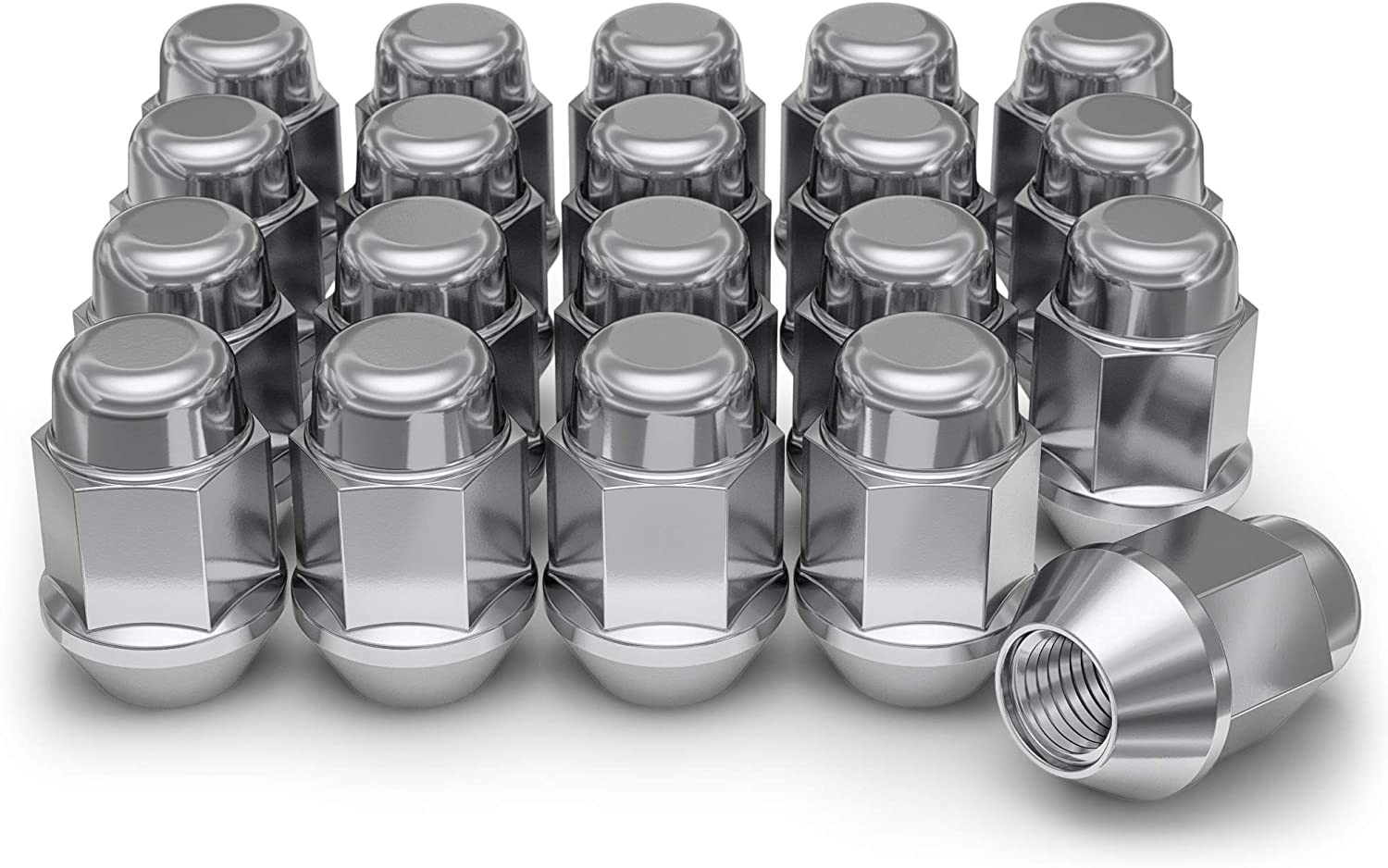
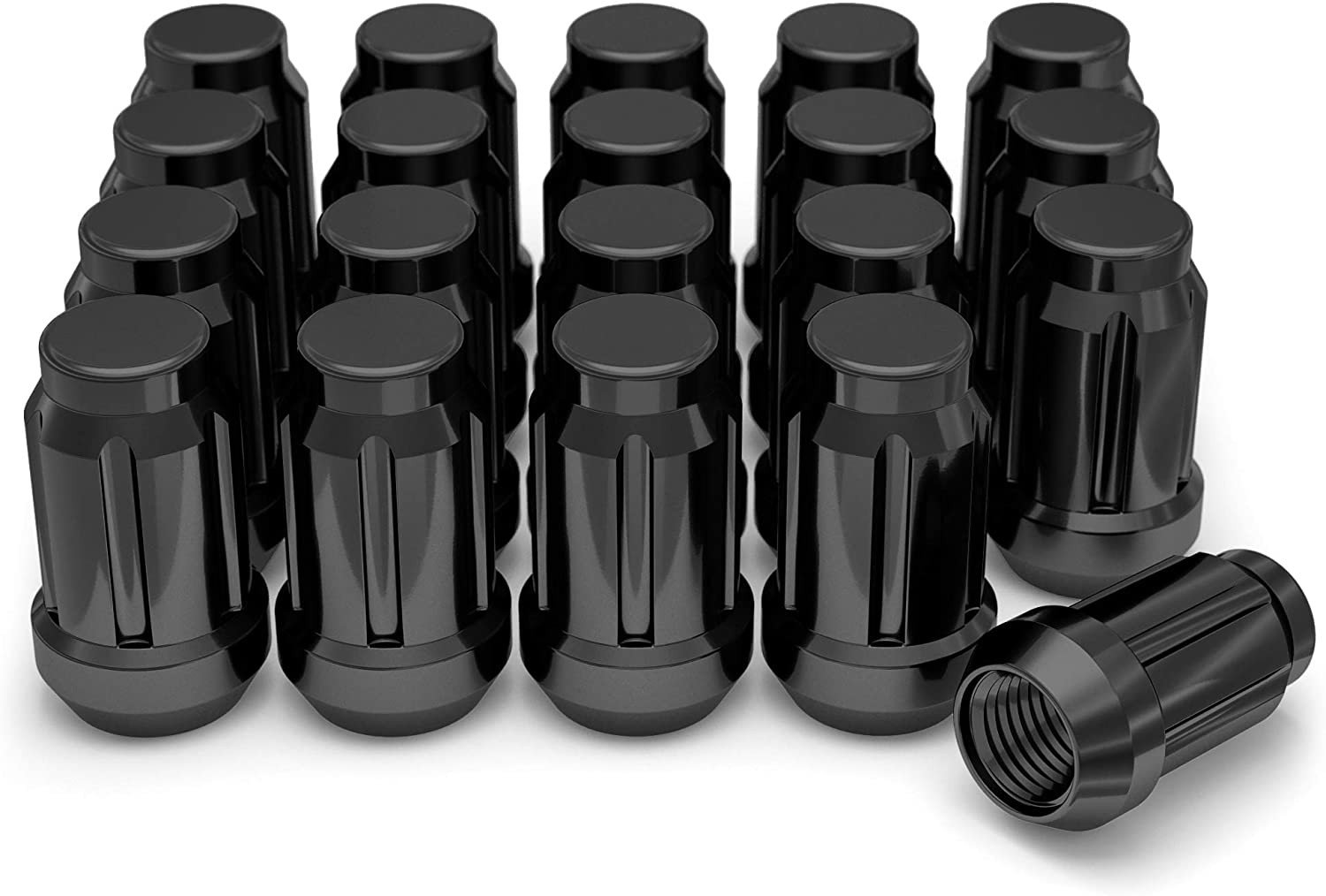
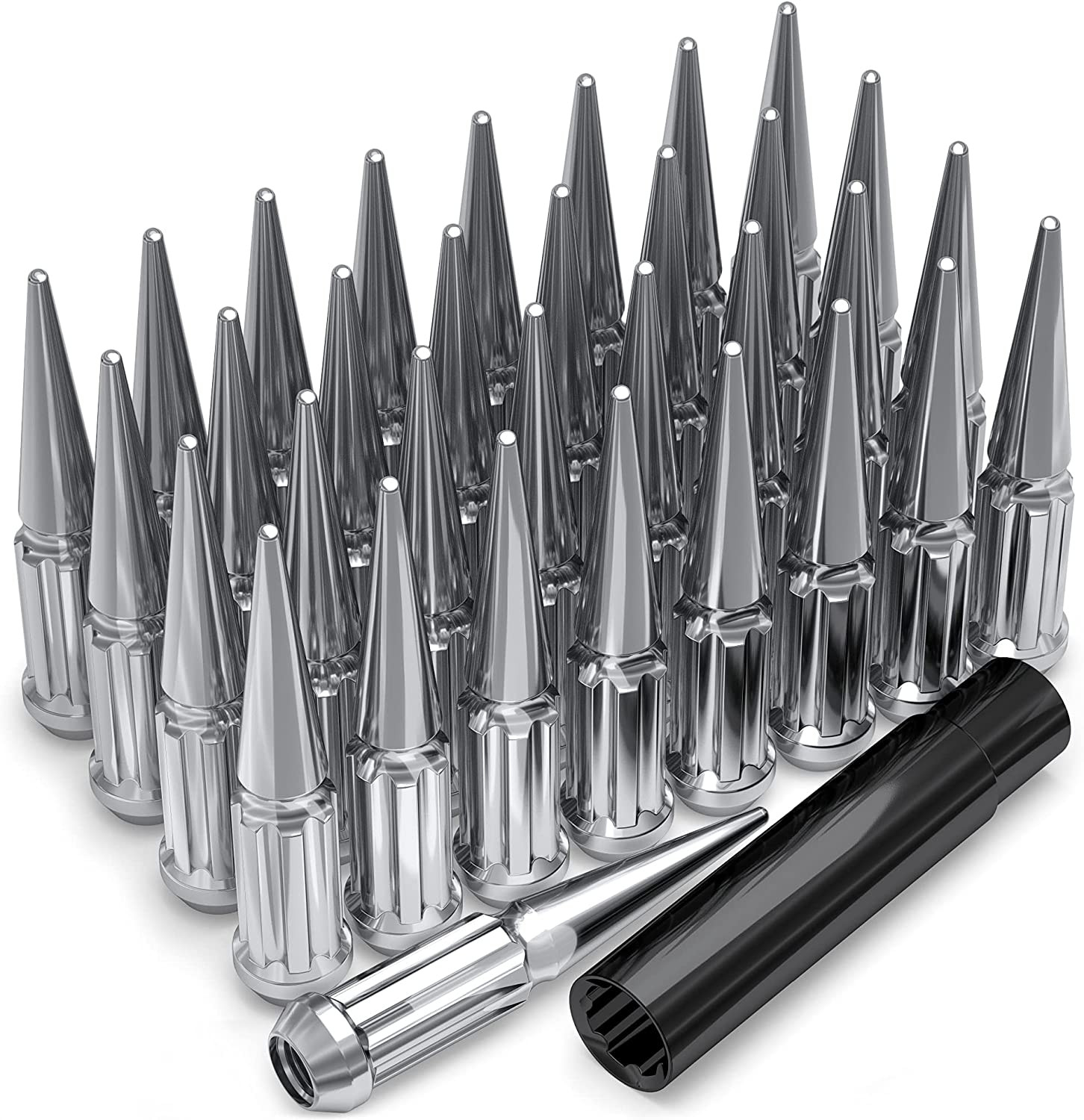
- Check lug nut thread size, seat style, shank length where applicable, and whether the original lug nuts are approved for the replacement wheel.
- Verify that the wheel is not bent, cracked, excessively corroded, repaired improperly, or missing its load rating.
- Confirm TPMS sensor compatibility and whether sensors require registration or relearning after installation.
Plus Sizing And Common Upgrades
Plus sizing changes wheel diameter while using a lower-profile tire to keep the overall tire diameter close to the original. The correct replacement must still have the correct rim diameter, sufficient load capacity, appropriate speed rating, and adequate clearance.
Do not select a tire solely because its section width appears similar. A wider tire can contact the strut, suspension, inner liner, or fender, while a different offset can change both inner clearance and outer poke. Use the calculator to compare custom diameter, width, and offset values, then confirm clearance with a physical inspection.
Because the supplied information contains both 17-inch and 18-inch rim references, the original package must be identified before planning an upgrade. Check the tire sidewall, door placard, owner's manual, and OEM records. Do not mix a tire intended for one rim diameter with a wheel of another diameter.
Installation Tips
- Install wheels only on clean, undamaged hub and wheel mounting surfaces. Remove rust and debris without removing metal from the hub.
- Thread lug nuts by hand first. Do not force a mismatched thread or use an impact tool to start the nuts.
- Use the lug nuts specified for the wheel's seat type. M12 x 1.5 thread size alone does not identify the correct lug nut seat.
- Seat the wheel fully against the hub before final tightening.
- Use a calibrated torque wrench and the vehicle or wheel manufacturer's specified torque procedure. Do not guess the torque value.
- After installation, rotate each wheel by hand and inspect for contact with brake components, suspension parts, and the inner fender.
- Lower the vehicle, recheck torque according to the applicable service instructions, and inspect again after a short drive.
- Set tire pressure using the vehicle's door-jamb specification, not the maximum pressure molded into the tire sidewall.
- Verify TPMS operation and have the system relearned if required.
Tools And Helpful Supplies
Basic wheel service requires safe lifting equipment and the correct hand tools. Use jack stands on a solid, level surface and never rely on a jack alone to support the vehicle.
- Calibrated torque wrench suitable for the vehicle's specified lug torque procedure
- Floor jack and appropriately rated jack stands
- Correct socket and breaker bar
- Tire pressure gauge
- Wire brush or approved hub-cleaning tool
- Wheel chocks
- Wheel fitment measuring tools, such as a straightedge and depth gauge, when physical clearance is uncertain
Shop automotive torque wrenches on Amazon and shop automotive tire pressure gauges on Amazon.
FAQs
What is the known bolt pattern for the 2018 Honda Accord?
The supplied fitment information lists a 5x114.3 bolt pattern. Confirm the wheel's pattern and lug-hole design before purchase.
What is the listed center bore?
The supplied center bore is 64.1 mm. A wheel with a smaller center bore will not fit over the hub. A larger bore may require an appropriate hub-centric solution, subject to correct sizing and wheel manufacturer guidance.
What thread size is listed?
The supplied thread size is M12 x 1.5. The correct lug nut must also match the wheel's seat type and other installation requirements.
Does every 2018 Honda Accord use the listed 18-inch wheel?
This page does not establish that every trim uses the same wheel. The supplied information lists an 18-inch rim diameter, but it also lists a 17-inch tire rim diameter. Verify the installed package using the tire sidewall, door-jamb label, owner's manual, and OEM or VIN-based parts information.
Can I install a 17-inch tire on an 18-inch wheel?
No. The tire rim diameter must match the wheel diameter. A tire marked for a 17-inch rim cannot be mounted on an 18-inch wheel. Confirm the complete tire size before ordering.
Will a wheel with the correct bolt pattern automatically fit?
No. Bolt pattern is only one requirement. Center bore, width, offset, brake clearance, lug-seat design, load rating, and tire clearance must also be checked.
How can I compare a donor wheel with the Accord?
Enter the donor vehicle under “Wheels from” and the Accord under “Installed on” in the calculator. Use the custom wheel and tire fields for proposed changes, then inspect the reported diameter and clearance differences. Confirm the result with a physical test fit when possible.
Should I use the calculator as final approval?
No. The calculator helps identify dimensional differences, but it cannot verify every real-world issue. Confirm fitment with OEM documentation, wheel markings, tire specifications, brake clearance checks, and professional inspection when needed.