2014 Honda Civic Wheel Fitment Guide
Known OEM Fitment For 2014 Honda Civic
The following specifications are the available OEM fitment data for the 2014 Honda Civic. Because wheel and tire equipment can vary by trim, body style, market, and package, confirm the specifications on your vehicle before ordering replacement wheels or tires.
| Specification |
Known value |
| Bolt pattern |
5x114.3 |
| Center bore |
64.1 mm |
| Thread size |
M12 x 1.5 |
| Rim diameter |
16 inches |
| Rim width |
6.5 inches |
| Wheel offset |
ET45 |
| Backspacing |
5.02 inches |
| Tire section width |
195 mm |
| Tire aspect ratio |
65% |
| Tire rim diameter |
15 inches |
The supplied wheel data indicates a 16 x 6.5 wheel with ET45 offset, while the supplied tire fields indicate a 195/65R15 tire. These values do not describe one complete wheel and tire assembly because a 15-inch tire is designed for a 15-inch wheel. Treat the data as separate reference fields until you confirm the original equipment configuration for your specific Civic using the door-jamb label, owner documentation, wheel markings, and a Honda dealer or parts catalog.
Do not use the bolt pattern alone to approve a wheel. The center bore, width, offset, brake clearance, load rating, fastener seat, and tire specifications must also be correct.
How To Use The Wheel Interchange Calculator
Use the calculator to compare a donor vehicle or custom wheel with your 2014 Honda Civic. The calculator is a comparison tool, not a substitute for checking the vehicle and wheel manufacturer specifications.
- Set the vehicle being evaluated as the “Installed on” or your vehicle entry and select the 2014 Honda Civic when available.
- Enter or select the “Wheels from” donor vehicle, or use the custom wheel fields if you already know the wheel diameter, width, and offset.
- Compare the donor wheel diameter, width, offset, bolt pattern, and center bore with the known Civic data above.
- Use the custom tire fields to compare section width and aspect ratio. Confirm that the tire rim diameter matches the wheel diameter before treating the tire result as a valid assembly.
- Review the displayed changes in inner clearance, outer position, and overall tire diameter. A smaller numerical change does not guarantee clearance from the brake caliper, strut, suspension, fender, or steering components.
- If you change the custom rim diameter, review the tire comparison again because the calculator updates tire diameter in the comparison.
When the calculator does not identify a vehicle or when a value is missing, do not assume compatibility. Confirm the missing measurement from the wheel stamp, tire sidewall, OEM documentation, or the wheel manufacturer.
Fitment Checklist Before You Buy
- Confirm the vehicle identification, model year, trim, body style, and market.
- Confirm the 5x114.3 bolt pattern and verify that the wheel has the correct number of mounting holes.
- Confirm the 64.1 mm hub bore. A larger bore may require properly specified hub-centric rings, while a smaller bore generally will not fit over the hub.
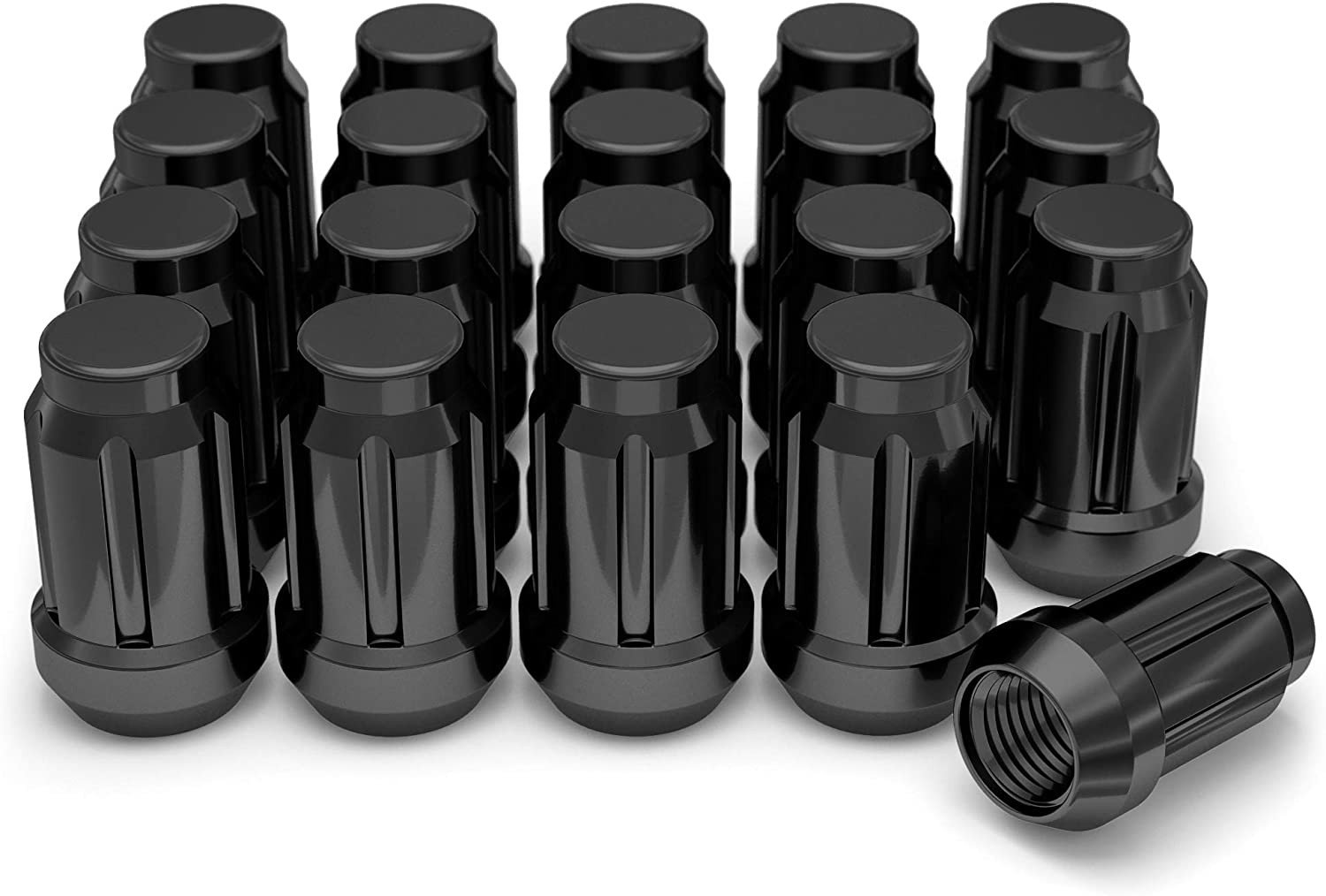
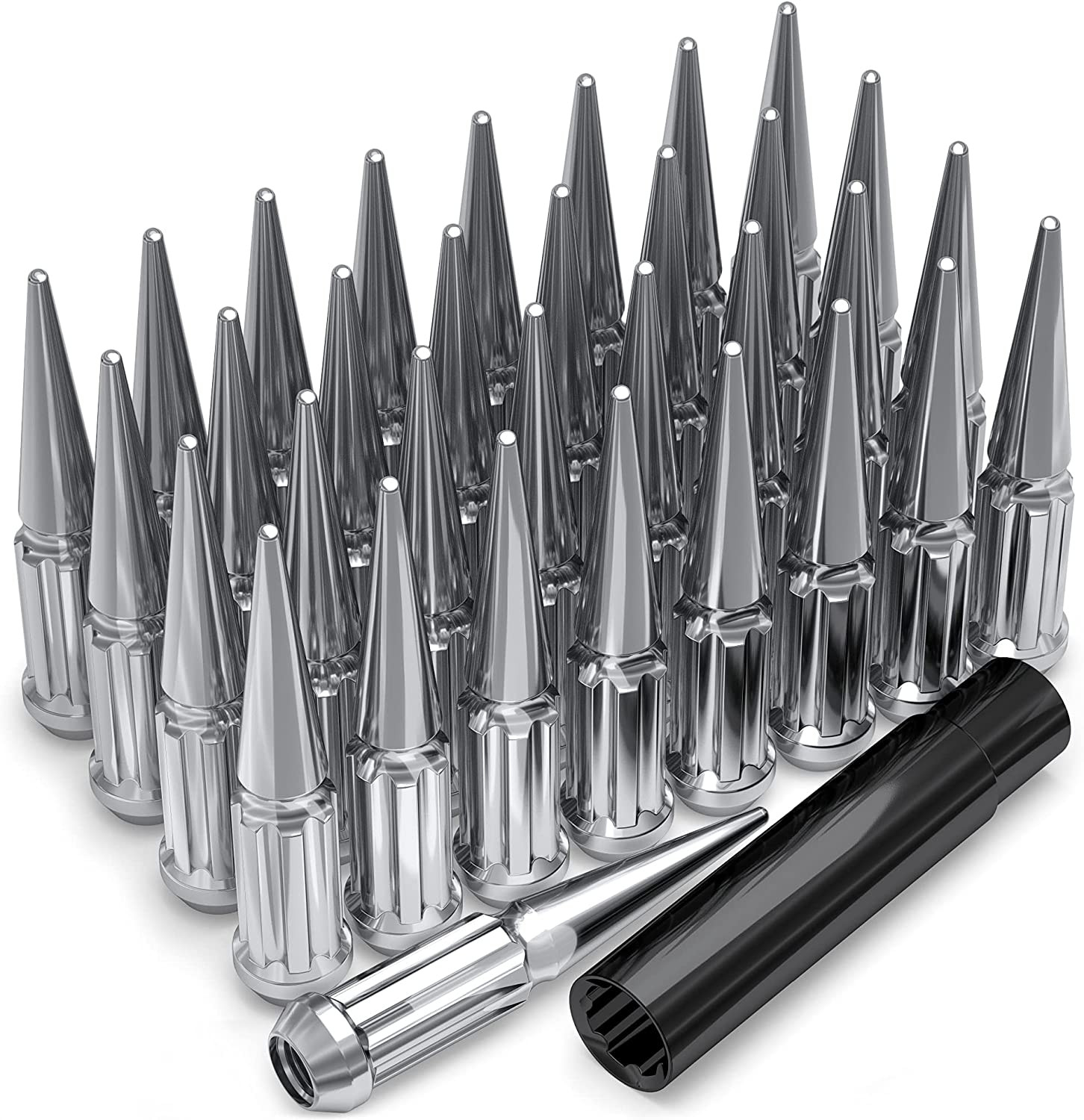
- Confirm the M12 x 1.5 thread specification and the correct lug nut seat for the replacement wheel. Thread size alone does not identify the correct lug nut.
- Compare wheel width and ET offset with the known 6.5-inch and ET45 values. Check both inner clearance and outer fender position.
- Verify brake caliper and suspension clearance with a physical test fit when wheel design, spoke shape, or brake equipment differs.
- Confirm the wheel load rating meets or exceeds the vehicle and axle requirements.
- Make sure the tire is approved for the wheel width and has the required load index and speed rating.
- Check that the tire rim diameter exactly matches the wheel diameter. Do not mount a 15-inch tire on a 16-inch wheel.
- After installation, inspect for contact during steering lock, suspension compression, and normal driving conditions.
Plus Sizing And Common Upgrades
Plus sizing changes the relationship between wheel diameter, tire sidewall height, tire section width, and overall tire diameter. It should not be treated as a universal upgrade for every 2014 Honda Civic trim.
To evaluate a possible upgrade, enter the proposed wheel diameter, width, and offset in the calculator. Then enter the proposed tire section width and aspect ratio. Compare the resulting overall diameter and clearance with the verified original configuration for your car.
If the wheel diameter is increased, a lower-profile tire may be needed to keep overall tire diameter close to the original. The calculator can show the numerical change, but it cannot confirm every brake, suspension, fender, steering, or tire-chain clearance condition.
Do not choose a tire only because its calculated diameter is similar. Confirm wheel-width approval, load capacity, speed rating, manufacturer guidance, and local legal requirements. Tire pressure recommendations should come from the vehicle placard or OEM documentation, not from the maximum pressure molded into the tire sidewall.
Installation Tips
- Inspect the wheel mounting face, hub, studs, and lug nuts before installation. Remove rust and debris without damaging the mating surfaces.
- Verify the wheel seats fully against the hub or approved hub-centric ring. Never use loose spacers or improvised washers to correct fitment.
- Install only lug nuts with a seat style that matches the replacement wheel. Stop if the lug nuts do not engage correctly or provide sufficient thread engagement.
- Snug the lug nuts in a star or crisscross pattern, then torque them to the vehicle or wheel manufacturer's specified value with a calibrated torque wrench.
- Do not lubricate wheel stud or lug nut threads unless the manufacturer specifically directs it, because lubrication can change clamping force.
- Check for contact by turning the steering from lock to lock and inspecting the inner sidewall, strut, control arms, brake components, and fender area.
- After a short drive, recheck torque according to the wheel manufacturer's instructions and inspect for movement, vibration, or contact.
- Stop driving if the vehicle develops severe vibration, steering pull, rubbing, loose fasteners, or any other abnormal behavior.
Tools And Helpful Supplies
Useful supplies may include a calibrated torque wrench, socket that fits the approved lug nuts, jack and jack stands rated for the vehicle, wheel chocks, a tire pressure gauge, and a tread or clearance inspection tool.
Use jack stands on a solid, level surface and follow the vehicle owner's lifting points. Never work under a vehicle supported only by a jack.
FAQs
What is the bolt pattern for the 2014 Honda Civic?
The known bolt pattern is 5x114.3. Confirm the vehicle and wheel application before purchase because bolt pattern alone does not establish complete fitment.
What is the center bore?
The known center bore is 64.1 mm. A replacement wheel with a smaller bore will not fit over the hub. A larger bore may need correctly sized hub-centric rings if specified by the wheel manufacturer.
What wheel offset is listed?
The supplied OEM wheel offset is ET45, with a listed rim width of 6.5 inches. Offset and width should be evaluated together because both affect inner suspension clearance and outer fender position.
Can I use the listed 195/65R15 tire on the listed 16-inch wheel?
No. A tire's rim diameter must match the wheel diameter. The supplied tire fields indicate 195/65R15, while the supplied wheel fields indicate a 16-inch wheel. Verify which configuration applies to your Civic before ordering.
What lug thread size is listed?
The known thread size is M12 x 1.5. You must also match the lug nut seat style and confirm adequate engagement with the replacement wheel.
Does a 5x114.3 wheel automatically fit?
No. You must also verify center bore, wheel width, offset, brake clearance, load rating, lug nut seat, and tire compatibility. Use the calculator for comparison, then confirm the result with OEM and wheel manufacturer sources.
How do I compare a donor wheel?
Enter the donor vehicle under “Wheels from” and the 2014 Honda Civic under “Installed on.” Compare the displayed wheel and tire dimensions, then use the custom fields for measurements that are not listed. Changing rim diameter updates the tire diameter comparison.
Where can I confirm the original equipment specifications?
Check the tire and vehicle information labels, owner documentation, markings cast or stamped into the wheel, and current Honda parts information. If those sources conflict, consult a Honda dealer or qualified tire and wheel professional before mounting the parts.